How Should a Property Owner Compare Dog Waste Removal Services?
Compare dog waste removal services by scope, schedule, access, reporting, and fit for your property before you choose a provider.

Comparing dog waste removal services is easier when you compare the work, not just the advertised visit price. A useful choice fits your property, the number of dogs using it, your preferred cleanup frequency, and the way the provider communicates. These questions help homeowners, landlords, and community managers assess the details before they book.
Ask A1 about service for your property
What should you compare first?
Start by describing the property and the result you need. A fenced backyard used by one dog has different needs from a shared apartment courtyard used by many residents. A provider should be able to explain what is included, what is outside the service, and how the schedule works for your situation.
Before requesting a quote or asking about availability, note:
- Whether the property is a single-family home, rental, HOA, apartment community, or another shared site.
- How many dogs use the area and which outdoor spaces need attention.
- Whether you want ongoing visits or a one-time reset after waste has accumulated.
- Any access limits, locked gates, resident activity, landscaping work, or pet-safety concerns.
- Whether the property has artificial turf that may need a separate cleaning approach.
This short description gives each provider the same starting point. It also makes it easier to compare proposals on equal terms instead of trying to remember what each person assumed.
Does the service scope match your property?
Ask the provider to define the area covered. “Yard cleanup” can mean different things. It might cover a private lawn, side yard, dog run, courtyard, or designated pet relief area. Confirm whether all requested spaces are included and whether the provider will enter any area that is gated or shared.
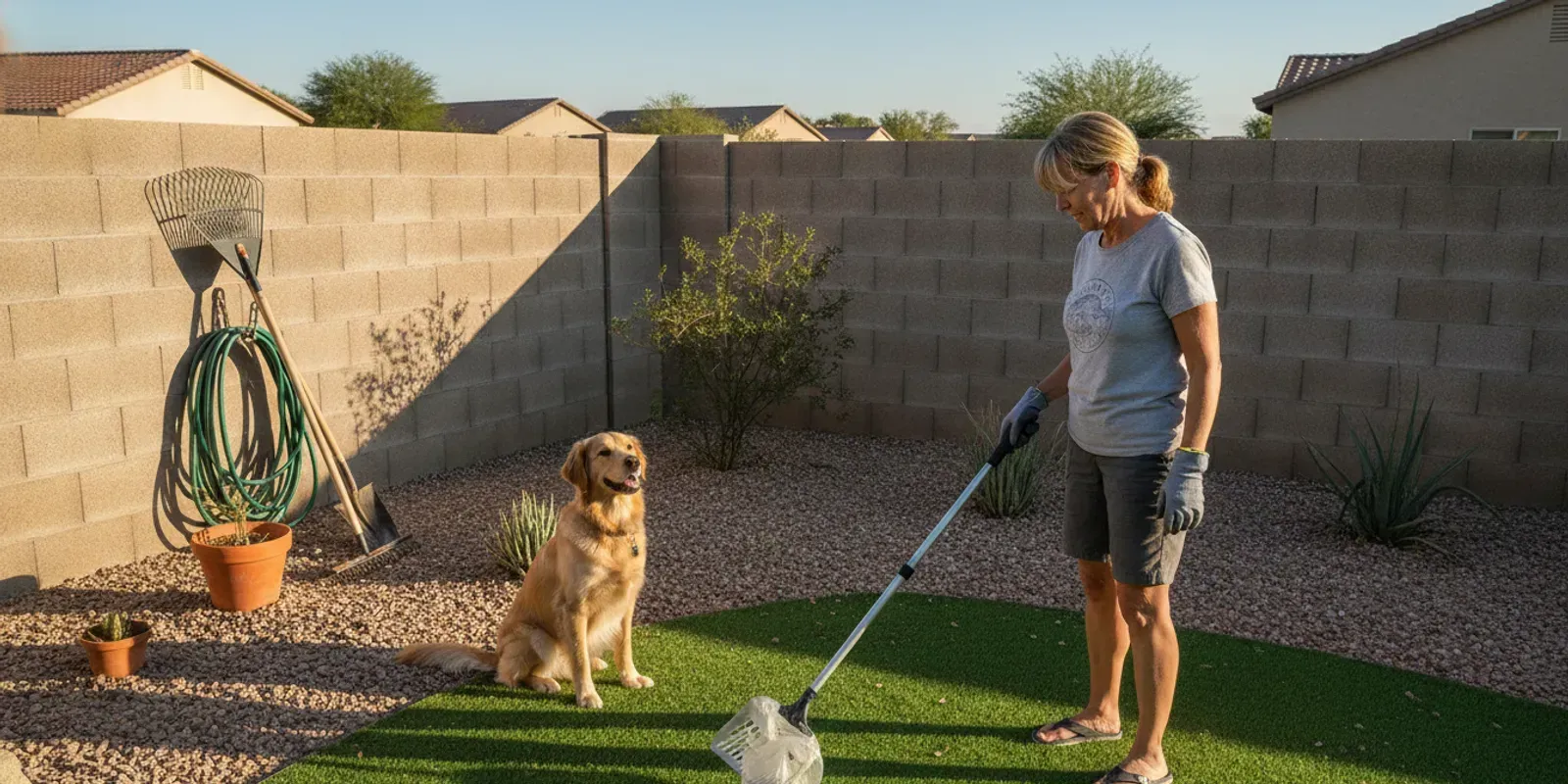
For a home, walk the yard and identify boundaries: the main lawn, narrow side paths, planting beds, a dog run, or the area around a patio. Tell the provider which spaces your dog uses most. If waste gathers in an overgrown or hard-to-reach area, mention it when discussing the service rather than assuming it is part of every visit.
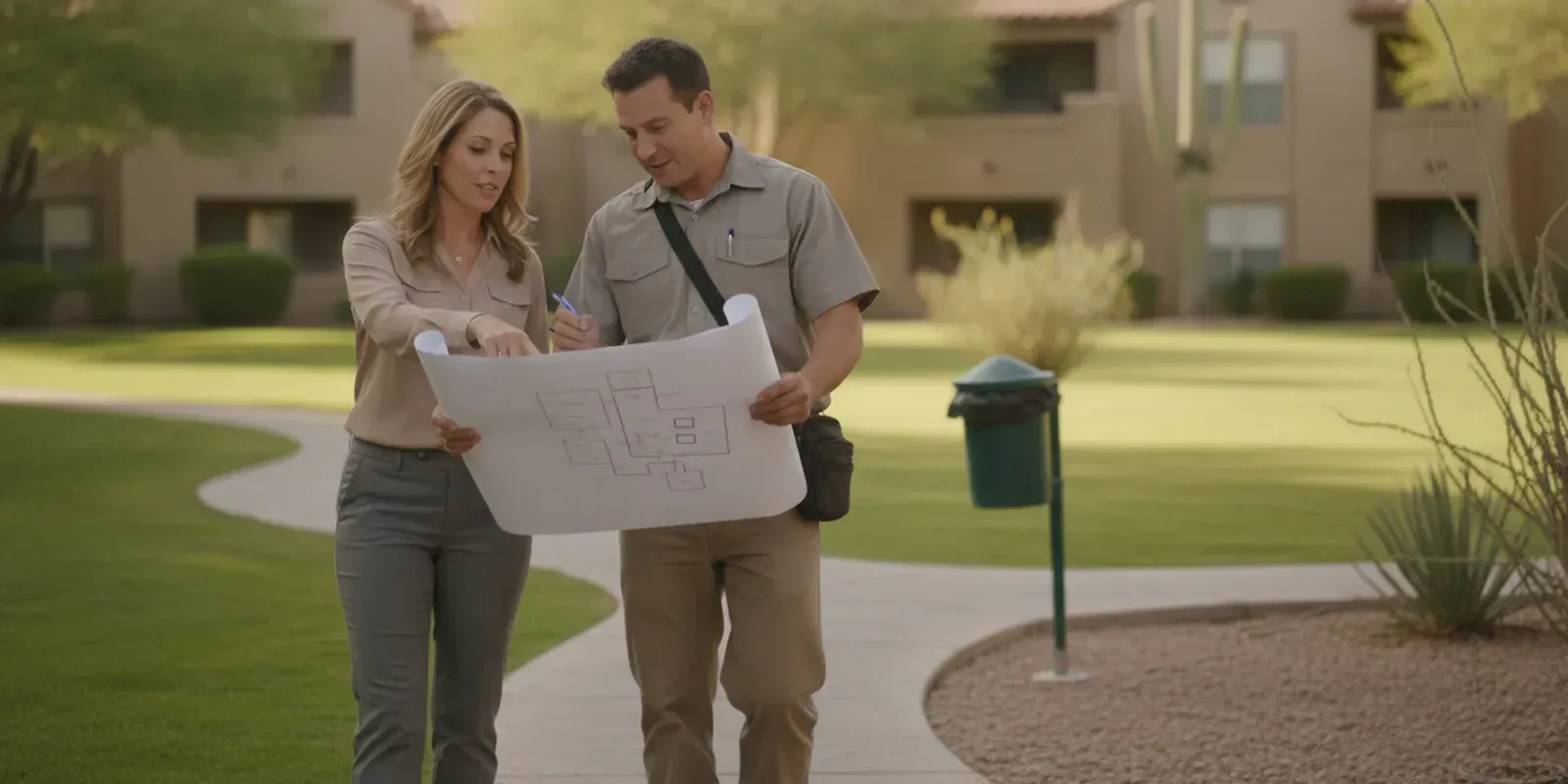
For an apartment community or HOA, describe the common areas separately from private yards. Ask how the provider handles lawns, walkways, dog runs, and other designated pet areas. A service for shared spaces may also need clear coordination with the property team. A1 provides commercial property pet waste cleanup information for managers comparing shared-property needs.
Also clarify what the service does not include. Routine collection of visible pet waste is not automatically the same as removing old buildup, washing a surface, treating turf, or servicing waste stations. If your yard needs a one-time reset first, compare that separately with one-time pet waste cleanup. For artificial grass, ask whether you need a distinct cleaning service; A1 describes its artificial grass cleaning and maintenance separately.
How often should visits happen?
Frequency affects both the condition of the yard and the amount of waste present at each visit. A household with multiple dogs or a small, heavily used relief area may prefer a different cadence from a household with one dog and a larger yard. Shared properties also need a schedule that reflects resident use and the number of areas involved.
Ask whether the provider offers the interval you need, which days or route windows are possible, and how weather or access issues affect a visit. A1's service information describes weekly and biweekly residential options. Confirm the current availability and suitable schedule for your address rather than assuming a specific day or visit time.
Think about what “regular service” means to you. Do you want a predictable interval that keeps buildup manageable, or do you only need occasional help? If you are unsure, discuss how many dogs use the yard, how often they go outside, and how the space is used. A provider can explain the available service pattern; you can then decide whether it fits your routine.
For a property team, ask how the visit cadence accounts for busy areas and whether there is a process to raise a missed or inaccessible section. Do not treat a schedule as a guarantee that every individual piece of waste will always be found. Weather, access, visibility, and changing site conditions can affect what a technician can reach. The key comparison is whether the provider explains its process clearly.
What exactly happens during a visit?
Ask the provider to describe the standard visit in plain language. Find out which spaces are checked, how collected waste is handled, and whether the service includes any follow-up communication. If you are comparing companies, write down the answer from each one. This avoids comparing one provider's routine visit with another provider's broader cleanup package.
For a residence, clarify how a technician enters the yard, whether you need to be home, and what must be done with dogs during the visit. Discuss gate latches, access codes, and any parts of the yard that should remain closed. Make the access plan simple and safe; never assume a provider can enter a locked area without instructions.
For a shared site, identify who will provide access and who should receive questions about blocked spaces or site changes. Ask whether the service covers only designated pet areas or other common grounds too. You may want to review dog waste station service options as a separate property-management need; station care and ground cleanup are related but not interchangeable tasks.
Collection methods differ across waste services. A journal study compares municipal approaches such as door-to-door collection, street bins, and smart bins; its findings concern those systems, not household dog-waste service. It is still a reminder to ask what collection and handling process a provider actually uses rather than assuming all services work alike. Read the study on different waste collection methods.
How should you compare price and terms?
Compare the same scope and visit frequency before comparing price. A lower quoted amount may cover fewer areas or a different cadence. Ask whether the quote depends on the number of dogs, yard size, service frequency, or the current amount of waste. Request a clear explanation of any one-time cleanup charge or separate turf-cleaning work.
Then ask how billing works, when charges are made, and how to change or stop service. Do not assume the provider's cancellation terms from a competitor's website or from a verbal summary. Review the written details and confirm anything that could affect your decision. A1's billing information answers common questions about service billing and account arrangements; contact the company to confirm terms that apply to your specific request.
Subscription service can make a recurring task more predictable, but it is not automatically the right fit for every property. If you only need help after a long gap or before an event, ask about a one-time option. If you want continued maintenance, compare recurring schedules and the process for pausing or adjusting service. A1 states that its recurring service has no contracts and can be started or stopped by phone; verify any other provider's terms directly.
What communication should you expect?
Good service communication is practical. Ask how to report a locked gate, a change in the yard, or a concern after a visit. Find out what happens if the technician cannot access the area. For a residence, learn whom to contact and whether the company sends a visit notice or other update. For a shared property, identify the staff member who will coordinate with the provider.
Property teams can also ask what information the provider can share about completed work. A simple record of service dates or a way to flag access problems may help staff manage a site. Be specific about what you need, and distinguish a service update from a formal inspection or proof that every area is free of waste. Ask the provider what it can actually document.
When you compare answers, favor clarity over broad promises. The provider should explain what it will do, what it cannot confirm, and how to raise a concern. If the response is vague about which areas are covered or what happens after an inaccessible visit, ask again before committing.
How do residential and shared properties differ?
The basic comparison questions are similar, but the operating details change with the site.
For a single-family home
- Confirm the yard boundary, gates, access instructions, and the areas your dog uses.
- Choose a visit pattern that suits your household and ask how to adjust it if your needs change.
- Ask how the provider handles pets on the property and how you should prepare the yard.
- Separate routine pickup from a backlog cleanup or artificial turf cleaning.
If you are new to this kind of service, A1's guide to what a pooper scooper service does can help you make a list of questions. You can also review the practical steps for hiring a pooper scooper before requesting service.
For rentals, HOAs, or apartment communities
- Map the common areas that need attention and identify areas that are out of scope.
- Decide who manages keys, codes, resident notices, and access coordination.
- Ask how the provider will handle shared paths, dog runs, and changes to the site.
- Set a clear contact path for staff to report access issues or ask about the service.
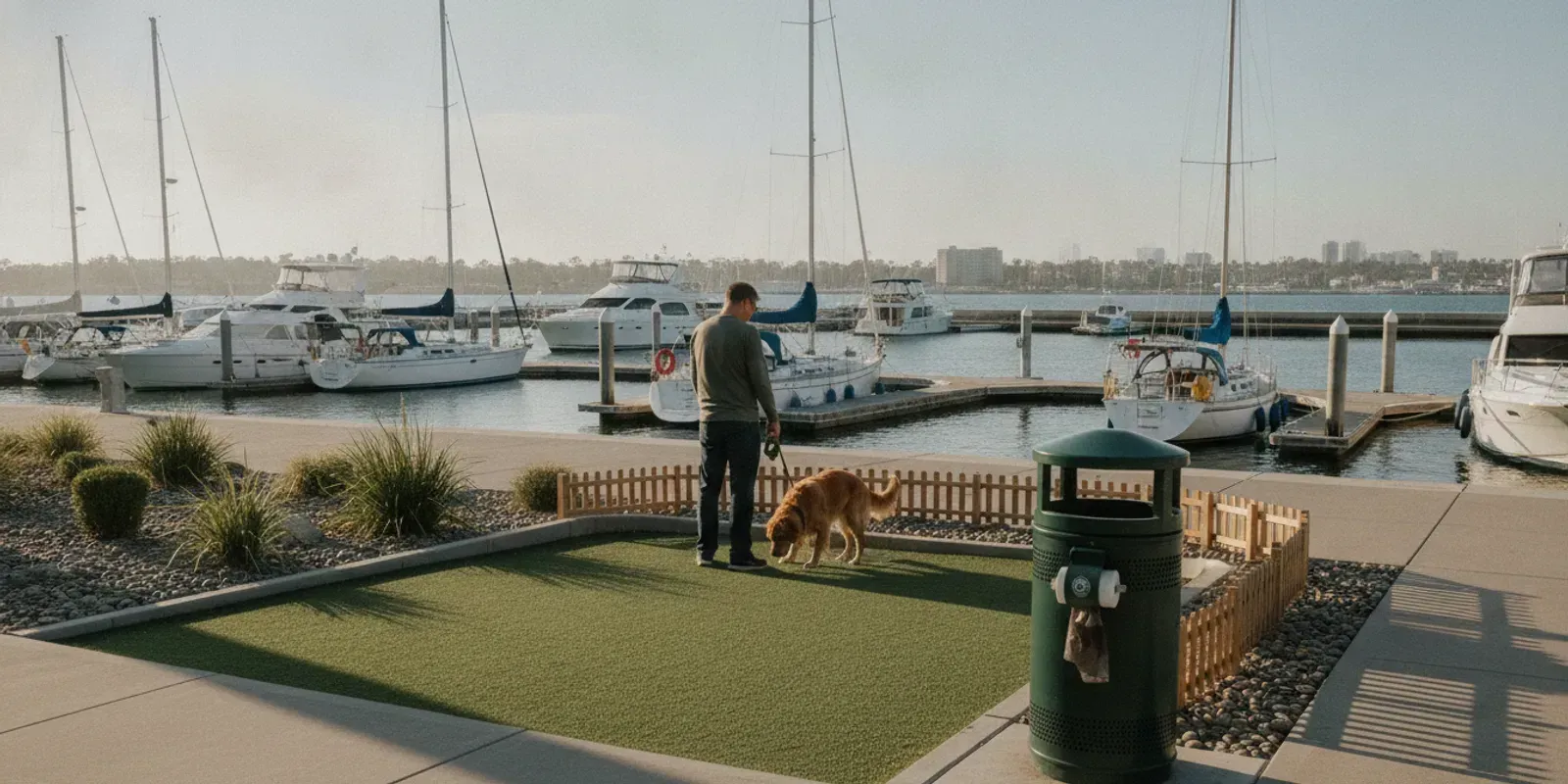
Community managers may need to consider waste stations as well as routine cleanup. A1's community pet waste solutions overview can help frame the different needs. For apartment properties, see the information on apartment dog waste removal in Las Vegas and confirm the service details for your particular location.
 What questions help you make a fair comparison?
Use the same questions with each provider. This keeps the conversation focused on the needs of your property rather than on slogans or a single headline price.
- Which exact areas are included? Ask the provider to name or map the spaces it will service.
- How often will visits take place? Confirm the offered frequency and how scheduling changes are handled.
- What preparation or access is required? Discuss gates, pets, shared spaces, and any site rules.
- What is outside the standard visit? Separate routine waste pickup from accumulated cleanup, turf cleaning, and station maintenance.
- How is the price determined? Ask what factors affect the quote and whether requested areas or frequencies change it.
- What are the billing and cancellation terms? Review how recurring service begins, changes, and ends.
- Who do you contact if something goes wrong? Learn how to flag blocked access or request clarification.
- What information do you receive after service? Confirm whether updates or records are available and what they do and do not establish.
Keep the answers together in a short comparison note. Record the provider's stated scope, schedule, price basis, and key terms. If one answer is missing, ask for it in writing. This is especially useful when a property manager is reviewing options with a board or owner.
For a more consistent review, group your notes under the same headings for every provider: included spaces, service interval, access, separate services, billing, and communication. Mark any answer that needs follow-up instead of filling in the gap yourself. If the property has special rules, such as resident-only access to a dog run or work hours that avoid peak use, include those rules in each conversation. That way, the proposals reflect the same operating conditions and are easier to explain to anyone who shares the decision.
What are warning signs during the selection process?
Pause and get clarification if a provider cannot describe the covered area, gives a price without understanding the property, or treats one-time cleanup and recurring visits as the same service. Be cautious about claims that do not explain the actual work or that promise a specific result without considering access and site conditions.
Another concern is an unclear access plan. A provider should know how it is expected to enter and what to do if a gate is locked or a pet is present. A property team should not leave critical access details informal, and a homeowner should not assume a technician can safely work around an unsecured dog.
Finally, do not choose solely on the lowest initial quote. Compare the service area, frequency, terms, communication, and any separate work your property needs. A fair comparison may show that a simpler option is enough, or that the apparently cheaper option does not cover the spaces you actually need cleaned.
How can you prepare before asking for service?
A few minutes of preparation can make the first conversation more useful:
- Count the dogs that regularly use the property and estimate how many areas they visit.
- Identify the boundaries and access points for the yard or common spaces.
- Take note of turf, dog runs, narrow side areas, or a backlog that may need separate attention.
- Decide whether you want an ongoing schedule or a one-time cleanup.
- For a shared property, identify the person who can approve service and coordinate access.
- Write down the questions above and ask every provider the same ones.
For additional background, A1's dog poop service guide explains common service considerations. If a property already has a buildup, the yard cleanup planning guide may help you distinguish a reset from routine maintenance.
Contact A1 to discuss your property
Frequently asked questions
Are dog waste removal services only for large yards?
No. The important question is whether the provider serves your location and can cover the spaces you want maintained. Describe your yard, number of dogs, access, and preferred schedule so the provider can tell you whether its service fits.
Should I choose recurring service or a one-time cleanup?
Choose based on the problem you need to solve. A one-time cleanup may suit accumulated waste or a specific reset. Recurring visits are intended for continued maintenance. Ask whether the property needs a cleanup before a recurring schedule can begin.
Does regular waste pickup include cleaning artificial turf?
Not necessarily. Waste pickup and artificial turf cleaning are different tasks, so confirm what the provider includes. If odor or residue in artificial grass is a concern, ask about a turf-specific cleaning approach rather than assuming ordinary pickup covers it.
What should a property manager provide before requesting a quote?
Share the property type, the common areas to be covered, access details, the number or pattern of dogs using the site if known, and the service frequency you are considering. Also identify the staff contact who can coordinate access and discuss site questions.
How many dog waste removal services should I compare?
Compare enough providers to understand the available scope and terms in your area, while using the same description and questions for each. A consistent comparison is more useful than collecting prices that refer to different schedules or areas.
The best choice is the service whose scope, schedule, access plan, communication, and terms match your property. Ask the same practical questions of every provider, then confirm the details before scheduling.