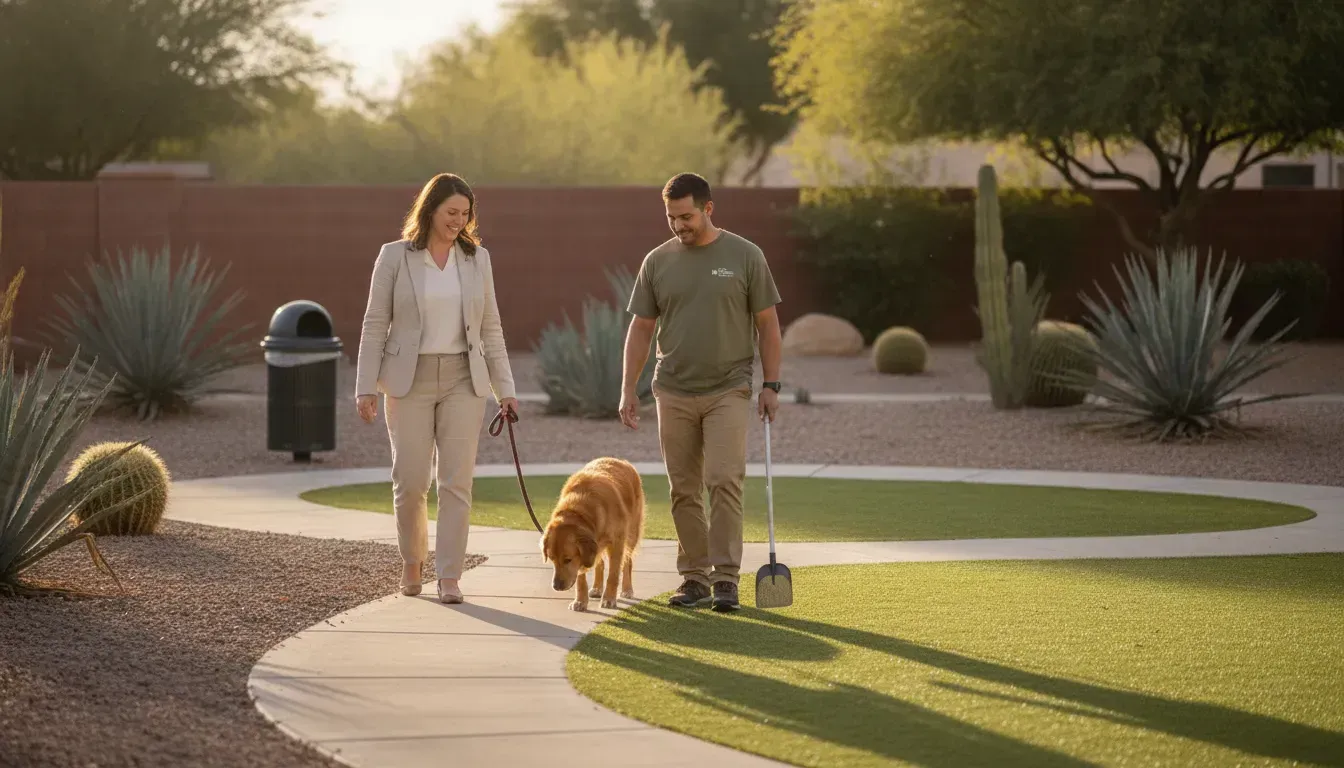
Yard cleanup dog poop: Service Options and Planning Guide
Yard cleanup dog poop is easier with a simple routine. Learn how to clear an overdue yard, plan regular pickup, and compare DIY and service options.
Yard cleanup dog poop is easiest when you pick up fresh waste regularly, bag it for disposal according to local rules, and check the entire yard instead of only the obvious spots. If waste has accumulated, clear the yard in sections first, then choose a manageable routine: DIY pickup, weekly or bi-weekly service, or a one-time cleanup to reset the space.
How Can You Plan Yard Cleanup Dog Poop Without Letting Waste Build Up?
A tidy yard starts with a repeatable route. Walk the property in a pattern, pick up each pile with a bag or scoop, and check the edges, shrubs, play areas, and places your dog likes to revisit. Collecting waste before it gets trampled makes the job easier and helps keep it out of the way of people and pets.
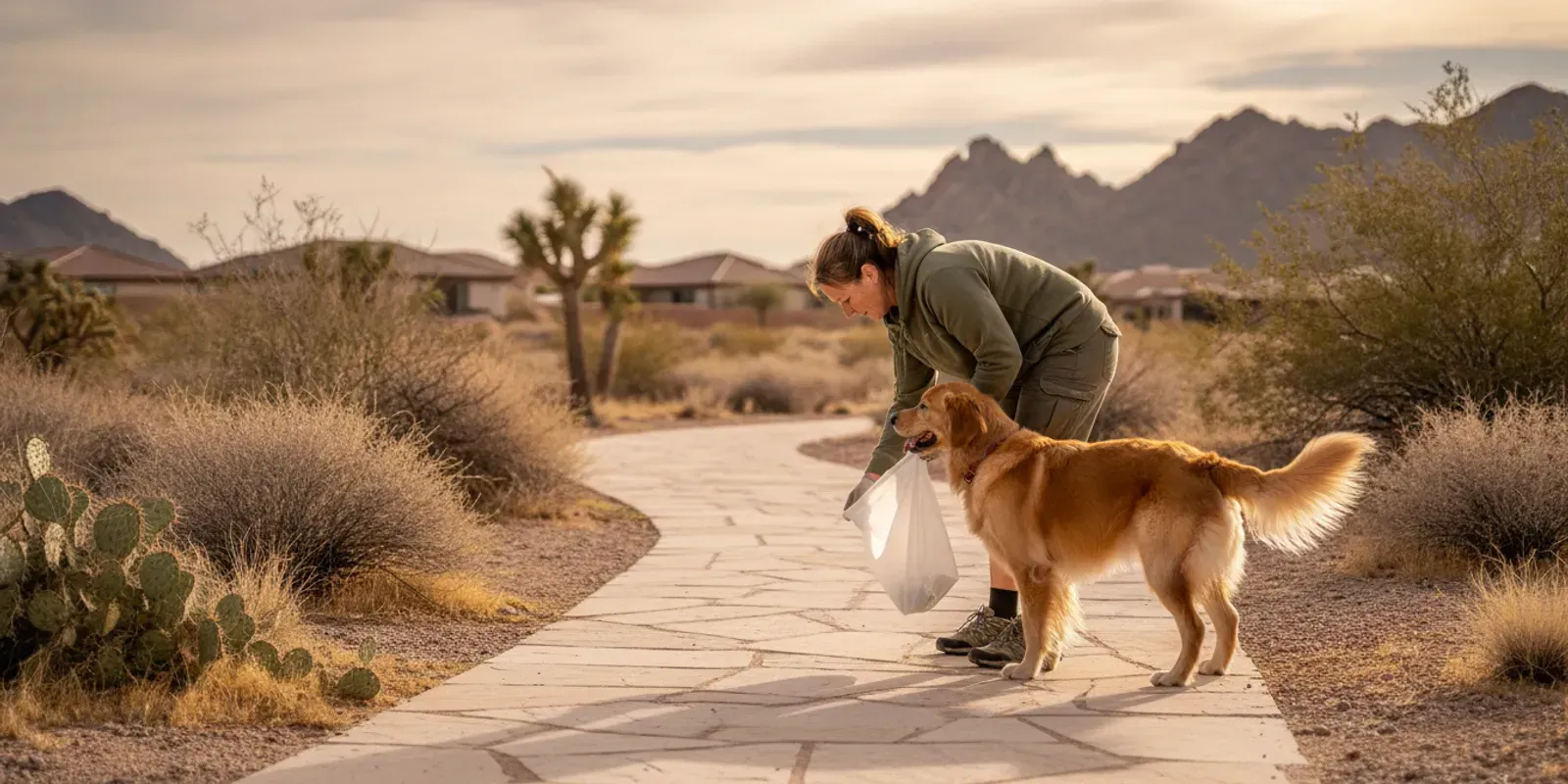
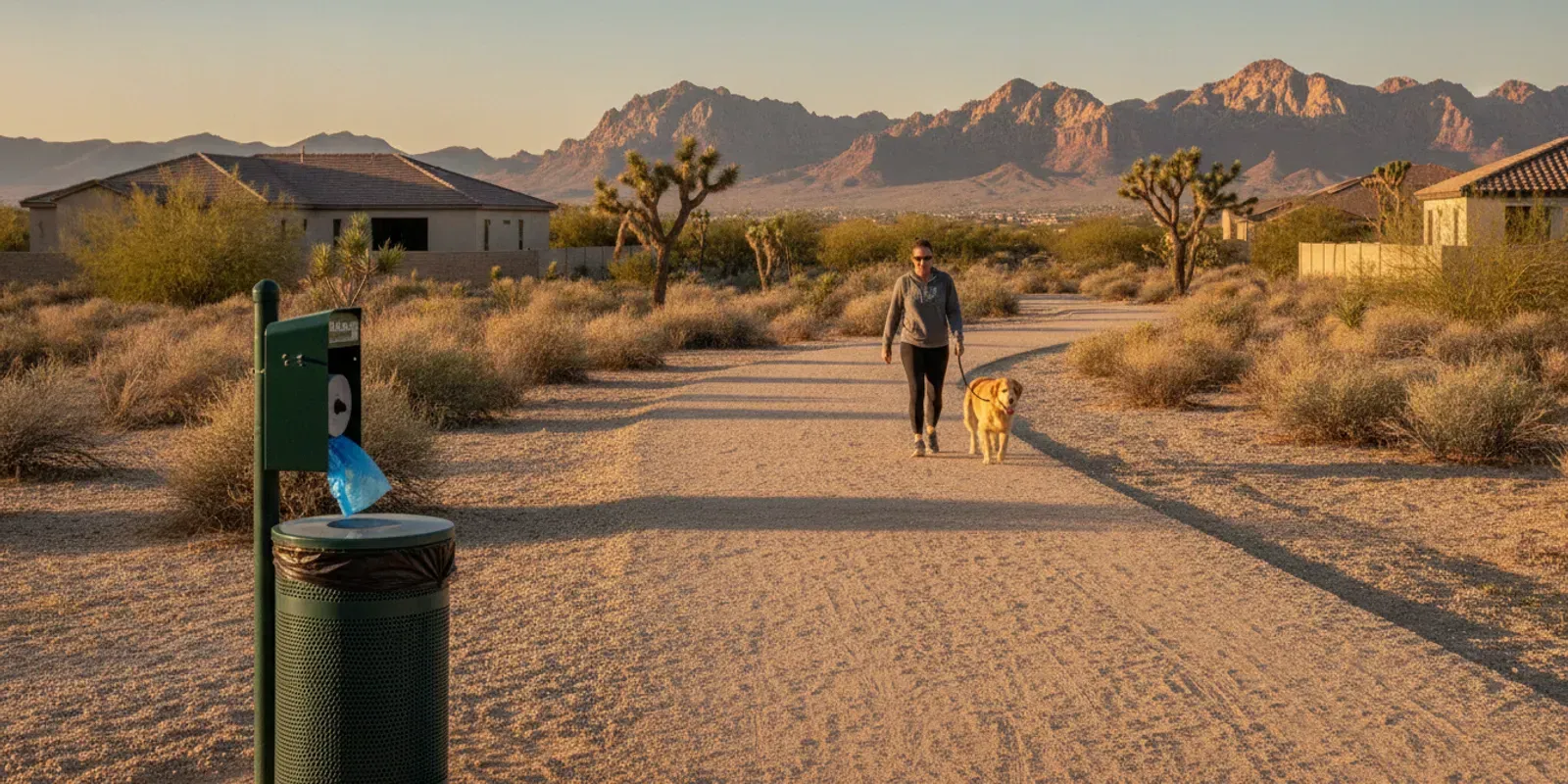
Use a sturdy waste bag or scooper, and keep a small supply near the door or yard exit. Avoid touching waste directly. Seal the bag and use the disposal method allowed where you live. Do not leave collected waste beside a path or in a storm drain. Local requirements can differ, so check your city or county guidance rather than assuming the rules are the same everywhere.
As general environmental context, the U.S. Environmental Protection Agency provides information about protecting the environment and water resources. Keep waste contained and follow local disposal directions, especially when runoff or shared outdoor spaces are a concern.
What Should You Do Before You Start Picking Up Waste?
Take a quick look across the whole yard before you begin. Notice where waste has collected, whether the ground is wet, and whether children or pets use a particular area. This first scan helps you choose a safe, efficient order instead of walking back and forth across the property. It also helps you decide whether you can finish in one session or should set aside time for more than one section.
- Gather supplies: Bring bags, a scooper or gloves, and a covered container for temporarily holding sealed bags if needed.
- Choose a route: Start at one corner and move in rows, or follow the fence line before working through the middle.
- Keep pets away from the work area: Use a gate or have someone supervise your dog while you clean.
- Look for missed spots: Check behind play equipment, along walls, beneath shrubs, and near gates.
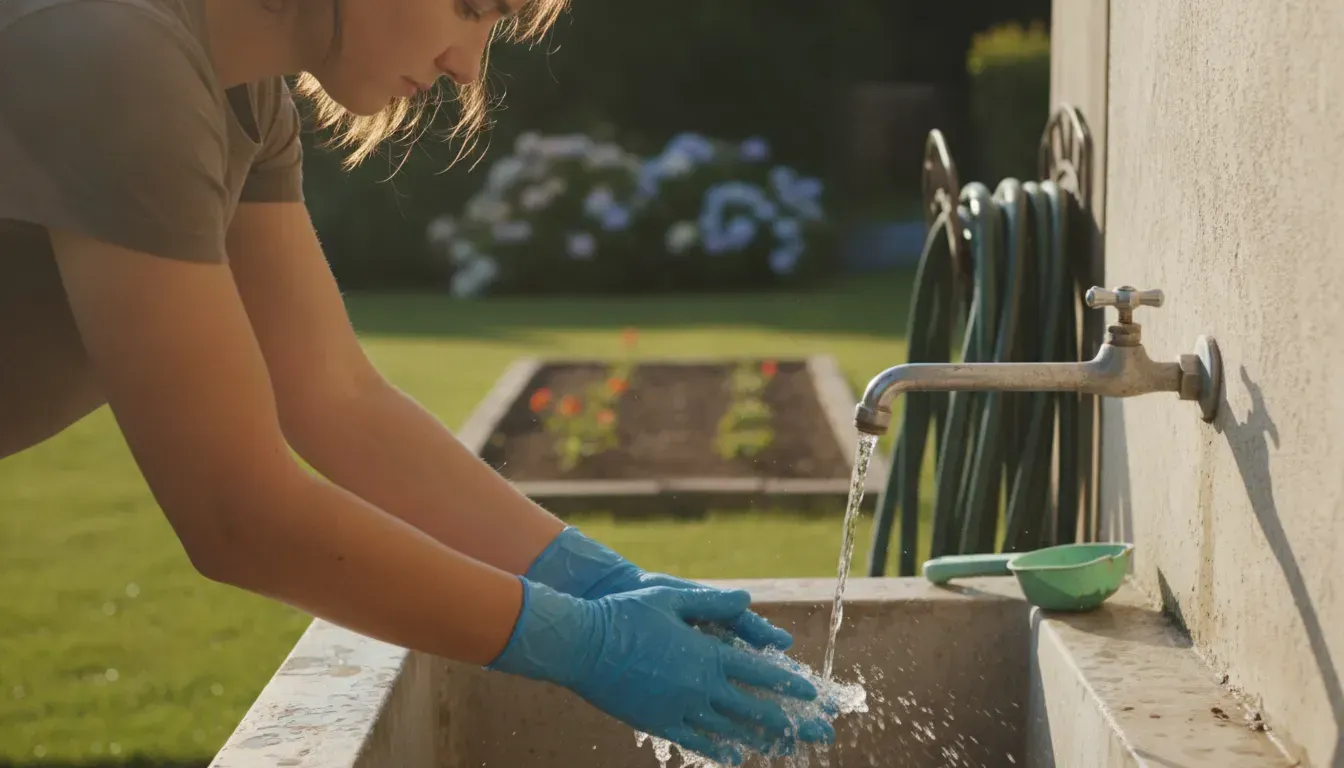
- Finish with handwashing: Wash your hands with soap and water after handling cleanup tools or bags.
If the yard is badly overdue, do not try to cover it all in a rushed pass. Divide it into sections and clear one at a time. For more on what a professional visit can include, see A1's guide to dog poop scooping service.
 How Do You Clean a Yard That Has Fallen Behind?
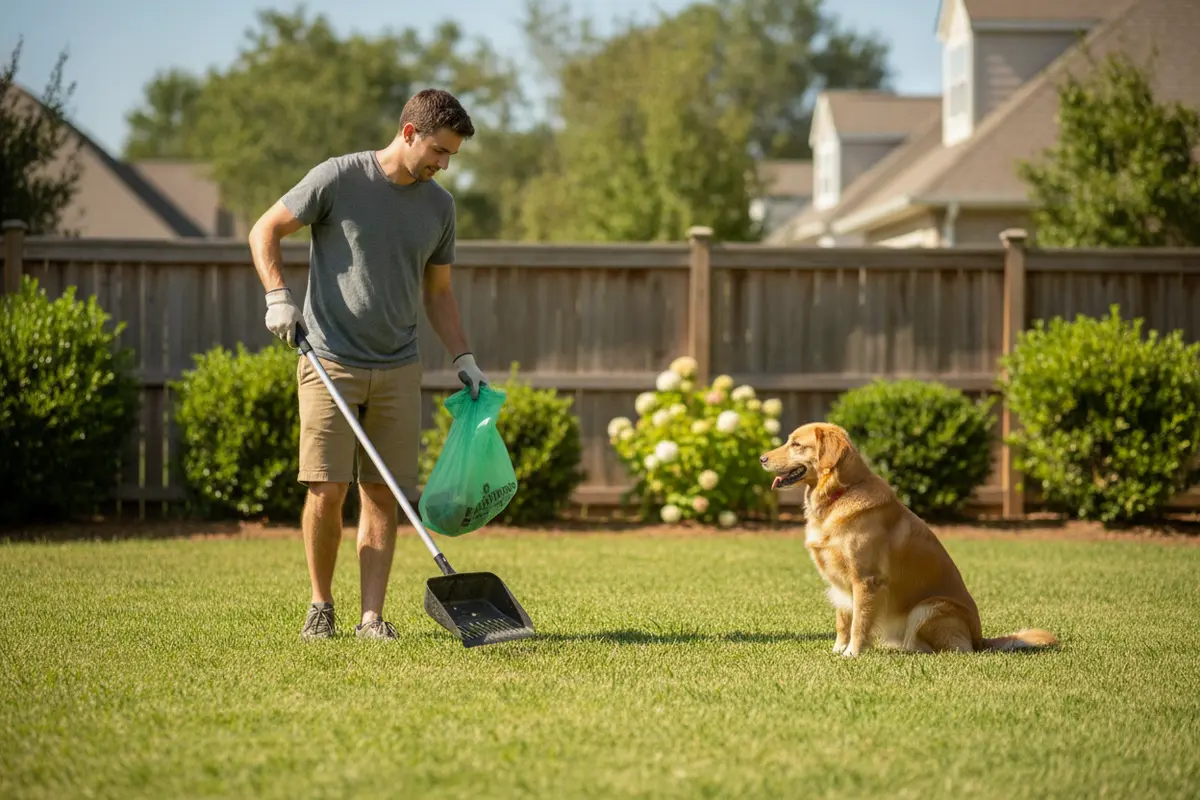
A neglected yard needs a reset before a routine can work. Start by estimating the size of the cleanup, then break the area into manageable zones. Pick up visible waste first and make a second pass for smaller or partly hidden piles. If the ground is muddy or waste is difficult to locate, wait until conditions improve when practical, and keep people and pets out of the area in the meantime.
- Set the boundary. Identify the area that needs attention, including side yards and dog runs.
- Divide it into sections. Use natural landmarks such as a patio, path, or fence corner. On a long or narrow yard, work in strips; on an irregular lot, make each enclosed space its own zone.
- Work from the far end toward the exit. This reduces the chance of stepping through an area you have already checked.
- Collect and contain waste. Use a bag or scooper and secure each bag for disposal.
- Inspect the finished area. Walk the route again and check the edges and common dog paths.
- Choose the next pickup date. Put it on a calendar or arrange a recurring visit so buildup does not start over.
For example, if waste is scattered across a back lawn, clear the far-left section first, then move across the yard in parallel strips. Mark a completed section mentally by using a fixed boundary such as a path or fence line. If you need to stop, leave yourself a clear starting point for the next session rather than retracing the same ground.
For a very overdue yard, set a realistic pace and decide in advance what “finished” means for that session. You might clear the play area first because it is needed soon, then schedule the side yard and far corners as separate zones. Keep the bags sealed as you work, and do a final visual pass of the zones you completed before opening the gate or letting the dog back in. If the accumulation is more than you can manage safely or comfortably, it is reasonable to ask about a one-time reset rather than forcing a rushed cleanup. After that reset, select a recurring routine that fits your household and inspect between visits so the yard stays manageable.
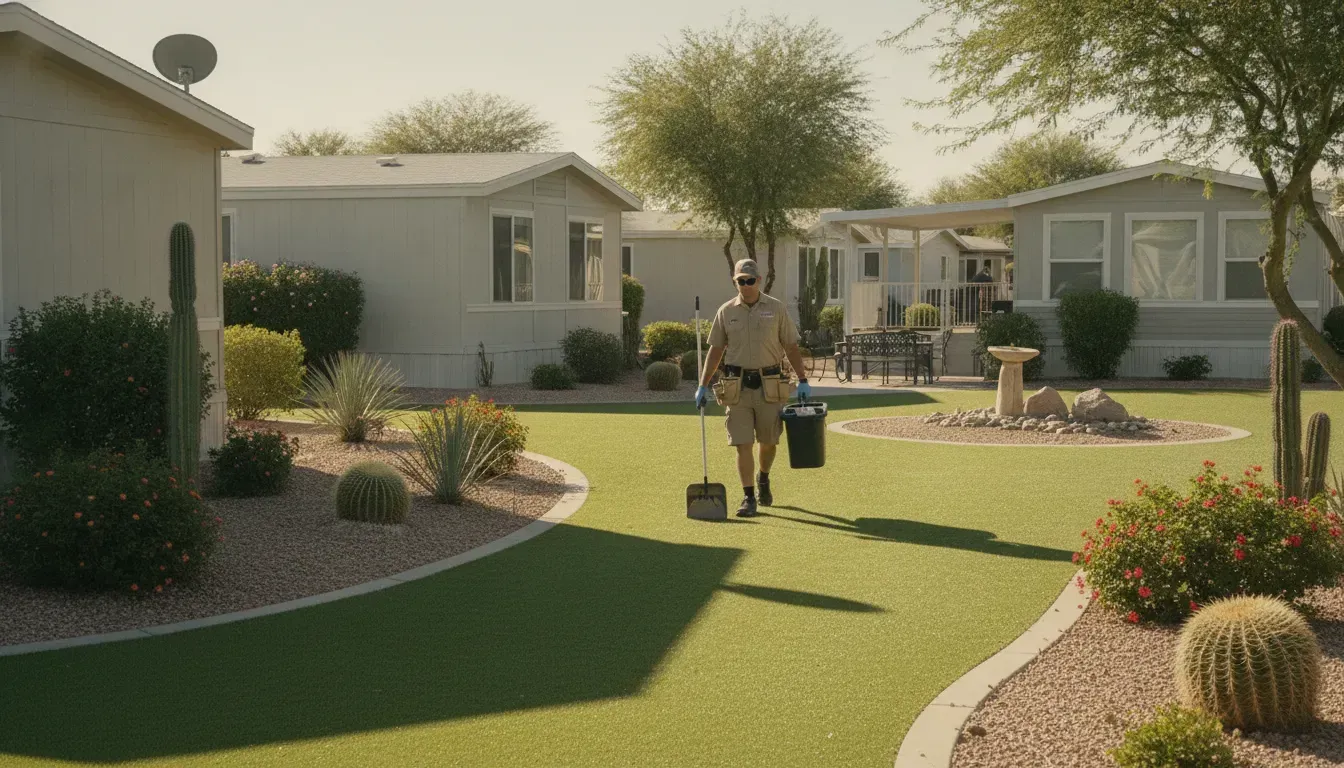
A one-time cleanup can be a practical option when waste has accumulated after travel, a busy period, or a change in household routine. A1 offers one-time pet waste cleanup as a separate service option. Ask about the current scope and availability for your property rather than assuming that every yard needs the same amount of work.
Which Cleanup Schedule Fits Your Yard?
The right schedule depends on how quickly waste builds up and how often the yard is used. The number of dogs, the area they use, and your household's time all matter. A quick check after your dog goes outside can help you spot buildup, but a scheduled pickup gives you a predictable routine. Think about what happens between cleanups: if waste is accumulating faster than you can keep up, consider a more frequent routine or ask about recurring help.
OptionBest fitWhat to plan forHelpful next stepDIY routineOwners who can make pickup part of regular yard careKeep bags and a scooper ready; walk the same route and dispose of sealed waste properlySet a recurring reminder and adjust it if waste starts to accumulateWeekly serviceHouseholds that want frequent, scheduled pickupConfirm property access, the area to be serviced, and any gate or pet instructionsAsk A1 whether the property is within its service areaBi-weekly serviceOwners who prefer a less frequent recurring visit and can manage the yard between visitsPlan for more waste to collect between scheduled visits; frequency needs vary by householdDiscuss the yard and household needs before selecting a scheduleOne-time cleanupA yard that needs a reset or a single cleanup rather than a recurring planDescribe the area and how long it has been since the last pickup when requesting detailsReview the one-time cleanup option
Weekly and bi-weekly visits are the recurring schedules supported by A1's service information. A one-time cleanup is different: it addresses a particular accumulation rather than setting up ongoing visits. For more details about how routine service works, review the pooper scooper FAQs. The comparison is about frequency and purpose, not a promise that one schedule suits every household. Consider the yard's size, how many dogs use it, and how much pickup you can comfortably handle between visits.
How Can You Keep the Yard Easier to Maintain?
Small habits can prevent a modest cleanup from becoming a large one. Pick a regular time, keep supplies where you can reach them, and make a quick visual check after your dog uses the yard. If several people share pet care, agree on who is responsible for pickup and how they will mark a completed cleanup.
- Keep bags and a scooper near the door you use for yard access.
- Use the same walking pattern so hidden corners are less likely to be missed.
- Make the dog's commonly used areas part of each check, not the whole check.
- Keep gates closed while working and return tools to a designated spot.
- Set a reminder for the next cleanup or service visit.
A simple household system can prevent the familiar problem of everyone assuming someone else has handled the job. For example, put the cleanup day on a shared calendar, then mark it complete after the full route has been checked. If one person handles daily pickup and another does the weekly edge check, write down that division so the boundary areas are not forgotten. When plans change, move the reminder rather than silently dropping the task.
If your dog uses artificial grass, remove solid waste promptly and follow the turf maker's care instructions for routine maintenance. A1 offers a separate artificial grass cleaning and maintenance service; turf cleaning is distinct from ordinary waste pickup. If you are unsure which service fits the issue, describe the surface and concern when you ask.
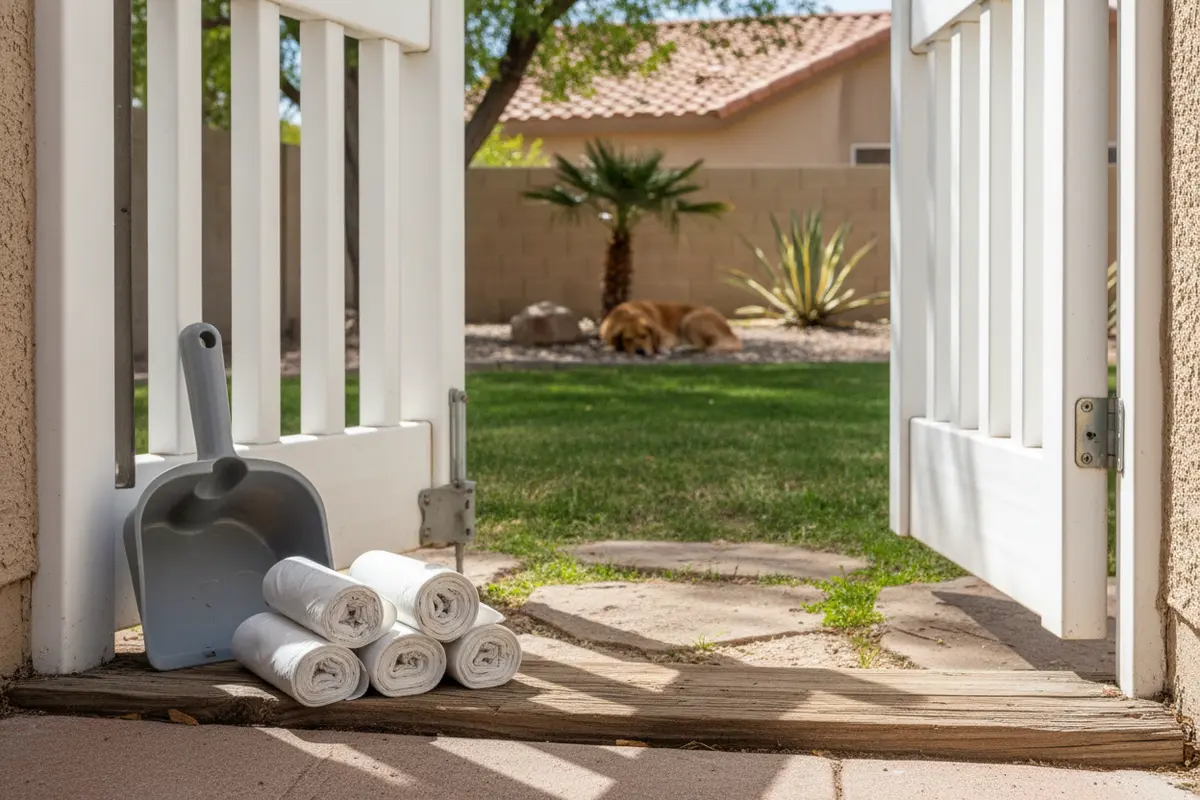 It can help to separate a quick pickup from a full yard check. A quick pickup handles waste you notice during normal use; the full check is a deliberate walk around the whole area. The two habits work together: prompt pickup limits what is left behind, while the full route catches waste near boundaries and less-used parts of the property. If you miss a day, return to the normal route rather than letting one missed pickup turn into a longer delay.
Think about how the yard is used as well. If children play outside, or guests use the lawn, make the cleanup route include those spaces before they are used. If your dog tends to favor one corner, check it carefully but still scan the rest of the yard. For shared households, a simple note on a calendar can show whether someone has completed the task and when the next check is due. Keep a spare supply of bags available so running out does not interrupt the routine.
What Changes When Weather or Yard Layout Makes Cleanup Harder?
Wet grass, dim light, and a complicated layout can make it easier to miss a spot. When conditions allow, choose a time with enough light to see the ground and a surface that is not so wet that waste is smeared or difficult to collect. If a cleanup cannot wait, slow down, make smaller passes, and inspect the area from a second angle. Do not use a hurried sweep as a substitute for checking the whole yard.
For a large yard, divide the route into sections you can finish and remember. A narrow side yard might be one zone; a lawn separated by a patio could be two. In a yard with trees or shrubs, use the perimeter as a first pass, then work through open areas in rows. Keep track of where you stopped with a visible landmark or a note, and begin the next session at the boundary of the uncleared section. This is more reliable than relying on memory after a break.
Access matters too. Check that the gate is secure before you start and plan a route that does not require carrying loose tools back and forth. If a service visit is being considered, note the entrance, any gate instructions, the parts of the property your dog uses, and whether there are separate enclosures. Clear instructions help define the area to be checked and reduce uncertainty about what the visit should cover.
When Should You Consider Help With Yard Cleanup?
Consider getting help if the job keeps getting postponed, the yard has built up enough waste to feel difficult to tackle, or you want a predictable pickup routine. A professional service can take the recurring pickup task off your household schedule, while a one-time cleanup may suit a single reset. The useful distinction is whether you need a clean slate once or continued visits.
Before requesting service, note how many dogs use the yard, which areas need attention, whether there is a gate or access instruction, and whether you are looking for a one-time cleanup or a recurring schedule. It can also help to mention whether the area is divided by fences, paths, or turf so you can describe the full scope clearly. Those details make it easier to explain what you need and confirm whether the service is a fit. A1 serves Southern Nevada, including Las Vegas and Henderson, and the Tucson area; ask about your specific address and availability.
Learn more about what to know before hiring pet poop removal, or review A1 Pet Maintenance for company information. To ask about an ongoing schedule, use the service sign-up page or contact the team with your property details.
Frequently Asked Questions
How often should I clean dog poop out of my yard?
Pick up waste on a regular schedule that keeps it from building up and fits how your household uses the yard. A1 offers recurring weekly and bi-weekly service; the best fit depends on your property and household needs. If you handle it yourself, use a consistent route and set a reminder.
What is the difference between a one-time cleanup and recurring service?
A one-time cleanup addresses a specific buildup or reset. Recurring service means scheduled visits, with weekly and bi-weekly options supported by A1. If you want ongoing pickup, ask about recurring service; if the yard needs a single reset, ask about a one-time cleanup.
What supplies do I need for a DIY yard cleanup?
Use waste bags or a scooper, and consider gloves for handling tools. Keep supplies close to the yard entrance, seal collected waste, follow local disposal instructions, and wash your hands after the task.
Can I ask for help if the yard has a large buildup?
Yes. Describe the area, how many dogs use it, and whether you want a one-time reset or continued visits. A1 provides one-time cleanup as well as recurring weekly and bi-weekly service; contact the company to confirm current availability and the appropriate scope.
Does regular poop pickup clean artificial grass too?
Picking up solid waste and cleaning artificial grass are different tasks. Remove solid waste promptly, follow the turf manufacturer's maintenance guidance, and ask about artificial grass cleaning if the surface needs additional care.
A clear route and a schedule you can keep are the keys to maintaining a cleaner yard. Start with the level of cleanup the property needs today, then choose a routine that helps keep waste from accumulating again.