Apartment Dog Waste Removal Las Vegas: Is It Worth It?
This is a subtitle for your new post

Artificial grass seems like the perfect solution for pet owners. It eliminates muddy paws, stands up to endless zoomies, and stays green all year long. But when it comes to pet waste, turf has its own set of rules. Unlike a natural lawn that can absorb and break down waste, artificial turf is a non-porous surface where urine and bacteria can linger, creating stubborn odors. Proper dog yard cleaning on a synthetic lawn requires a different approach. It’s not just about scooping; it’s about sanitizing. This guide will walk you through the right techniques and tools to keep your turf fresh, hygienic, and odor-free.
Key Takeaways
- Go beyond scooping for a healthier yard: Simply picking up waste isn't enough, as harmful bacteria can linger in your soil and on surfaces. To keep your family and pets safe, sanitize your yard regularly with pet-safe cleaners to eliminate germs and odors at the source.
- Create a routine that fits your furry family: The right scooping frequency depends on how many dogs you have and the size of your yard. A weekly cleanup might work for one small dog, but a multi-dog household will likely need more frequent attention to prevent waste from piling up.
- Hiring a pro saves time and guarantees results: A professional service does more than just scoop poop; they provide a complete solution that includes proper disposal, sanitizing, and deodorizing. This gives you back your free time and ensures your yard is consistently clean and safe.
The Scoop on Dog Yard Cleaning: What It Is & Why It Matters
Let’s be honest, dealing with dog poop is probably the least glamorous part of being a pet owner. But keeping your yard clean is about so much more than just avoiding a mess on your shoe. Dog yard cleaning is the regular practice of removing pet waste to keep your outdoor space safe, sanitary, and enjoyable for everyone. It’s a simple chore with a huge impact on the health of your family, your pets, and even your neighborhood. Understanding why it matters is the first step to creating a better routine, whether you do it yourself or call in the pros.
The Hidden Health Risks in Dog Waste
It’s easy to think of dog poop as just a gross inconvenience, but it’s actually a major source of pollution and disease. A single gram of dog waste can carry millions of fecal coliform bacteria, which can cause nasty intestinal illnesses in humans. Beyond that, it’s a breeding ground for parasites like roundworms and hookworms. These aren't things you want anywhere near your family or pets, and they can survive in your soil for years. Even after the waste has dried and crumbled away, the health risks from pet waste can linger, posing a threat long after you’ve forgotten it was there.
How a Clean Yard Benefits Your Entire Household
A clean yard is a happy yard. When you don’t have to scan the ground for landmines, you, your kids, and your guests can actually relax and enjoy the space. Regular scooping means fewer unpleasant odors, especially during those hot summer months, and no more tracking messes into the house. It transforms your backyard from a pet-only zone into a welcoming extension of your home, ready for barbecues, playtime, or just lounging in the sun. By keeping up with waste removal, you’re not just doing a chore; you’re maintaining a healthy and pleasant environment for your entire household. Professional pet waste removal services can make this even easier.
How Often Should You Scoop the Poop?
Let's be real, figuring out the right poop-scooping schedule can feel like a chore in itself. Is once a week enough? Should you be out there every day? The simple answer is that it depends. While a weekly cleanup is a great rule of thumb for most, the ideal frequency for your yard hinges on a few key things, like how many furry friends you have and the size of your outdoor space. Keeping up with a regular schedule isn't just about avoiding a minefield on your lawn; it's crucial for the health of your pets, your family, and your grass.
Dog waste is more than just an eyesore. It’s a major source of bacteria and parasites like Giardia, roundworms, and E. coli. When left to sit, these contaminants can seep into the soil and groundwater, or get tracked into your home on shoes and paws. This is especially concerning for households with young children who love to play in the yard. A clean yard prevents the spread of these harmful organisms and keeps your outdoor space a pleasant, welcoming spot for everyone. It also protects your lawn from the nitrogen-rich waste that can cause yellow "burn" spots and damage your grass over time. So, let's figure out the perfect scooping rhythm for your home.
Factoring in Your Pack Size
The biggest factor in your scooping schedule is, unsurprisingly, the number of dogs you have. If you have one small dog, you can likely get by with a thorough cleanup once a week. However, once you add more dogs to the mix, the waste piles up much faster. For a household with two or three dogs, you’ll want to scoop every few days to keep things under control. If you have a larger pack, a daily cleanup might be necessary to maintain a healthy environment. The size of your dogs also plays a role; a single Great Dane can produce more waste than a few Chihuahuas combined, so adjust your schedule accordingly.
Telltale Signs Your Yard Needs a Cleanup, Stat
Sometimes your yard sends you clear signals that it's time for a cleanup, no matter what your calendar says. If you step outside and are hit with an unpleasant odor, it's a sure sign that waste has been sitting too long. Visually, if you're starting to see more poop than grass, it's past time to scoop. Waiting too long makes the job harder, as the waste starts to break down and becomes difficult to pick up cleanly. More importantly, even dried poop can harbor harmful bacteria and parasites for weeks, posing health risks to both pets and people. This is why regular, professional pet waste removal is so important for maintaining a truly clean and safe yard for your family.
Your Toolkit for a Spotless Yard
Having the right equipment on hand makes any chore feel less like, well, a chore. Tackling your dog’s yard is no different. A well-stocked toolkit not only makes the job faster but also ensures you’re cleaning everything thoroughly and hygienically. Before you head outside, let’s get your gear in order. You’ll need a few key items for scooping, sanitizing, and everything in between. Think of this as your go-to checklist for creating a clean, fresh, and welcoming outdoor space for you and your furry family members.
Pooper Scoopers and Biodegradable Bags
Let’s start with the star of the show: the pooper scooper. This simple tool is a game-changer, saving you from bending over repeatedly and keeping you at a comfortable distance from the mess. You can find several types, from claw-style scoopers to rake-and-bin sets. For yards that need less frequent cleanups, dog poop scoopers with long handles are especially helpful. Pair your scooper with strong, reliable bags. Opt for biodegradable bags when you can, as they’re a more environmentally friendly choice for disposal. Having a designated, covered bin to toss the used bags into will also help contain odors until trash day.
Rakes, Gloves, and Other Essentials
Beyond the scooper, a few other items will make your life much easier. First, a sturdy pair of disposable or reusable gloves is non-negotiable for sanitary handling. You’ll also want to have some paper towels on hand for any unexpected smears or messes that need a quick wipe. According to experts, it’s best to obtain all the necessary tools for pickup before you even start the job. This includes your bags, gloves, and scooper. Having everything in one place, like a dedicated bucket or caddy, means you can grab it and go, turning a dreaded task into a quick, routine cleanup.
Enzyme Cleaners and Pet-Safe Disinfectants
Scooping removes the solid waste, but what about the bacteria and odors left behind? This is where the right cleaners come in. It’s critical to use products that are safe for your pets and your lawn. Harsh chemicals like bleach can damage your grass and be toxic to animals. Instead, you can safely dissolve dog poop residue and neutralize odors with enzyme-based cleaners. These products use natural enzymes to break down the organic proteins in pet waste, effectively eliminating the source of the smell rather than just covering it up. A pet-safe disinfectant spray is also great for sanitizing patios, walkways, and any yard equipment after cleaning.
How to Properly Clean and Sanitize Your Yard
Keeping your yard clean goes beyond just picking up after your dog. While scooping the poop is the first and most obvious step, it’s what’s left behind that can cause problems. Invisible bacteria, parasites, and stubborn odors can linger in your grass and on your patio, posing health risks to both your pets and your family. A truly clean yard is one that has been sanitized, eliminating the harmful germs that waste leaves behind.
Think of it this way: you wouldn’t just wipe a dirty kitchen counter with a dry paper towel, you’d use a disinfectant to kill the germs. Your yard deserves the same level of care. Proper sanitation ensures your outdoor space is a safe and pleasant place for everyone to enjoy, from your furry friends to your barefoot kids. It eliminates foul odors at their source instead of just masking them, giving you a genuinely fresh backyard. If you want to ensure a thorough clean, professional pet waste removal services often include sanitization to handle the dirty work for you.
A Step-by-Step Guide to Cleaning Your Yard
Ready to tackle the yard? The first step is to get your tools in order. You’ll want to have sturdy bags, disposable gloves, a pooper scooper, and maybe some paper towels on hand before you begin. Wearing gloves is a non-negotiable for protecting yourself from bacteria.
Once you’re geared up, walk your yard in a grid pattern to make sure you don’t miss any spots. This systematic approach is much more effective than a random search. Scoop all visible waste directly into your bag. When you’re finished, tie the bag securely and dispose of it in your outdoor trash can. A quick and consistent routine is the key to staying on top of the mess and making the job feel less overwhelming.
Getting Rid of Lingering Odors for Good
If you’ve ever cleaned the yard only to notice a lingering smell a day or two later, you’re not alone. Odors are a clear sign that bacteria from the waste has seeped into the ground or onto surfaces like your patio or deck. Simply removing the solid waste doesn’t eliminate these microscopic culprits.
To get rid of the smell for good, you need to sanitize. Sanitation stops the spread of bacteria, which is the root cause of those unpleasant odors. Using a yard deodorizer or an enzyme cleaner after you scoop will break down the remaining organic material and neutralize the smell, rather than just covering it up. For persistent issues, a professional yard deodorizing treatment can restore freshness to your entire outdoor space.
Natural vs. Commercial Sanitizers: What's Best?
When it comes to sanitizing, you have a few options. Natural, DIY solutions can be effective for light-duty cleaning. A diluted vinegar solution or a specialized enzyme-based dissolver can help break down waste and reduce odors safely. These are great for routine maintenance and are gentle on your lawn and your pets.
For a deeper clean or for high-traffic areas, a commercial sanitizer might be the better choice. These products are formulated to kill a broader spectrum of germs. Many professional services use pet-safe sanitizing scrubs to thoroughly clean patios, walkways, and dog runs. Whether you choose a natural or commercial route, always check that the product is non-toxic for pets. This is especially important for commercial properties where many different animals may be present.
What About Artificial Grass?
Artificial grass is a fantastic choice for pet owners. It stands up to zoomies, eliminates muddy paws, and always looks perfectly green. It seems like the ultimate low-maintenance solution for a dog-friendly yard. However, when it comes to pet waste, turf has its own set of rules. Unlike a natural lawn that can absorb and break down waste over time, artificial turf requires a specific cleaning routine to stay fresh, hygienic, and odor-free. Without proper care, your beautiful green lawn can quickly become a source of unpleasant smells and bacteria. Don't worry, keeping it clean is straightforward once you know the right approach. It’s all about being proactive and using the right techniques to protect your investment and your pet's health.
Why Turf Requires a Different Approach
Think of your natural lawn as a living ecosystem. The soil is full of microbes that work to break down organic matter, including pet waste. Artificial turf, on the other hand, is a non-porous surface. Urine and waste residue don't get absorbed; they sit on the synthetic fibers and in the infill material beneath. This creates the perfect breeding ground for odor-causing bacteria. While rinsing with a hose helps, it often isn't enough to eliminate the uric acid crystals that cause that stubborn ammonia smell. This is why a different cleaning strategy is essential to truly sanitize the surface and keep your yard smelling fresh.
The Right Way to Clean and Sanitize Artificial Turf
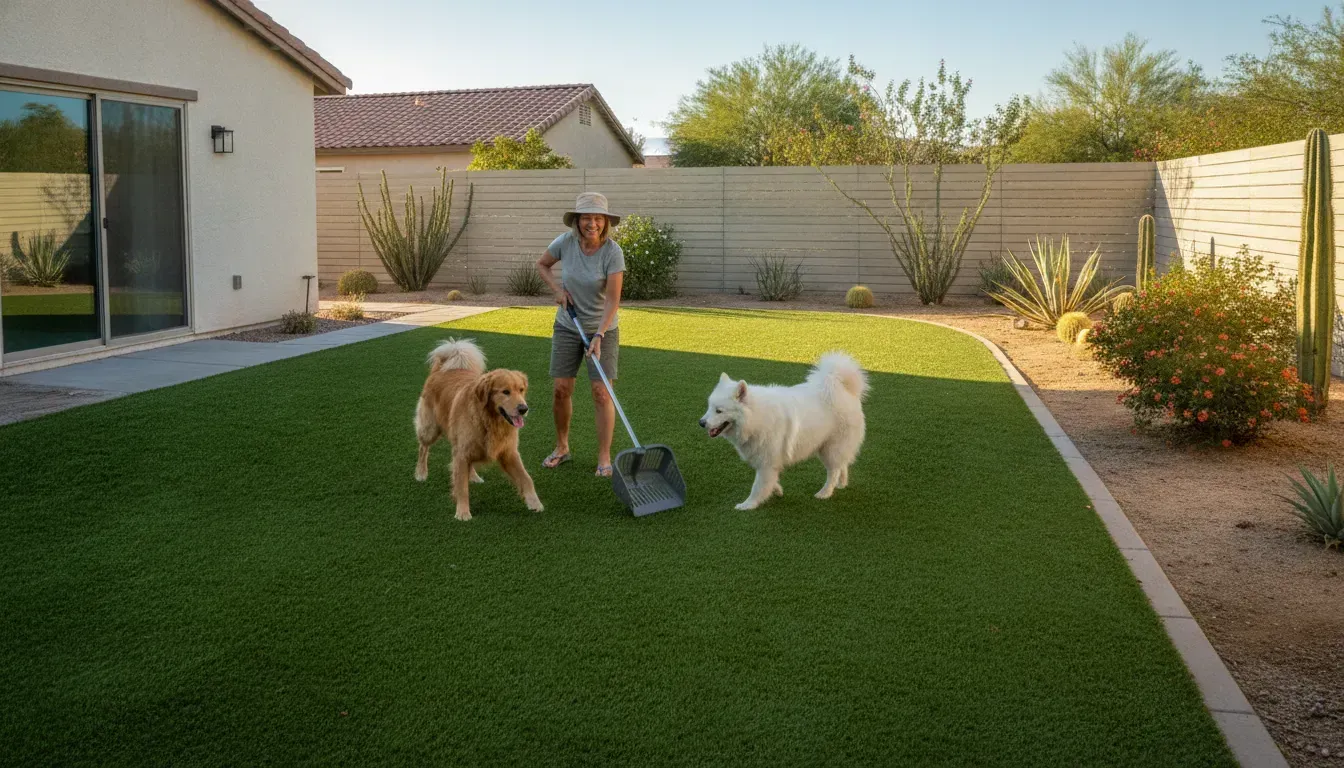
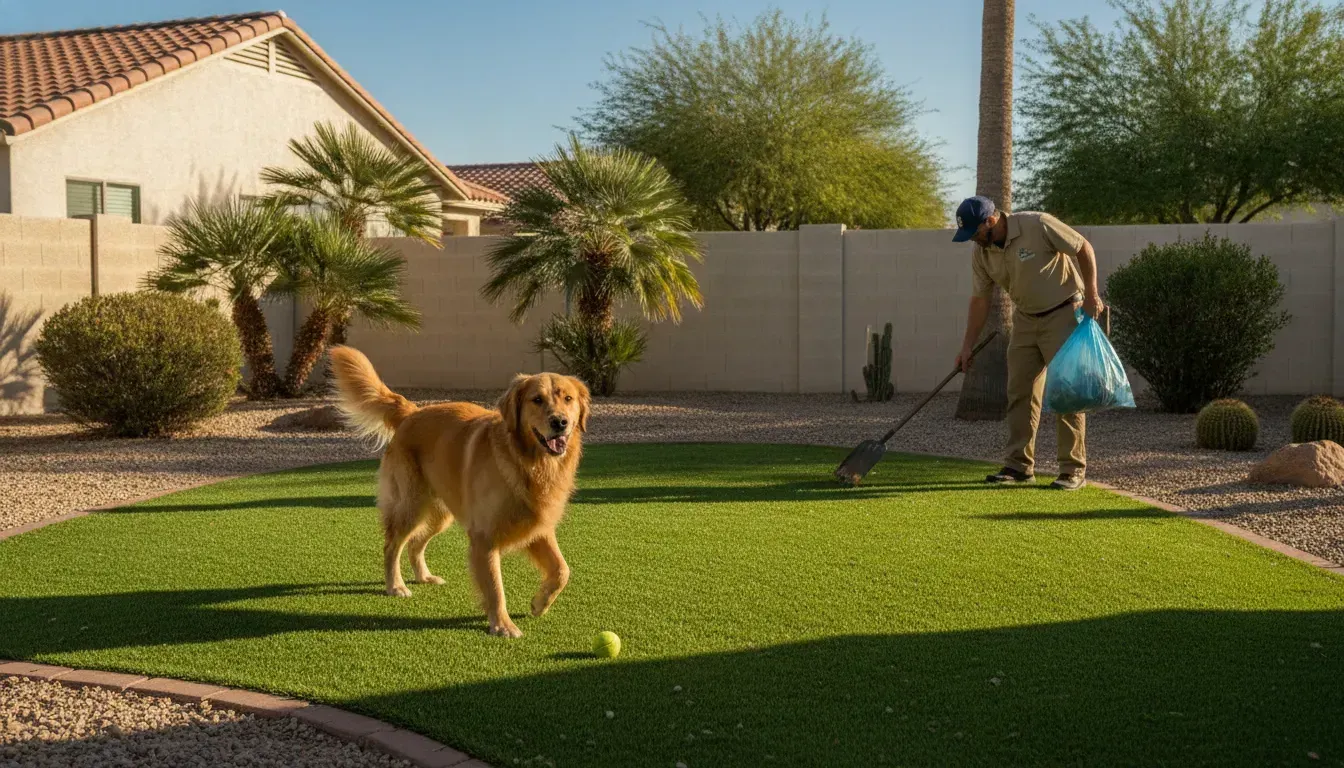
Keeping your turf clean is simple with a consistent routine. First, always pick up solid waste as soon as you spot it. Next, rinse the turf with a hose at least once a week to wash away urine residue and small debris. For a deeper clean that tackles bacteria and odors, you'll need more than just water. Using a professional-grade, turf-safe enzymatic cleaner is key to breaking down the source of the smell. For tough jobs or routine maintenance, our artificial grass cleaning and maintenance service uses specialized products to sanitize and deodorize your yard completely, ensuring it’s a safe and pleasant place for your pets to play.
What to Expect from a Professional Yard Cleaning Service
If you're picturing someone just showing up with a plastic bag and a shovel, think again. Hiring a professional yard cleaning service is a comprehensive solution designed to make your outdoor space clean, safe, and enjoyable. These pros come equipped with the right tools and a systematic process to tackle the dirty work efficiently. From routine scooping to sanitizing treatments, here’s a closer look at what you can expect when you hand the job over to an expert.
Routine Scooping and Waste Disposal
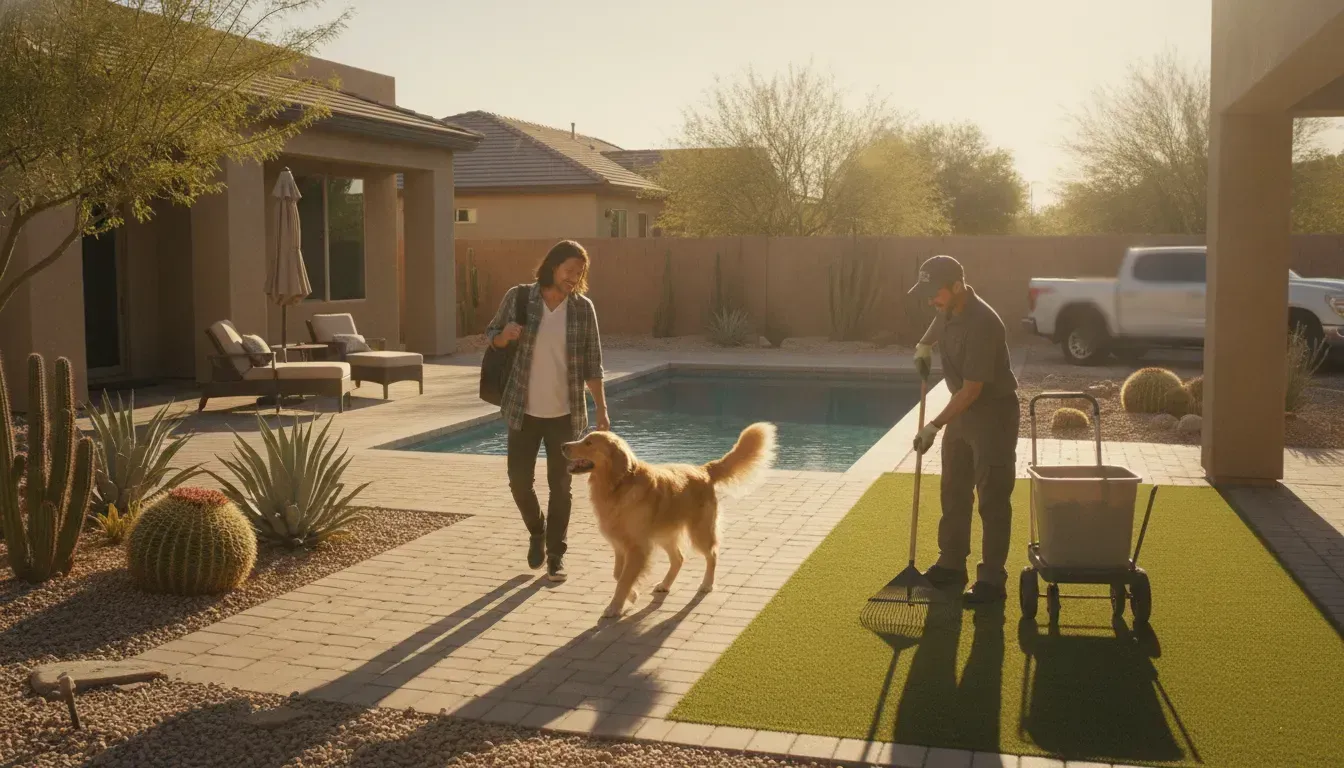
The foundation of any service is, of course, the poop scooping. A trained technician will walk your entire yard in a grid-like pattern to ensure every bit of waste is found and removed. They use professional-grade tools, not flimsy plastic scoops, to get the job done right. Once collected, the waste is double-bagged in strong, leak-proof bags to prevent any messes or odors during transport. These professional pet waste removal services then dispose of the waste according to local health regulations, so you don’t have to think about it again. It’s a thorough and hygienic process from start to finish.
Yard Deodorizing and Sanitizing
Simply removing waste doesn't eliminate the harmful bacteria or lingering odors left behind. That's where the next step comes in. After a thorough scooping, a professional service can apply a yard deodorizer and sanitizer. These are typically non-toxic, pet-safe solutions that neutralize odors at the source instead of just masking them. This treatment helps kill bacteria and parasites that can be harmful to both pets and people. Many services can also clean and sanitize hard surfaces like patios, decks, and walkways where residue can accumulate, leaving your entire outdoor area fresh and truly clean.
Options for Apartments and Commercial Properties
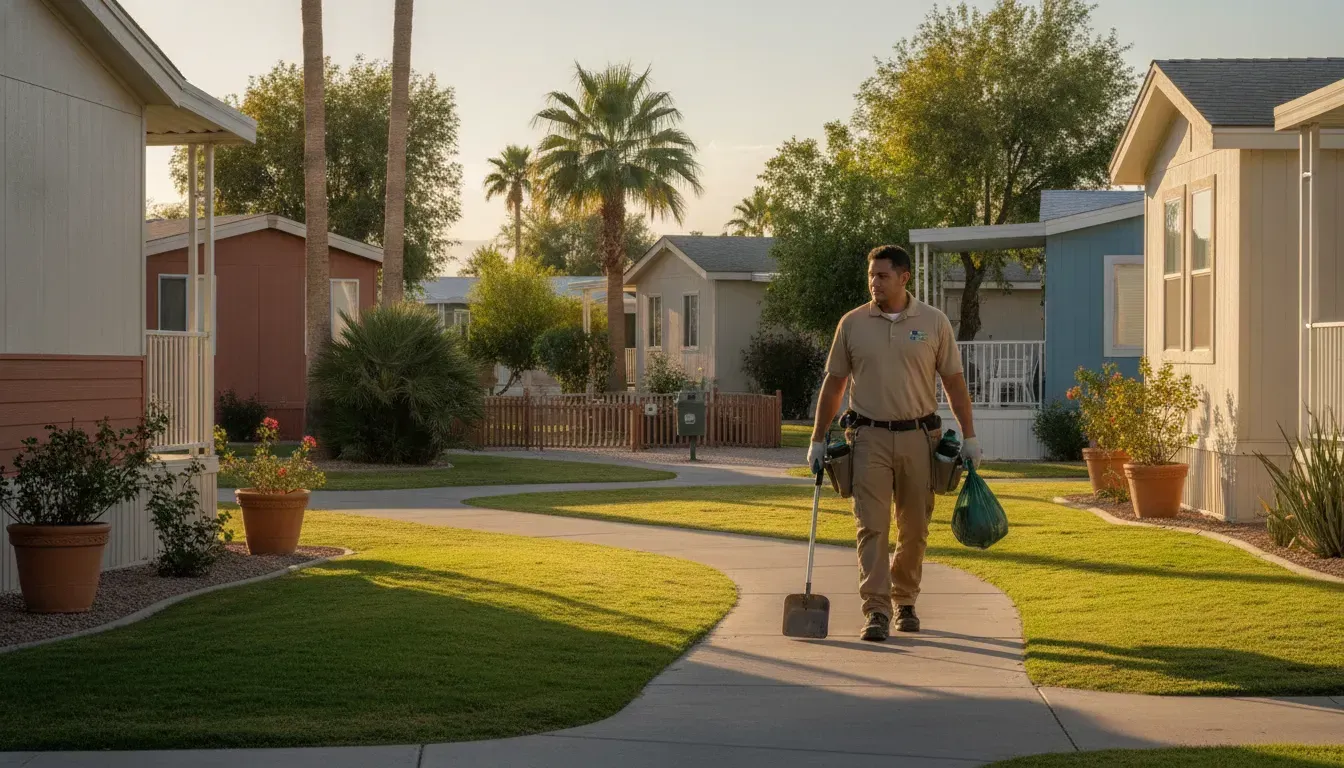
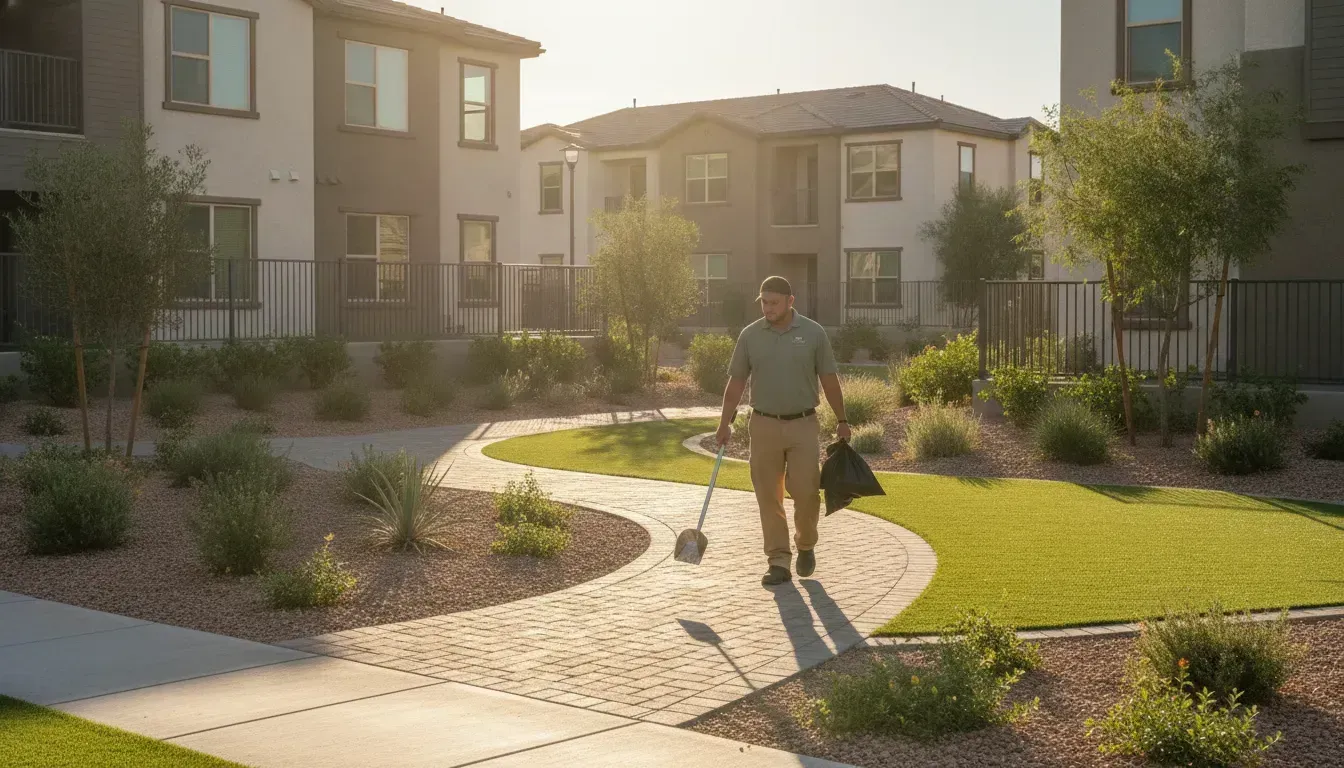
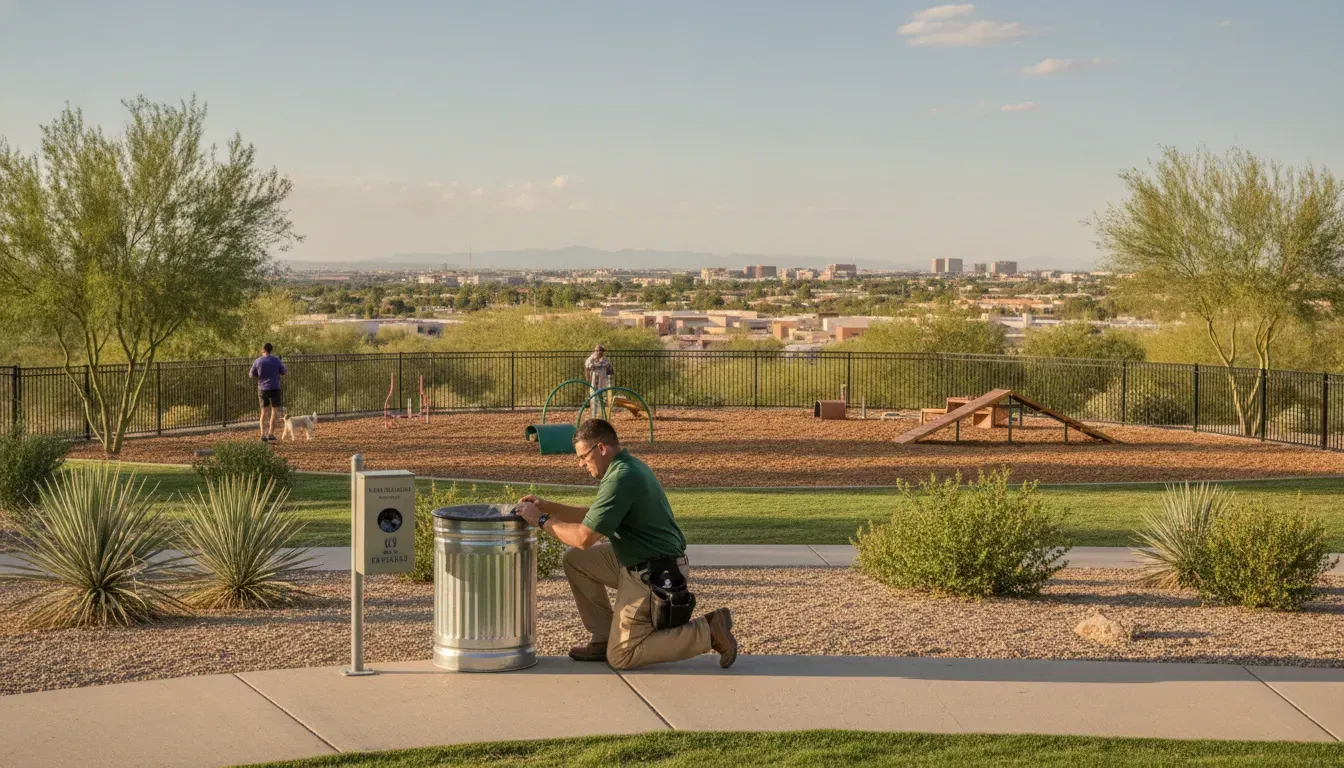
Pet waste isn't just a problem for single-family homes. That’s why professional cleaning services extend to multi-family communities and commercial properties. Property managers can schedule regular cleanings for dog parks, courtyards, and other shared green spaces to keep residents happy and the grounds pristine. Beyond scooping, companies can manage common areas for businesses, including installing and maintaining pet waste stations. This ensures that tenants and visitors have convenient access to bags and disposal bins, encouraging everyone to help keep the property clean between professional visits.
Is a Professional Service Worth It?
Deciding whether to handle dog yard cleaning yourself or hire a professional comes down to your budget, schedule, and how much you dislike the task. While scooping poop is never fun, weighing the pros and cons can help you find the right solution for your family and your yard. Let’s break down what to consider.
DIY vs. Hiring a Pro: The Breakdown
Handling pet waste yourself is certainly the most budget-friendly option. If you have a small yard and only one dog, staying on top of the mess might not feel like a huge burden. Having the right pet waste removal tools like a good pooper scooper and a dedicated bin can make the job quicker and a little less unpleasant.
However, the real value of a professional service is the time and convenience it gives back to you. Instead of spending your weekend scooping, you can simply enjoy your outdoor spaces without worrying about where you step or what odors are lingering. For busy families, property managers, or anyone with multiple dogs, hiring a pro often moves from a luxury to a necessity for maintaining a clean and healthy environment.
How to Choose a Reliable Cleaning Service
Once you decide to hire a professional, finding a trustworthy company is key. You’re inviting them onto your property, so you want to be sure they’re reliable and thorough. Start by doing your homework and researching local services and their customer reviews. A company with a strong reputation is always a good sign.
Don’t be afraid to ask questions. Inquire about their specific services, from basic scooping to yard deodorizing. A great provider will offer customization options and flexible scheduling to fit your needs. Finally, always confirm that the company is licensed and insured. This protects you and ensures you’re working with a legitimate business that takes its work, and your property, seriously.
Understanding the Cost of Professional Cleaning
Let's talk about the bottom line. Hiring a professional pooper scooper service is a fantastic way to reclaim your time and your yard, but you're probably wondering what it costs. The price of professional cleaning isn't a simple, flat rate. It depends on your specific needs, like the size of your yard and how many furry friends you have.
Think of it like a custom cleaning plan designed just for you. Understanding the different factors that go into the final price will help you find a service that fits your budget and keeps your yard looking its best. We'll break down what influences the cost and how to pick the perfect schedule for your household.
Factors That Influence Pricing
When you request a quote for pet waste removal, companies consider a few key things. The size of your yard is a big one, as a larger area takes more time to cover. The number of dogs you have also plays a role, though some companies don't charge extra for additional pets. Other factors include the initial condition of the yard (a first-time cleanup might cost more) and whether you need services for special areas like dog runs or patios. While some services advertise weekly rates as low as $16.95, your final price will be tailored to your home. Many companies also offer great introductory deals, so it's always worth asking about new customer promotions.
Finding the Right Service Package and Schedule
Most professional cleaning companies offer flexible scheduling to match your needs. You can often choose from one-time cleanups, bi-weekly service, or the most popular option: weekly scooping. To keep your yard consistently clean and hygienic for your family and pets, experts generally recommend having dog poop picked up at least once a week. A weekly schedule prevents waste from accumulating, which helps control odors and bacteria. When you work with a professional service, you can set a recurring schedule that you don't have to think about. They'll help you determine the best frequency based on your pack size and yard usage, ensuring your outdoor space is always ready for fun.
Let A1 Pet Waste Maintenance Handle the Dirty Work
Let's be real: scooping poop is probably at the bottom of your to-do list. While keeping your yard clean is important, it’s a chore that’s easy to put off. If you’d rather spend your free time enjoying your yard instead of cleaning it, letting a professional service take over is a game-changer. That’s where A1 Pet Waste Maintenance comes in. We handle the dirty work so you don’t have to.
Hiring a professional service is about more than just convenience; it’s about reliability and peace of mind. Our team ensures every bit of waste is removed and disposed of properly, creating a healthier environment for your family and pets. We offer flexible scheduling, whether you need us weekly, bi-weekly, or for a one-time cleanup. Our professional services are designed to fit your life, not the other way around. You can finally relax and enjoy your clean yard without the constant stress of pet waste cleanup.
We also specialize in tackling unique challenges. For property managers, keeping common areas clean is essential for resident satisfaction, and our commercial property services are tailored to meet those needs. If you have artificial turf, you know it requires a specific cleaning approach to prevent odors and bacteria buildup. We have the right tools and expertise for that, too. By letting us manage the cleanup, you get back your time and a yard that’s consistently clean and safe for everyone to enjoy. Many first-time customers can even take advantage of special offers, making it easy to see the difference a professional cleaning can make.
Related Articles
- Artificial Grass Cleaning & Maintenance | Las Vegas, NV
- Pet Waste Maintenance | A1 Pet Waste Maintenance | NV
- Pooper Scooper FAQs | A1 Pet Waste Maintenance | NV
- Commercial Property Pet Waste Cleanup | Las Vegas, NV
Frequently Asked Questions
Is dog waste really that bad for my grass and my family?
Yes, it's a much bigger deal than just being an eyesore. Dog waste is full of bacteria and parasites that can make people and other pets sick, and these risks can linger in your soil long after the poop itself is gone. It's also very acidic and high in nitrogen, which is why it creates those yellow "burn" spots on your lawn. Regular cleaning protects both your family's health and your grass.
I have artificial turf. Can't I just rinse it with a hose?
While rinsing with a hose is a good first step, it often isn't enough to solve the problem completely. Urine contains uric acid crystals that don't dissolve with water alone, and this is what causes that stubborn ammonia smell. To truly eliminate odors and sanitize the surface, you need to use a special enzyme-based cleaner designed for artificial turf that breaks down the source of the smell.
How do I know what cleaning schedule is right for my yard?
The best schedule really depends on your specific situation. A great starting point for one small dog is a thorough cleanup once a week. If you have multiple dogs or larger breeds, you'll likely need to scoop every few days, or even daily, to keep the yard healthy and usable. The key is consistency, so find a rhythm that prevents waste from sitting for too long.
What's the difference between sanitizing and just scooping?
Scooping removes the solid waste, which is the most visible part of the problem. Sanitizing, however, deals with the invisible germs and bacteria left behind. Think of it as the second step that truly cleans your yard. Using a pet-safe sanitizer or deodorizer neutralizes odors at their source and helps eliminate the harmful microorganisms that can seep into your soil or stick to your patio.
What factors determine the cost of a professional cleaning service?
The price for a professional service is usually customized for your home. The main factors that influence the cost are the size of your yard, since a larger space takes more time to cover, and the number of dogs you have. Some companies may also consider the initial condition of the yard for a first-time cleanup. Most services offer flexible packages, like weekly or bi-weekly visits, so you can choose a plan that fits your budget and needs.