Pet Waste Environmental Compliance Audit
Run a pet waste environmental compliance audit of drains, stations, and records, then book cleanup with A1 Pet Maintenance.
A pet waste environmental compliance audit is a walk of the grounds, not a lab test and not a legal opinion. You check where dogs relieve themselves, where rain or hose water can carry that waste, and whether bagged waste and station overflow stay out of storm drains. The U.S. Environmental Protection Agency pet waste fact sheet says stormwater can pick up pet waste left on the ground and carry it into streams, lakes, and rivers. The same fact sheet calls pet waste a leading source of nutrient and bacteria pollution in urban waterways. Property teams in Las Vegas, Henderson, and Tucson can use the same walk before a board meeting, a resident complaint, or a vendor proposal.
Request a site walk for your property
This guide is for a manager, board member, or facilities lead who needs a written record of what they saw. It does not replace your city or county code, an HOA attorney, or a stormwater inspector. A1 Pet Maintenance picks up pet waste, hauls it away for city sanitation collection, and cleans pet turf. Commercial work is quoted as a custom proposal. A1 does not write ordinances, test water, or certify a property as compliant.
What a Pet Waste Environmental Compliance Audit Covers
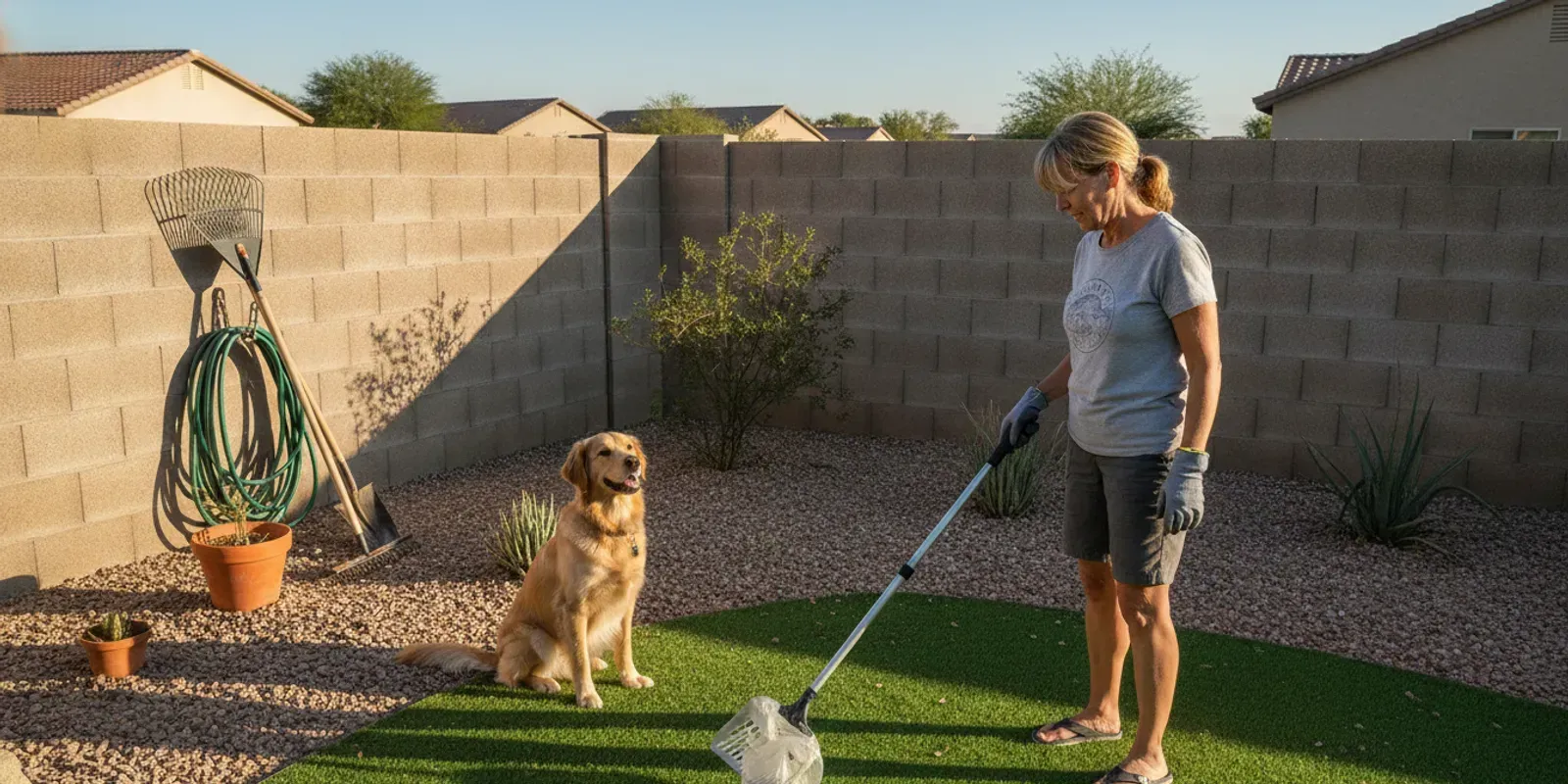
Start with the question the walk has to answer. Can rain, irrigation, or a hose move pet waste from a relief area into a drain, a wash, or a neighbor's path? If the answer is yes, the audit names the spot, the cause, and the next cleanup or station fix.
Keep the scope small enough to finish in one visit. A useful audit covers five things:
- Relief areas, including turf, gravel, and the edges of sidewalks.
- Storm drain inlets and low spots that collect wash water.
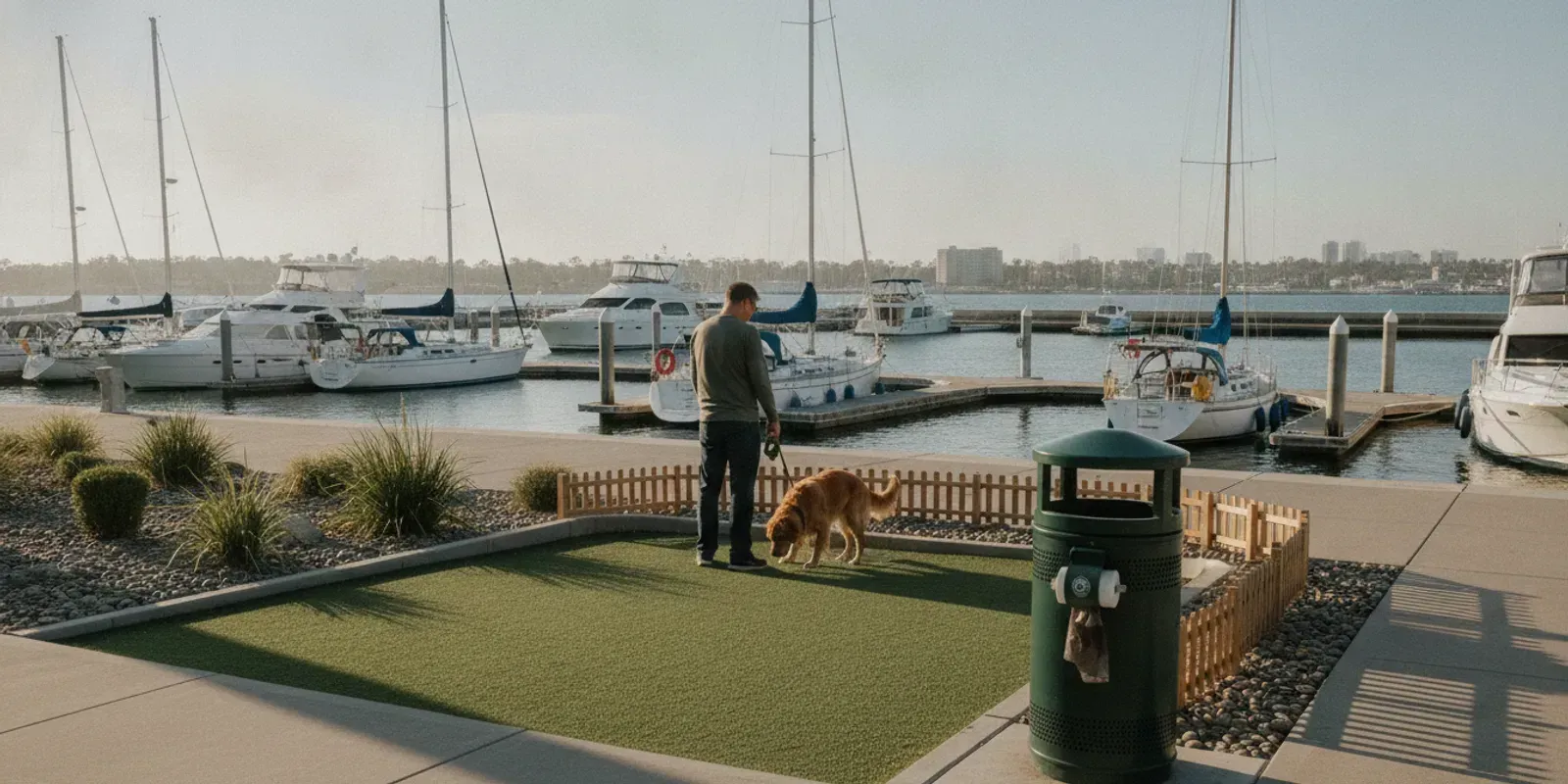
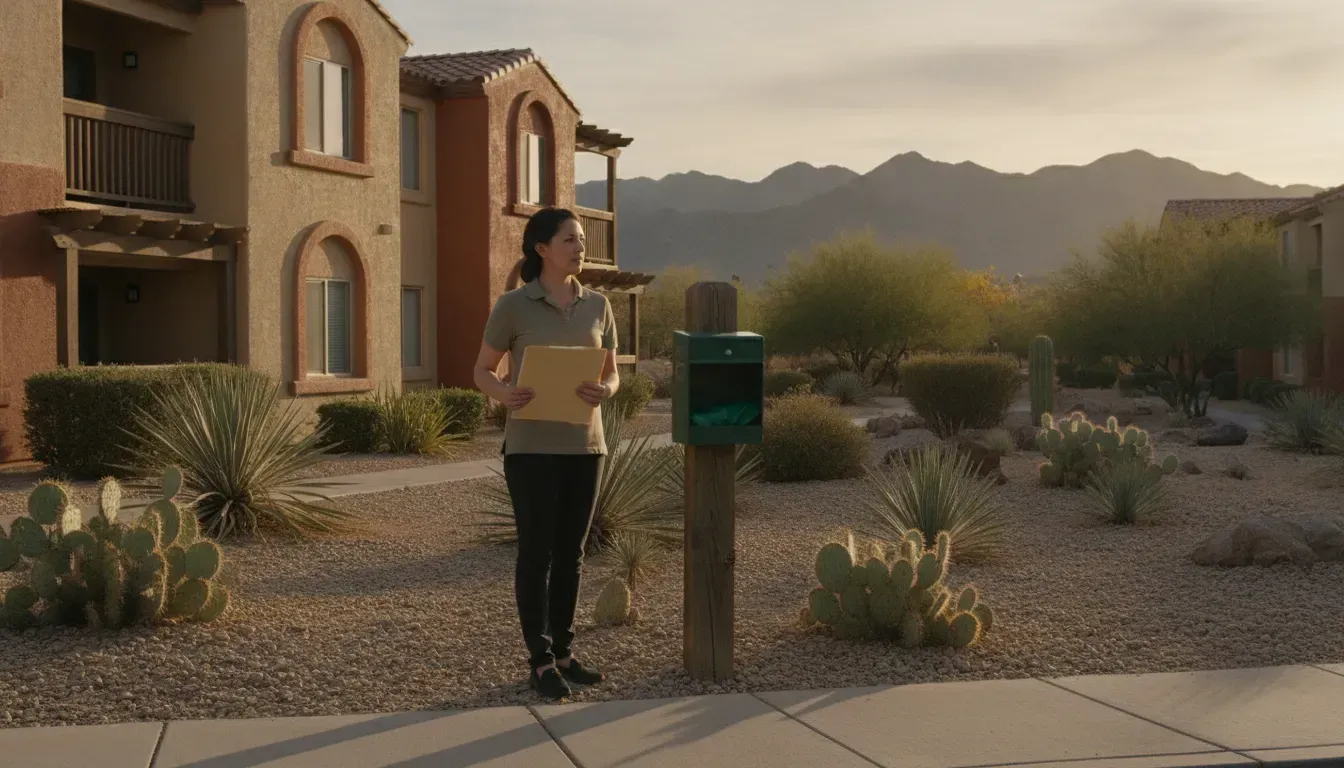
- Waste stations, bag supply, and the trash can those bags should reach.
- Hose bibs and wash-down habits that send dirty water toward pavement.
- The notes, photos, and service records you can show later.
Leave rule writing, fine schedules, and vendor scorecards for other pages. The Nevada HOA pet waste rules guide covers policy language and enforcement. This audit only asks whether the grounds match the cleanup standard you already expect.
Do the walk after a normal busy period, not right after a fresh pickup if you can help it. Morning piles, full stations, and stained turf tell you more than a just-serviced courtyard. If the property just had a one-time reset, note that so the next visit is not compared with a blank yard.
Why Storm Drains Belong on the Walk
In the Las Vegas Valley, roadside drains can carry runoff toward the Las Vegas Wash and Lake Mead. The EPA also notes that storm drains often lead to local water without the treatment a sanitary sewer gets. Pet waste adds nitrogen, phosphorus, parasites, and bacteria when it is not thrown away properly. Tucson properties have the same physical problem in a different landscape. Monsoon rain can move waste from bare dirt and turf into the street.
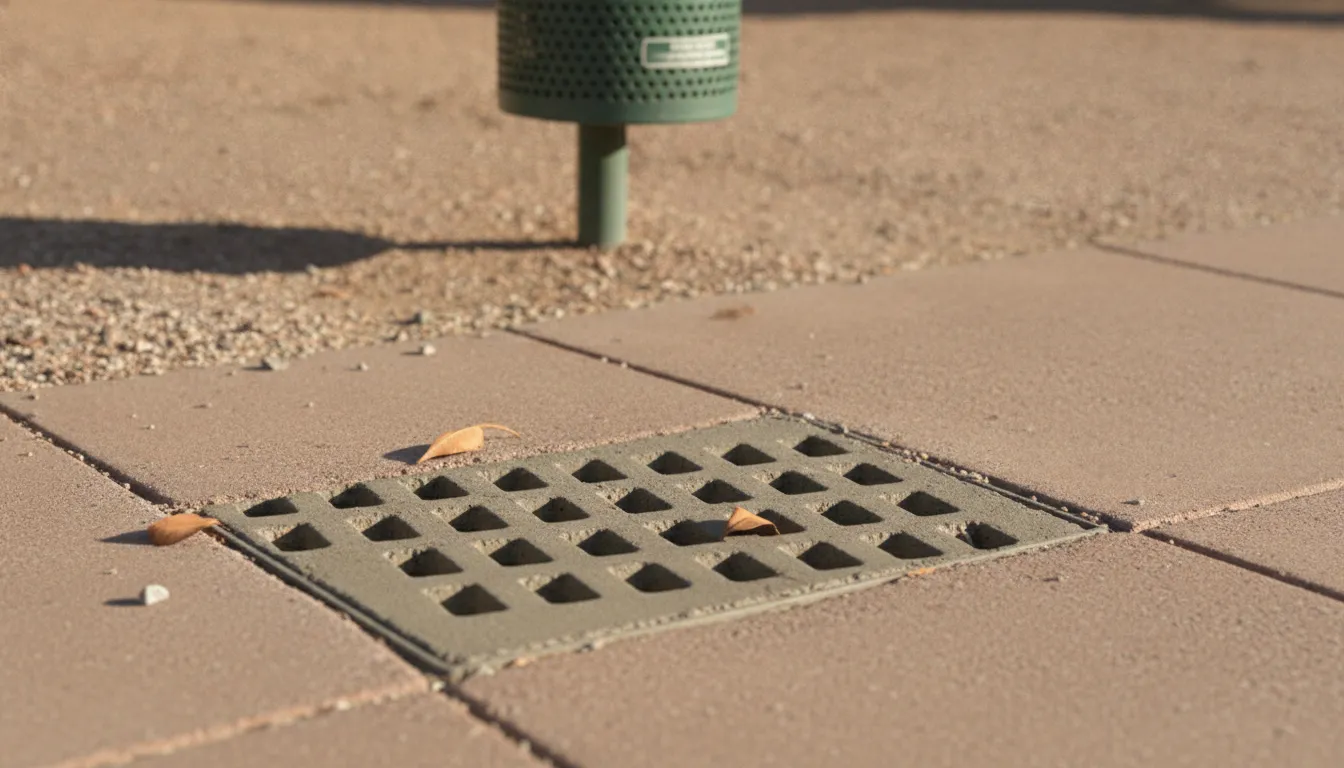 A drain next to a relief path is a priority stop on the audit.
Stand at each inlet you can see from a dog path. Look for waste, stained gravel, torn bags, and a trail of rinse water. A grate that sits downhill from a popular corner is a higher concern than one across a parking lot dogs never use. Write the location in plain words, such as "inlet at the north mailbox pad," so a technician can find it later.
Also watch what people do on purpose. Rinsing a patio, a station pad, or artificial turf into the gutter sends the same material toward the drain. Bagging waste and placing it in a trash can is the disposal step. Hosing it away is not.
You do not need a water sample to flag the spot. The audit records the condition. A city stormwater program or your counsel decides whether it is a violation. Link the finding to a fix you control: move the station, add a can, change the hose rule, or schedule pickup before the mess reaches pavement.
Walk the Grounds in a Set Order
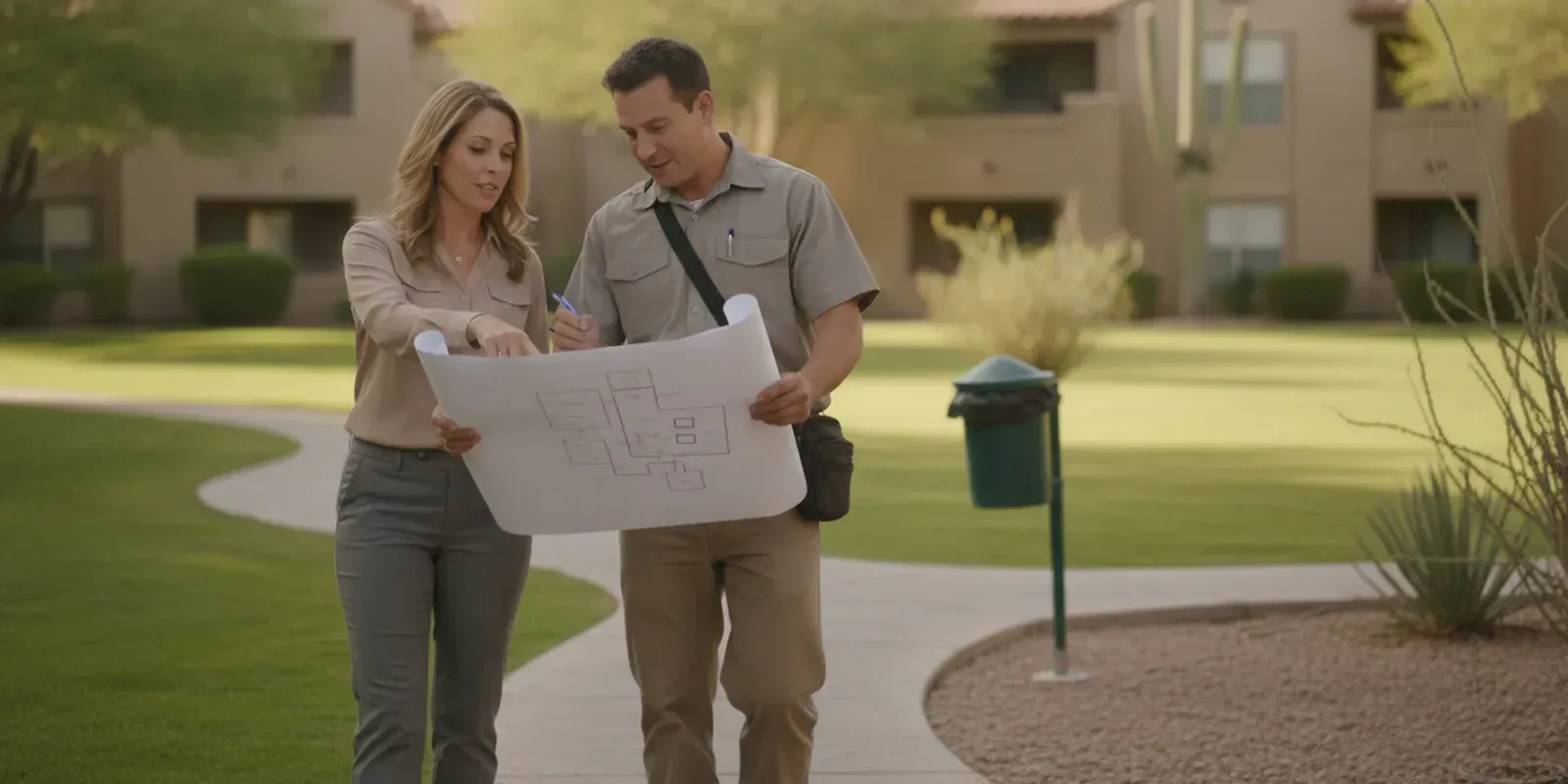
Use the same order every time so two people can compare notes. A clipboard, a phone camera, and a site map are enough. Blank paper is better than a form no one will finish.
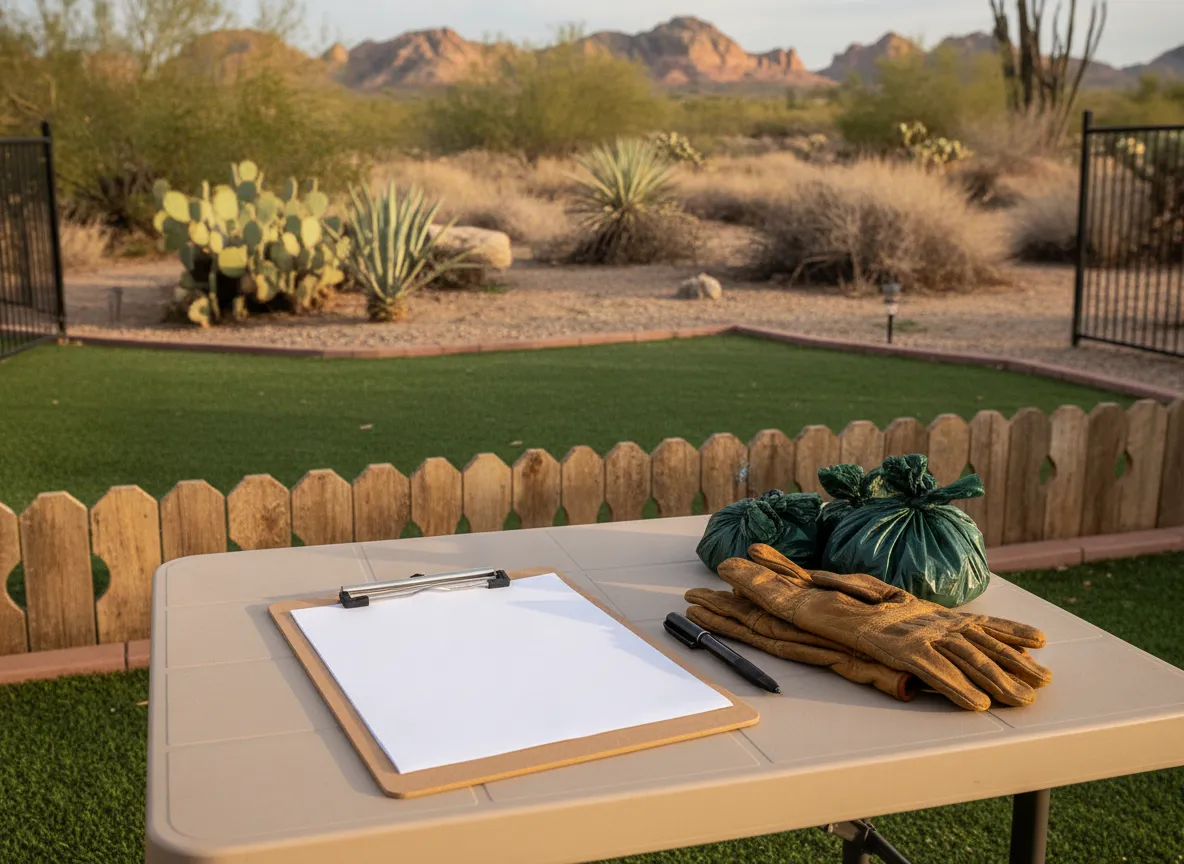 Write the finding while you are still standing at the spot.
- Mark the map. Circle relief lawns, turf runs, gravel corners, and any path residents use with dogs.
- Walk the edge first. Check fence lines, building corners, and the strip between sidewalk and landscaping.
- Stop at every drain and low spot. Note waste, bags, or rinse stains within a short walk of the inlet.
- Open the station question. Are bags stocked, is the can overflowing, and is the station uphill from a drain?
- Check turf and odor only as they relate to runoff. Urine-stained artificial grass that gets hosed toward pavement belongs on this log. A full turf-care plan does not.
- Ask where bagged waste goes the same day. Confirm it reaches a lidded trash container, not a bush or a storm inlet.
- Photograph each problem and a clean comparison spot. Date the photo in your notes, not by writing on the picture.
If the property already uses a Las Vegas dog waste inspection checklist, do not rebuild that list here. Use it for stations, turf, and route condition. Add only the drain, wash-water, and disposal lines this audit needs.
Apartment teams tracking illness concerns should keep using the apartment dog waste health risks guide. Mention a health complaint in your log if it prompted the walk. Do not turn the audit into a medical briefing.
Score What You Find
A score keeps the walk from becoming a pile of photos with no decision. Use three marks. Pass means you saw no waste on the path to a drain and the station or can could take a normal day's bags. Watch means waste or staining is present but contained on soil or turf, away from an inlet. Act means waste, torn bags, or wash water can reach a drain, gutter, or shared walk before the next visit.
What you check.Pass.Watch.Act.Storm drain or gutter near a dog path.Grate and nearby pavement are clear.Old staining, no fresh waste.Waste, bags, or rinse water at the inlet.Relief area.Picked up, with little loose waste.Scattered piles away from pavement.Heavy buildup that rain could move.Waste station and trash can.Bags stocked and can has room.Low bags or a nearly full can.Overflow, loose bags, or no can nearby.Wash-down and hose use.Dirty water stays off the gutter.Occasional rinsing with no drain nearby.Routine hosing toward a gutter or inlet.Same-day disposal.Bags are in a lidded trash container.Bags staged for later pickup.Bags left on the ground or by a drain.
Sort Act items before Watch items. One inlet with fresh waste outranks a full station that still has a closed lid. If artificial grass is part of the problem, note whether the issue is surface waste, odor that leads staff to hose the area, or both. Surface cleaning is a separate service from yard pickup, and artificial grass cleaning is quoted on its own.
Do not invent a numeric fine, a permit status, or a "compliant" stamp. The table is an internal priority list. Your board, manager, or local agency decides what the code requires. Codes differ between unincorporated Clark County, the City of Las Vegas, Henderson, and Tucson, so read the section that applies to that address before you cite it in a notice.
Turn Findings into a Cleanup Plan
An audit that stops at the clipboard does not change the drain. Match each Act line to a task someone can schedule.
Heavy loose waste on turf or gravel is a pickup problem. A one-time cleanup fits a yard or common area that got ahead of the route. Recurring visits fit a corner that refills every week. A1 publishes one-time cleanup as a ranged residential and commercial option and prices larger commercial sites by proposal, not by the homeowner dog-count chart. Read one-time cleanups for the service shape, then ask for a walk-through quote instead of guessing a rate in the audit notes.
Station overflow is a service-design problem. If bags run out or the can sits uphill from an inlet with no room, the fix may be a closer can, a stocked station, or a more frequent empty. That is different from choosing a disposal vendor. The commercial pet waste disposal guide covers where waste goes after pickup. Keep this audit focused on whether today's bags can reach that container before rain does.
Wash-down habits need a spoken rule, not only a crew. Tell staff and residents not to rinse waste into the gutter. If turf must be cleaned, schedule a controlled cleaning rather than an open hose across the sidewalk. Put that sentence in the same note as the photo so the next shift sees the reason.
Liability questions belong next door, not inside the score. If a resident has already complained about a slip, a smell, or a child playing near waste, use the pet waste and property liability guide for how to document the response. Carry the date and photo into that file. Do not copy a legal analysis into the audit.
What to Record After the Walk
Write the log the same day. Future you, a board packet, or a new manager should be able to see what changed.
- Property name, address, date, weather, and who walked.
- Each spot, with a pass, watch, or act mark.
- Photo file names tied to those spots.
- Whether waste could reach a drain by rain, irrigation, or a hose.
- The task you assigned: pickup, station service, hose rule, or turf cleaning.
- The date you will look again.
Keep the log with your service notes. A1 does not offer a customer portal or an app login. Schedule changes and billing questions go through the phone number on the contact page, 702-521-2624. If you want the crew to treat a drain-side corner as a priority, say that when you request the proposal. Do not assume a standard yard visit includes drain cleaning, trash-can moving, or station installation.
Commercial properties, HOAs, and multi-family sites are quoted from the grounds, not from a posted package. Commercial property service is the right starting point for a shared site. A homeowner yard can still use the same drain check, then move to signup only if recurring pickup is the fix. The audit itself is not a signup form.
Set the next look for a date that matches risk. A corner that scored Act before a forecasted rain should be checked sooner than a Watch spot on dry gravel. Two clean walks in a row are a better stop point than a single good photo.
What This Audit Is Not
Say the limits out loud so the packet is not misread.
It is not a city inspection and not an EPA filing. The EPA fact sheet describes why pet waste matters in stormwater and how cities educate residents. It does not score your courtyard. Your local code may require prompt removal in parks, on sidewalks, or in common areas. Confirm the current section for that jurisdiction before you quote it to a resident.
It is not a vendor beauty contest. Insurance, bid lines, and contract renewal live on other A1 guides. Use those when you are hiring. Use this page when you are looking at drains and bags.
It is not a promise that pickup alone makes a site "compliant." Pickup removes waste so rain has less to carry. Stations, trash capacity, and hose habits still have to work. A1 can propose waste removal and turf cleaning in its service area. It cannot grant a permit, guarantee a fine will be waived, or certify water quality.
It is also not a dog-park operations manual and not a quality audit of a crew's punctuality. Those are different jobs. If your only question is whether last Tuesday's route was missed, ask for the service note. If your question is whether the north inlet is at risk after a storm, use this walk.
Frequently Asked Questions
Who should run a pet waste environmental compliance audit?
A property manager, HOA board member, or facilities lead can run it with a map and a phone. You do not need a laboratory. If the property is in a dispute or has received a notice, ask your counsel or the local agency before you rely on the notes as a legal defense.
Does the audit include water testing?
No. You record whether waste or wash water can reach a drain. Water testing, if anyone requires it, comes from a qualified lab or agency, not from a pet waste visit.
How is this different from a regular yard inspection?
A yard inspection looks for piles, odor, stations, and turf condition. This audit adds the path from those spots to storm drains, gutters, and trash disposal, and it ends in a pass, watch, or act mark.
Can A1 perform the cleanup after the audit?
Yes, when the property is in A1's Las Vegas, Henderson, Clark County, or Tucson service area. One-time and recurring waste removal, plus artificial grass cleaning, can be proposed after a look at the site. Commercial prices are custom. Call 702-521-2624 and describe the Act spots.
How often should we repeat the walk?
Repeat after you fix every Act item, and again when the season changes. In Tucson, check before and after monsoon rains. In the Las Vegas area, check when irrigation or a rare storm can move waste that sat all week. Two clean walks mean the current plan is holding.
Call A1 Pet Maintenance at 702-521-2624 to schedule a waste-removal proposal after your audit.