What Is a Pooper Scooper Service? Complete Guide
This is a subtitle for your new post

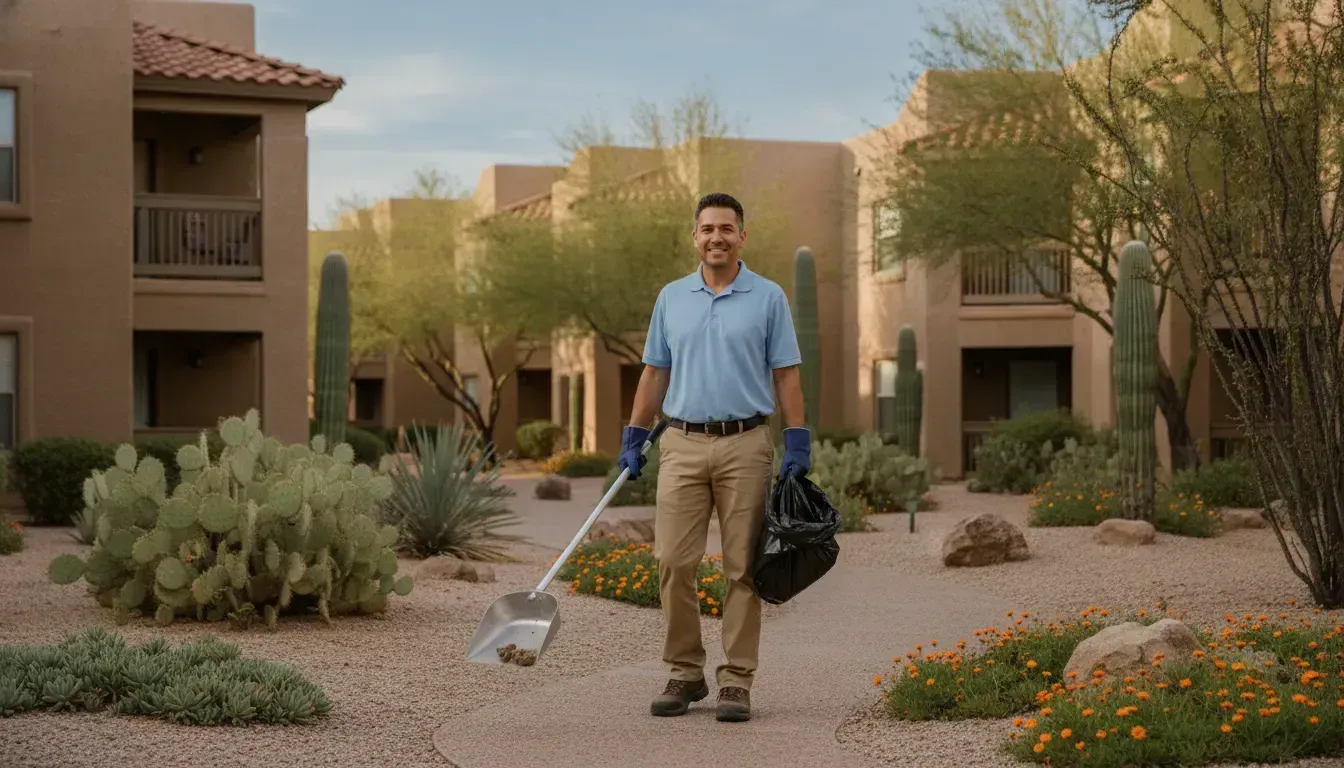
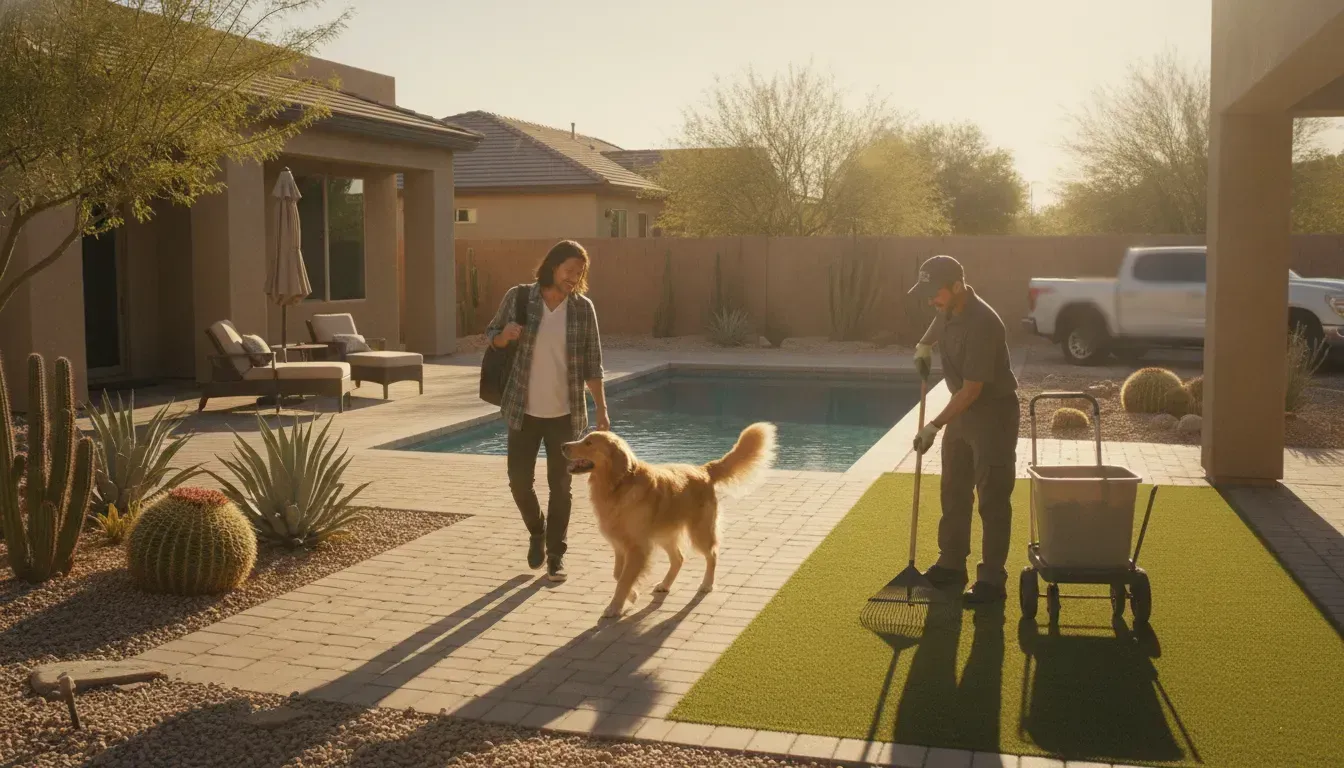
What is a pooper scooper service? It is a professional pet waste removal visit. A technician checks a defined yard or property area, collects dog waste, bags it, and removes it for disposal. You can schedule one-time cleanup or recurring visits, so the space stays usable without waiting for waste to accumulate or handling the chore yourself.
Professional waste removal helps homeowners keep up with routine yard maintenance. It also gives property managers a dependable way to maintain dog areas, shared grounds, and other pet-friendly spaces. A visit may be a careful sweep of one private yard or part of a broader plan for a multi-family community. The right option depends on the number of pets, property size, traffic, and how often waste is deposited.
A1 Pet Maintenance provides professional pooper scooper services for customers in Southern Nevada and Tucson. The company has served these markets since 1998 and describes its recurring service as flexible, without a long-term contract. The guide below explains what happens during a visit, who uses the service, how schedules work, and what to consider before choosing a provider. You can also learn about the company's background on its About Us page.
What Is a Pooper Scooper Service, and What Does It Include?
A pooper scooper service is focused outdoor maintenance. A technician inspects the agreed service area, collects visible pet waste, secures it in bags, removes it from the property, and completes a final check. The service may cover a private yard, dog run, kennel, litter area, or designated grounds, depending on the plan.
- Access and preparation: The technician arrives on the scheduled service day and follows the property's access instructions. Gates, pets, and special areas should be addressed before work begins.
- Systematic inspection: The technician walks the designated yard, dog run, kennel area, or other service zone and checks across the ground for waste. Larger properties may require a defined route or zone-by-zone inspection.
- Collection: Waste is scooped and bagged as it is found. The number of pets, yard size, weather, landscaping, and time since the last cleanup can affect the work required.
- Final check: The technician reviews the area again before leaving, paying attention to corners, edges, landscaping, and places where waste can be missed.
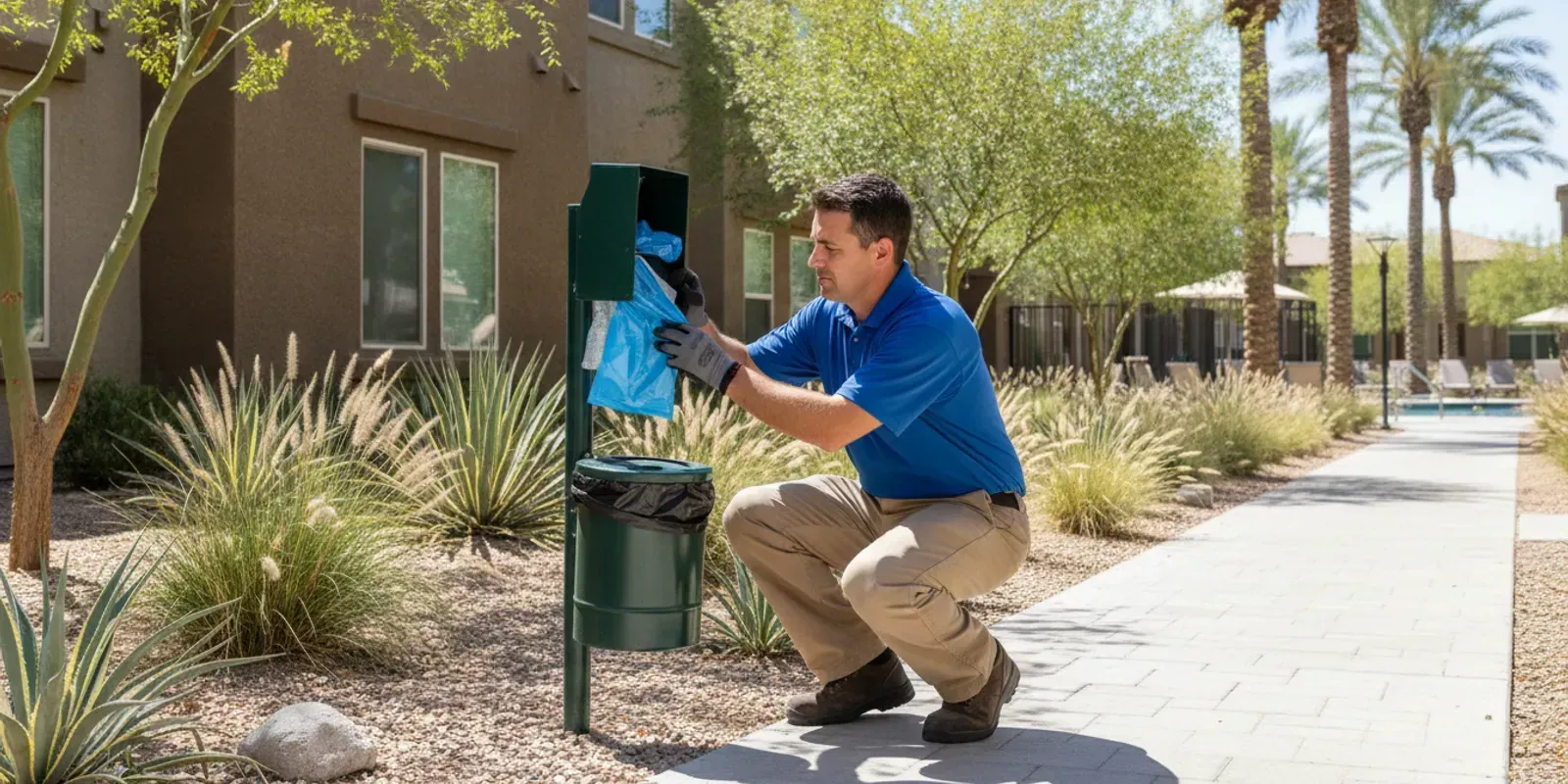
- Removal and disposal: A1 states that pet waste is bagged, hauled away from the property, and collected by city sanitation workers. The EPA's NPDES program explains why responsible stormwater pollution prevention matters, including the role of pollutants that can enter waterways.
Routine pickup is different from deep sanitation. A regular scoop removes solid waste, but it does not automatically mean that artificial turf has been rinsed, deodorized, or treated for buildup. If odor or organic residue remains in synthetic grass, a separate service such as cleaning artificial turf for dogs may be more appropriate. A1 also provides artificial grass cleaning and maintenance for customers who need more than routine collection.
The work has a practical hygiene benefit as well. The CDC recommends avoiding contact with animal poop and washing hands after touching animals or the areas where they live. Hiring a professional does not eliminate the need for ordinary household hygiene. It can reduce how often residents, staff, or property teams have to handle this unpleasant chore.
Who Uses Professional Pet Waste Removal?
Homeowners, landlords, HOAs, apartment communities, businesses, and public-facing properties use professional pet waste removal when outdoor areas need consistent attention. The reason may be saving personal time, supporting sanitation routines, keeping shared spaces usable, or giving a management team a dependable way to maintain pet-friendly grounds.
Homeowners with busy schedules
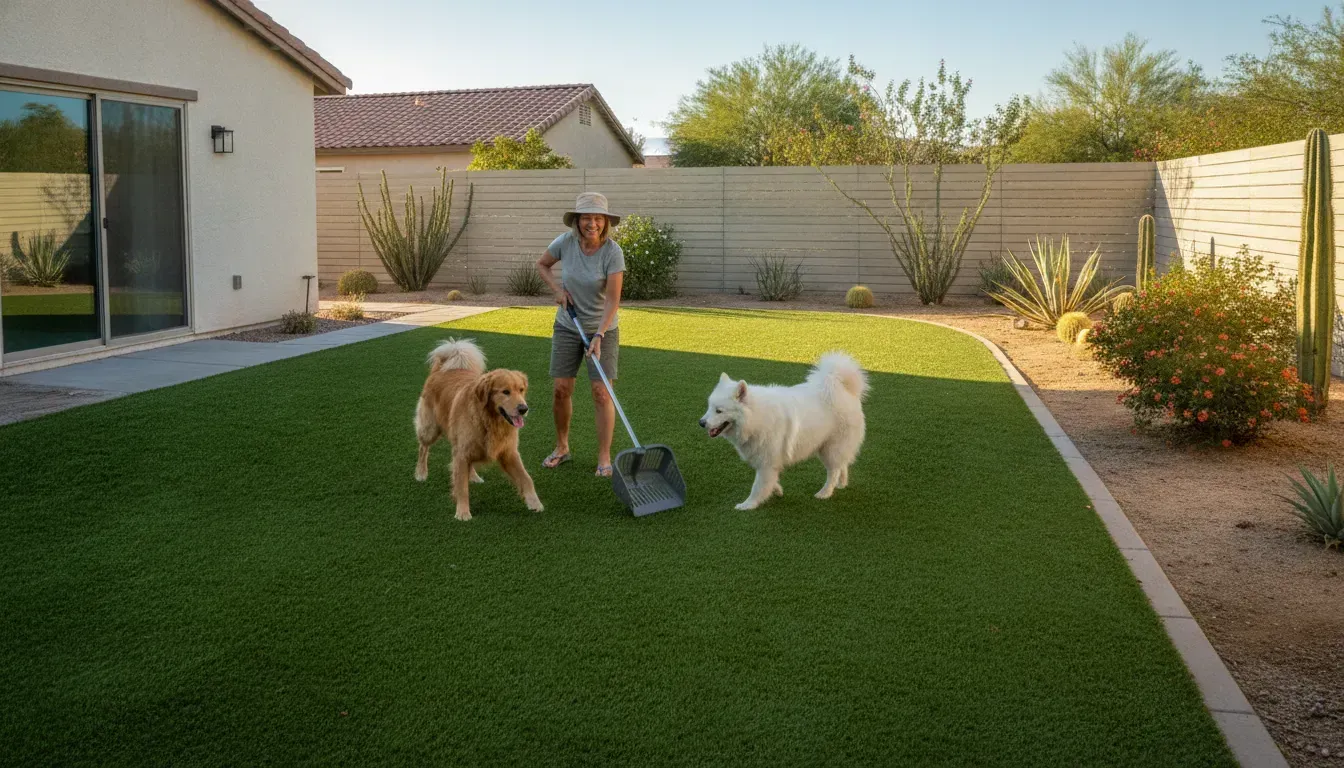
Homeowners often hire a pooper scooper service because yard cleanup is easy to postpone. Work, travel, family responsibilities, health limitations, and multiple dogs can turn a small daily task into an unpleasant weekend project. Recurring service creates a predictable maintenance rhythm, so the yard is not dependent on someone remembering to search every corner.
It can also help people who want to use their outdoor space without stepping around waste. Families, guests, and pets benefit from a yard that receives regular attention. Customers with one dog may need a different schedule from households with several dogs. But both can use the same basic model: a defined service area, an agreed frequency, and a clear process for access and disposal.
Apartment, HOA, and condominium communities
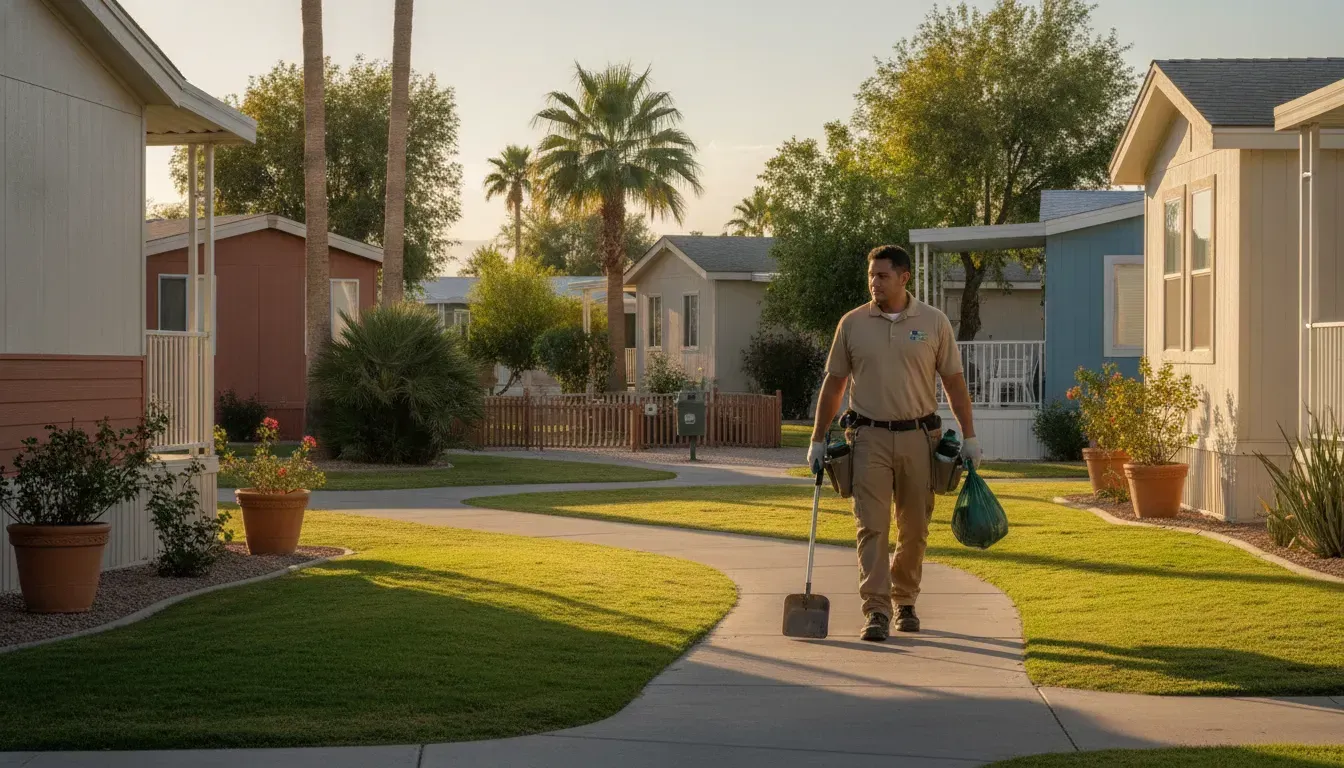
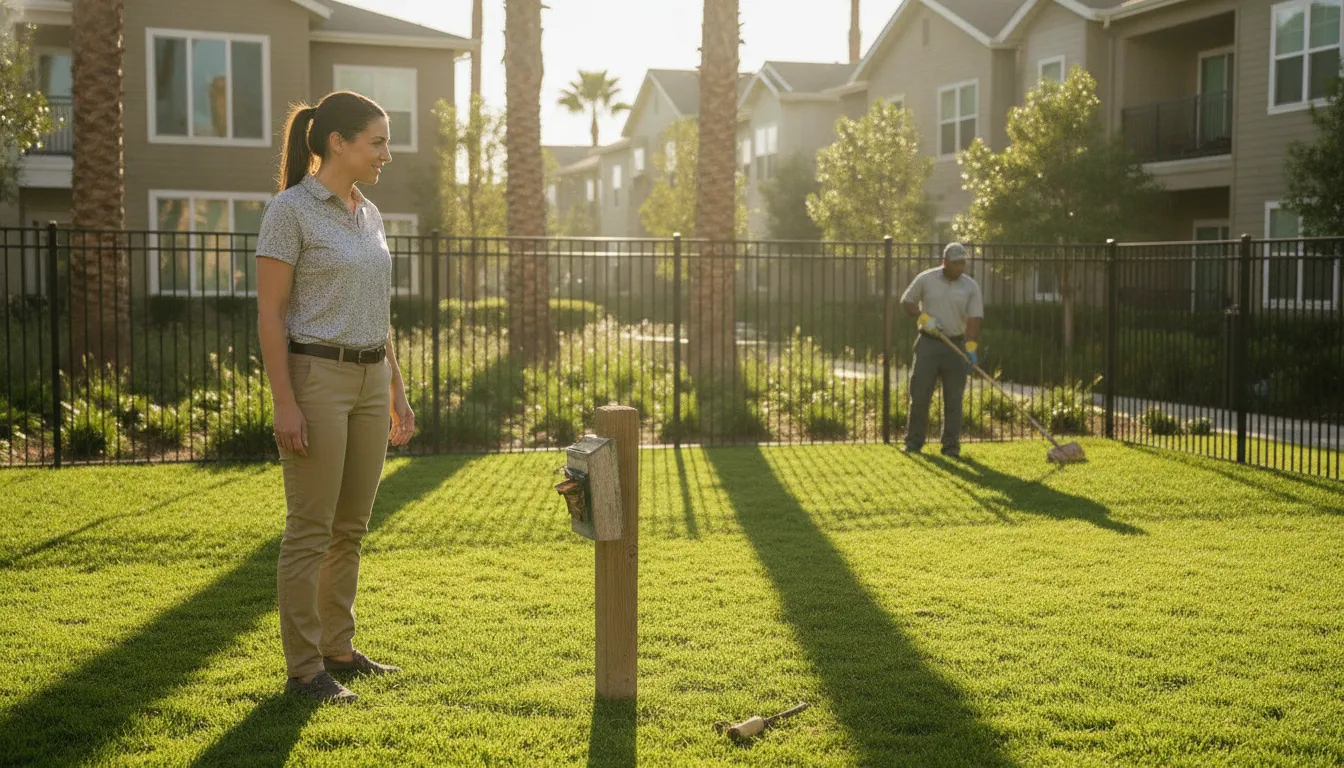
Property managers and HOA boards have a broader responsibility. Shared lawns, dog-relief areas, courtyards, and walkways serve many residents, so missed cleanup can quickly become a visible community issue. A recurring provider gives the management team a consistent maintenance resource instead of relying entirely on residents to follow pet-waste rules.
Commercial service may be customized around the size of the property, the number of pet areas, resident use, and the community's operating needs. A1's service background includes HOAs, condominiums, parks, and government entities. Property managers can review A1's commercial pet waste removal services when they need a plan for shared spaces.
 Facilities with concentrated pet traffic
Kennels, boarding facilities, dog areas, and other pet-friendly properties can also need a defined waste-removal plan. Concentrated traffic may create more frequent cleanup needs than a single-family yard. Managers may combine routine scooping with other property-maintenance services, including specialized artificial turf cleaning when a surface has lingering odor or organic buildup.
Whether the customer is a homeowner or a manager, the service should be explained clearly before it starts. Ask which areas are included, how access works, what happens to collected waste, how extra accumulation is handled, and whether the plan is one-time or recurring.
How Often Does a Pooper Scooper Service Visit?
Most private yards start with a weekly or twice-weekly schedule, while busy shared spaces may need a customized plan. The best frequency depends on the number of dogs, property size, traffic, weather, landscaping, and cleanliness expectations. A one-time visit can reset an accumulated area before regular service begins.
Schedule.Often fits.What to consider. One-time cleanup.Accumulated waste, move-outs, events, or a reset before recurring care.Useful for getting the property back to a manageable starting point. Weekly.Many single-family homes and moderate-use pet areas.Creates a regular rhythm and limits accumulation between visits. Twice weekly.Multi-dog homes, high-use areas, or properties with stricter cleanliness expectations.More frequent attention may be appropriate when waste builds quickly. Custom schedule.HOAs, apartments, parks, kennels, and larger commercial properties.Frequency can be planned around traffic, zones, and operating needs. A1 lists weekly and twice-weekly residential plans, with the amount varying by the number of dogs. Those are A1's stated residential options, not universal market prices. The final fit can depend on accumulation, property details, and the service arrangement.
There are practical signs that a schedule may be too infrequent. Waste remains in the yard between visits, residents avoid a shared dog area, or the management team receives repeated complaints. The first visit after a gap may also require a larger cleanup. Conversely, a low-use yard may not need the same frequency as a heavily used community pet area.
For property managers, consistency is often as important as the number of visits. A predictable route helps staff know when service is expected, and it gives the community a clearer standard for outdoor cleanliness. For homeowners, recurring service removes one more task from the weekly list. A provider should explain what each visit covers and how to request a schedule change before service begins.
What Is the Difference Between One-Time and Recurring Cleanup?
One-time cleanup handles waste that has already accumulated, while recurring service creates a maintenance rhythm for ongoing pet use. One-time work can reset a neglected yard, prepare a property for guests, or support a move. Recurring visits reduce the chance that the same area becomes another large cleanup project.
Service typeBest usePlanning question One-time cleanup.A neglected yard, property transition, special event, or fresh start.How much waste has accumulated, and which areas need attention? Recurring cleanup.Ongoing care for a home, community, or commercial property.What schedule keeps the space consistently usable? A one-time visit can be the right choice when a homeowner has fallen behind, is preparing a yard for guests, or needs help before starting a routine plan. It can also help a property manager reset a common area after a change in residents or a period without service. A1 offers one-time cleanup service for residential and commercial properties.
Recurring visits are a better match when dogs use the property every day and someone wants ongoing relief from the task. Weekly or twice-weekly service can make cleanup more predictable. It also avoids the cycle of waiting until the yard is difficult to use, then scheduling a large reset.
These options do not have to be permanent commitments. A1's customer information states that its recurring model does not require a contract. Customers can start or stop service with a phone call. That flexibility can matter when a household's pet situation changes, when a property is between tenants, or when a manager is evaluating service for a new community.
Before booking, provide accurate information about the property. Mention the number of dogs, approximate yard size, access instructions, whether waste has accumulated, and whether artificial turf or shared pet areas are involved. Clear details help the provider determine whether a standard visit is enough or whether the first visit needs additional time.
What Does a Pooper Scooper Service Cost?
Pooper scooper service cost depends on the scope of work, including the number of dogs. Visit frequency, property size, waste accumulation, access requirements, and whether the job is one-time or recurring. Commercial properties often need a custom proposal because their service areas and traffic patterns differ from those of private yards.
A1's published residential examples provide a clear starting point. Weekly and twice-weekly plans are listed on the company's pricing information, with the amount varying by the number of dogs. A1 also lists one-time cleanups with the amount depending on yard size and accumulated waste. These are A1's stated rates, not a promise that every property or provider will have the same price.
Ask what the quoted price includes:
- How many visits are included in the billing period?
- How many dogs or pets does the plan cover?
- Which yard, dog run, kennel, or common areas are included?
- Is waste bagged and removed from the property?
- Is an initial cleanup charge possible when accumulation is heavy?
- Are artificial turf cleaning or deodorizing priced separately?
A lower monthly number may not be the better value if it leaves a manager or homeowner with disposal, missed zones, or irregular scheduling. The useful comparison is the total amount of work handled and the reliability of the service. A clear provider should describe its route, access expectations, billing, and cancellation terms before the first visit.
A1 emphasizes no-contract service and says customers can start or stop service with a phone call. That makes it easier to evaluate the service based on the property's actual needs. If you are comparing options in Southern Nevada or Tucson, ask for a property-specific explanation rather than assuming a general rate applies to your yard or community. You can use A1's contact page to share property details and ask about next steps.
Why Choose A1 Pet Maintenance for Ongoing Service?
A1 Pet Maintenance offers an established local-service model for homeowners, property managers, and organizations that need dependable pet waste removal. The company was founded in 1998 and serves Southern Nevada, including Las Vegas and Henderson, as well as Tucson, Arizona. A1's company information reports service for more than 400 properties each week.
That experience is relevant when the need goes beyond one private yard. A1 works with residential customers, HOAs, condominiums, parks, government entities, and other commercial properties. Its service information also describes long-running commercial relationships. For a property manager, an established provider can reduce the friction of replacing a vendor and retraining staff on access and expectations.
A1's recurring service is positioned as flexible rather than locked in. Customers can start or stop service with a phone call, so a household or property team can adjust when circumstances change. Residential customers can review the new-customer service information before choosing a next step.
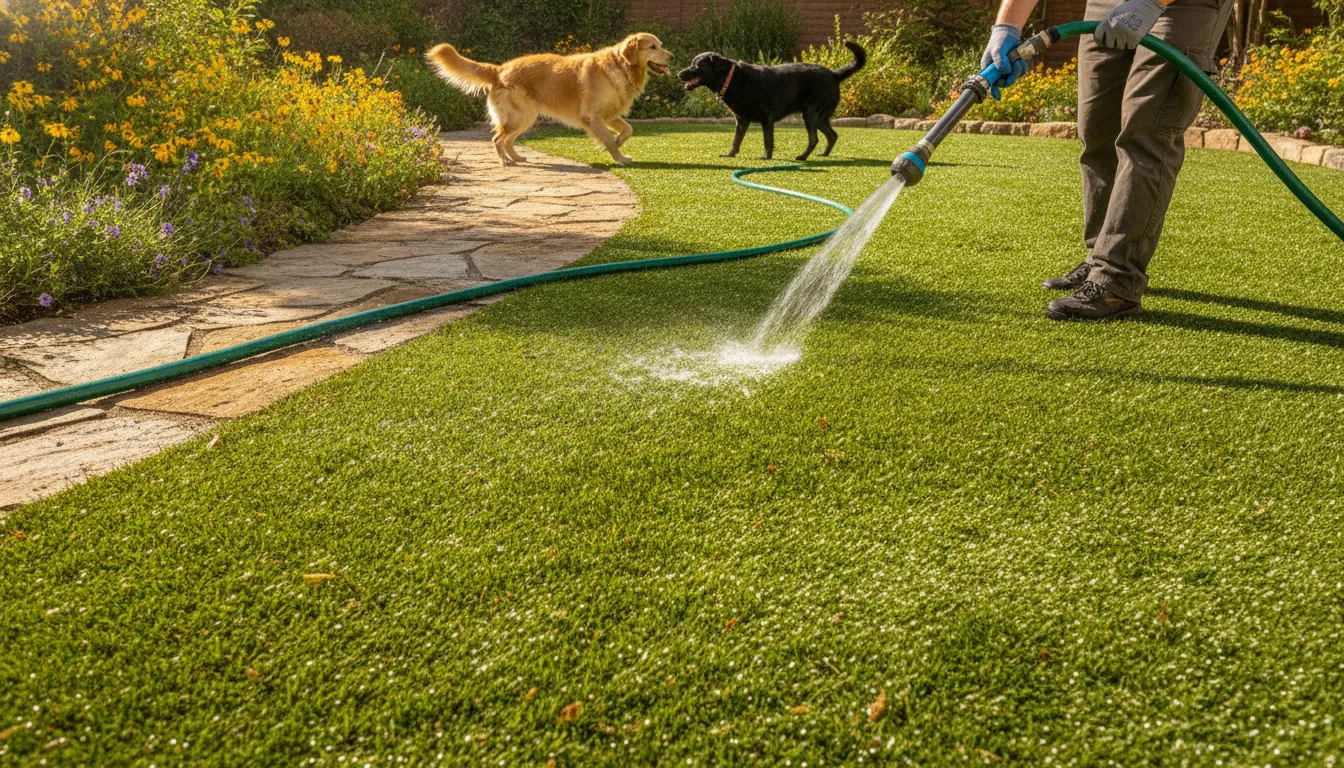
The basic service handles collection and removal of pet waste. A1 also offers related property-maintenance options. For artificial turf, a separate cleaning service can address surface waste, debris, odor, and organic buildup through a deeper cleaning process. Routine scooping and turf sanitation can complement each other, but they are not automatically the same visit. Customers needing a different type of pet-property help can review A1's cat trap rental service.
 The best provider is one that makes the practical details easy to understand. Before service begins, confirm the service area, frequency, access plan, disposal process, price, and how to request changes. A1's emphasis is straightforward: dependable cleanup, established experience, and a low-friction way to keep service aligned with the property.
Frequently Asked Questions
What is a pooper scooper service?
It is a professional service that visits a home, yard, dog area, or commercial property to locate, collect, bag, and remove pet waste. Customers may schedule a one-time cleanup or recurring visits such as weekly or twice-weekly service.
How does a professional pooper scooper service work?
A technician arrives on the agreed schedule, follows the property's access instructions, checks the defined service areas, scoops visible waste, bags it, and removes it for disposal. The provider should explain what areas are included and what happens when accumulation is heavier than usual.
What do pooper scooper services do with dog waste?
Disposal policies vary by provider, so ask before booking. A1 states that collected waste is bagged, hauled away from the property, and collected by city sanitation workers rather than left for the homeowner or manager to handle.
Are pooper scooper services worth the cost?
For busy pet owners and property teams, the value is the time saved and the ability to keep outdoor areas consistently usable. The service may also reduce the need for residents or staff to handle an unpleasant recurring chore. Compare scope, frequency, disposal, and reliability, not price alone.
Can I hire a pooper scooper service for a one-time cleanup?
Yes, many providers offer one-time cleanups in addition to recurring plans. One-time service can help with accumulated waste, a move, an event, or a reset before regular maintenance begins. A1 offers one-time cleanup service with pricing based on the property and accumulation.