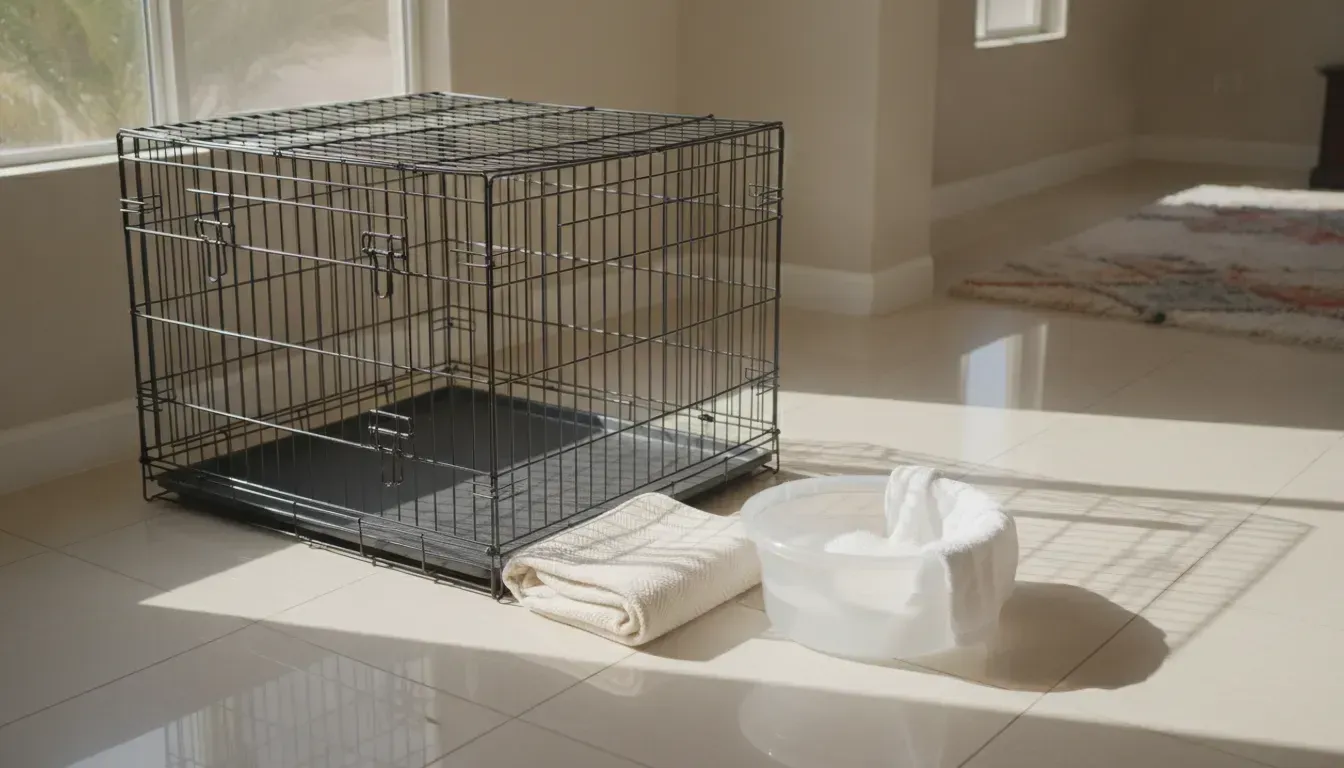
Dog Kennel Cleaning Systems: Planning Guide
Compare dog kennel cleaning systems at a planning level, then separate wash-down, drainage, sanitation, and waste removal for a safer facility workflow.
Dog kennel cleaning systems are not one product or one button. A facility may combine a wash-down area, suitable drainage, a vacuum or rinse workflow, labeled sanitation products, and a separate plan for removing solid waste. The right choice depends on the kennel's surfaces, drains, dog flow, staff time, and local disposal process. A1 Pet Waste Maintenance does not sell or install kennel equipment. It can help with the separate service question: who removes waste from kennel runs, relief yards, and other pet areas in Southern Nevada or Tucson?
Call A1 at 702-521-2624 to discuss kennel waste-removal coverage before you choose or change a cleaning system.
What a Dog Kennel Cleaning System Has to Solve
A kennel cleaning plan has to handle several different problems without treating them as the same task. Solid feces need to be collected and removed. Urine and organic residue may remain on a surface after visible waste is gone. Hard floors need a cleaning and sanitation process that follows the product label. Turf, gravel, dirt, and drainage areas require different care. Finally, dogs and staff need a predictable movement plan while cleaning takes place.
When a manager says the facility needs a cleaning system, start by naming the failure that needs to improve. Is waste left in runs between staff rounds? Does wash water move toward a drain or toward a neighboring yard? Are staff spending too much time carrying buckets? Does odor return in an artificial-turf relief area? Is a cleaning cart being considered even though the site has no suitable place to use it? The answer changes which system features matter.
- Solid-waste removal: a scoop-and-haul process gets feces off the property before washing.
- Surface cleaning: a defined rinse, scrub, or wash-down routine handles the remaining soil on hard surfaces.
- Drainage: water needs a controlled path that fits the facility and local requirements.
- Sanitation: staff need a product, dilution, contact time, and surface procedure they can follow.
- Access and safety: dogs must be separated from the work area and staff must know who controls each gate.
Separating these jobs prevents a common planning mistake. A hose, pressure washer, or vacuum can move water and loosen residue, but it is not automatically a plan for bagging and hauling feces. A manager should assign each step to a person or service before buying equipment.
Compare the Main System Approaches
There is no universal best system for every kennel. The approaches below are planning categories, not product recommendations. A facility team can compare them against its layout and operating routine without assuming that A1 sells any of the equipment.
Wash-down areas with controlled drainage
A wash-down area gives staff a defined place to rinse hard floors, gates, and other washable surfaces after solid waste has been removed. Its value comes from the whole setup. That means a suitable surface, a way to control water, a drain or collection method that fits the site, and a procedure that keeps dogs and people out of the work zone. A hose by itself is not a wash-down system.
Ask where water goes, how the area is cleaned after use, and whether the floor dries on a reasonable schedule. Also confirm that staff can move dogs without crossing the wet area. The facility's building, plumbing, and environmental requirements need review by the appropriate professionals. Do not assume a drain or discharge arrangement is acceptable just because it is convenient.
Rinse-and-scrub workflows
Some sites need a simple sequence rather than a dedicated machine. Staff remove solids, clear loose debris, apply a suitable cleaner or disinfectant according to its label, allow the required contact time, rinse when the label calls for it, and check the surface before returning dogs. This approach can work when the kennel has manageable hard-floor areas and enough time between dog groups.
The weakness is inconsistency. If one shift skips removal, another uses too much product, and a third returns dogs before the surface is ready, the same floor can produce different results every day. A written checklist, a designated supply location, and a supervisor check can matter as much as the equipment.
Vacuum or recovery equipment
A wet vacuum or recovery tool may help collect water and loosened debris from a hard surface. It is most useful when the facility already has a safe electrical setup, a place to empty or maintain the equipment, and staff who understand the sequence. It should be evaluated as part of the rinse and recovery workflow, not as a substitute for picking up feces before the wash.
Before choosing this approach, ask how the equipment will be moved around gates, thresholds, ramps, and occupied runs. Check who will clean the tool after use and where contaminated water or debris will go. A tool that saves time on one floor may create extra handling work elsewhere if the facility has no clear recovery process.
Flush or built-in kennel systems
Some purpose-built kennel layouts use built-in channels, drains, or flush features. These can change how staff handle routine cleanup, but they also make the facility's plumbing, slope, drainage, water use, and maintenance responsibilities central to the decision. A new system should be reviewed with the builder, plumber, or other qualified professional who can confirm that the design fits the building and applicable requirements.
Do not select a flush approach only because it seems faster. The team still needs to remove larger solids, prevent blockages, control where waste and wash water travel, and document what happens when the system is unavailable. A backup process is especially important for boarding, daycare, and shelter operations that cannot stop when equipment needs service.
 Plan the Workflow Before Selecting Equipment
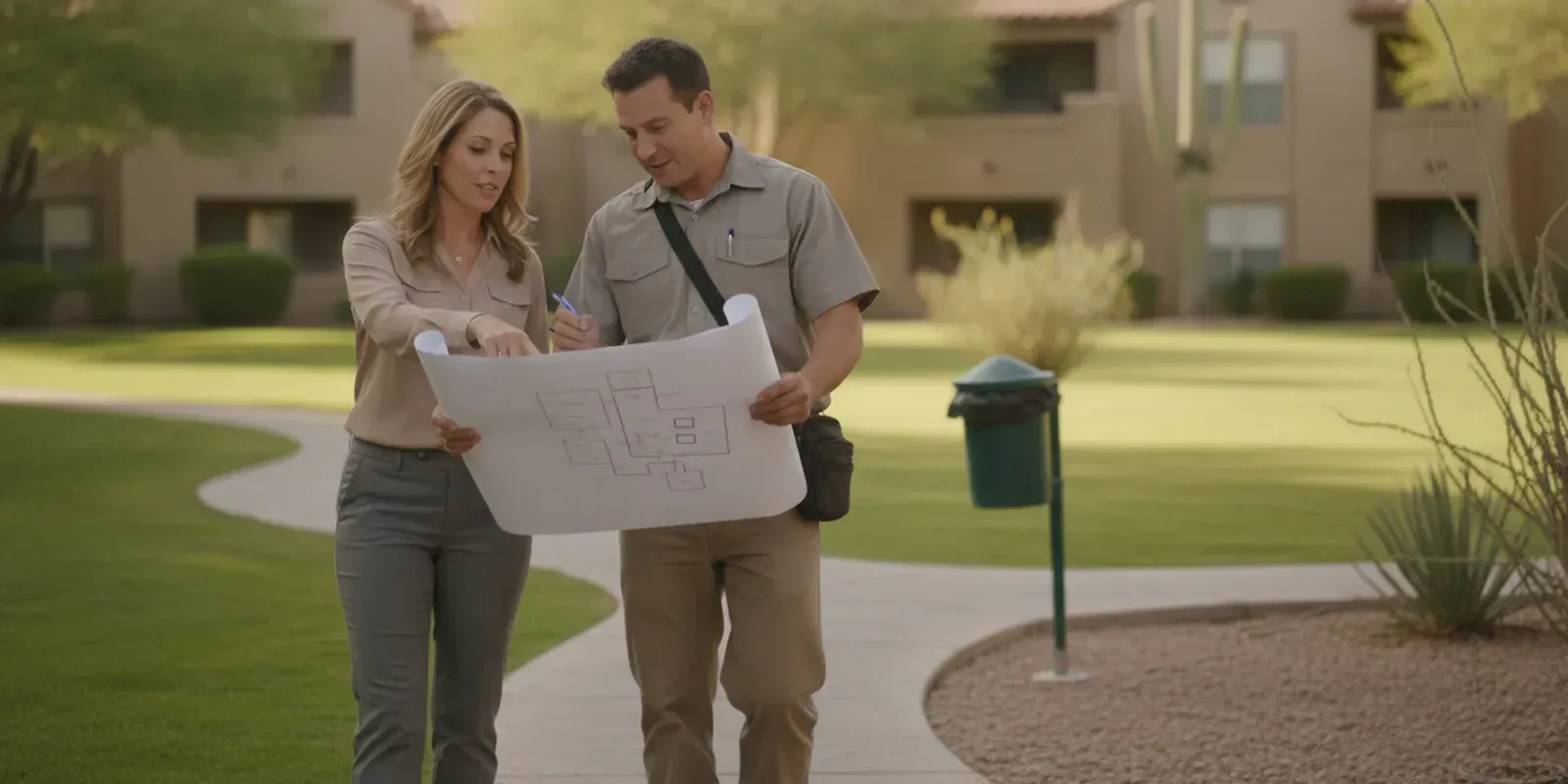
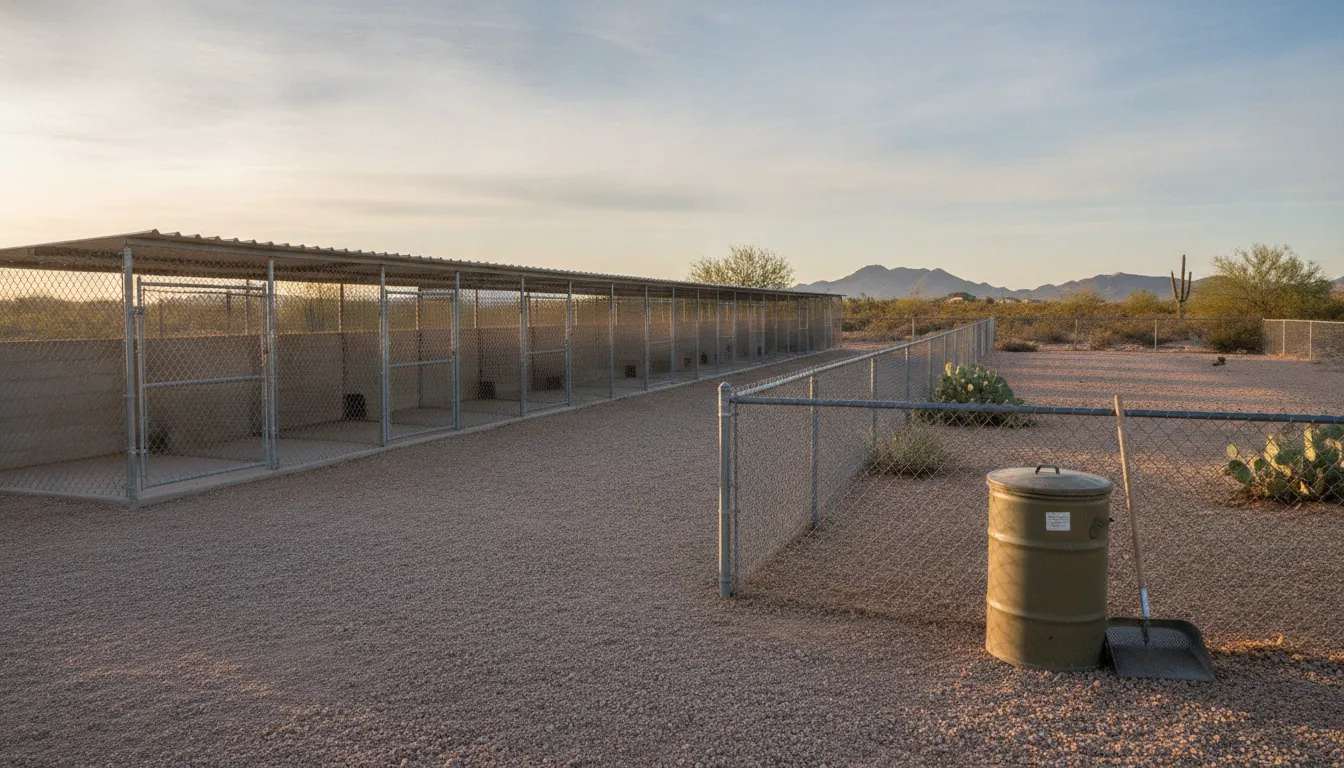
Walk the facility during its busiest normal period. Draw the route from each run to the relief yard, waste staging point, wash area, supply cabinet, and drain. Mark gates, slopes, thresholds, turf sections, gravel, and areas where dogs cannot safely remain during service. This simple map reveals whether a proposed system supports the work or only describes one step.
Questions for the site walk
- Which runs, yards, paths, and play areas collect solid waste each day?
- Which surfaces are concrete, sealed flooring, gravel, dirt, or artificial turf?
- Where can staff safely isolate dogs while a run or wash area is being serviced?
- What gate, key, code, or staff escort is needed for every work area?
- Where do supplies, bagged waste, recovered water, and used tools go?
- Who checks the area before dogs return, and what gets recorded?
Use the map to separate routine work from exception work. A staff member may handle a lightly soiled indoor area between groups, while a recurring service handles outdoor runs or a large relief yard. A one-time cleanup may be needed when buildup has exceeded the normal routine. Artificial turf may need a separate cleaning visit because visible scooping does not remove every odor source from the surface or infill.
A1's kennel waste-removal guide explains why a commercial cleanup proposal depends on the property and scope rather than a simple home chart. Use it for service-model questions, not as a substitute for an equipment specification or installation plan.
Keep Solid-Waste Removal Separate From Washing
The first lane is removal. Staff or a service provider locates and scoops feces, bags it, and moves it to the approved disposal point. The second lane is surface care. Staff follow the selected cleaning and sanitation procedure after visible waste is gone. The third lane is specialty care for surfaces such as artificial turf, where odor and residue can require a different treatment.
LaneWhat the lane coversWhat the lane does not coverSolid-waste removalScooping feces and moving bags to the approved disposal point.Washing floors, repairing drains, or choosing a disinfectant.Surface careThe wash, contact time, and rinse the product label requires.Hauling feces off the property or installing a drain.Turf careDebris clearing, deodorizing, agitation, or rinsing on artificial grass.A published turf price or installation of new grass.Built-in equipmentWash-down, vacuum, drainage, or flush features the building already supports.A substitute for the scoop step or for a qualified plumbing review.
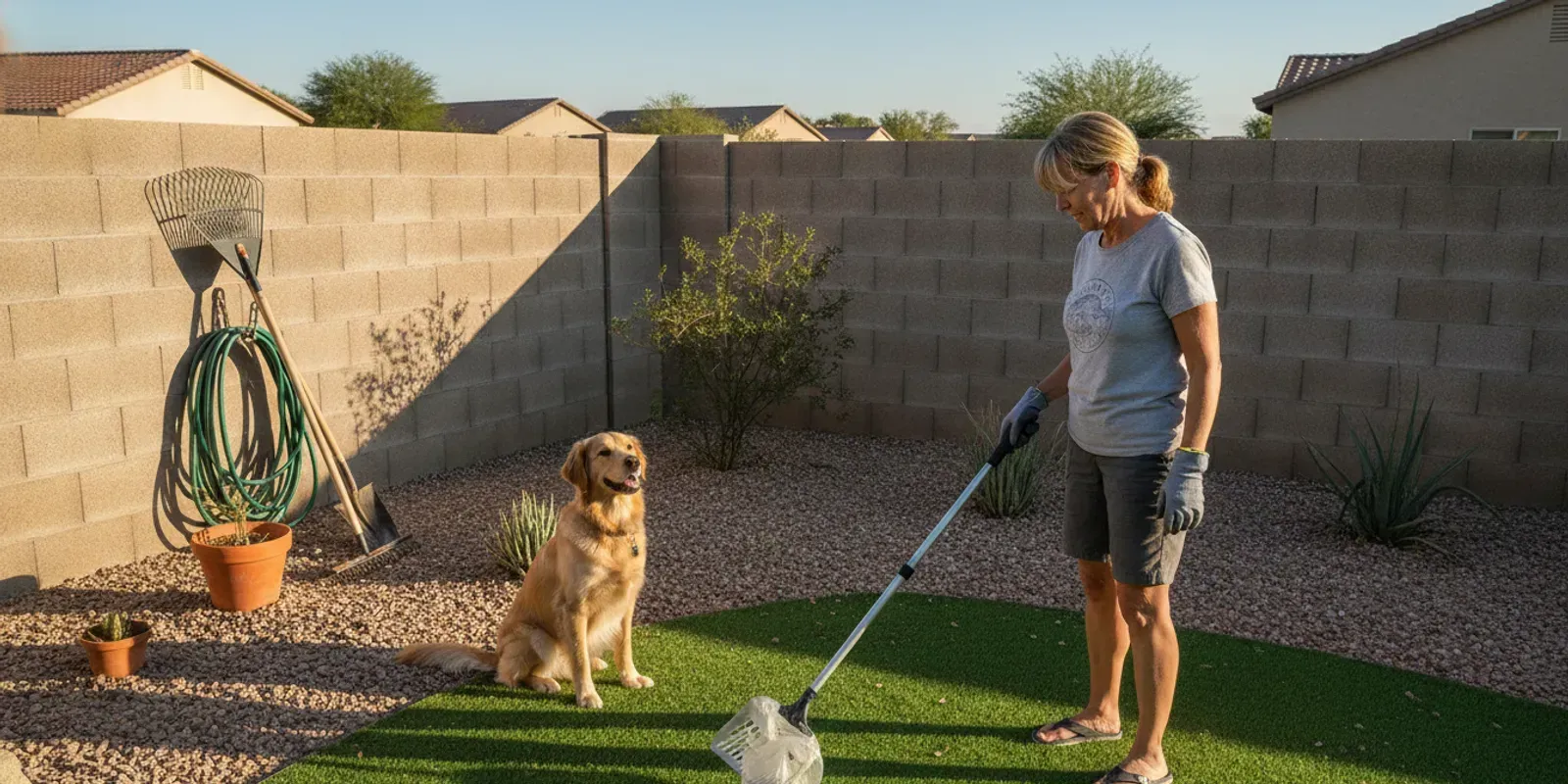
A1 describes its service as finding and scooping pet waste from yards, kennels, and litter boxes, then bagging and hauling it away. The A1 service overview confirms that role. This is complementary to a facility's wash system. It does not mean A1 sells pressure-wash carts, drains, vacuums, flush systems, or chemical programs.
For hard surfaces, read the label for every cleaner or disinfectant. The EPA disinfectant guidance explains that registered disinfectants are pesticides and that label directions control their use. In practical terms, removing visible waste, using the correct product on a listed surface, respecting contact time, and keeping dogs away until the area is ready are separate decisions.
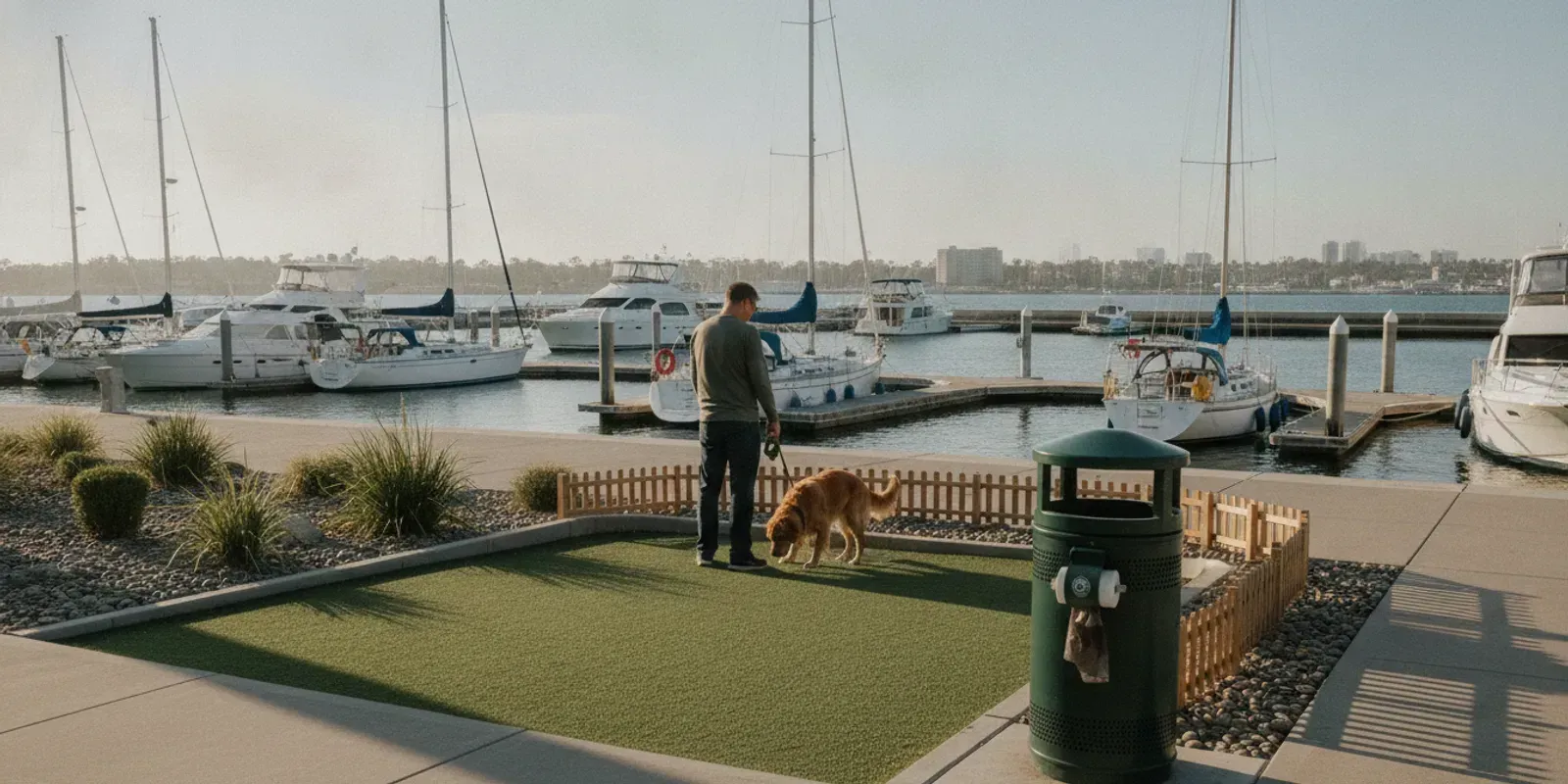
Artificial turf deserves its own check. A scoop removes solid waste, but a turf area may still need debris clearing, deodorizing, agitation, or rinsing. A1's artificial-grass cleaning page describes that service boundary and notes that kennel and daycare areas can be a fit. It does not install artificial grass or publish a universal turf-cleaning price.
Access, Safety, and Maintenance Rules
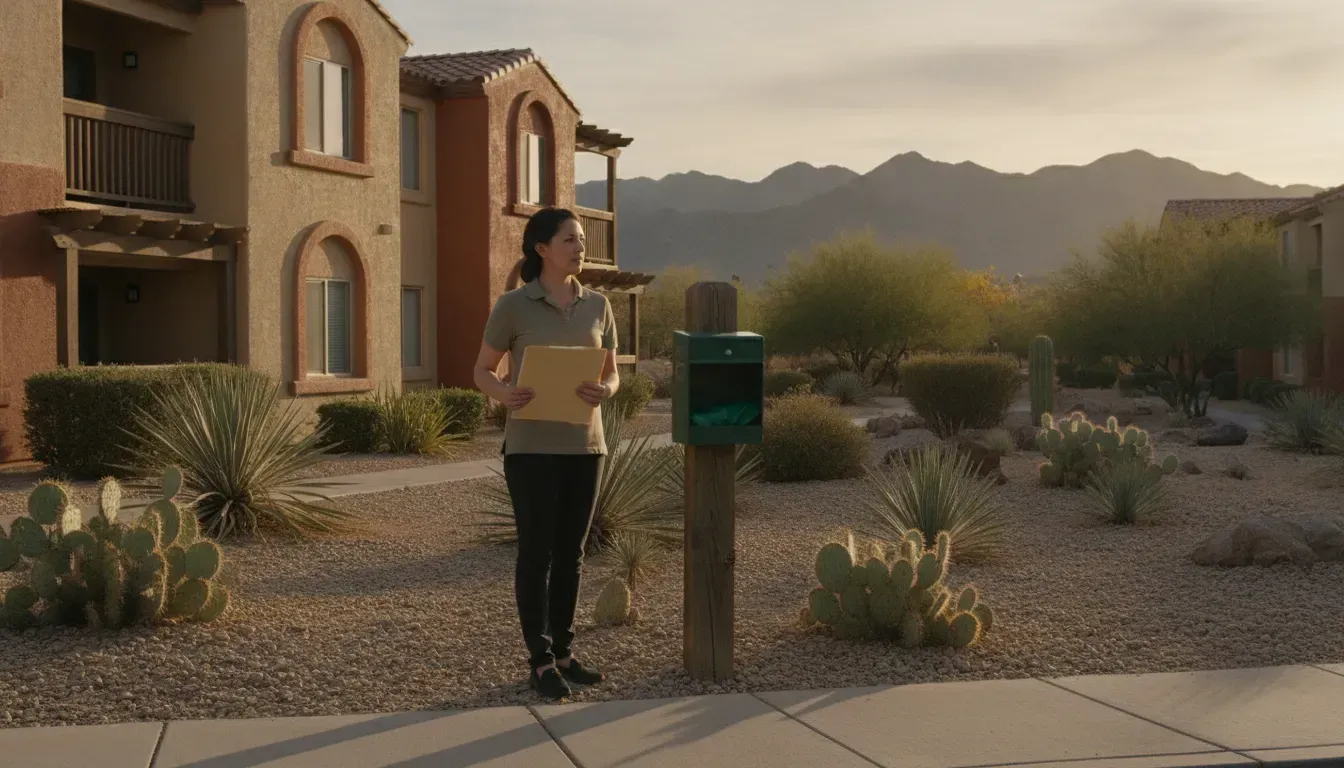
Even a well-designed system fails if the crew or staff cannot safely reach the area. Write the access plan before the first service or equipment trial. Identify who opens each gate, where dogs wait, which runs must be empty, and who makes the final return-to-service check. Keep the instructions where the opener of the day can find them.
- Keep dogs separated from the active cleaning zone.
- Use the site's key or code process rather than asking anyone to climb a fence.
- Store chemicals in their labeled containers and follow the product directions.
- Inspect hoses, cords, drains, recovery tools, and gates before use.
- Record blocked drains, damaged surfaces, recurring odor, and missed waste areas.
- Maintain a backup plan for equipment failure, water restrictions, or a locked area.
Schedule routine inspection of the system itself. A drain that is slow, a recovery tool that is not emptied, or a cracked surface can turn a manageable wash routine into a health and safety issue. The right inspection interval depends on the facility and equipment, so document the manufacturer's maintenance directions and the site's own operating requirements.
For a property manager, HOA, or multi-site operator, the commercial property service page is a useful reference for requesting a waste-removal proposal. Describe the grounds, access rules, surfaces, dog traffic, and the parts of the system your staff will handle. Do not assume a residential visit pattern fits a commercial facility.
 How to Decide What Belongs in Your Plan
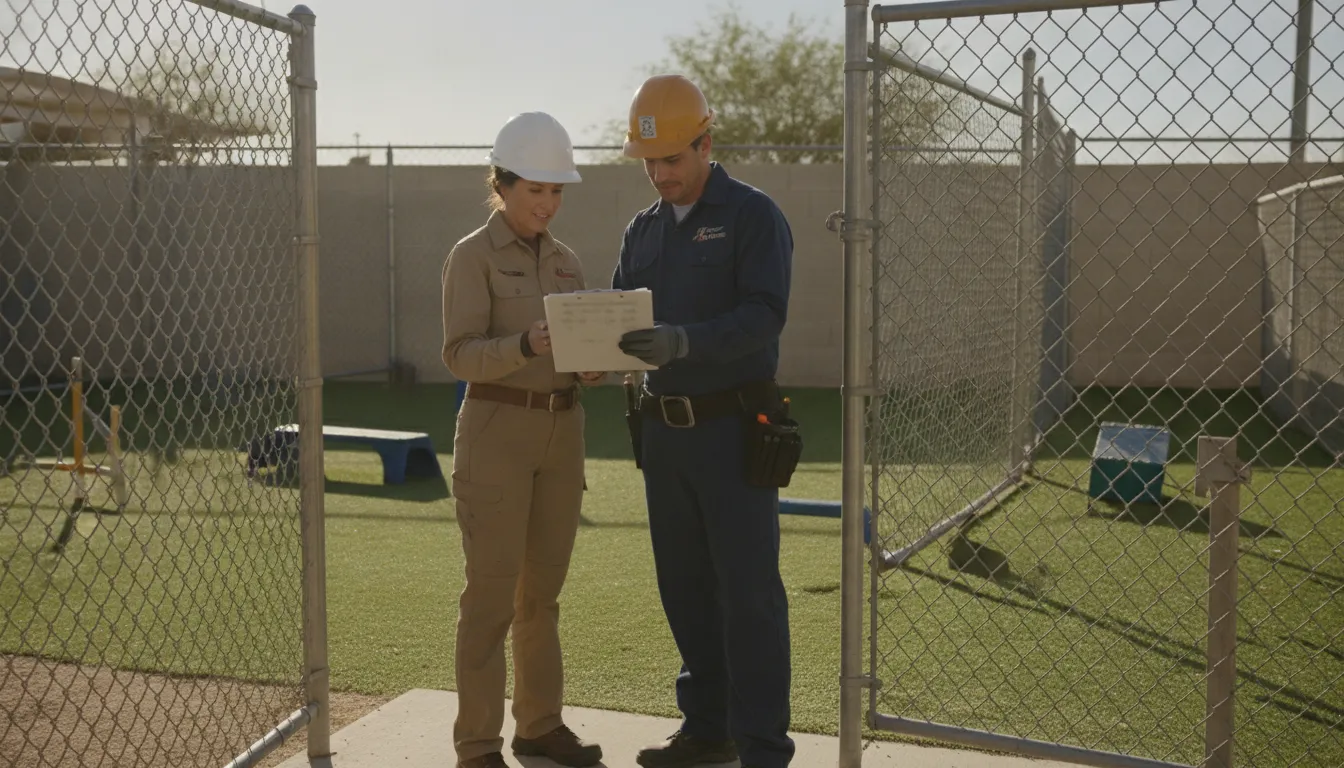
Use a short decision sequence instead of starting with a product catalog. First, identify the surfaces and the waste volume. Second, determine how dogs and staff move during cleaning. Third, confirm drainage and disposal responsibilities. Fourth, choose the cleaning and sanitation workflow for each surface. Fifth, decide whether recurring outside waste removal would give staff more time for the work that only they can do.
If the facility is comparing chemicals or wash routines, A1's dog kennel cleaner options guide covers product-selection considerations. It does not replace the label, a building review, or professional advice about plumbing and discharge. If the facility is comparing waste-removal support, start with the kennel guide and then describe the site directly to A1.
A1 serves Southern Nevada and Tucson-area customers, subject to route and scheduling confirmation. Its role is pet-waste maintenance and related turf-cleaning service, not equipment sales or installation. A facility outside those areas should ask whether service can be scheduled before relying on a route assumption.
Contact A1 or call 702-521-2624 with the facility location, surfaces, access rules, and the areas that need recurring waste removal.
Frequently Asked Questions
What are dog kennel cleaning systems?
They are combinations of equipment, drainage, cleaning procedures, sanitation products, and staff workflows used to keep kennel areas serviceable. The exact setup depends on surfaces, layout, dog traffic, water handling, and local requirements. A system should also state how solid waste is collected and disposed of.
Does A1 sell or install kennel cleaning equipment?
No. A1 provides pet-waste maintenance and can discuss related artificial-turf cleaning. It does not sell or install kennel wash stations, drains, vacuums, flush systems, or cleaning carts. Equipment selection and building work belong with the appropriate vendor or qualified professional.
Should a kennel wash floors before removing feces?
No. The workflow should identify and remove visible solid waste before the wash or sanitation step. The equipment can then be evaluated for the remaining surface-cleaning job. The facility should follow its product labels and operating procedures.
Does a wash system replace recurring waste removal?
No. Washing and waste removal solve different problems. A facility may use staff and equipment for surface care while using a recurring scoop-and-haul service for outdoor runs, relief yards, or other areas that need regular removal. A1 can review that service portion in Southern Nevada or Tucson.
What should a facility prepare before requesting help?
Prepare the location, run and yard layout, surface types, access rules, dog traffic, waste staging point, desired visit pattern, and the work staff already handle. Those details help separate a waste-removal proposal from an equipment, plumbing, or sanitation decision.