Dog waste stations: Service Options and Planning Guide
Dog waste stations work best with clear placement, bag and bin plans, and dependable upkeep. Compare service options and plan a cleaner shared property.
Dog waste stations are most effective when residents can find them, bags are available, bins are managed, and someone is accountable for routine checks. For HOAs, apartment communities, parks, and other shared properties, start by mapping pet traffic and assigning each station a clear maintenance plan-not simply by buying a dispenser.
What Should a Dog Waste Station Plan Include?
A useful plan covers four connected needs: station locations, bag supply, waste collection, and a reliable process for noticing and addressing problems. The station itself is only one part of the system. A dispenser without bags frustrates residents; a bin without regular attention can become unpleasant; and a station hidden off the normal route may go unused.
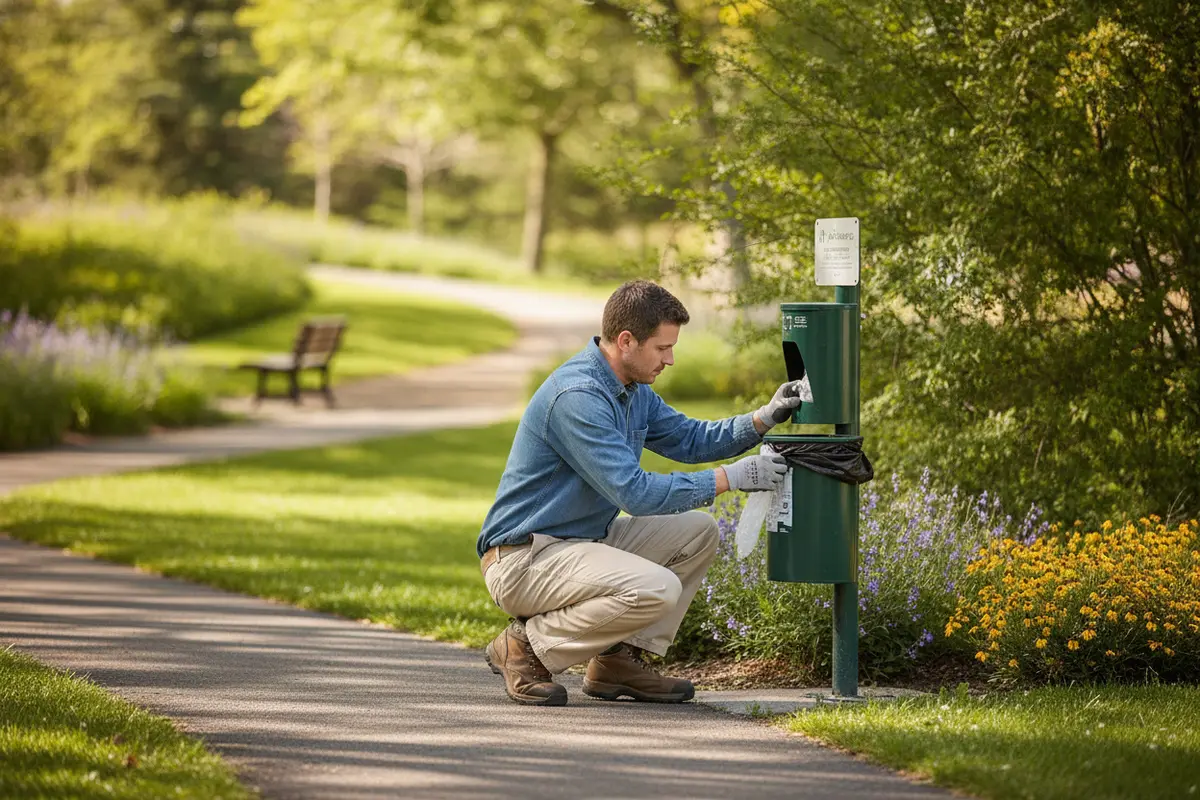
Begin by identifying where dogs actually walk and where residents naturally enter or leave common areas. Then decide what equipment and supplies the property will provide, who will inspect them, how the waste will be handled, and what happens when a station is damaged or empty. Record these decisions in a simple site plan and service checklist.
For a property that already has stations, audit how they perform before adding more. Ask residents or onsite staff which paths they use, note empty dispensers and overflowing bins, and check whether stations are easy to see without obstructing walkways. A few targeted changes can be more useful than placing equipment everywhere.
It also helps to distinguish a station problem from a grounds-cleanup problem. If bags are present and the receptacle is usable but waste remains on a lawn, the issue may be resident behavior or a gap in the grounds schedule. If the surrounding grounds are clean but the station is empty, the supply routine needs attention. Describe the observed condition precisely so the response addresses the cause instead of adding an unrelated task.
Where Should Dog Waste Stations Go on a Shared Property?
Place stations along common dog-walking routes, near convenient entrances or exits, and where residents can reach them without crossing private or restricted areas. Consider the full route rather than a single building entrance. On a large community, residents may use different paths, courtyards, or pet relief areas, so a single station may not serve the whole property.
- Follow observed traffic. Walk the property at different times and note where residents walk dogs. Use those paths as the starting point for placement.
- Keep the station visible and reachable. Residents should be able to notice and access it from a normal route. Avoid locations blocked by landscaping, parked vehicles, or locked gates.
- Think about the collection route. Staff or a service provider should be able to inspect and reach the bin safely. Keep equipment out of narrow passages and emergency access areas.
- Consider comfort and upkeep. Avoid placing bins where odors or activity will create an obvious nuisance for nearby residents. The location should allow routine checks and cleaning.
- Review coverage after changes. New buildings, closed paths, or a shift in where residents walk can make an old placement less useful.
There is no universal station count that fits every property. A compact complex with one shared dog route has different needs from a spread-out community with multiple entrances. Use resident feedback, observed use, and the condition of existing stations to decide whether the property needs relocation, more coverage, or more consistent maintenance.
A practical site walk can make placement decisions easier. Sketch the property, mark existing stations, dog-walking paths, gates, and common destinations, then note where residents would need a bag or disposal option during a typical walk. Check each proposed point from both directions of travel. If a resident could easily pass the station without seeing it, consider moving it into a clearer sightline. Also note whether the location is accessible to the person responsible for routine service; a station that is difficult to reach can be missed even when the schedule is sound.
 Which Supplies and Maintenance Tasks Matter Most?
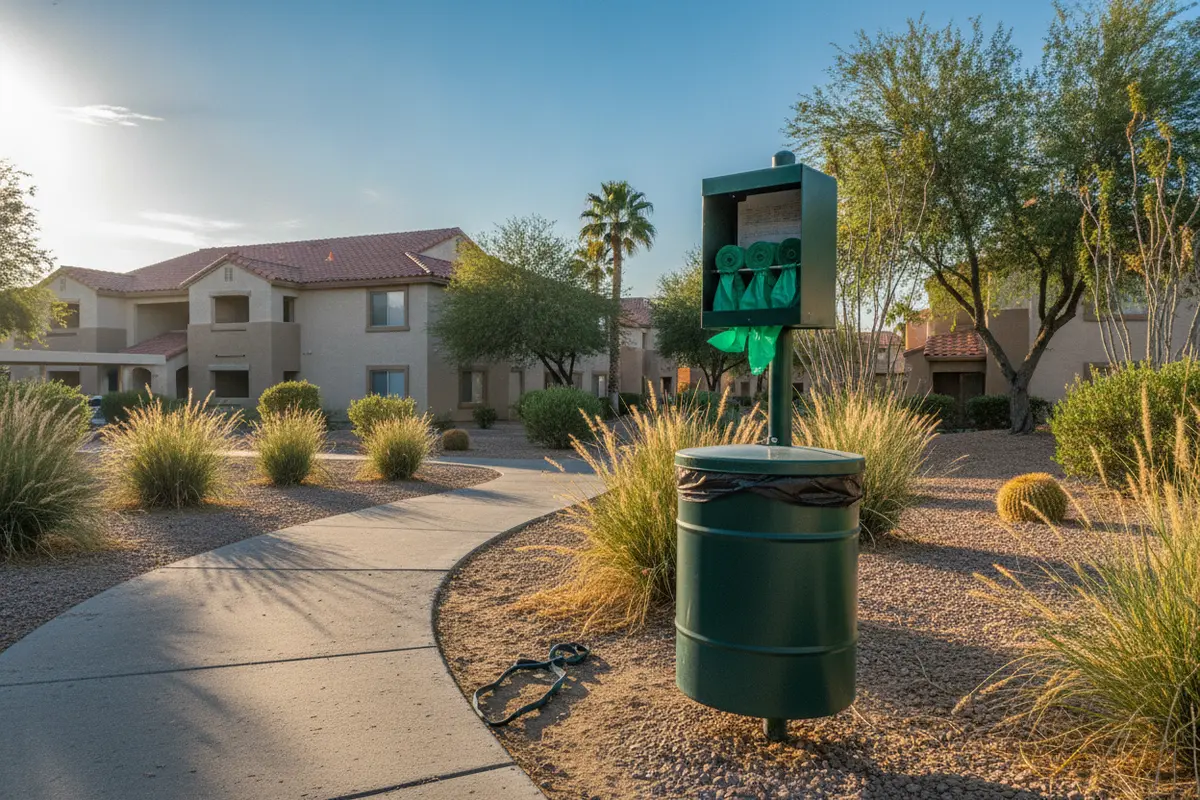
At a minimum, a station needs a dependable way for residents to pick up pet waste and a nearby receptacle for disposal. The University of Maryland Extension describes pet waste stations as providing bags for pickup and a trash can for depositing waste, and notes that long-term maintenance matters: its overview of pet waste stations offers a useful starting point.
Translate that basic setup into tasks assigned to a specific person or vendor. The property should decide who checks the bag supply, who removes waste from the bin, how often checks happen, and how staff report a broken dispenser, damaged lid, or litter around the station. Set a backup process for missed checks or supply shortages. The schedule should reflect actual use and observed conditions instead of relying on an arbitrary calendar alone.
A station checklist can include:
- Confirm that the dispenser is accessible and bags are available.
- Check whether the receptacle needs emptying and whether the area around it needs attention.
- Look for damage, instability, or a lid that does not work properly.
- Note the date and condition, then report any problem to the person responsible for repair or supplies.
- Review repeat issues so the property can adjust the location, check frequency, or task assignment.
Clarify the boundaries between station care and broader pet waste cleanup. For example, a checklist may include emptying a station bin, while a separate scope may cover collecting pet waste across lawns and common grounds. Do not assume one task includes the other. Put each responsibility in writing so residents and staff know who handles it.
Make the checklist quick to complete but specific enough to be useful. A note such as "station checked" does not show whether bags were available or the bin needed attention. A short record can list the station location, date, bag status, bin condition, and any follow-up owner. If a problem cannot be fixed during the check, include the next step and who will handle it. The record then becomes a simple way to spot patterns, such as one station repeatedly running out of bags before others.
Which Dog Waste Station Service Option Fits Your Property?
Properties can manage station tasks with onsite staff, hire a provider for defined cleanup work, or combine the approaches. The best fit depends on the property layout, the work the team can reliably perform, and how clearly the vendor's scope matches the need. A service arrangement should distinguish station supplies and equipment from pet waste pickup and grounds cleanup.
Onsite staff-managed
What it can cover. Property staff check stations, arrange supplies, and handle the tasks assigned internally.
What to confirm. Who owns each task, how checks are logged, who responds to issues, and whether staff have time and disposal procedures.
Best suited to. Properties with staff capacity and a clear internal process.
Defined outside cleanup service
What it can cover. A provider handles the specific recurring or one-time pet waste cleanup tasks agreed in the service scope.
What to confirm. Which areas are covered, visit frequency, waste handling, reporting, and whether station restocking or bin servicing is included.
Best suited to. Properties seeking help with grounds cleanup or accumulated waste.
Combined approach
What it can cover. Staff manage equipment and supplies while a provider handles agreed pet waste removal or cleanup.
What to confirm. Where the handoff occurs, who reports station problems, and how schedules and records stay aligned.
Best suited to. Properties that need to divide station operations and grounds cleanup between responsible parties.
For a vendor comparison, ask each provider to describe the work in plain terms. A proposal should make clear which grounds or areas are included, whether the work is weekly, bi-weekly, or a one-time cleanup, how the property can flag a concern, and what tasks are excluded. A1 Pet Maintenance provides commercial property pet waste cleanup and commercial service information for properties evaluating cleanup support. Confirm directly whether a requested station-specific task is part of the scope before relying on it.
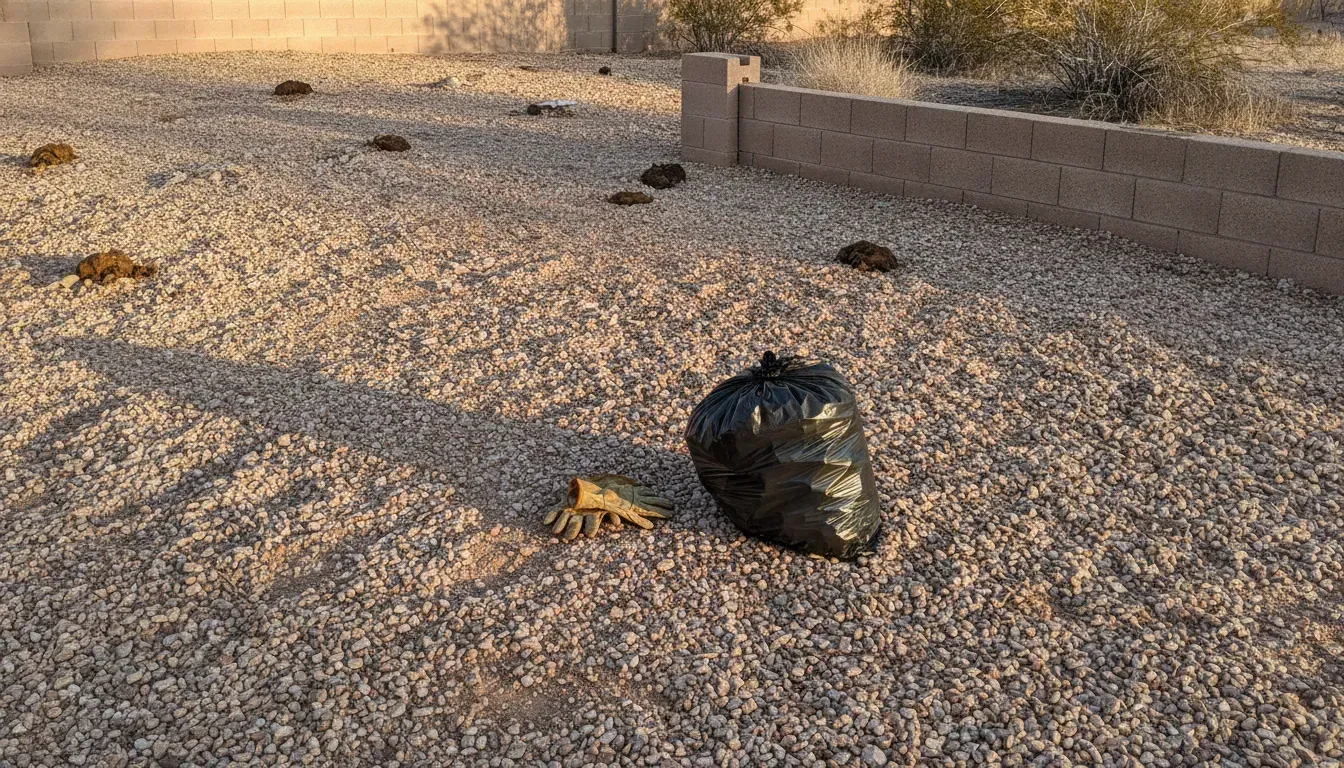
If the property has accumulated waste after a gap in maintenance, distinguish that reset from ongoing service. A one-time cleanup addresses a buildup, while recurring visits are intended to support an ongoing routine. The frequency A1 supports for recurring service is weekly or bi-weekly; do not treat a one-time visit as a substitute for a continuing station and grounds plan.
Consider a simple example when comparing arrangements. A small property may have staff check the dispenser during regular rounds while requesting outside help for recurring grounds cleanup. A larger community may need several people or service parties, so the written plan should explain who checks each station, who handles cleanup in each area, and how a missed task is escalated. In either case, compare what is actually included rather than assuming that a general service label covers every station duty.
How Can Property Managers Compare Station Plans?
Compare proposals against the property's needs, not just a line-item description like "pet station service." Ask for a site-specific scope and make sure each proposal answers the same questions. That makes gaps visible before work begins and provides a fair basis for evaluating options.
- Map the service area. Identify buildings, walking paths, pet relief areas, and existing stations. Mark which locations are included or excluded.
- Separate tasks. List waste pickup from grounds, bin emptying, dispenser refills, equipment repair, and supply purchasing as separate items. Ask who performs each one.
- Confirm timing. Record the agreed visit frequency, days or access windows if relevant, and the process for reporting a missed or incomplete task. Match the arrangement to actual use.
- Ask how issues are documented. Find out how the property will learn about a damaged station, unavailable bags, access problem, or area needing extra attention.
- Review disposal and access. Clarify where collected waste goes, how the crew reaches each location, and what access arrangements the property must provide.
- Set a review date. After the arrangement has been in place, check resident feedback, station condition, and whether the agreed scope is covering the problem.
For an established community, a brief written scope and consistent check records can prevent disagreements about what "station maintenance" means. For a new property, start with a walk-through and adjust placement or assigned tasks after residents begin using the common areas. Either way, communicate changes so people know where supplies are and how to report an issue.
To make proposals easier to compare, send each provider the same site map and task list. Ask them to mark any areas they cannot access and identify assumptions that could affect the work. If one proposal includes grounds pickup but says nothing about dispensers, do not interpret that silence as station servicing. Request a written clarification, then compare the confirmed scope alongside schedule, reporting, and access arrangements. This avoids choosing based on a phrase that different providers may define differently.
What Common Problems Should a Station Plan Prevent?
Empty bag dispensers: assign a named role for checking supplies and define how replacements are obtained. If bags are not included in a provider's work, state who will buy and replenish them.
Overflowing receptacles: make the bin-emptying responsibility and schedule explicit. Check whether disposal arrangements are practical for the staff or vendor doing the work.
Stations residents cannot find: review visibility and placement along actual walking paths. Ask residents for feedback and avoid assuming that a location is convenient just because it is close to a building.
Unclear vendor expectations: replace broad wording with a list of locations, tasks, exclusions, and frequency. If equipment or supply work is not confirmed, treat it as outside the scope until both parties agree otherwise.
Problems that keep returning: keep brief notes on the location and type of issue. A repeated shortage or messy area may point to a poor placement, inadequate check process, or mismatch between the agreed scope and actual needs.
Use a repeat complaint as a prompt to review the process, not just to repeat the same fix. For example, replacing an empty bag roll solves the immediate issue, but repeated shortages may call for a different inspection interval or a clearer restocking owner. If a bin fills quickly, review the collection timing and whether the receptacle is serving more foot traffic than expected. Track what changed and check whether the issue returns; that makes adjustments more deliberate.
 How Should an HOA or Property Team Get Started?
Use this straightforward sequence to build or improve a plan:
- Walk the grounds. Mark current stations, pet routes, gathering points, and areas where waste is often noticed.
- Ask what is failing. Collect specific reports: empty bags, overflowing bins, inconvenient placement, or uncollected waste. Avoid treating all complaints as the same problem.
- Assign each task. Name who supplies bags, checks stations, empties receptacles, reports damage, and handles grounds cleanup.
- Choose the operating approach. Decide which tasks staff can own and which tasks need an outside cleanup provider. For vendor research, review community pet waste solutions and multifamily pet waste management as relevant starting points.
- Write down boundaries and frequency. Record locations, recurring visit frequency or one-time work, exclusions, access details, and a contact path for problems.
- Review the results. Revisit the plan after implementation. Adjust tasks or station placement when observed use or reports show a persistent gap.
If waste has accumulated and the property needs a reset, describe the affected areas and desired timing when requesting a one-time pet waste cleanup. If the need is ongoing, explain the grounds and schedule so the proposed recurring service can be evaluated against the property's requirements. A1 serves customers in Southern Nevada and Tucson; contact the team to discuss the property and confirm the appropriate service scope.
Frequently Asked Questions
What should a dog waste station include?
A basic station provides bags for picking up pet waste and a nearby trash can for disposal. The property also needs an assigned process for checking supplies, managing collected waste, and responding to damaged or empty equipment.
How many dog waste stations does a property need?
There is no single number for every property. Consider the layout, entrances, walking routes, pet relief areas, and observed use. Review resident feedback and current station conditions to find gaps instead of choosing a count without a site assessment.
Who is responsible for refilling bags and emptying station bins?
The property should assign those tasks in writing, either to onsite staff or to a service provider whose scope explicitly includes them. Do not assume that a provider handling grounds cleanup also supplies bags or empties station bins.
Can a pet waste cleanup service maintain the stations too?
That depends on the specific provider and agreed scope. Confirm separately whether the work includes dispenser refills, bin emptying, equipment repair, or only pickup of pet waste from the grounds. A1 offers commercial pet waste cleanup; contact the team to discuss which tasks are needed and confirm what can be included.
Should a property choose recurring service or a one-time cleanup?
A one-time cleanup can address accumulated waste, while recurring service supports regular upkeep. A1's recurring service frequency is weekly or bi-weekly. The right choice depends on whether the property needs a one-off reset, continuing grounds cleanup, or both, with station duties assigned separately.
A clear station plan helps residents do their part and gives the property a practical way to keep supplies, bins, and shared grounds from falling between responsibilities.