Dog Waste Removal Tucson: A Practical Yard Planning Guide
Plan dog waste removal in Tucson with a clear routine for yard size, visit frequency, cleanup resets, odor, and choosing a service that fits your home.

Dog waste removal Tucson homeowners can keep up with starts with a plan that fits the yard, the dog's routine, and the amount of time available each week. A small, frequently used dog run needs a different routine from a large yard where a dog spends only part of the day. This guide explains how to choose a workable schedule, when a one-time cleanup makes sense, and what to prepare before a visit.
Ask about service for your yard
What Does Dog Waste Removal in Tucson Usually Involve?
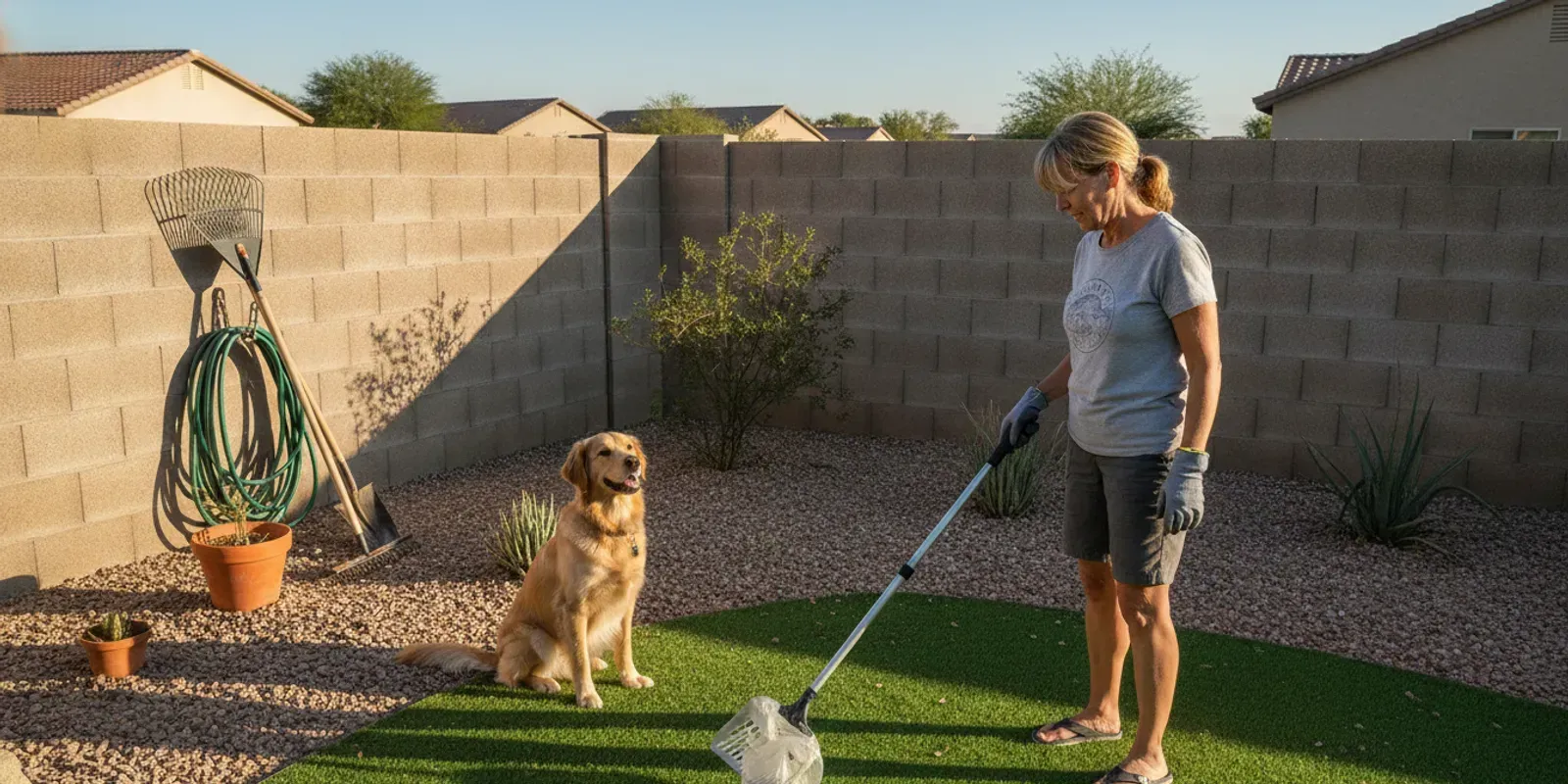
Routine dog waste removal is the repeated collection of pet waste from the usable areas of a yard. A visit is not the same as a full landscape cleanup, turf renovation, or treatment for every odor source. Before choosing a schedule, identify which parts of the property matter most: the route to the back door, play space, dog run, patio edges, and any area the dog uses often.
For a home, the practical aim is to prevent waste from building up between visits. That can make the yard easier to use and reduce the amount of catch-up work later. The right plan depends on how many dogs use the space, how often they go outside, the yard's size and layout, and whether someone at home can collect waste between professional visits.
A1 Pet Waste Maintenance serves the Tucson area and offers pet waste removal on recurring schedules as well as one-time cleanup options. If the yard has artificial grass and odor or residue is the main concern, that is a different need from ordinary collection; review the artificial grass cleaning and maintenance information as you decide what to ask about.
How Should You Assess the Yard Before Choosing a Schedule?
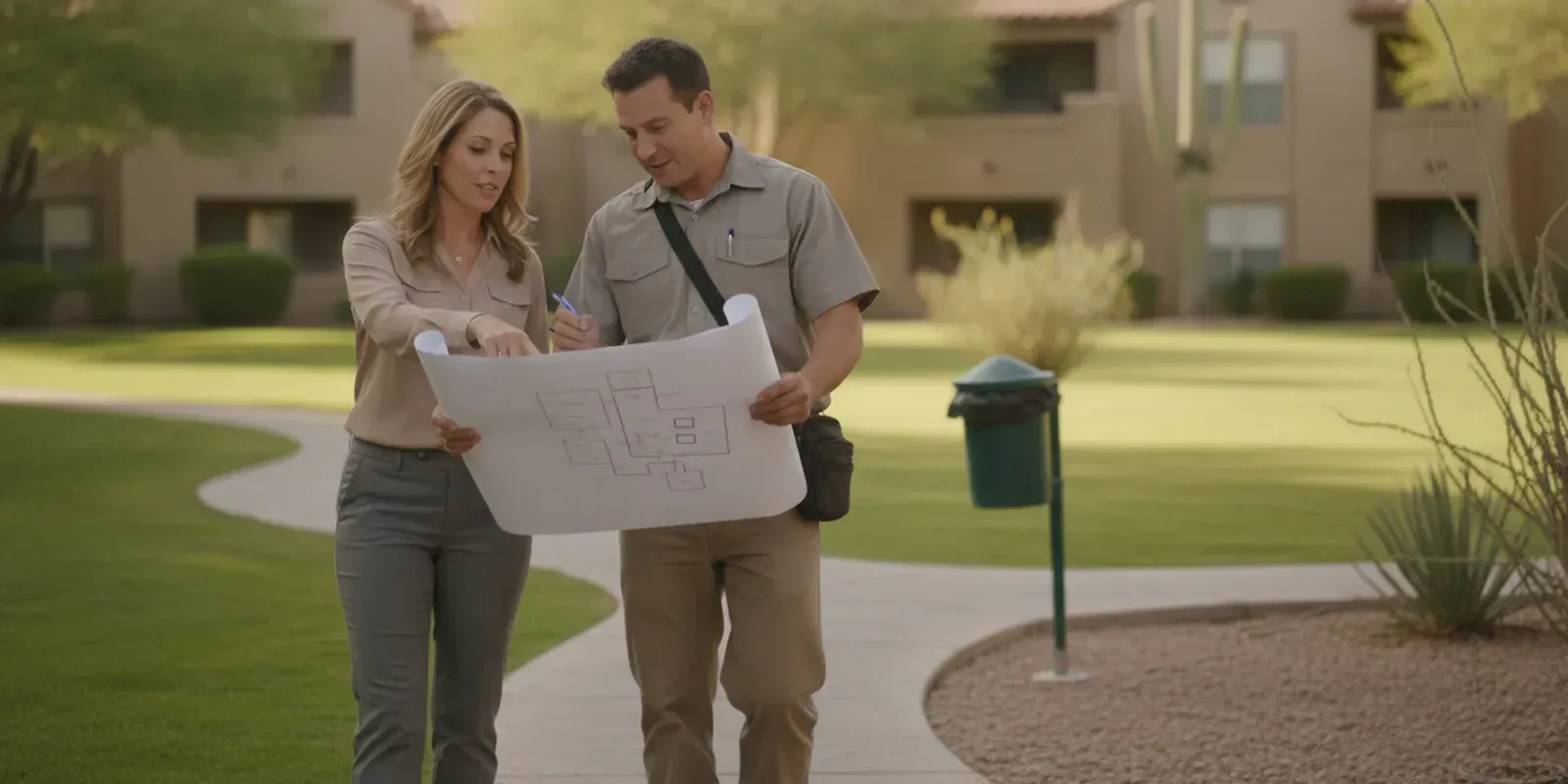
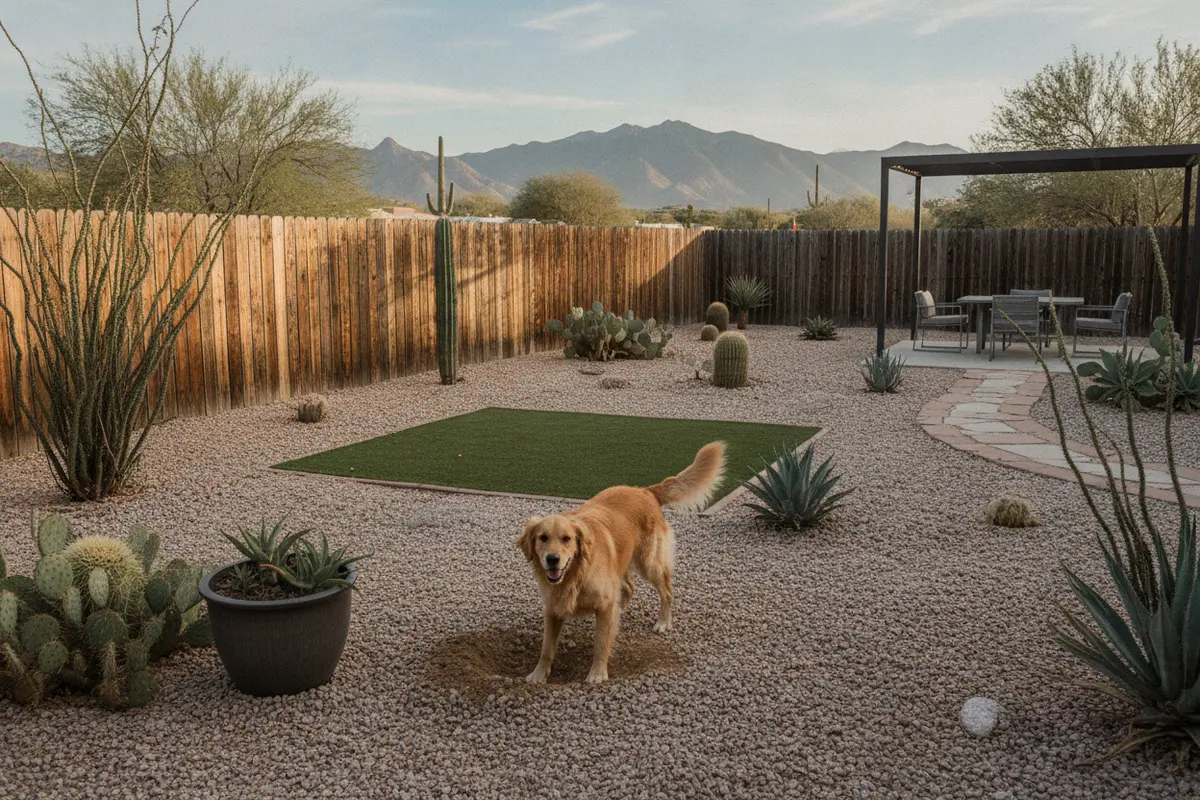
Walk the yard as if you were going to maintain it yourself. Note the places where the dog spends the most time, which gates or paths are used, and any obstacles that can hide waste. The route may be compact, but furniture, planters, toys, narrow side yards, or dense ground cover can change how easy it is to inspect.
 Use a short checklist to describe the property accurately:
- Number of dogs: Include every dog that regularly uses the yard.
- Use pattern: Note whether the dogs go out all day, mainly in the morning and evening, or only for brief visits.
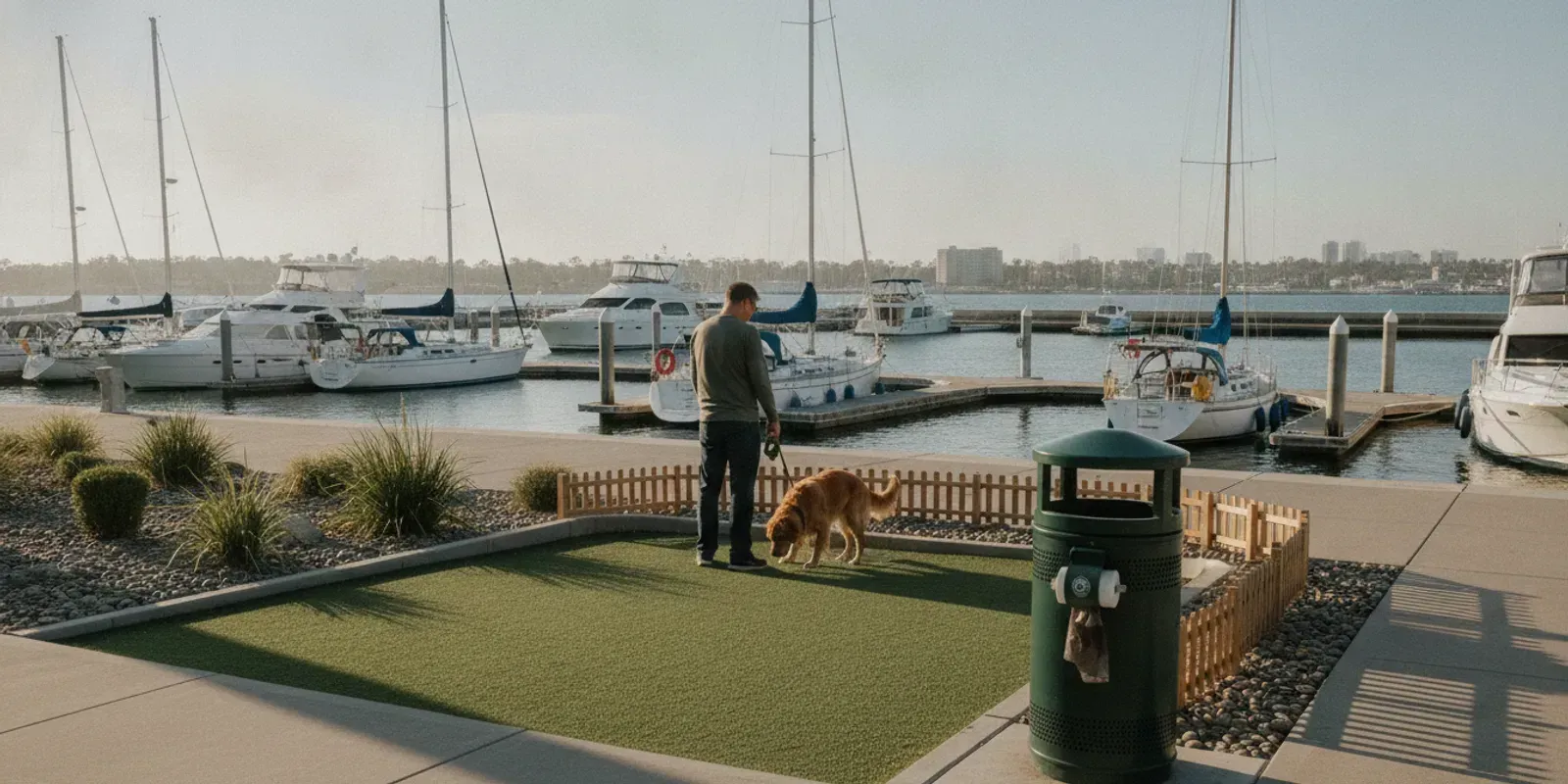
- Areas to cover: Identify the main lawn or gravel area, dog run, side yard, and any enclosed relief area.
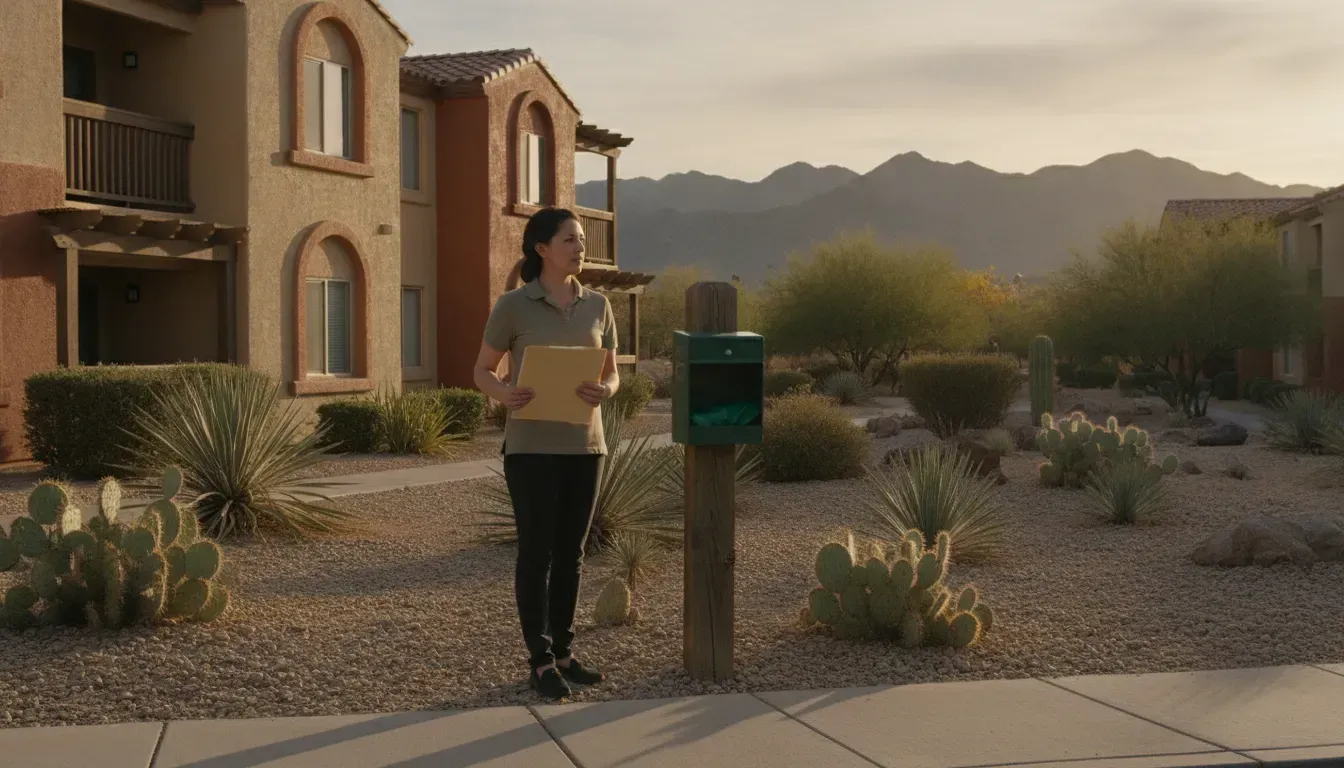
- Access: Check the gate, latch, path, and any instructions needed to enter the yard.
- Current condition: Decide whether the yard is in routine-maintenance shape or has accumulated waste that needs a reset first.
Consider the surface as well as the size. Waste can be more difficult to spot among gravel, rocks, ground cover, or uneven landscaping than on a clear paved area. Artificial turf requires attention to visible solids and may need separate cleaning when urine residue or odor is the concern. Do not assume that a collection visit includes a deep cleaning treatment. Describe the surface and the problem when you request information.
How Often Should You Arrange Dog Waste Removal?
There is no single visit frequency that fits every Tucson yard. A schedule is a practical balance between how quickly waste accumulates and how much the household is comfortable handling between visits. More dogs or heavier yard use generally means more waste to collect. A yard used occasionally may need a different cadence from a small run used throughout the day.
Start by observing one ordinary week. If you collect waste yourself, notice how often it becomes unpleasant or inconvenient to wait. If you are starting after a long gap, first determine whether the yard needs a one-time cleanup before a recurring routine will be effective. Then consider one of these broad approaches:
Weekly visits
A weekly visit can suit a busy household, a yard used often, or a household that wants waste collected regularly without taking on the entire task. It can also be a useful starting point when you are unsure how quickly the yard builds up. After a few visits, reassess whether the schedule feels appropriate for your household.
Every-other-week visits
A biweekly schedule may work when the yard is smaller or less heavily used, or when someone at home collects some waste between visits. Be realistic about the gap. If nobody will do a mid-cycle pickup and the dogs use the yard often, the buildup may become more than the household wants to manage.
One-time cleanup
A one-time service can help when the yard has fallen behind, before a gathering, after a change in household routine, or before starting recurring maintenance. It addresses accumulated waste rather than establishing ongoing collection. A1's one-time pet waste cleanup information can help you frame questions about a reset.
These are planning options, not a promise that a particular frequency will suit every property. Share the number of dogs, use pattern, yard access, and present condition when asking about a plan. If the household routine changes, review the schedule instead of letting an old plan continue by default.
What Can Change Yard Maintenance in Tucson?
Desert yards vary. Some are mostly gravel or hardscape; others include turf, planted borders, shaded corners, or narrow side areas. The layout affects visibility and access. A property with several separate dog-use areas may take more careful checking than one clear, open space. Make sure the person arranging service points out all areas the dogs use, not only the part of the yard visible from the patio.
Weather can also affect when you want to use the yard and how quickly you notice a problem. During very hot periods, people may shift dog activity to early or late hours, while rain can alter outdoor routines. These are reasons to revisit the plan when the household's pattern changes, not reasons to assume a particular treatment or service is included.
Odor deserves a separate assessment. Visible waste is one possible source, but odor on artificial turf can remain even after solids are removed. If smell persists after a thorough collection, describe whether the surface is synthetic grass, natural landscaping, or another material. A1 provides turf cleaning service information for pet turf concerns; ask what applies to your specific surface and situation rather than treating every yard as the same.
When Is a Cleanup Reset Better Than Routine Service?
A recurring visit is easiest to plan when the yard is already in a manageable condition. If waste has accumulated across multiple areas, starting with an initial cleanup can make the ongoing routine clearer. Signs a reset may be worth discussing include waste that is difficult to count, sections that have not been checked for a long time, a recent move, or a period when the household could not keep up.
Before requesting a reset, walk the property and share an honest description. Point out areas behind sheds, under shrubs, along fences, and around outdoor furniture. Tell the provider if the dogs will be at home during the visit, and explain any access limits. A clear description helps avoid confusion about what areas are included and whether the request is for ordinary collection or a separate turf-cleaning need.
After the reset, decide who will handle waste between visits. If nobody in the household plans to do interim pickups, choose a schedule with that reality in mind. If a family member can collect some waste, agree on where and how often so the yard does not drift back into a backlog. A reset is most useful when it is followed by a repeatable routine.
How Do You Prepare the Yard for a Service Visit?
Preparation does not need to be complicated. The goal is to make access clear and identify anything that could be mistaken for waste or block the inspection route. Give simple instructions at the time you arrange service and update them if the gate or yard layout changes.
 Confirm the service area. Name the sections to check, including side yards or separate dog runs.
- Explain access. Provide the correct gate and latch instructions, and mention any access restriction.
- Secure pets as needed. Follow the provider's instructions about where dogs should be during the visit.
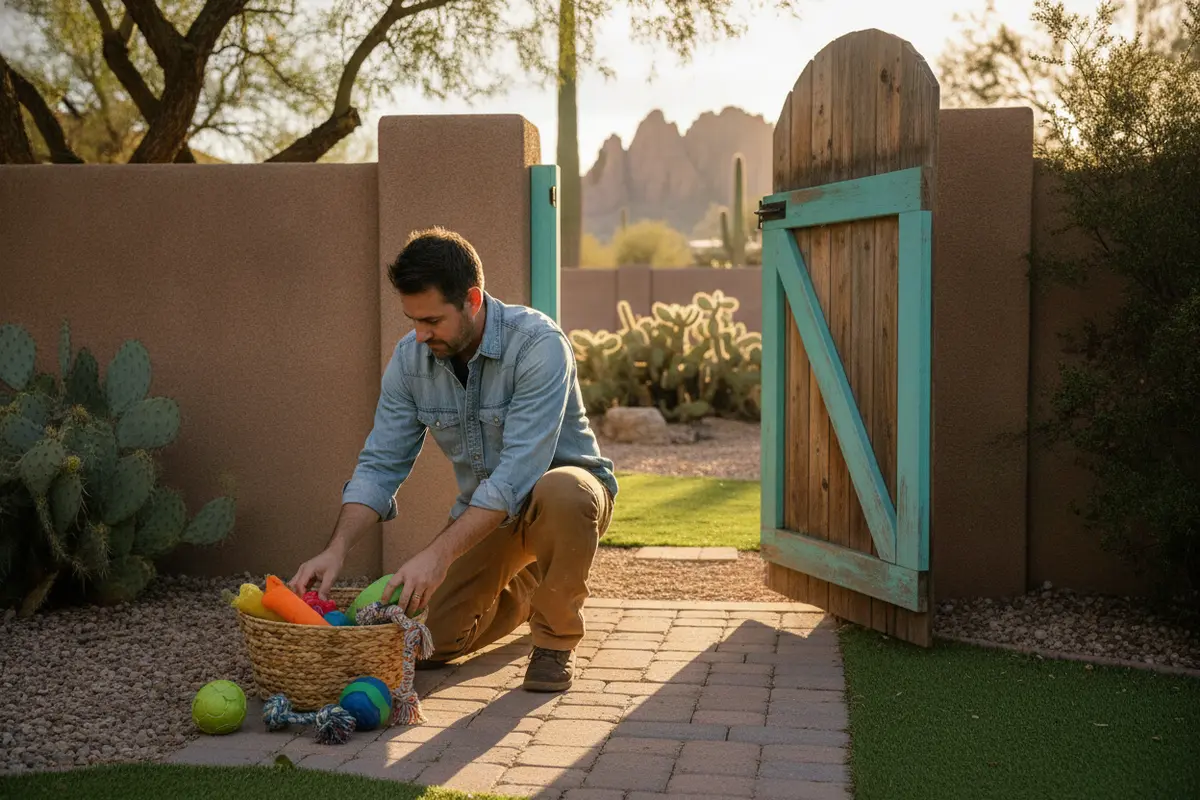
- Move movable clutter. Put away toys, hoses, or items that cover the ground where practical.
- Point out unusual conditions. Mention landscaping work, a recently changed surface, or a place where waste is hard to see.
There is no need to make a normal yard look staged. Accurate information matters more than a perfect-looking space. If your property has artificial turf, mention whether you want routine solid-waste collection, cleaning, or both discussed. You can also consult A1's service and billing FAQs for general answers before contacting the company.
How Does Home Pickup Differ From City Brush and Bulky Collection?
Municipal collection and regular pet waste maintenance serve different purposes. Tucson's Brush and Bulky program describes twice-yearly collection visits in residential service areas for brush and bulky items. That program is not a recurring yard-maintenance schedule for dog waste. Check the City of Tucson Brush and Bulky information for its scope and service details, and follow local instructions for household waste disposal.
For everyday yard care, the useful question is who will collect pet waste and how regularly. A household can do it, arrange recurring professional collection, or use a mix of both. If a yard needs more than collection, clarify the separate work you want before booking. This avoids expecting a bulky-item route to handle a routine pet-maintenance need or assuming that ordinary scooping includes specialty surface cleaning.
What Should You Compare When Choosing a Dog Waste Removal Plan?
Instead of comparing providers only by a headline price or visit count, compare what the plan actually covers. Ask questions that make the service boundaries and household responsibilities clear:
- Which areas are included? Confirm whether the plan covers the whole fenced yard, a defined relief area, or additional side sections.
- What frequency is available? Match the available schedule to the number of dogs and the household's own pickup habits.
- How is the initial condition handled? Ask whether accumulated waste calls for a separate first cleanup before recurring maintenance.
- What happens if access changes? Clarify what to do if a gate is locked, the dog is outside, or yard work blocks the usual route.
- Is turf cleaning a separate service? Ask specifically if odor or residue on artificial grass is part of the concern.
- How flexible is the arrangement? A1's service information describes recurring options with no contracts; confirm current details directly when discussing your situation.
Review A1's overview of dog poop service and the yard cleanup planning guide for related service-planning context. If you have a property-specific question, contact the company with the details rather than relying on a generic estimate based only on yard size.
How Can You Keep the Yard Manageable Between Visits?
Even with regular help, a few simple habits make the plan easier to maintain. Choose a time that fits the dog's usual outdoor routine, keep collection bags and a scooper in one accessible place, and agree on who is responsible for pickups between visits. If more than one person handles the dog, a shared routine prevents everyone from assuming someone else has taken care of it.
Make the yard easy to inspect. Keep paths and gates clear, avoid letting toys or temporary items cover the main dog-use areas for long periods, and take a quick look at the spots where waste is easiest to miss. If landscaping changes, tell the person who visits; a new planter or altered gate route can change how the yard is checked.
Watch for changes in use rather than waiting for a problem. A new dog, more time outdoors, travel, or a change in who is home can alter how quickly waste builds up. If the current schedule no longer fits, revisit it. For households handling all collection themselves, A1's pet waste disposal guide for busy dog owners offers additional planning ideas.
Frequently Asked Questions
Can I start recurring service if my yard already has accumulated waste?
Describe the current condition when you ask about service. A yard with a backlog may need an initial one-time cleanup before routine visits begin. The appropriate plan depends on how much has accumulated and which areas need attention.
Should I choose weekly or every-other-week service?
Consider how many dogs use the yard, how often they go out, and whether someone will collect waste between visits. Weekly and biweekly schedules are options to discuss, not universal rules. If you are uncertain, describe a normal week and ask what schedule fits the property.
Does a pet waste collection visit remove artificial turf odor?
Not necessarily. Collecting visible waste and cleaning artificial grass are different tasks. If odor or residue remains on synthetic turf, explain that concern and ask about the appropriate turf-cleaning option.
What information should I provide when I ask about a service plan?
Share the number of dogs, yard size and surfaces, the areas they use, the gate or access instructions, the yard's current condition, and how often someone at home can pick up between visits. Those details are more useful than a general description such as "small yard."
Does Tucson Brush and Bulky collection replace regular dog waste pickup?
No. The city program is described for periodic brush and bulky-item collection, while pet waste pickup is a separate recurring household task. Follow the city's current instructions for the municipal program and arrange a separate routine for pet waste.
Discuss a Tucson yard cleanup or schedule
A manageable dog waste routine begins with an honest look at the yard, a realistic pickup frequency, and clear expectations about what collection does and does not include. When your household or yard changes, adjust the plan so the space stays easier to use.