Pet Waste and Property Liability: Risk Guide
This is a subtitle for your new post

For a property manager or community board, pet waste is more than an unpleasant appearance issue. Missed cleanup can affect shared-area sanitation, resident confidence, maintenance records, and how consistently the property responds to known conditions.
Call A1 Pet Maintenance at (702) 521-2624 to discuss commercial pet waste maintenance today.
Pet waste and property liability are connected through daily maintenance practices. Consistent removal, station servicing, hotspot inspections, and clear documentation support risk management. These steps do not guarantee immunity from claims or replace legal advice. They help properties respond consistently to shared-area sanitation concerns.
The practical question is not whether a board can eliminate every incident. It is whether the property has a repeatable system for identifying conditions, correcting them promptly, recording the work, and communicating with residents. That starts with understanding how sanitation tasks fit into everyday operations.
What does pet waste and property liability have to do with daily operations?
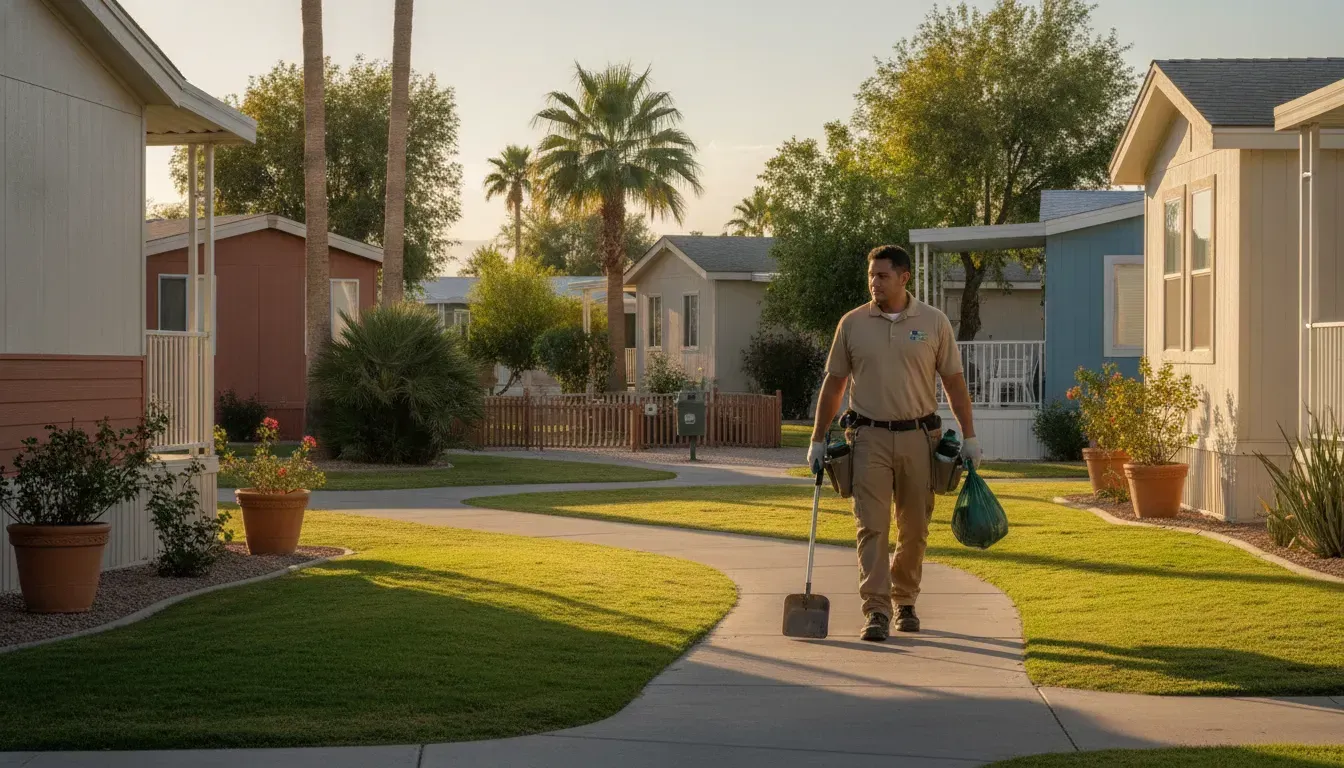
For a property manager or HOA board, the connection is operational rather than purely legal. Shared grounds are part of the environment residents, guests, vendors, and staff use every day. When pet waste accumulates, the condition can create sanitation concerns, complaints, unpleasant walking routes, and avoidable management work. A consistent maintenance program helps the property demonstrate that common-area cleanliness is being handled as a routine responsibility, not only after a resident reports a problem.
That matters because risk management is built from repeatable actions. A defined service schedule, clear coverage map, station checks, hotspot inspections, and documented responses give the team a practical way to identify conditions and correct them. These records do not guarantee a legal outcome or replace advice from qualified counsel. They do help managers organize maintenance, communicate with boards, and show how the property approached recurring sanitation needs.
How can pet waste affect sanitation and the surrounding property?
Pet waste is more than a curb-appeal issue. The U.S. Environmental Protection Agency explains that pet waste can carry contaminants that affect soil and water, while runoff can transport waste-related pollutants into nearby water bodies. Managers can review the USDA's discussion of how pet-waste disposal systems help protect water quality at the USDA water-quality resource. Drainage paths, landscaped areas, playground-adjacent spaces, and heavily used walkways deserve particular attention after rain or irrigation.
Soil conditions also support a preventive approach. The CDC notes that toxocariasis can spread when people accidentally ingest soil contaminated with dog or cat feces. Its guidance on how toxocariasis spreads is available at the CDC toxocariasis resource. The practical response is not to make a medical or legal conclusion about a particular property. It is to remove waste promptly, encourage handwashing, keep children's activity areas under observation, and address repeat hotspots.
What should a daily operating plan include?
Start by assigning ownership. Decide who checks common areas, who empties and supplies stations, how missed service is reported, and who reviews complaints. Use a route or inspection log that records the date, areas covered, station condition, notable hotspots, and follow-up needed. A simple response plan also prevents reports from disappearing into a general inbox.
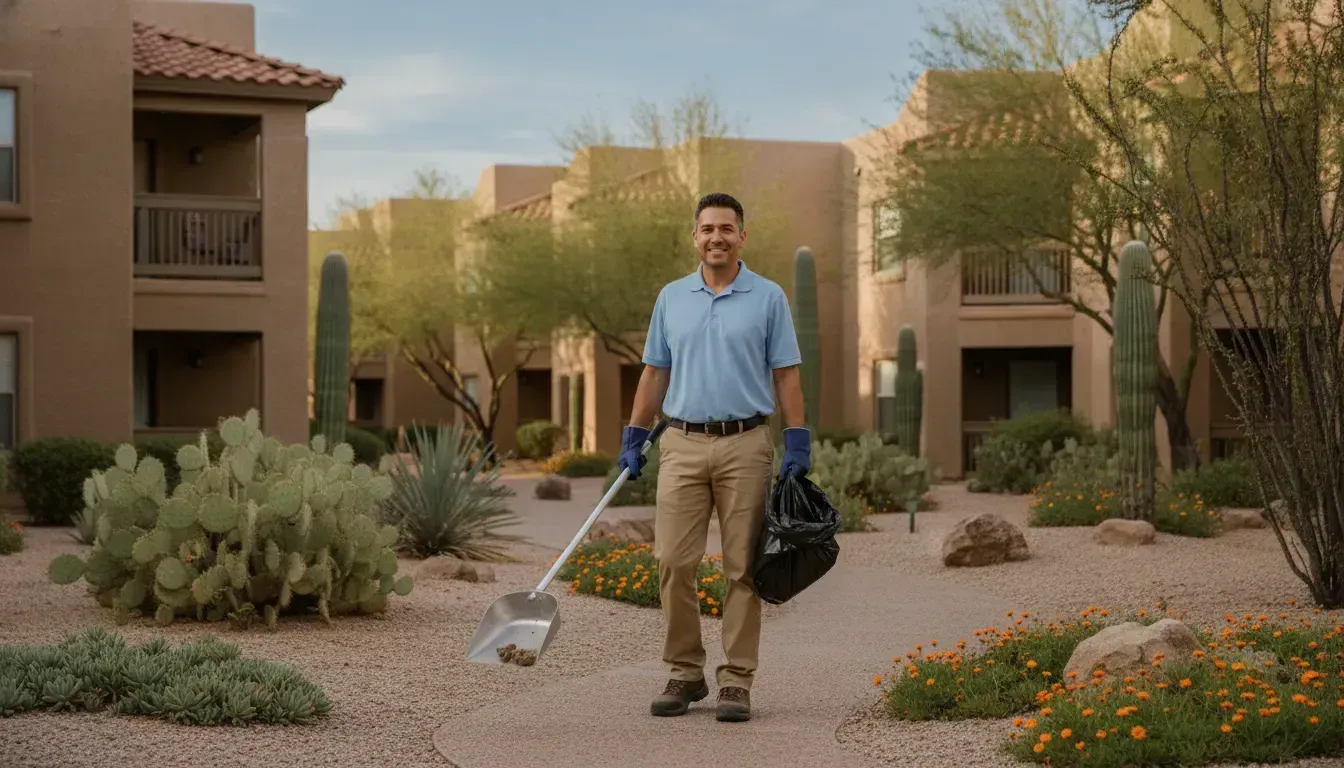
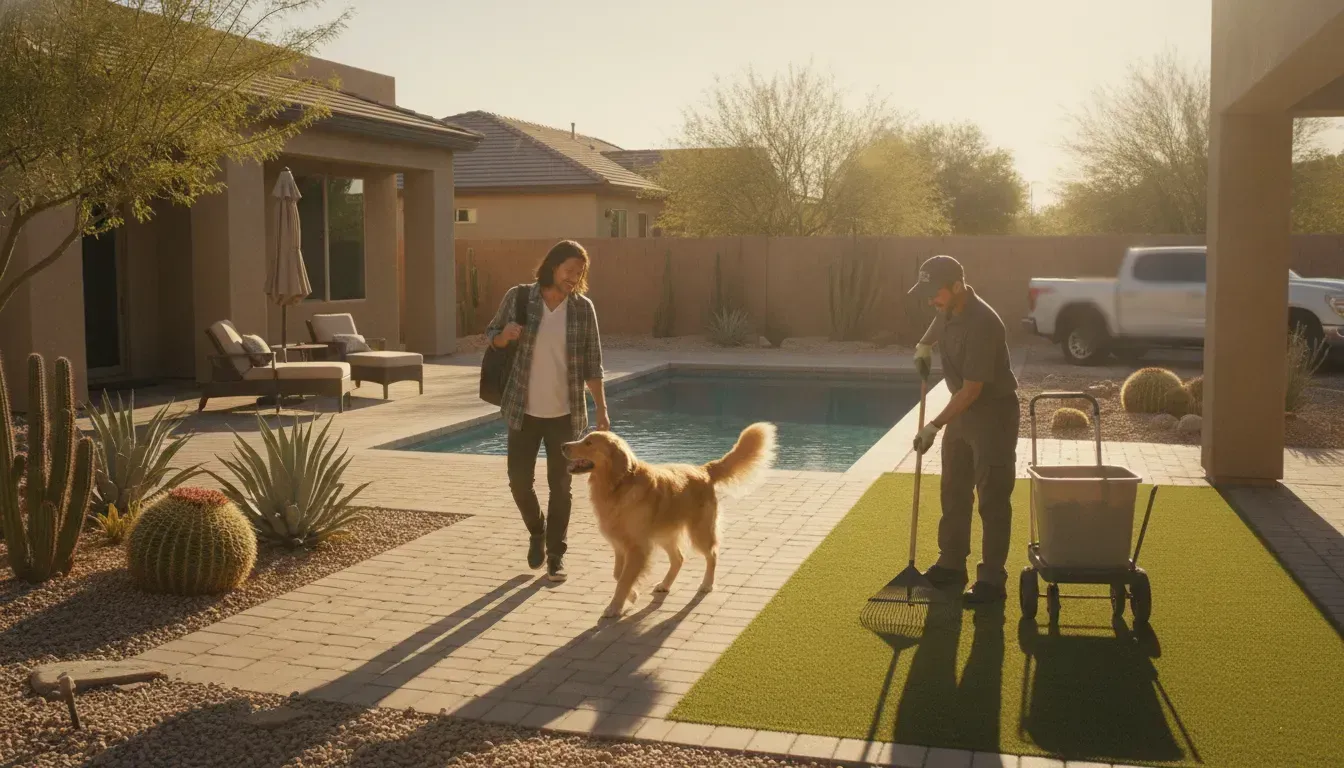
When internal staffing is limited, commercial property pet waste maintenance can give managers a defined recurring service to coordinate with the broader facility schedule. The objective is steady sanitation, useful documentation, and faster issue resolution. That operational foundation supports risk management without pretending that a cleanup log is a substitute for property policies, insurance guidance, or legal advice.
Which property conditions make pet-waste risk harder to manage?
Risk becomes harder to manage when waste-control practices do not match how residents and pets actually move through a property. A busy apartment walkway, a small dog run, and a landscaped drainage swale each need a different inspection rhythm. The goal is not to promise immunity from liability. It is to identify predictable conditions, reduce avoidable exposure, and help demonstrate consistent maintenance.
Start by mapping traffic and behavior. Entrances, elevator paths, mail areas, playground edges, dog-run gates, and routes to parking lots often become recurring hotspots. Pet relief areas can concentrate waste, especially when the usable space is too small, poorly drained, or difficult to reach. A simple hotspot map, updated after inspections and resident reports, helps managers place attention where it matters instead of treating every part of the property identically.
 Do stations, lighting, and bins support the cleanup plan?
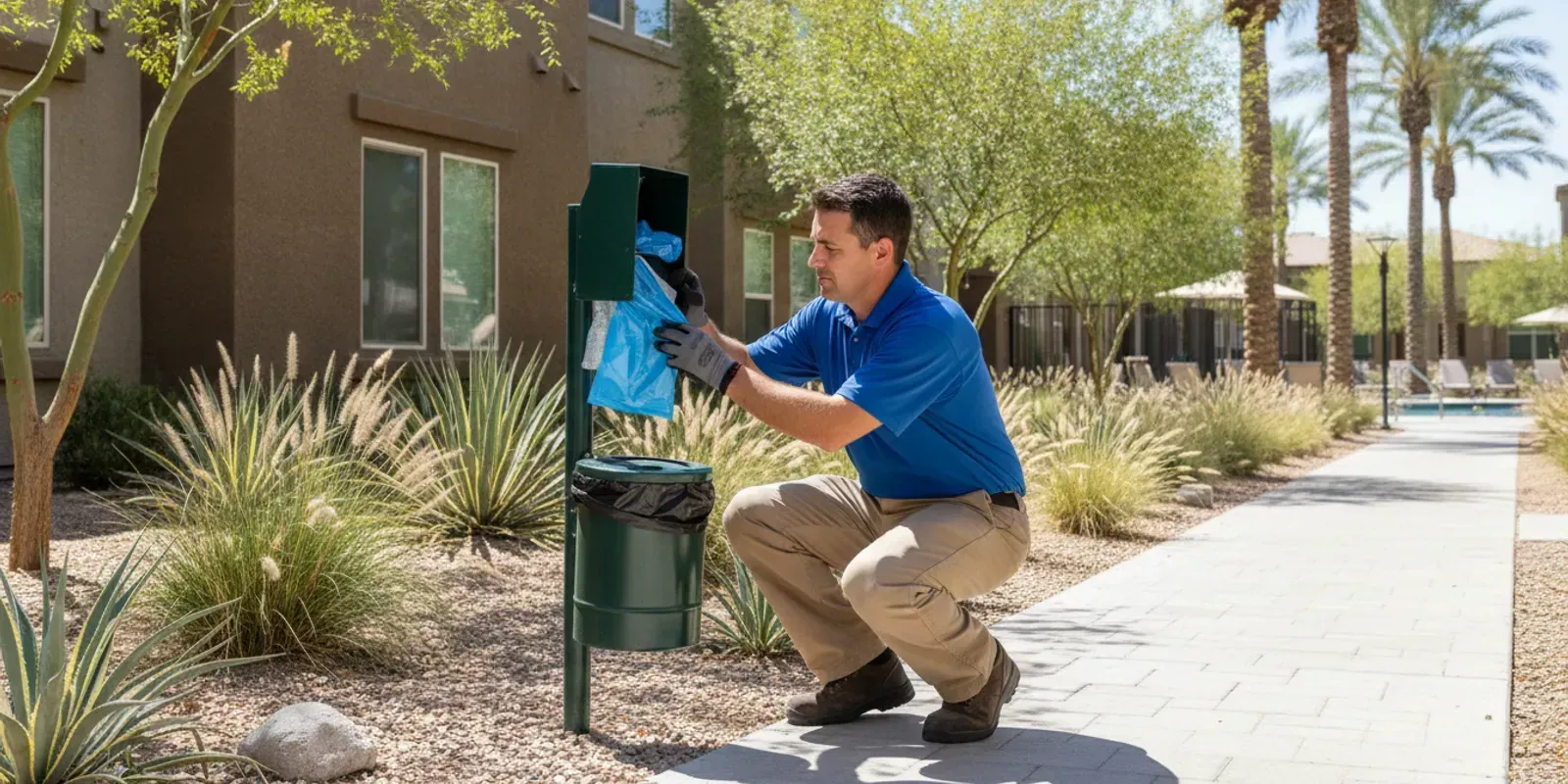
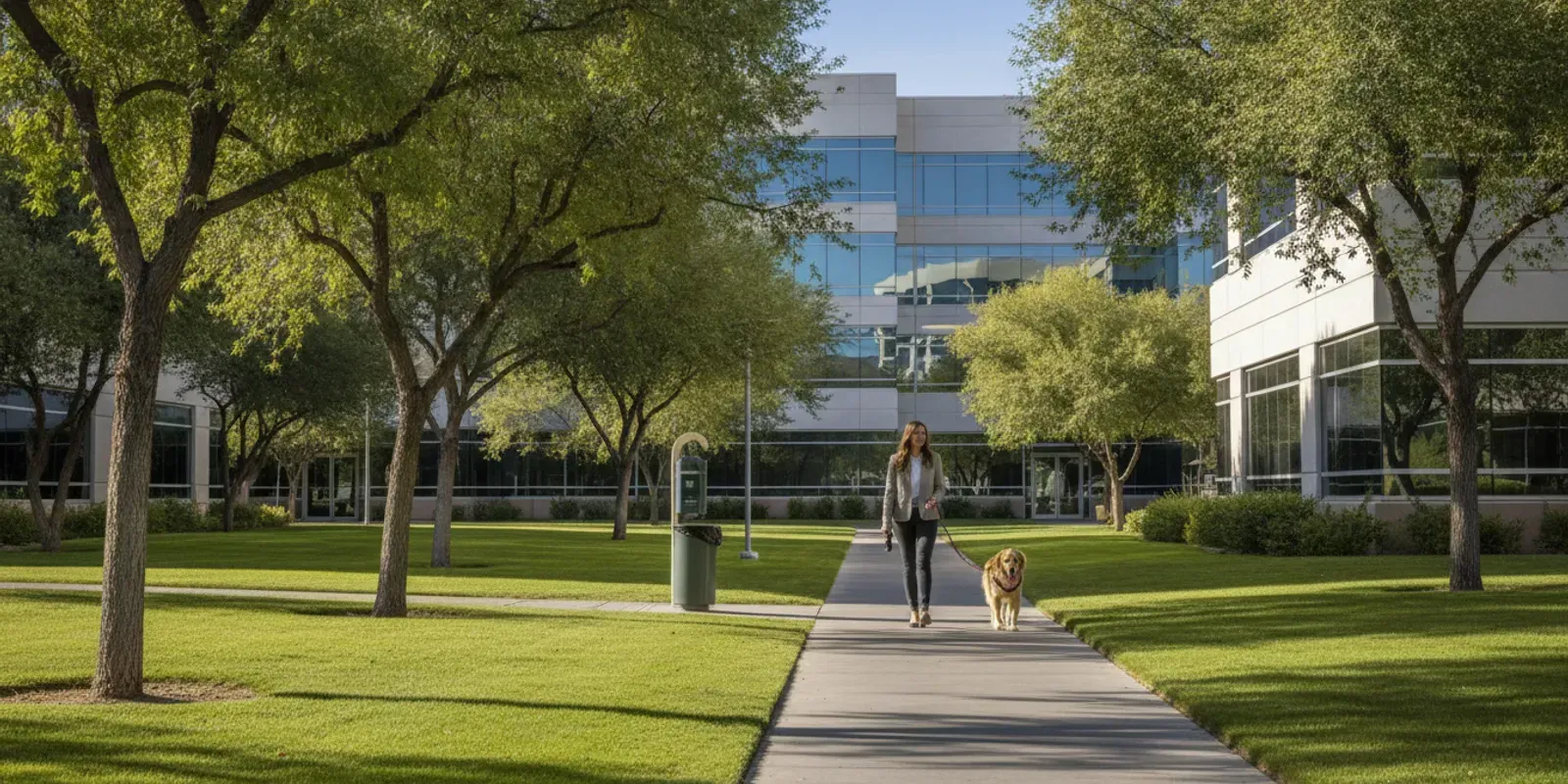
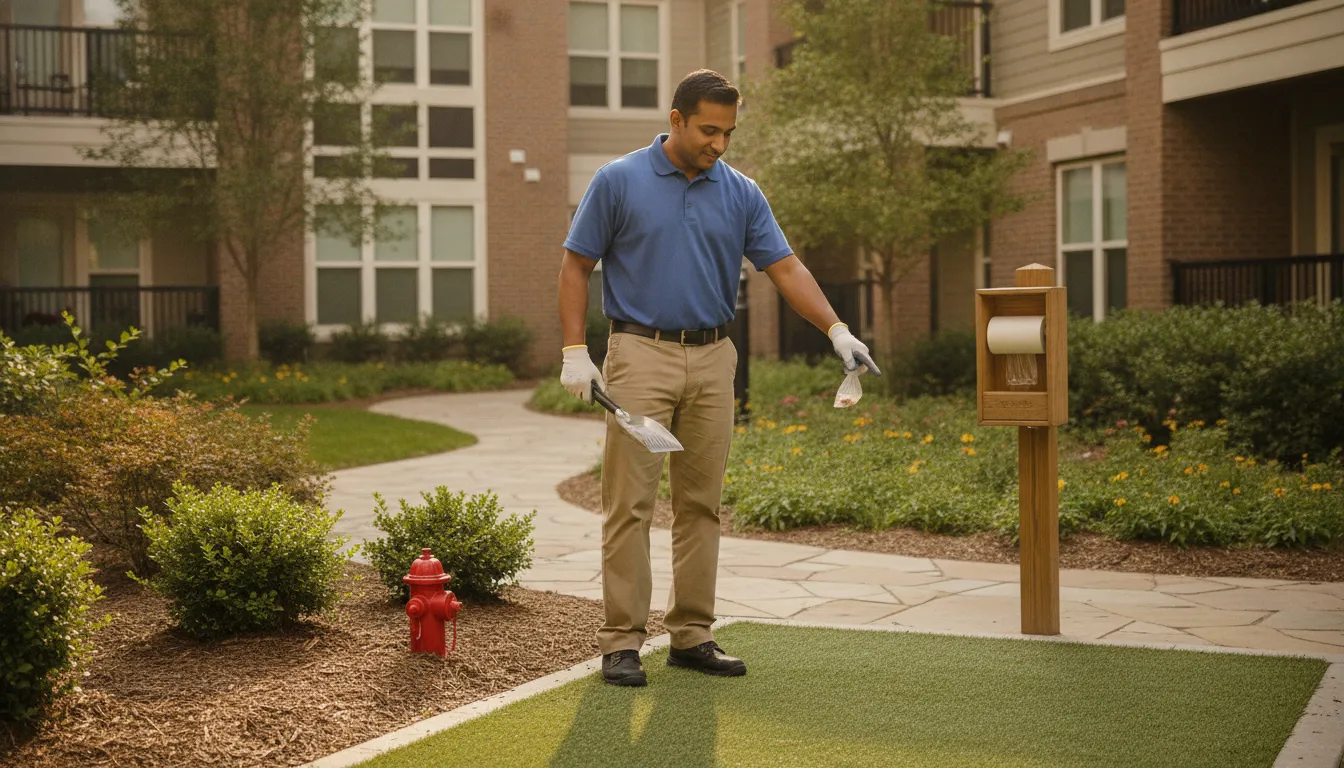
Station placement can either make responsible disposal convenient or create friction. Dispensers and bins should be visible along common pet-walking routes, close enough to relief zones to be useful, and positioned so service staff can access them safely. Managers reviewing station coverage should check empty dispensers, overflowing bins, damaged units, and missing lids. Designing efficient pet waste stations can help align equipment with actual property traffic.
Lighting matters after sunset. Dark paths and poorly lit relief zones make missed waste harder to spot and may discourage residents from using the intended area. Review lighting around stations, gates, sidewalks, and transitions between turf and pavement. Also consider whether landscaping, fencing, or parked vehicles creates visual blind spots.
How do runoff, turf, and surface changes affect hotspots?
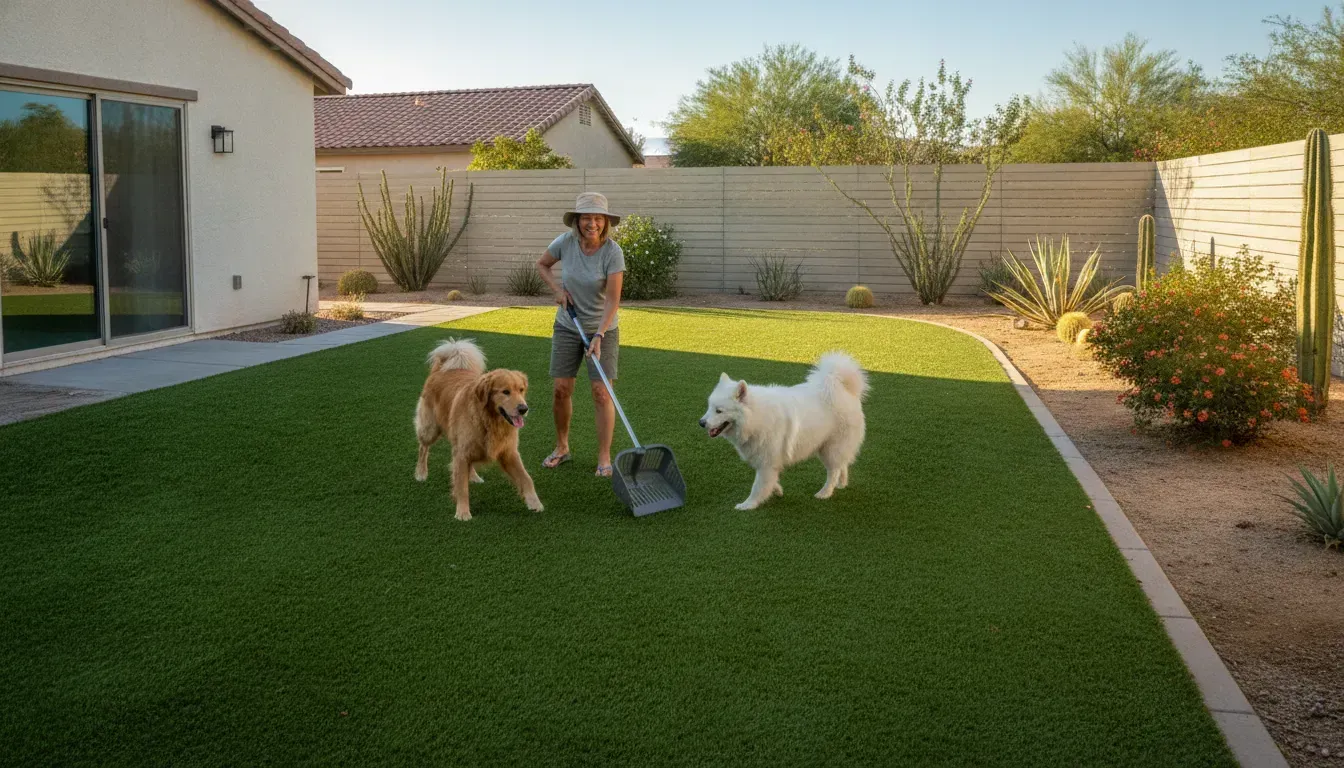
Water flow can move waste from a neglected patch of grass toward sidewalks, drains, or other shared areas. Sloped turf, irrigation overspray, standing water, and low points deserve specific attention. Artificial turf also needs routine inspection for odor, residue, drainage problems, and high-use wear. These are operational observations, not legal conclusions, but they can reveal where ordinary pickup alone is not enough.
Review the map after weather events, landscaping changes, station relocations, and repeated complaints. Pair those observations with scheduled service and clear escalation notes so the property team can address recurring conditions before they become routine.
How should managers document pet waste and property liability responses?
A useful documentation system should show what was scheduled, what was completed, what was found, and how exceptions were handled. It supports consistent operations and risk management, but it does not guarantee a legal result or replace advice from qualified counsel.
- Set the service schedule. Record the planned service days, property zones, expected frequency, and the person or vendor responsible for each visit. Include common areas, pet stations, turf areas, walkways, and other locations where waste may accumulate. Keep the schedule in the same maintenance calendar used for landscaping, janitorial work, and inspections so pet-waste service remains part of the overall facility routine.
- Maintain a route log. For each visit, record the date, arrival and completion time, zones covered, waste removed, and any area that could not be serviced. A route log creates a repeatable operating record rather than relying on memory. If service is performed by a vendor, require the report in a consistent format that managers can review quickly.
- Check stations during every route. Note whether bag dispensers are stocked, bins are usable, lids and mounting hardware are intact, and the surrounding area is clean. Inspections should identify hotspots and station needs, including locations where traffic, pet activity, or poor placement creates recurring problems.
- Write inspection notes. Use objective descriptions such as "waste observed near east walkway" or "bin over capacity at Building C." Record the condition, location, corrective action, and follow-up date. Avoid conclusions about fault or legal responsibility. The purpose is to help the next manager, employee, or vendor understand what happened and what remains open.
- Record complaints and incidents separately. Capture the report date, complainant or reporting channel, exact location, concern, response time, action taken, and closure date. For an alleged slip, fall, injury, property damage, or other incident, preserve the original report and follow the property's established incident process. Do not edit the original entry after the fact.
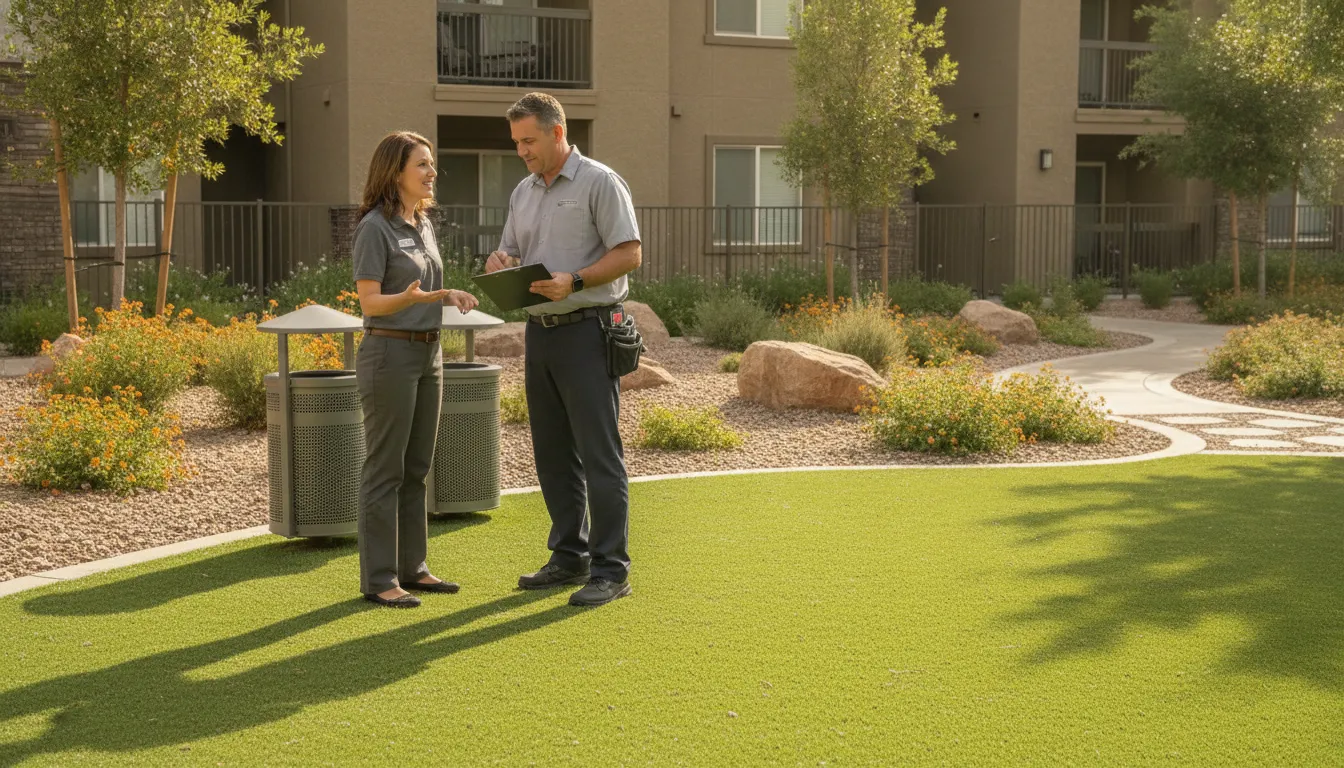 Add photos when appropriate. A dated photo can clarify a station condition, recurring hotspot, blocked access point, or completed correction. Photograph only what is relevant, follow property privacy practices, and store files with the related inspection or work-order record.
- Define escalation triggers. State when staff should notify a supervisor, property owner, board contact, vendor manager, or emergency contact. Triggers may include repeated missed service, an overflowing station, an unsafe condition, a resident complaint that remains unresolved, or an incident requiring formal reporting. Include who owns the next action and when it is due.
- Close the loop with the vendor. Review recurring issues during a regular vendor check-in. Share hotspot data, station needs, complaint trends, access changes, and upcoming property events. Ask the vendor to confirm corrective actions in writing, then retain the confirmation with the service record.
Review the records periodically for missed zones, repeated complaints, and maintenance gaps. That review helps managers improve coverage and demonstrate a consistent maintenance process without overstating what documentation can accomplish.
How can resident communication reduce complaints and missed pickups?
Clear communication gives residents a predictable way to understand pet-waste expectations, find disposal equipment, and report a problem before it becomes a repeated complaint. It also helps managers distinguish a missed service visit from an overflowing station, an isolated incident, or a recurring hotspot. Communication cannot eliminate liability, but it can support a consistent sanitation process and a better resident experience.
Start with move-in guidance and visible reminders
Include pet-waste instructions in move-in materials, resident portals, and welcome emails. Keep the message practical: explain where residents can walk pets, where bags and bins are located, how to report a full station, and what information helps the maintenance team respond. A short explanation is more useful than a long policy that residents will not revisit.
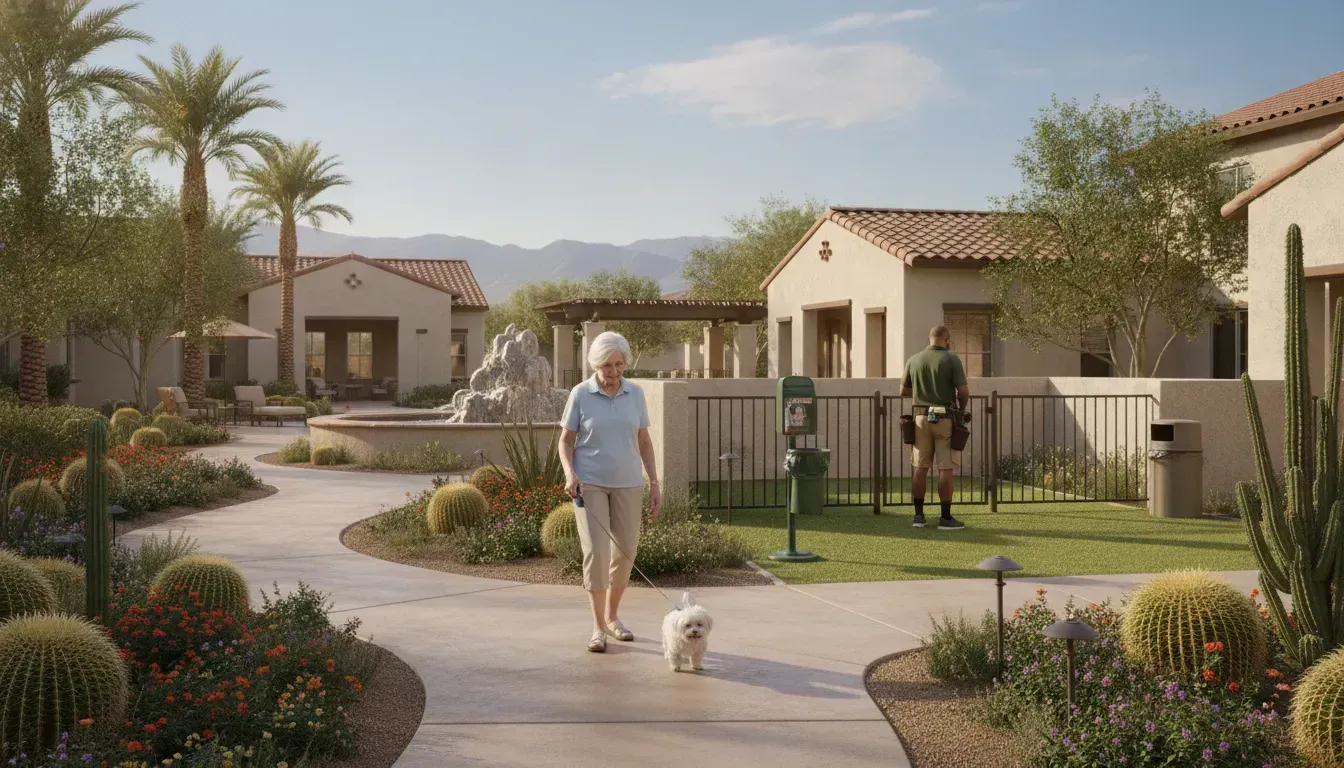
Place signs at entrances, pet areas, and high-traffic routes. Signs should use plain language and point toward the nearest disposal station. Convenient stations that combine bag dispensers with disposal bins make the desired behavior easier, especially when residents are returning from a walk or using a shared green space. Regular checks and maintaining pet waste stations help ensure that the equipment matches the instructions residents receive.
Make reporting simple and respond consistently
Give residents one clearly identified reporting channel, such as a property email address, portal form, or maintenance line. Ask for the location, approximate time, and whether the concern involves loose waste, a full bin, missing bags, odor, or a suspected missed pickup. This information helps the team route the issue without requiring residents to contact several people.
Use a calm, consistent response: acknowledge the concern, confirm that it was logged, explain the expected response window, and follow up when the issue is addressed. Avoid blaming a resident or promising a legal result. If the same location generates repeated reports, add it to the inspection or route review rather than treating each complaint as an unrelated event.
Repeat the rules without creating friction
Seasonal reminders, newsletter notes, and occasional portal messages can reinforce the same expectations without overwhelming residents. Keep wording respectful and focus on shared spaces, cleanliness, and consideration for neighbors. Pair every reminder with a useful action, such as locating the nearest station or submitting a report. Over time, this creates a visible feedback loop: residents know what to do, staff know where to look, and service providers receive clearer information about recurring conditions.
What should a property manager ask a pet-waste service vendor?
The right vendor conversation should focus on how the program will operate across the property, not simply whether someone can remove visible waste. Ask who performs the work, how coverage is verified, what records you receive, and how missed service or resident complaints are handled. Those answers help a manager evaluate whether the arrangement supports consistent sanitation and practical risk management. They also clarify the difference between a recurring specialist and a general maintenance task.
Use the comparison below as a starting point. The best fit depends on property size, staffing, layout, service expectations, and the level of documentation your ownership group or board needs. It is operational guidance, not legal advice, and no service model guarantees a particular legal or insurance result.
Pet-waste service models for multifamily propertiesEvaluation areaSelf-managed staffJanitorial add-onSpecialist recurring serviceCoverageDepends on staff availability, routes, and competing maintenance priorities.May be added to existing visits, with pet-waste coverage varying by agreement.Uses a defined recurring route for pet areas, common grounds, and identified hotspots.AccountabilityManaged internally, so ownership of missed work must be assigned clearly.May involve multiple responsibilities under one broad janitorial scope.Provides a dedicated service contact and a clearly defined pet-waste scope.DocumentationRecords depend on the team's checklist and follow-through.Reports may combine pet-waste tasks with general cleaning notes.Can provide service records, hotspot observations, station needs, and exception notes.FlexibilityCan adjust quickly when internal priorities and staffing allow.Changes may need to fit an existing cleaning schedule.Can adapt routes and service attention as occupancy, seasons, or hotspots change.EscalationManager must coordinate complaints, missed areas, and follow-up internally.Escalation path may pass through a general account representative.Should include a defined response process for missed service, complaints, and recurring problem areas.
During vendor interviews, ask for a sample service report, the planned inspection frequency, and the process for reporting a damaged or empty station. Ask whether the vendor can coordinate with the property's broader maintenance schedule rather than operating as an isolated task. A documented response plan helps the management team demonstrate consistent maintenance, while still leaving legal interpretation to qualified counsel and insurance questions to the carrier.
A1 Pet Maintenance was founded in 1998 and brings more than 26 years of regional experience to Nevada and Arizona properties. The company services 400+ properties weekly through a subscription-based, no-contract model. Managers who need to define scope and responsibilities can review the commercial pet waste removal contract and contract scope details guide before comparing proposals.
What can boards do to strengthen sanitation and risk management?
An effective annual review gives an HOA board or property manager a chance to examine how pet waste is handled across the community, not just whether a complaint was resolved. Treat the review as an operations and documentation exercise, not a substitute for legal advice.
Confirm the rules and assign ownership
Start by asking the association's counsel or the appropriate local governing authority to confirm which sanitation, nuisance, disposal, and common-area requirements apply. Rules vary by jurisdiction. For example, NYC311 publishes jurisdiction-specific guidance on animal waste and property cleanliness at NYC's Animal Waste guidance. That page is an example of why a Nevada or Arizona community should verify its own requirements rather than copy another city's policy.
Next, identify the board member, manager, or facilities lead responsible for the program. Set a recurring budget for cleanup, station supplies, inspections, and documented follow-up. Ownership should include who receives resident reports, who contacts the vendor, and who reviews unresolved hotspots.
Review conditions, records, and resident feedback
Walk the property at different times of day and review the past year's service records, complaints, missed-area reports, and incident documentation. Look for repeat hotspots near gates, walking paths, play areas, parking edges, and drainage routes. Inspect every station for usable dispensers, adequate bins, visible placement, and collection frequency. Compare the physical conditions with the scheduled service route, then adjust coverage where the evidence shows a recurring problem.
Ask residents for focused feedback through a survey or meeting prompt: Which areas need attention? Are stations easy to find? Are reports receiving timely responses? Record the date, location, issue, action taken, and follow-up result. Consistent records help demonstrate that the community treats sanitation as an ongoing maintenance responsibility, without claiming that documentation guarantees protection from a lawsuit or fine.
Boards looking for a more structured framework can review this HOA pet waste compliance program and property service scope. The goal is a repeatable cycle: verify local expectations, fund the work, inspect conditions. Review vendor performance, listen to residents, and update the plan before small issues become recurring management problems.
Call A1 Pet Maintenance at (702) 521-2624 to review your property's pet-waste needs today.
Frequently Asked Questions
Can property managers be held liable for pet waste incidents?
Responsibility depends on the property, governing documents, applicable rules, and the facts of the incident. Managers and boards should treat shared-area cleanliness as an operational risk, not assume that a warning sign or a resident rule eliminates exposure. This guide is general information, not legal advice.
What documentation is useful for a pet-waste maintenance program?
Keep a dated service schedule, route or inspection log, station-service record, complaint and incident record, photographs when appropriate, and notes showing how issues were escalated and resolved. Consistent records help demonstrate that maintenance was planned, performed, and followed up, but they do not guarantee a particular legal or insurance result.
Does inconsistent pet waste removal increase slip and fall risks?
It can leave hazards in walking areas longer and make complaints or recurring hotspots harder to manage. Reduce that risk with defined inspection routes, faster response expectations, clear reporting channels, and documented follow-up. Review paths, entrances, pet areas, and locations near overflowing stations.
Is there a direct link between pet waste and community sanitation?
Yes. Pet waste can carry pathogens that contaminate soil and water, while runoff can transport contaminants into nearby water bodies. The EPA identifies pet waste as a contributor to nutrient and bacterial pollution, so prompt removal and proper disposal support cleaner grounds and better environmental stewardship: EPA guidance.
How can boards strengthen sanitation and risk management?
Assign ownership, approve a recurring service standard, review inspection and complaint trends, check local requirements, and evaluate vendor performance at regular board or management meetings. Pair resident communication with convenient, serviced stations. These steps support consistent maintenance without promising immunity from claims or replacing advice from qualified legal and insurance professionals.
Ready to Strengthen Your Property's Pet-Waste Program?
A consistent service plan can help property managers and HOA boards keep shared areas cleaner, support resident confidence, and maintain clearer operational records. A1 Pet Maintenance can review your property's needs and develop a commercial pet waste maintenance proposal aligned with your coverage priorities.
Call A1 Pet Maintenance at (702) 521-2624 to discuss your proposal today.The body content of your post goes here. To edit this text, click on it and delete this default text and start typing your own or paste your own from a different source.