How Can I Keep My Dog S Crate Clean and Odor Free
How can I keep my dog s crate clean and odor free? Spot-clean daily, wash the tray weekly, and dry it before the dog returns.
How can I keep my dog s crate clean and odor free if the smell comes back the same day? Start with the source, not a spray. Lift out solid waste and wet bedding. Wash the tray with dish soap, rinse, and let every surface dry before the dog goes back in. A crate that stays damp will smell again even after a careful wipe.
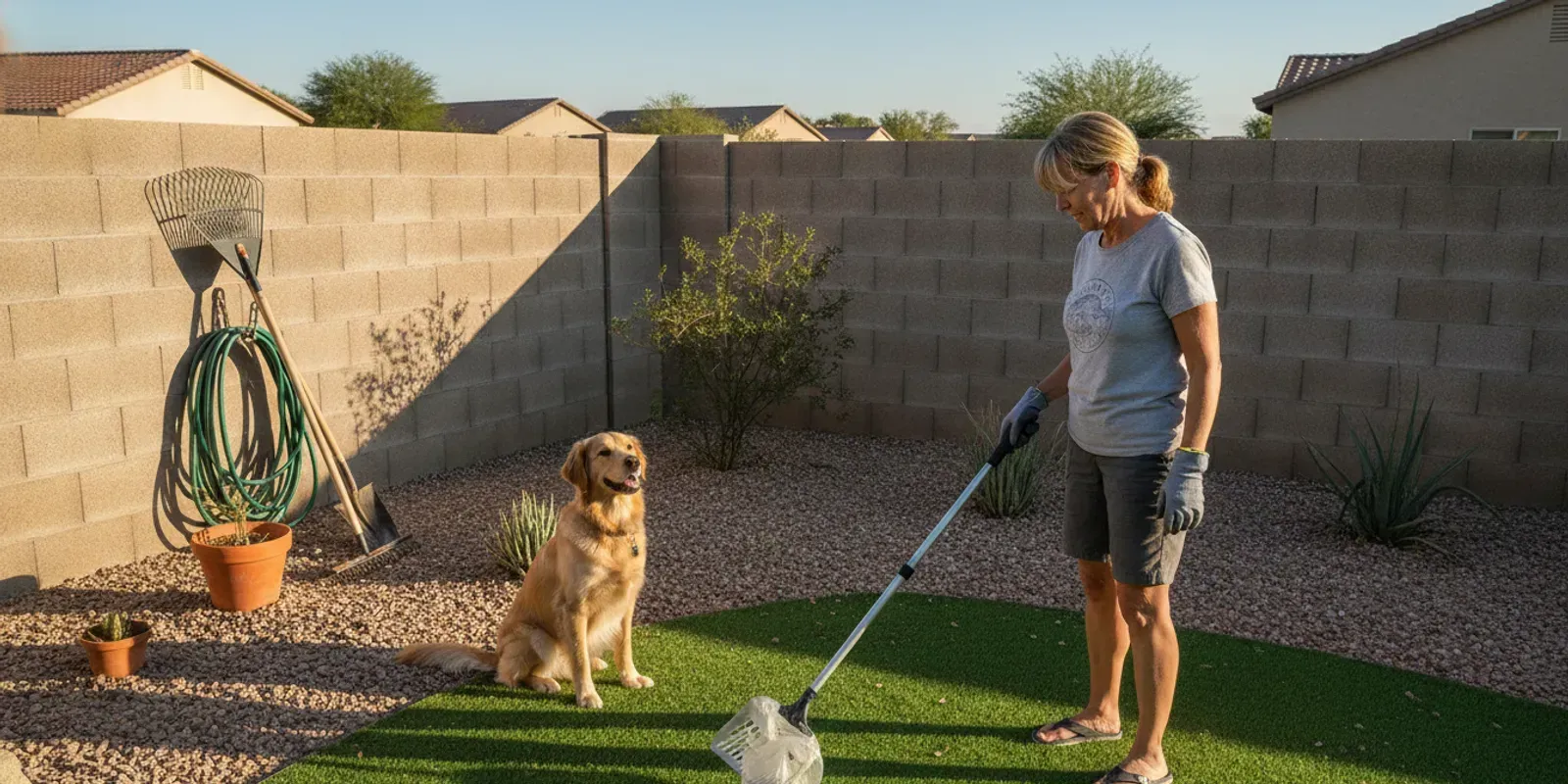
In Las Vegas, Henderson, and Tucson homes, indoor air conditioning plus a hot yard makes that damp-then-bake cycle worse. A1 Pet Maintenance does not wash household crates. A1 picks up outdoor dog waste on a recurring route or a one-time yard cleanup. That outdoor step keeps paws from tracking fresh waste back to the crate door.
Schedule yard waste pickup so the crate stays cleaner
How Can I Keep My Dog S Crate Clean and Odor Free at Home
The short answer is a two-speed routine. It separates a quick daily reset from a slower weekly wash. Spot-clean every time you notice waste, wash the tray about once a week, and dry it all the way before the dog lies down again. Odor is leftover moisture plus a thin organic film, not a missing fragrance. If you only mask the smell, the next nap puts your dog's nose right back in the same damp corner.
Match the routine to the crate you own:
- Wire crate with a plastic pan. Pull the pan, dump solids, wash the pan, and wipe the wires where slobber and dust collect.
- Plastic airline-style crate. Wash the smooth shell, then check the door seams and the lip under the tray. Those seams hold damp hair.
- Soft-sided crate. Spot-clean the floor panel and launder the cover. Do not soak the frame if the maker says the fabric is not waterproof.
Read the crate maker's care note before you choose a soap. A1 does not sell crate cleaners and does not rank them. If you want a product-buying guide for kennel disinfectants, use the live dog kennel cleaner options page. This article stays on the home routine.
Remove the Source Before You Wash
Washing a pan that still holds waste just spreads the smell across a wider surface. Move the dog out of the crate first so you can reach the corners without a nose in the pan. A closed door and a leash clip in another room is enough for most homes. Then work in this order so nothing wet goes back in early.
- Put on disposable gloves or a dedicated wash glove.
- Lift solid waste into a bag. Do not smear it across the pan with a paper towel.
- Remove bedding, toys, and bowls. Set bowls aside for their own wash.
- Shake hair and kibble crumbs into the trash, not onto the floor you just cleaned.
- Bag the waste and take it to the outdoor trash the same day. A bag left in a Las Vegas garage heats up fast.
The CDC says dogs can carry germs that make people sick. And that you should wash with soap and water after handling a dog, its bowls, or its waste, even if you used a bag. That guidance is on the CDC page How to stay healthy around dogs. Wash before you eat, and supervise handwashing for children under five.
If the smell is on your hands after the bag step, follow the site guide on how to get poop smell off of hands. Soap and a full rinse beat a scented wipe.
Wash the Tray, Then Dry It All the Way
Daily odor control is a rinse and a dry. The weekly reset is a real wash. Skip bleach mixes and kennel fogging products in a household crate unless the label says the product is for that surface and you can rinse and ventilate as the label requires. A strong perfume is not a clean crate.
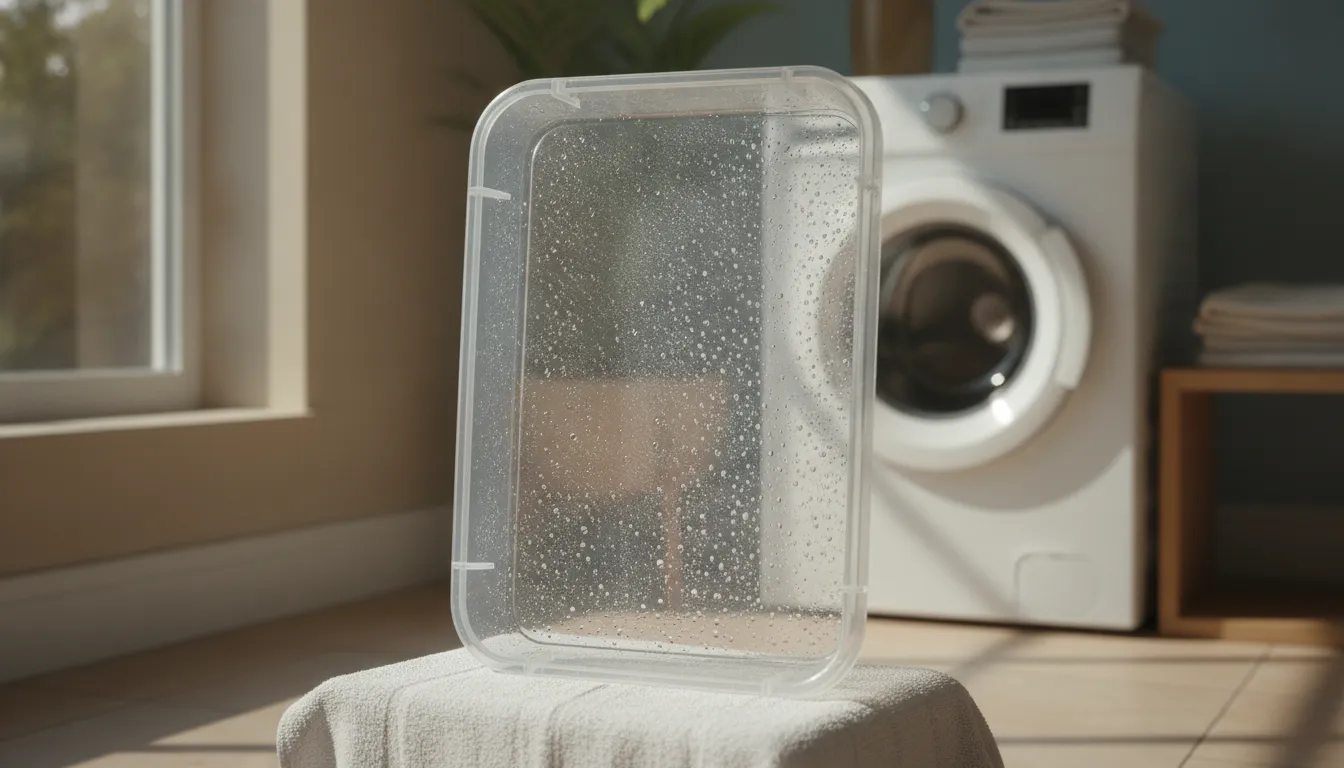 Stand the tray on edge until the underside is dry. A wet pan put back under the dog will smell by evening.
- Slide the pan out. Scrape leftover film with a plastic scraper, not a metal blade that gouges the plastic.
- Wash with warm water and a small amount of unscented dish soap. Scrub corners, the tray lip, and both sides.
- Rinse until the pan no longer feels slippery. Soap film holds odor and can irritate paws.
- Wipe wires, the plastic shell, and the door latch with a damp cloth, then a dry cloth.
- Stand the pan on edge on a clean towel. Wait until the underside is dry. In a dry desert afternoon this can take under an hour. In a closed laundry room, give it longer.
- Put the dog back only after the pan, the floor under the crate, and the bedding are dry.
Shelter medicine guidance from ASPCA Pro treats spot cleaning as the usual daily method. And a deeper wash when the enclosure is heavily soiled or a new dog moves in. That sheet is Dog Enclosure Sanitation. A home crate is smaller than a kennel run, but the order is the same: remove solids. Wash, rinse, and allow contact or dry time before the dog returns. Do not copy a boarding-kennel chemical program onto a bedroom crate.
Bedding, Bowls, and the Floor Under the Crate
A clean pan over a dirty rug still smells. Check three spots people skip.
Bedding
Keep two covers so one can be in the wash. Shake out hair outside, then launder on a hot cycle if the fabric label allows it. Dry completely. A damp crate pad in an air-conditioned room stays cool and sour. If the pad is foam and it soaked up urine, replace it. You cannot rinse odor out of open-cell foam.
Bowls and toys
Wash food and water bowls daily with dish soap. A water bowl that sits in the crate grows a film, and spilled water wets the pan you just dried. Hard toys can be washed with the bowls. Soft toys go through the laundry and must be dry before they return.
Floor under the crate
Slide the crate and look at the floor. Hair, kibble dust, and a slow leak from the pan collect there. On tile, a damp mop and a dry pass are enough. On carpet, blot any wet spot and let it dry with airflow. If a carpet stain still smells after the crate is clean, that is a floor problem, not a crate problem. Do not soak carpet with a kennel disinfectant.
A Weekly Cadence That Survives a Busy Household
People abandon crate cleaning when the routine is a weekend project. Split it so a weekday takes a few minutes and one block of time handles the wash.
Every time you notice waste
What to do: Bag solids. Remove wet bedding. Wipe the pan. Wash your hands.
Why it controls odor: This stops the smell at the source before it soaks in.
Each morning
What to do: Shake out bedding. Empty and wash the water bowl. Spot-wipe slobber on the bars.
Why it controls odor: This keeps daily moisture from sitting through the workday.
Once a week
What to do: Do a full soap wash. Rinse. Dry the pan and shell completely.
Why it controls odor: This removes the film that fragrance cannot cover.
Once a month
What to do: Launder or replace bedding. Check pan cracks. Wash the floor under the crate.
Why it controls odor: This catches leaks and foam pads that hold old urine.
When odor returns the same day
What to do: Look for a damp pad. Check the yard on the paws. Check for a crack in the pan.
Why it controls odor: A repeat smell means a missed source, not a weak spray.
Read the table as a checklist. Each row is one job. The daily row is a bag, a wipe, and dry hands. The weekly row is soap, a rinse, and a pan that is dry on both sides. The monthly row is the floor under the crate and any pad that no longer comes clean. If a row gets skipped, the next row cannot make up for a wet pan left in place.
Puppies and dogs that are still learning the crate will soil it more often. Shorten the time between spot cleans. Do not leave a soiled pan in place as a training lesson. The smell teaches the dog that the crate is a bathroom. That habit is harder to undo than a daily bag-and-wipe.
A second dog in the same crate changes the clock. Hair, water spills, and two sets of paws fill the pan faster. Wash bowls every morning. Do not stack a second blanket on a pad that is already damp. Extra fabric holds more moisture, and the odor returns before the weekly wash.
Travel days need the same order in a shorter window. If the crate rides in a hot car, empty it before you load. A closed crate in a parked car heats leftover moisture. Wipe the pan, let it air with the door open, and only then load dry bedding. Do not store a used pad in the crate overnight in the garage.
Hot desert weather changes the clock. A closed crate in a garage or a sunlit Arizona room can bake a damp pad in an afternoon. Move the crate out of direct sun, and do not store a wet pan in the garage "until later." Dry it before you leave.
When the Smell Is Coming From Outside the Crate
If the pan is clean and dry and the room still smells when the dog comes in, look at the paws and the yard. Dogs walk through waste outside, then lie down in the crate. A perfect indoor wash will not fix a yard that has been skipped for weeks.
Outdoor odor is a different job from crate washing. The live guide to a dog poop odor eliminator covers source removal on grass, soil, and other outdoor surfaces. Use that page for the yard. Use this page for the crate. Do not spray a yard product inside the house.
A1 Pet Maintenance picks up dog waste in yards, kennel outdoor areas, and similar properties in Southern Nevada and Tucson. Service is a recurring visit or a one-time cleanup, started with a phone call, and A1 does not require a long contract. A1 does not enter the house to scrub a crate, and this article does not quote a crate-cleaning price because that service is not offered. If the yard is the reason the crate smells, request pickup rather than buying another indoor spray.
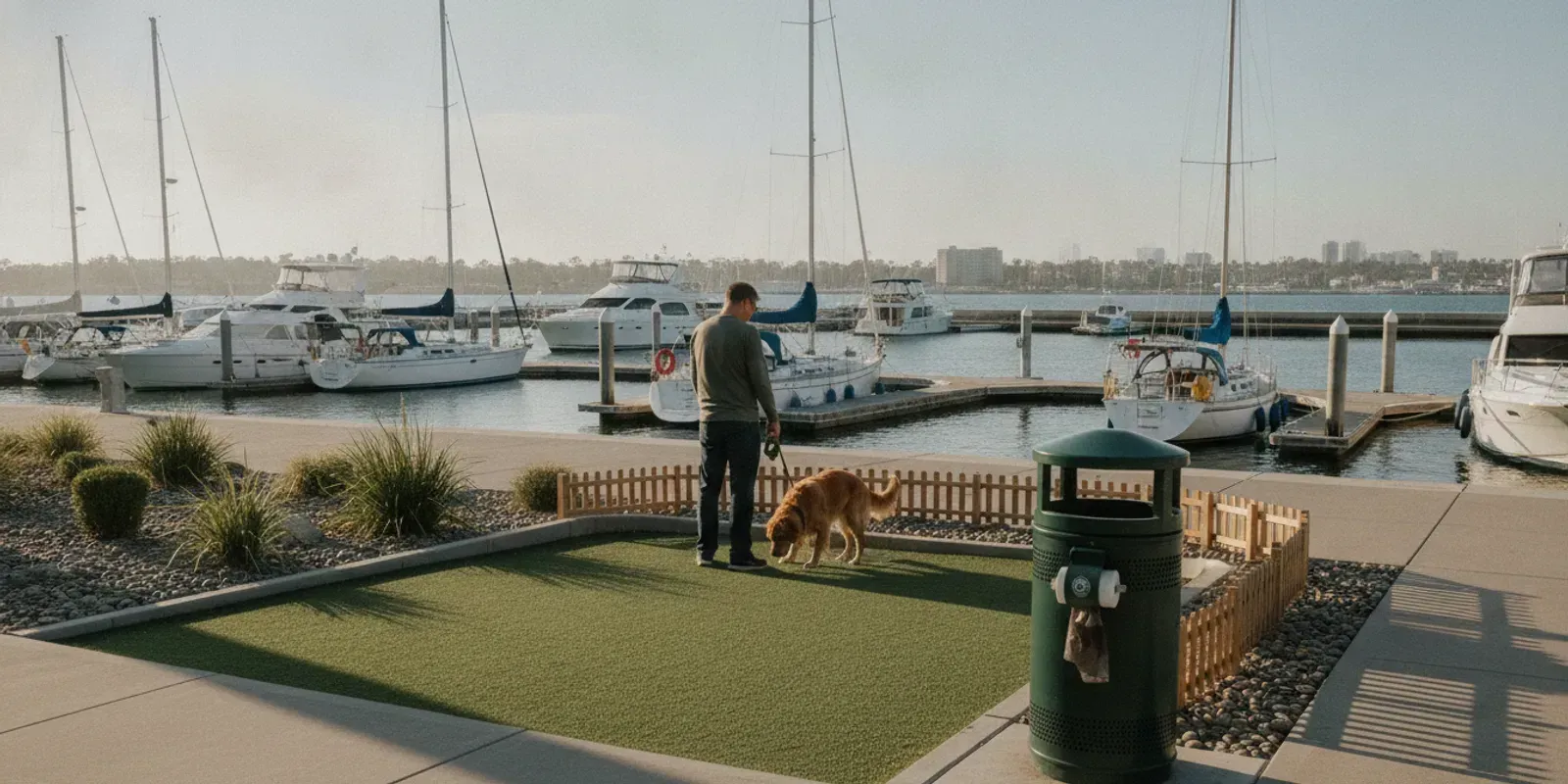
Trash storage matters on the same path. Bagged waste left in a mudroom will undo a clean crate. The guide to an odor control dog poop trash can is about the outdoor bin, not the crate pan. Take the bag out the same day you clean.
Call A1 at 702-521-2624 about yard pickup
What Not to Do Inside a Home Crate
A few common shortcuts make odor worse or put the dog at risk.
- Do not put the dog back on a wet pan. Damp plastic smells stronger than a dry dirty pan by the next morning.
- Do not mix cleaners. Combining products can release irritating fumes in a small crate.
- Do not use a product that leaves a sticky fragrance. Dogs avoid a crate that burns their nose, and the film holds the next accident.
- Do not treat a household crate like a commercial kennel run. Facility sanitizing steps, chemical rates, and staff routines belong on kennel pages, not in a bedroom.
- Do not ignore a cracked pan. Urine under a hairline crack never washes out. Replace the pan.
- Do not leave waste bags indoors overnight. Heat in a desert garage or a closed closet restarts the odor.
If your dog soils the crate every day even with short stays, talk with your veterinarian about health and with a trainer about confinement length. Cleaning removes the smell. It does not diagnose why the dog cannot wait.
Frequently Asked Questions
How often should I wash a dog crate?
Spot-clean whenever you see waste. Wash the tray with dish soap about once a week, and any time bedding got soaked. Dry the pan fully before the dog uses it again.
Why does the crate still smell after I wipe it?
Usually the pan, the pad, or the floor underneath is still damp, or the dog is tracking yard waste in on its paws. A spray on a wet surface does not remove the film.
Can I use bleach in a plastic dog crate?
Only if the product label allows that surface, you can rinse it off, and you can air the room before the dog returns. Never mix bleach with other cleaners. Dish soap and a full dry handle ordinary home odor.
Does A1 clean dog crates inside the house?
No. A1 Pet Maintenance removes dog waste outdoors on recurring routes and one-time yard cleanups in the Las Vegas area, Henderson, and Tucson. Call 702-521-2624 to ask about yard pickup. Crate washing stays a household job.
What should I do with crate waste?
Bag it and put it in an outdoor trash can the same day. Wash your hands with soap and water afterward. Do not leave the bag in the crate room or a hot garage.