Dog Waste Health Risks Apartment Managers Should Know
This is a subtitle for your new post

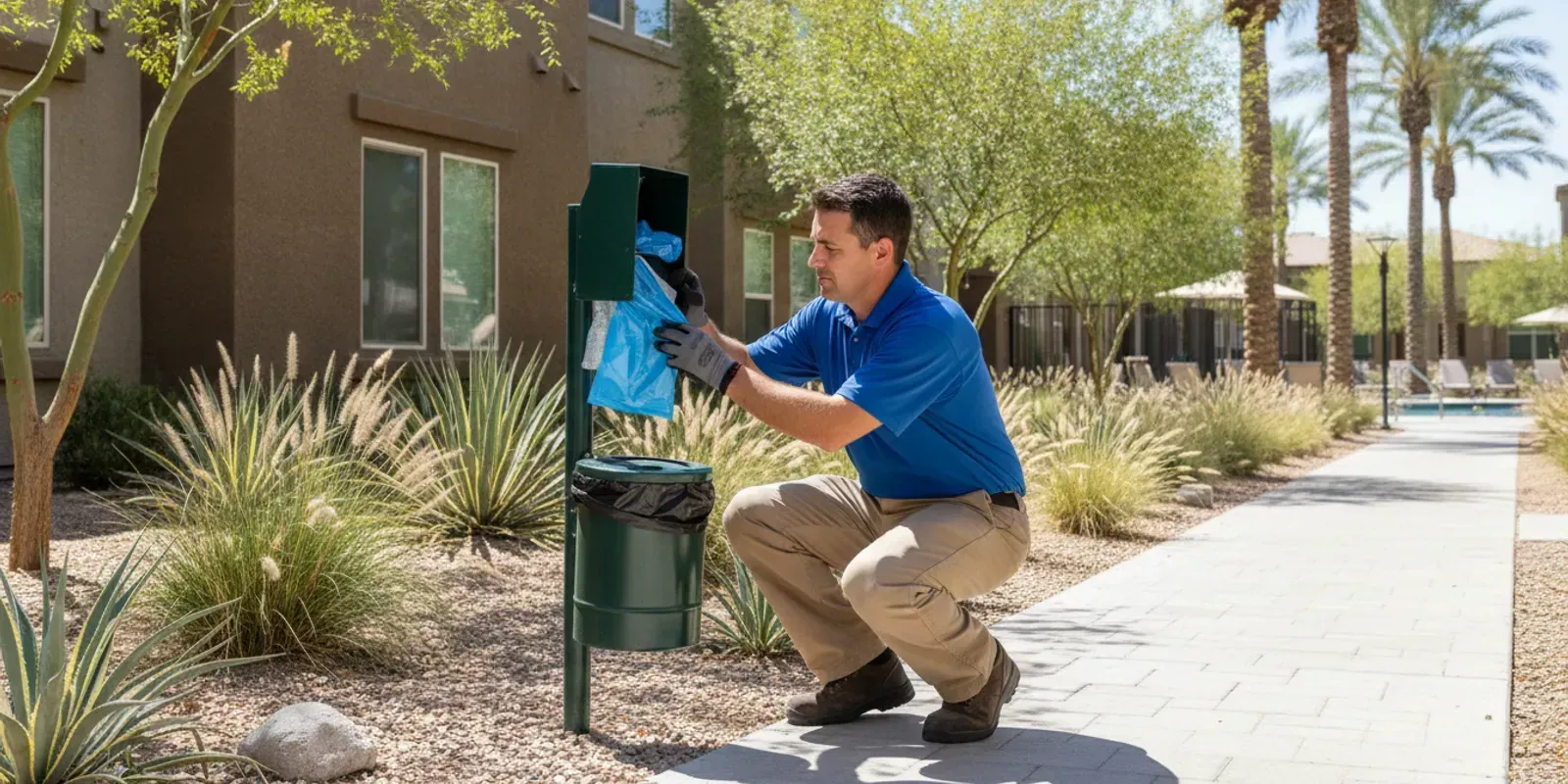
Apartment managers do not need to alarm residents to take dog waste seriously. They need a repeatable plan for shared spaces. The dog waste health risks apartment communities face are best addressed through prompt pickup. Accessible stations, hand hygiene reminders, documented inspections, and a clear response when waste is missed.
Dog waste can carry germs and parasites that may affect people and animals. The CDC explains that dog poop can carry germs, and recommends picking it up, especially in places where children may play. Cleanup is not a complete health guarantee. It is one practical sanitation measure that works alongside responsible pet care, resident cooperation, and consistent property maintenance.
This guide is written for apartment and multifamily property managers. It focuses on operating a cleaner shared environment, not diagnosing illness or replacing medical advice. The goal is to help a property team identify exposure points, make compliance easier, and assign cleanup responsibilities before complaints become a recurring resident issue.
Call A1 Pet Maintenance at (702) 521-2624 to discuss apartment sanitation today.
Why Are Dog Waste Health Risks Different in an Apartment Community?
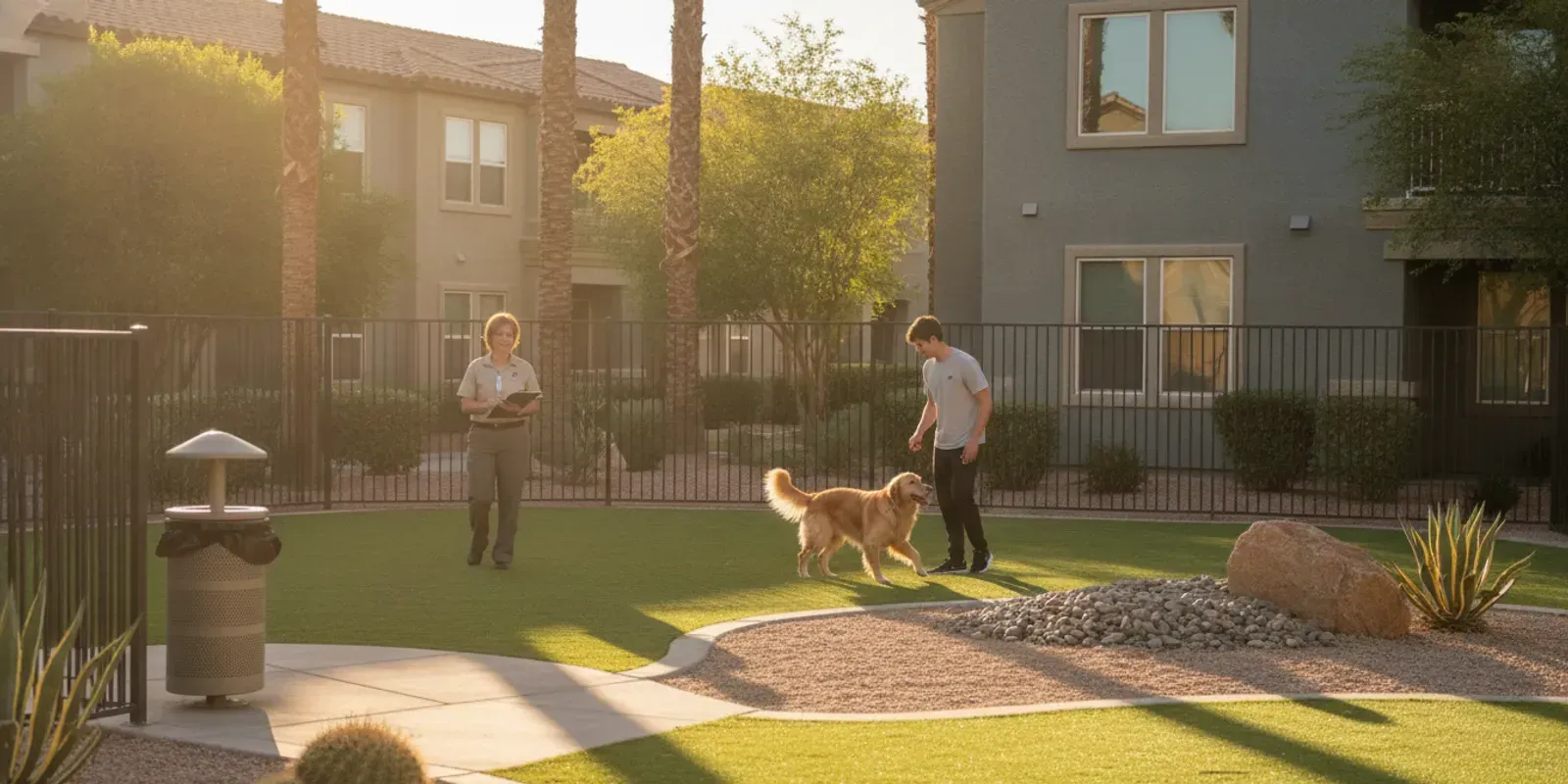
A private yard and a multifamily property do not create the same maintenance challenge. In an apartment community, many households use the same sidewalks, courtyards, pet runs, entrances, and grassy areas. A missed pile can be encountered by residents, children, dogs, strollers, mobility devices, landscaping crews, and maintenance staff before anyone reports it.
That shared use changes the manager's job. A property team cannot rely only on each dog owner noticing and removing waste. It needs a system that limits the time waste remains on the ground, reduces repeated contact with known hot spots. And gives residents an easy way to report missing bags, full receptacles, or an area that needs attention.
Which shared areas should managers map first?
Start with a simple property walk. Mark dog relief areas, dog parks, sidewalks, building entrances, playground edges, drainage paths, trash enclosures, and routes that connect pet areas to residential buildings. Note where dogs commonly stop, where residents tend to cut across the landscape, and where irrigation or rain could move material toward a drain.
The map does not need to be complicated. A site plan with numbered zones is enough to assign inspection routes and explain service expectations. Recheck it after resident complaints, landscaping changes, construction, or a change in the location of pet stations.
How can waste move beyond the original location?
Direct contact is the most obvious pathway. A resident may step in waste, a child may touch contaminated soil, or a dog may carry residue on its paws. Shoes, wheels, and paws can move small particles toward a hallway, patio, vehicle, or home. A bag reduces direct contact during pickup, but the CDC still recommends washing hands with soap and running water after contact with dog poop. When soap and water are unavailable, an alcohol-based hand sanitizer containing at least 60 percent alcohol is an alternative until proper handwashing is possible.
Parasites are another reason to avoid leaving waste in soil. The CDC explains that toxocariasis usually spreads through contact with infected dog or cat feces. Roundworm eggs can enter soil through animal waste, and people can become infected by accidentally consuming contaminated dirt or food. CDC information about toxocariasis transmission notes that Toxocara eggs may survive for months or years under suitable conditions. That fact is not a reason to label every apartment lawn dangerous. It is a reason to make prompt pickup and good hand hygiene routine.
 How Can Managers Reduce Dog Waste Health Risks Apartment Residents Face?
Managers can reduce practical exposure opportunities by building a layered sanitation program. No single sign, receptacle, or service visit will replace resident responsibility. The strongest plan combines amenities, education, inspection, documentation, and fast correction.
1. Make prompt pickup easy
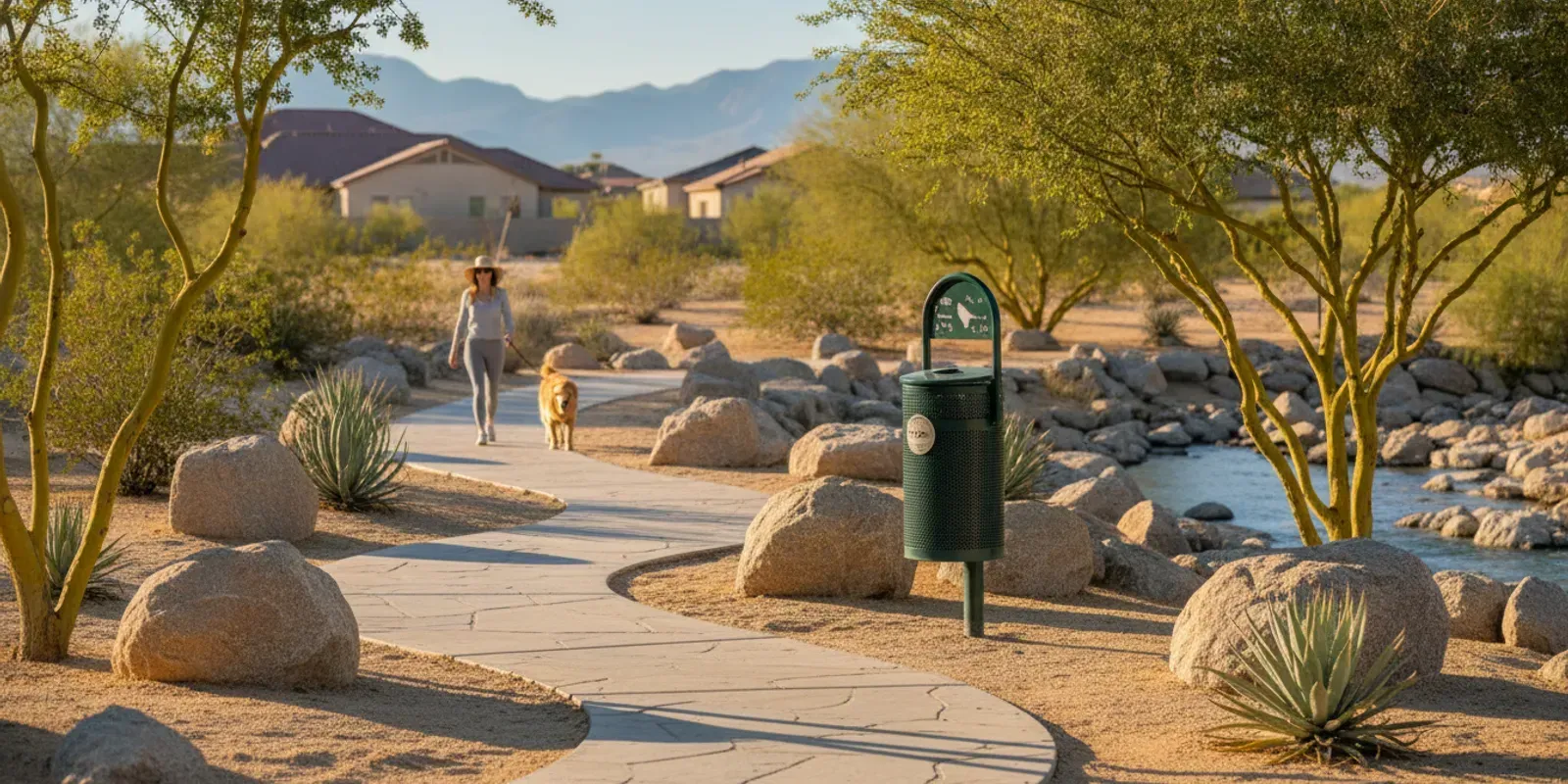
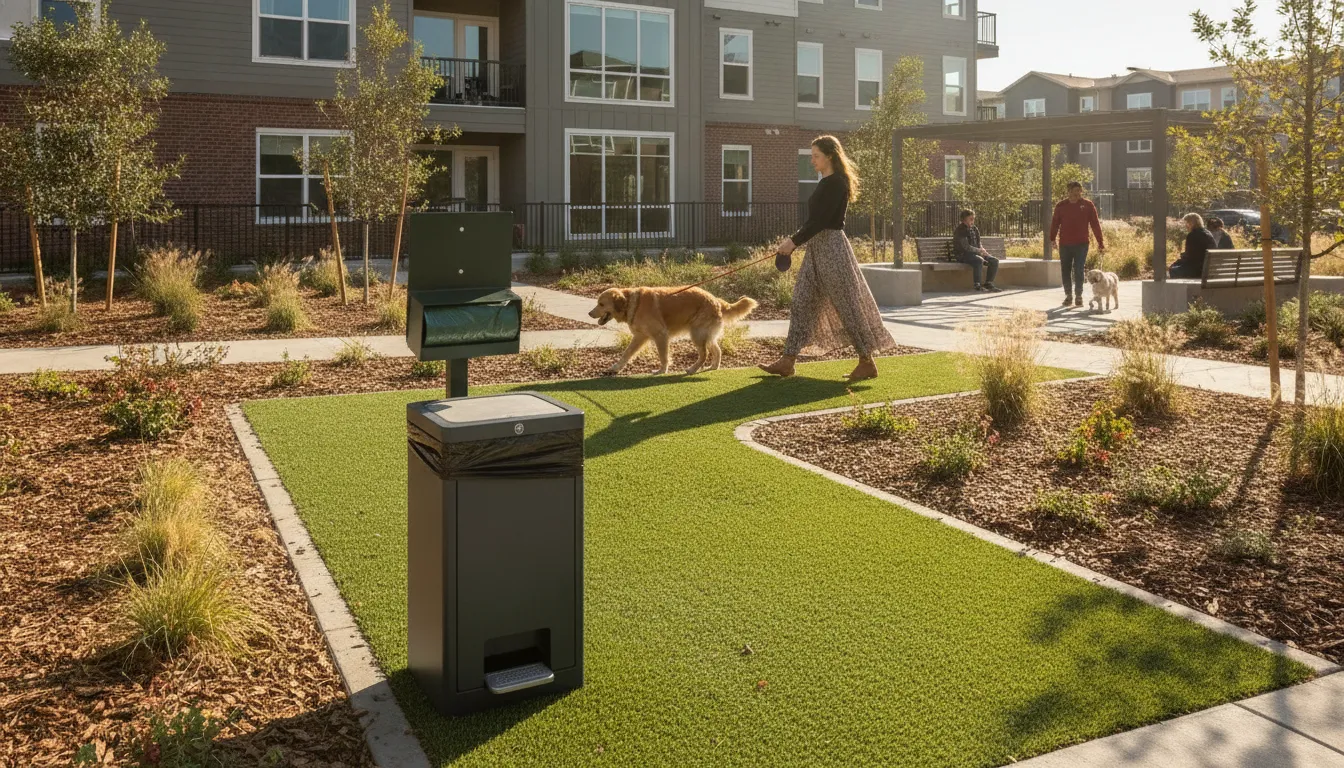
Place bag dispensers along the paths residents actually use, not only at the formal dog run. Keep receptacles visible, covered when appropriate, and close enough that a resident does not need to carry a used bag across the property. Assign someone to check supplies and empty bins before they become an additional complaint.
Use the property's site map to identify gaps. The apartment dog waste station guide can help managers think through placement, access, and maintenance responsibilities.
2. Inspect high-traffic zones on a schedule
Set a frequency that matches the property's pet population and traffic. Walk relief areas, sidewalks, play-area edges, entrances, and drainage paths. Record the zone, date, time, condition, overflowing receptacles, missing bags, and corrective action. A short log creates accountability and helps reveal whether a problem is isolated or recurring.
3. Set a clear hand hygiene standard
Place reminders where residents can act on them. Explain that hands should be washed with soap and running water after contact with dog waste, even when a bag was used. If a sink is not immediately available, sanitizer containing at least 60 percent alcohol can be used until proper handwashing is possible. Keep the message calm and practical. The property is promoting a routine, not predicting that a resident will become ill.
4. Coordinate with veterinary and pet-care expectations
Residents should discuss parasite prevention and other pet-care questions with their veterinarians. Property teams should not diagnose a dog, prescribe treatment, or make medical promises. They can reinforce the basic expectation that responsible pet care and immediate waste removal work together.
5. Define the response to a missed pickup
Give residents one reporting channel, such as a management office contact or property service request. Decide who responds, what information to record, and when a recurring location triggers a plan review. A response standard is more useful than a general instruction to "keep the property clean." It tells staff what happens after a report and helps residents see that complaints lead to action.
Call A1 Pet Maintenance at (702) 521-2624 for a dependable apartment pet waste cleanup routine.
What Should an Apartment Pet Waste Sanitation SOP Include?
A written standard operating procedure turns a broad cleanliness goal into a task list. It should be short enough for onsite staff and vendors to use without interpretation. Include the following elements:
- Service zones: List every lawn, pet run, dog park, sidewalk, entrance, and other shared area included in inspection or cleanup.
- Visit expectations: State who checks each zone, how often checks occur, and how missed waste is escalated.
- Station duties: Assign responsibility for bags, receptacle condition, surrounding litter, and reports of damaged equipment.
- Collection and disposal: Identify the approved method for bagging, removal, and disposal. Do not direct residents to an organics bin unless the local program explicitly accepts pet waste.
- Safety and hygiene: State that workers use the property's required protective practices and wash or sanitize hands after handling waste.
- Documentation: Record missed waste, repeat hot spots, full receptacles, resident reports, and completed corrective work.
- Review triggers: Revisit the plan after repeated complaints, a new pet area, landscape changes, or a change in vendor scope.
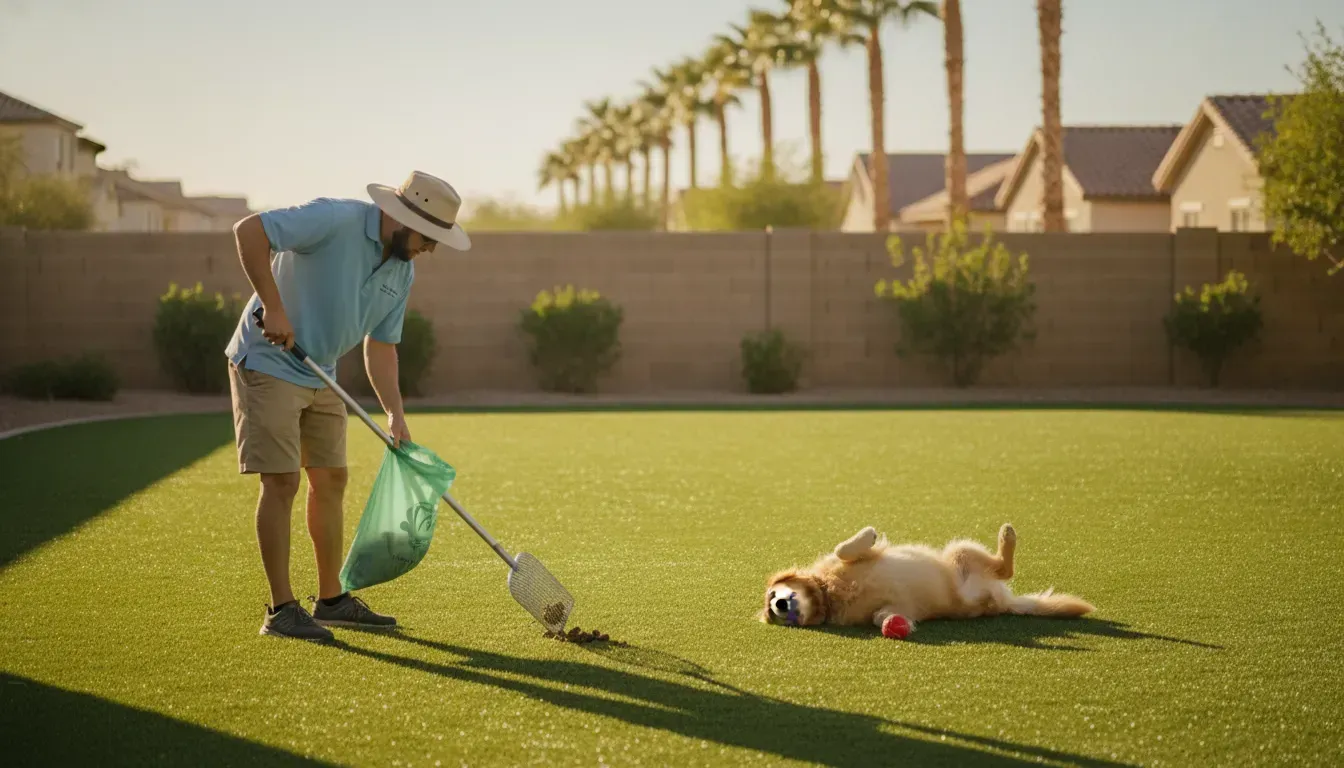
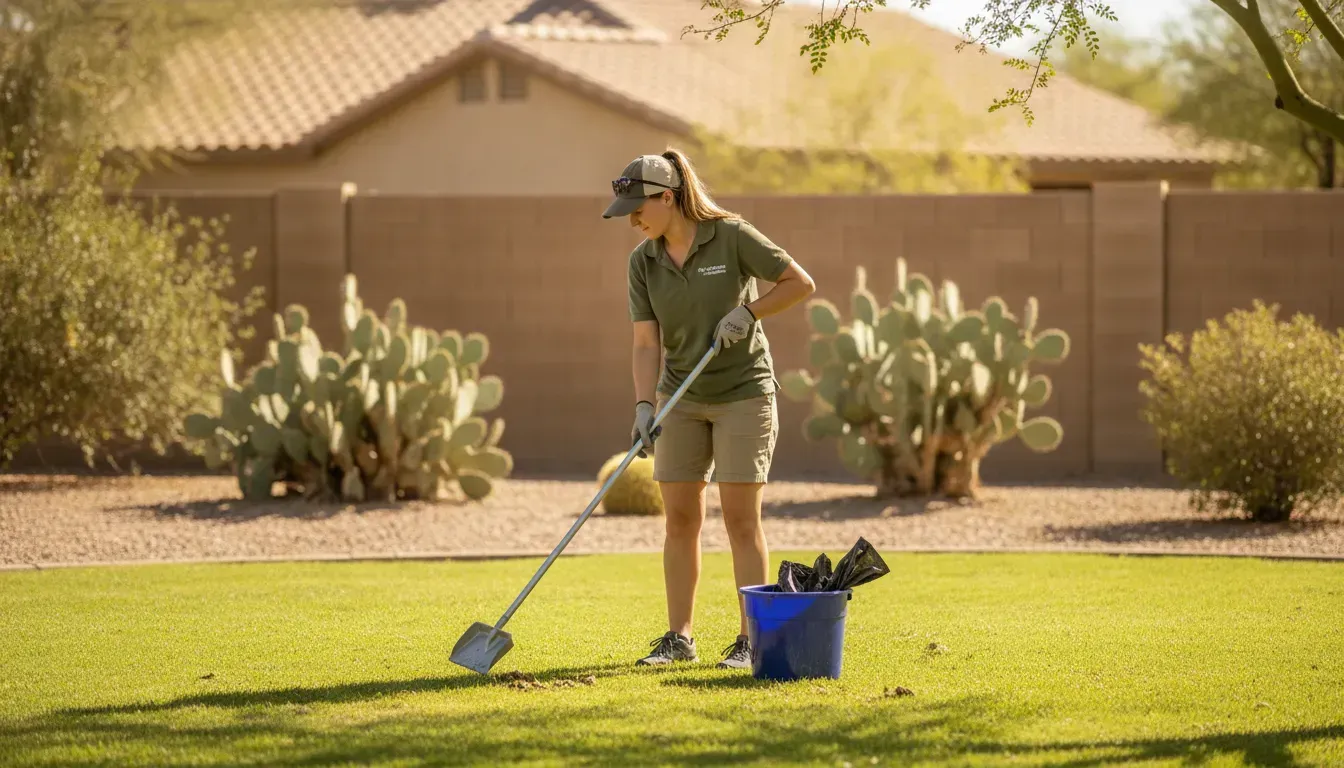
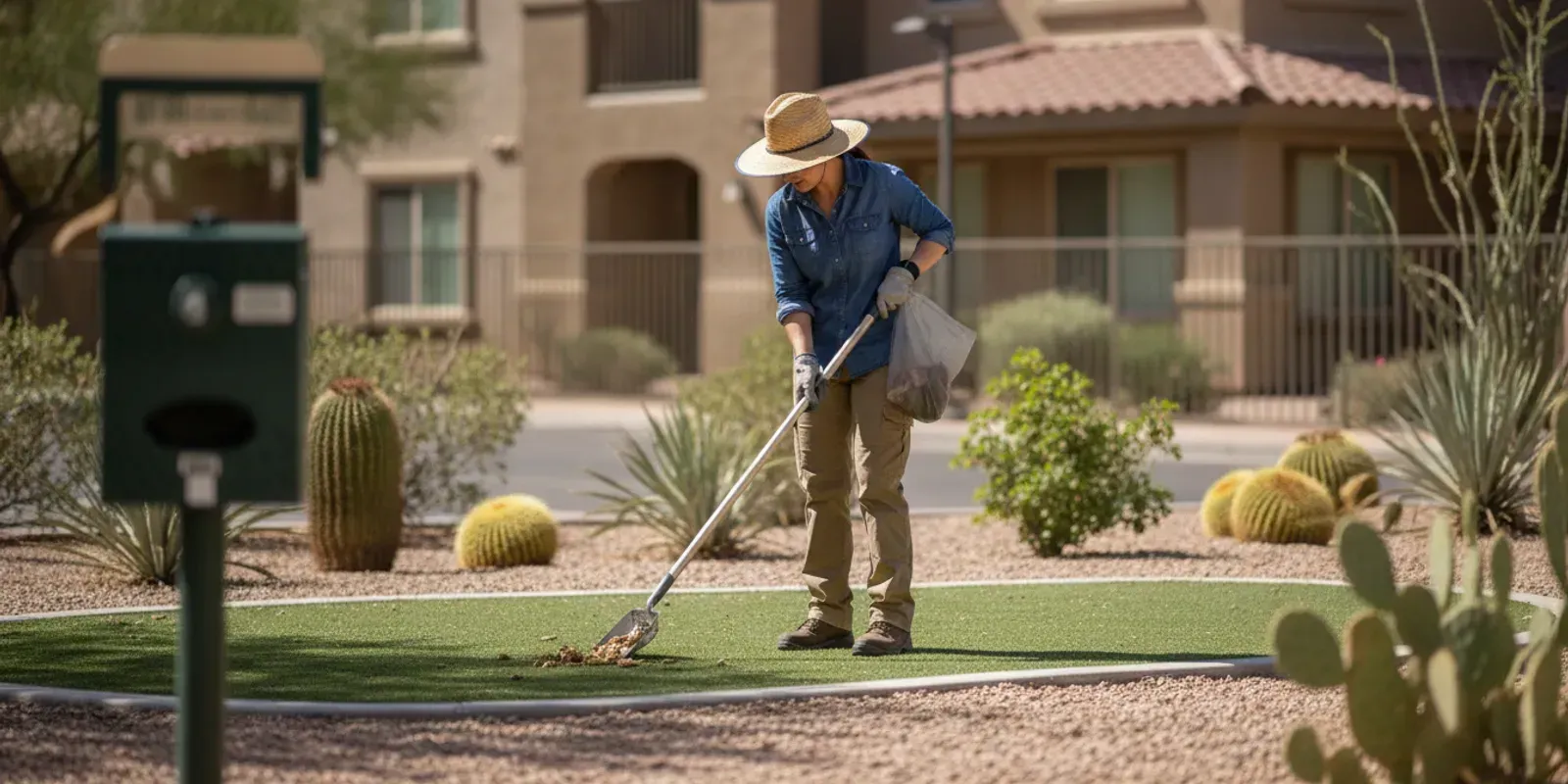
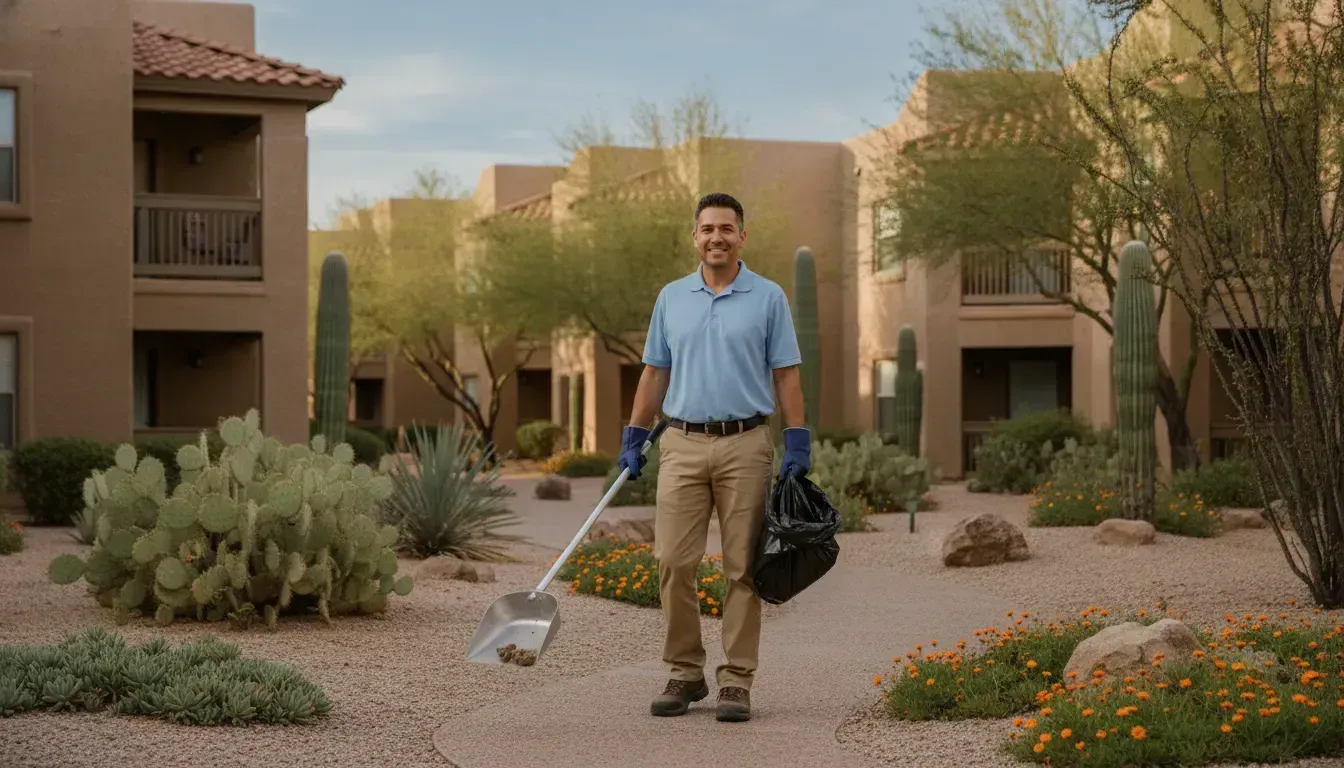
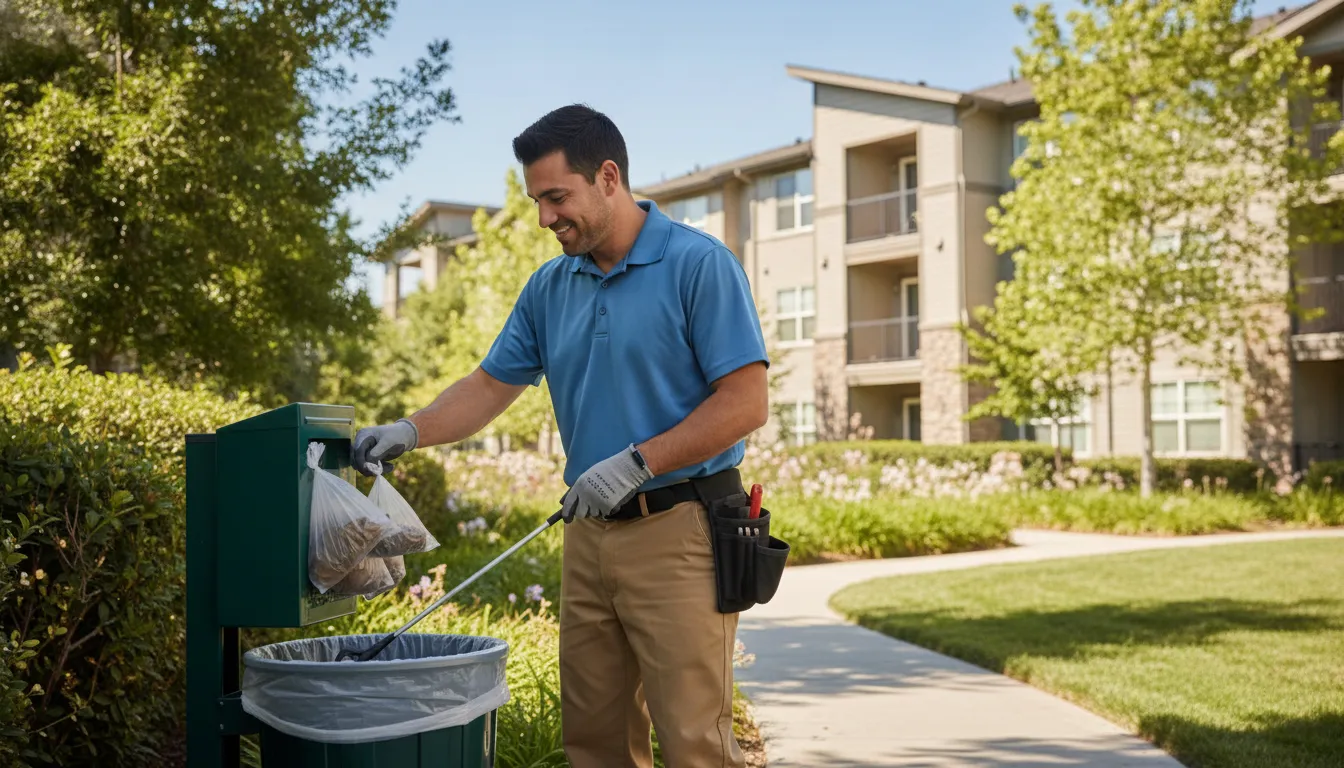
A1 Pet Maintenance documents a collection process that includes a complete inspection, waste collection, double-bagging, hauling waste away from the property, and disposal through city sanitation. A property manager can use those service details as a starting point when defining vendor responsibilities, then tailor the zones and frequency to the community.
How Should Managers Talk With Residents About Dog Waste?
Resident communication works best when it makes the desired behavior specific and convenient. A message that only says "clean up after your dog" leaves questions unanswered. Tell residents where bags are available, where tied bags should go, which areas need extra care, and how to report a missed cleanup.
Use a respectful, specific reminder
A practical notice might say: "Please pick up and bag pet waste immediately, then place the tied bag in a designated receptacle. Keep waste away from play areas and shared walkways. Report an empty dispenser or missed pickup through the property service channel." The manager can add the exact locations and policy language approved for the community.
Explain the reason without overstating the risk
It is accurate to say that dog waste can carry germs and parasites and that prompt pickup reduces opportunities for contact. It is not accurate to promise that a clean-looking lawn eliminates every health concern. Avoid naming a disease as though a specific resident or dog has it. Keep medical questions with healthcare and veterinary professionals.
Make enforcement consistent
Lease rules and community policies vary. Publish the policy approved for the property and apply the same documented process to comparable situations. If enforcement is authorized, explain the process plainly. If it is not, focus on access to bags, station placement, education, inspections, and dependable service.
Review reports by location rather than treating each complaint as an isolated event. Several reports near one building may signal an inconvenient station, a poorly lit path, a full receptacle, or a service-zone gap. Fixing the system can improve compliance more effectively than sending repeated general reminders.
When Should a Property Consider Professional Dog Waste Management?
Professional support becomes useful when onsite teams cannot inspect shared areas consistently, waste accumulates between staff rounds, or residents need a predictable maintenance routine. It can also help when the property has multiple pet zones, a dog park, or a large footprint that makes informal checks difficult.
The right question is not whether a vendor makes residents responsible. Residents still need to pick up after their dogs. The question is whether the property has a reliable second layer that identifies missed waste, keeps designated areas manageable, and gives staff a documented process for recurring problems.
Apartment dog waste management approaches comparedApproachWhat it includesBest fit and limitationResident-ledResidents pick up after their own dogs, bag waste, and use available receptacles.Works best when stations are convenient and residents consistently follow the policy. It does not provide a property-wide inspection layer.Staff-ledOnsite maintenance adds pet-waste checks and collection to existing duties.Can fit a smaller property or limited scope. Staff must fit collection, hauling, and disposal into competing maintenance priorities.Professional recurringA specialized service inspects designated areas, collects waste, double-bags it, hauls it away, and uses city sanitation disposal.Creates a repeatable vendor routine for shared spaces. The property still needs resident rules, station access, and a reporting process.
What should managers ask a provider?
Ask which areas are included, how the provider handles missed waste, how bags are removed. What disposal process is used, how visits are documented, and which schedule options fit the property. Clarify who supplies and maintains stations. Confirm the communication path for access, weather, gate changes, and service concerns.
A1 Pet Maintenance provides customized commercial property maintenance for apartments and condominiums. Recurring removal is available on weekly, bi-weekly, and custom schedules, with one-time cleanups available for accumulated waste. Managers can review the property management pet waste service guide for questions about frequency, station duties, reporting, and accountability.
 How Can Property Teams Measure Sanitation Performance?
Managers do not need an elaborate dashboard to see whether the plan is working. Track a few consistent signals each month:
- Missed-waste reports by zone and date.
- Full or empty bag dispensers and receptacles.
- Repeat hot spots near entrances, play areas, and pet runs.
- Completed inspection and vendor visits.
- Resident complaints that mention odor, appearance, access, or delayed response.
- Changes made to station placement, service frequency, signage, or assigned responsibility.
Look for patterns rather than demanding a perfect zero-report month. A rise in reports after a new pet area opens may indicate that the service map needs to be updated. Repeated reports after a scheduled visit may signal a scope or timing issue. A decline in complaints after adding a station or changing the route is useful operational evidence.
For a broader commercial cleanup option, see A1's commercial pet waste cleanup services. The service page can help a manager identify the right conversation before requesting a property-specific proposal.
Frequently Asked Questions
Who may need extra protection from dog waste exposure?
Every resident benefits from cleaner shared areas. Managers should pay particular attention to places where children play and to routes used by residents, pets, strollers, and mobility devices. Children may touch soil and then touch their mouths, so prompt pickup and hand hygiene are sensible safeguards. The CDC's guidance about dogs and germs provides general health information.
How long can dog waste contamination remain in apartment soil?
There is no single timeline because persistence depends on the organism and environmental conditions. The CDC explains that Toxocara eggs may survive for months or years under suitable conditions. Managers should use that information to support prompt removal and clean habits, not to diagnose a property's soil or predict illness.
What should residents do after picking up dog waste?
Residents should tie the bag securely, place it in the designated trash receptacle, and wash their hands with soap and running water. If soap and water are not immediately available, an alcohol-based sanitizer with at least 60 percent alcohol can be used until proper handwashing is possible. Residents with medical questions should contact a healthcare professional.
Can stations and reminders reduce dog waste health risks in an apartment?
They can remove common barriers and make the expected behavior easier. Stations should be located along actual walking routes, stocked with bags, and paired with maintained receptacles. Reminders should state the pickup and disposal standard. Inspecting the area and correcting missed waste remains necessary.
When should an apartment property consider professional cleanup?
Consider recurring professional cleanup when onsite staff cannot reliably inspect high-traffic areas, waste accumulates, the property has multiple pet zones, or residents need a predictable response. A1 offers weekly, bi-weekly, custom schedules, and one-time cleanups. Review apartment pet waste service for a property-focused starting point.
Ready to Create a Cleaner Apartment Community?
A practical pet waste plan supports cleaner shared spaces, clearer resident expectations, and less daily burden on onsite teams. A1 Pet Maintenance has operated in Southern Nevada and Tucson since 1998 and services more than 400 properties weekly. Its documented process is designed around reliable route service, complete inspection, bagging, removal, and city sanitation disposal.