How to Get the Poop Smell Off Hands Safely
Learn how to get the poop smell off hands after pet cleanup with safe washing steps, odor prevention tips, and practical A1 yard-cleanup options.
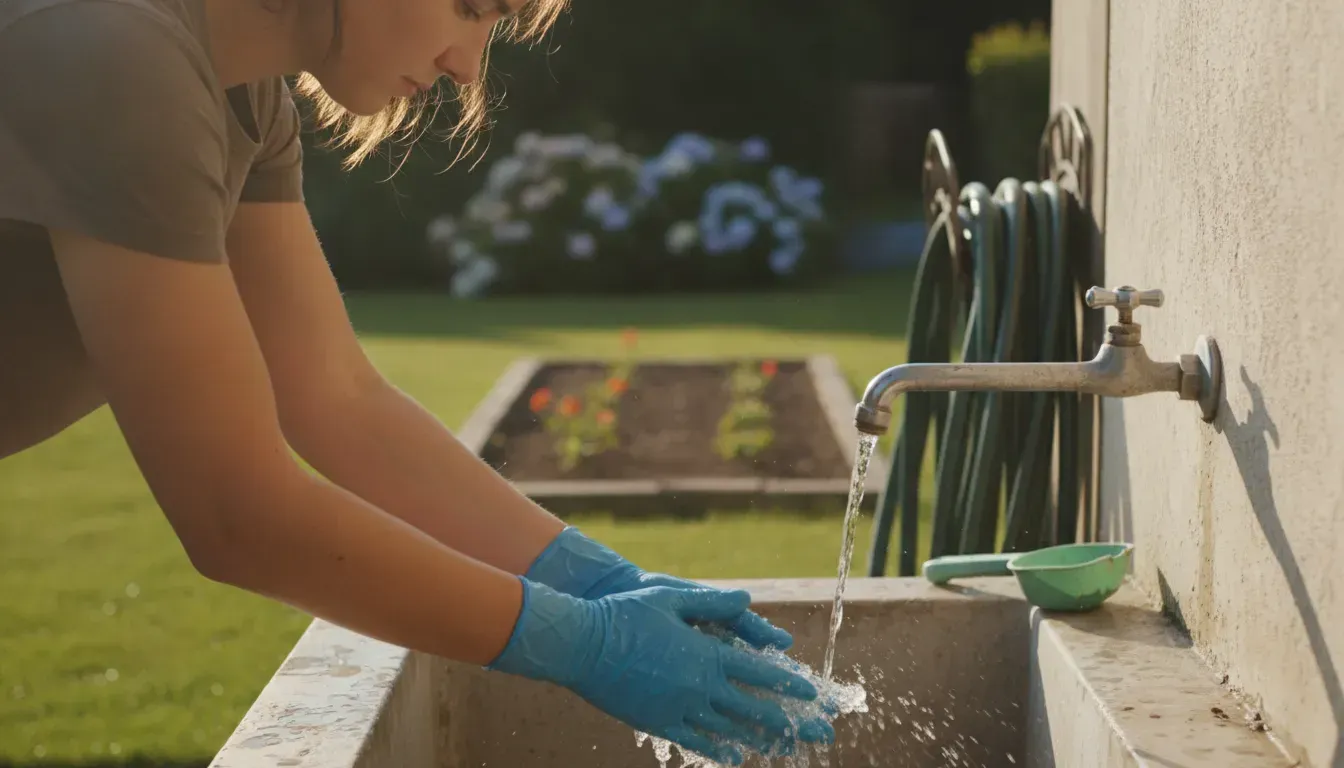
Pet-waste cleanup can leave a stubborn odor on your hands, especially when residue reaches beneath fingernails, between fingers, or onto reusable tools. In Southern Nevada and Tucson, hot outdoor conditions can make the smell feel even more noticeable. But the safest fix starts with thorough handwashing rather than a stronger fragrance.
To learn how to get the poop smell off hands, wash with clean running water and soap. Lathering your palms, backs of hands, between fingers, fingertips, and under your nails for at least 20 seconds. Rinse and dry well. If soap and water are not available, use hand sanitizer containing at least 60% alcohol, then wash properly when you can. The CDC recommends handwashing after contact with dog poop, even when you used a bag: CDC guidance.
Call (702) 521-2624 Today for one-time or recurring weekly or bi-weekly pet-waste cleanup in Southern Nevada and Tucson.
The details matter because a quick rinse may leave odor and residue behind. Start with the safest cleanup sequence, then make a few small changes to your gloves, bags, tools, and yard routine to prevent the problem after the next pickup.
How to Get the Poop Smell Off Hands Safely After Cleanup?
The safest answer is a thorough wash with soap and clean running water. Wash promptly after handling pet waste, even if you used a bag. Because odor can remain around the fingers and beneath the nails where a quick rinse may miss it.
- Remove the waste bag and any visible residue. Tie the bag securely and place it in the proper trash receptacle. If waste touched your skin, wipe away the visible material with a disposable paper towel before washing. Do not use strong chemicals directly on your skin.
- Wet your hands with clean, running water. Use comfortably warm or cool water. Running water helps carry away loosened residue instead of leaving it in a basin where it can remain on your hands.
- Apply soap and build a complete lather. Work the soap over your palms, the backs of your hands, and between every finger. Pay special attention to the fingertips, where odor can linger after tying or carrying a waste bag.
- Clean under your nails and around your fingers. Rub the fingertips of each hand against the opposite palm to reach beneath the nails. Keep lathering for at least 20 seconds, which is about the time needed to sing a short song twice.
- Rinse thoroughly under running water. Let the water flow over your palms, backs of hands, fingers, and wrists. Continue until all soap and loosened residue are gone. If odor remains, repeat the soap-and-water wash rather than adding bleach, ammonia, or other cleaners.
- Dry your hands completely. Use a clean towel or air dryer. Drying finishes the handwashing process and makes it easier to notice whether odor is still present around your nails or fingertips.
- Use sanitizer only as a temporary backup. If soap and running water are not available, use a hand sanitizer containing at least 60% alcohol, covering all hand surfaces until dry. Wash with soap and water as soon as you can. Sanitizer is not a substitute for washing when your hands are visibly dirty.
The CDC recommends washing with soap and running water after cleaning up dog poop. Its handwashing guidance also emphasizes lathering between the fingers and under the nails, rinsing, and drying.
Why Can Poop Smell Linger on Fingers After Washing?
Poop smell can linger after washing when a small amount of residue remains in an easy-to-miss spot. Fingertips, nail edges, the skin beneath longer nails, and the spaces between fingers all need direct attention. A quick rinse may clean the broad surfaces of your hands while leaving odor-producing residue in those areas.
Gloves can also transfer odor. If a glove leaks, has a tear, or touches your bare skin while you remove it, the smell may remain on your fingers. The outside of the glove can also leave residue on a scoop handle, faucet, phone, door handle, or other object. Washing your hands once does not remove residue that you later pick up again from a contaminated object.
The smell itself is not a reliable test of whether your hands are clean. Still, dog poop can carry germs that make people and animals sick, and animals can carry harmful germs even when they look healthy and clean. The CDC recommends washing with soap and running water after contact with dog poop, even when you used a bag. Read the CDC guidance on dogs and handwashing.
If your fingers still smell, wash again and deliberately lather your fingertips, nail edges, between your fingers, and around your thumbs. Rinse thoroughly, then dry with a clean towel. Also wash or replace reusable gloves and clean frequently touched tools or surfaces that may have picked up residue. Avoid mixing household cleaners or applying harsh chemicals to your skin.
Persistent odor by itself does not identify a medical problem. If you develop ongoing skin irritation, pain, swelling, or feel unwell after contact with pet waste, contact a healthcare professional for advice. For repeated exposure, reducing the amount of waste handled through a consistent yard-cleanup routine can make the entire task easier.
What Is the Best Hand-Washing Sequence After Pet Waste Cleanup?
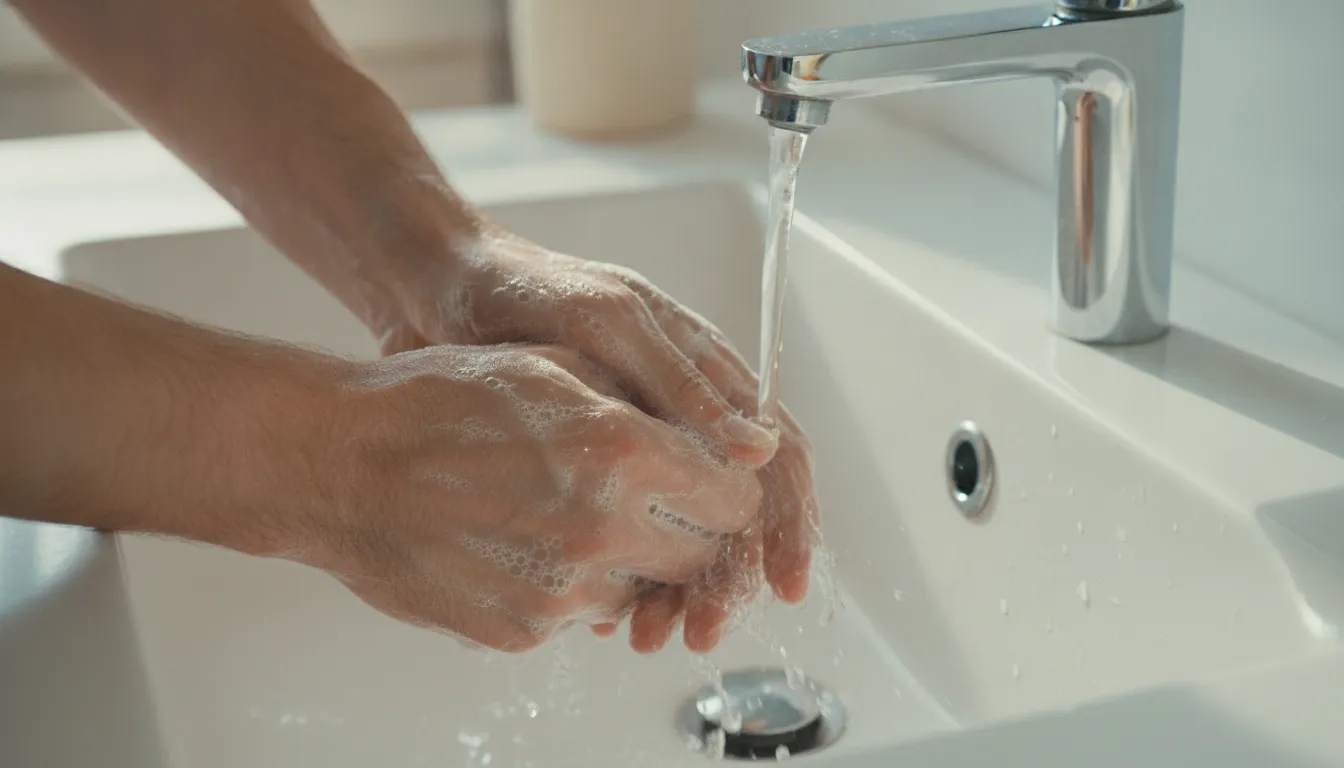
A thorough wash with soap and clean running water is the most dependable way to remove lingering waste odor and clean your hands after pet cleanup. Give extra attention to the backs of your hands, between your fingers, around your thumbs, and under your nails. Even when you use a bag or scoop, the CDC recommends washing after contact with dog poop.
Use this sequence each time you finish:
- Wet your hands. Place them under clean, running water. Warm or cold water is acceptable; the important point is that the water is running and the whole hand becomes wet.
- Apply soap. Lather both hands rather than washing only the palms. Work the soap across the backs of your hands, between your fingers, around your thumbs, and under your fingernails.
- Scrub for at least 20 seconds. Keep rubbing all hand surfaces for the full interval. A quick rinse can leave odor-causing residue in areas that are easy to miss.
- Rinse completely. Hold your hands under clean running water until the soap and loosened residue are gone.
- Dry your hands. Use a clean towel or allow them to air-dry. Drying completes the routine and helps prevent you from transferring residue to a door handle, phone, or other surface.
The CDC describes this process at its handwashing guidance. For the disposal side of the routine, review this guide on wash hands after dog poop cleanup.
 If soap and running water are not readily available, use an alcohol-based hand sanitizer containing at least 60% alcohol as a temporary fallback. Cover every hand surface and rub until dry, then wash with soap and water as soon as you can. Sanitizer is not a replacement for the complete wash when you have access to a sink, especially after handling pet waste.
Which Odor-Removal Shortcuts Should You Avoid?
When you are figuring out how to get the poop smell off hands, the safest approach is not the strongest-smelling product. Start with soap and clean running water. Scrub all hand surfaces, including between fingers and under nails, rather than trying to cover the odor with fragrance or a harsh chemical.
The CDC recommends washing with soap and running water after contact with dog poop, even when you used a bag. If a sink is not readily available, an alcohol-based hand sanitizer containing at least 60% alcohol can serve as a temporary backup. It should not replace a thorough wash once you can reach soap and water.
Safer choices for lingering pet-waste odorApproachWhen it fitsWhat to keep in mindSoap and running waterUse this as the normal response after cleanup.Work over the backs of your hands, between fingers, and under nails for a complete wash.Sanitizer with at least 60% alcoholUse temporarily when soap and water are unavailable.Wash with soap and water later. Do not treat sanitizer as a substitute when a sink is available.Abrasive or heavily fragranced shortcutThere is no need to use one for routine cleanup.It may irritate skin or simply mask the smell without addressing missed areas.
Why should you avoid mixing cleaners?
Never combine cleaning products to create a stronger odor remover, and do not put harsh household chemicals on your skin. Mixing cleaners can produce dangerous fumes, while skin exposure can cause irritation or injury. Follow the product label for any item used around the yard. Keep it away from your hands unless it is specifically intended for skin, and return to plain soap and running water for hand hygiene. For more guidance on the overall cleanup process, see this CDC guidance on dogs and handwashing.
How Can You Prevent Poop Odor From Getting on Your Hands?
The best way to prevent poop odor on your hands is to keep waste contained from the moment you scoop it until the bag is discarded. Use a sturdy bag, close it fully, and wash your hands with soap and running water after cleanup. Even when a bag is used, the CDC recommends washing after contact with dog poop because dog waste can carry germs.
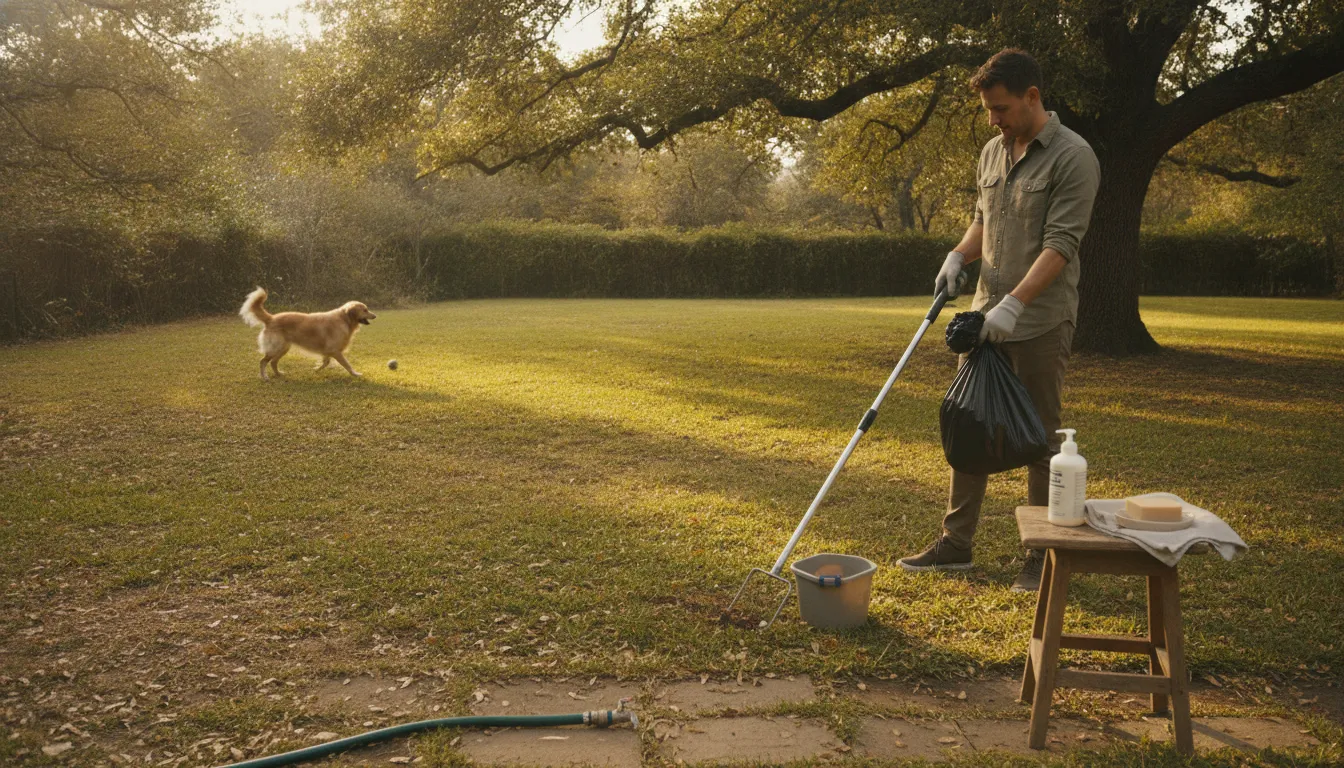 Close the bag before reaching for anything clean
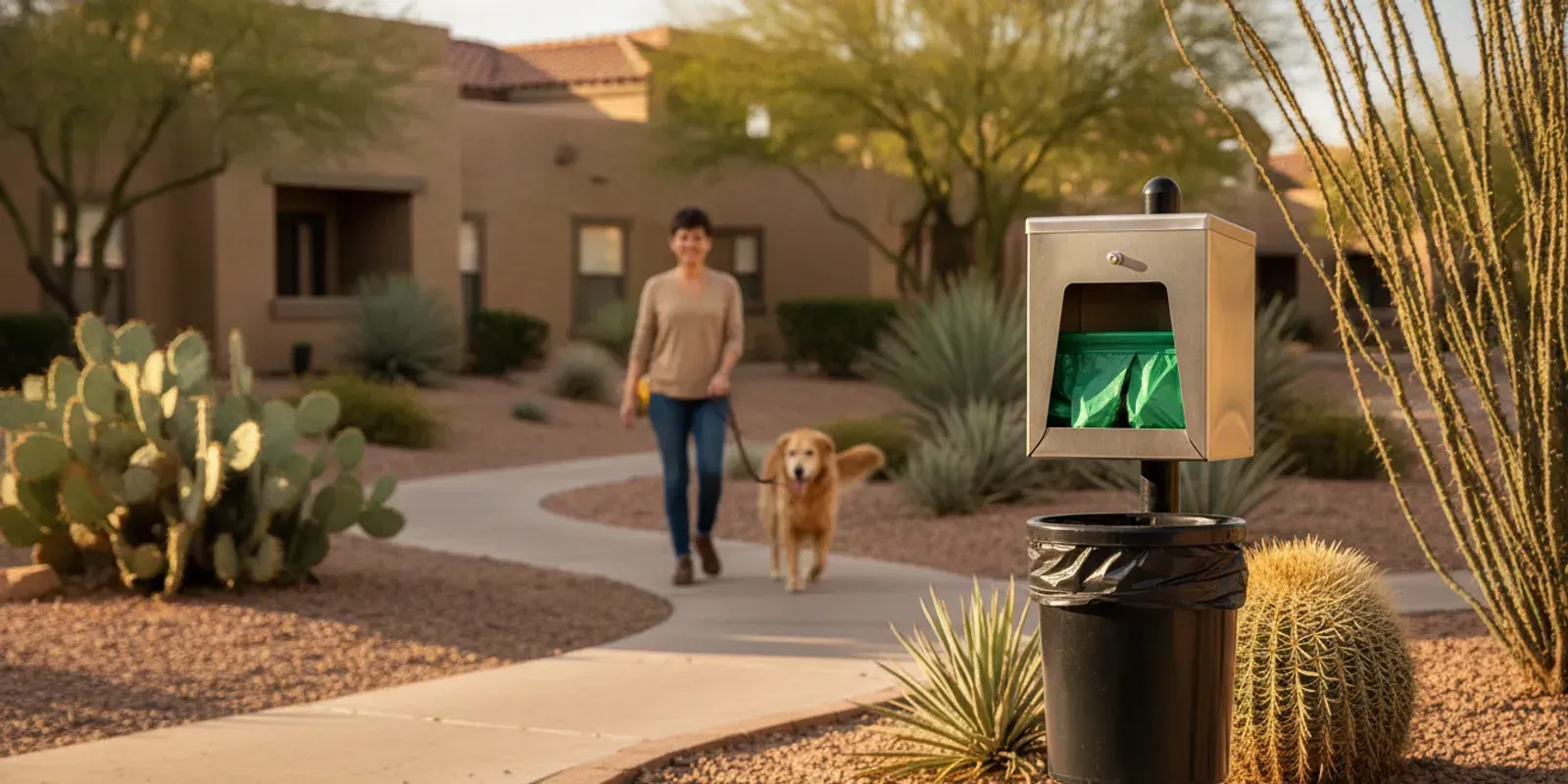
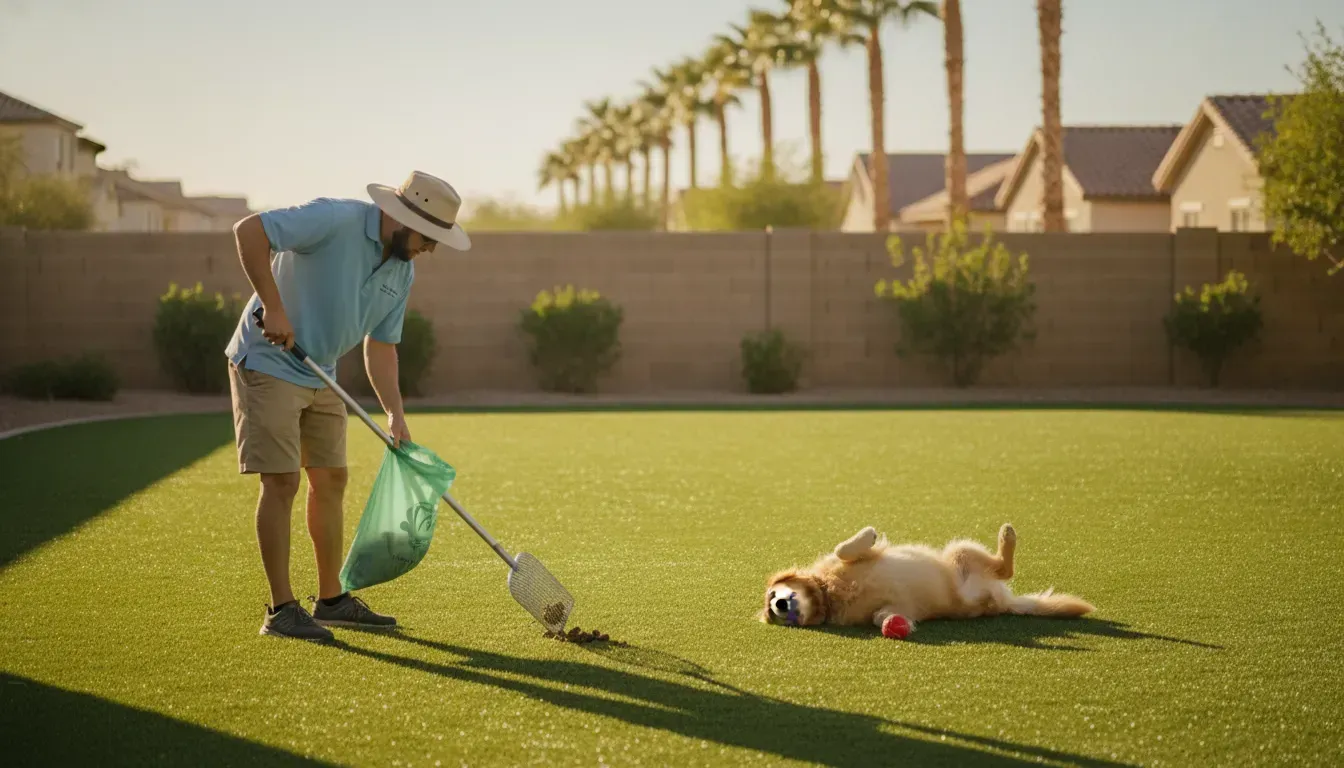
Keep waste bags within easy reach before you begin. After picking up a deposit, turn the bag inside out, tie it securely, and place it in the designated outdoor bin. Do not touch your phone, gate latch, keys, water bottle, or clean tools with a glove that has handled waste. If you need to open a gate or carry supplies, organize those steps before pickup or use a clean hand for clean items.
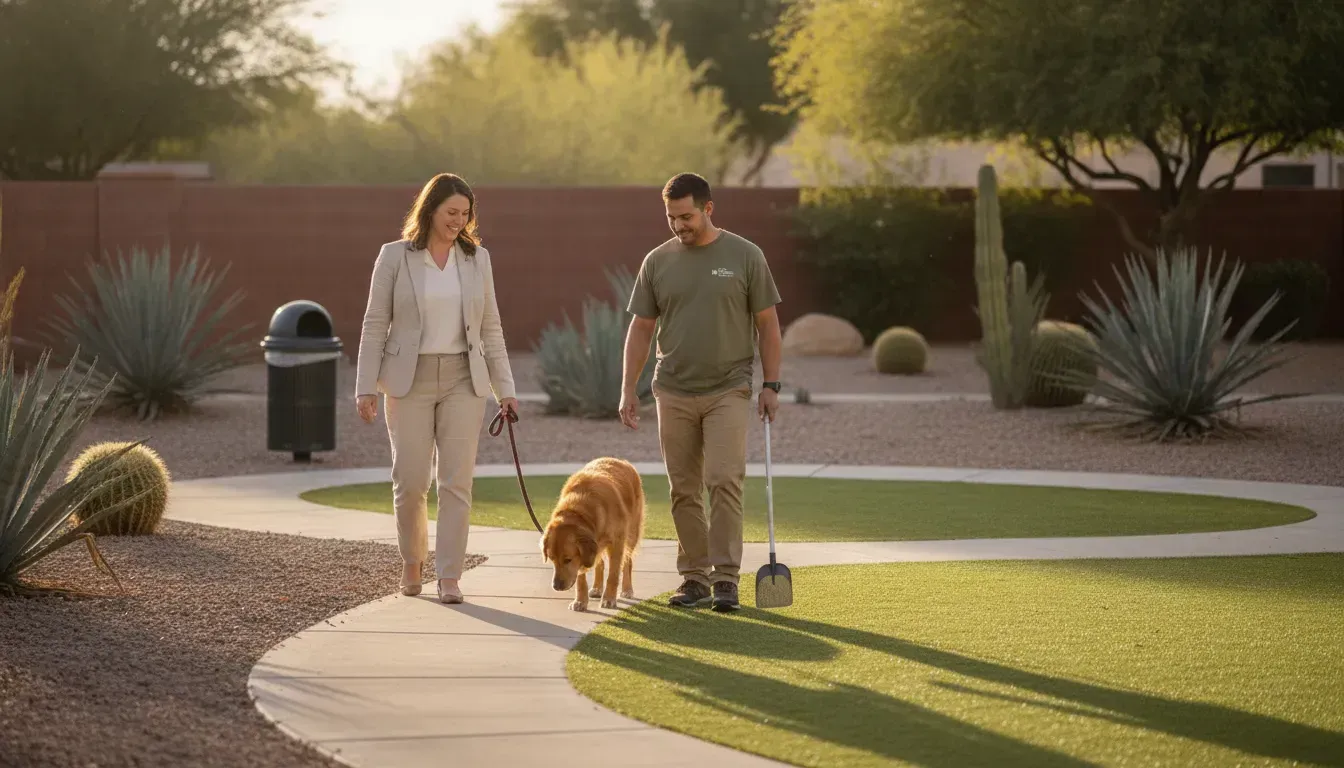
For larger properties, a repeatable routine for cleaning dog waste can reduce missed areas and unnecessary handling. Keeping the yard clear is also a hygiene measure, not only an odor preference. The CDC says dog poop should be picked up even in your own yard, especially where children may play. Because cleaning up after dogs and keeping the environment clean reduces the risk of disease spreading.
Keep cleanup supplies in one place
Store bags, a scoop, disposable gloves, and hand-cleaning supplies together near the usual exit. Replace torn gloves immediately, and remove them without touching the contaminated outside surface. After removing gloves, wash around your fingers, between your fingers, and under your nails. A glove can limit direct contact, but it does not replace handwashing.
Plan cleanup before handling food, pet dishes, or personal items. Prompt pickup also limits the time waste remains in the yard; read more about why prompt dog waste pickup matters. For more guidance on safe handling of dog waste, keep disposal and handwashing part of the same routine. If soap and running water are unavailable, use hand sanitizer containing at least 60% alcohol as a temporary backup, then wash properly when you can.
CDC guidance on dogs and hand hygiene supports washing after dog-waste cleanup, even when you used a bag.
When Does a Yard Cleanup Routine Need Professional Help?
Professional help makes sense when the problem is no longer one missed pile, but a cleanup routine that keeps repeating the same unpleasant work. If waste has accumulated during a busy stretch, the yard is larger than you can comfortably cover. Or travel left you facing a one-time mess, a reset can be more practical than trying another hand-cleaning shortcut.
A one-time cleanup is a good fit for bringing an overdue yard back to a manageable condition. It can also help after a move, vacation, illness, or other interruption in your normal routine. Once the yard is reset, you can decide whether occasional self-cleaning is realistic or whether scheduled help would make maintenance easier.
Recurring service is different from a one-time cleanup. A1 offers weekly or bi-weekly pet waste removal for owners who want regular help keeping residential outdoor areas maintained. That option can be useful when work schedules, mobility limitations, multiple pets, or a large property make it difficult to keep up. The goal is to address waste at the yard level so you have fewer unpleasant cleanup tasks and fewer opportunities for accidental contact.
Look for the source of the problem before reaching for stronger products. If the yard repeatedly smells because waste is being left behind, washing your hands again will not solve the maintenance issue. Remove the accumulated waste, clean your tools, and keep a handwashing station available after each session. If synthetic turf has a separate, persistent outdoor odor, ask about turf cleaning rather than treating your hands as the source.
A1 serves Southern Nevada, including Las Vegas and Henderson, as well as Tucson. For a reset, review the one-time pet waste cleanup option. For ongoing support, learn more about the A1 pet waste removal service and choose the schedule that fits your household.
Can Turf Cleaning Help With Persistent Outdoor Pet Odor?
Yes, professional turf cleaning can help when the lingering smell is coming from synthetic grass. It will not remove poop odor from your hands. Hand odor calls for thorough washing with soap and running water after cleanup. Persistent odor in a yard is a separate surface-maintenance problem.
Artificial grass can hold waste residue, debris, and odor in and around its fibers. A1 Pet Maintenance's artificial grass cleaning and deodorizing service is designed for that outdoor issue. The service scope includes:
- Pet-waste removal from the turf area.
- Clearing leaves and other debris.
- An enzyme-based deodorizing treatment.
- A deep rinse with agitation to help clean the turf surface and fibers.
These steps address odor buildup in synthetic turf, including odors that can remain after regular waste pickup. They are not a substitute for washing your hands. After handling pet waste, follow safe hygiene practices and see A1's guide to safe handling of dog waste. Even when you use a bag, wash your hands with soap and running water.
Consider turf cleaning when the yard continues to smell after visible waste has been removed, especially if residue or debris has accumulated. A1 can also help with a one-time cleanup or an ongoing weekly or bi-weekly pet-waste removal routine in Southern Nevada and Tucson. Keeping the turf and surrounding yard clear reduces the amount of waste you handle and makes outdoor maintenance easier. But it does not change the correct answer to how to get the poop smell off hands: wash thoroughly rather than treating your hands with a turf-cleaning service.
Frequently Asked Questions
How do you get the poop smell off your hands?
Wash with soap and clean running water, working the lather across your palms, the backs of your hands, between your fingers, and under your nails. Rinse well and dry with a clean towel or air dryer. This removes odor and is the best routine for removing germs after handling pet waste. If soap and water are not available, use an alcohol-based hand sanitizer with at least 60% alcohol as a temporary option, then wash properly when you can. CDC guidance supports handwashing after contact with dog poop, even when you used a bag.
Why do my hands still smell like poop after I wash them?
Odor can linger when residue remains around fingernails, between fingers, or on the backs of your hands. Wash those areas deliberately for at least 20 seconds, rinse thoroughly, and repeat once if needed. Check gloves, rings, scoop handles, and towels too, since a contaminated item can put the smell back on clean skin.
What kills the smell of poop on skin?
Soap, running water, and thorough friction are the dependable first choice. Avoid mixing household cleaners or using harsh chemicals on your skin. Fragrance may cover an odor temporarily without removing residue, while careful washing cleans the areas that commonly get missed.
How long does poop smell linger on skin?
There is no dependable set time. It may fade after one thorough wash, or last longer when residue remains under nails, around jewelry, or on contaminated gloves. Wash again rather than waiting, and clean or replace anything that touched the waste.
What kills poop germs on hands?
Soap and clean running water are best in most situations. After pet-waste cleanup, scrub all hand surfaces for at least 20 seconds, rinse, and dry. When water is unavailable, use sanitizer containing at least 60% alcohol, then wash with soap and water as soon as possible. Dog poop can carry germs, so handwashing matters even after using a bag.
Ready to Spend Less Time on Pet-Waste Cleanup?
When yard waste keeps returning or outdoor odors make cleanup harder, a consistent removal routine can help keep your space more comfortable. For one-time or recurring pet-waste cleanup in Southern Nevada or Tucson, call A1 Pet Maintenance today to discuss the service option that fits your yard. A cleaner routine can make regular pet care feel simpler, while leaving handwashing and odor prevention steps easier to maintain.