How Long Does Dog Poop Take to Decompose?
This is a subtitle for your new post

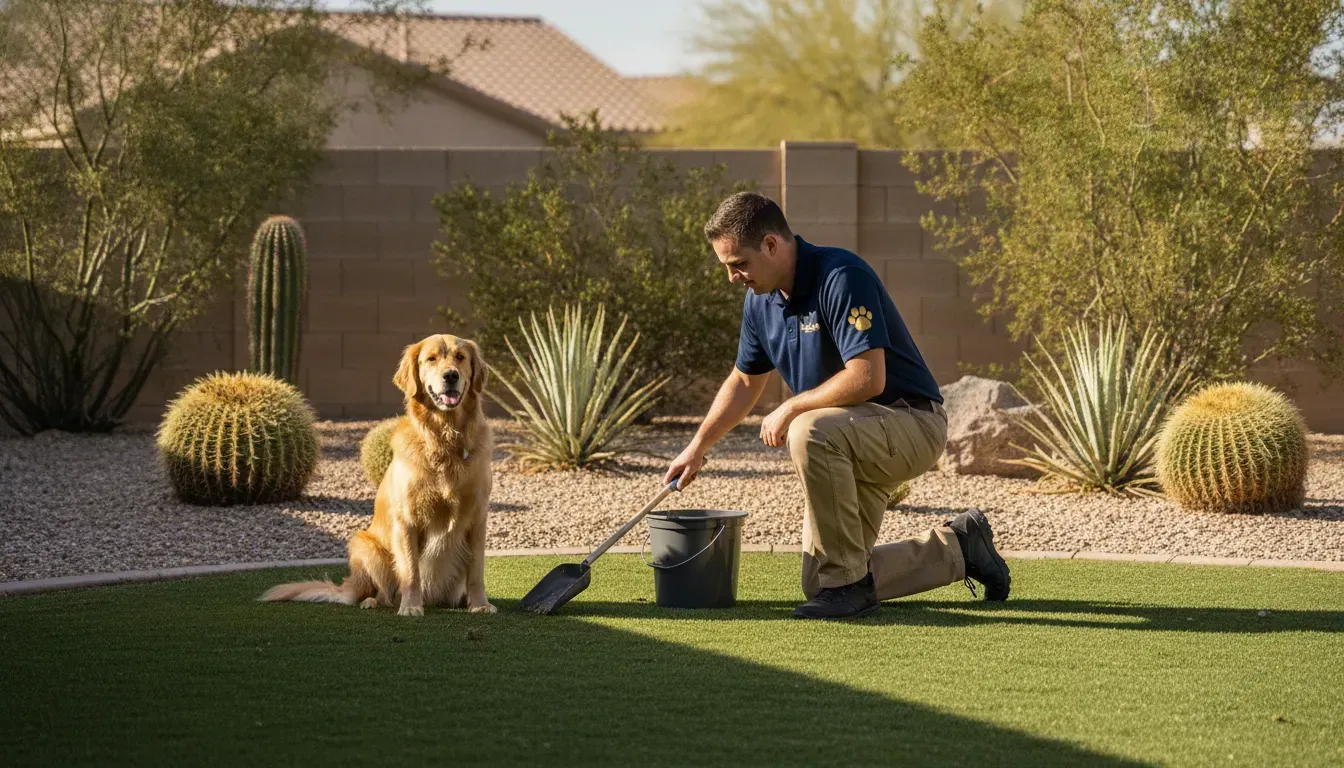
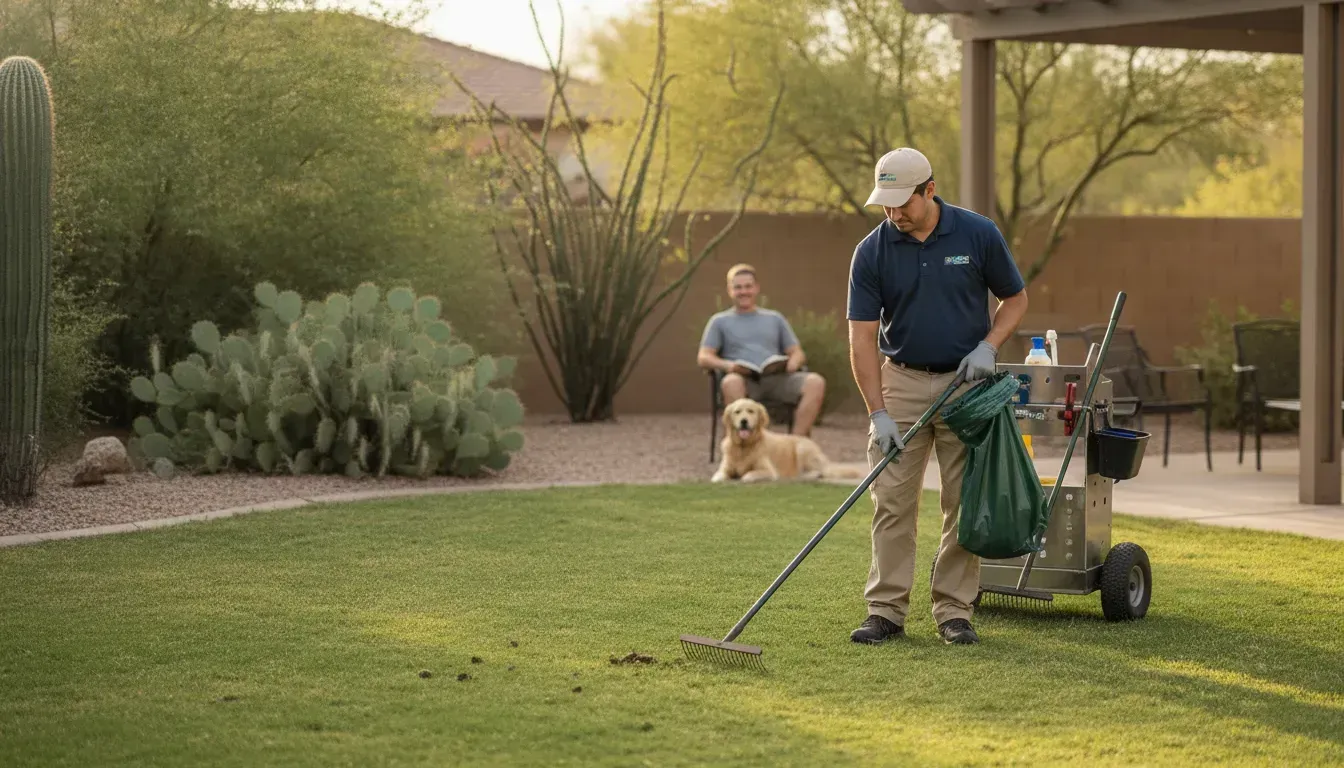
In a Las Vegas yard, a dry surface can make dog waste look harmless long before it has truly broken down. Heat may dry the outside, but it does not make the waste disappear quickly or remove the need for regular cleanup.
Quick answer: How long does dog poop take to decompose? It can take several weeks or even months, depending on moisture, temperature, exposure, and whether the waste is managed in an active composting process. UF/IFAS notes that active composting can take about four to eight weeks, while waste left in a yard may break down much more slowly.
Call A1 Pet Maintenance at (702) 521-2624 Today
Waiting also gives germs and parasite eggs more time to remain in the environment. For a broader, practical cleanup plan, see our Residential Pooper Scooper Service: The Complete Las Vegas Homeowner Guide. The timeline matters, but the conditions around the waste matter just as much.
How Long Does Dog Poop Take to Decompose?
In an ordinary yard, dog poop can take several weeks to many months to break down, and a dry Las Vegas climate can make it linger rather than disappear. The exact timeline depends on moisture, temperature, sun exposure, soil contact, and how much waste is deposited in one place.
Active composting is different from leaving waste on a lawn. University of Florida IFAS guidance describes managed composting as a process that may take roughly four to eight weeks under controlled conditions. That estimate does not mean an untreated dog pile will safely turn into soil in the same time.
For a pile left in a yard, use this as a practical guide:
- Warm and moist conditions: noticeable breakdown may begin in two to four weeks, but residue and microorganisms can remain.
- A temperate yard: six to eight weeks is possible, with complete breakdown often extending into several months.
- Cold or very dry conditions: six to twelve months or longer is possible, especially when deposits accumulate.
In Southern Nevada, visible drying can be misleading. Heat removes moisture from the surface, but it does not create a safe decomposition timeline or remove the need for pickup. The practical answer is to remove dog waste daily rather than wait for weather to finish the job.
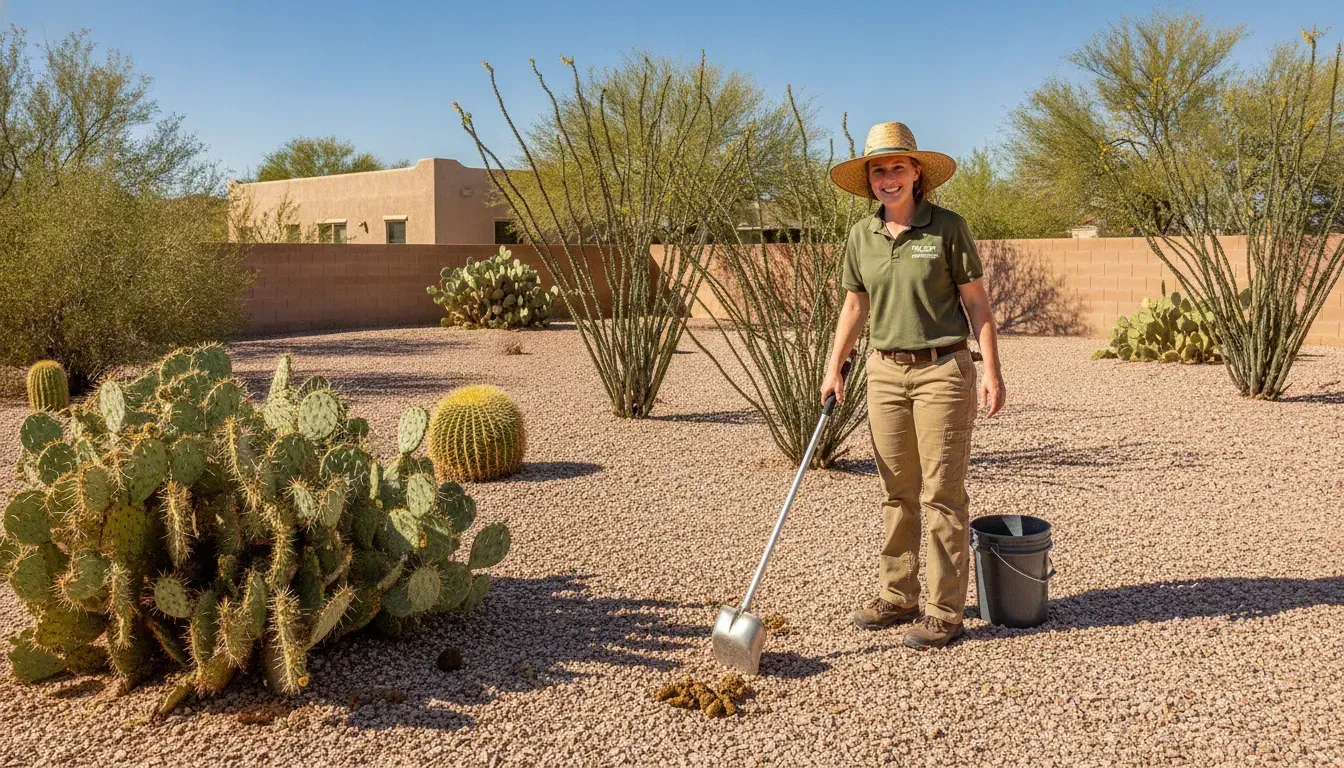
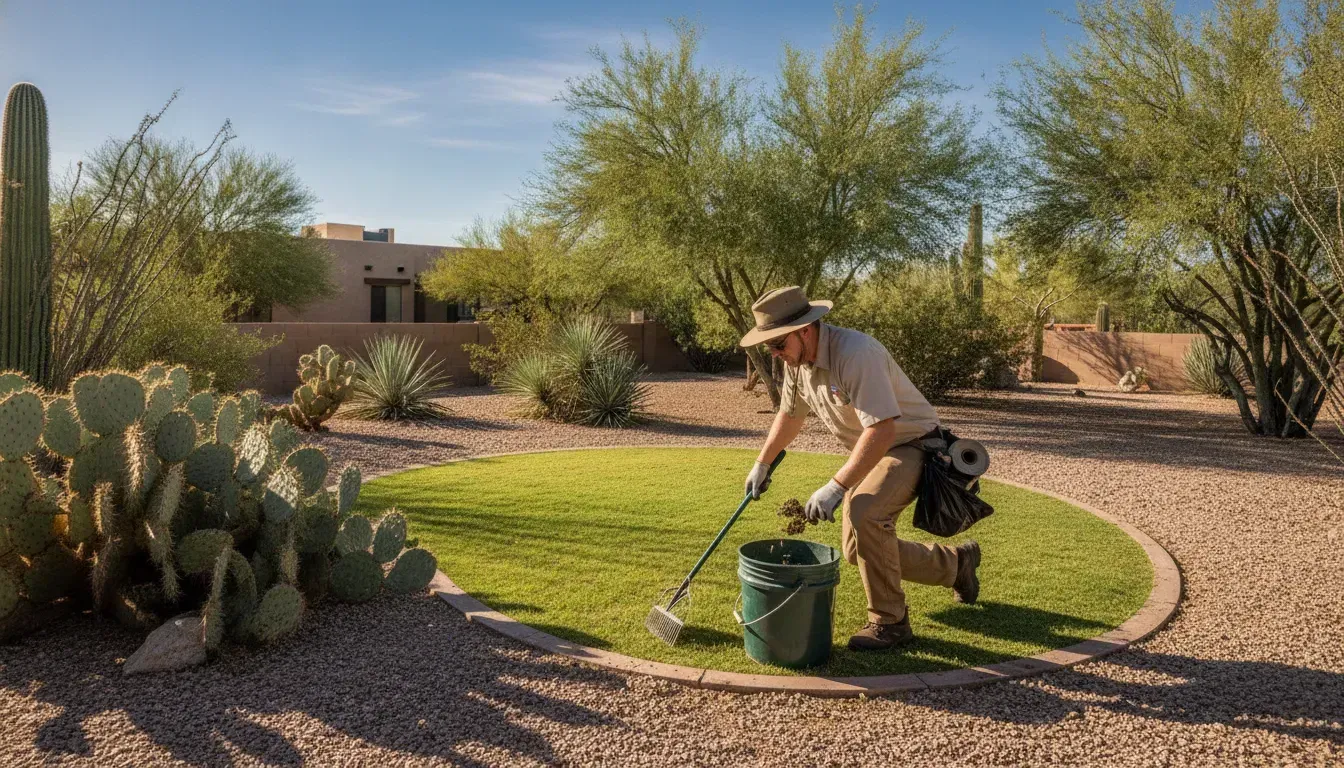
What to do instead: Scoop each deposit, tie it in a bag, place it in the trash, and wash your hands afterward. If regular cleanup is difficult to fit into your schedule, see A1 Pet Maintenance's residential pooper scooper service guide for a practical recurring-service option.
Why Climate Changes the Math
Las Vegas heat can dry the outside of dog waste quickly, but drying is not the same as safe decomposition. In a desert yard, a hardened pile may remain visible for months and can break apart into smaller pieces rather than becoming harmless soil. Wind, irrigation, foot traffic, and runoff can then move contaminated material across the property.
The timing also matters because some parasites become more concerning while waste remains in the environment. The CDC says Toxocara eggs can take two to four weeks to develop into an infective stage. And their protective outer layer can allow them to survive for months or even years under favorable conditions. That means waiting for a pile to vanish is not a reliable cleanup strategy.
The safest approach is routine removal rather than relying on weather. The CDC recommends picking up pet waste daily, bagging it, and disposing of it in the trash. In Southern Nevada, frequent dog poop pickup helps keep waste from accumulating through the long, dry months.
Learn more about how toxocariasis spreads from the CDC, and review the University of Florida IFAS guidance on composting dog waste before considering any composting method.
What Happens to Your Lawn If Dog Waste Sits Too Long?
Dog waste does not act like a harmless lawn fertilizer. As it sits, concentrated nutrients can damage grass, while moisture, odor, insects, and microorganisms create a growing cleanup problem. In Southern Nevada, dry conditions may make waste look less noticeable, but they do not make it safe to leave behind.
One gram of dog waste is commonly cited as containing about 23 million fecal coliform bacteria. That does not mean every patch creates the same level of exposure. But it does explain why prompt dog poop pickup matters for yards used by people and pets.
- Brown or yellow burn spots where nitrogen is concentrated.
- Grass thinning or die-off beneath repeated waste deposits.
- Persistent foul odor, especially after watering or rain.
- More flies and other pests around accumulated waste.
- Visible residue or contaminated soil in high-use areas.
How Pathogens Survive on Your Grass
Dog feces can carry harmful germs, and parasite eggs do not necessarily disappear when the waste dries. According to the CDC, roundworm eggs shed in dog feces can develop into an infective stage in the environment in 2 to 4 weeks. Those eggs have a protective outer layer that may allow them to survive for months or even years under favorable conditions.
That timeline is one reason waiting for a pile to break down naturally is not a reliable sanitation plan. People and pets can track contaminated material through a yard, particularly around play areas, walkways, and places where dogs regularly relieve themselves. For a closer look at the broader health risks of dog waste in your yard, review the related A1 Pet Maintenance guide.
Regular removal limits the time waste remains on the lawn and reduces the buildup that contributes to odor, lawn damage, and pest activity. Bagging and disposing of it properly is more dependable than assuming heat, dryness, or natural decomposition will resolve the problem.
Why Las Vegas Heat Accelerates the Odor and Bacteria Problem
Las Vegas summers create a misleading cleanup problem. In a dry, intensely hot backyard, dog waste can lose moisture quickly and appear to shrink into the turf or concrete. That visual change may suggest the waste is disappearing, but drying is not the same as decomposition. Organic residue, odor compounds, and pathogens can remain after the surface looks less noticeable.
Dry Heat Dries Out Waste, Not the Risk
Roundworm eggs are a useful example of why the desert does not simply take care of pet waste. The CDC explains that Toxocara eggs develop into an infective stage in about two to four weeks in the environment. Their strong protective layer can then help them survive for months or even years under the right conditions. In other words, a hard, dry piece of waste is not proof that the biological risk has ended.
For dog owners tracking how long a deposit stays in the yard, the practical answer is that visible drying does not provide a safe timeline. Leaving waste in place can allow residue and microscopic contamination to accumulate, particularly in yards where several dogs use the same areas. The CDC recommends picking up pet waste daily and bagging it for disposal.
- Drying happens at the surface. Heat removes moisture quickly, while protected material and parasite eggs can remain in cracks, turf fibers, or soil.
- Artificial turf holds residue differently. Waste can press into seams, backing, and infill instead of breaking down into clean soil.
- Baked-on waste becomes harder to remove. Heat can make residue stick to synthetic grass, concrete, pavers, and kennel surfaces.
- Odor can intensify faster. Warm conditions help release unpleasant smells, especially when waste accumulates in a confined yard.
- Flies and pests find concentrated waste. A neglected area can become more attractive to insects and other nuisance pests.
Artificial-turf-heavy backyards need more than a quick visual inspection. Regular pickup removes the source before it dries into the surface, while specialized artificial grass cleaning and deodorizing can address residue and odor on synthetic surfaces. These steps support a cleaner yard without claiming that heat, water, or deodorizer can eliminate every biological concern.
Daily removal is the simplest desert-weather strategy: pick up what is visible, inspect favorite potty areas closely, and dispose of waste properly. Waiting for the Las Vegas climate to finish the job only makes the remaining cleanup less predictable.
Source: CDC guidance on how toxocariasis spreads.
Is Dog Waste a Fertilizer? The Myth Explained
No, dog waste is not a good fertilizer for a lawn. Although it is organic material, that does not make it safe, useful, or appropriate to leave in the grass. Dog manure has a different nutrient profile from plant-based manure, and it can carry pathogens that remain a concern after the waste dries.
Why the Fertilizer Myth Persists
- It is small: One pile may look too insignificant to affect a yard, but repeated deposits create a concentrated waste problem.
- It changes color: As moisture evaporates, the waste may look like it is disappearing. Drying is not the same as safe decomposition.
- It is organic: Organic describes the material's origin, not whether it provides balanced nutrients or is safe for direct lawn use.
The comparison below explains why dog waste should not be treated like a lawn amendment.
Dog waste compared with common fertilizer materialsMaterialNutrient profilePathogen riskSafe for direct lawn use?Dog wasteDifferent from plant-based manure and not a dependable lawn nutrient source.Can contain harmful germs and parasite eggs.No.Cow or plant manureMay provide organic matter and nutrients after appropriate treatment.Still requires proper composting or aging.Not fresh or untreated.Synthetic fertilizerManufactured with a stated nutrient analysis for specific applications.Not a fecal pathogen source, but misuse can damage grass or soil.Only when selected and applied as directed.
Why Backyard Composting Is Not a Shortcut
The UF/IFAS guidance on composting dog waste warns that dog manure cannot simply be added to a regular compost pile and assumed safe. Standard backyard piles may not reach the temperatures needed to reduce pathogens. Managed dog-waste composting generally targets at least 140 degrees F, along with careful management and monitoring.
Specialist composting systems can exist, but they are not a casual backyard solution. For ordinary lawn care. Prompt dog poop pickup and proper disposal are safer and more practical than waiting for waste to break down or trying to turn it into fertilizer.
Q: Can I leave dog poop in my yard to act as fertilizer?
A: No. Dog waste does not provide reliable benefits for lawn grass, and it may harbor harmful bacteria and parasites. Remove it instead of letting it accumulate.
How Regular Pickup Prevents Lawn and Soil Damage
Regular pickup is the only reliable answer when you want to protect a yard from accumulating waste. Waiting for nature to break down dog poop can be a months-long gamble, especially when waste is left in one concentrated area. Drying does not make every germ disappear, and repeated deposits can leave your lawn, soil, artificial turf, and patio exposed to contamination.
The CDC advises picking up pet waste daily, or at least regularly, then bagging it and placing it in the trash. Dog feces can carry germs associated with illnesses ranging from minor skin infections to serious diseases. Follow this simple weekly sanitation routine:
- Walk the yard daily or follow a set schedule. Check the areas where your dog usually plays, rests, or does its business. A consistent route makes missed waste less likely and prevents small deposits from becoming a larger cleanup.
- Scoop each deposit into a bag. Use a sturdy waste bag and avoid touching the ground, grass, or scoop handle unnecessarily. If waste has been sitting in the sun, handle it carefully because dry material can still carry harmful germs.
- Tie the bag and dispose of it in the trash. Do not place dog waste in a compost bin or yard-waste container. Standard garden compost may not reach the temperature needed to reduce pathogens safely, so proper bagging and trash disposal are the practical choice.
- Spot-check artificial turf and patios each week. Waste can be harder to notice on synthetic grass, pavers, or other hard surfaces. Inspect corners, pet areas, and places where runoff may collect, then remove any residue according to the surface's care requirements.
- Wash your hands after handling waste. The CDC recommends washing with soap and running water after contact with dog poop, even when you used a bag. If soap and water are not immediately available, use hand sanitizer until you can wash thoroughly.
For busy households, A1 Pet Maintenance removes the chore from the weekly calendar. The Southern Nevada company has more than 26 years of experience, services 400+ properties each week, and offers weekly or twice-weekly pooper scooper service with no contract. That dependable schedule helps keep waste from accumulating between cleanups. Start with our Residential Pooper Scooper Service: The Complete Las Vegas Homeowner Guide to see how a regular plan works. Or learn more about professional dog poop removal and choose the frequency that fits your yard and pets.
Call A1 Pet Maintenance at (702) 521-2624 Today
Frequently Asked Questions
How long does it take for dog poop to decompose naturally?
There is no single timeline. Dog waste may break down over several weeks or months, depending on moisture, temperature, sunlight, and the amount left in one area. Active composting guidance gives a 4-8 week timeline for reaching a crumbly, dirt-like mixture, but ordinary yard waste does not receive the same controlled conditions. University of Florida guidance supports treating the timeline as variable rather than waiting for waste to disappear.
Does Las Vegas weather make dog waste decompose faster?
Las Vegas heat can dry the surface quickly, but dry does not mean safely decomposed. The CDC reports that Toxocara roundworm eggs can survive for months or even years under favorable conditions. Desert conditions may change the appearance and odor of waste without eliminating the underlying sanitation concern. Regular pickup remains the safer routine.
Can I leave dog poop in my yard as fertilizer?
No. Dog waste should not be treated like a lawn fertilizer or added casually to a standard backyard compost pile. Standard composting may not reach the 140 degrees F typically needed to reduce pathogens effectively. Bag waste and place it in the trash instead of working it into soil or spreading it across the lawn.
How often should I pick up dog poop?
Daily pickup is the best baseline, especially in a busy yard, shared outdoor space, or home with children and multiple pets. The CDC recommends picking up pet waste daily, bagging it, and disposing of it in the trash. Afterward, wash your hands with soap and running water, even if you used a bag.
Ready to make regular cleanup easier?
Consistent pet waste removal helps keep your yard more manageable and gives you one less weekly chore to remember. A1 Pet Maintenance offers flexible weekly and twice-weekly pooper scooper service for Las Vegas-area dog owners. Sign up for service today and choose a pickup schedule that fits your household. Keeping routine dog poop cleanup off your to-do list starts with a simple sign-up form.
In a Las Vegas yard, a dry surface can make dog waste look harmless long before it has truly broken down. Heat may dry the outside, but it does not make the waste disappear quickly or remove the need for regular cleanup.
Quick answer: How long does dog poop take to decompose? It can take several weeks or even months, depending on moisture, temperature, exposure, and whether the waste is managed in an active composting process. UF/IFAS notes that active composting can take about four to eight weeks, while waste left in a yard may break down much more slowly.
Waiting also gives germs and parasite eggs more time to remain in the environment. For a broader, practical cleanup plan, see our Residential Pooper Scooper Service: The Complete Las Vegas Homeowner Guide. The timeline matters, but the conditions around the waste matter just as much.
How Long Does Dog Poop Take to Decompose?
How long does dog poop take to decompose? Under typical yard conditions, it can take several weeks to a year or more to fully break down. In a Las Vegas yard left alone, dog waste often lingers for months because dry desert conditions slow natural decomposition. Even when the surface appears hard and dried out.
The Short Answer Depends on the Environment
There is no single timeline for every lawn. Moisture, temperature, sunlight, soil contact, and the amount of waste all affect how quickly it changes. A managed composting process is different from leaving a pile in the grass. The University of Florida IFAS explains that active composting can produce a crumbly. Dirt-like mixture in about four to eight weeks, but that result depends on controlled conditions, proper materials, and active management. It is not a promise that a dog pile will disappear from an ordinary backyard.
For a waste pile sitting in a yard, a practical range looks like this:
- Warm and moist conditions: roughly two to four weeks for noticeable breakdown, although residue and organisms may remain.
- A temperate yard: about six to eight weeks, potentially extending into several months.
- Cold or very dry conditions: six to twelve months or longer.
Some yard-cleanup guidance places unattended dog waste at nine to twelve months or more before it fully disappears. That estimate is especially relevant when repeated deposits accumulate faster than weather can break them down.
Why Climate Changes the Math
Las Vegas heat can dry the outside of dog waste quickly, but drying is not the same as safe decomposition. In a desert yard, a hardened pile may remain visible for months and can break apart into smaller pieces rather than becoming harmless soil. Wind, irrigation, foot traffic, and runoff can then move contaminated material across the property.
The timing also matters because some parasites become more concerning while waste remains in the environment. The CDC says Toxocara eggs can take two to four weeks to develop into an infective stage. And their protective outer layer can allow them to survive for months or even years under favorable conditions. That means waiting for a pile to vanish is not a reliable cleanup strategy.
The safest approach is routine removal rather than relying on weather. The CDC recommends picking up pet waste daily, bagging it, and disposing of it in the trash. In Southern Nevada, frequent dog poop pickup helps keep waste from accumulating through the long, dry months.
Learn more about how toxocariasis spreads from the CDC, and review the University of Florida IFAS guidance on composting dog waste before considering any composting method.
What Happens to Your Lawn If Dog Waste Sits Too Long?
Dog waste does not act like a harmless lawn fertilizer. As it sits, concentrated nutrients can damage grass, while moisture, odor, insects, and microorganisms create a growing cleanup problem. In Southern Nevada, dry conditions may make waste look less noticeable, but they do not make it safe to leave behind.
One gram of dog waste is commonly cited as containing about 23 million fecal coliform bacteria. That does not mean every patch creates the same level of exposure. But it does explain why prompt dog poop pickup matters for yards used by people and pets.
- Brown or yellow burn spots where nitrogen is concentrated.
- Grass thinning or die-off beneath repeated waste deposits.
- Persistent foul odor, especially after watering or rain.
- More flies and other pests around accumulated waste.
- Visible residue or contaminated soil in high-use areas.
How Pathogens Survive on Your Grass
Dog feces can carry harmful germs, and parasite eggs do not necessarily disappear when the waste dries. According to the CDC, roundworm eggs shed in dog feces can develop into an infective stage in the environment in 2 to 4 weeks. Those eggs have a protective outer layer that may allow them to survive for months or even years under favorable conditions.
That timeline is one reason waiting for a pile to break down naturally is not a reliable sanitation plan. People and pets can track contaminated material through a yard, particularly around play areas, walkways, and places where dogs regularly relieve themselves. For a closer look at the broader health risks of dog waste in your yard, review the related A1 Pet Maintenance guide.
Regular removal limits the time waste remains on the lawn and reduces the buildup that contributes to odor, lawn damage, and pest activity. Bagging and disposing of it properly is more dependable than assuming heat, dryness, or natural decomposition will resolve the problem.
Why Las Vegas Heat Accelerates the Odor and Bacteria Problem
Las Vegas summers create a misleading cleanup problem. In a dry, intensely hot backyard, dog waste can lose moisture quickly and appear to shrink into the turf or concrete. That visual change may suggest the waste is disappearing, but drying is not the same as decomposition. Organic residue, odor compounds, and pathogens can remain after the surface looks less noticeable.
Dry Heat Dries Out Waste, Not the Risk
Roundworm eggs are a useful example of why the desert does not simply take care of pet waste. The CDC explains that Toxocara eggs develop into an infective stage in about two to four weeks in the environment. Their strong protective layer can then help them survive for months or even years under the right conditions. In other words, a hard, dry piece of waste is not proof that the biological risk has ended.
For dog owners tracking how long a deposit stays in the yard, the practical answer is that visible drying does not provide a safe timeline. Leaving waste in place can allow residue and microscopic contamination to accumulate, particularly in yards where several dogs use the same areas. The CDC recommends picking up pet waste daily and bagging it for disposal.
- Drying happens at the surface. Heat removes moisture quickly, while protected material and parasite eggs can remain in cracks, turf fibers, or soil.
- Artificial turf holds residue differently. Waste can press into seams, backing, and infill instead of breaking down into clean soil.
- Baked-on waste becomes harder to remove. Heat can make residue stick to synthetic grass, concrete, pavers, and kennel surfaces.
- Odor can intensify faster. Warm conditions help release unpleasant smells, especially when waste accumulates in a confined yard.
- Flies and pests find concentrated waste. A neglected area can become more attractive to insects and other nuisance pests.
Artificial-turf-heavy backyards need more than a quick visual inspection. Regular pickup removes the source before it dries into the surface, while specialized artificial grass cleaning and deodorizing can address residue and odor on synthetic surfaces. These steps support a cleaner yard without claiming that heat, water, or deodorizer can eliminate every biological concern.
Daily removal is the simplest desert-weather strategy: pick up what is visible, inspect favorite potty areas closely, and dispose of waste properly. Waiting for the Las Vegas climate to finish the job only makes the remaining cleanup less predictable.
Source: CDC guidance on how toxocariasis spreads.
Is Dog Waste a Fertilizer? The Myth Explained
No, dog waste is not a good fertilizer for a lawn. Although it is organic material, that does not make it safe, useful, or appropriate to leave in the grass. Dog manure has a different nutrient profile from plant-based manure, and it can carry pathogens that remain a concern after the waste dries.
Why the Fertilizer Myth Persists
- It is small: One pile may look too insignificant to affect a yard, but repeated deposits create a concentrated waste problem.
- It changes color: As moisture evaporates, the waste may look like it is disappearing. Drying is not the same as safe decomposition.
- It is organic: Organic describes the material's origin, not whether it provides balanced nutrients or is safe for direct lawn use.
The comparison below explains why dog waste should not be treated like a lawn amendment.
At-a-glance comparison:
Dog waste compared with common fertilizer materials
- Dog waste: Different from plant-based manure and not a dependable lawn nutrient source. | Can contain harmful germs and parasite eggs. | No.
- Cow or plant manure: May provide organic matter and nutrients after appropriate treatment. | Still requires proper composting or aging. | Not fresh or untreated.
- Synthetic fertilizer: Manufactured with a stated nutrient analysis for specific applications. | Not a fecal pathogen source, but misuse can damage grass or soil. | Only when selected and applied as directed.
Why Backyard Composting Is Not a Shortcut
The UF/IFAS guidance on composting dog waste warns that dog manure cannot simply be added to a regular compost pile and assumed safe. Standard backyard piles may not reach the temperatures needed to reduce pathogens. Managed dog-waste composting generally targets at least 140 degrees F, along with careful management and monitoring.
Specialist composting systems can exist, but they are not a casual backyard solution. For ordinary lawn care. Prompt dog poop pickup and proper disposal are safer and more practical than waiting for waste to break down or trying to turn it into fertilizer.
Q: Can I leave dog poop in my yard to act as fertilizer?
A: No. Dog waste does not provide reliable benefits for lawn grass, and it may harbor harmful bacteria and parasites. Remove it instead of letting it accumulate.
How Regular Pickup Prevents Lawn and Soil Damage
Regular pickup is the only reliable answer when you want to protect a yard from accumulating waste. Waiting for nature to break down dog poop can be a months-long gamble, especially when waste is left in one concentrated area. Drying does not make every germ disappear, and repeated deposits can leave your lawn, soil, artificial turf, and patio exposed to contamination.
The CDC advises picking up pet waste daily, or at least regularly, then bagging it and placing it in the trash. Dog feces can carry germs associated with illnesses ranging from minor skin infections to serious diseases. Follow this simple weekly sanitation routine:
- Walk the yard daily or follow a set schedule. Check the areas where your dog usually plays, rests, or does its business. A consistent route makes missed waste less likely and prevents small deposits from becoming a larger cleanup.
- Scoop each deposit into a bag. Use a sturdy waste bag and avoid touching the ground, grass, or scoop handle unnecessarily. If waste has been sitting in the sun, handle it carefully because dry material can still carry harmful germs.
- Tie the bag and dispose of it in the trash. Do not place dog waste in a compost bin or yard-waste container. Standard garden compost may not reach the temperature needed to reduce pathogens safely, so proper bagging and trash disposal are the practical choice.
- Spot-check artificial turf and patios each week. Waste can be harder to notice on synthetic grass, pavers, or other hard surfaces. Inspect corners, pet areas, and places where runoff may collect, then remove any residue according to the surface's care requirements.
- Wash your hands after handling waste. The CDC recommends washing with soap and running water after contact with dog poop, even when you used a bag. If soap and water are not immediately available, use hand sanitizer until you can wash thoroughly.
For busy households, A1 Pet Maintenance removes the chore from the weekly calendar. The Southern Nevada company has more than 26 years of experience, services 400+ properties each week, and offers weekly or twice-weekly pooper scooper service with no contract. That dependable schedule helps keep waste from accumulating between cleanups. Start with our Residential Pooper Scooper Service: The Complete Las Vegas Homeowner Guide to see how a regular plan works. Or learn more about professional dog poop removal and choose the frequency that fits your yard and pets.
Frequently Asked Questions
How long does it take for dog poop to decompose naturally?
There is no single timeline. Dog waste may break down over several weeks or months, depending on moisture, temperature, sunlight, and the amount left in one area. Active composting guidance gives a 4-8 week timeline for reaching a crumbly, dirt-like mixture, but ordinary yard waste does not receive the same controlled conditions. University of Florida guidance supports treating the timeline as variable rather than waiting for waste to disappear.
Does Las Vegas weather make dog waste decompose faster?
Las Vegas heat can dry the surface quickly, but dry does not mean safely decomposed. The CDC reports that Toxocara roundworm eggs can survive for months or even years under favorable conditions. Desert conditions may change the appearance and odor of waste without eliminating the underlying sanitation concern. Regular pickup remains the safer routine.
Can I leave dog poop in my yard as fertilizer?
No. Dog waste should not be treated like a lawn fertilizer or added casually to a standard backyard compost pile. Standard composting may not reach the 140 degrees F typically needed to reduce pathogens effectively. Bag waste and place it in the trash instead of working it into soil or spreading it across the lawn.
How often should I pick up dog poop?
Daily pickup is the best baseline, especially in a busy yard, shared outdoor space, or home with children and multiple pets. The CDC recommends picking up pet waste daily, bagging it, and disposing of it in the trash. Afterward, wash your hands with soap and running water, even if you used a bag.
Ready to make regular cleanup easier?
Consistent pet waste removal helps keep your yard more manageable and gives you one less weekly chore to remember. A1 Pet Maintenance offers flexible weekly and twice-weekly pooper scooper service for Las Vegas-area dog owners. Sign up for service today and choose a pickup schedule that fits your household. Keeping routine dog poop cleanup off your to-do list starts with a simple sign-up form.