Combo pet waste station: Service Options and Planning Guide
Plan a combo pet waste station for a cleaner shared space. Compare layouts, placement, upkeep, and pet waste service options for your property.

A combo pet waste station pairs a dog waste bag dispenser with a nearby receptacle, giving people one convenient place to pick up and dispose of waste. For a property manager, the right setup depends on where residents walk, how many stations the site needs, who maintains them, and how collected waste is handled. A station helps make disposal easier, but it works best as part of a clear property-wide plan.
What Is a Combo Pet Waste Station, and How Should You Plan One?
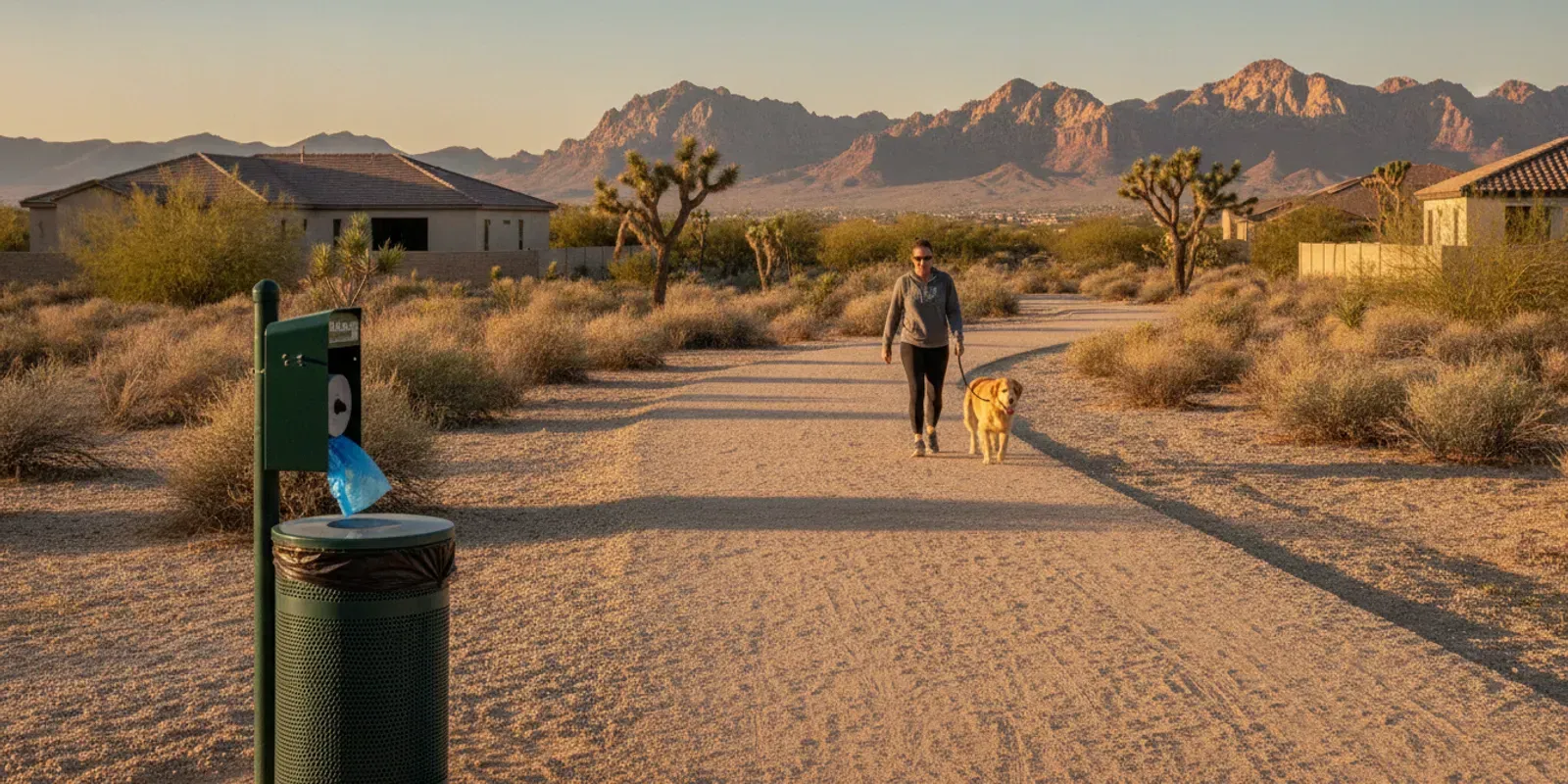
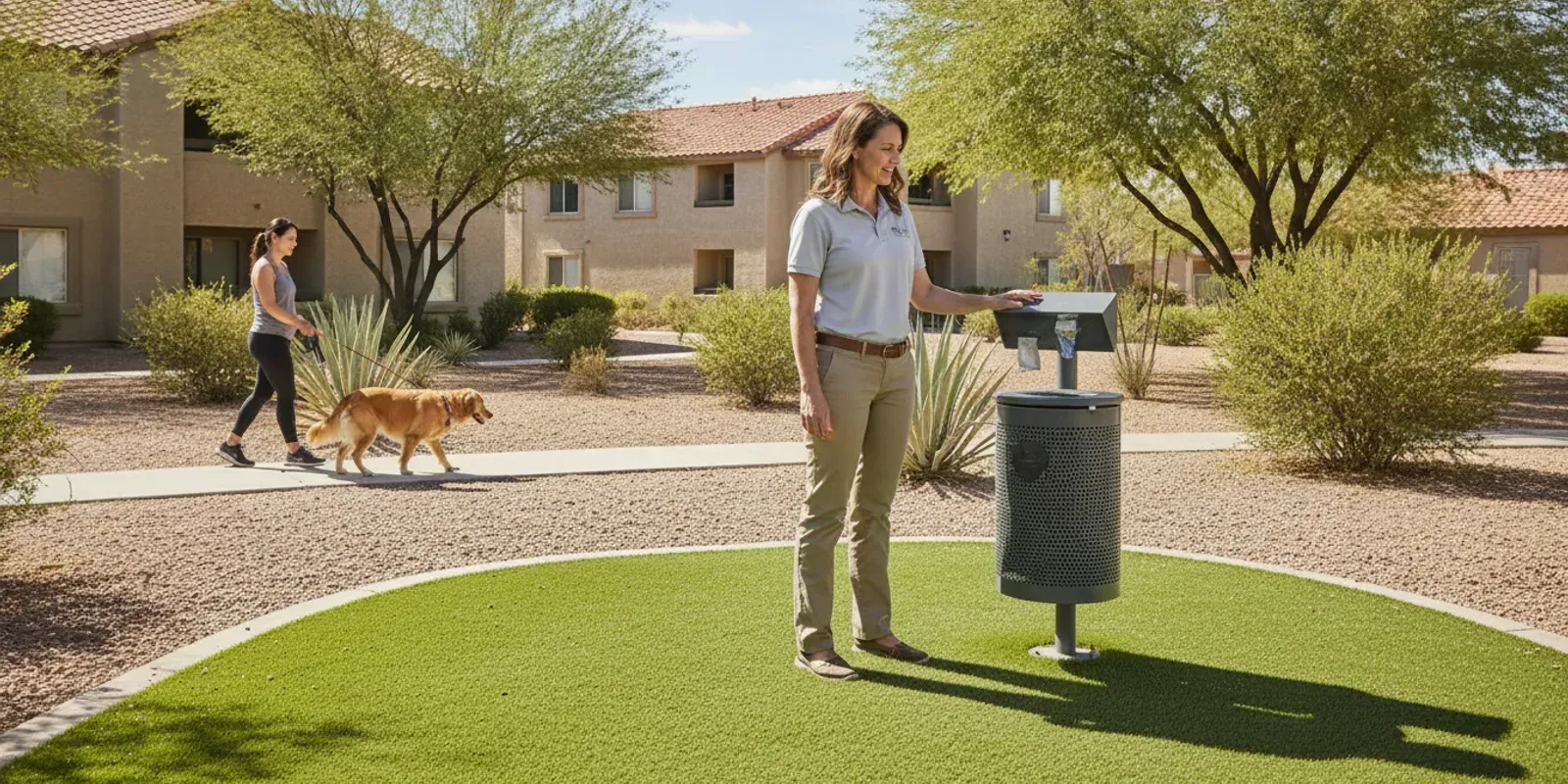
A combo pet waste station is a single location that provides both pickup bags and a disposal bin. It differs from a bag-only dispenser or a standalone trash can because it brings the two parts of cleanup together. The station is a practical amenity for apartments, HOAs, parks, and other shared outdoor spaces where dogs regularly pass through.
Planning is about more than choosing a dispenser and bin. A useful plan connects placement, access, refill checks, waste collection, and resident communication. If any one of these pieces is missing, the station may be empty, hard to find, or overflowing. Treat the unit as one point in a site-wide pet waste system, rather than a complete solution on its own.
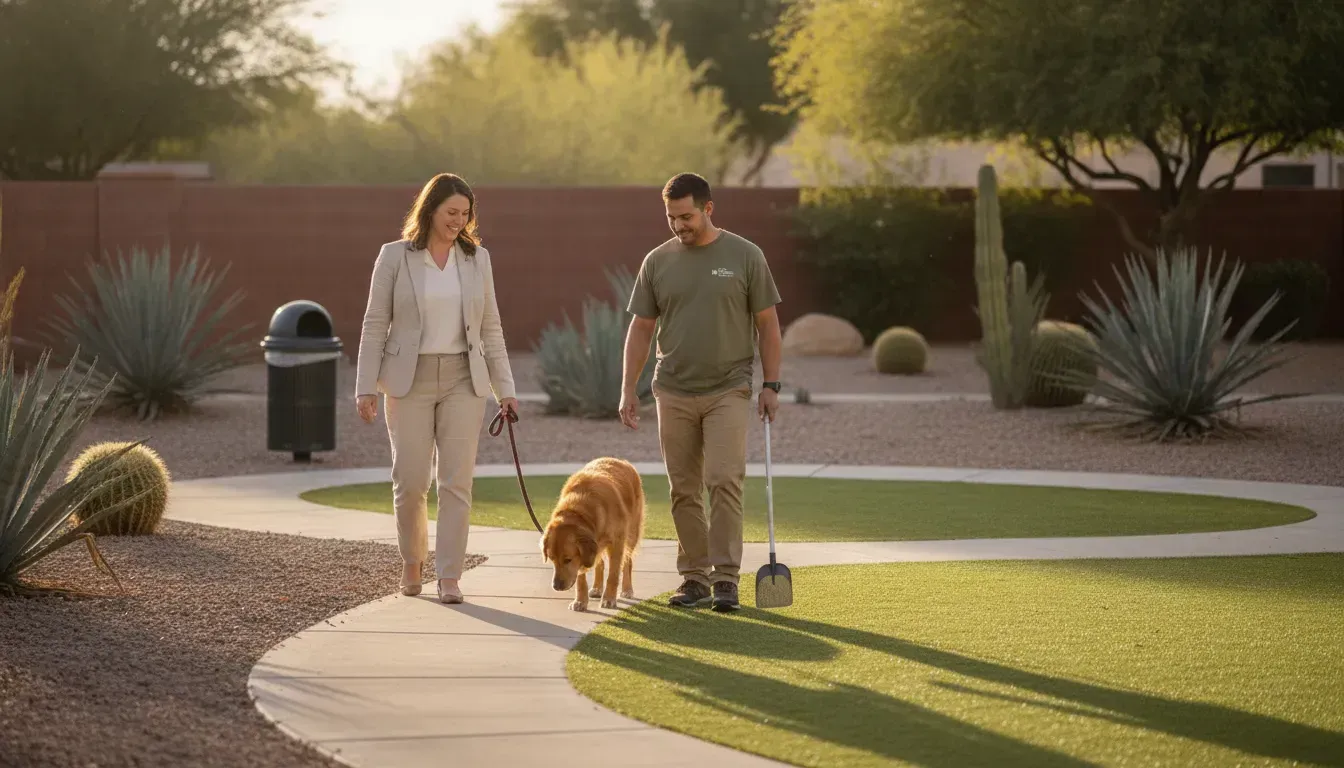
Start by mapping the routes people and dogs actually use. Look at entrances, sidewalks, common lawns, play areas, and the path to the designated dog area. Then identify where residents naturally need a bag or a disposal point. Avoid placing a station where it blocks a walkway or creates an obstacle for maintenance and accessibility.
Which Properties Benefit From a Combo Pet Waste Station?
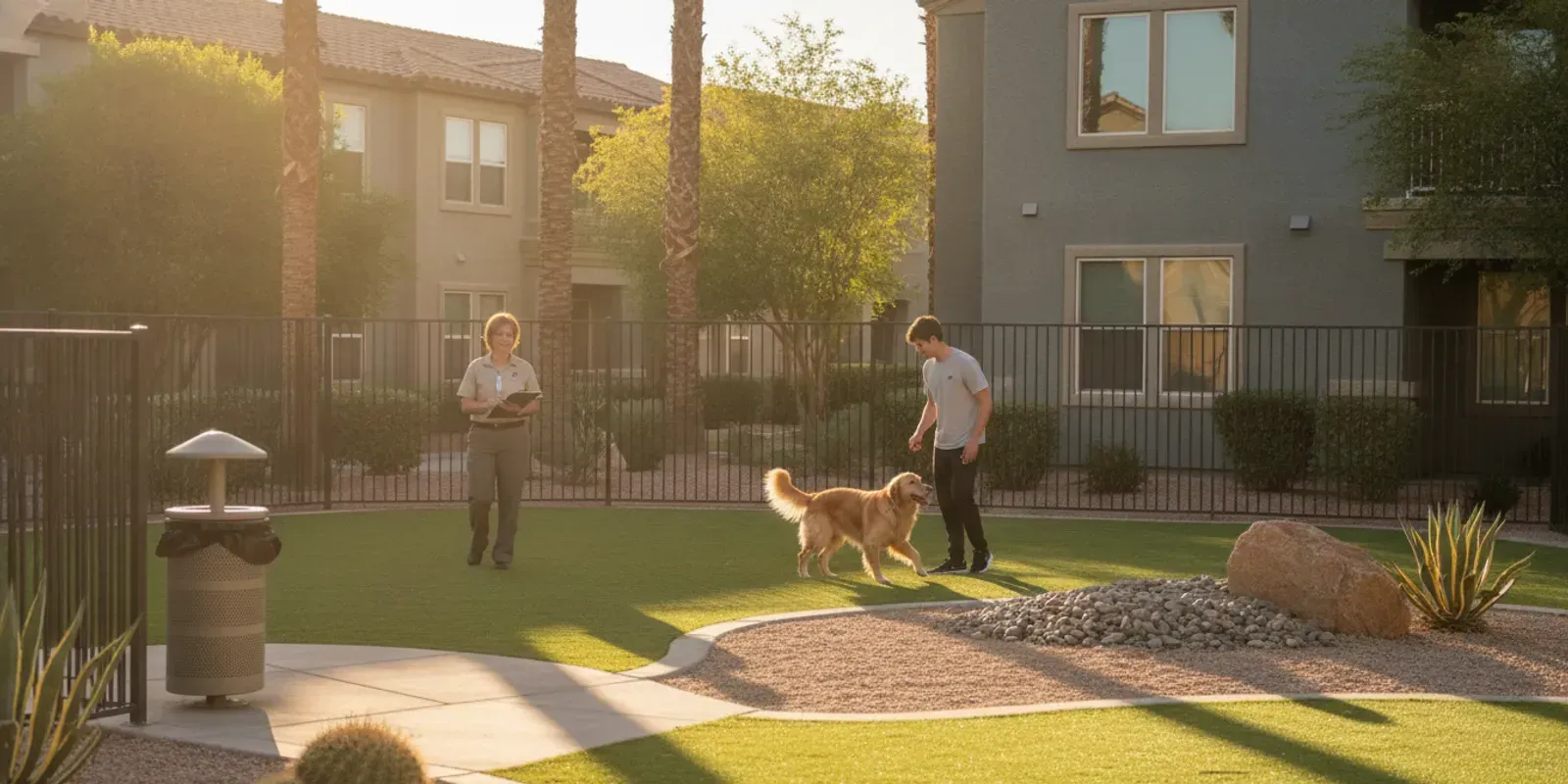
Shared spaces with regular dog traffic are the clearest fit. Apartment communities and HOAs may use a station to make cleanup more convenient along common walking routes. Public-facing parks and community areas may also need a visible, easy-to-use point for bags and disposal. The right number and location depend on the grounds and how people move through them; one station is not automatically enough for every property.
Before selecting equipment, consider how the site is used during different parts of the day. Is there one main dog-walking loop, or several entrances and paths? Do residents tend to gather near a lawn or pet area? Are there locations where people already stop to look for a bin? A short site walk and a simple map can reveal practical station locations better than choosing them from a floor plan alone.
For a broader approach to shared spaces, see A1âs community pet waste solutions. That resource can help property teams think beyond individual hardware and consider the maintenance needs of the whole property.
 What Should You Check Before Choosing the Station?
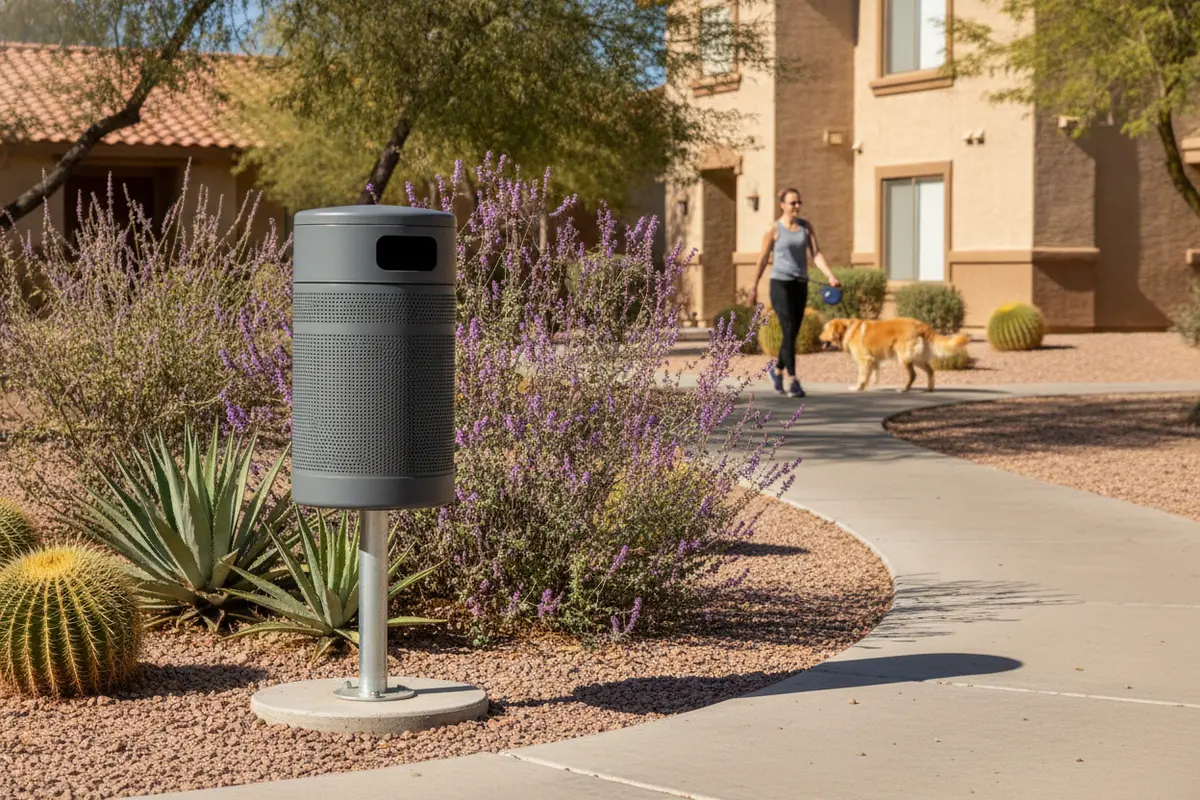
Compare equipment based on how it will be used and maintained, not appearance alone. A well-planned unit should be straightforward for a resident to use and straightforward for the assigned team to inspect, refill, and empty. Ask vendors to confirm the productâs capacity, mounting requirements, weather suitability, and replacement-part availability. Check whether bags and waste liners are standard sizes or require a specific refill.
- Dispenser access: Check that a user can retrieve a bag without difficulty and that the refill method is clear to the person responsible for supplies.
- Bin opening and capacity: Make sure the receptacle is suited to how much waste your site expects between service checks. A small bin in a busy area may need more frequent attention.
- Mounting and location: Confirm whether the unit is freestanding or needs a fixed surface, and verify that the proposed position does not narrow a path.
- Durability and upkeep: Ask what routine cleaning, part replacement, and weather-related checks are needed.
- Waste handling: Decide who removes the collected waste and where it goes. A full bin without a reliable collection routine can undermine the station.
Installation and ongoing service are related but separate decisions. A property may buy or install hardware through one provider and arrange recurring grounds maintenance through another. A1 Pet Maintenance provides commercial pet waste maintenance; confirm the specific scope with the provider rather than assuming that a station purchase includes installation, bag refills, or bin servicing. A1âs commercial property pet waste service page is a useful starting point for discussing property needs.
How Do Station Setups Compare?
Use the comparison below to match the setup to the site. It is a planning framework, not a quote or a claim that one layout suits every property. Station counts, equipment, and upkeep should be confirmed after reviewing the grounds and expected use.
SetupWhat it providesBest fitMain planning questionBag dispenser onlyBags at a convenient pickup point; disposal is handled elsewhere.A route where a suitable trash bin is already nearby.Is the disposal point easy to find and practical to reach?Standalone receptacleA place to discard waste; users must bring their own bags.A spot that needs a disposal option next to an existing bag source.Will people know where to get a bag before they need the bin?Combo stationA bag dispenser and waste receptacle at one location.A dog-walking route without a convenient existing pickup-and-disposal point.Who will inspect, refill, empty, and report problems?Several coordinated stationsMultiple pickup-and-disposal points across a larger or divided site.A property with separate entrances, loops, or dog-use areas.Are locations spaced around actual paths, and is each included in an upkeep plan?
A combo station can reduce the effort of finding separate bags and bins, but location and upkeep still determine whether the setup is useful. If a property has an established trash receptacle beside the route, a bag dispenser may be enough. If the site has several distinct walking areas, a coordinated set of stations may be easier for residents to use than one central unit.
Where Should You Place a Combo Pet Waste Station?
Place stations where they fit naturally into dog-walking routes. Prioritize accessible common paths and locations where people can stop without blocking others. The station should be visible enough to find, but it should not interfere with entrances, seating, play spaces, or routine grounds work. Do not place it so far from a route that residents are unlikely to carry waste to it.
Walk the property from a residentâs perspective. Follow the route from a building entrance to the outdoor area, then back toward the exit. Note where a person would reasonably want a bag and where they would carry a tied waste bag afterward. Repeat the walk on other routes if the property has multiple buildings or shared areas. A map can help capture these observations and make it easier to explain why each station is proposed.
Review placement with the people responsible for site operations. They can flag access, servicing, or landscape issues that may not be obvious during a quick walk-through. If the property has rules or design standards for common areas, check them before equipment is ordered or mounted. For public-space projects, funding and program rules vary by location. For example, the Northern Virginia pet waste station program describes grants for qualifying applicants in its region; it is not a guide to local eligibility in Southern Nevada or Tucson.
 How Do You Keep the Station Useful After Installation?
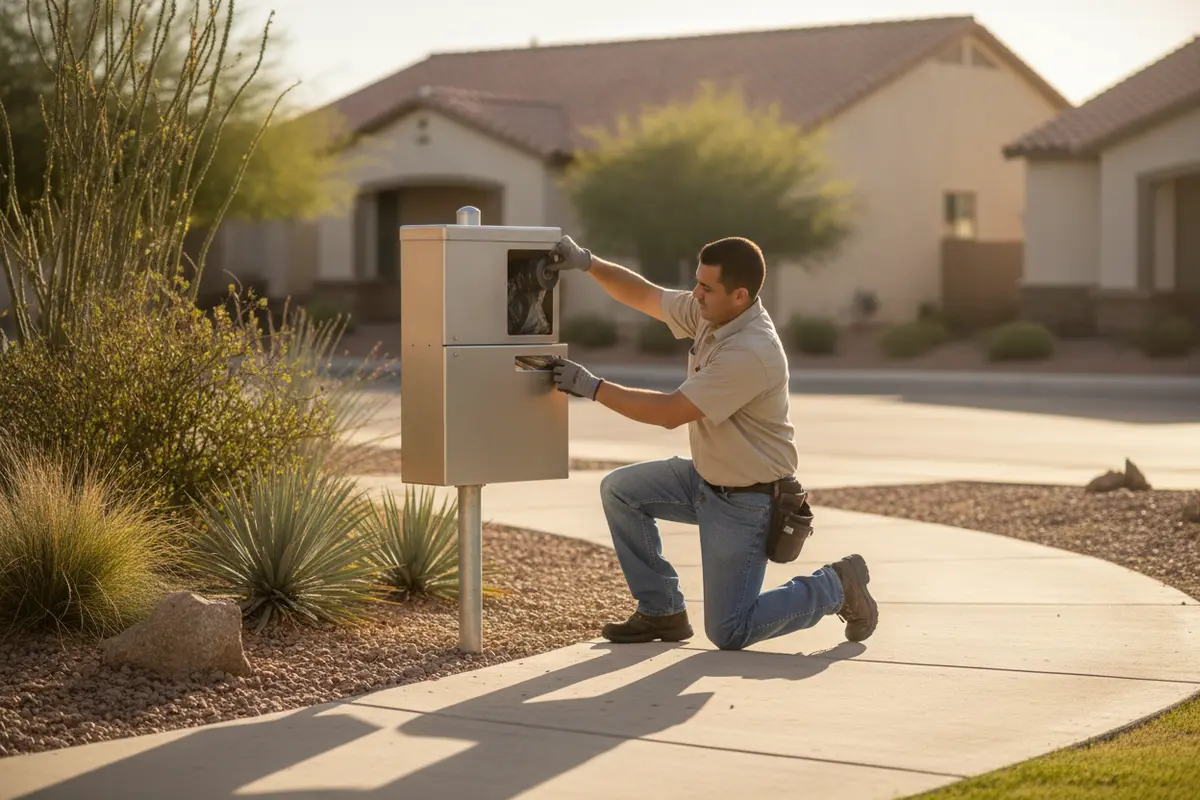
Assign responsibility before the station goes into use. Write down who checks the bag supply, who empties the receptacle, how often inspections occur, and how a resident or staff member reports a problem. The right interval depends on local use and bin capacity. Begin with a practical inspection schedule, then adjust it if observations show that bags run out or bins fill between checks.
- Set a routine: Put station checks on a recurring property-maintenance checklist. Record the date and any issue found.
- Restock before supplies run out: Keep the correct refill type available and identify who can request more.
- Empty and clean as needed: Follow the equipment guidance and the propertyâs waste-handling process.
- Report damage promptly: Give staff a clear way to flag a broken dispenser, loose mounting, overflowing bin, or missing supplies.
- Review usage: Revisit station placement if one area is consistently busy while another sees little use.
Keep resident instructions short and visible. A simple reminder to bag and dispose of dog waste can reinforce the intended use. Do not promise that a station alone will keep every common area clean. The equipment supports resident cleanup, while regular property checks and a defined collection routine address waste that is missed or left behind.
Properties that need more than equipment planning can review A1âs pet waste station installation guide for station considerations, and its municipal pet waste removal information for public-space maintenance context. Discuss installation, station servicing, and cleanup as distinct scope items so expectations are clear.
Should You Add Recurring Cleanup or a One-Time Visit?
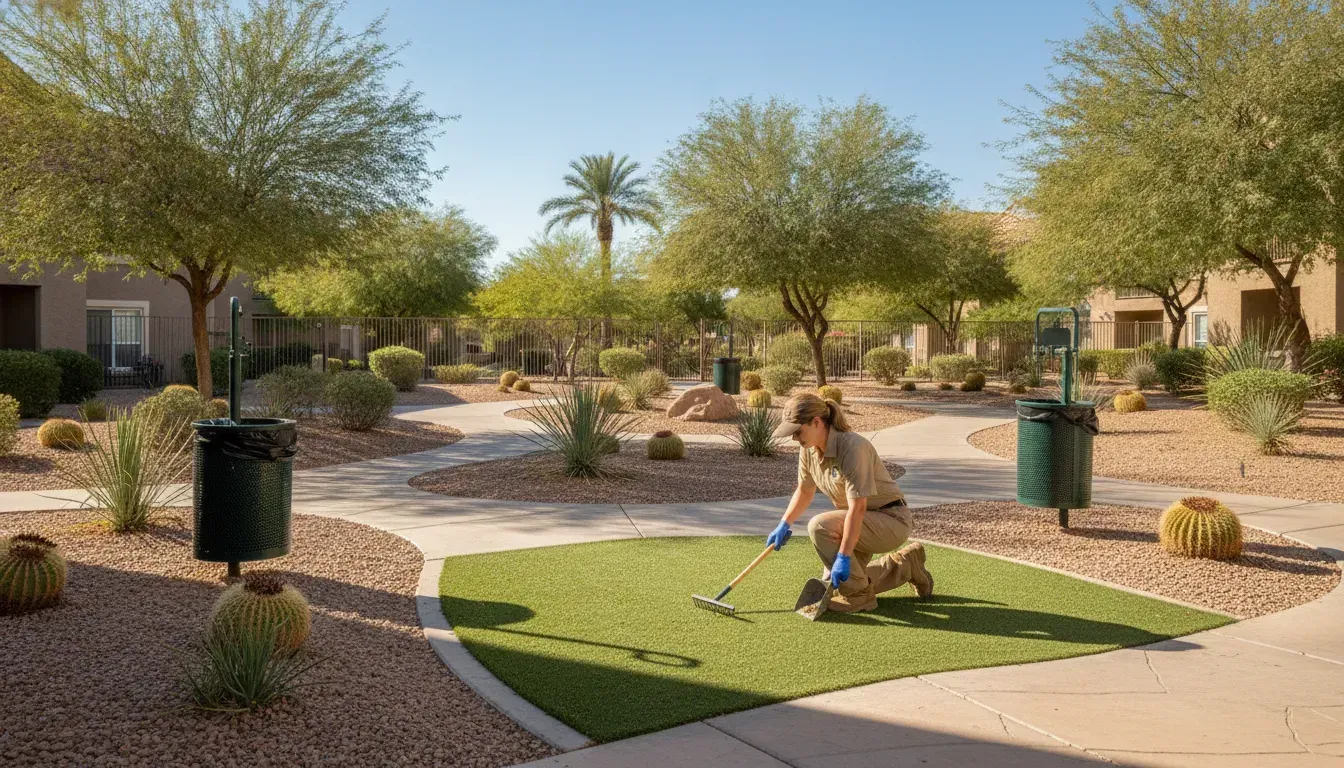
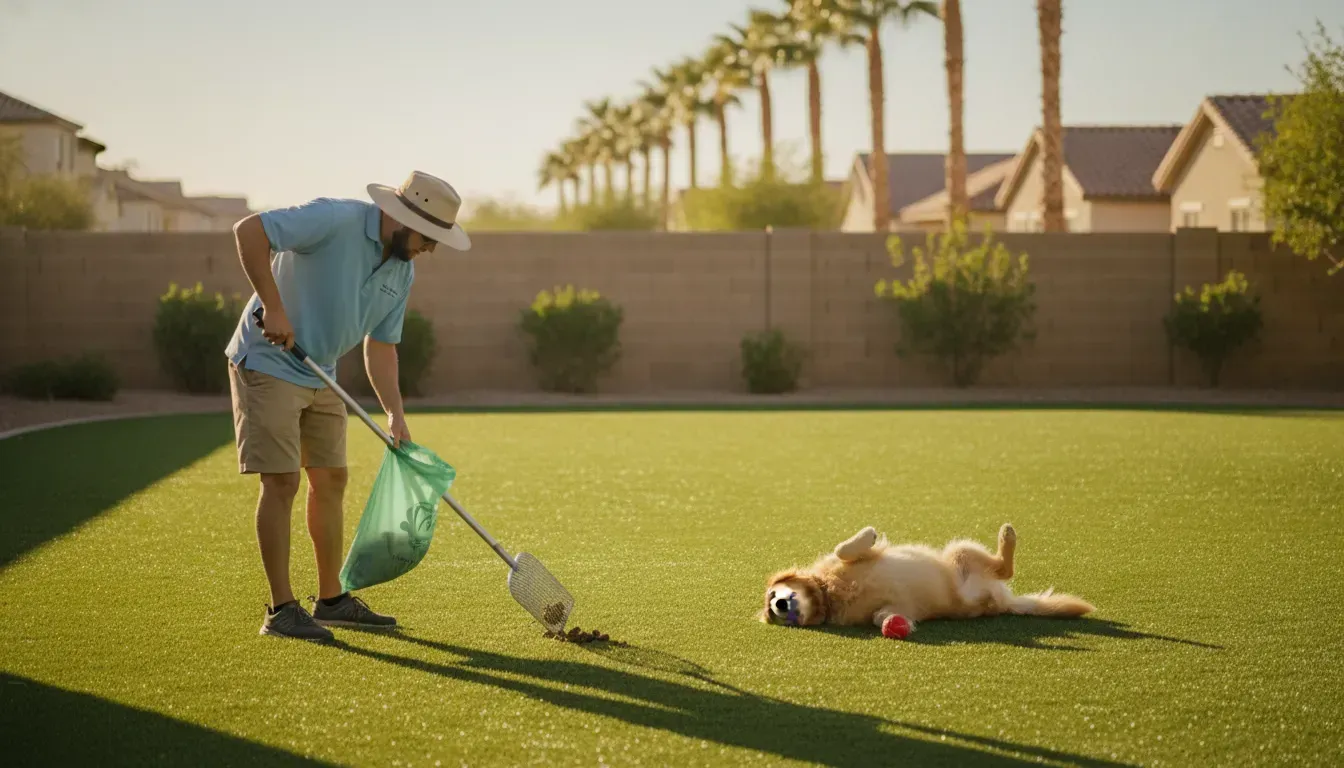
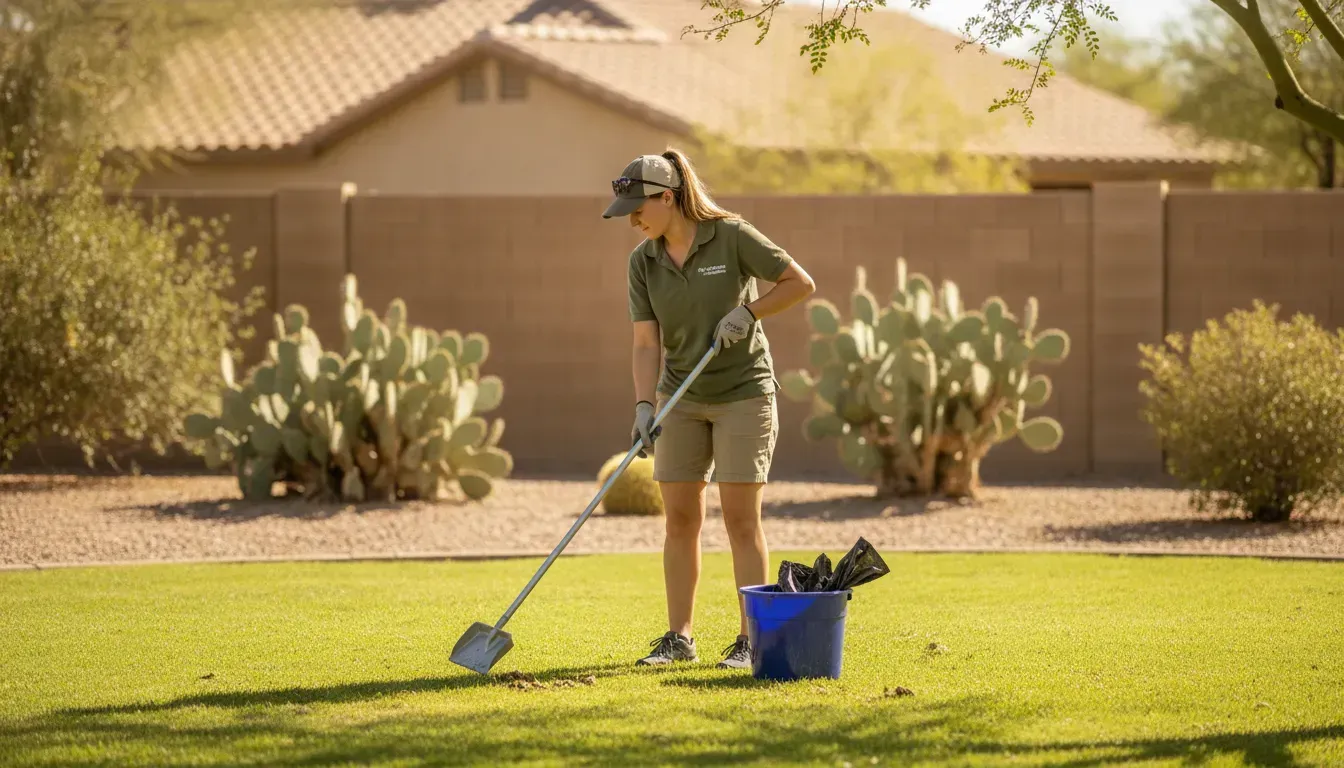
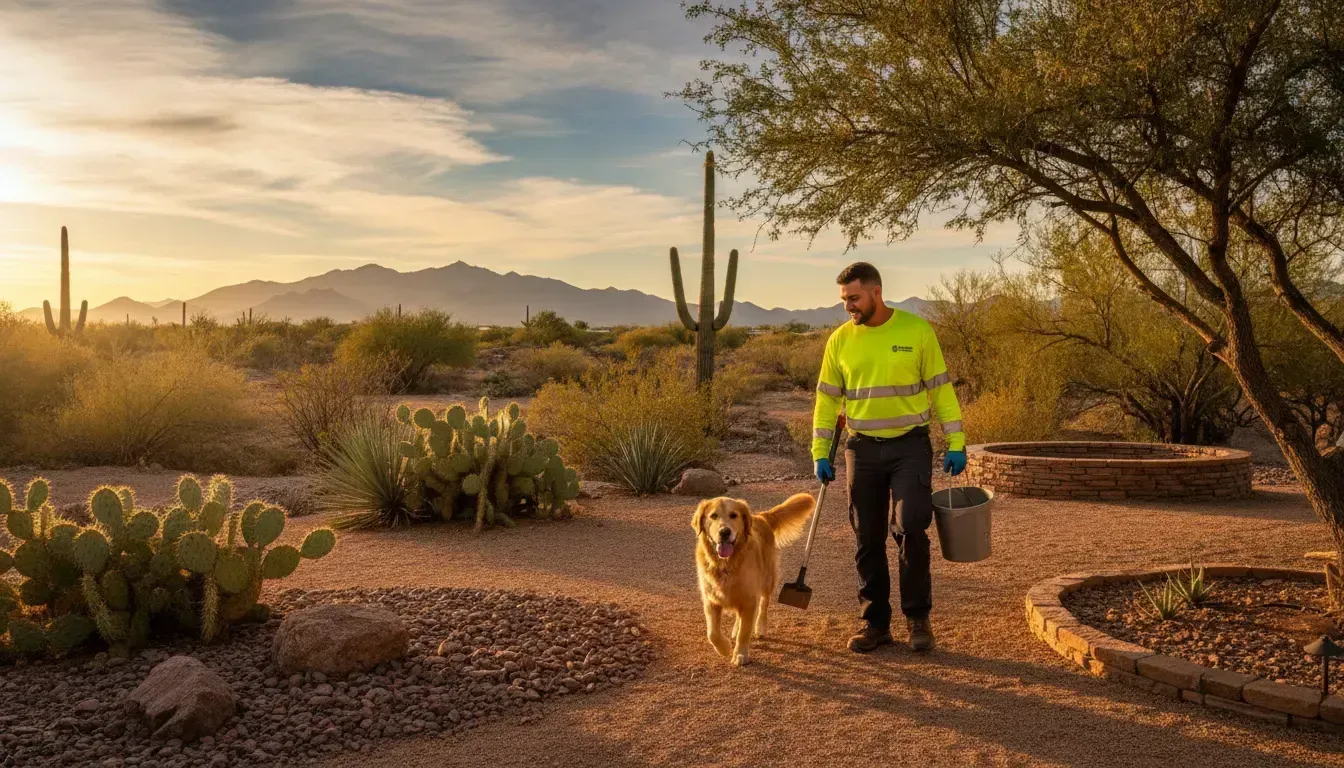
Stations address bag access and disposal at chosen locations. They do not remove waste that was missed across lawns, paths, or other grounds. When a property needs help with accumulated waste or ongoing common-area cleanup, a service plan may be considered alongside the station plan. A1âs recurring commercial work can be discussed for the specific property; weekly or bi-weekly service and one-time cleanup are distinct options, and the right fit depends on site needs.
A one-time cleanup may fit a reset after a period without regular pickup or before a property event. Recurring service may be more appropriate when a property wants visits on a continuing schedule. A1 also provides one-time pet waste cleanup. Ask what areas are included, what the visit covers, and whether station checks or bin emptying are part of the agreed scope. Do not assume hardware care is included unless the provider confirms it.
For a site with multiple buildings, make a simple service map. Mark the station locations, common dog routes, areas requiring cleanup, and any restricted zones. Then share it when requesting a discussion or quote. Property teams can also review A1âs commercial dog waste removal guide for Las Vegas to prepare questions about the propertyâs needs.
How Can You Build a Practical Station Plan?
A short written plan reduces confusion for residents, site staff, and service providers. It need not be complicated. Include a property map, proposed station locations, the person responsible for equipment and supplies, and the routine for checking each unit. Note how collected waste is handled and who responds when a station is damaged or empty.
- Walk the site and mark dog-use areas and common paths.
- Choose whether each location needs bags, a bin, or both.
- Confirm installation requirements and access with the appropriate property team.
- Assign refill, inspection, cleaning, and waste-collection responsibilities.
- Decide whether grounds cleanup is one-time or recurring, and confirm its scope separately.
- Review the arrangement after use begins and move or adjust stations when the observed traffic calls for it.
For an estimate or a conversation about commercial cleanup needs in A1âs service areas, contact the team with the property location, site type, approximate layout, and desired schedule. A1 serves Southern Nevada and the Tucson area. You can also review A1âs service FAQs for general information before reaching out.
Frequently Asked Questions
What does a combo pet waste station include?
It typically combines a dog waste bag dispenser and a receptacle at one location. Confirm the actual equipment, refill type, mounting needs, and waste-handling arrangements with the supplier or property team.
Is one combo station enough for an apartment community?
Not necessarily. The number depends on the siteâs layout, dog-walking routes, and use. Walk the property, note the separate paths and entrances, and consider whether residents can reach a station conveniently from the areas they use.
Who should refill and empty the station?
The property should assign a responsible person or provider and define the routine before use begins. Confirm who supplies bags, checks the bin, removes waste, and handles repairs. Do not assume these duties are included in installation or grounds cleanup.
Does a station replace pet waste cleanup service?
No. A station makes bags and disposal more accessible, but it does not collect waste left elsewhere on the property. A property may choose a one-time cleanup or recurring weekly or bi-weekly service, depending on its needs and the confirmed scope.
Can A1 Pet Maintenance install or maintain my station?
A1 provides commercial pet waste maintenance, but station installation, bag refills, and bin servicing should be confirmed directly as separate scope questions. Contact A1 to discuss the property and clarify what service is available for its location.
A combo pet waste station can make cleanup more convenient when its location, supplies, and waste collection routine are planned together. Map the routes, assign upkeep, and confirm any separate grounds-cleanup needs before the property puts the plan into practice.