How to Dispose of Dog Poop Properly: Safe Guide
This is a subtitle for your new post

Dog waste is easiest to manage when you scoop it promptly, seal it securely, and use the right waste stream. If you are learning how to dispose of dog poop properly, this simple routine helps protect private yards, shared lawns, and the people and pets who use them.
Call A1 Pet Maintenance at (702) 521-2624 Today.
To dispose of dog poop properly, scoop the entire deposit into a sturdy, leak-resistant bag. Tie it securely, then place it in an approved outdoor trash container. Wash your hands afterward. Check local waste, wastewater, and property instructions before flushing, composting, burying, or using another disposal method.
For most households, a sealed bag in regular outdoor trash is the practical baseline. The details matter more when pickup is delayed, temperatures are high, several dogs share a property, or a community has pet stations that need regular servicing. This guide explains the safest general routine without assuming one city's rule applies everywhere. For broader cleanup planning, review A1's pet maintenance services and match the disposal routine to your property's needs.
If recurring cleanup is difficult, A1's professional dog waste removal options can help you compare scheduled support with handling every cleanup yourself. Homeowners can also review the reliable dog poop service guide when they want a consistent routine.
What Is the Best Routine for People Learning How to Dispose of Dog Poop Properly?
- Scoop completely: Pick up the full deposit during each yard check or walk.
- Seal the bag: Tie it securely and check for leaks before carrying it away.
- Use the right bin: Place the tied bag in an approved outdoor trash container.
- Wash your hands: Clean your hands with soap and running water after disposal.
The best routine is to scoop every visible deposit and seal it in a leak-resistant bag. Place the tied bag in an approved outdoor trash container, then wash your hands. This repeatable approach suits many private yards and walks, subject to current waste-provider and property instructions.
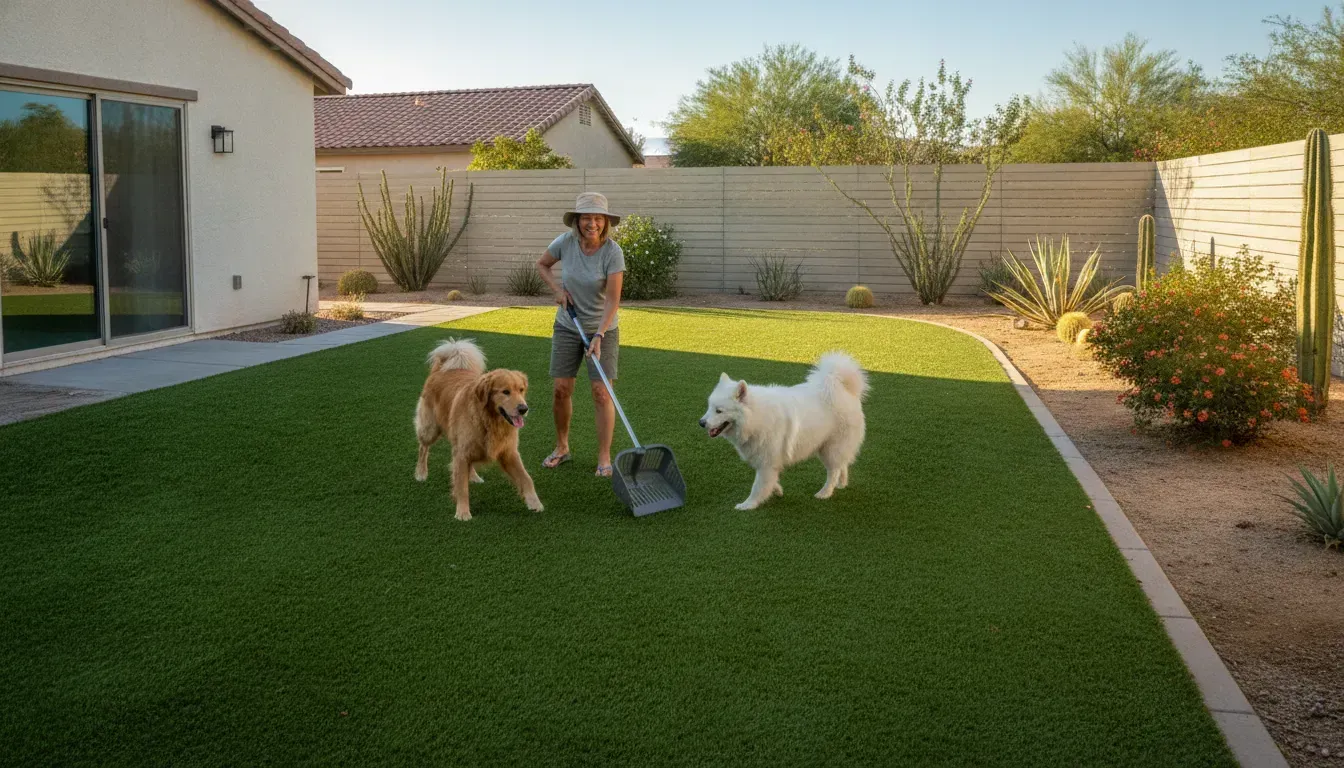
Carry enough bags for the walk or yard check, especially when more than one dog is with you. Turn a bag inside out over your hand, pick up the complete deposit, and pull the bag back over the waste. Tie a firm knot or use the closure provided. Check for tears before carrying the bag away.
Never leave a tied bag beside a sidewalk, fence, tree, pet station, or full dumpster. A bag left outside the receptacle can leak, attract pests, create an odor complaint, and encourage the same shortcut from other users. If the nearest bin is full, use another approved container or take the bag home.
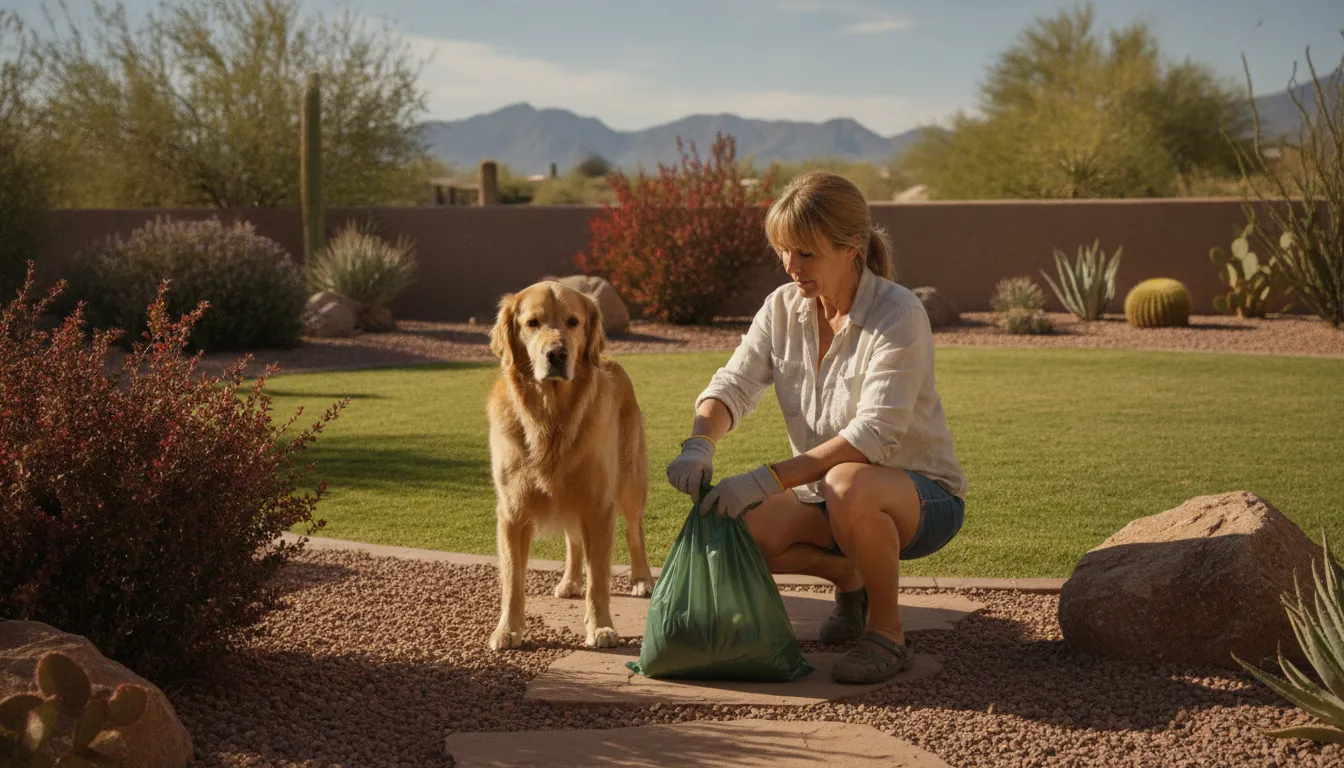 How can you keep pickup sanitary?
Wash your hands with soap and running water after handling dog waste, even when you used a bag. The CDC explains that dog poop can contain germs that make people and animals sick. If soap and water are unavailable, use an alcohol-based hand sanitizer with at least 60% alcohol, then wash with soap and water as soon as possible.
Keep bags and a scoop in a dedicated location. Avoid touching your face, food, or frequently used surfaces during cleanup. If a bag breaks, use a second bag to contain it rather than picking up waste with bare hands. Keep children and other pets away until the ground is clear and the bag is secured.
Why does prompt removal matter?
Prompt removal matters in a private yard as well as on a shared lawn. The CDC recommends picking up dog poop from yards, particularly where children play. The EPA explains that stormwater can carry pet waste into streams, lakes, and rivers. Regular pickup supports everyday sanitation and cleaner drainage paths.
How Should You Store Bagged Dog Waste Before Trash Pickup?
Store bagged dog waste in a dedicated outdoor container with a secure lid and stable base. Keep it away from doors and play areas, out of direct sun when practical, and emptied on the normal collection schedule. Follow your local provider's instructions for accepted materials.
For a private home. A washable outdoor bin with a tight-fitting lid is usually easier to manage than an open pail or a bag left beside the main trash can. Place it where a dog, child, wildlife, or strong wind cannot knock it over. A liner can simplify cleanup, but waste should still be bagged first.
How do you control heat, odor, and leaks?
Hot weather accelerates odor, so avoid storing full bags longer than necessary. Keep the container closed between deposits and place it in a shaded, ventilated location when practical and safe. Do not overfill it. When a bag leaks, clean the container according to the product label and wash your hands afterward.
Double-bag a torn or weak bag before carrying it. Do not pour loose dog waste into a household trash container. Loose material can contaminate the bin, create an unpleasant cleanup, and increase contact risk for people who handle it. A tight seal prevents a larger problem.
What should shared properties do with full pet-waste bins?
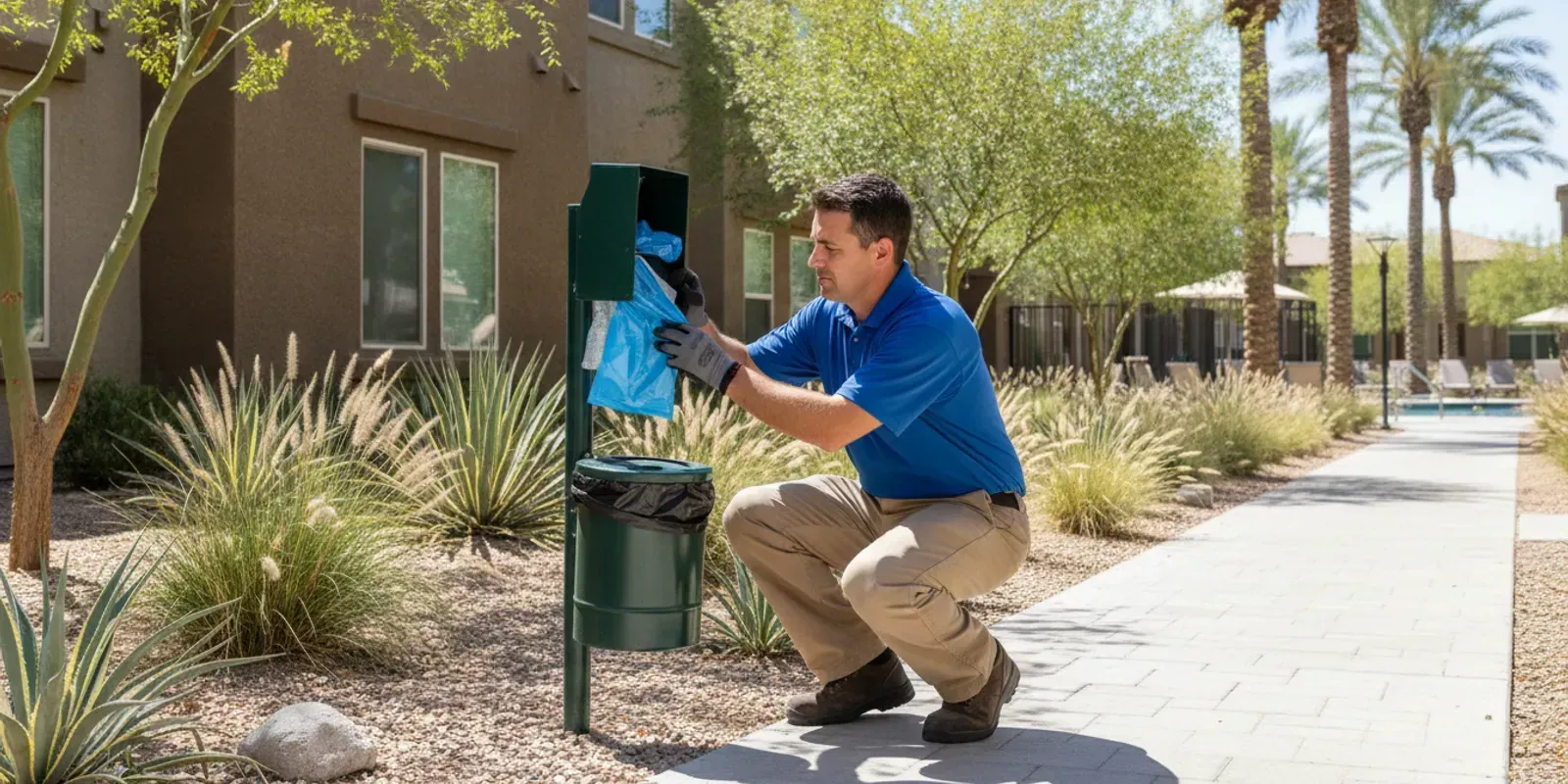
At an apartment community, HOA, condominium, or other shared property, residents should use the designated pet-waste receptacle or another approved trash container. They should not place bags on the ground or beside an overflowing station. Property managers can reduce this problem by checking bag supplies, lids, leaks, odors, and capacity on a defined schedule.
Penn State Extension recommends scooping pet waste, sealing it tightly, and placing it in regular trash when permitted. Its pet-waste disposal guidance is a useful general reference. The property and waste provider remain the final sources for local instructions.
Which Dog Poop Disposal Methods Are Safe in Different Situations?
Sealed bags in regular trash are the simplest option for many homes. Flushing, burying, and purpose-built pet-waste digesters may fit only when the wastewater system, site conditions, product instructions, and local rules allow them. Never assume a biodegradable or compostable bag is flushable.
Dog poop disposal options and important cautions.MethodWhen it may fitImportant cautionSealed bag in regular trashMany homes and properties with ordinary solid-waste collectionTie bags tightly, use a lidded outdoor bin, and follow collection instructions.FlushingOnly when the local wastewater provider permits unbagged dog wasteNever flush plastic or non-flushable bags. Confirm utility guidance first.Purpose-built digesterProperties prepared to operate a dedicated system as directedFollow product instructions and keep the system away from edible gardens and play areas.BuryingOnly where permitted and site and drainage conditions support itAvoid water, drainage paths, edible plants, and areas used by children or pets.Can you flush dog poop down the toilet?
Never flush plastic or non-flushable pet-waste bags. They can contribute to blockages and wastewater problems. Unbagged waste may be allowed in some sewer systems, but utility guidance varies. A bag marketed as biodegradable, compostable, or earth-friendly is not automatically designed for a toilet. Check package directions and wastewater guidance first.
Can dog poop go into compost?
Do not add dog waste to ordinary household compost intended for vegetables, herbs, fruit, or other edible plants. Purpose-built pet-waste digesters are different systems and must be used exactly as directed. Keep the system away from play areas and food gardens. If the system is not verified, use sealed bags in approved trash.
Is burying dog poop a good backyard solution?
Casual burial is not a reliable substitute for routine pickup. Waste can be exposed by digging, moved by drainage, or placed too close to water, edible plants, or areas used by children and pets. Site conditions and local requirements vary. Use an approved waste stream when no verified alternative is available.
The EPA's pet-waste management guidance explains how waste left on the ground can contribute bacteria and nutrient pollution to waterways. Use it for general environmental context, then confirm disposal requirements with the responsible local provider.
What Mistakes Should You Avoid When Disposing of Dog Waste?
The most common mistakes are leaving piles behind, using leaking bags, placing full bags beside a bin, flushing plastic, and treating dog waste like fertilizer. Avoid them by completing pickup, checking the seal, using an approved container, and confirming local requirements before choosing an alternative method.
- Leaving waste for later: Pick it up during each yard check. Waste left on the ground can be tracked indoors or washed toward storm drains.
- Using a weak or overfilled bag: Leave room to tie the bag securely. Use a second bag if the first one tears or leaks.
- Putting bags beside a full station: Use another approved receptacle or take the bag home. Do not create a second pile beside the first one.
- Trusting an environmental label without checking: Biodegradable and compostable do not mean flushable, accepted in household compost, or accepted by every provider.
- Treating dog waste as fertilizer: Dog poop should not be left on the lawn or placed near edible plants. Scoop it, seal it, and use the approved waste stream.
In Southern Nevada and Tucson, heat can make odor and storage problems noticeable quickly. That does not change the basic routine, but it does make timely removal and a closed container more important. Follow the instructions that apply to your city, county, HOA, landlord, and waste provider.
What Should You Know About How to Dispose of Dog Poop Properly in Shared Communities?
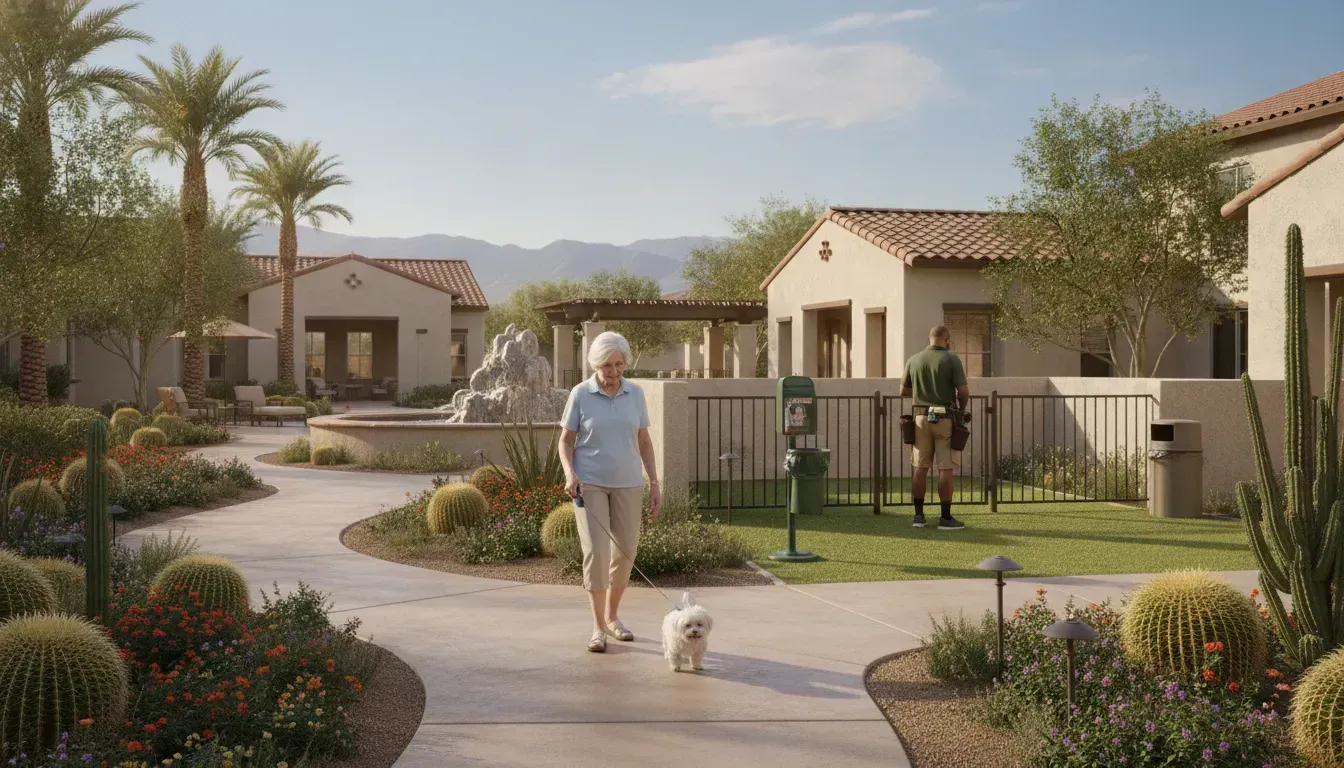
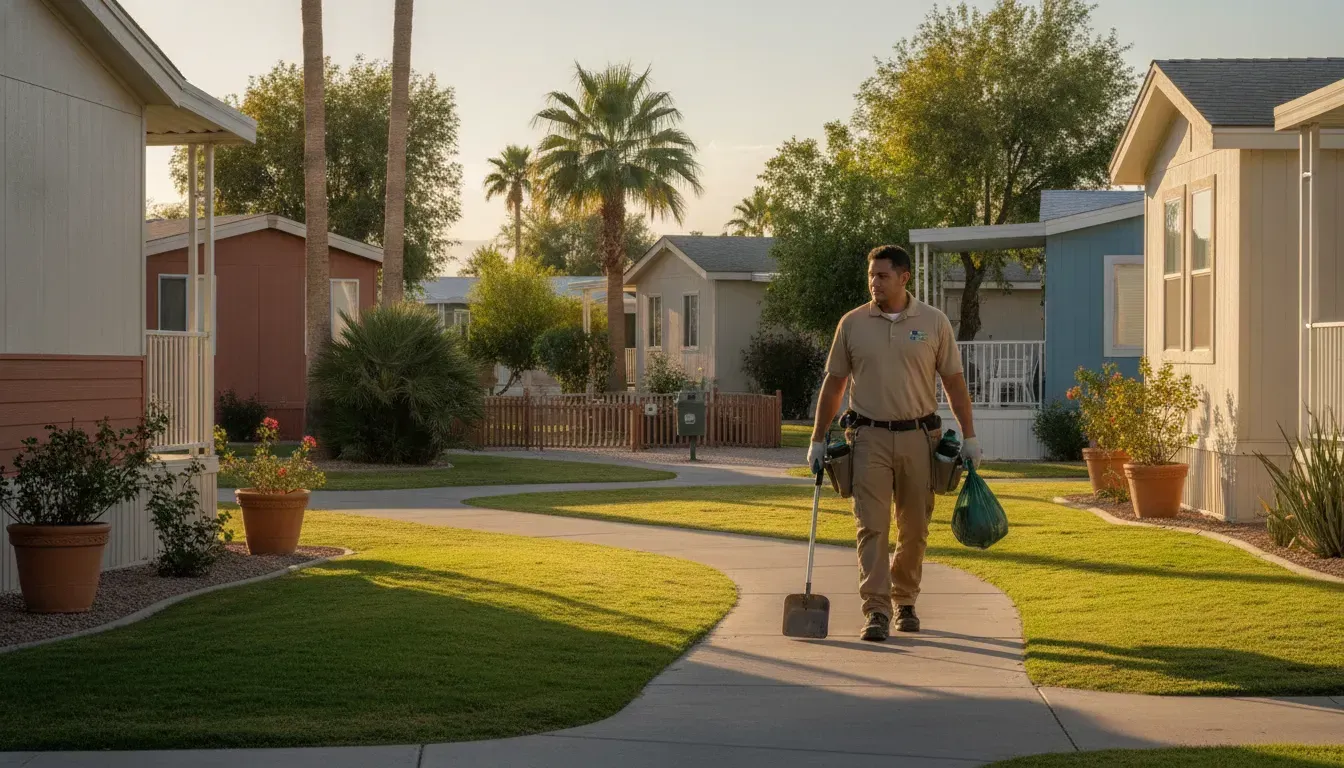
Shared communities need a visible path from pet relief areas to maintained waste receptacles. Residents should bag and tie waste, then use a designated bin. Managers should supply bags, empty containers before overflow, inspect surrounding ground, and publish property-specific instructions without treating one city's rule as universal.
A good station is convenient, stocked, lidded, and easy to identify. Place stations near common walking routes and dog-relief areas without putting them directly beside entrances or children's play spaces when the property layout allows. If a station is too far away, users may leave tied bags along paths or landscaping.
How can managers make disposal expectations clear?
Resident materials should say where bags are available and where tied waste belongs. They should also explain what to do when a station is full and how to report a leak or missed cleanup. Keep the language specific to the property. HOA rules, landlord instructions, city requirements, and waste-provider policies can differ, so management should confirm requirements before publishing a community policy.
Clear reminders work better than vague warnings. Include the disposal path in move-in materials, resident communications, and seasonal reminders. Explain that picking up waste applies to private yards and shared lawns alike. This makes the expected behavior easier to follow without turning an uncertain local rule into a universal claim.
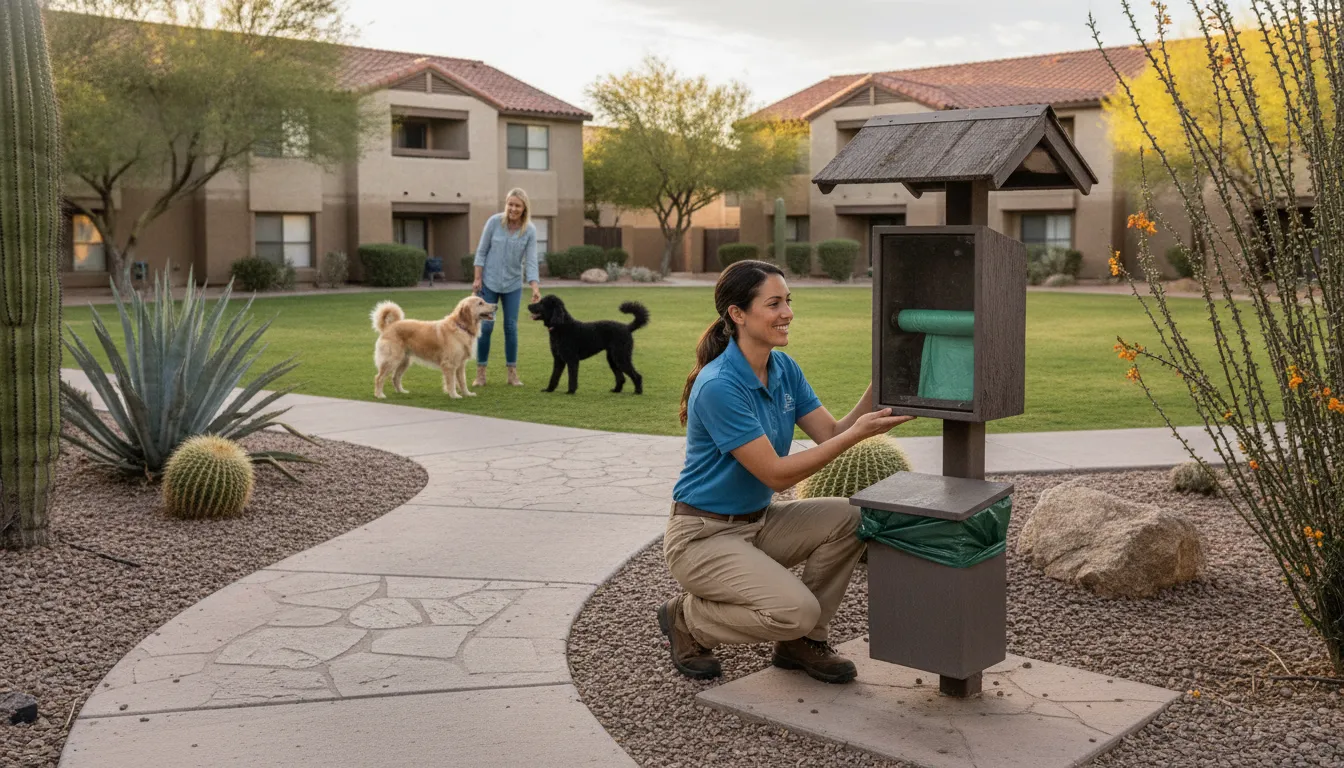 When does a property need recurring support?
Overflow, recurring odor, empty dispensers, or waste accumulating between inspections are signs that the maintenance schedule needs attention. A manager can adjust station locations and inspection frequency, or bring in a recurring provider for scheduled removal. A1 serves residential and commercial properties across Southern Nevada and Tucson with no-contract recurring service.
For community boards and property managers, A1's professional dog poop removal service guidance explains why consistent maintenance can be easier than leaving cleanup to residents. Communities can review recurring pooper scooper service in Southern Nevada for scheduled support. Property managers can explore commercial property services for broader outdoor maintenance needs.
When Is Professional Dog Waste Removal the Better Option?
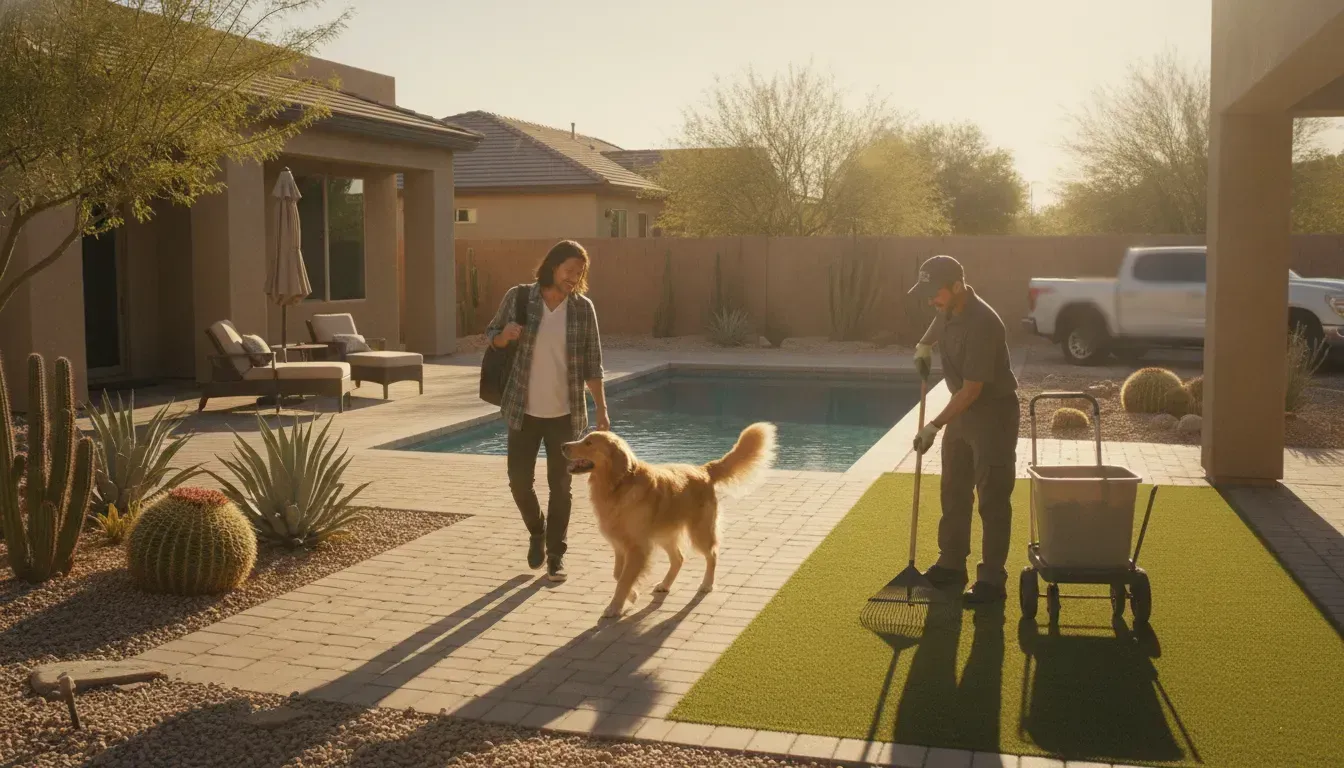
Professional removal is worth considering when waste remains in the yard, multiple dogs create a steady workload. Mobility or travel makes pickup difficult, or a property has several shared pet areas. Recurring service turns an inconsistent chore into scheduled maintenance, while customers retain flexibility to ask about a suitable frequency.
Look at the pattern rather than one unusually busy day. Help may make sense when no one has time to scoop promptly, children and guests use the same outdoor space. Several dogs share a yard, or a managed property has multiple lawns and pet stations. The goal is a consistently clean space.
A1 Pet Maintenance has served Southern Nevada and Tucson for more than 26 years and handles recurring pet waste removal for residential and commercial properties. The company offers service without a contract, giving homeowners and property managers a flexible way to keep outdoor areas cleaner. Confirm service details directly for the property and schedule.
Call A1 Pet Maintenance at (702) 521-2624 Today.
Frequently Asked Questions
What is the best everyday way to dispose of dog poop?
Scoop the waste promptly, place it in a sturdy bag, tie the bag tightly, and put it in an approved outdoor trash container. Wash your hands with soap and running water afterward. Regular trash is the practical baseline for many properties, but the waste provider's current instructions control.
Should bagged dog poop go in regular trash?
Sealed dog waste generally goes into regular outdoor trash when that is the approved local waste stream. Use a leak-resistant bag, keep the container closed, and do not place bags beside a full bin. Check property and collection instructions for special requirements.
Can you flush dog poop down the toilet?
Never flush plastic or non-flushable pet-waste bags. Unbagged waste may be allowed by some wastewater systems, but utilities differ. Confirm current guidance before using a toilet. When in doubt, tie the bag securely and use the approved trash container.
Is composting or burying dog poop safe?
Do not put dog waste in ordinary garden compost, bury it near edible plants, or leave it as lawn fertilizer. A purpose-built digester may be suitable when its instructions and local requirements allow it. Keep waste systems away from food gardens and children's play areas.
How can I check local rules for dog waste disposal?
Check your city or county solid-waste department, wastewater utility, HOA or community rules, landlord, and trash provider. Requirements can differ for flushing, composting systems, shared bins, and collection locations. Confirm the current rule before using an alternative method.
Whether you need a one-time cleanup or dependable recurring pet waste removal, A1 Pet Maintenance can help keep your property cleaner and easier to manage. Review the service information above or call to discuss the property, frequency, and next step.