Dog Poop Cleanup for Large Yards: A Practical Guide
Learn practical dog poop cleanup for large yards, including tools, pickup frequency, sanitation steps, and when one-time or recurring service makes sense.

Large yards make dog waste easy to miss, especially when several dogs use different areas throughout the week. A simple routine can keep the job manageable: divide the yard into zones. Follow the same route each time, collect waste consistently, and clean your tools and hands after handling it.
For dog poop cleanup for large yards, pick up waste regularly enough to prevent buildup. Work in manageable sections and adjust the schedule for the number of dogs, yard size, and how often the space is used. DIY cleanup may be practical with the right setup, while a one-time reset or recurring service can help when the workload becomes difficult to maintain.
Call A1 Pet Maintenance at (702) 521-2624 Today.
The right tools can reduce backtracking and make each pass faster. Start by setting up a collection system that fits your yard, then build a repeatable route around it.
What Tools Make Dog Poop Cleanup for Large Yards More Efficient?
Large yards become much easier to manage when cleanup is organized as a simple system instead of an improvised search. Start by dividing the property into zones, then use tools that let you collect waste without repeatedly bending, backtracking, or carrying a full bag across the yard. The goal is a consistent route that makes missed areas easy to spot.
Map the yard into manageable zones
Use natural boundaries to create sections, such as the side yard, open lawn, play area, garden edge, and space around gates or patios. If the yard is especially large, divide each section into smaller strips. Walk one zone at a time and finish it before moving on. This approach reduces the chance of overlooking waste in corners, behind shrubs, or along fence lines.
Keep a basic mental or written route and repeat it each time. For example, begin at the gate, work along the perimeter, sweep the center of the first zone, and then move clockwise to the next section. A repeatable route is more reliable than simply walking toward whatever waste is easiest to see.
Choose tools that reduce bending and carrying
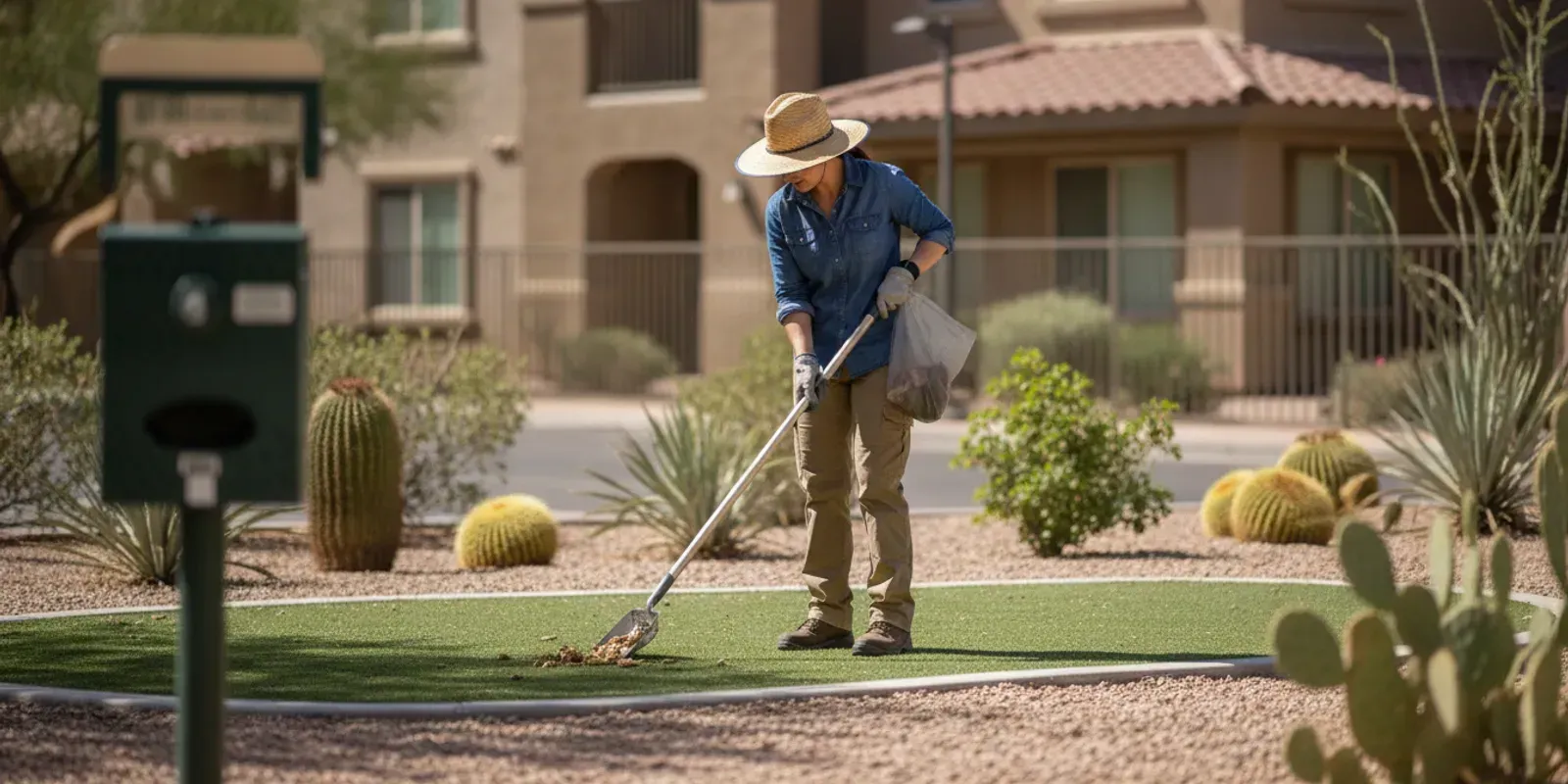
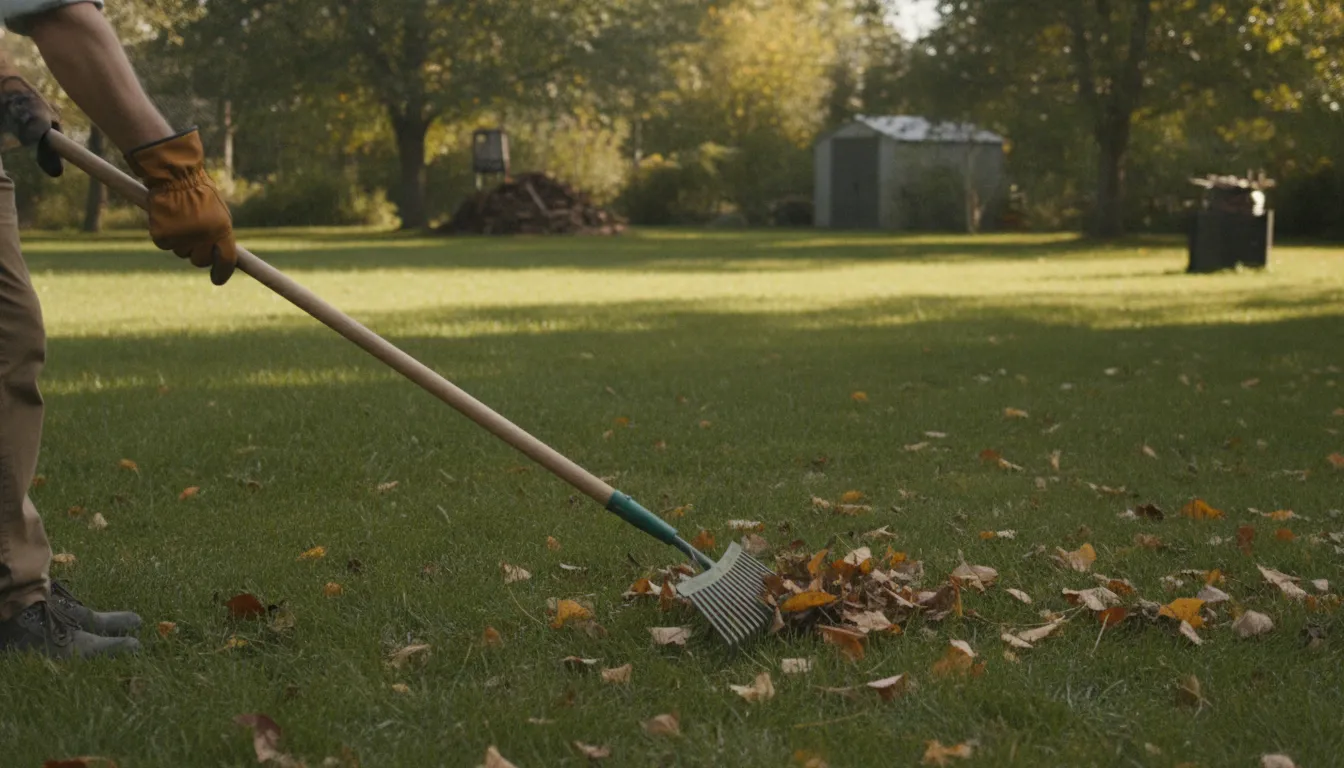
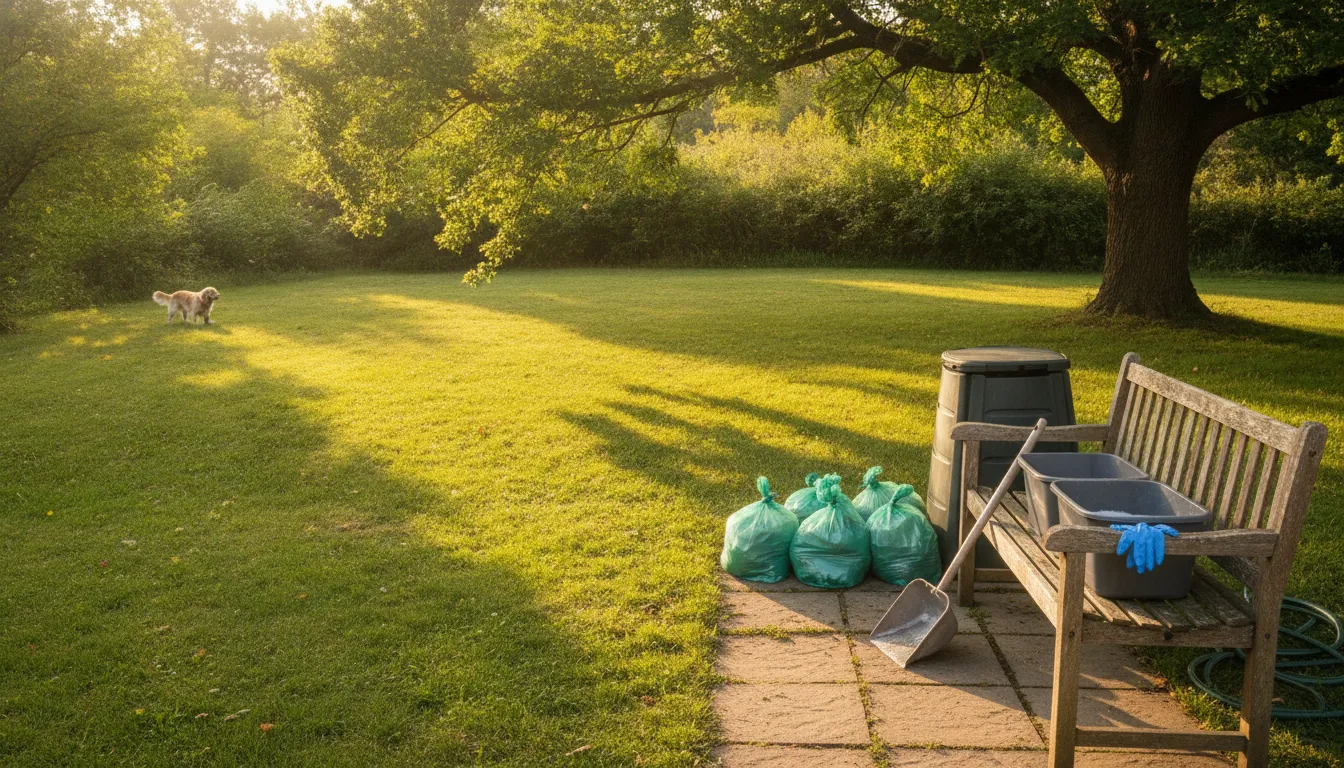
A long-handled rake-and-tray scooper can be useful on grass, dirt, or gravel. Product listings commonly describe these tools with extended handles, broad trays, and rake attachments, including designs intended for multi-dog households. Those features can make collection more comfortable and help you work efficiently across a larger area. Choose a sturdy tool that matches the surface, and check that the tray is large enough for the amount you typically collect.
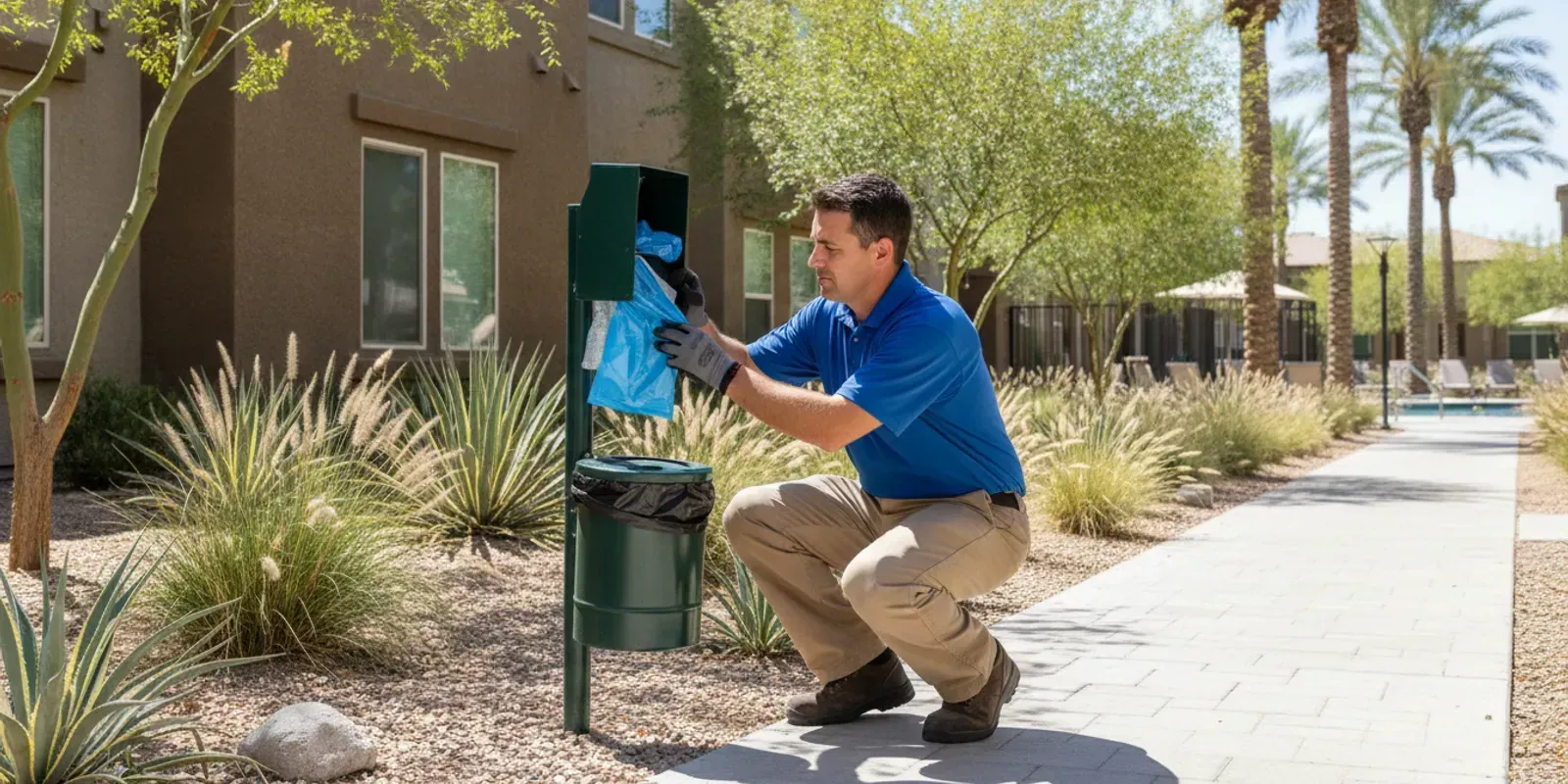
Use waste bags that fit your collection method, a container with a secure lid, and disposable or washable gloves. Keep the container near the active zone rather than carrying it throughout the property. A dedicated waste bin or lined container also keeps collected material separate from other yard debris until it can be disposed of according to local requirements.
Follow the same cleanup sequence every time
Before starting, put on gloves and gather the scooper, bags, container, and any tool-cleaning supplies. Walk the perimeter first, then cover the open portions of each zone in overlapping passes. When you find waste, use the rake or scoop to place it into a bag or collection tray, secure the bag, and put it in the closed container. Avoid setting filled bags on the ground while continuing to work.
At the end, inspect the gates, shaded areas, and places where dogs tend to rest. Clean the tools according to their material and the product instructions, remove gloves carefully, and wash your hands. This routine keeps the work predictable and makes it easier to notice when a large yard needs a one-time reset or a more consistent maintenance schedule.
How Often Should You Clean a Large Yard?
For most large yards, daily pickup is the strongest baseline, even when the waste is spread across several zones. The Centers for Disease Control and Prevention recommends picking up pet waste daily and keeping the pet's living area clean. It also advises collecting dog poop in your own yard, especially in places where children may play. This routine prevents a large property from becoming one overwhelming cleanup project.
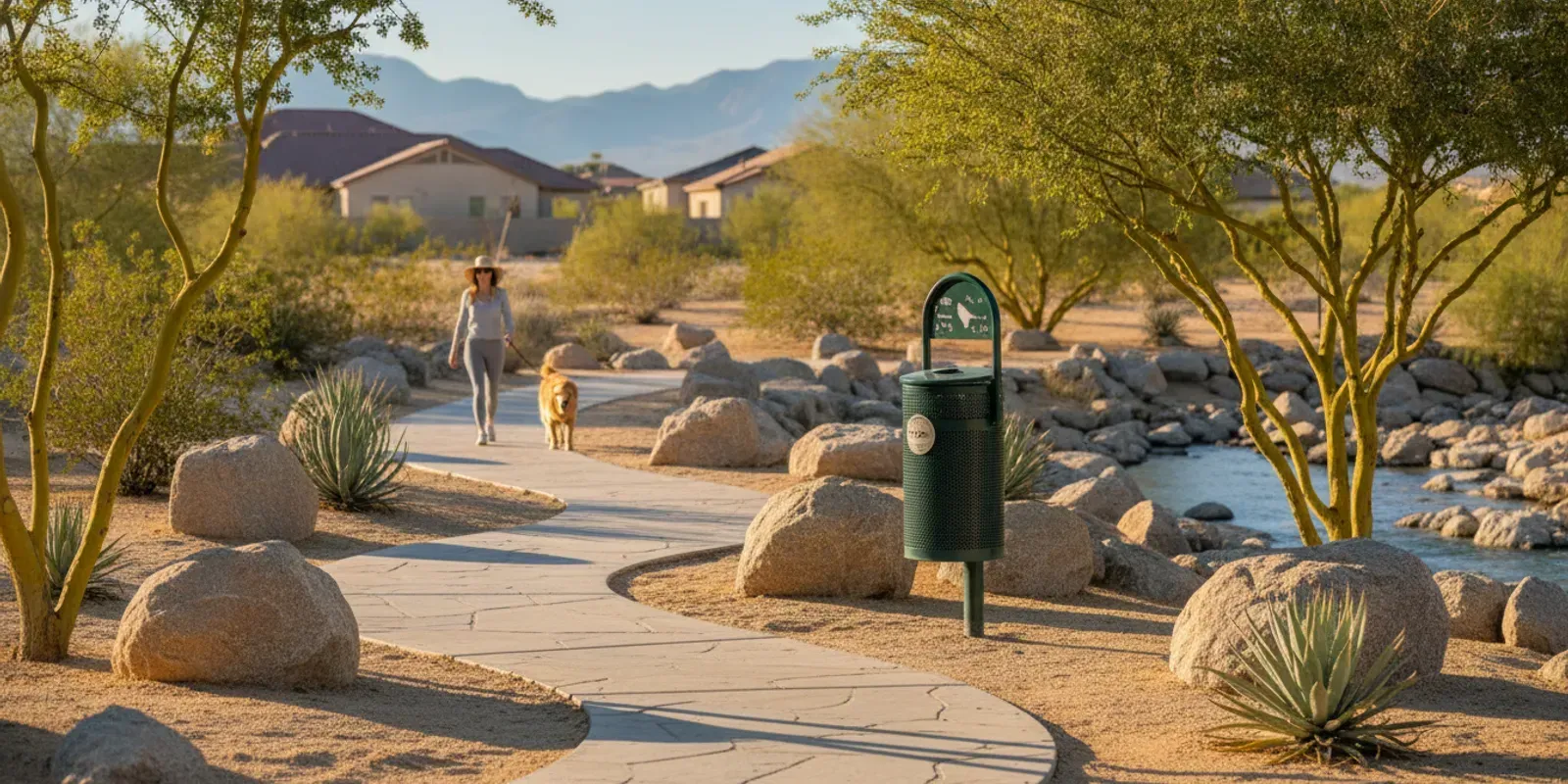
That does not mean you need to walk every square foot in the same way each day. Divide the yard into practical zones, such as the side yard, play area, dog run, and areas near gates or patios. Walk one route consistently, scan the ground from several angles, and mark the last zone you completed. On a very large property, a simple zone rotation can make daily pickup manageable while still keeping the whole yard on a predictable schedule.
How should multiple-dog households adjust the schedule?
Multiple dogs increase the amount of waste deposited between visits, so the right routine may involve checking high-use zones more than once a day. Start with the areas where dogs spend the most time, then work outward to less frequently used parts of the yard. If several dogs share one run or relief area, do not assume a weekly sweep will be enough. A larger accumulation takes longer to find, handle, and remove, and it can leave the rest of the yard less usable until the reset is finished.
Weather also changes the practical workload. After rain, damp ground can make waste harder to spot and collect cleanly. In hot, dry conditions, waste can break apart or become less obvious against soil and landscaping. Inspect shaded corners, gravel, mulch, and the edges of artificial turf instead of relying on a quick visual pass through open grass.
Waiting several days is not a health guarantee or an automatic emergency, but it does create more work and more opportunities for contamination to remain in the environment. The CDC notes that dogs can sometimes carry germs that make people and other animals sick. And that cleaning up after a dog helps reduce the risk of disease spreading. It also reports that some roundworm eggs can survive in soil for months or years under the right conditions. For authoritative guidance, review the CDC's daily pet-waste recommendation and its guidance on handwashing after handling dog waste.
Use this how often to pick up dog poop guide for a smaller-yard baseline, then adapt the route to your property's size, dog count, surfaces, and weather. If the yard has already accumulated waste, treat the first visit as a reset. Once it is clear, daily checks or a dependable recurring schedule are easier to maintain than repeated catch-up cleanups.
How Do You Clean a Large Yard Safely and Sanitarily?
Safe dog poop cleanup for large yards depends on a consistent process, not a promise that every surface can be sterilized. Work in manageable zones, protect your hands, keep waste contained, and finish by washing up. The CDC advises picking up pet waste daily and disposing of it in the trash. And notes that cleaning up after dogs helps reduce the risk of disease spreading to people and other animals. Read the CDC guidance on pet waste and toxocariasis.
- Put on dedicated gloves and plan your route. Wear sturdy disposable or reusable gloves before entering the yard. Keep children and pets out of the active cleanup area, then move through the yard in sections so you do not repeatedly cross cleaned ground. If the yard has several dogs, shaded areas, play spaces, and drainage paths deserve extra attention.
- Collect waste without disturbing the soil. Use a scoop, rake, or tray to lift each deposit cleanly. Avoid crushing waste into grass, bare soil, gravel, or artificial turf. Dog waste can introduce contaminants into soil, and the CDC explains that roundworm eggs enter soil through animal waste, typically from dogs and cats. Do not describe the yard as sterile after pickup, especially when waste has been present for an extended time.
- Bag waste securely for disposal. Place each deposit in a strong bag, close it fully, and use a second bag when needed to prevent leaks. Keep filled bags away from food, outdoor toys, water bowls, and high-traffic paths. Follow local trash rules for final disposal. The goal is to remove waste from the property without transferring it to another surface.
- Clean the tools after the route. Keep waste tools separate from household or gardening equipment. Rinse visible residue from the scoop and other tools in an appropriate location, then clean them according to the product label and your local wastewater rules. Do not mix cleaners or improvise chemical recipes. Dry tools before storing them, and replace damaged equipment that is difficult to clean.
- Remove gloves and wash your hands. Take off disposable gloves without touching the contaminated outside, or wash reusable gloves as directed before storing them. Wash your hands with soap and running water after handling dog waste, even when you used a bag. The CDC specifically recommends handwashing after contact with dog poop, including when a bag was used: CDC dog health and safety guidance.
- Check runoff and drainage before finishing. Do not leave collected waste, rinse water, or loose debris where rain or irrigation can carry it toward a storm drain, wash, canal, or other waterway. The EPA warns that stormwater can carry pet waste into streams, lakes, and rivers, where it can contribute to bacteria and nutrient pollution. Review the EPA pet waste management guidance.
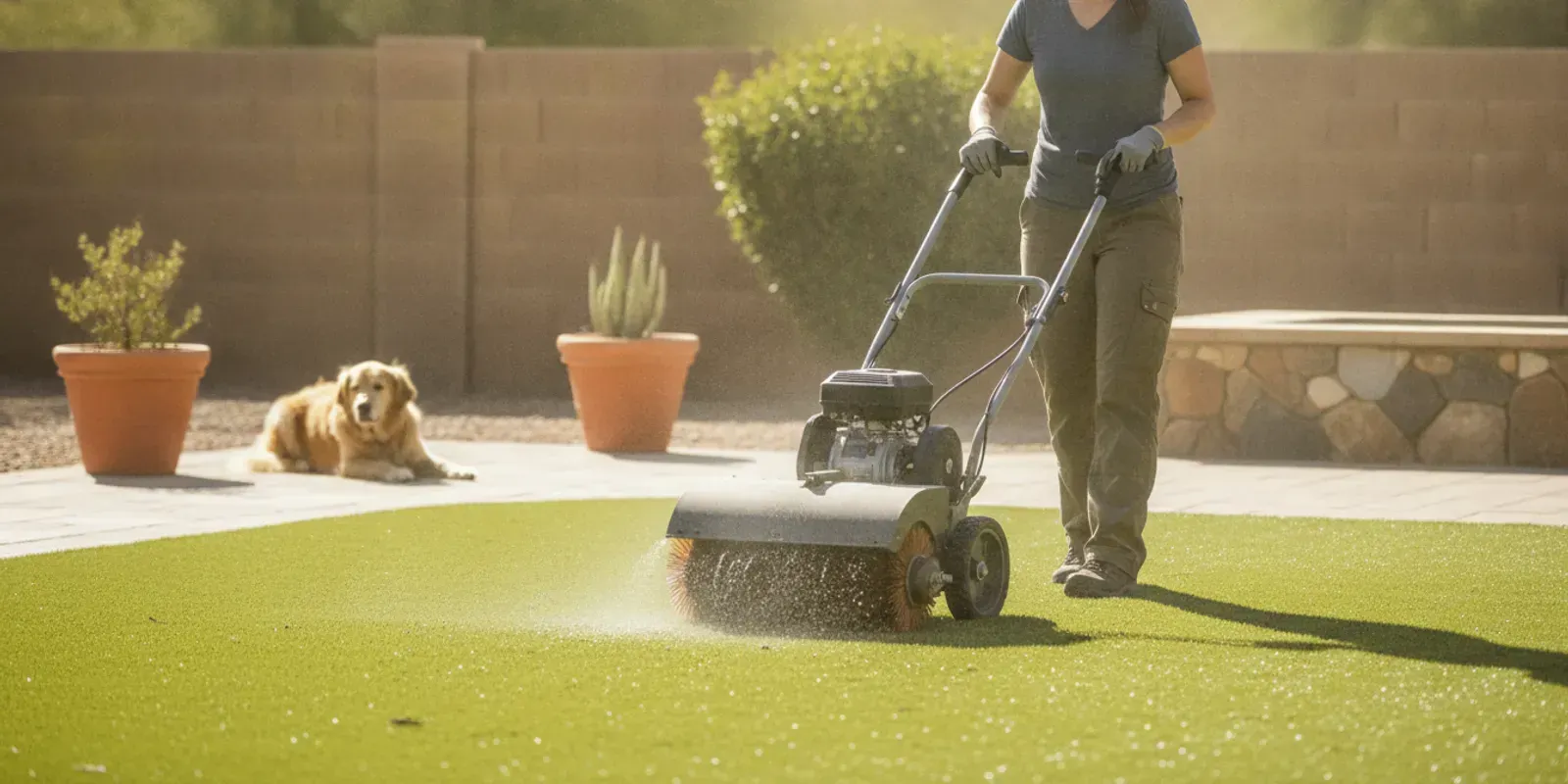
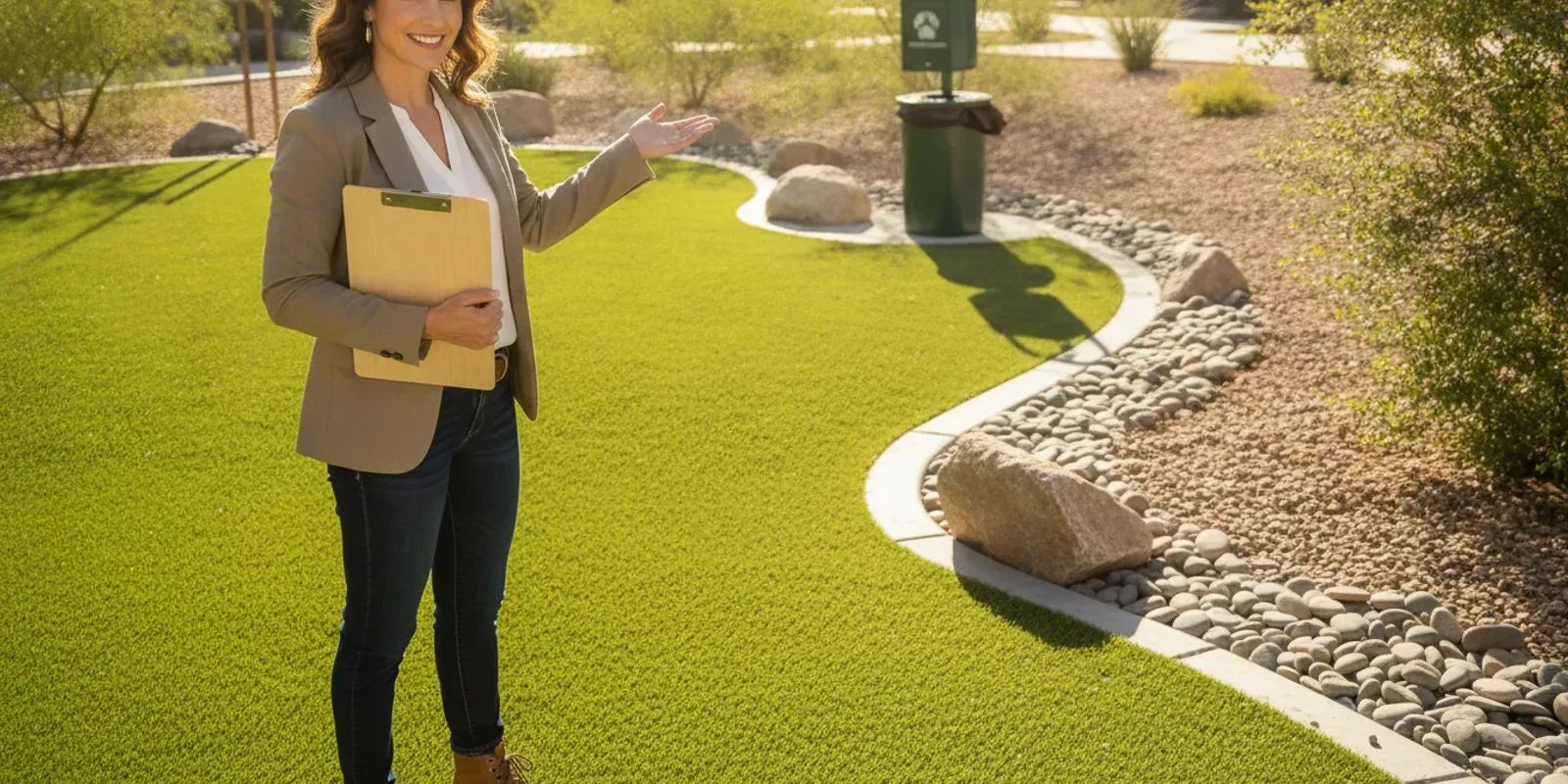
 For artificial turf, pickup is only one part of maintenance. A specialized service may combine waste removal, debris clearing, deodorizing, rinsing, and agitation where the surface and site conditions call for it. On a large or overdue property. A professional team can also make the inspection and disposal process more manageable without claiming that a single visit sterilizes the entire yard.
When Is a One-Time Cleanup Better Than DIY?
DIY cleanup can work when you are keeping up with a manageable yard and have time to follow a consistent route. It becomes less practical when waste has accumulated across several zones, the property has multiple dogs, or the yard includes areas that are easy to overlook. In those situations, a reset can make ongoing maintenance much easier.
A one-time professional visit is designed for that reset. A1 Pet Maintenance offers one-time pet waste cleanup for residential and commercial properties. The documented price range is $50-$150, depending on yard size and the amount of waste accumulation. That range is a planning reference, not a universal flat rate. Because a small yard with light buildup requires a different scope from a large yard that has gone unattended.
Large-yard cleanup options OptionBest fitMain job DIYManageable buildup.Zone-based pickup. One-time serviceHeavy buildup.Reset and haul away. Recurring serviceOngoing workload.Weekly or custom visits. Turf cleaningOdor or debris.Rinse and deodorize. What does a professional reset change?
The main benefit is not simply speed. A thorough first pass gives you a clearer baseline. It can reveal waste in corners, along fence lines, behind outdoor structures, and in high-use sections that need a more frequent routine. A1's documented process includes inspecting the yard, collecting waste, double-bagging it, hauling it away from the property, and arranging disposal through city sanitation workers.
Recurring service is a better fit when cleanup is an ongoing burden rather than a one-time backlog. A1 offers weekly, bi-weekly, and custom schedules, and its no-contract model allows customers to start or stop service by phone. For artificial grass, artificial grass cleaning addresses the surface itself, including rinsing and agitation that ordinary scooping does not provide.
For a large yard, the practical choice is the option you can sustain. Use DIY when the route is realistic, choose a one-time cleanup when buildup has reset the workload, and consider recurring or turf-specific service when the same problem returns.
When Should You Choose Recurring Dog Waste Removal?
Recurring service makes sense when dog waste has become a repeating chore instead of an occasional cleanup. If you regularly find yourself walking the same large yard with a bucket, losing track of cleaned zones. Or postponing pickup until waste has accumulated, a scheduled visit can make the property easier to manage. The same is true for households with multiple dogs, yards that are difficult to cover in one pass, and property managers responsible for shared pet-use areas.
A practical sign is that the work keeps competing with more important tasks. Another is that the yard looks clean immediately after pickup but quickly becomes difficult to maintain again. Recurring dog waste removal creates a predictable maintenance rhythm, so you do not have to wait for the buildup to become a major reset project. It can also be useful when travel, work schedules, mobility concerns, or seasonal heat make outdoor cleanup harder to complete consistently.
Which service schedule fits a large yard?
Weekly service is a strong starting point for many homes because it keeps the interval between cleanups manageable. A1 identifies weekly service as its most popular option. Bi-weekly service may fit a lower-volume yard or a household that can handle light pickup between visits. Custom scheduling is useful when the property has unusual activity, several dogs, kennel areas, or a seasonal pattern that does not fit a standard calendar.
The best schedule depends on the number of dogs, the size and layout of the property, and how often people use the yard. A large yard with one dog may need a different rhythm than a smaller yard with several dogs. A1's residential rates vary by the number of dogs, and households with five or more dogs are individually arranged. That makes it practical to discuss the actual workload rather than force every property into the same service plan.
What happens during recurring service?
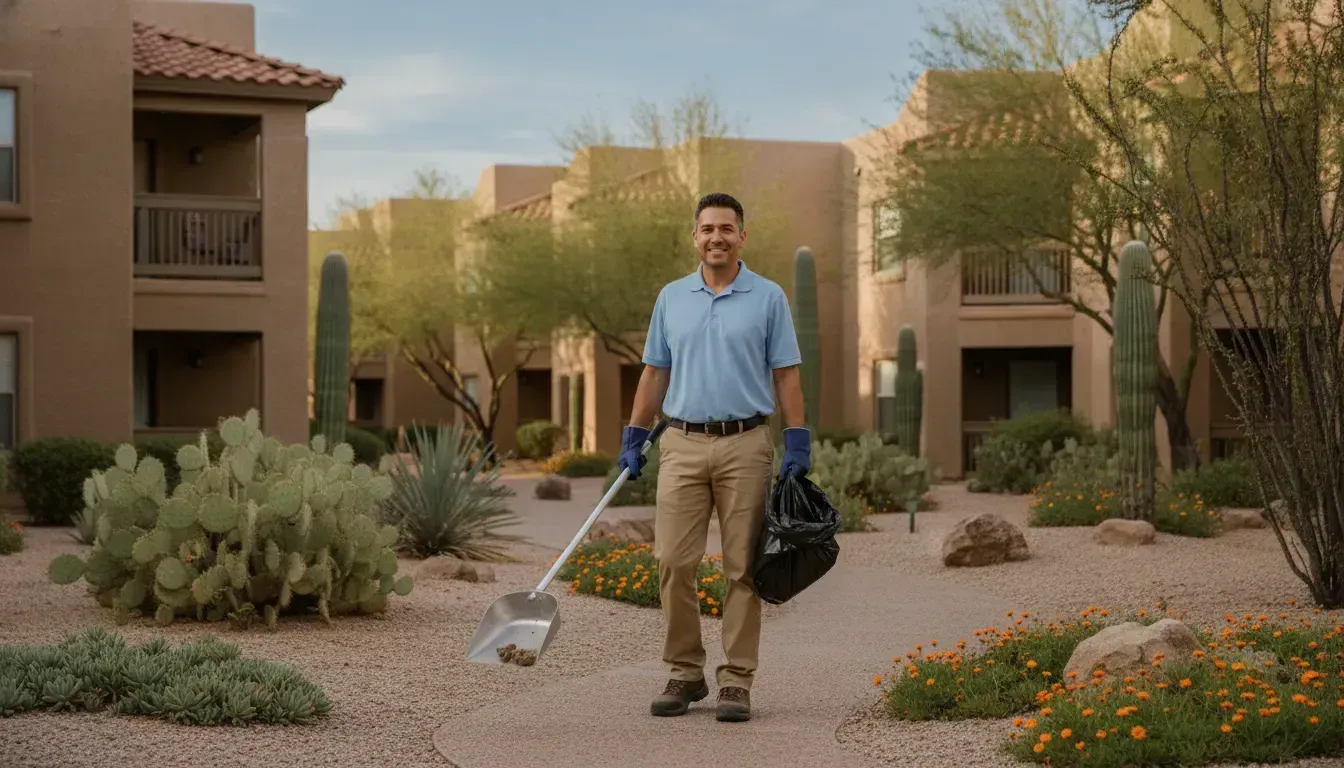
A1's documented process includes a complete yard inspection followed by waste collection. The technician checks the full service area rather than focusing only on the most visible section. Collected waste is double-bagged, hauled away from the property, and disposed of through city sanitation workers. For a large yard, that complete inspection is important because waste can collect along fences, behind landscaping, around side yards, or in less-used corners.
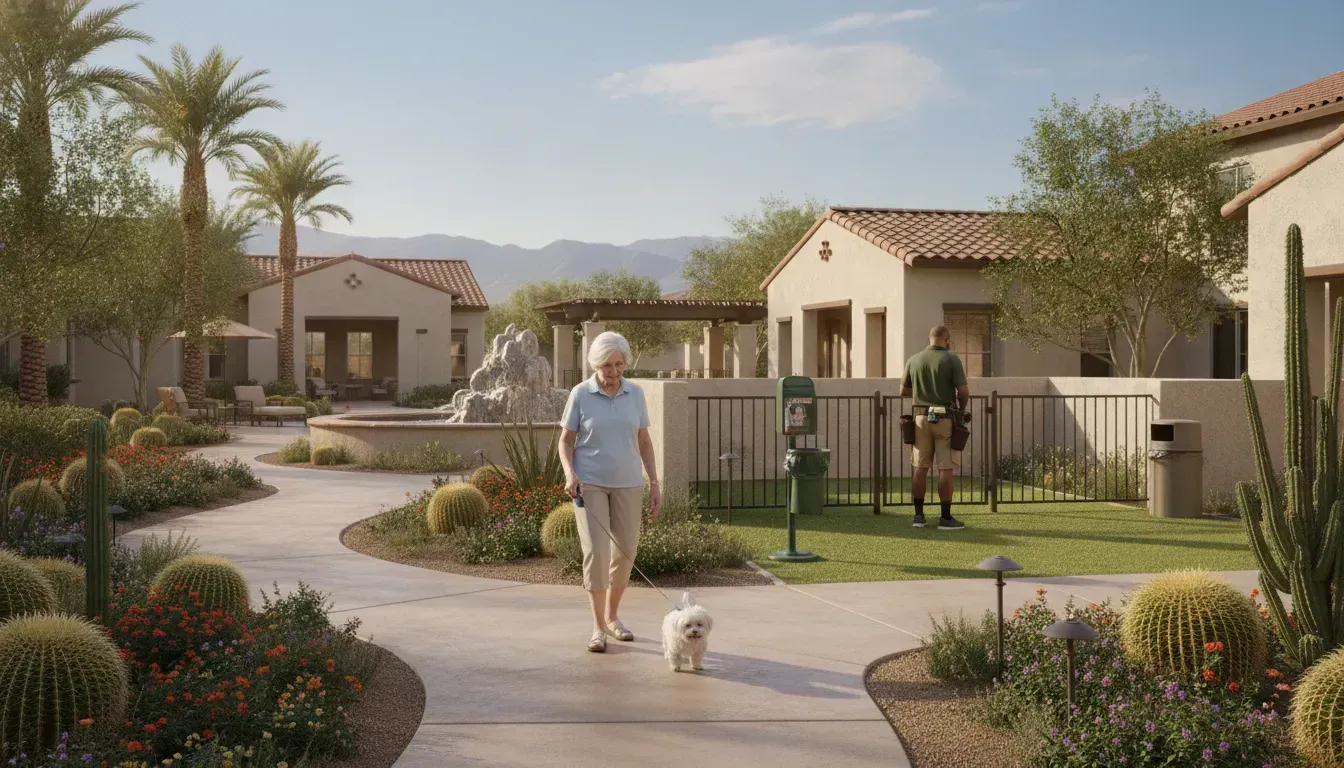
Recurring appointments can be organized as part of a consistent route, helping turn cleanup into routine property maintenance rather than an emergency task. A1 uses a no-contract model, so customers can start or stop service by phone. Property managers, HOAs, and apartment communities can also ask about service for larger pet-use areas. A1 serves Southern Nevada, including Las Vegas and Henderson, as well as Tucson, Arizona, and has operated since 1998.
If a regular schedule sounds easier than managing the buildup yourself, sign up for recurring service and choose the frequency that fits your yard. The FAQs below address common questions about large amounts of waste, cleanup timing, and when professional help is worthwhile.
Frequently Asked Questions
How do you get rid of large amounts of dog poop in a yard?
Divide the property into zones and work a repeatable route, using a long-handled scooper, sturdy bags, gloves, and a dedicated waste bin. For a heavy buildup, remove waste in manageable passes, then inspect the yard again from a different direction. Bag the waste securely and dispose of it in the trash. A one-time professional cleanup can reset a yard when accumulation has become difficult to manage.
What can you put on a yard to dissolve dog poop?
Do not rely on household chemicals or products to dissolve waste in place. Pick up the feces instead, because leaving it on the ground can contribute to sanitation and runoff problems. The safest practical approach is prompt removal, secure bagging, and appropriate trash disposal rather than washing waste into soil, drains, or nearby waterways.
How can you decontaminate soil from dog feces naturally?
There is no simple natural treatment that reliably decontaminates soil after dog feces has been present. Remove all visible waste, keep children and pets away from contaminated areas during cleanup, and wash your hands afterward. The CDC advises daily pet-waste pickup and notes that some roundworm eggs can survive for months or years under the right conditions: CDC guidance on toxocariasis.
How often should you clean a large yard?
Daily pickup is the strongest sanitation baseline, especially in play areas or homes with multiple dogs. If daily removal is not practical, divide the yard into zones and set a schedule that prevents buildup, increasing attention after heavy use or wet weather. The CDC recommends picking up pet waste daily: CDC pet-waste guidance.
When should you hire professional dog poop cleanup?
Hire help when waste has accumulated across a large area, your schedule makes regular pickup unrealistic. Or you need a clean reset before an event, move, or property handoff. A one-time cleanup handles buildup, while recurring weekly, bi-weekly, or custom service helps maintain the yard between visits.
Ready to Schedule Large-Yard Cleanup?
A practical cleanup plan can keep a large yard more manageable, whether you need a one-time reset or dependable recurring service. A1 Pet Maintenance can help you discuss the option that fits your yard, dogs, and schedule in Southern Nevada or Tucson.