Why Do Dogs Eat Poop? Causes, Risks, and Safe Steps
Why do dogs eat poop? Learn common causes, health warning signs, safe management steps, and how prompt yard cleanup can reduce access to waste at home.

Finding your dog eating stool can be upsetting, but the behavior is more common than many owners realize. It may reflect puppy exploration, scavenging, learned behavior, attention, stress, or a medical issue, so the right response is calm observation rather than punishment.
If you are asking, "why do dogs eat poop," there is no single explanation. Many cases are behavioral, especially in puppies. New or persistent stool eating can also occur with digestive problems, nutrient absorption issues, parasites, or an unusually strong appetite. Veterinary sources recommend discussing concerning changes with your veterinarian, particularly when diarrhea, weight loss, or other symptoms appear. VCA notes that medical causes should be considered even when behavior seems to be the main factor.
From there, it helps to separate instinctive and learned reasons from signs that deserve medical attention, while reducing access to waste in the yard. This guide covers both boundaries so you can choose a safe next step.
Why Do Dogs Eat Poop?
Dogs may eat poop for several different reasons, and the behavior does not automatically mean something is wrong with your dog. Veterinarians call it coprophagia. In puppies especially, it can begin as simple exploration: a young dog investigates unfamiliar smells, plays with stool, or scavenges because dogs are natural opportunistic eaters. That instinct can make feces seem worth investigating even when the dog has a complete diet.
Instinct also explains some cases involving mothers and puppies. A nursing mother may eat her puppies' waste to help keep the nesting area clean, and puppies can observe and copy that behavior. This does not mean every puppy that eats stool learned it from its mother, but early experiences can play a role. The behavior often improves as puppies mature with supervision and calm direction. VCA Animal Hospitals explains that puppy coprophagia may include investigative and scavenging behavior.
Other dogs may be responding to their environment. Boredom and too little mental or physical stimulation can leave a dog looking for something to do. Stress or anxiety may also contribute to repetitive or unusual coping behaviors. Changes in the household, confinement, limited exercise, or a history of neglect can all affect behavior, although you cannot identify the cause from poop-eating alone.
Attention can unintentionally reinforce the habit. If a dog learns that grabbing stool produces a dramatic chase, scolding, or immediate interaction, the reaction may become part of the reward. A dog with a history of harsh punishment for accidents may also eat stool to hide evidence or avoid another frightening response. Punishment can increase fear without teaching the replacement behavior you want.
These possibilities are behavioral explanations, not a diagnosis. Medical issues can also contribute, particularly when the behavior is new, persistent, or accompanied by changes in appetite, digestion, weight, thirst, energy, or bathroom habits. If those signs appear, ask your veterinarian for guidance rather than trying to solve the issue through training alone. In the meantime, calm supervision and prompt cleanup reduce access while you learn more about your dog's pattern.
Can Poop-Eating Signal a Health Problem?
Sometimes, yes. Poop-eating can be a learned or scavenging behavior, especially in puppies, but a new or persistent pattern can also occur alongside a medical problem. That does not mean your dog is sick. It means the change deserves context and, in some cases, a veterinary conversation.
Pay particular attention when an adult or senior dog starts eating stool suddenly. New coprophagia can be associated with problems that affect nutrient absorption, digestion, or appetite. Intestinal disease is one possible connection, and unusually strong hunger can accompany conditions such as diabetes, Cushing disease, thyroid disease, or certain medications. These possibilities are outlined by PetMD's veterinary-reviewed overview of coprophagia, but an online article cannot determine which, if any, applies to your dog.
Which changes should prompt a veterinary call?
Contact your veterinarian if stool-eating continues or appears with other changes, including:
- Weight loss, a marked increase in appetite, or difficulty maintaining body condition.
- Diarrhea, vomiting, unusually soft stools, or other ongoing digestive changes.
- Increased thirst or urination.
- Low energy, weakness, discomfort, or signs of pain.
- A sudden behavior change in an adult or senior dog.
- Possible exposure to an unknown stool source, medication, chemical, or toxin.
Diarrhea or weight loss alongside poop-eating warrants a call to your veterinary team, according to veterinary guidance summarized by VCA. Your veterinarian may ask about diet, medications, appetite, stool appearance, and recent access to other animals' waste. Depending on the history and examination, they may recommend testing, including a fecal test for parasites. Do not start supplements, change medication, or assume a vitamin deficiency is the cause without professional advice.
This article is educational and is not a diagnosis. If your dog seems seriously ill, weak, painful, or may have eaten contaminated or toxic material, seek prompt veterinary or emergency guidance. Until you have advice, supervise outdoor time, prevent access to additional stool, and note what happened and any symptoms. That information can help your veterinarian assess the situation more clearly.
How Can You Stop a Dog From Eating Poop Safely?
Stopping poop-eating usually starts with one simple goal: prevent access while you teach your dog what to do instead. Avoid yelling, chasing, or punishing your dog. A dramatic reaction can add attention or anxiety to the situation, making the behavior harder to manage. Use calm supervision and consistent rewards instead.
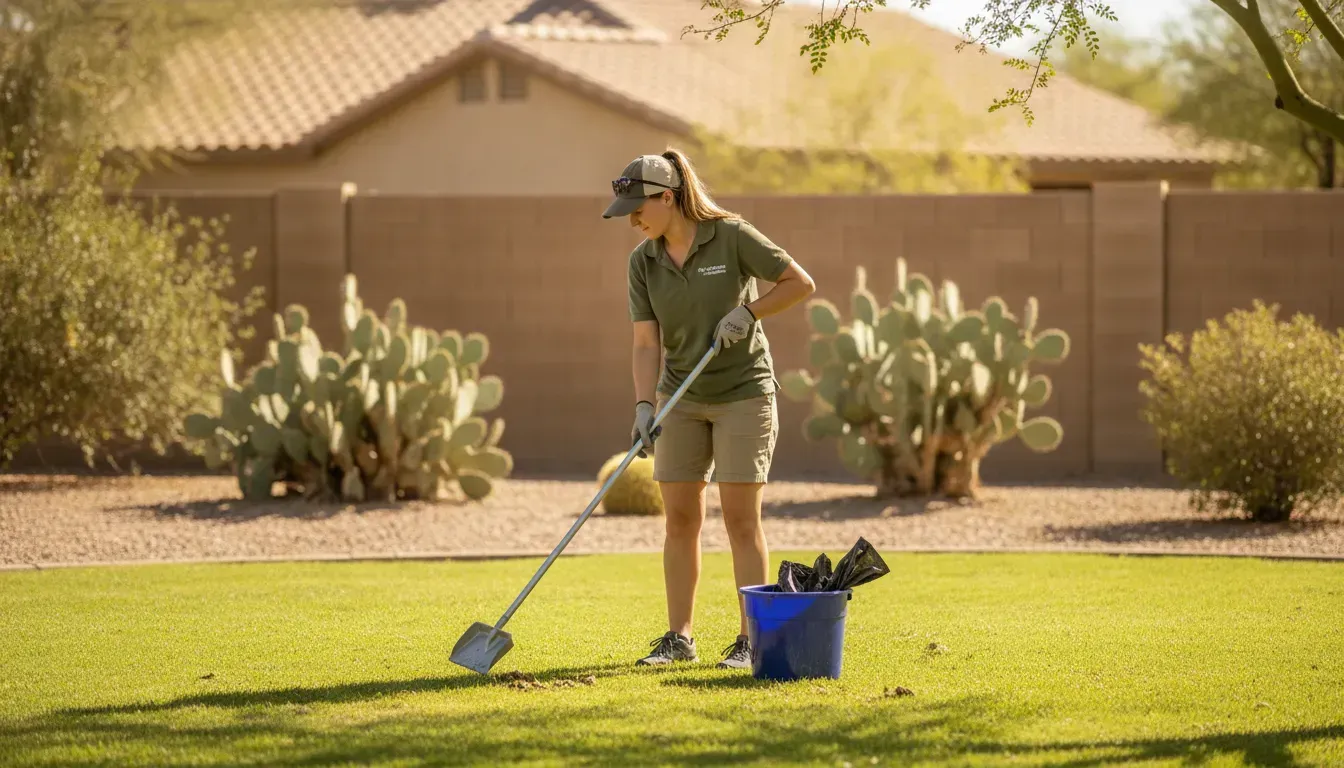
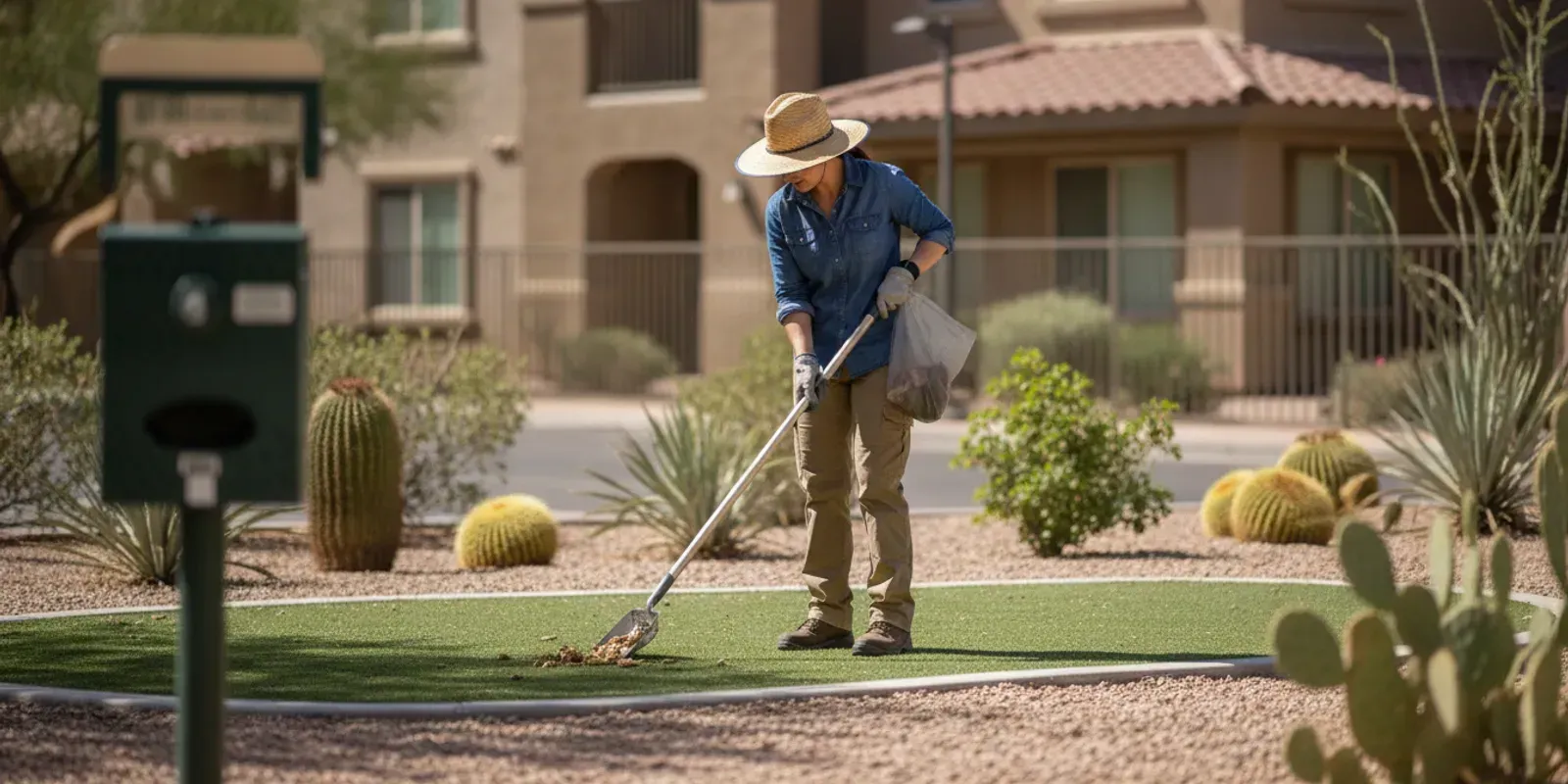
- Remove stool promptly. Inspect the yard before your dog goes outside, then pick up waste as soon as possible after elimination. Reducing access prevents repeated practice. If waste has accumulated, a one-time pet waste cleanup can reset the space, but sanitation does not diagnose the reason for the behavior or treat a medical problem.
- Supervise every outdoor trip for now. Keep your dog within sight, especially during the minutes immediately after defecation. A leash can help you guide a dog away without grabbing, chasing, or creating a game. If your dog is focused on the stool, calmly move closer and offer an alternative cue.
- Practice "leave it" and "come" away from the yard. Start indoors with a low-value object and reward your dog for looking away when you say "leave it." Practice a cheerful recall separately. Rewarding your dog for coming promptly. Gradually use these cues outdoors, where distractions are stronger. A trained "drop it" cue is also a practical way to reduce access, according to VCA guidance.
- Reward calm redirection. The instant your dog turns away, comes to you, or engages with a toy, provide a small reward and calm praise. The reward should follow the behavior you want, not the rush toward the stool. Keep your voice neutral if you need to interrupt an attempt.
- Add safe mental and physical enrichment. Age-appropriate walks, sniffing opportunities, short training sessions, and food puzzles can give your dog more constructive outlets. Enrichment is not a guaranteed cure, but it may help when boredom or low stimulation is part of the pattern. Do not rely on unverified supplements or home remedies.
- Keep a simple behavior log. Record when the behavior happens, whether your dog had immediate access to stool, what happened beforehand, and which redirection worked. Note appetite, digestion, energy, weight, and any other changes. This information can help a veterinarian distinguish a recurring habit from a concern that needs evaluation.
- Ask a qualified professional if it persists. Contact your veterinarian if the behavior begins suddenly in an adult or senior dog. Continues despite consistent management, or occurs with diarrhea, weight loss, unusual appetite, vomiting, weakness, or other concerning signs. A veterinarian can assess possible medical contributors. For a behavior pattern without a clear medical cause, ask about referral to a qualified behavior professional.
Does Yard Cleanup Help Prevent Poop-Eating?
Yes, prompt yard cleanup can help prevent poop-eating by removing the opportunity before your dog can reach it. It reduces access and repeated rehearsal of the behavior, but it does not cure an underlying medical issue, anxiety, boredom, or learned habit. If the behavior is new, persistent, or accompanied by symptoms such as weight loss, diarrhea, unusual hunger, or low energy, speak with your veterinarian. A1 Pet Maintenance handles property sanitation, not veterinary diagnosis or behavior treatment.
 Why prompt removal matters
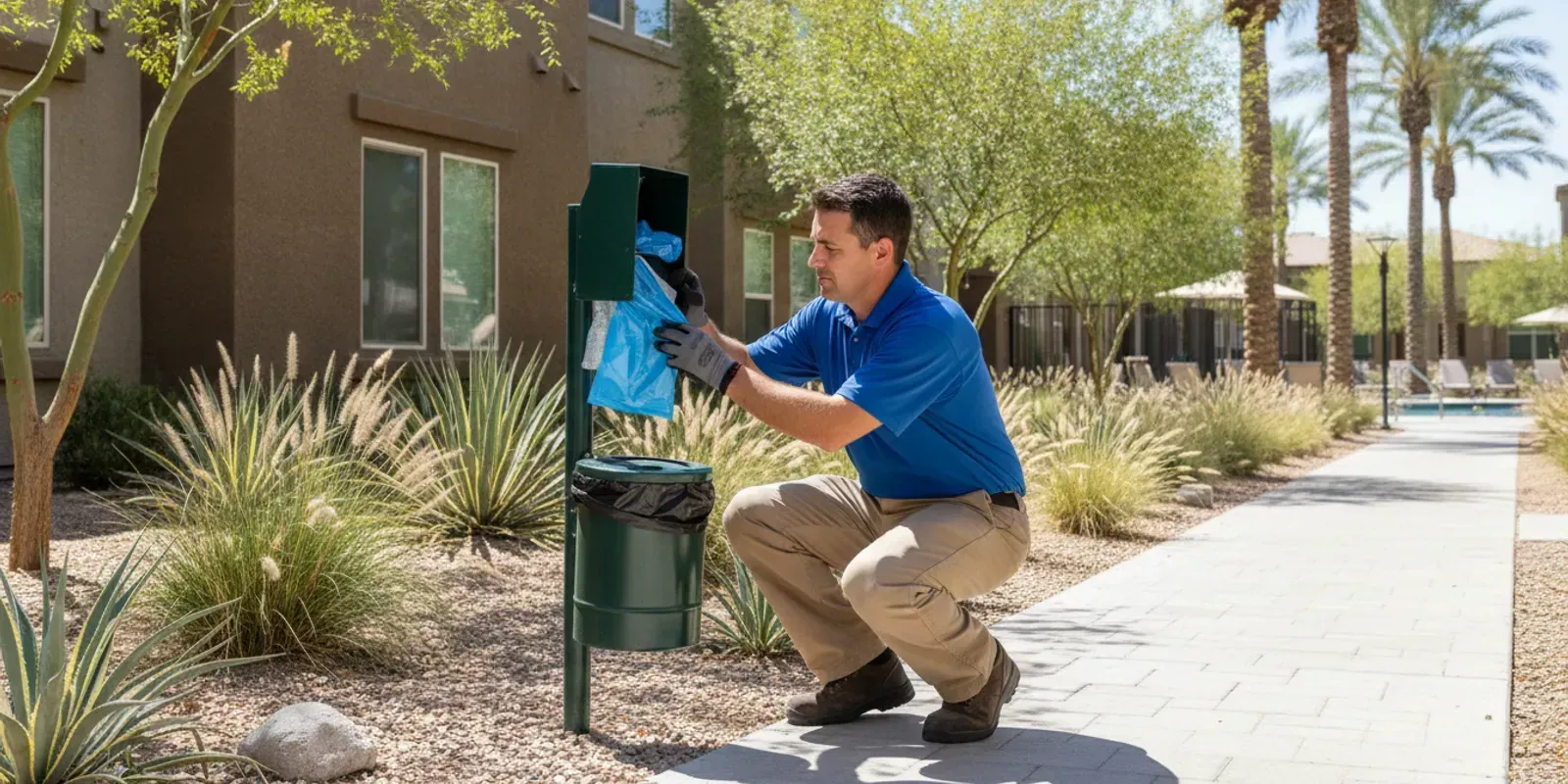
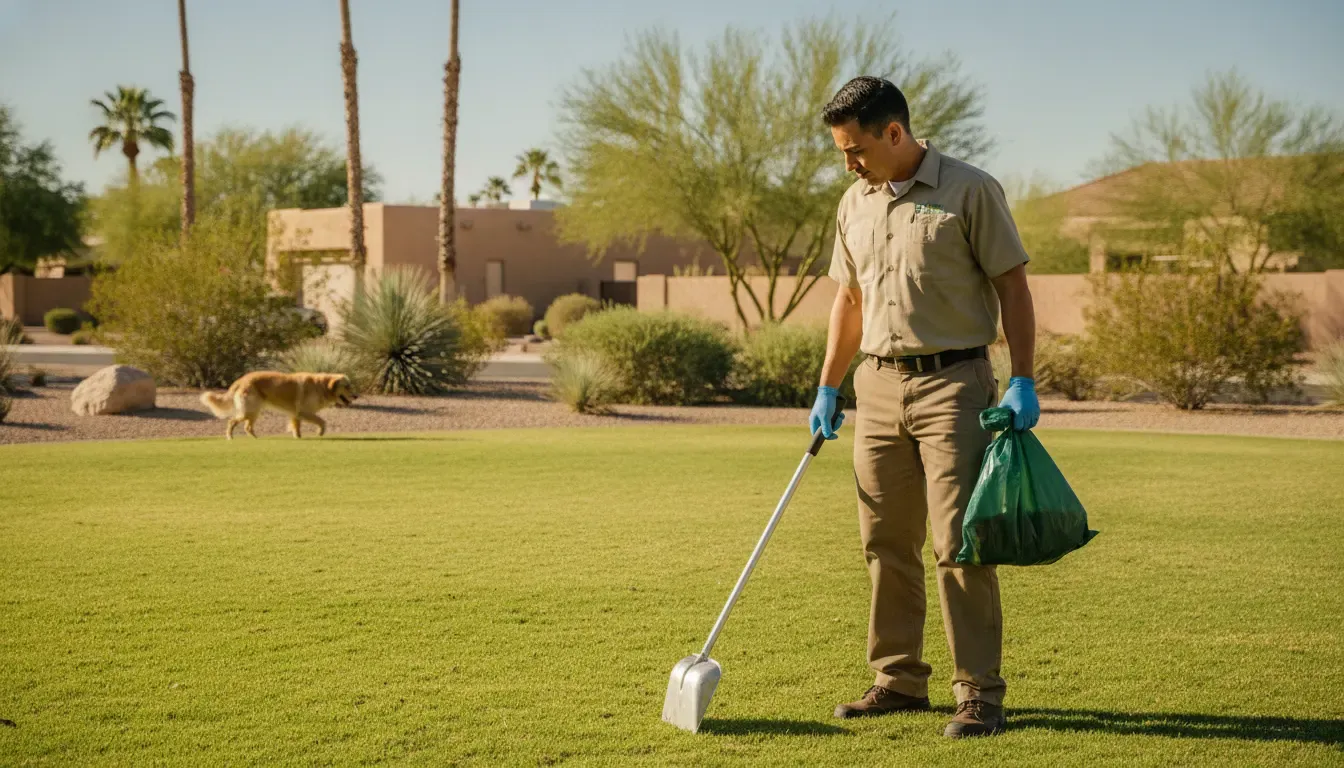
Dogs cannot eat waste that is no longer available in the yard. Picking up soon after each bowel movement, supervising outdoor time, and rewarding a dog for moving away can make the desired behavior easier to repeat than scavenging. Cleanup also helps you notice changes in stool appearance or frequency, information that may be useful when discussing your dog's health with a veterinary professional. For safe bagging, handwashing, and disposal boundaries, see this guide on how to dispose of dog poop.
What A1 cleanup includes
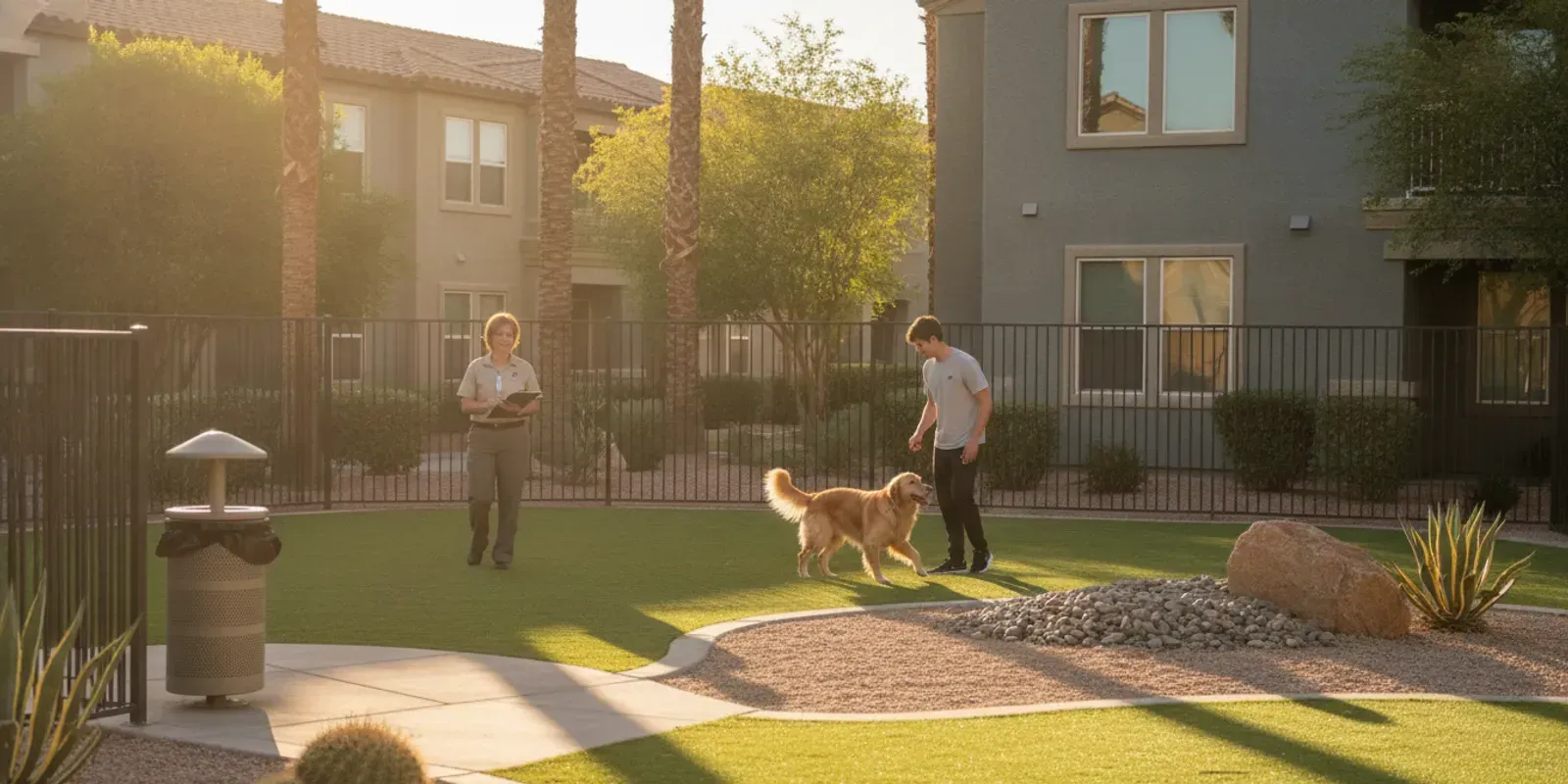
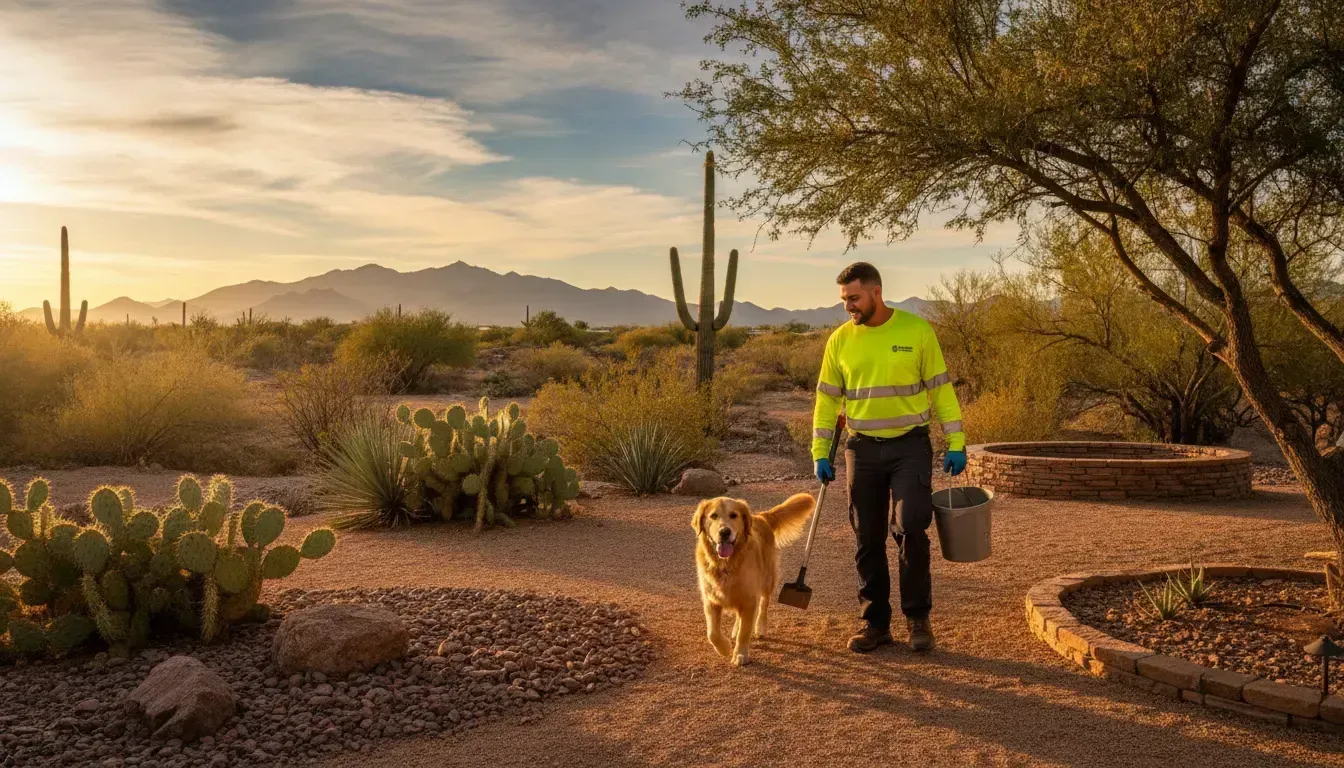
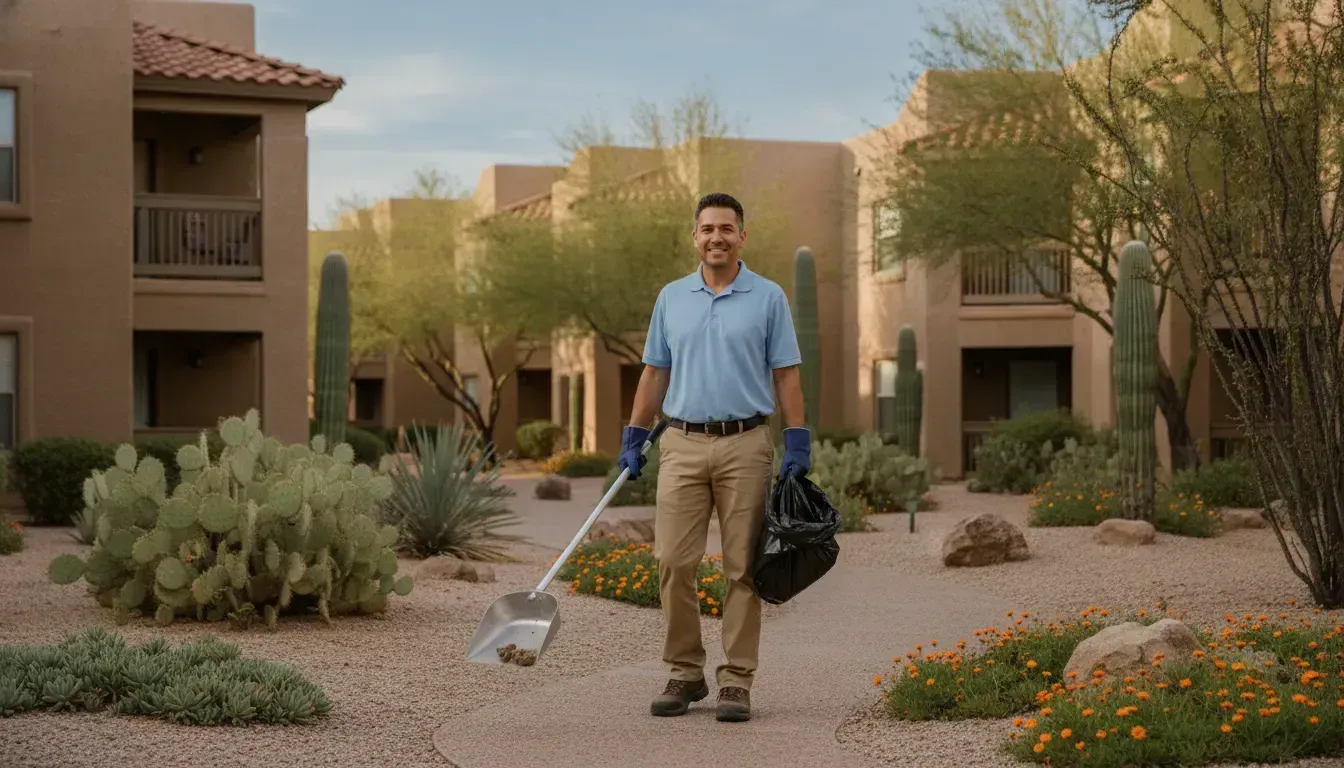
A1 has served Southern Nevada and Tucson since 1998 and services more than 400 properties weekly. Depending on the property, you can choose a one-time pet waste cleanup for accumulated waste or recurring removal on a weekly, bi-weekly, or custom schedule. The practical boundary is clear: A1 inspects the yard, collects the waste, bags it, and hauls it away. That keeps feces out of reach and gives your outdoor space a cleaner baseline, but it does not address why an individual dog eats poop.
For a household managing this behavior, the most effective plan is usually combined: reduce access through consistent cleanup. Use calm supervision and training, and ask a veterinarian about possible health or behavioral causes when appropriate.
What Should You Do After Your Dog Eats Poop?
Stay calm and gather a few details before deciding what to do next. Note whether your dog ate its own stool or another animal's. Record roughly how much was consumed. Note whether the behavior was a single episode or part of a pattern. Also watch for changes in appetite, energy, digestion, thirst, urination, weight, or comfort.
A well-appearing dog after one isolated incident can generally be observed closely while you remove any remaining waste and prevent another opportunity. Do not punish, force food or water, or give medication based on internet advice. Stool from cats, horses, or other animals can contain harmful bacteria, so mention the source to your veterinarian if you need guidance. PetMD explains that eating feces from another species may carry different health considerations.
What to do after a dog eats poopWhat you observePractical first stepWhen to escalateOne episode, small amount, and your dog is acting normally.Remove remaining waste. Offer normal access to fresh water. Observe behavior and digestion.Contact your veterinarian if any concerning symptom appears or your concerns persist.Repeated episodes or a sudden new habit in an adult or senior dog.Record timing, stool source, appetite, and other changes. Prevent access and arrange veterinary guidance.Schedule a veterinary evaluation. Medical contributors may need to be ruled out.Vomiting, diarrhea, weight loss, unusual thirst or urination, weakness, pain, or marked appetite change.Call a veterinarian promptly. Explain the symptoms, timing, and what was eaten.Follow the veterinary team's urgency instructions. Do not wait for the behavior to repeat.
After the immediate concern has passed, focus on reducing access rather than scolding. Promptly pick up stool, supervise outdoor time, and redirect your dog with a familiar cue. These steps can reduce repeated opportunities. A simple log can help your veterinarian distinguish an isolated scavenging event from a persistent behavior. It can also show when a change deserves investigation. Veterinary guidance is especially important when diarrhea or weight loss occurs alongside stool eating, as noted by VCA Animal Hospitals.
When Should You Call a Veterinarian?
Occasional poop-eating can be a behavioral or scavenging habit, especially in puppies. However, a veterinary conversation is wise when the behavior is persistent, begins suddenly, or appears alongside other changes. New stool-eating in an adult or senior dog deserves particular attention because medical and nutritional issues can sometimes contribute. This does not mean your dog has a specific illness, and this article cannot provide a diagnosis. A veterinarian can decide whether an examination or testing is appropriate.
Contact your veterinarian if poop-eating occurs with diarrhea, vomiting, weight loss, unusual hunger, increased thirst or urination, low energy, pain, weakness, or another noticeable change in normal behavior. Also call if your dog repeatedly eats stool from other animals, especially when you cannot confirm the animal's health status. PetMD notes that coprophagia can be associated with intestinal disease and that stool from animals such as cats or horses may carry harmful bacteria: learn more about possible causes and risks from PetMD.
What should you tell the veterinarian?
Bring a simple record rather than trying to interpret the behavior yourself. Note when it started, how often it happens, whether your dog eats its own stool or another animal's. And whether the pattern followed a diet change, medication, move, stressor, or illness. Record appetite, water intake, energy, bowel movements, vomiting, and any weight change. If possible, take a fresh stool sample only as the clinic directs, and tell the veterinarian about parasite prevention, current medications, and access to other animals' waste.
Until you receive guidance, calmly prevent access, supervise outdoor time, and remove waste promptly. Yard cleanup can reduce opportunities, but it cannot identify or treat a medical or behavioral cause.
Call A1 Pet Maintenance at (702) 521-2624 Today
Frequently Asked Questions
What is a dog lacking when they eat poop?
Not necessarily anything. Poop-eating can reflect scavenging, curiosity, learned behavior, attention, stress, or boredom. Nutritional deficiencies and problems that reduce nutrient absorption are possible, but a veterinarian should evaluate those causes rather than guessing or adding supplements. Veterinary guidance from VCA describes both behavioral and medical contributors.
How do I stop my dog from eating poop?
Reduce access first: supervise outdoor time, remove stool promptly, and reward your dog for coming to you or responding to a reliable leave-it or drop-it cue. Calm training is preferable to punishment, which can add fear or make the behavior harder to understand. Enrichment and a simple log of timing, food, and triggers can also help you and your veterinarian identify patterns.
Why do dogs eat poop every day?
Daily repetition can make the behavior self-reinforcing, especially when a dog has regular access to stool. It can also reflect an ongoing medical or behavioral factor, including increased appetite, digestive problems, stress, or insufficient stimulation. Persistent behavior deserves a veterinary conversation, especially if it began suddenly in an adult or senior dog.
Why do dogs eat poop and vomit?
Vomiting after eating stool is a reason to monitor your dog closely and contact your veterinarian for guidance. Particularly if vomiting repeats or occurs with diarrhea, weight loss, weakness, pain, appetite changes, or unusual thirst or urination. Stool from other animals can also contain harmful bacteria, so tell the veterinarian what was eaten if you know. VCA recommends contacting a veterinarian when poop-eating occurs with signs such as diarrhea or weight loss.
Does cleaning the yard stop a dog from eating poop?
Prompt removal reduces access and helps prevent practice, but it does not diagnose or treat the reason for the behavior. A clean yard is one part of management alongside supervision, training, enrichment, and veterinary evaluation when needed. Professional cleanup can help maintain that boundary, but it cannot replace medical or behavior guidance.
Ready to Make Yard Cleanup Easier?
Keeping pet waste out of the yard can make supervision and everyday cleanup more manageable while you work on the underlying behavior with your veterinarian or trainer. For help with a one-time cleanup or a recurring service, call A1 Pet Maintenance at (702) 521-2624. Our team serves pet owners in Southern Nevada and Tucson, with practical yard sanitation support that complements your dog's care plan.