Is Dog Poop Good Fertilizer? Safe Lawn Guide
Is dog poop good fertilizer? Learn the lawn, health, and runoff risks, then follow safer cleanup and disposal steps for a cleaner yard.

Is dog poop good fertilizer? No. Dog waste is not a safe or balanced fertilizer for a home lawn. It can carry germs and parasites, create odor, damage grass when it accumulates, and wash toward storm drains. Pick it up promptly. Do not leave it to decompose in the yard.
Call A1 Pet Maintenance at (702) 521-2624 Today
That answer matters because dog waste may contain nutrients, but the presence of nutrients does not make a material safe for plants, people, or pets. Manufactured lawn fertilizer is formulated and labeled for a specific use. Dog poop is untreated animal waste. Those are very different things.
This guide explains why dog waste should not be used as lawn fertilizer, what happens when it sits on natural grass or artificial turf. How to clean it up safely, and when a professional service can make routine yard care easier. A1 Pet Maintenance has served Southern Nevada and Tucson since 1998 and helps residential and commercial customers keep outdoor spaces cleaner.
Is Dog Poop Good Fertilizer for Grass?
No. Dog poop should be removed from grass, not used to feed it. A lawn needs nutrients in measured amounts, along with the right moisture, soil conditions, and application method. A dog waste pile provides none of that control. It simply leaves a concentrated mass of organic material on the surface.
Dog waste also has a sanitation risk that ordinary lawn fertilizer does not have. Pet waste may contain bacteria, viruses, and parasite eggs. The Centers for Disease Control and Prevention recommends picking up dog feces because animal waste can spread germs to people and other animals. Review its pet health guidance at CDC Healthy Pets.
One pile may seem harmless, especially if it is small or the grass looks green around it. Repeated piles are different. They can leave concentrated nutrients in a small area, contribute to brown or burned-looking grass. And spread contamination as people, pets, lawn equipment, rain, or irrigation move through the yard.
Dog waste also does not become a useful fertilizer simply because it becomes less visible. Decomposition can take time, and the material can remain a source of contamination while it breaks down. Picking up the waste is the more dependable way to protect the lawn and reduce exposure.
 How is dog waste different from plant fertilizer?
Plant fertilizer is manufactured or blended for a defined purpose. Its label identifies how much to apply, where it can be used, and what precautions to follow. Dog poop has no reliable nutrient label and no consistent application rate. Its composition varies with the dog, diet, hydration, age of the waste, and surrounding conditions.
That lack of control is one reason pet waste should not be spread across a lawn or worked into garden soil. A product designed for plants and a waste product from a carnivorous or omnivorous animal should not be treated as interchangeable. If a lawn needs nutrients, use a lawn product according to its label or ask a qualified local lawn professional about soil testing.
Can letting dog poop decompose make it safe?
Not reliably. Visible waste can break down while microorganisms or parasite eggs remain in soil. Weather can also move contaminants before decomposition is complete. A pile that disappears from view has not necessarily disappeared from the environment.
The safest routine is removal. For more detail about timing and conditions, see A1's guide to how long dog poop takes to decompose. The practical takeaway is simple: decomposition is not a substitute for scooping.
Why Asking Is Dog Poop Good Fertilizer Misses the Lawn-Safety Issue?
The fertilizer question focuses on whether dog waste contains anything a plant might use. The better question is whether leaving that waste in a lived-in yard creates an acceptable risk. For most homes, the answer is no. Children play on lawns, dogs sniff and walk through them, and adults track soil into the home. A material can contain nitrogen and still be unsuitable for that setting.
Runoff is another concern. During a storm or heavy irrigation, loose pet waste can move from a yard into a street, drainage area, or waterway. Charlotte-Mecklenburg Storm Water Services explains that pet waste does not help plants and should be picked up rather than treated as fertilizer. Its Scoop the Poop guidance is a useful plain-language explanation of the environmental issue.
What health risks can dog poop leave in a yard?
Pet waste can expose people and animals to disease-causing organisms through direct contact, contaminated soil, or objects that touched the waste. The risk is higher when waste accumulates, when cleanup is done without handwashing, or when pets carry contaminated material to other areas.
This does not mean every contact causes illness. It does mean routine removal is a sensible prevention step. Keep children away from fresh waste, do not touch your face during cleanup, use a scoop or bag, and wash your hands with soap and water afterward. Clean tools as needed, and keep bags away from food preparation areas.
People with weakened immune systems, young children, older adults, and pregnant people may need to be particularly careful about animal waste exposure. If someone becomes ill after contact with pet waste, a healthcare professional can provide individual guidance. This article is general yard-care information, not medical advice.
How can dog waste affect soil and water?
On soil, repeated waste deposits can create uneven nutrient concentrations, odor, and areas that are unpleasant to use. On hard surfaces, waste can be tracked or washed into nearby drainage. On a sloped yard, one neglected area can affect a larger area after rain.
Waste should never be tossed into a storm drain. Follow local rules for bagged pet waste and household trash, and check whether your community has special collection requirements. A1's guide to how to dispose of dog poop properly covers common disposal questions without treating dog waste as a lawn amendment.
How Does Dog Poop Affect Natural Grass and Artificial Turf?
Natural grass and artificial turf respond differently to pet waste, but neither surface benefits from repeated piles. Natural grass can develop discolored or thin patches where waste accumulates. Artificial turf does not absorb liquid like soil, so urine and organic residue can remain around fibers and in the infill. Odor may become more noticeable in warm weather.
The right response depends on the surface and the amount of buildup. Scoop solid waste first. Do not rely on a quick rinse to solve repeated contamination or odor. Water may move residue to another area without removing the underlying problem.
What happens when waste is left on natural grass?
A single pile may leave a small area of damaged or discolored grass. Multiple piles can create a pattern of stressed turf, especially when the same relief area is used repeatedly. Lawn mowing can spread residue across the yard if waste is not removed first. Foot traffic can also move material into soil and onto shoes.
Daily pickup is the simplest prevention. Households with several dogs or busy schedules may benefit from a written routine, a designated scoop location, and a secure waste container. A1's guide to how often to pick up dog poop can help turn cleanup into a manageable habit.
Why does artificial turf need more than a quick rinse?
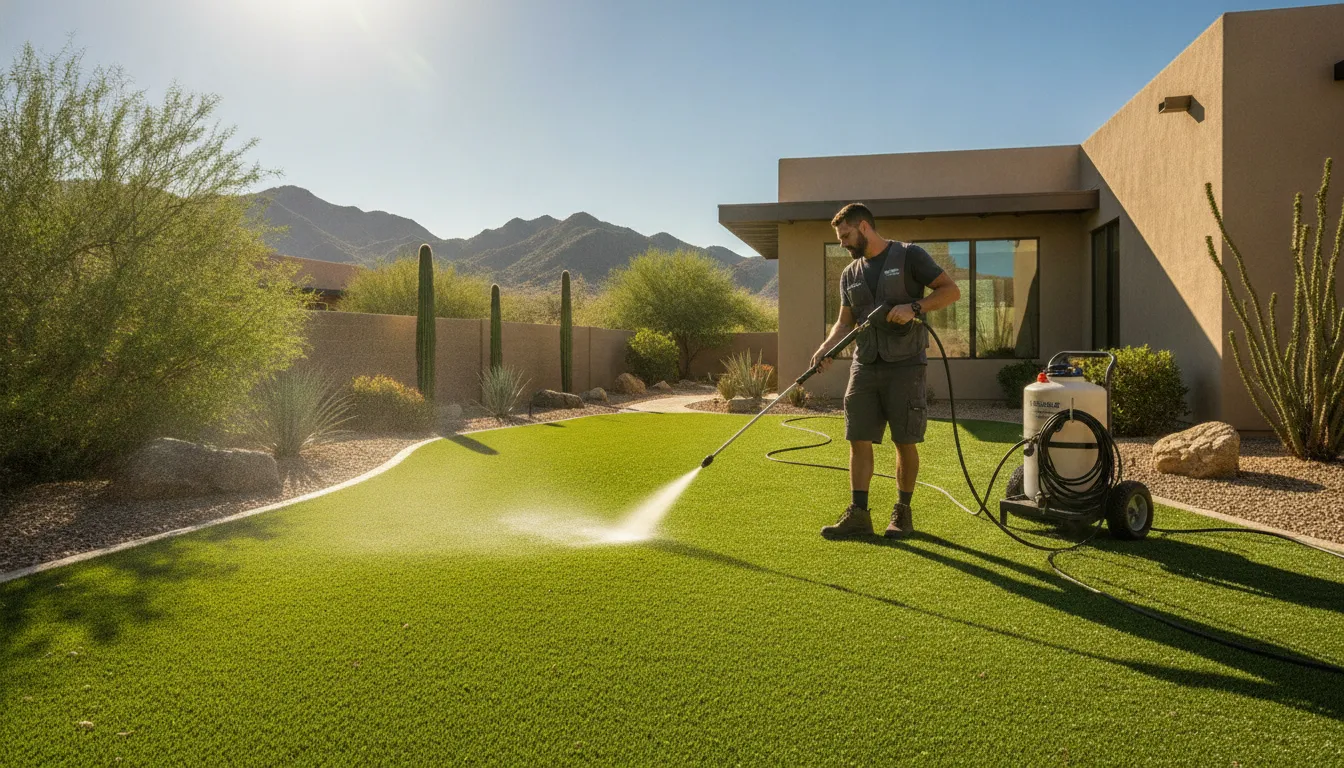
Artificial turf can hold organic residue in the fibers and infill. A hose may remove loose debris, but it may not address embedded buildup or persistent odor. Strong household chemicals can also damage turf or create a separate risk for pets if they are used incorrectly.
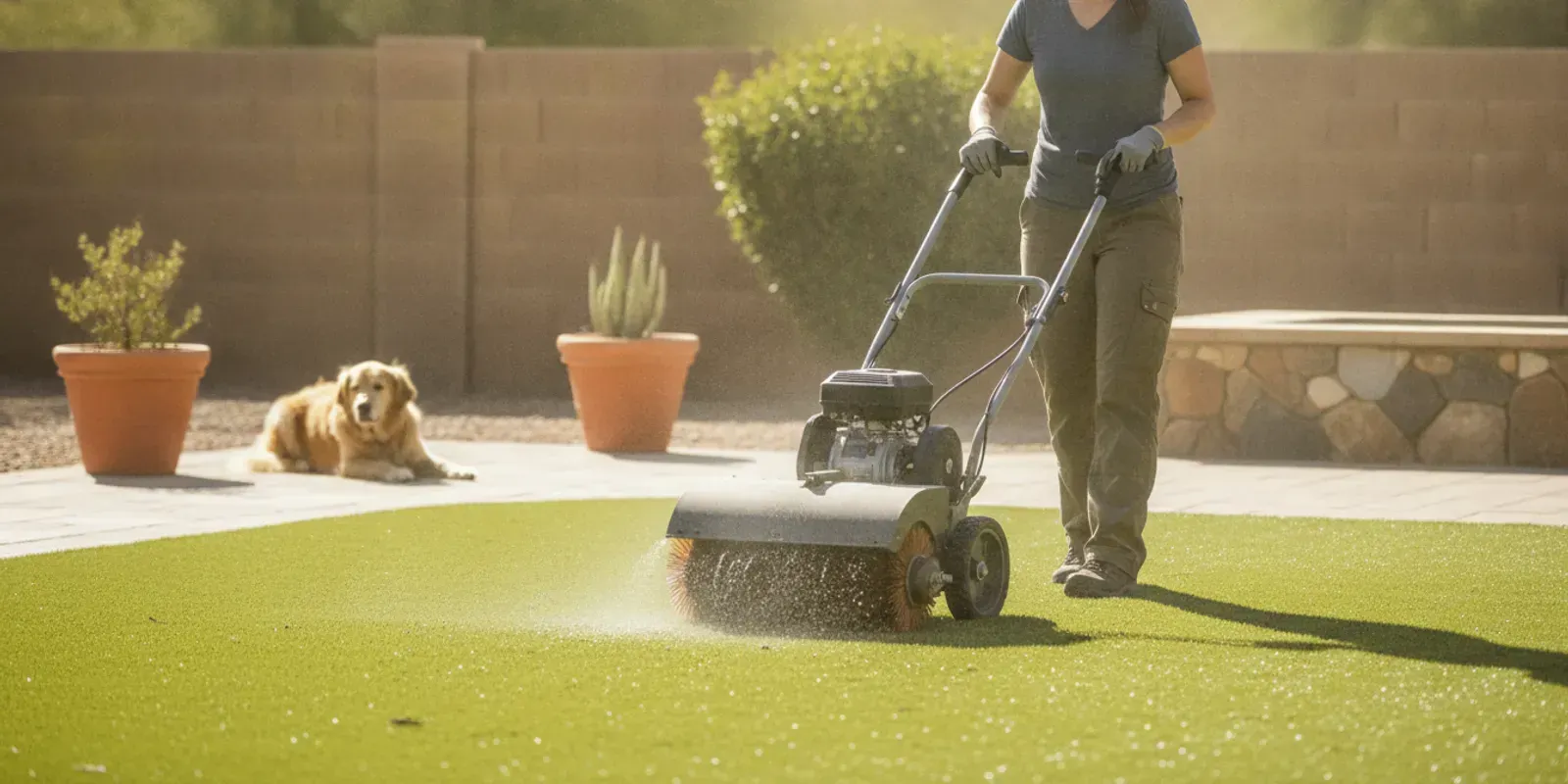
For a turf area with recurring odor or heavy pet traffic, use a cleaning approach designed for artificial grass and follow product directions. A1 provides artificial grass cleaning that includes pet waste removal, debris clearing, enzyme-based deodorizing, deep rinsing, and agitation when appropriate. Learn more about artificial grass cleaning and maintenance.
How common approaches compareApproachWhat it doesSafer choice?Leave dog poop on the lawnAllows untreated waste to break down unevenly while remaining in the yard.No. Scoop and dispose of it.Use labeled lawn fertilizerProvides measured plant nutrients according to product directions.Use only as directed for the lawn.Specialized dog-waste compostingUses controlled handling and conditions intended to manage pet waste.Only with appropriate knowledge and containment, never for food crops.Professional cleanupRemoves accumulated waste and restores a manageable maintenance routine.Useful when buildup, time, or property size makes DIY cleanup difficult. What Is the Safest Way to Clean Up Dog Poop?
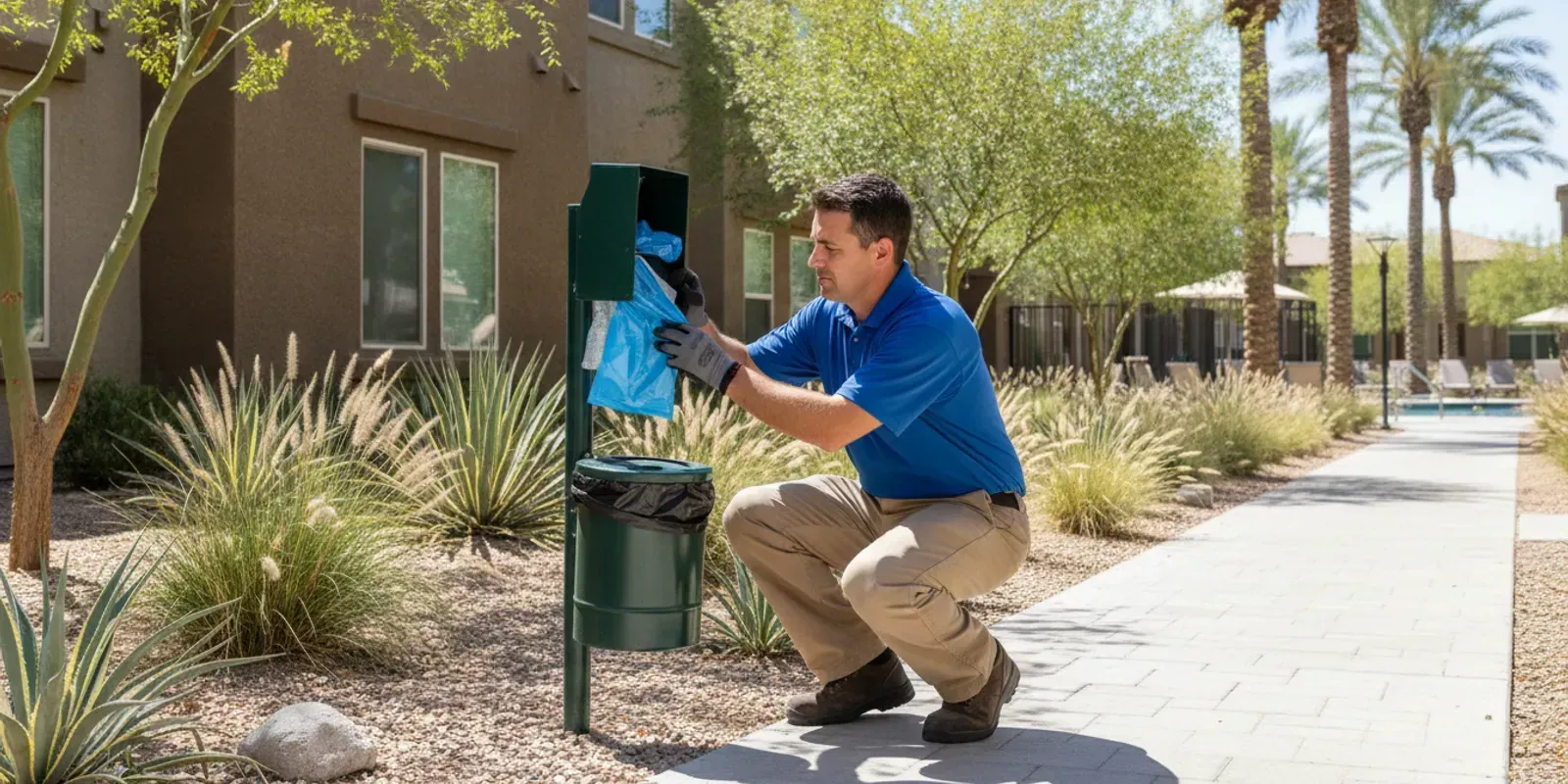
Safe cleanup does not need to be complicated. The goal is to avoid direct contact, contain the waste, reduce tracking, and wash your hands. Choose a repeatable routine that fits your yard and local disposal requirements.
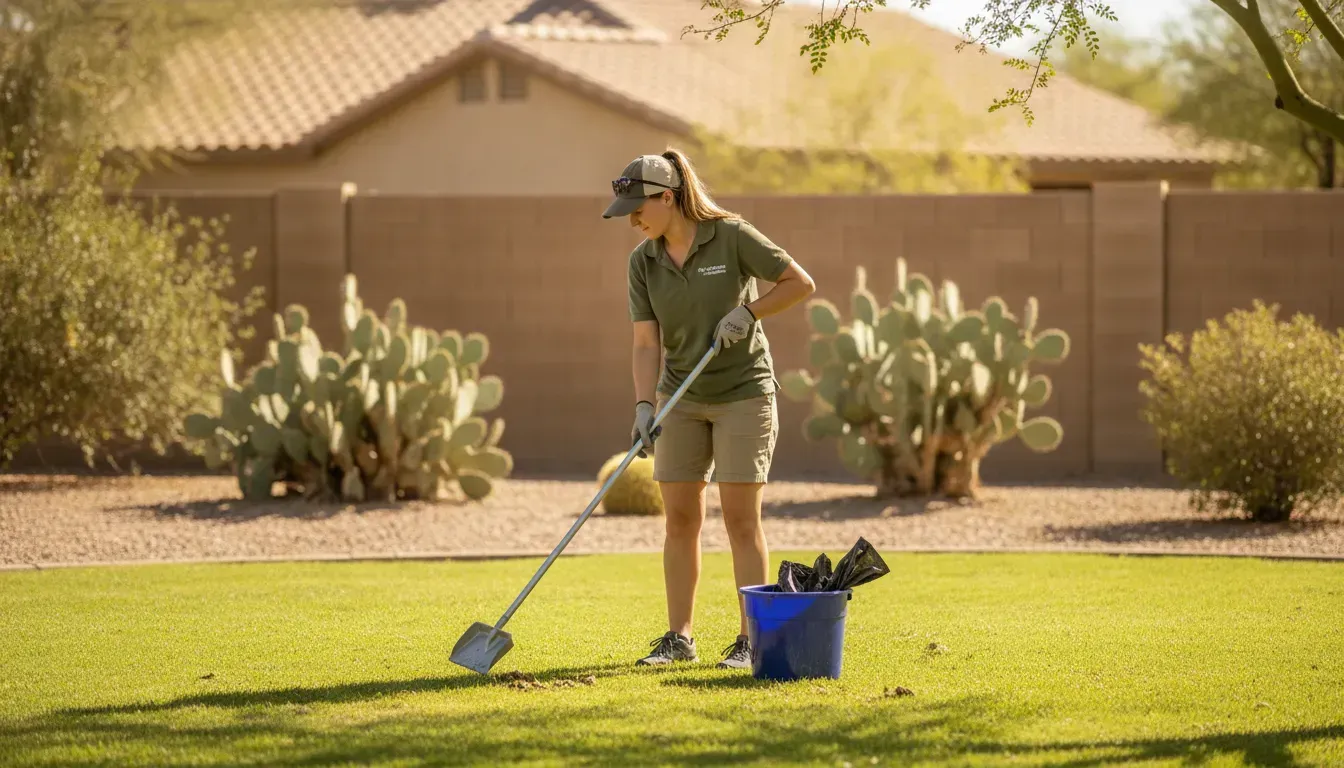
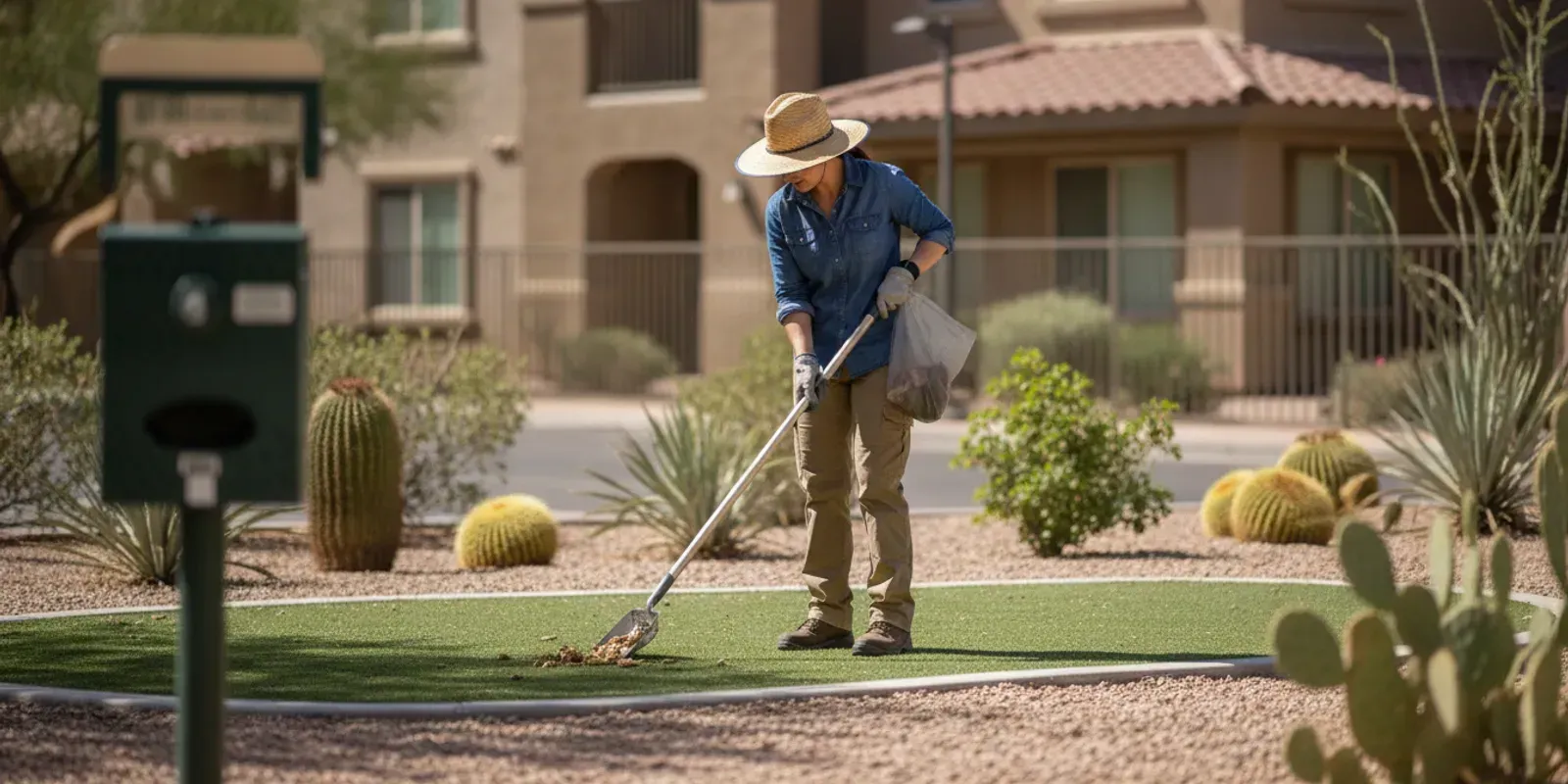
- Prepare the right tool. Keep a scoop, bags, and hand sanitizer or access to soap and water near the normal cleanup area. Wear gloves if they help you avoid contact, but still wash your hands afterward.
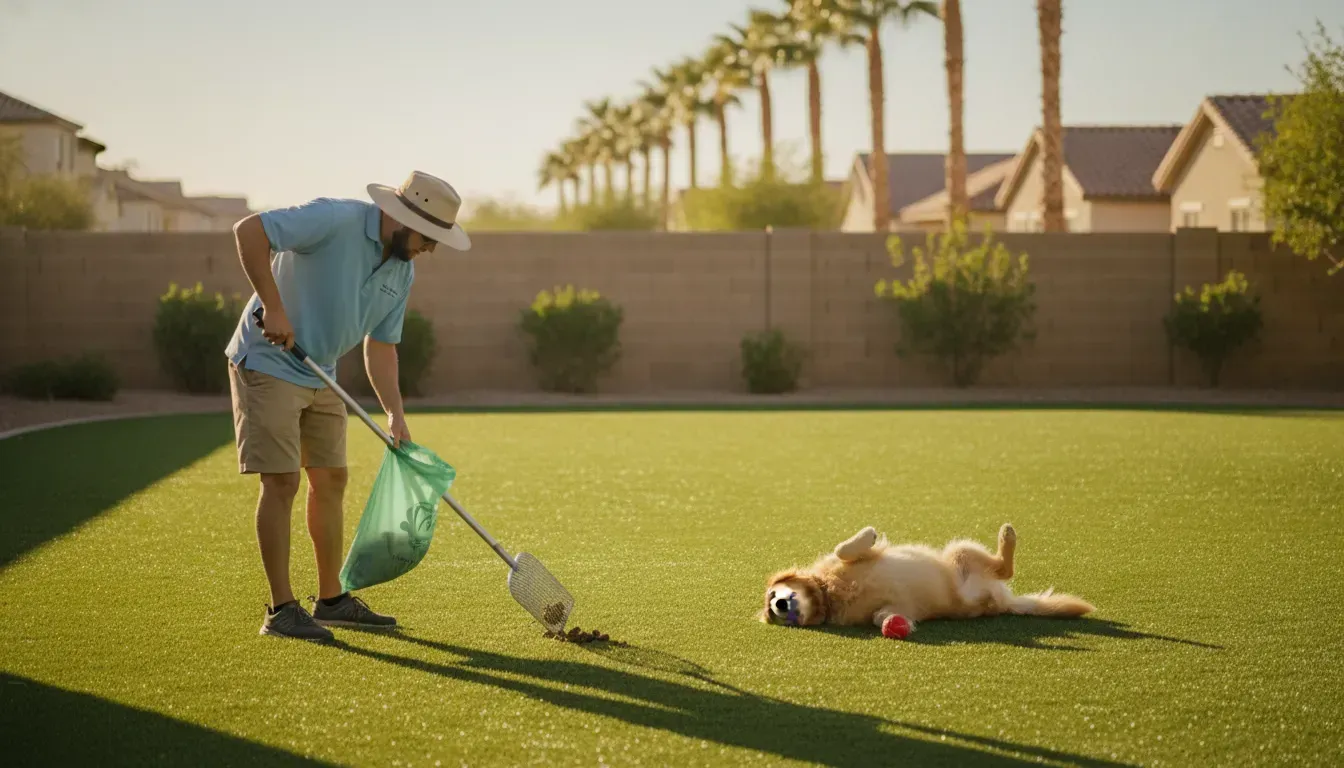
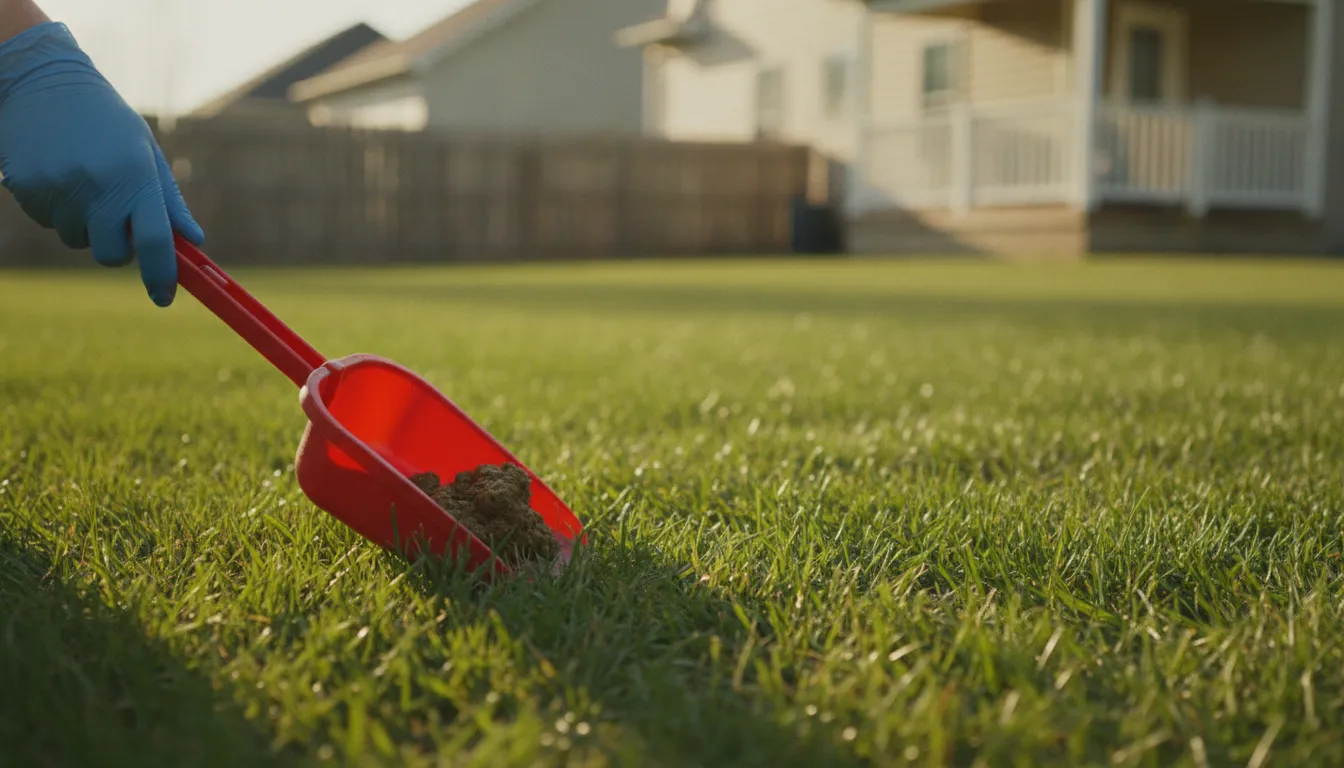
- Scoop or bag the waste without touching it. Use the scoop to lift the pile, or turn a bag over your hand, pick up the waste, and pull the bag back over it.
- Check the surrounding area. Look for small pieces or residue that could be tracked by people, pets, or lawn equipment. Remove what you can without spreading it.
- Seal and secure the bag. Tie the bag closed and place it where pets and children cannot reach it. Avoid leaving filled bags beside a walkway or in direct sun.
- Use the disposal method required where you live. Household trash is common, but local rules vary. Never place a bag in a storm drain or leave it beside a waterway.
- Wash your hands. Use soap and running water after removing gloves or finishing the task. Clean the scoop when it is visibly dirty.
For a larger accumulation, work in sections rather than dragging tools through contaminated areas. Keep clean supplies separate from used bags. If a surface has persistent odor, use a product made for that surface and follow its label. Avoid mixing cleaning chemicals.
 What should you avoid during cleanup?
Do not mow over dog poop, sweep dry waste into the street, rinse waste toward a drain, or put loose waste into a backyard compost bin. Do not assume that a biodegradable bag can be left outdoors. Bag claims and local disposal rules differ, and an abandoned bag is still litter.
Backyard composting requires special care. Ordinary home compost piles may not reach or maintain conditions needed to manage pathogens. And finished compost should not be used around food crops when it contains dog waste. University of Florida IFAS describes the controls involved in specialized dog-waste composting, including a sustained 140 degrees F pathogen-control target, dedicated handling, and non-food use. Read its dog-waste composting guidance before considering that approach.
When Should You Use a Professional Dog Waste Cleanup Service?
Professional cleanup is useful when the waste has accumulated beyond a comfortable DIY job. When a household cannot maintain a regular routine, or when a property has many dogs using shared areas. The benefit is not turning dog poop into fertilizer. The benefit is removing waste consistently so the yard is easier to use and maintain.
When waste has built up
A one-time cleanup can reset a yard after travel, illness, extreme weather, a move, or a busy season. A1 offers one-time cleanups for residential and commercial properties. Service details are available on the one-time cleanup page.
When recurring service is easier to maintain
Weekly or twice-weekly visits can reduce the amount of waste left between cleanups. A1 offers recurring pet waste removal for customers in Southern Nevada and Tucson, with service plans based on the property and number of dogs. Customers can review the sign-up information or call with questions.
When artificial turf needs sanitation
Artificial turf may need more than solid-waste pickup when odors or organic buildup persist. A1's turf service is designed for pet-use areas and includes enzyme-based deodorizing as part of the service process. Ask about the property before choosing a treatment so the approach matches the turf and its condition.
When the property is shared or commercial
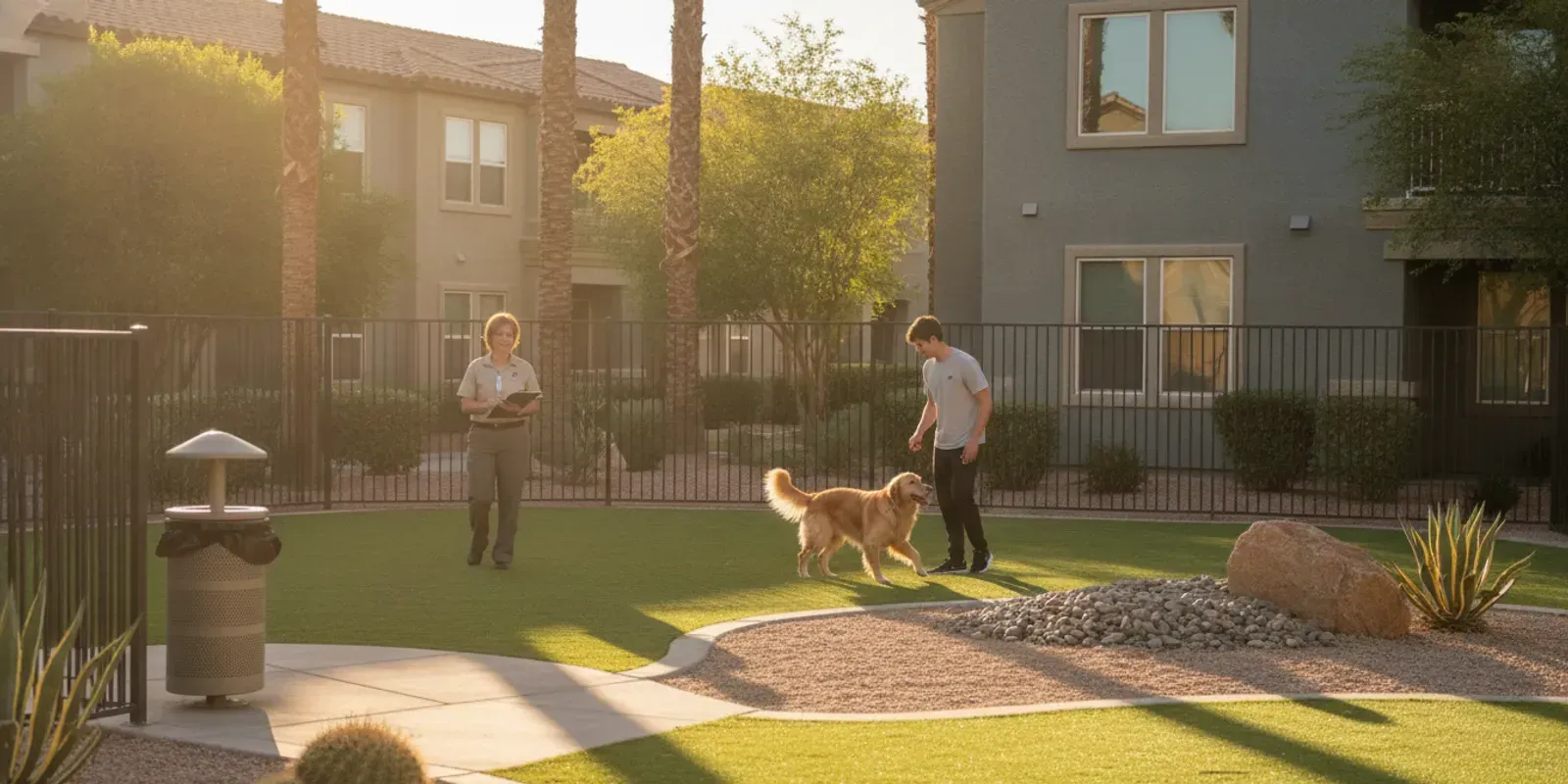
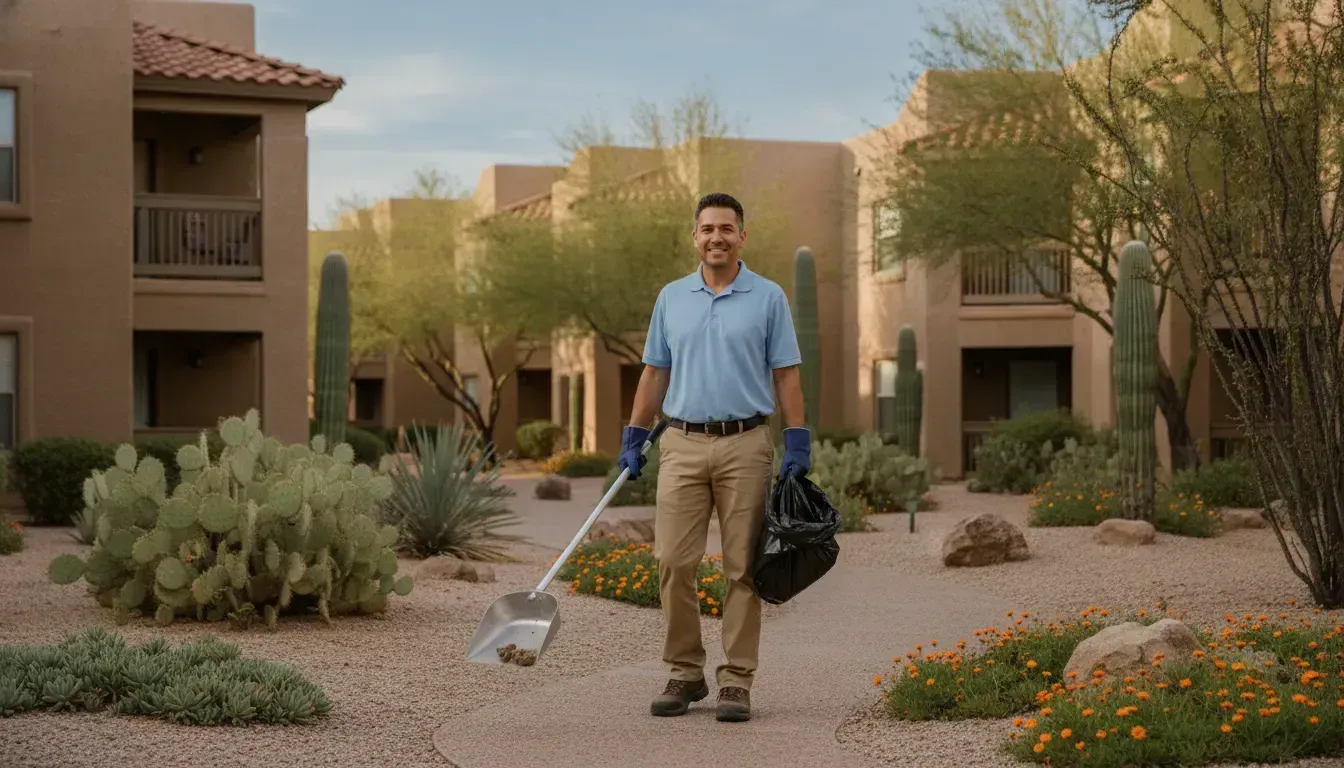
Apartment communities, HOAs, RV parks, dog clubs, and other shared properties need predictable maintenance. A1 has served commercial properties and community spaces since 1998, including multi-family properties, HOAs, public spaces, and government-related clients. Review the commercial property service information for a conversation about recurring needs.
Call A1 Pet Maintenance at (702) 521-2624 Today
Frequently Asked Questions
Is dog poop good fertilizer for plants?
No. Dog poop is untreated animal waste, not a safe or balanced plant fertilizer. It may contain nutrients, but it can also contain germs and parasites. Remove it from lawns and dispose of it according to local rules.
Can dog poop be used to fertilize vegetables or fruit trees?
Do not use dog waste as fertilizer for food crops. Specialized composting is different from putting fresh waste into a garden or ordinary backyard compost pile. If you are considering specialized composting, follow an authoritative process and keep the finished material away from edible crops.
Is it safe to leave dog poop in the yard for a few days?
Leaving it in place increases the time available for people, pets, rain, irrigation, and lawn equipment to spread contamination. Prompt pickup is safer and helps reduce odor, lawn damage, and runoff concerns.
What is the safest way to clean up dog poop?
Use a scoop or bag without touching the waste, seal the bag, follow local disposal rules, and wash your hands. Keep children and pets away while you clean. For heavy buildup, a one-time professional cleanup can reset the yard.
When should I hire a professional pet waste service?
Consider professional service when waste has accumulated, your schedule makes regular pickup difficult, an artificial turf area has persistent odor, or a shared property needs consistent maintenance. A1 offers one-time and recurring cleanup options in Southern Nevada and Tucson.