Apartment Dog Park Cleaning Schedule Las Vegas: How Often Should It Be Cleaned?
Set an apartment dog park cleaning schedule Las Vegas teams can manage. Learn how use, waste volume, odor, and resident needs shape cleanup frequency.

An apartment dog park cleaning schedule Las Vegas managers can use starts with a daily check and a cleanup routine that removes visible waste promptly. For scheduled professional service, a weekly visit is a practical starting point for many shared dog parks; a bi-weekly schedule may suit lower-use areas when on-site checks and pickup keep pace between visits. Adjust the plan to actual use, waste buildup, odor, weather, and resident feedback.
Call A1 Pet Maintenance at (702) 521-2624 Today
What Should an Apartment Dog Park Cleaning Schedule Las Vegas Include?
A useful schedule separates routine inspection from scheduled service. Daily checks let staff spot a full waste station, scattered waste, a damaged gate, or an emerging odor before the next vendor visit. A recurring professional cleanup then gives the property a dependable reset. In Las Vegas, the right interval depends less on a calendar rule than on how the dog park is used and whether the current plan is keeping it ready for residents.
Set an initial weekly service visit if residents use the park regularly or the property does not yet have reliable waste-volume records. A lower-use park may be able to begin with bi-weekly professional cleanup, provided staff inspect it and remove visible waste between visits. These are starting points, not guarantees: monitor the results and revise the service scope when conditions show the interval is not working.
Professional cleanup frequency and daily staff checks are different parts of one plan. A weekly or bi-weekly service visit does not mean leaving waste in place until the next appointment. Assign a staff member to make routine visual checks, keep the waste station supplied, and report problems. If checks repeatedly find a buildup before the next service, revisit the schedule, on-site responsibilities, or both.
Which Factors Should Change the Visit Frequency?
Use the park itself to guide decisions. Track a few practical indicators for several weeks rather than relying on a guess about how many dogs use the property. The goal is a schedule residents can notice working: waste is not accumulating, the area is usable, and recurring complaints are addressed.
- Resident use: Consider the number of occupied units with dogs, peak periods, and whether the park is a primary amenity. A popular, small run can need attention sooner than a larger, quiet area.
- Waste volume: Note how much is found during checks and how quickly station bins fill. Repeated overflow or visible waste between visits means the current combination of service and staff checks needs adjustment.
- Odor and surface condition: Record where odor occurs and whether it remains after ordinary waste pickup. Turf, soil, gravel, drainage, shade, and exposure can affect what maintenance is needed. Waste pickup alone is not the same as a deeper surface-cleaning task.
- Weather and use patterns: Heat, wind, rain, and seasonal changes can affect how residents use the space and how noticeable an unclean area becomes. Reassess after a change in occupancy, weather, or park access.
- Resident experience: Repeated reports about waste, station supplies, or odor are useful signals. Look for patterns by location and timing, then confirm them during inspections.
- Staff capacity: A schedule that depends on daily pickup only works when a named role can perform and document it. If coverage is inconsistent, a dependable recurring service can help close the gap.
For example, a compact dog run serving many residents may need staff to inspect it daily and a weekly professional cleanup. If the area is lightly used, the station stays supplied, and checks find little waste, bi-weekly service may be workable. If waste accumulates between visits, use more frequent on-site pickup or discuss whether the professional service scope can be adjusted. Do not assume the same interval will fit every season or property.
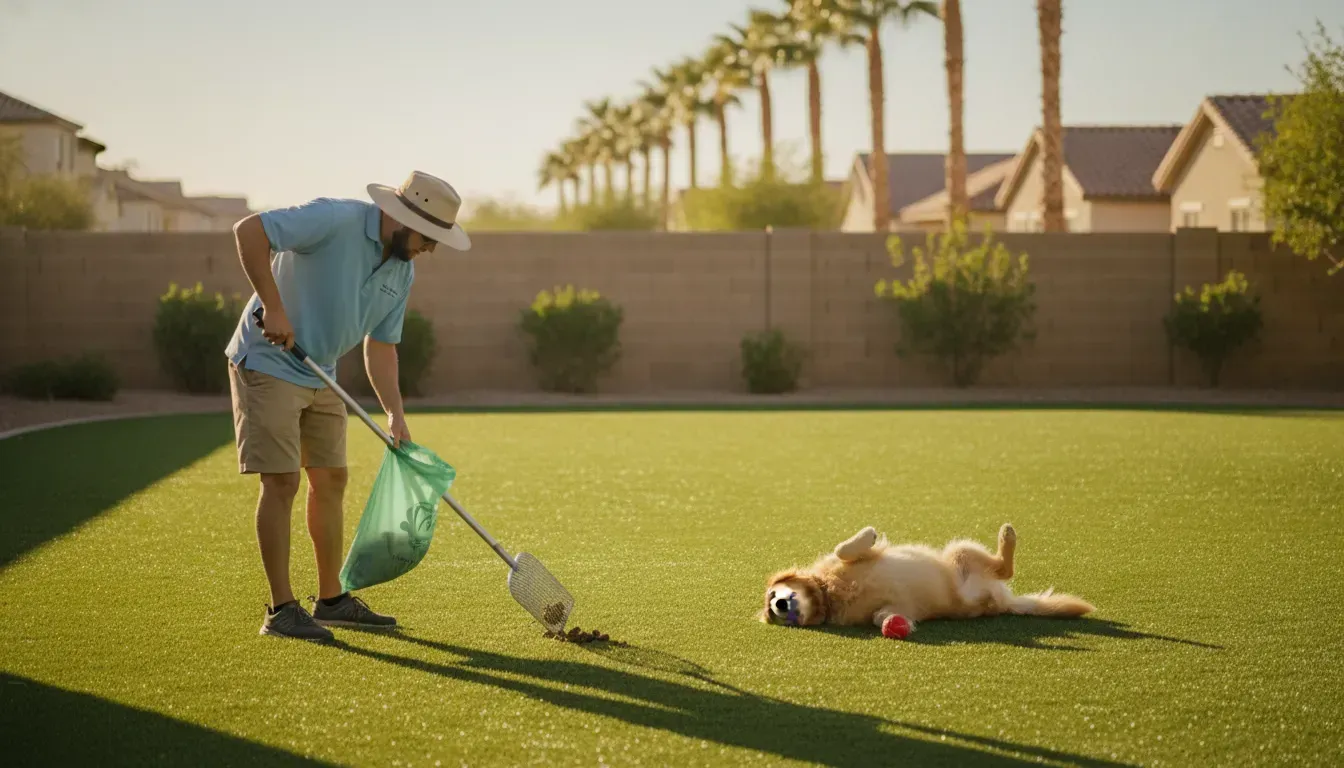
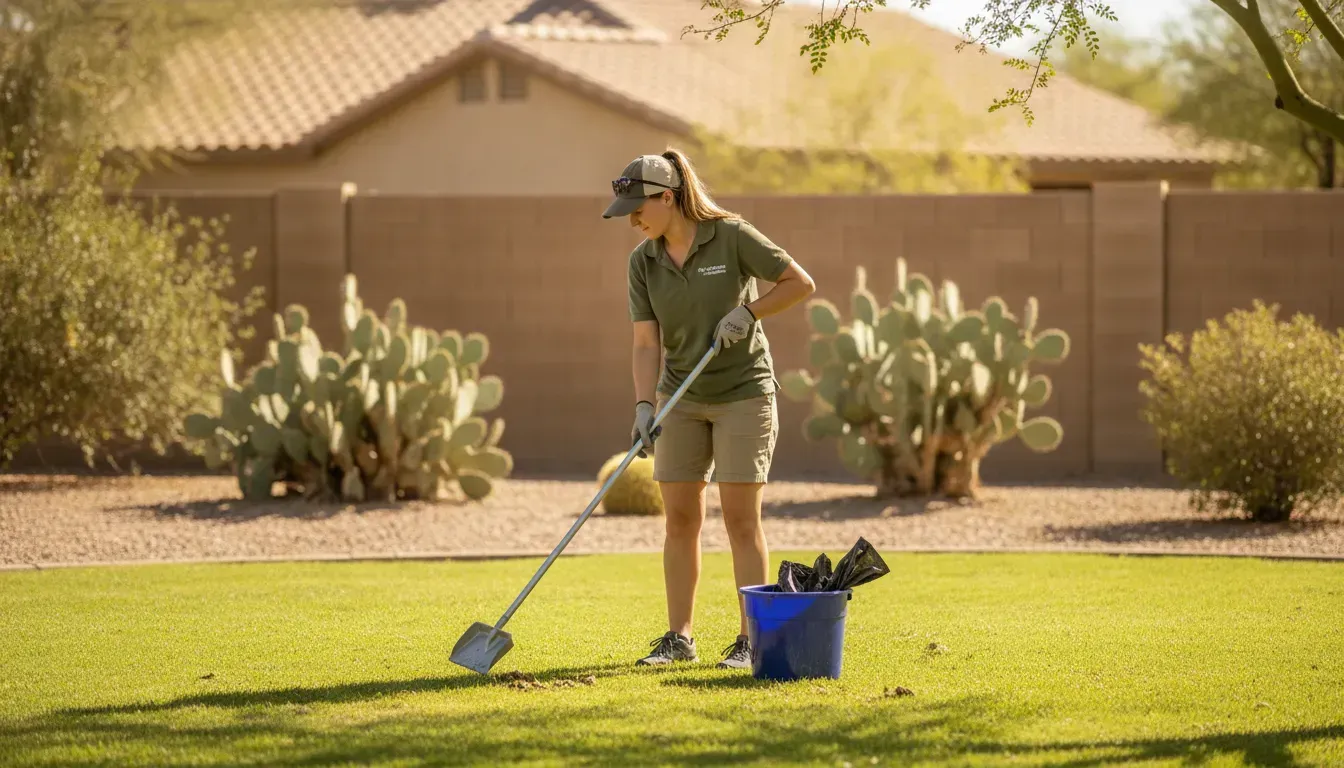
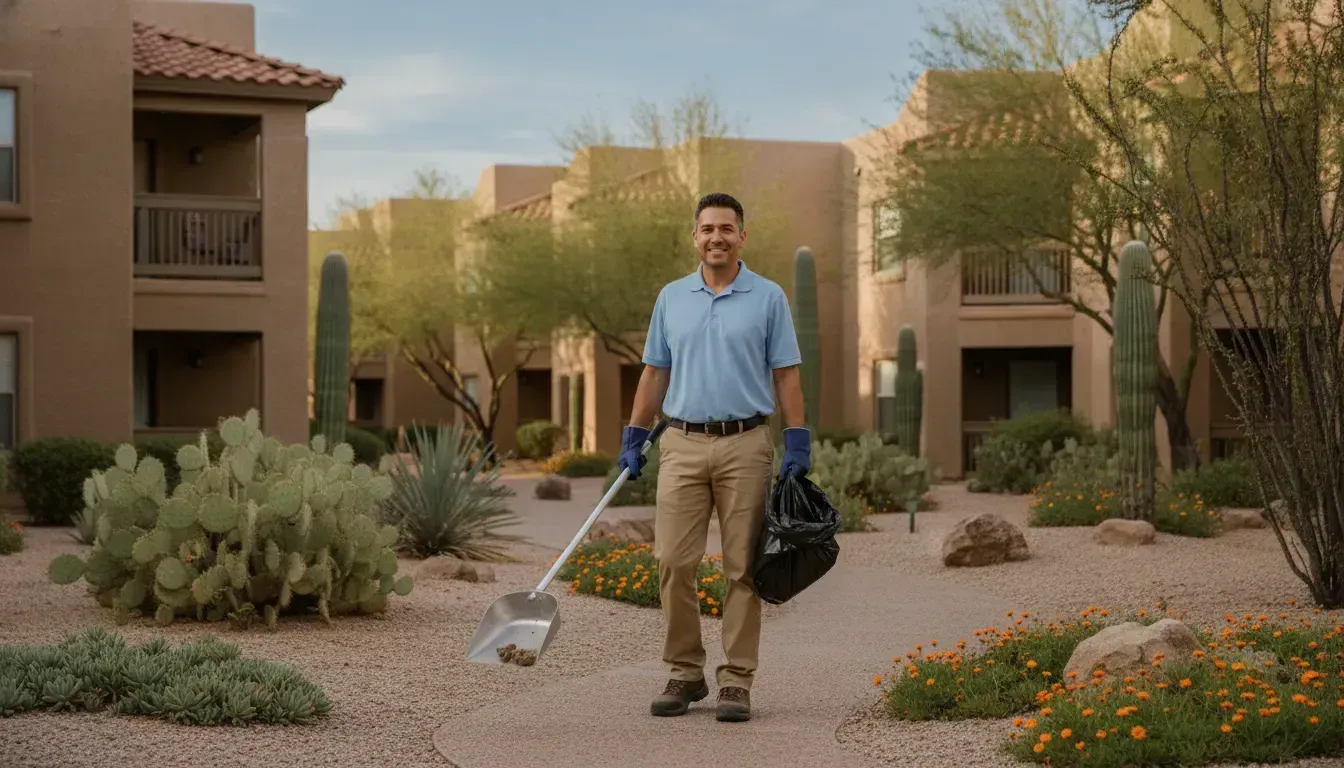
[Image: Apartment dog park cleaning schedule Las Vegas staff inspection of a clean shared dog run]
How Can Managers Choose Between Weekly and Bi-Weekly Cleanup?
Start with the current evidence and the work your team can reliably cover. The table below compares common starting plans. It is a planning aid, not a universal service standard. Confirm the exact tasks and timing with the service provider, and make clear who handles checks and pickup between scheduled visits.
| Planning factor | Weekly professional cleanup | Bi-weekly professional cleanup
| Good starting fit | Regularly used dog parks or sites without dependable waste-volume history | Lower-use parks with consistent on-site inspection and prompt pickup
| Between-visit coverage | Staff still check the area and remove visible waste as needed | Staff checks and pickup are especially important during the longer interval
| What to monitor | Waste found before visits, odor, station capacity, resident reports | The same indicators, with particular attention to buildup between visits
| When to reconsider | Waste or odor persists after service, or park use rises | Waste accumulates, station bins overflow, or staff cannot maintain interim checks
Do not choose bi-weekly service only to reduce visits if staff cannot cover the gap. Conversely, a weekly service visit may not solve a daily litter problem unless expectations for resident disposal and staff checks are clear. A written plan should identify the service day, the areas included, the station responsibilities, and who receives reports when a problem needs attention.
What Should the Cleanup Scope Cover?
"Clean the dog park" can mean different things to a manager, a resident, and a service provider. Describe the physical area and specific tasks before comparing schedules. Include the entrance, fence line, play area, paths inside the run, and waste station surroundings where applicable. Identify whether the park has turf, natural ground, gravel, or more than one surface.
For routine pet waste removal, clarify whether the work includes locating and collecting visible dog waste throughout the agreed area, checking likely hiding spots, and taking collected waste away. Specify how the provider should access the property, where to report a locked gate or hazard, and whether the visit should be documented. Do not assume a standard visit includes station restocking, bin emptying, odor treatment, turf washing, repairs, or landscaping; list those tasks separately and confirm availability.
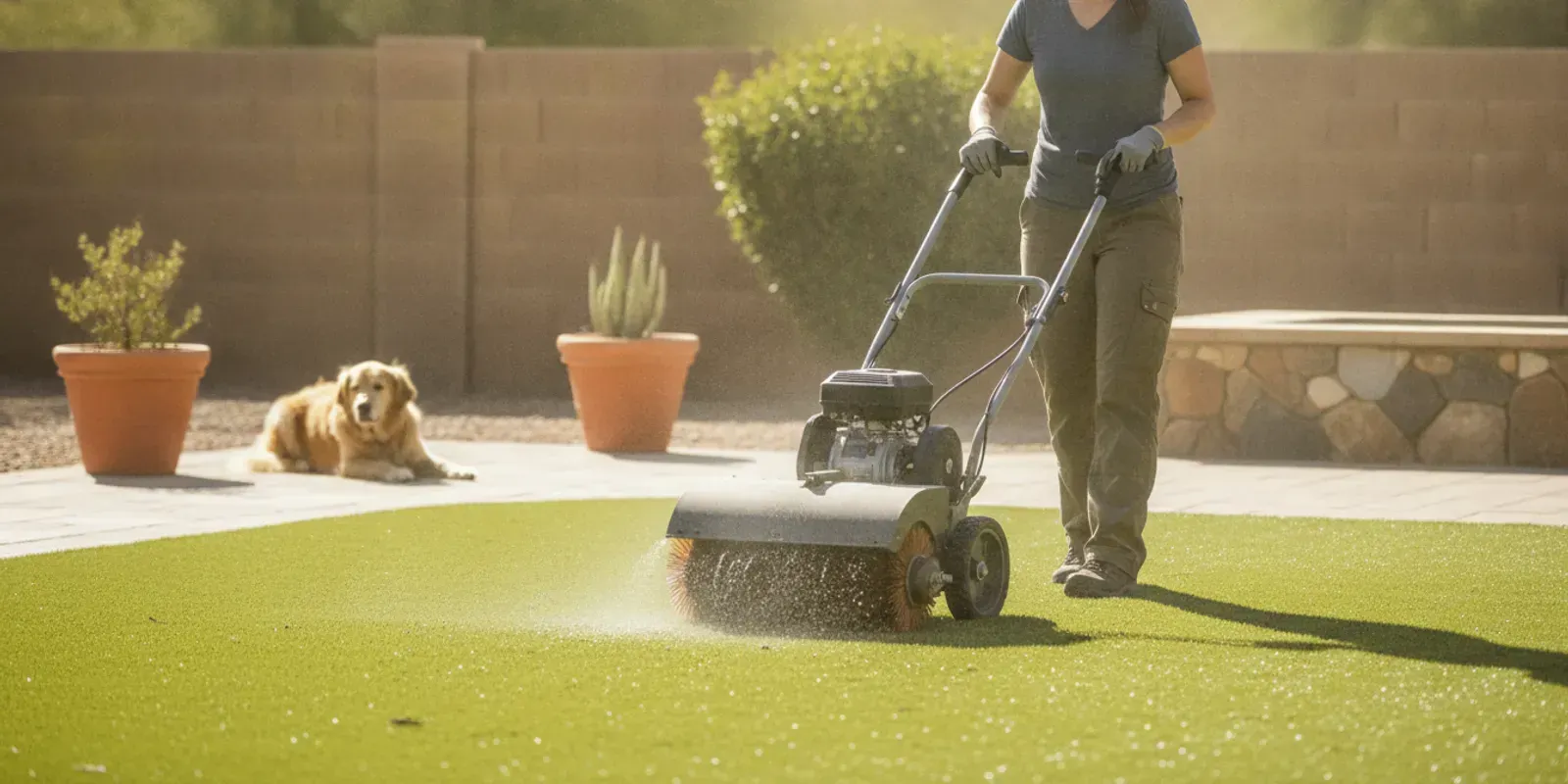
Surface care is a separate consideration. If the park has artificial grass and lingering odor, ask whether the issue calls for routine waste pickup, a turf-cleaning treatment, or a closer inspection of the surface and drainage. A1 describes its artificial grass cleaning and maintenance as a separate service. For a persistent turf odor, a property manager can review ways to address dog urine smell in a yard and distinguish urine concerns from solid-waste cleanup.
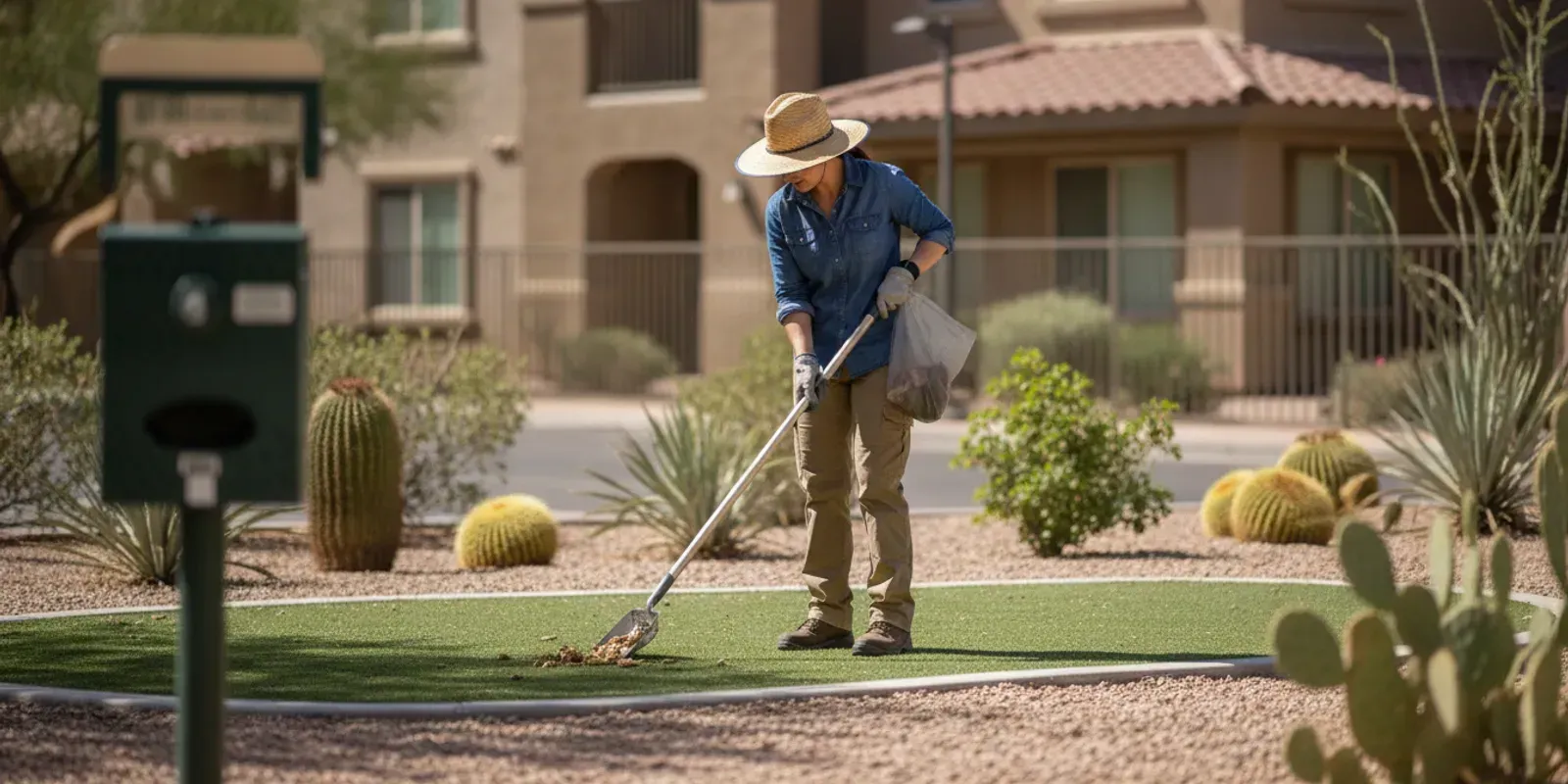
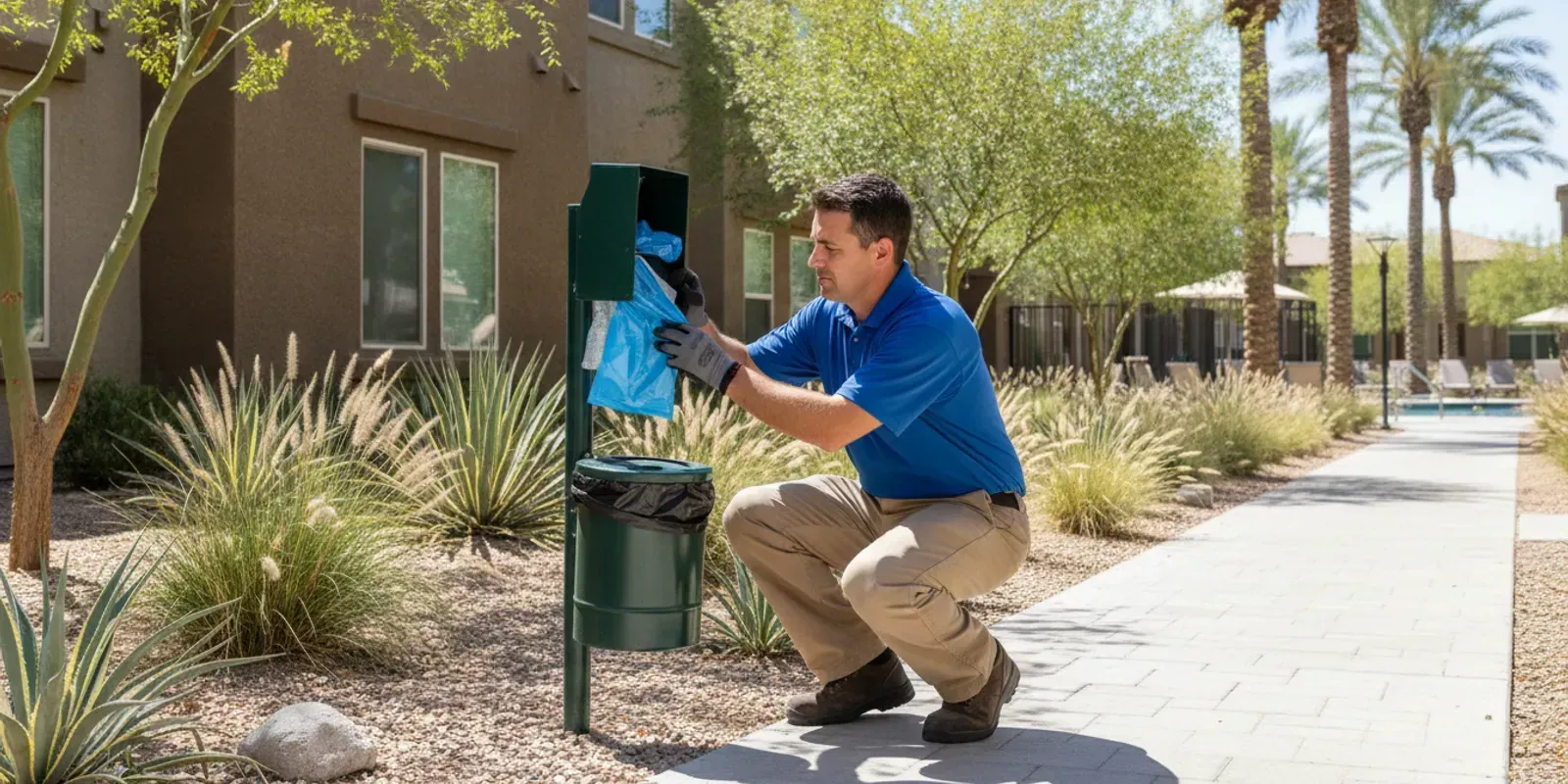
[Image: Apartment dog park cleaning schedule Las Vegas planning checklist for waste station and cleanup scope]
How Should Staff Check the Park Between Service Visits?
A short, repeatable check is easier to maintain than an informal expectation. Add the dog park to an existing grounds walk, assign a role rather than relying on whoever happens to be available, and record any issue that requires follow-up. The check is for cleanliness and obvious site concerns; it does not replace a maintenance inspection or professional assessment where one is needed.
- Walk the whole usable area. Check the entrance, edges, corners, and commonly used spots for visible waste. Do not inspect only the center of the run.
- Check the station. Look for a depleted bag supply, a full or damaged bin, and litter around the station. Follow the property's process for restocking and disposal.
- Notice conditions. Record odor, standing water, surface damage, or a gate issue that could affect use. Route maintenance or safety concerns to the appropriate property team.
- Handle and report. Follow the property's normal procedures for safe pickup and disposal. Note areas that need service attention, and do not leave a reported problem without an owner.
- Log patterns. A basic date, location, and observation record can show whether problems happen after a busy period, in a particular corner, or near service day.
Make resident expectations easy to find. Clear reminders to pick up after pets and use provided waste stations can support the schedule, but signs do not replace collection or routine checks. The park should also have a simple way for residents to report an overflowing station or a cleanup issue. Review the reports alongside staff observations instead of treating each one as an isolated complaint.
How Can a Property Test and Refine Its Schedule?
Set a trial period and agree on what success looks like before the first visit. A manager can note visible waste, odor reports, station condition, and the time staff spend on interim pickup. Ask the service provider to define the visit boundary and how missed access or unusual conditions will be communicated. After a few weeks, compare the notes with the resident experience and decide whether the plan is adequate.
- If waste is usually present before the visit: Check whether staff pickup is happening as assigned, whether residents have convenient disposal supplies, and whether the schedule matches park use.
- If odor remains after solid waste is removed: Identify the source and surface before adding visits. Urine, trapped debris, drainage, and other maintenance issues may need a different response.
- If station bins are the main complaint: Define who empties them and how often. Waste pickup in the park and station-bin service may have different owners.
- If conditions stay consistently clean: Maintain the checks and review the plan periodically, especially after occupancy or usage changes. A working schedule is one that remains dependable, not simply the one with the fewest visits.
For larger shared properties, the dog park may be one part of a broader grounds plan. A1's commercial property pet waste cleanup information can help managers frame a discussion about the areas and service expectations for a community. See also the community pet waste solutions guide for broader property-planning considerations.
What Should Managers Ask Before Setting Service?
Before choosing a recurring interval, prepare a simple site brief. Include the property location, park size and surface, access instructions, approximate use pattern, waste-station locations, current pain points, and the staff tasks that will continue between service visits. A few clear details help avoid mismatched expectations.
- Which park areas are included in each visit, and which are excluded?
- Is the proposed frequency weekly or bi-weekly, and what observations should prompt a review?
- Does the service cover pet waste pickup only, or are station and surface tasks included?
- How will the property know that the scheduled visit occurred?
- Who should staff contact if access is blocked or the property has an unusual cleanup need?
- What should staff continue to check and handle between visits?
A1 Pet Maintenance offers recurring pet waste removal and one-time cleanup options. Managers who need an initial reset after accumulated waste can review the one-time cleanup service. For general questions about recurring service and billing, consult the pooper scooper service FAQs. Service details should be confirmed for the individual property rather than assumed from a general guide.
For public-space waste and disposal questions, consult current local requirements and relevant government guidance. The U.S. Environmental Protection Agency is a starting point for federal environmental information; local rules and property procedures may also apply.
What Is a Practical First Step for Las Vegas Managers?
Walk the dog park and write down what is happening now: approximate activity, where waste is found, station condition, any odor, and which staff member checks the area. Use those observations to begin with weekly professional cleanup for a regularly used park, or consider bi-weekly service only when lower use and reliable in-between checks support it. Review the results and revise the arrangement if the park is not staying ready for residents.
Call A1 Pet Maintenance at (702) 521-2624 Today
Frequently Asked Questions
Should apartment dog parks be checked every day?
Daily visual checks are a practical way to catch visible waste, a full station, or an emerging issue before it becomes a resident complaint. A check does not automatically mean the property needs a daily professional visit. Assign the check to a staff role and make sure any needed pickup or follow-up has a clear owner.
Is weekly or bi-weekly professional cleanup better?
Weekly cleanup is a reasonable starting point for a regularly used dog park or a property without a record of waste volume. Bi-weekly service may fit a lower-use area when staff consistently inspect and pick up between visits. Track actual conditions and change the plan if waste or odor is not being managed.
Does professional waste pickup include odor treatment?
Not necessarily. Waste collection, waste-station maintenance, and cleaning a turf surface are distinct tasks. Ask the provider to state exactly what a visit includes. If odor persists after solid waste is removed, identify whether urine, the surface, drainage, or another maintenance issue may be involved.
Who should maintain waste stations between visits?
The property and service provider should agree on responsibility for bags, bin emptying, and litter around each station. Do not assume these tasks are part of pet waste pickup. Name the person or team responsible and give residents a way to report a supply or overflow problem.
What details should I share when requesting a service discussion?
Share the property location, dog park size and surface, access instructions, station locations, expected use, current concerns, and the cleanup tasks you want covered. Also explain what staff can manage between visits. These details make it easier to discuss an appropriate weekly or bi-weekly starting schedule.
A clear schedule combines regular inspection, defined responsibilities, and a cleanup frequency that responds to real park conditions.