Humane trap cat: What A1 Customers Should Know
A humane trap cat plan starts with the right equipment, timing, and recovery support. Learn how to reduce risk and when to ask for help.

If you searched for “humane trap cat,” the safest answer is to use a purpose-built humane trap only when you have a plan for checking it, protecting the cat, and arranging the next step. A stable box or drop trap, calm setup, and prompt monitoring can help reduce risk; no trap is risk-free, and trapping should stop if conditions are unsafe.
How Can You Choose a Humane Trap for a Cat?
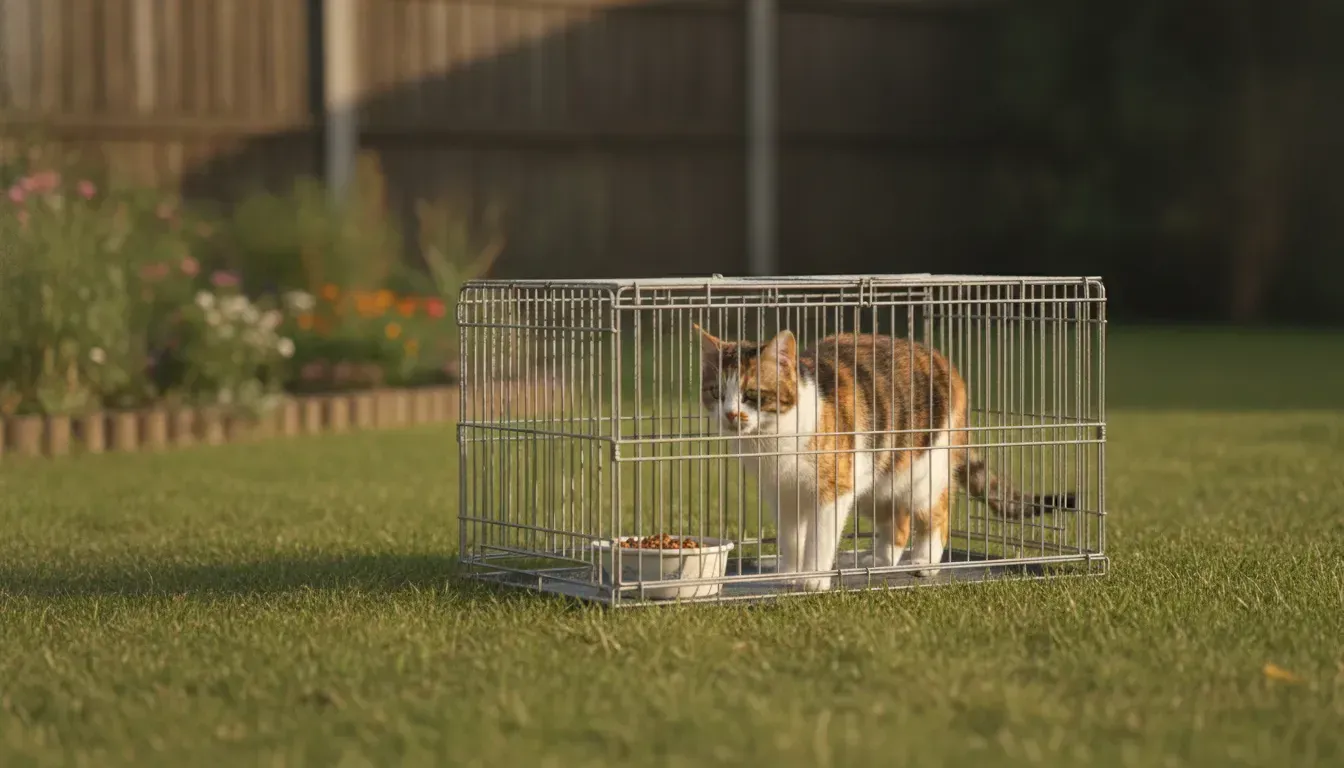
Start with the cat and the setting, not with a trap advertised as the strongest or quickest. A humane trap should be designed to contain a cat without injuring it when used correctly. The right choice depends on whether the cat will approach a box trap, how predictable its routine is, whether you can watch the trap, and who will handle the cat afterward.
A humane box trap is a common option for a cat that will enter a confined space for food. A drop trap may suit a cat that avoids a box, but it requires close supervision and a practiced person to operate safely. Alley Cat Allies describes humane box and drop traps as equipment intended to protect cats during trapping and release after recovery. Read its overview of humane trapping equipment before deciding what fits your situation.
Do not substitute a homemade cage, a snare, or a device that can close on a limb. Avoid any setup that could tip, collapse, or leave a cat exposed to traffic, direct sun, extreme heat, dogs, or other hazards. If the cat is injured, very young, visibly ill, or in immediate danger, contact an animal-care professional or local rescue group for direction instead of attempting an unsupervised capture.
First ask whether trapping is necessary. A cat seen outdoors may be owned, lost, or cared for by neighbors, and a familiar feeding spot may already be part of a community-cat routine. If there is no immediate danger, observe from a distance and ask nearby residents whether they recognize the animal. A photo and notes about the location and times the cat appears can help a rescue group advise you. Avoid chasing the cat or repeatedly approaching it; that can make it harder to assess the situation and can drive it toward a less safe area. If the cat has a visible injury or is trapped somewhere dangerous, prioritize professional help over an improvised attempt.
OptionMay fit whenWhat you need to planHumane box trapThe cat will approach a familiar feeding spot and enter a covered enclosure.Level, stable placement; supervision; a safe, quiet recovery location.Humane drop trapThe cat avoids a box trap and an experienced person can watch and operate the setup.Close observation, safe transfer equipment, and a practiced handler.Rescue-supported trappingYou are unsure which trap is suitable or cannot safely monitor and transport the cat.Coordinate the timing, responsibility, and destination with the rescue or animal-care team.Wait and observeThe cat is not in immediate danger and you do not yet have a safe plan.Identify the cat’s routine and arrange help before setting any equipment.
This is a planning comparison, not a promise that a particular trap will catch a particular cat. A trap can be the wrong choice if you cannot watch it continuously or promptly respond when it closes. If you want to ask A1 about its Southern Nevada cat-trap rental option, confirm current availability, equipment details, and what support you need to arrange separately.
What Should You Arrange Before Setting a Trap?
Make the plan before baiting or placing the trap. The most important questions are practical: Who will stay nearby and monitor it? Where will the cat go immediately after capture? Who can transport it? Is an appointment or other arrangement already in place? If the plan depends on a rescue organization, veterinary clinic, or community-cat team, speak with that group first. Do not assume it can accept a cat without prior coordination. Confirm the hours when someone can receive the animal, the exact arrival instructions, and whether the person making the call should stay with the cat or proceed to a specific location. If no one is available to take responsibility, do not set a trap yet. A closed trap creates an immediate need for supervision and follow-through, even if the cat is not the one you expected to catch.
- Identify the cat and the goal. Note where and when the cat is usually seen. Ask neighbors whether the cat may be owned or already cared for. A collar is not the only way a cat can have a home, so do not treat an unfamiliar cat as unowned based on appearance alone.
- Set a responsible monitoring window. Trap only when an attentive person can remain close enough to see what happens and respond quickly. Decide in advance who is watching at every point; do not assume that a neighbor or passerby will take over if you need to leave. Do not set a trap and leave for work, go to sleep, or rely on occasional checks from a distance. If you cannot remain for the full planned period, wait for a day when you can, or coordinate a responsible monitor before you bring out the equipment.
- Confirm the next destination. Know where the cat will be kept safely while the planned next step is arranged. A captured cat should not be left in a hot vehicle or exposed outdoor area.
- Prepare a quiet environment. Keep children, dogs, and bystanders away. Reduce noise and unnecessary movement around the site. If the location is shared, get permission from the property owner or manager and tell the people who need to know when the area will be in use. Check that the trap cannot block an accessible path or interfere with another person’s routine. A neighbor should not move or open it out of concern, so a brief, clear explanation can prevent confusion without drawing a crowd.
- Check conditions. Do not trap in conditions that expose the cat to unsafe heat, cold, precipitation, or other hazards. Las Vegas and Southern Nevada summers can be especially unforgiving outdoors. If you cannot protect and monitor the cat for the full period, wait.
Also decide what you will do if the wrong animal enters the trap, if the trap does not close, or if the cat appears distressed. A plan should include a way to pause, get help, and avoid handling the cat directly. For general information about A1 Pet Waste Maintenance and its service scope, use the company’s published information; trapping decisions and animal medical care remain separate responsibilities.
 How Do You Set Up the Area More Safely?
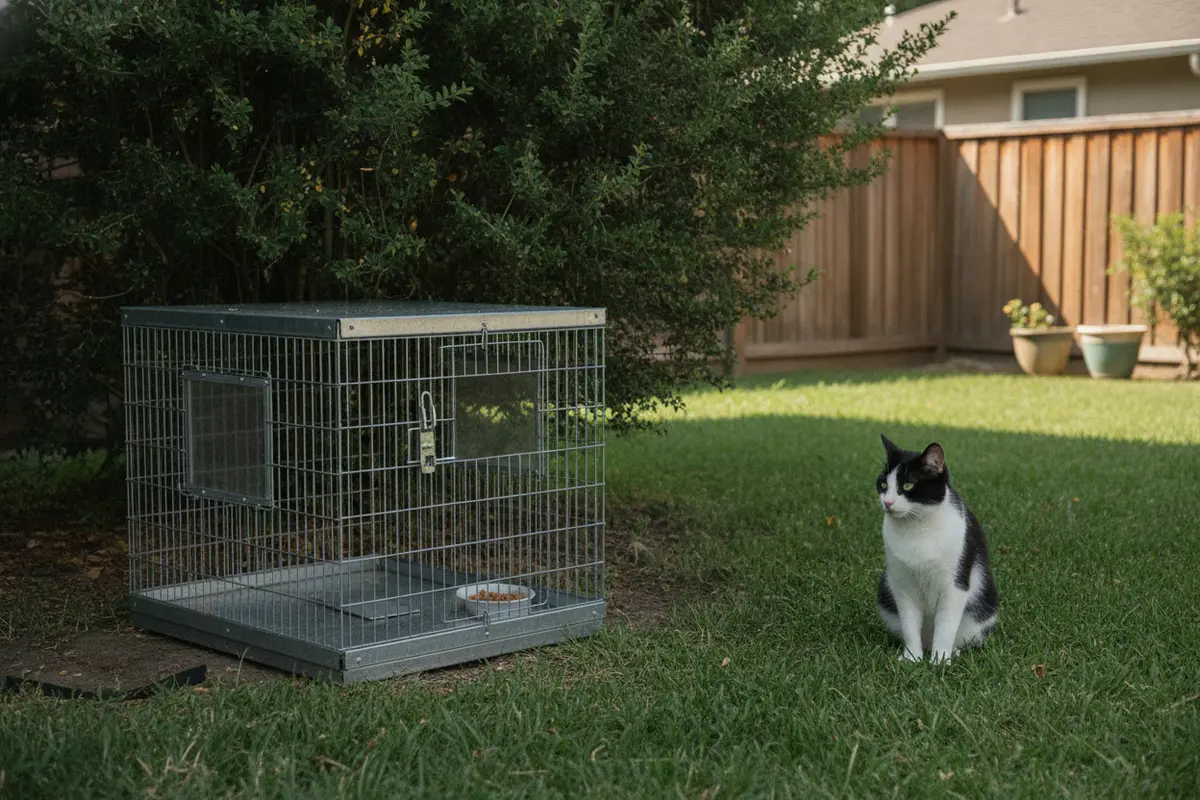
Choose a familiar, quiet spot where the cat already spends time, away from driveways, sidewalks, busy walkways, and areas accessible to dogs. The surface should be firm and level so the trap does not rock. Before leaving the equipment in place, gently check its stability without triggering or altering the mechanism. Make sure rainwater or irrigation cannot collect around it, and do not place it where a gate, vehicle, or maintenance task could shift it. Keep a clear line of sight from the monitoring position, but give the cat enough quiet space that people are not hovering over the entrance. If you cannot make the location stable and observable at the same time, choose another location or postpone the attempt. A wobbling trap can make a cautious cat less likely to enter and can make the setup less secure. Remove nearby objects that could block the door or create a hazard, while keeping an unobstructed view so the monitor can see the trap.
Keep the trap protected from direct sun and weather without obstructing its mechanism or airflow. A breathable cover can make the setting feel less exposed, but it must not create overheating or interfere with observation. Do not place a trap in an enclosed area where the cat could be out of sight. When you are not sure whether a covering or placement is safe, ask the equipment provider or an experienced trapping group before proceeding.
Follow the instructions supplied with the specific trap. Check that it is intact, clean, stable, and appropriate for the cat. Do not modify its trigger, door, or mechanism. Use only food or bait suited to the planned trapping approach, and keep it positioned so the cat can enter without snagging or being forced into an awkward position. Avoid leaving extra food nearby if it would let the cat eat without safely entering the trap. Observe from far enough away that the cat is not pressured to approach. If it repeatedly avoids the location, do not keep moving the trap closer or block its escape route. Pause and ask an experienced local group whether a different plan or equipment would be safer.
Never use a trap as a way to punish, frighten, or relocate a cat. Do not attempt to move a community cat to a new neighborhood without qualified guidance; relocation can create serious risks for the animal. The responsible next step may depend on whether the cat is owned, lost, feral, or part of a managed community-colony effort.
What Should You Do While the Cat Is in the Trap?
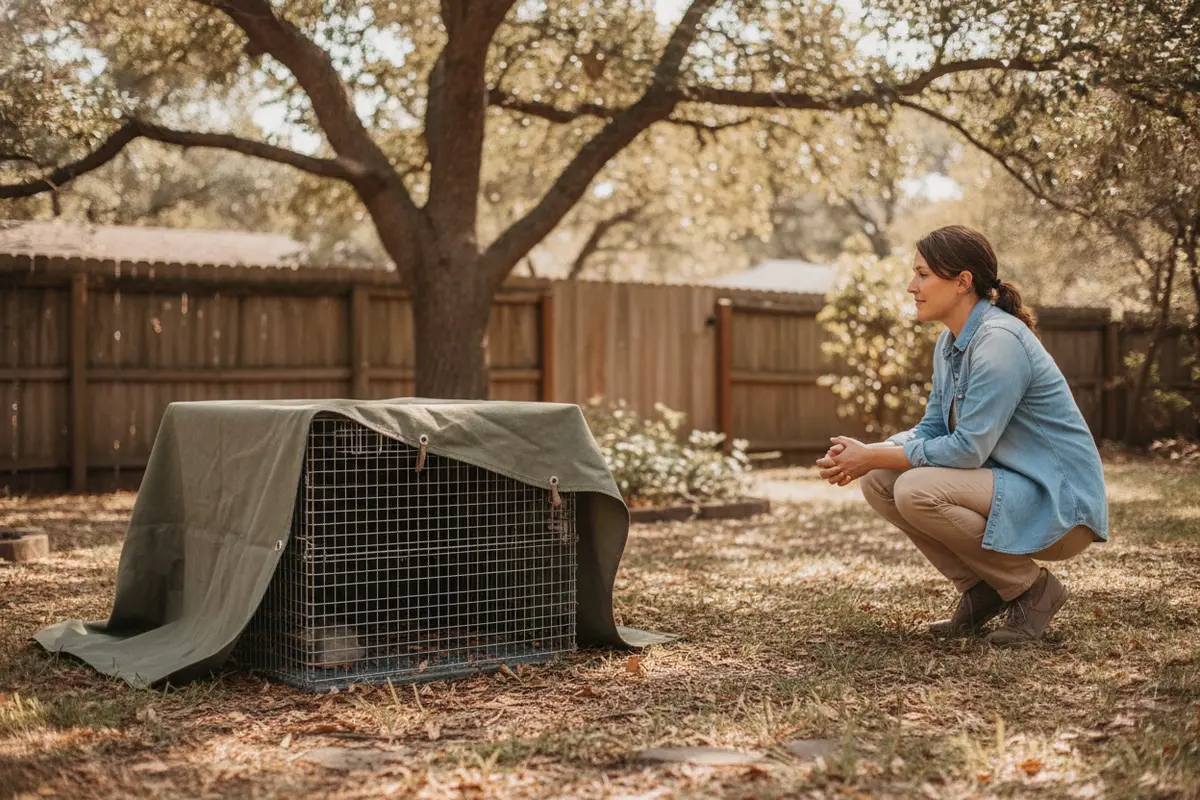
Stay present and keep the area calm. Once a cat is contained, approach slowly and avoid crowding it. Cover the trap in a way that calms the cat while preserving airflow and allowing you to monitor it. Do not put fingers through the bars, open the door to pet the cat, or attempt to transfer the cat by hand. A frightened animal may scratch or bite, and opening the trap can lead to escape or injury.
Follow the plan you made in advance. Do not leave the cat contained while you make new arrangements or search for a carrier. Move the trap only when necessary and only as directed by the equipment instructions or an experienced handler. Keep it level and secure during transport; do not place a trap loose in a vehicle. If the cat is bleeding, struggling, having trouble breathing, or otherwise appears to need urgent care, contact a veterinarian, animal control, or a local rescue for immediate instructions. Do not try to diagnose or treat an injury through the trap.
If a different animal is caught, do not improvise. Keep the area quiet, avoid putting yourself at risk, and contact an experienced local organization for direction. This is another reason a person should remain nearby and have contact information ready before trapping begins.
 When Should You Rent Equipment or Ask for Help?
Consider getting guidance before trapping if the cat is especially wary, the location is crowded, you cannot supervise the trap, or you are uncertain how to transport and house the cat. A rental can make purpose-built equipment available, but renting a trap does not by itself provide trapping, veterinary care, rescue placement, or permission to trap on someone else’s property. Confirm exactly what is included before you make plans. Ask what type of trap is available, whether instructions accompany it, what condition it must be returned in, and whom to contact if a part appears damaged or the mechanism does not work as expected. Ask whether you are responsible for transport and secure storage. These are questions to clarify with the provider, not services to assume are included.
A1 lists cat trap rentals in Southern Nevada. Contact the company to ask about current availability, rental details, and the responsibilities that remain with you. Its contact page is a direct place to ask. If you are outside the company’s established service area, contact a local animal-welfare group or municipal animal services for resources near you.
For a broader understanding of A1’s customer processes, its frequently asked questions explain general service and billing topics. For a cat-trapping question, however, confirm the answer directly rather than assuming routine pet-waste service includes trapping or animal handling. A1’s other outdoor maintenance services, such as one-time pet waste cleanup, address a different need and should not be confused with animal rescue.
How Can You Keep the Plan Humane From Start to Finish?
Humane trapping is a complete process, not simply a piece of equipment. It includes choosing an appropriate trap, placing it where the cat is safe, monitoring it closely, minimizing noise and exposure, and following through with an appropriate next step. If any part is missing, delay the attempt and fill the gap first.
- Confirm the cat’s identity and the purpose of trapping.
- Contact the organization or professional responsible for the next step, if applicable.
- Choose an intact, purpose-built trap that fits the situation and follow its instructions.
- Set up a stable, shaded, quiet location away from traffic and pets.
- Remain present, monitor continuously, and respond promptly if the trap closes.
- Keep the animal contained and calm while following the prearranged transport or care plan.
Do not set the trap if you cannot keep these commitments. Waiting until you have a suitable monitor, a safe location, and an agreed destination is more responsible than risking a cat’s welfare to act quickly. For A1’s specific equipment questions, review its cat-trap rental information and confirm details with the company before relying on a rental.
Call A1 at (702) 521-2624 to ask about cat-trap rental
Frequently Asked Questions
What is the most humane trap for a cat?
There is no single best trap for every cat. A purpose-built humane box trap may work for a cat that will enter it, while a drop trap can be considered for a cat that avoids a box when an experienced person can supervise it. Choose based on the cat, setting, equipment instructions, and safe follow-up plan.
Can I leave a cat trap unattended?
No. Plan to stay nearby and monitor the trap continuously so you can respond promptly if an animal is caught. Do not set it before leaving, overnight, or when heat, weather, or other conditions could put the cat at risk.
What should I do if I catch a cat that may belong to someone?
Keep the situation calm and do not release or relocate the cat without thinking through its safety. Contact local animal services, a veterinarian, or a rescue organization for instructions on identification and next steps. Ask neighbors about the cat before trapping when it is safe and practical to do so.
Does renting a trap include someone coming to catch the cat?
Do not assume so. Ask the rental provider what equipment or support is included and what you must arrange yourself. A1 lists cat-trap rentals in Southern Nevada; contact the company directly to confirm current details and availability.
Should I trap a sick or injured cat?
If the cat appears injured or seriously ill, seek immediate guidance from a veterinarian, animal control, or a local rescue group before attempting a capture. They can advise how to proceed without worsening the animal’s condition or putting you at risk.
A careful plan protects both the cat and the people trying to help. If you need to ask A1 about equipment availability in Southern Nevada, contact the company before setting a trap.