Pet Waste Odor Inspection Service: What to Expect
Learn how a pet waste odor inspection service traces smells, checks yards and turf, and helps you choose the right cleanup or maintenance plan.
A persistent pet smell can remain even after the visible waste is gone. A pet waste odor inspection service helps identify where the odor is coming from, what may be holding it, and which cleanup steps make sense. The inspection should look beyond one pile in the yard. It should consider waste buildup, artificial turf, drainage, shaded areas, pet traffic, and the difference between a short-term smell and a recurring maintenance problem.
Talk with A1 Pet about your yard
What Does a Pet Waste Odor Inspection Service Actually Check?
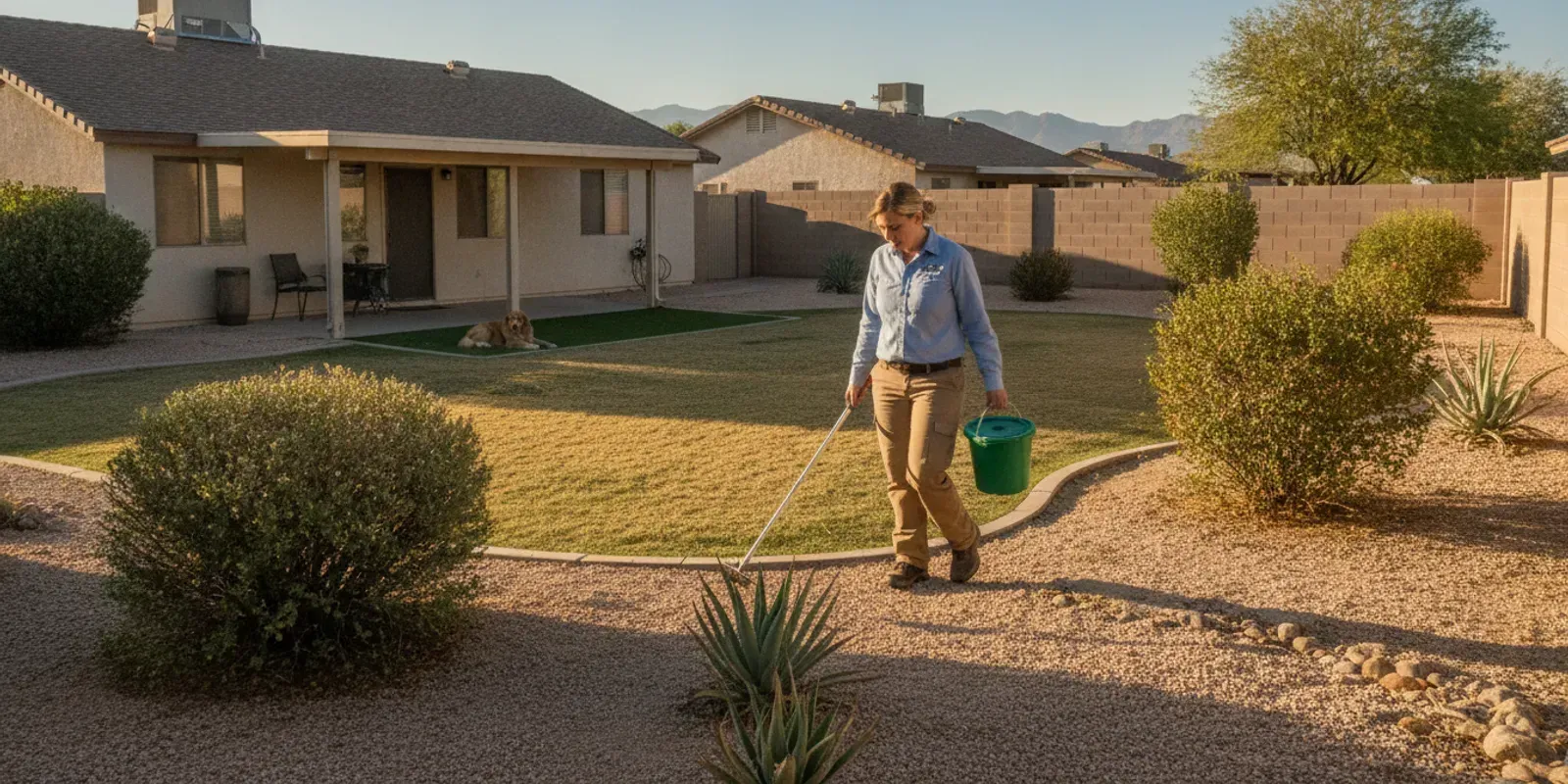
An odor inspection is a structured look at the property rather than a quick attempt to cover a smell. The person assessing the yard should first ask when the odor is strongest, where it is noticed, how many pets use the area, and whether the smell changes after heat, watering, or rain. Those details help separate a current waste problem from odor that has collected in soil, turf backing, hard surfaces, or other low-airflow areas.
The inspection should then follow the odor through the outdoor space. Common checkpoints include:
- Visible waste in the main yard, side yards, gates, and less-used corners.
- Areas where pets regularly stop, such as fence lines, landscaping edges, and shaded paths.
- Artificial grass, including the surface, seams, edges, and places where liquid may not drain freely.
- Hardscape, gravel, concrete, and other surfaces that can collect residue or hold odor near the home.
- Low spots, blocked drainage areas, and locations where water or cleaning solution may remain.
- Places where odor enters the living area, such as patios, doors, windows, and outdoor seating areas.
The goal is not to make a diagnosis that the inspection cannot support. The goal is to identify observable odor sources and recommend a practical next step, such as waste removal, a one-time cleanup, artificial grass cleaning, or a recurring maintenance schedule.
How Can You Tell Whether Pet Waste Is the Odor Source?
Pet waste odor is easier to address when the source is narrowed down before cleaning begins. Walk the property slowly instead of relying on the smell at the back door. Odor can travel, especially on a warm or breezy day, and the strongest smell in one place may come from waste or residue in another.
Start with a visual pass. Look under shrubs, behind outdoor furniture, beside air-conditioning equipment, along fence lines, and in areas blocked from view. Check places that are difficult to reach with a standard scoop. A yard can look mostly clear while still having concentrated waste in one repeat-use area.
Next, consider the timing. If the odor is strongest soon after a pet uses the yard, fresh waste may be the main issue. If it returns after the yard has been scooped, residue or accumulated buildup may be involved. If it is strongest after the surface gets wet, the inspection should pay closer attention to drainage and artificial turf construction.
Keep a short odor log for several days. Note the time, weather, location, and activity that came before the smell. The U.S. Environmental Protection Agency describes public odor reporting as a way to record and view odor reports. You do not need special equipment for a household log, but consistent observations can help a service provider understand the pattern.
Why Does Artificial Turf Need a Different Odor Inspection?
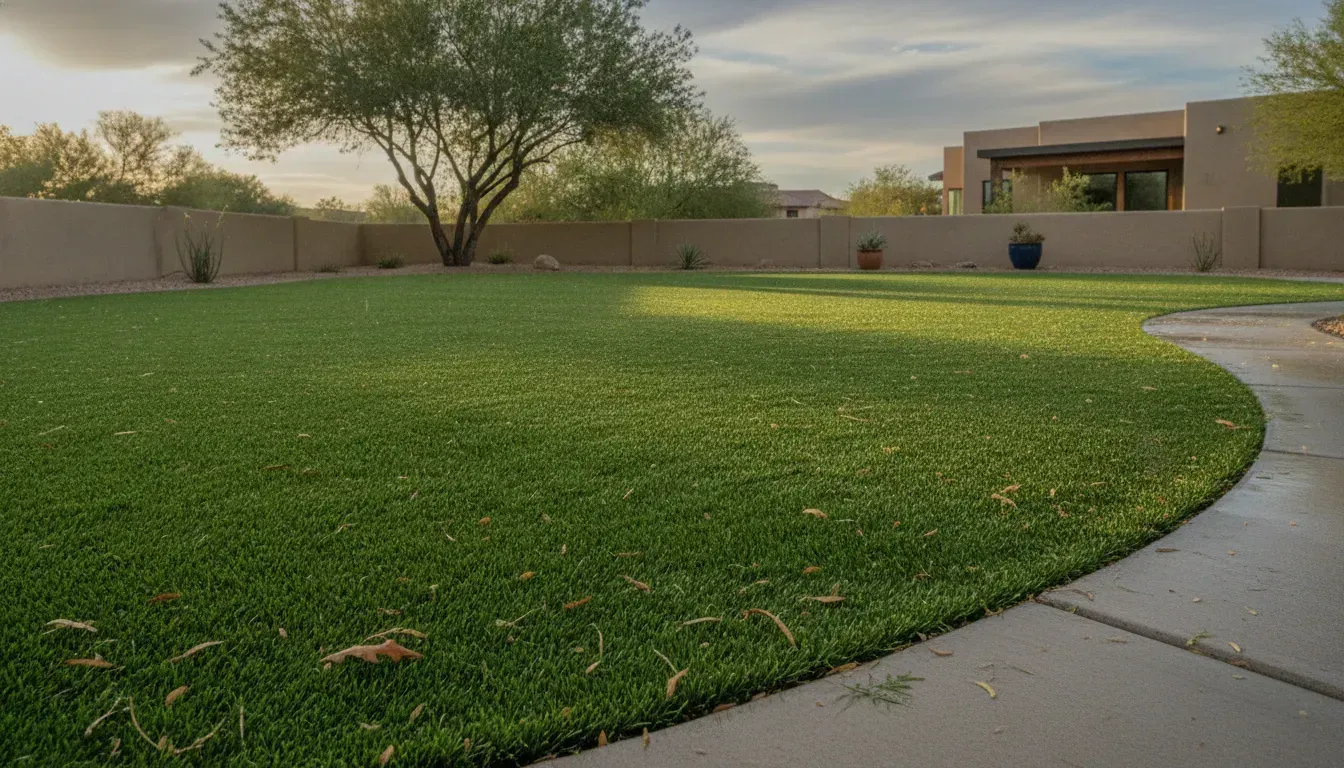
Artificial grass can look clean while still producing a strong pet odor. Waste may remain on top, but urine and cleaning residue can also move through the surface and collect below it. The result may be an odor that returns quickly, especially in a high-use area or during hot weather.
An inspection of artificial turf should ask several practical questions:
- Where do the pets use the turf most often?
- Does the turf drain freely, or does water remain in one area?
- Are there edges, seams, or transitions where residue can collect?
- Is the odor spread across the whole surface or concentrated in a small zone?
- Has the turf been rinsed, treated, or deep cleaned before, and what changed afterward?
A surface rinse may help with loose material, but it may not solve a recurring odor problem. The appropriate response depends on the turf system, the extent of buildup, drainage, and how the area is used. A1 Pet provides artificial grass cleaning and maintenance information for pet owners who need to plan care for a synthetic lawn. If the concern involves a persistent smell, share the odor history before booking so the service discussion starts with the right details.
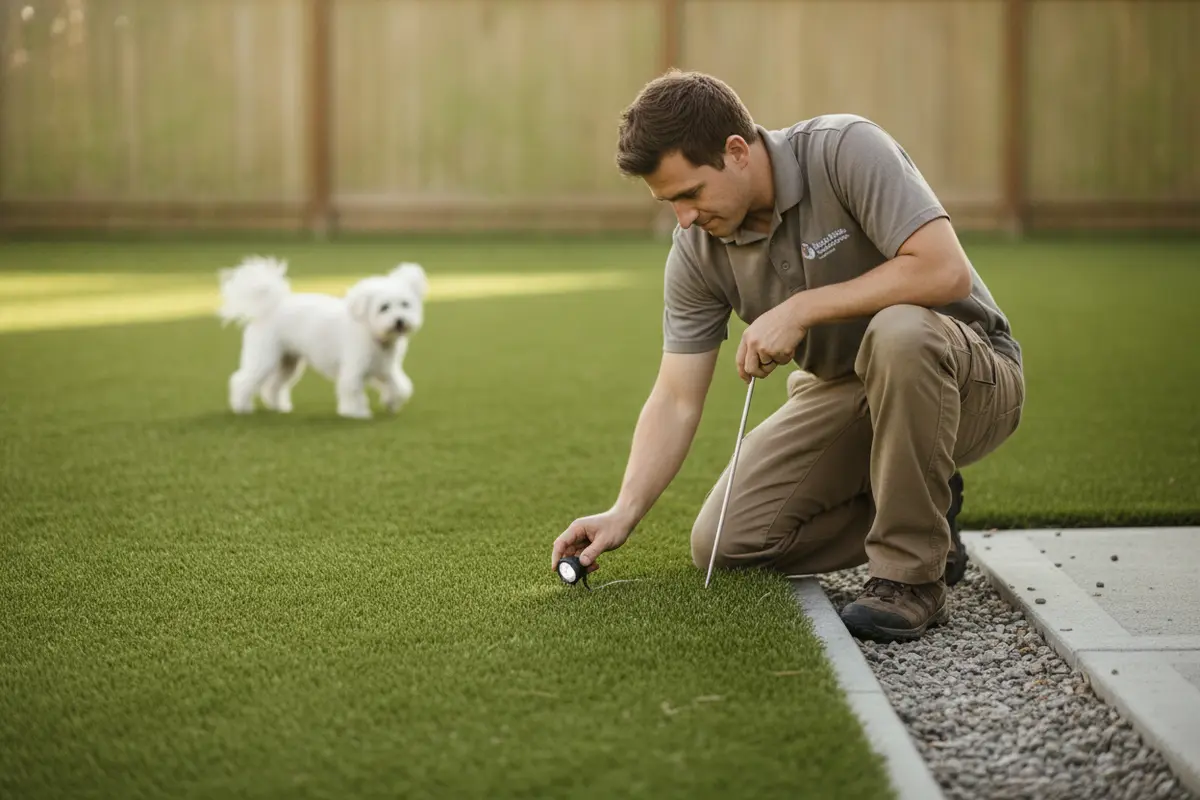 What Happens During a Professional Odor Inspection?
The exact visit depends on the property and the reason for the call, but a useful inspection usually follows a clear sequence. Knowing the sequence helps homeowners and property teams prepare and avoid paying for a treatment that does not match the source.
1. The provider gathers the background
Expect questions about the number of pets, the outdoor areas they use, the age of the odor, prior cleanups, and whether the smell is seasonal or constant. Mention any recent landscaping, turf work, irrigation changes, or construction. Also identify areas that must remain accessible or areas where a pet may be present during the visit.
2. The property is divided into odor zones
The yard is easier to assess in sections. A provider may separate the front yard, back yard, side passages, turf, hardscape, and entry areas. This makes it easier to compare a high-use zone with a low-use zone and to avoid treating every surface when the problem is limited to one area.
3. Visible waste and likely reservoirs are checked
The inspection looks for current waste and for places where old waste or liquid may collect. That can include landscaping borders, gravel, artificial turf edges, concrete joints, and areas under objects that are rarely moved. The provider should explain what was observed instead of presenting a vague odor-control promise.
4. The next service is matched to the findings
A small amount of fresh waste may call for routine removal. A neglected yard may need a one-time pet waste cleanup before a regular schedule can keep it manageable. Artificial turf may need a cleaning plan that differs from a natural lawn. A commercial or shared property may need a broader plan for common areas, pet stations, and resident use.
5. The provider sets realistic expectations
Odor reduction is not always immediate or permanent. If pets continue using the same area, new waste can recreate the problem. If drainage or a damaged surface is involved, cleaning alone may not correct the underlying condition. A responsible recommendation explains what the proposed work addresses and what may remain outside its scope.
When Is a One-Time Cleanup Enough?
A one-time cleanup can make sense when the odor follows a period of missed maintenance, a move, a renovation, a long trip, or a property handoff. It is also useful when a new homeowner wants to reset the yard before starting regular care. The inspection helps determine whether the yard needs a simple removal visit or a more involved cleaning discussion.
One-time service is less likely to be enough when pets use the property every day and no maintenance plan follows. In that case, the initial cleanup removes the current buildup, but the same use pattern can lead to another odor problem. Ask how the first visit differs from later visits, what areas are included, and what you should do between appointments.
A1's dog poop service guide explains the basic purpose of recurring waste removal and the factors that affect planning. The right choice is not simply the largest service. It is the option that matches the amount of waste, the number of pets, the property layout, and the time available for maintenance.
When Should You Consider Recurring Pet Waste Maintenance?
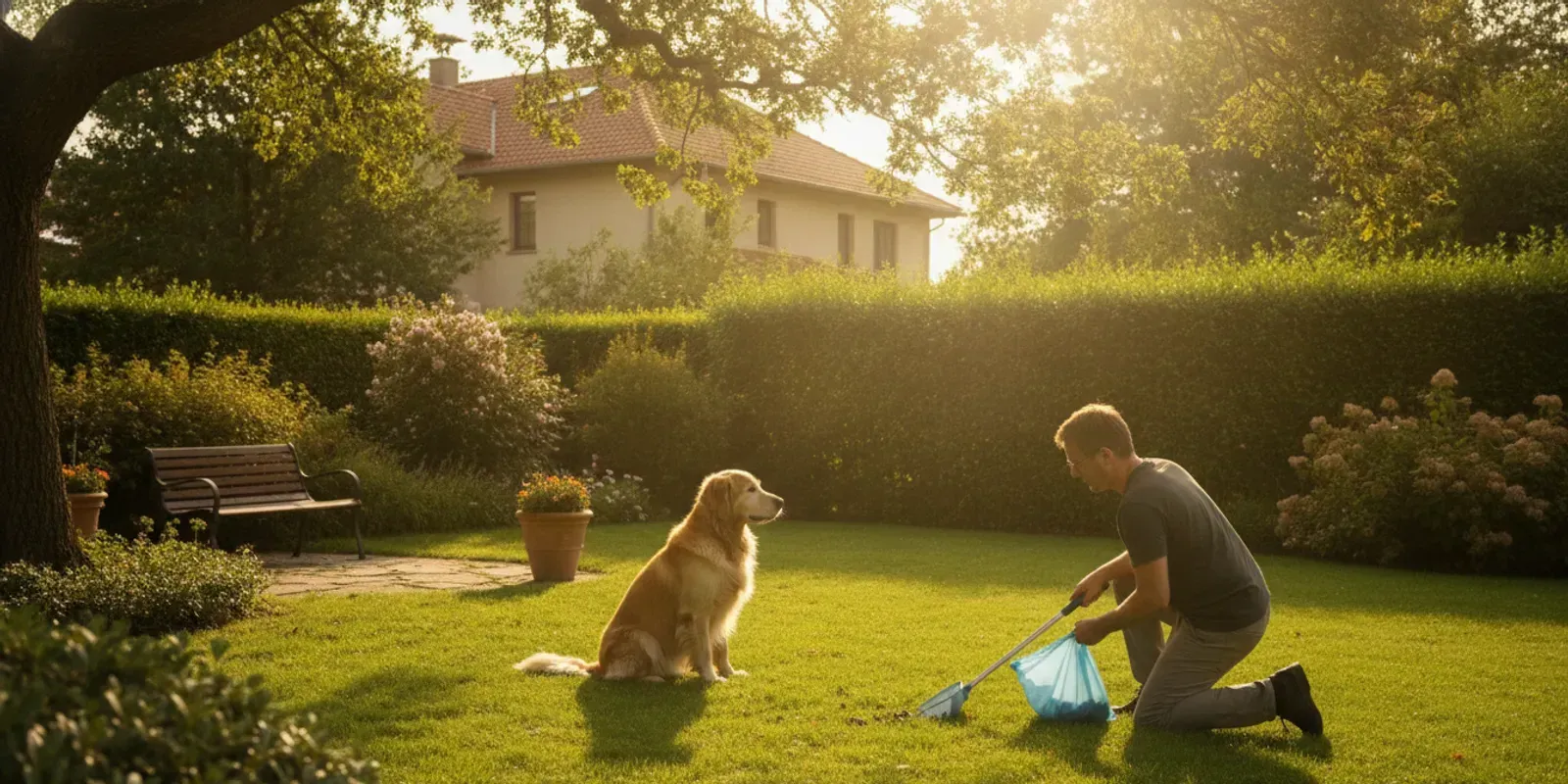
Recurring service is worth considering when waste builds faster than you can remove it, when the yard is used by several pets, or when outdoor upkeep keeps falling behind. It can also help property managers create a predictable routine for shared spaces. Regular removal addresses the source before piles and residue become a larger cleanup project.
Before choosing a schedule, review the practical conditions:
- Pet count: More pets usually mean more frequent waste and more areas to check.
- Use pattern: A small yard used repeatedly may need attention sooner than a larger, lightly used space.
- Surface type: Natural soil, gravel, concrete, and artificial turf have different maintenance needs.
- Access: Locked gates, narrow passages, and stored items can affect the visit.
- Odor history: A recurring smell may require an initial reset before routine removal is effective.
For a first conversation, use A1's service sign-up page or contact the team with the property address, pet count, surface type, and a short description of the odor pattern. Those details make it easier to discuss the appropriate service without assuming that every yard needs the same plan.
How Do You Prepare for a Pet Waste Odor Inspection Service?
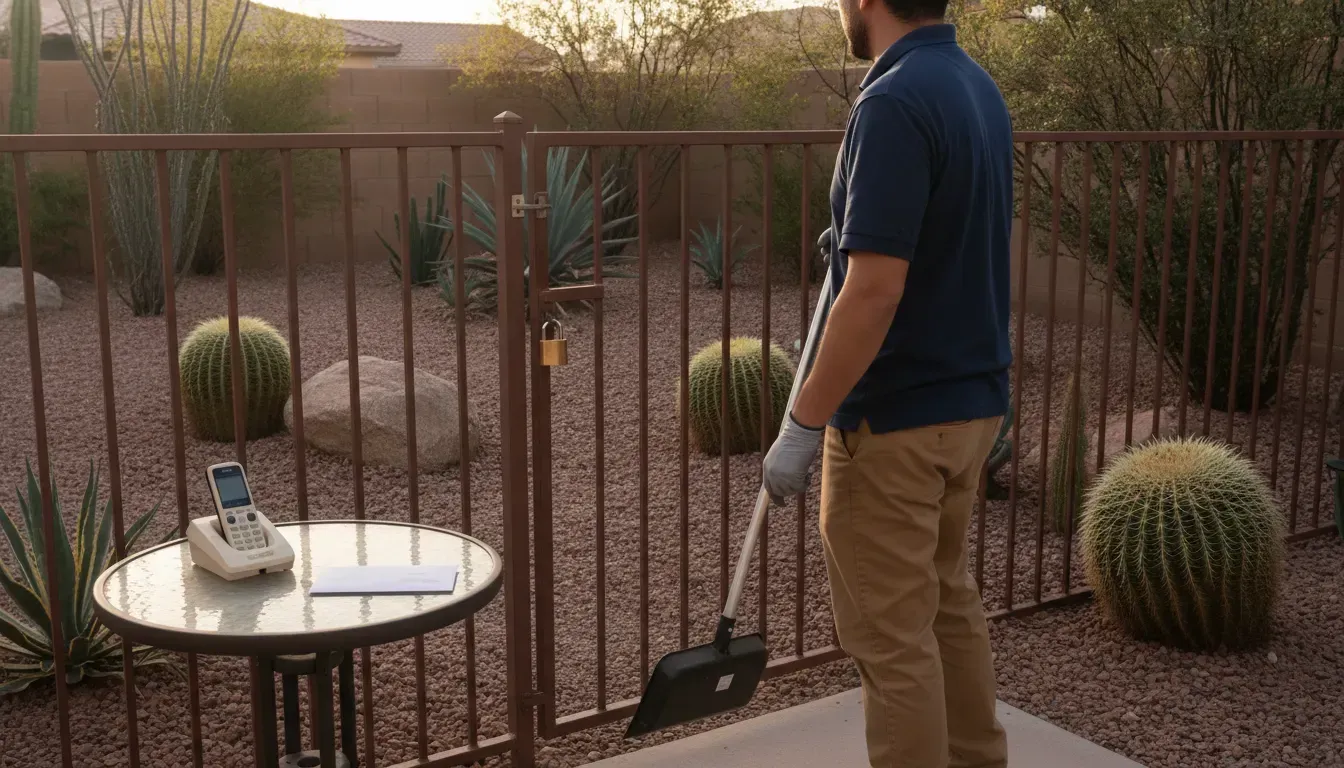
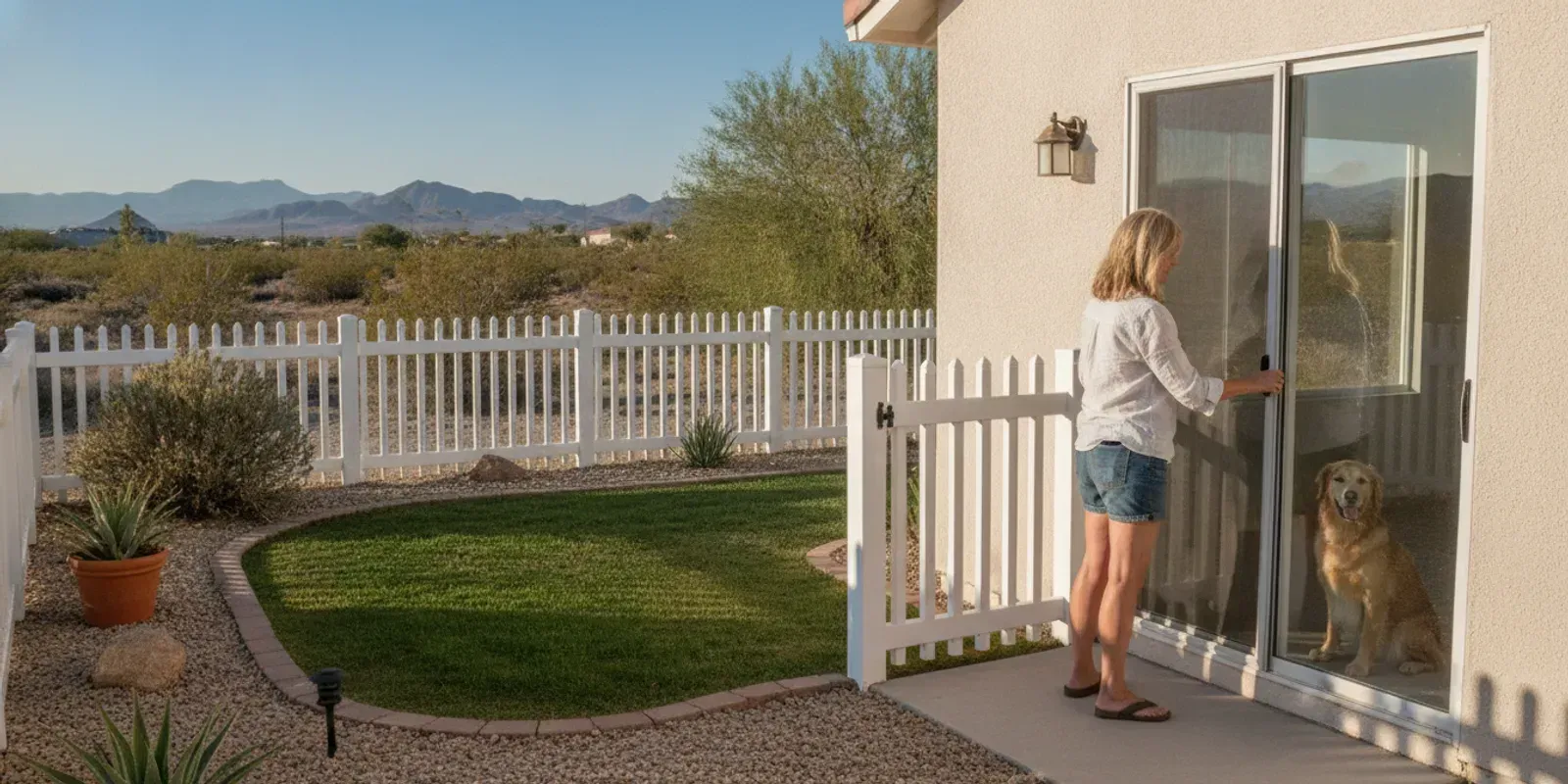
A little preparation makes the visit more useful. Keep pets inside or arrange a safe way for the provider to inspect the yard. Unlock gates and identify any sections that should not be entered. Move toys, bowls, and portable furniture when possible, but do not spend hours cleaning first. The provider needs to see the conditions that are contributing to the odor.
Gather these details before the appointment:
- How long the odor has been present.
- Where it is strongest and whether it moves with wind or weather.
- How many pets use the area and where they usually go.
- Whether the surface is natural grass, soil, gravel, concrete, or artificial turf.
- What cleaning, rinsing, deodorizing, or waste removal has already been attempted.
- Whether the smell is near a door, window, patio, play area, or shared walkway.
Photos can also help when the odor is intermittent. Take wide photos that show the layout and closer photos of visible buildup, turf edges, drainage points, or hardscape. Do not rely on a photo to replace an in-person assessment, but it can help explain where the problem appears to occur.
What Questions Should You Ask Before Booking?
Ask for a clear description of the proposed work. âOdor treatmentâ can mean different things to different providers. The service may involve waste removal, turf cleaning, surface rinsing, deodorizing, or a combination. You should know which part is being recommended and why.
Useful questions include:
- What areas will be inspected or cleaned?
- Is the visit intended to remove visible waste, address turf odor, or both?
- What should be moved or prepared before arrival?
- Will the provider explain conditions that may cause the odor to return?
- Is the recommendation for a one-time cleanup or ongoing maintenance?
- How should pets and people use the area during and after service?
- What information is needed to provide an accurate service plan?
Be cautious of any promise that a single visit will permanently eliminate an odor without considering pet use, surface condition, or drainage. A good plan connects the recommended work to the observed source and explains what regular maintenance may be needed afterward.
How Do Residential and Shared Properties Differ?
At a private home, the inspection usually focuses on the yard, access points, turf, and the areas closest to the home. The owner can describe the pets' habits and decide whether to book a one-time reset or recurring removal.
At an apartment community, HOA, condominium, or other shared property, the inspection must consider more than one household. Common pet areas, walkways, waste stations, drainage, and resident traffic may all affect the odor experience. The property team may need a written scope that identifies service zones, access procedures, reporting expectations, and how new waste will be handled between visits.
A1 offers information for commercial property pet waste cleanup. Property managers can also review the multifamily pet waste management guide when planning a broader community approach. The aim is to make the plan understandable to staff and residents, not merely to respond after a complaint.
Frequently Asked Questions
Can a pet waste odor inspection find every source?
No inspection can promise that every odor source will be identified in every circumstance. A careful visit can locate visible waste, concentrated use areas, turf concerns, and other observable conditions. If the smell does not match pet waste or remains after appropriate cleaning, other property or plumbing issues may need attention from a qualified professional.
Is pet waste odor inspection the same as pet waste removal?
No. Inspection is the process of looking for the source and deciding what work fits. Pet waste removal is the physical collection and disposal of waste. Depending on the property, the next step may be a one-time cleanup, artificial grass maintenance, or a recurring removal schedule.
Will cleaning artificial turf stop odor permanently?
It may reduce odor, but the result depends on the turf, drainage, residue, pet use, and maintenance afterward. New waste and urine can create new odor. Ask what the cleaning addresses and what ongoing care the surface needs.
What should I do if the odor returns after cleanup?
Record when and where it returns, then contact the provider with those observations. A repeat pattern can point to a high-use zone, a drainage concern, or a surface that needs a different maintenance approach. Avoid adding multiple products without checking whether they are suitable for the surface and pets.
Can property managers arrange an odor assessment for shared areas?
Yes, a property manager can ask for a review of common pet areas, walkways, waste stations, and other locations where residents report an odor. Provide the complaint locations, timing, access details, and any existing cleanup schedule so the recommended scope reflects the whole property.
Request help with pet waste and yard odor
The best pet waste odor inspection service connects the smell to an observable source, recommends work that fits the surface and pet use, and leaves you with a realistic plan for keeping the area manageable.