Odor Control Dog Poop Trash Can: A Practical Guide
Learn odor control dog poop trash can habits for hot Las Vegas yards, including sealed bags, bin cleaning, yard pickup, and A1 service options.
A dog-waste bin can become noticeably unpleasant when tied bags sit in warm weather, but a few simple habits make a real difference. Start by removing waste from the yard promptly, sealing each bag completely, and keeping the bin closed and out of direct sun when possible.
For practical odor control dog poop trash can results, tie each waste bag closed before placing it in a lidded bin. Consider double-bagging when appropriate, empty the bin regularly, and rinse and dry it according to the cleaner's label. The Rhode Island Department of Health recommends tying pet-waste bags closed and placing sealed bags in the trash: health.ri.gov.
Call A1 Pet Maintenance at (702) 521-2624 Today
Good bin habits address waste after it is bagged. The next step is reducing how much waste has time to accumulate around the home, especially during hot Las Vegas, Southern Nevada, or Tucson weather.
How Can You Control Odor in a Dog Poop Trash Can?
The most reliable approach is to reduce odor at the source: pick up waste promptly, seal each bag, and keep the household bin closed and emptied regularly. Use a liner that fits the can, avoid overfilling it, and keep the container in a shaded, ventilated location when possible. A tight lid helps contain smells, but it cannot compensate for loose bags or waste sitting in the can for too long.
Build a simple routine around disposal:
- Bag waste promptly. Tie every pet-waste bag closed before placing it in the bin. The Rhode Island Department of Health specifically recommends tying pet-waste bags closed and placing sealed bags in the trash. Read its pet-waste disposal guidance.
- Use a second bag when needed. Double-bagging may help contain odor, particularly when a bag is thin, damp, or likely to sit until the next collection day.
- Keep waste out of the home. A lidded outdoor container is usually more practical than storing tied bags indoors. Do not flush pet waste down the toilet, even when the waste is small.
- Empty and rinse the container routinely. Follow your local waste service rules, then rinse the empty bin and let it dry fully before adding a fresh liner. Avoid mixing cleaning products, and follow the label for any product you use.
Odor control also starts before the bag reaches the can. The EPA advises pet owners to always pick up after their pets. Prompt pickup means less waste remains on the ground and less material is transferred to the bin at once. The Rhode Island Department of Health also notes that rain can wash pet waste into storm drains and waterways. So regular yard pickup is a sanitation habit, not just a smell-control step. See the EPA's guidance for pet owners.
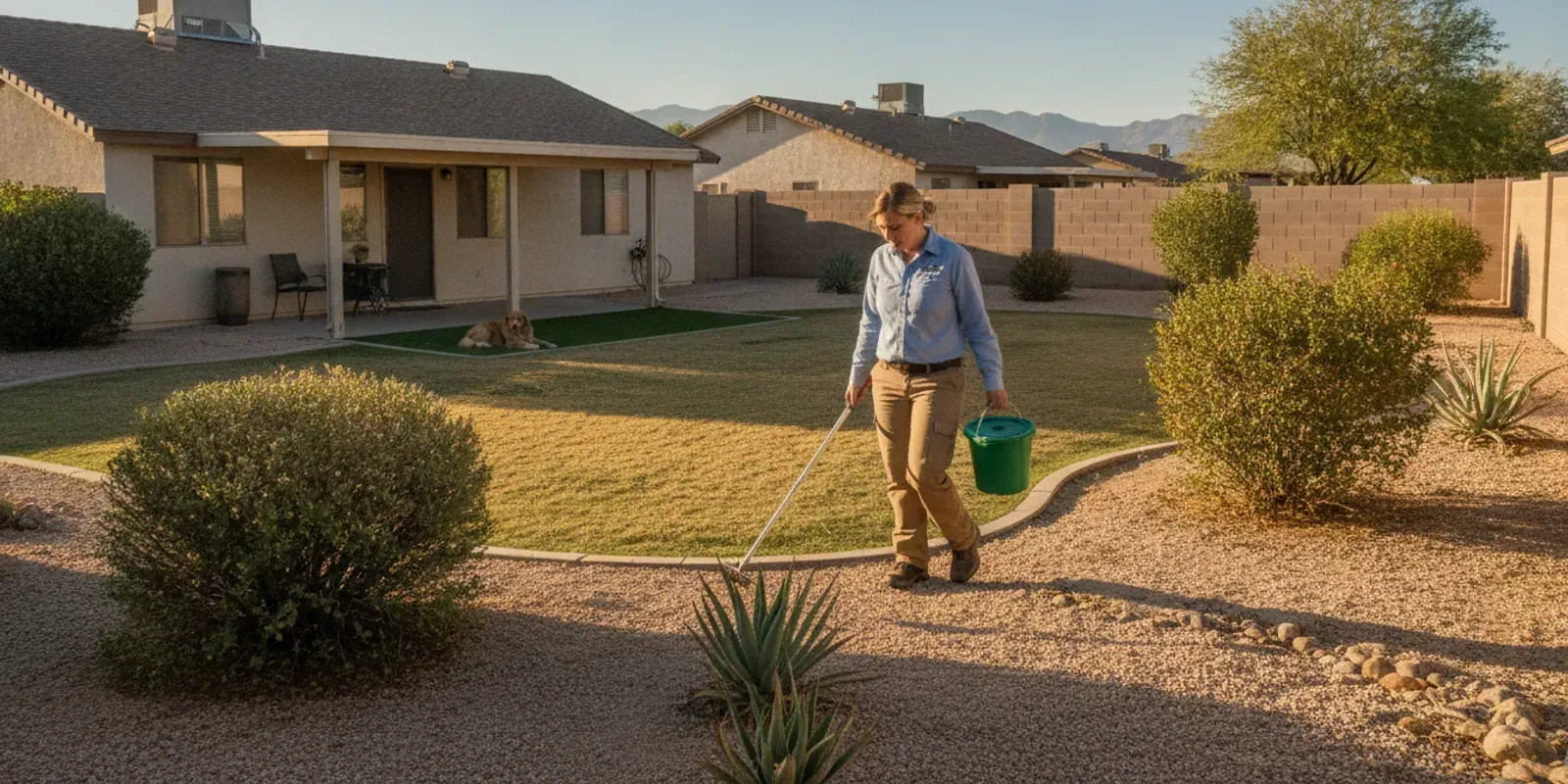
If the bin smells strongly despite sealed bags and regular emptying, check whether waste is collecting around the can, beneath the liner, or in the yard nearby. A1 Pet Maintenance handles pet-waste removal and yard cleanup in Southern Nevada and Tucson, but household trash-can washing is outside this service. Removing the waste from the yard on a weekly, bi-weekly, or one-time schedule can help keep the source of the odor under control.
Why Does Hot Weather Make Dog Waste Bins Smell Worse?
Heat does not create the waste odor by itself, but it can make an existing odor noticeable sooner. In a Las Vegas or Southern Nevada yard, a closed bin may sit in warm air for hours. As the waste breaks down, odor collects inside the container, especially when the lid is loose, the bags are leaking, or the bin is placed in direct sun.
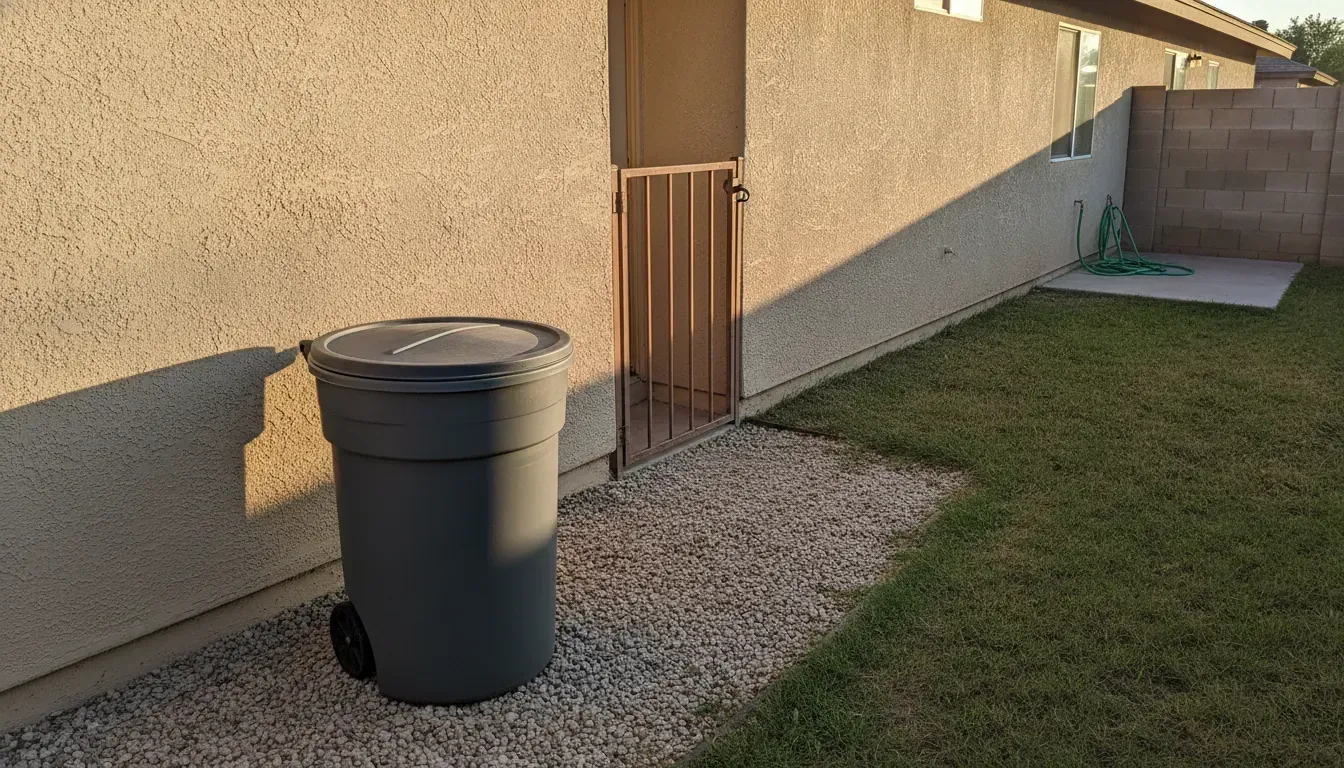
That is why location matters. Keep the household dog-waste bin in a shaded, ventilated spot that is still convenient to reach. Avoid placing it beside a sunny exterior wall, near a frequently opened window, or directly beside an outdoor living area. A tight-fitting lid helps contain smells, but it does not replace prompt bagging and regular emptying.
Why does a sealed bag still smell in the heat?
A sealed bag limits contact with the outside air, but it also keeps the waste inside the bin until collection. Small leaks, residue on the bag exterior, and accumulated bags can all contribute to a stronger smell. The Rhode Island Department of Health advises tying pet-waste bags closed and placing sealed bags in the trash. It also notes that double-bagging may help in some situations. See its pet-waste disposal guidance for the complete recommendation.
Empty the bin before odor becomes overwhelming, and adjust the routine when temperatures rise or the container fills faster. One competitor suggests emptying every two to three days in warm weather, but that is a practical rule of thumb rather than a universal requirement. Your household's number of pets, bag size, shade, and local collection schedule all matter.
Finally, do not confuse bin odor with waste left elsewhere in the yard. Clemson Extension explains that improperly managed pet waste can smell and affect local waterways. Prompt pickup reduces what can break down outdoors and what ultimately enters the household container.
What Daily Habits Keep Dog Poop Odor From Building?
The most dependable routine is simple: remove waste promptly, seal each bag, keep the lid closed, and empty the container before odor has time to build. The EPA advises pet owners to always pick up after their pets. While the Rhode Island Department of Health recommends tying pet-waste bags closed and placing sealed bags in the trash. These small habits make odor control in a dog poop trash can much easier to maintain.
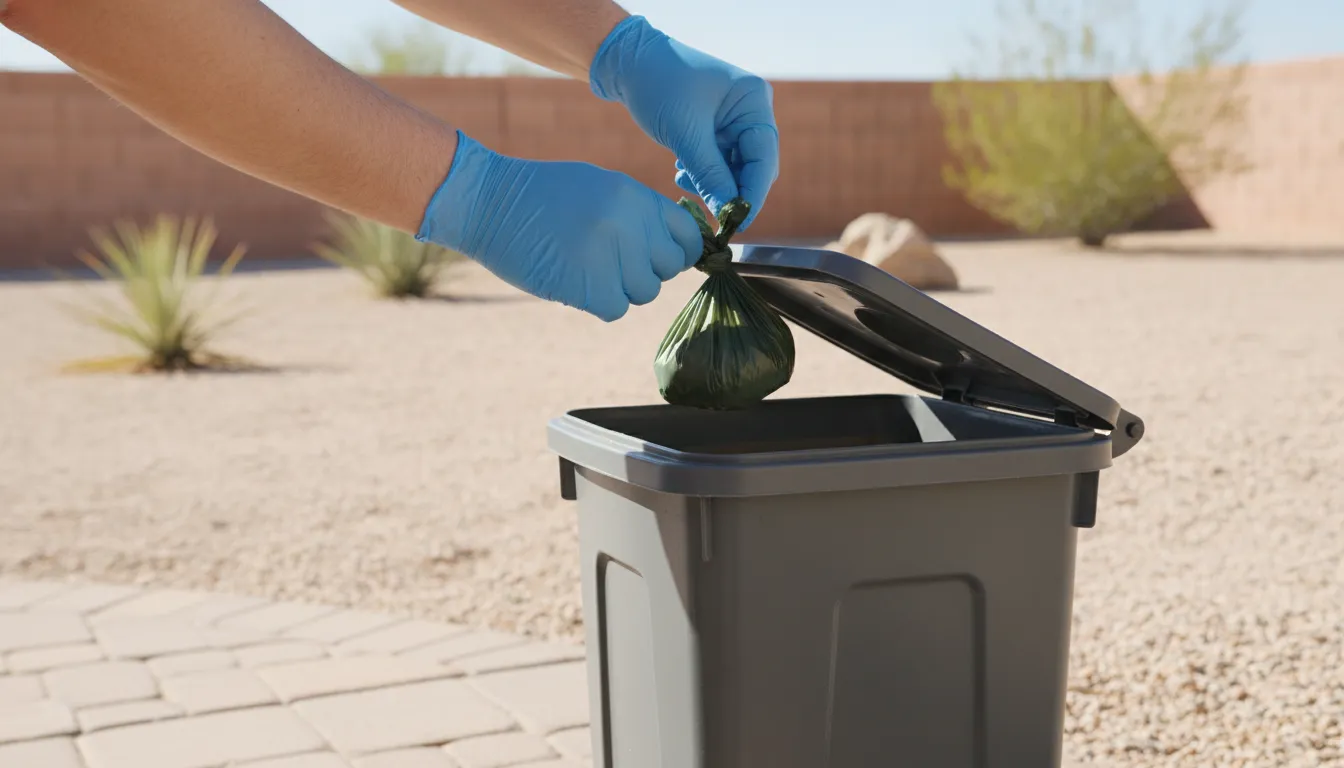
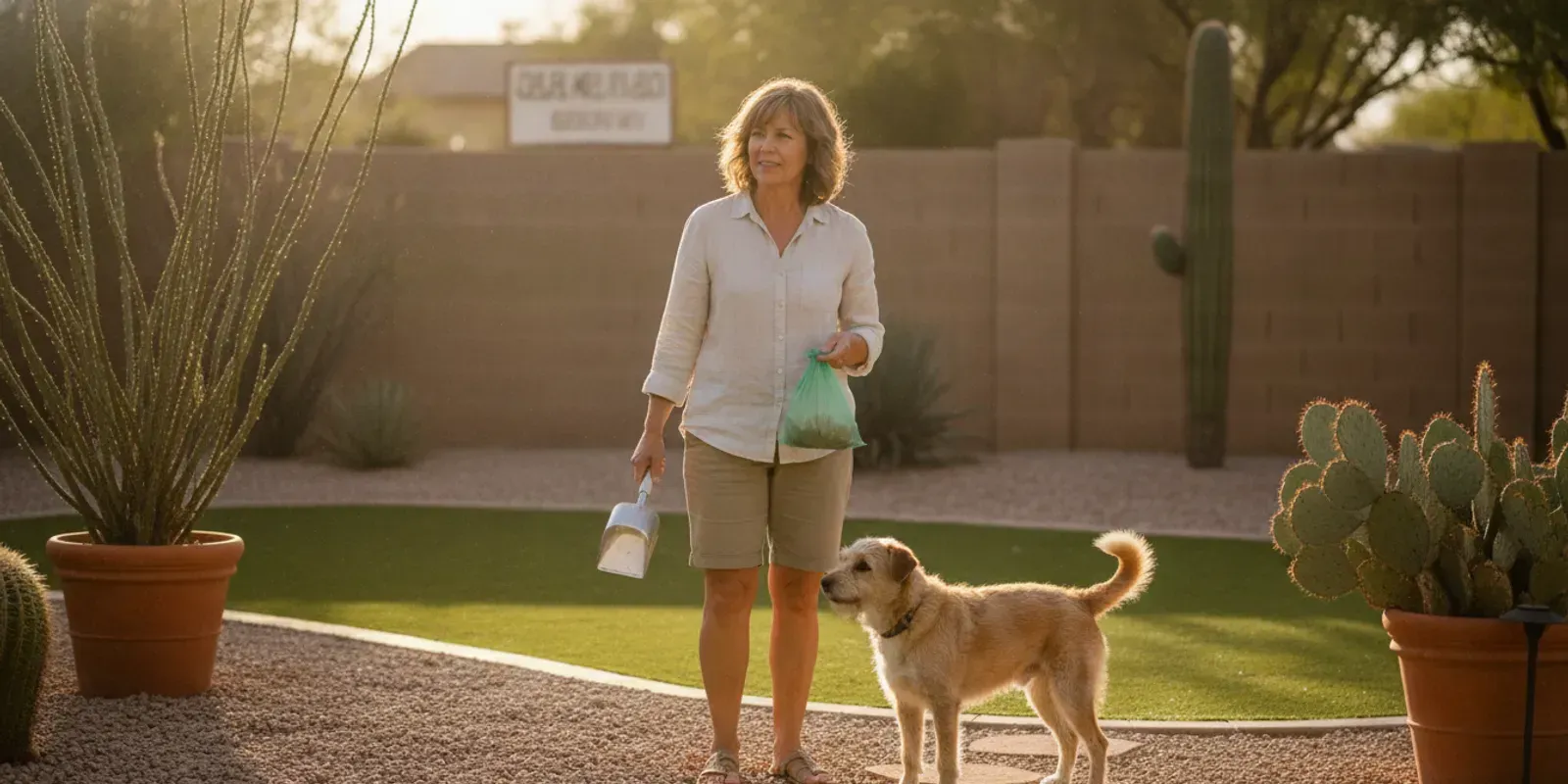
- Scoop promptly. Walk the yard regularly and remove waste soon after you see it. A long-handled scooper can make home pickup easier, especially when bending is uncomfortable. Prompt pickup also keeps waste from remaining on the lawn where rain can wash it toward storm drains and waterways. See the EPA's pet-waste guidance for its pickup recommendation.
- Tie the bag closed. After scooping, secure the bag completely before carrying it to the bin. A loose opening allows odor to escape and can leave residue around the container. The Rhode Island Department of Health specifically advises tying pet-waste bags closed.
- Contain the waste. Put the sealed bag into a lidded trash can and close the lid after every deposit. If a bag is thin or has leaked, double-bagging may help. Do not flush pet waste down a toilet. For disposal details, follow the Rhode Island Department of Health guidance.
- Empty the bin consistently. Do not wait until the container is packed full. A regular emptying habit removes the source of the smell and gives you a chance to spot leaks or torn bags. Keep the bin in a shaded, convenient location if possible, while still following local trash rules.
- Clean and dry it. Once empty, rinse the container when needed, use a product only according to its label, and let the interior dry fully before replacing the liner. Avoid mixing cleaners. A dry, clean bin is easier to manage than one with liquid or residue collecting at the bottom.
How Should You Choose and Position a Dog-Waste Trash Can?
The right setup depends on whether you are managing a small amount of waste each day or trying to prevent an already full yard from feeding the odor problem. Choose a container that closes securely, place it where it is convenient to use but not directly beside doors or frequently opened windows. And reduce the amount of waste waiting inside it through consistent cleanup.
Ways to manage dog-waste odor around a home.Approach.Best fit.What it helps with.What to remember.Regular lidded bin.Routine household use with a manageable amount of bagged waste.Keeps waste contained between emptying days and limits exposure to weather.Tie bags securely, keep the lid closed, and empty it before waste accumulates.Dedicated sealed pail.Homes that want a separate container for pet-waste bags.Creates a consistent place for dog-waste disposal away from other household trash.It still needs regular emptying and cleaning according to the product label.Source reduction through yard cleanup.Yards where repeated deposits or accumulated waste are the main odor source.Reduces the amount of waste available to bag, store, and smell.Use one-time cleanup for buildup or weekly and bi-weekly service for an ongoing routine.
Position the bin on a stable, easy-to-reach surface with enough clearance to open the lid fully. Avoid low spots where rainwater can collect, and choose a location that makes every dog-walk or yard visit end with immediate disposal. If disposal questions are part of your routine, see A1's safe dog-poop disposal guide.
A container cannot solve odor created by waste that remains across the yard. If source reduction is the better fit, review A1's residential yard cleanup options and choose a schedule that matches how quickly waste builds up.
How Do You Clean a Smelly Bin Safely?
Start with an empty household trash can. Remove every tied bag and check the bottom, lid, rim, and handles for leaks or residue. Sealed pet-waste bags belong in the trash, according to the Rhode Island Department of Health. So do not open bags during cleanup or pour their contents into a sink or toilet. Its pet-waste guidance also advises against flushing pet waste.
Take the bin to a location where wash water can be managed safely, away from food-preparation areas. Rinse the inside and outside with water to loosen and remove remaining material. If residue remains, use a cleaning product that is labeled for the bin's surface and follow that product's directions. The label should determine the amount, contact time, ventilation, and whether the product requires protective equipment.
Never mix cleaners. In particular, do not combine products simply because one seems useful for odor and another seems useful for visible residue. Mixing household cleaning chemicals can create dangerous fumes. Use one labeled product as directed, and rinse according to its instructions before using anything else.
Pay attention to places that trap residue, including the underside of the lid, the hinge area, and the bottom seam. A separate brush or cloth can help, but keep it dedicated to trash-can cleaning and wash or discard it appropriately afterward. Avoid using a cleaning method that could damage the plastic, weaken the lid seal, or leave a strong product residue around pets.
Finally, let the bin drain and dry fully with the lid open before adding a new liner. Moisture left under a bag can make the next odor problem return sooner. If the smell persists after the bin is clean and dry, focus on faster bag removal and more frequent emptying rather than adding unverified chemicals or homemade mixtures.
When Does Yard Cleanup Reduce What Goes Into the Trash Can?
Yard cleanup helps with household bin odor when the main problem is the amount of waste entering the can. If several days or weeks of dog waste have accumulated, a one-time cleanup can remove that backlog at once. It is also useful after travel, a missed pickup routine, or a move into a home where the yard was not maintained.
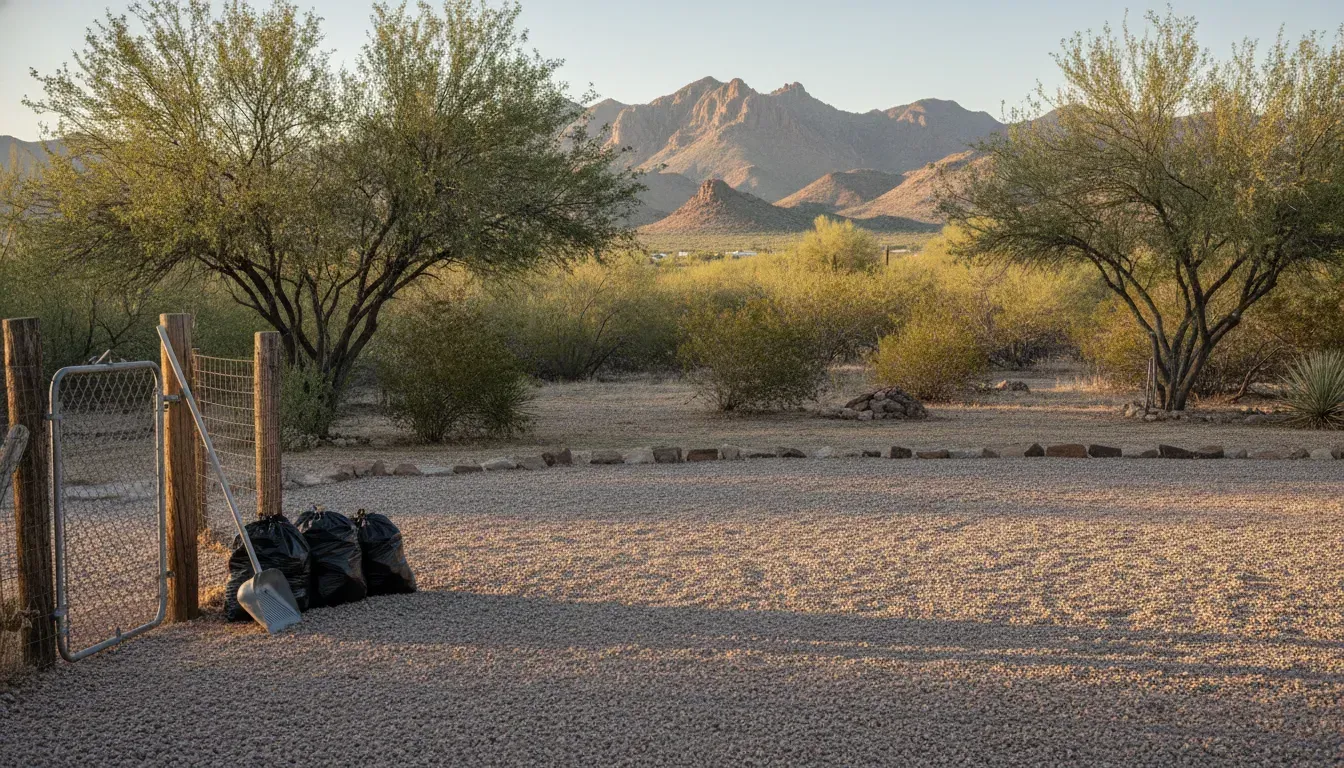
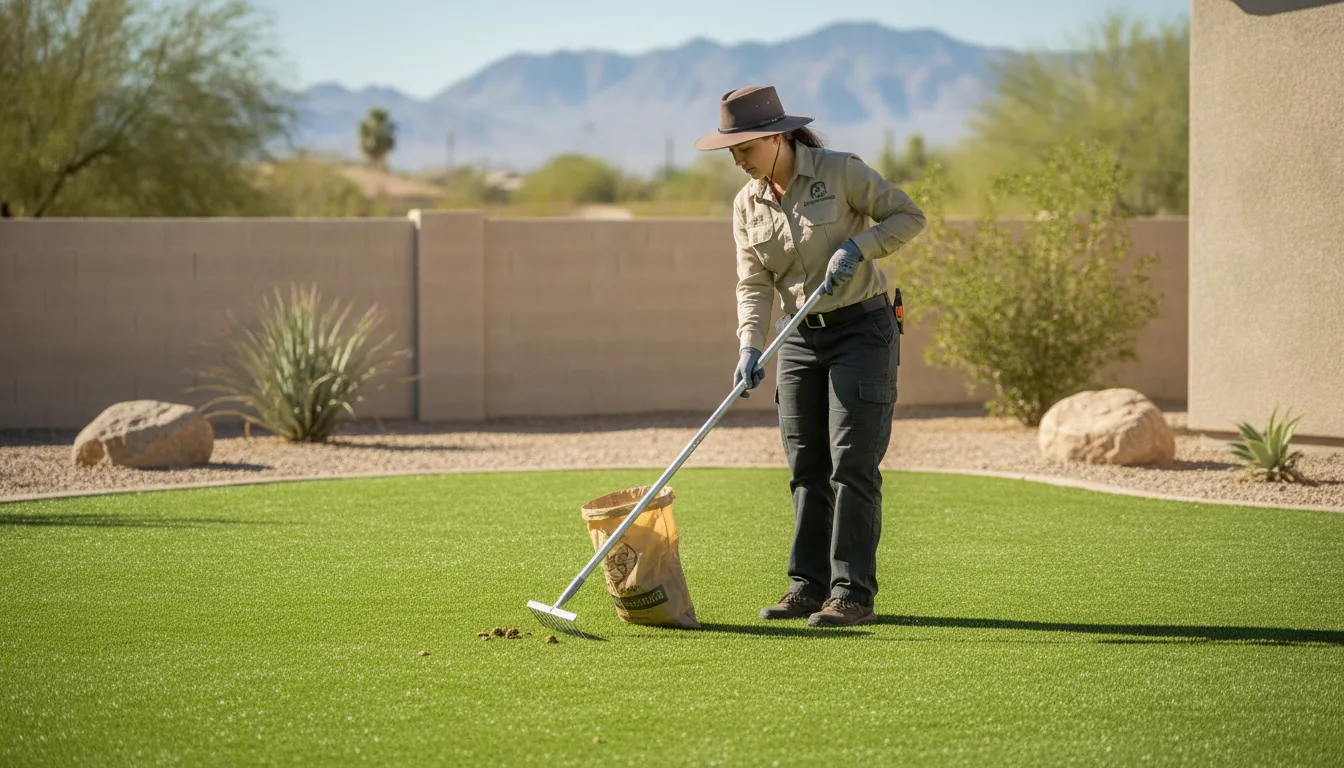
A1 Pet Maintenance bags and hauls collected yard waste away from the property for city sanitation collection. That means less waste is left in the yard and less of it needs to be bagged and placed in your household trash can. A1 does not clean or wash household trash cans, so continue using a lidded, well-maintained bin and follow your local disposal rules. For background on disposal, see these safe dog poop disposal methods.
 When is a one-time cleanup the right choice?
Choose one-time service when waste has built up and you need a reset, but you do not need an ongoing schedule. Clearing the source can make your regular household routine more manageable. It does not replace tying bags closed, emptying the bin promptly, or cleaning the empty container according to its product instructions.
When does recurring service help most?
Weekly or bi-weekly recurring service reduces the amount of waste waiting in the yard between visits. That can limit how much you must handle at home and help prevent a large batch of sealed bags from accumulating in the trash can at once. Weekly service may fit households with frequent yard use or multiple dogs, while bi-weekly service may suit a lighter routine. A1 serves residential properties in Southern Nevada and Tucson. Learn more about how recurring waste removal works.
Source reduction is especially helpful when you are working on odor control for a dog poop trash can, but it is only one part of the solution. Keep the yard pickup schedule realistic, secure each bag, and ask A1 about one-time. Weekly, or bi-weekly yard waste removal when the cleanup load is becoming difficult to manage.
What Is the Difference Between Household Bin Odor and Yard Odor?
Household bin odor usually comes from sealed bags of solid dog waste collecting inside a container. The practical controls are straightforward: pick up promptly, tie each bag closed, use a lidded bin, and empty it before waste sits for too long. The Rhode Island Department of Health recommends tying pet-waste bags closed and placing sealed bags in the trash. It also notes that double-bagging may help with odor in some situations. See these safe dog poop disposal methods for more household guidance.
Yard odor is a different source problem. Solid waste left on the ground can contribute to a generally dirty-smelling yard, while repeated urination can leave odor held in artificial-grass fibers. A trash-can routine will not remove urine odor from turf, and turf deodorizing will not clean a household bin. Keeping those sources separate helps you choose the right solution instead of treating every outdoor smell as a trash-can issue.
For artificial grass in Las Vegas, Henderson, and surrounding areas, A1's service includes pet-waste removal, debris clearing, enzyme-based deodorizing, and rinsing or agitation. The process is designed to address urine odors trapped in turf fibers. Learn more about artificial grass cleaning and deodorizing. This is turf cleaning, not household trash-can washing.
If waste has accumulated in the yard, A1 also offers one-time cleanup. Weekly or bi-weekly service can help keep pet waste from building up between visits in Southern Nevada and Tucson. That reduces one source of outdoor odor, while your own sealed-bag and bin-emptying routine handles odor inside the household container.
Need help keeping pet waste under control? Call A1 Pet Maintenance at (702) 521-2624 Today
Frequently Asked Questions
What is the best dog poop pail for odor control?
Choose a pail with a tight-fitting lid, a smooth interior, and enough capacity for your pickup routine. Keep it outdoors in a shaded, ventilated spot, and use a liner so tied waste does not contact the container.
Are dog poop bags smell proof?
No bag blocks odor indefinitely. Thick, well-sealed bags can limit smells, but tie each bag securely and move it to the outdoor trash container promptly. Double-bagging may help when a bag leaks or the waste is especially odorous.
How do you get rid of dog poop smell fast?
Remove the waste first, empty the pail, and clean any residue from the interior. Rinse the container, let it dry fully, and replace the liner. A clean, dry pail with a tight lid is easier to keep odor-free than one holding old residue.
Is it safe to put dog waste in your regular trash can?
Bagged dog waste can go in regular household trash when local rules allow it. Tie the bag closed before disposal, keep the lid secured, and do not flush pet waste. Check your local sanitation guidance if you are unsure.
How do you get the smell of dog poop out of your backyard?
Walk the entire yard, pick up every visible deposit, and remove tied bags from the property promptly. Regular cleanup prevents waste from accumulating and helps reduce recurring odor. If the smell persists, inspect turf, soil, and shaded areas for missed waste.
Ready to Keep Pet Waste Under Control?
A cleaner yard can make the household odor-control routine easier to maintain, especially when waste starts building up between busy days. Call A1 Pet Maintenance at (702) 521-2624 to discuss weekly, bi-weekly, or one-time pet waste cleanup in Southern Nevada or Tucson.