How to get poop smell off of hands: A1 Guide
How to get poop smell off of hands after pet cleanup. Follow a simple washing sequence, prevent lingering odor, and know when A1 can help today.
Pet-waste cleanup can leave a stubborn odor behind even after a quick rinse, especially when residue gets around fingernails or into small skin creases. The most reliable fix is a careful wash with soap and running water, followed by a check for any remaining residue rather than covering the smell with fragrance.
To learn how to get poop smell off of hands, remove gloves carefully, rinse away visible residue. Then scrub with soap and running water for at least 20 seconds, including between fingers and under nails. Dry with a clean towel, and repeat the wash if odor remains. The CDC recommends soap-and-water handwashing for effective cleaning, while safe bagging and disposal helps prevent the problem from recurring.
Small changes to the cleanup routine can make a noticeable difference, from keeping bags within reach to using a long-handled scooper. The steps below explain how to clean your hands thoroughly, identify why odor lingers, and reduce direct contact during future pet-waste pickup.
Call A1 Pet Maintenance at (702) 521-2624 today
How To Get Poop Smell Off of Hands After Pet-Waste Cleanup?
Use a careful soap-and-water routine before trying anything else. The goal is to remove residue that may remain around your fingers, palms, and nails, rather than cover the odor with fragrance. Follow these steps after handling pet waste or contaminated cleanup materials:
- Remove the source safely. Take off disposable gloves by turning them inside out as you remove them. If you handled waste without gloves, avoid touching your phone, door handles, faucet handles, or other clean items until you have washed. Tie the used waste bag closed and place it in the trash. Do not flush pet waste.
- Rinse your hands first. Use clean, running water to loosen visible residue. Keep your hands pointed downward so runoff moves away from your wrists. A brief rinse is only the first step; water alone may not remove the odor.
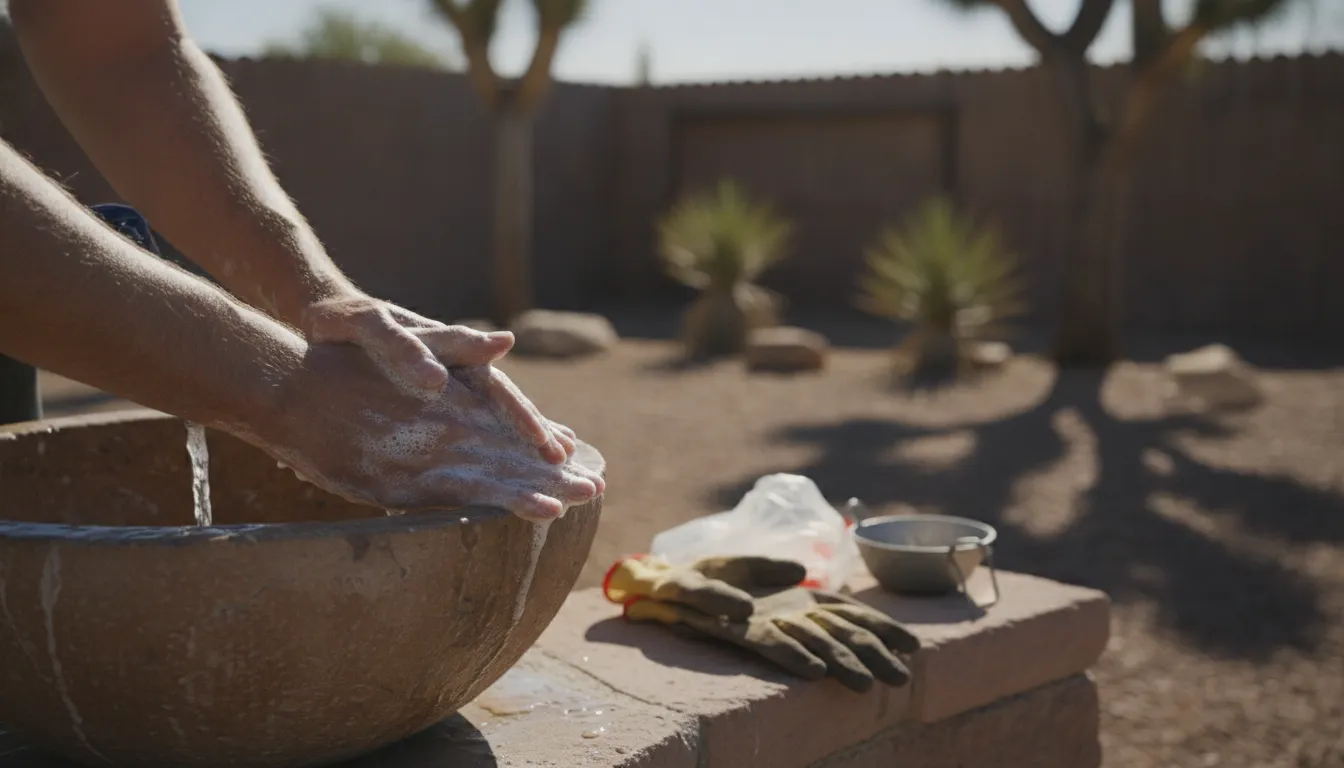
- Apply soap and scrub thoroughly. Work soap over your palms, backs of hands, between your fingers, around each thumb, and under your fingernails. Pay extra attention to creases and any area that contacted the glove exterior or waste bag. The CDC recommends scrubbing with soap and water for at least 20 seconds, including the backs of your hands, between your fingers, and under your nails: CDC handwashing guidance.
- Rinse completely. Hold your hands under clean running water until the soap and loosened residue are gone. If the smell is still noticeable, check whether it may be coming from a ring, watchband, sleeve cuff, or another item that touched the cleanup materials. Remove and clean those items according to their care instructions.
- Dry with a clean towel. Pat your hands dry rather than using a towel that was already used during cleanup. Drying helps you notice whether the odor remains on your skin or is coming from a nearby surface or garment.
- Repeat the wash if needed. A second complete wash is reasonable when odor remains, especially after a torn glove or a bag leak. Use fresh soap and a clean towel. Do not use harsh cleaners, bleach, or other products intended for household surfaces on your skin.
This routine explains how to get poop smell off of hands without relying on a scented product to hide the problem. If the odor returns after washing, inspect the gloves, bag, clothing, tools, and surfaces involved in the cleanup for the remaining source.
Why Does Poop Smell Stay on Hands After Cleanup?
When poop smell remains after yard cleanup, the source is often a small amount of residue rather than a problem with the entire hand. Waste can collect around cuticles, beneath fingernails, and in the creases around knuckles. A quick rinse may remove visible dirt while leaving odor-carrying material in those less noticeable areas.
Gloves can also transfer odor. If a glove has a tiny tear, slips at the wrist, or touches the outside of a tied bag, the smell may reach your skin. Reusing disposable gloves or handling a phone, gate latch, scoop handle, or faucet before changing gloves can spread residue to nearby surfaces. Those surfaces can then make clean hands smell dirty again.
How can you remove the odor without spreading it?
Take the gloves off carefully so the contaminated outer surface does not touch your skin. Tie pet-waste bags closed and place them in the trash rather than flushing them. The Rhode Island Department of Health recommends this contained disposal approach for pet waste: bag, tie, and place it in the trash.
Next, wash with soap and running water, working the lather over your palms, the backs of your hands, between your fingers, around your nails, and through the creases at your wrists. The CDC recommends scrubbing for at least 20 seconds before rinsing and drying. If odor remains, repeat that thorough wash while cleaning anything you touched during pickup, such as reusable tools or a gate latch. Avoid relying on fragrance alone to cover the smell.
What if the yard or turf is the recurring source?
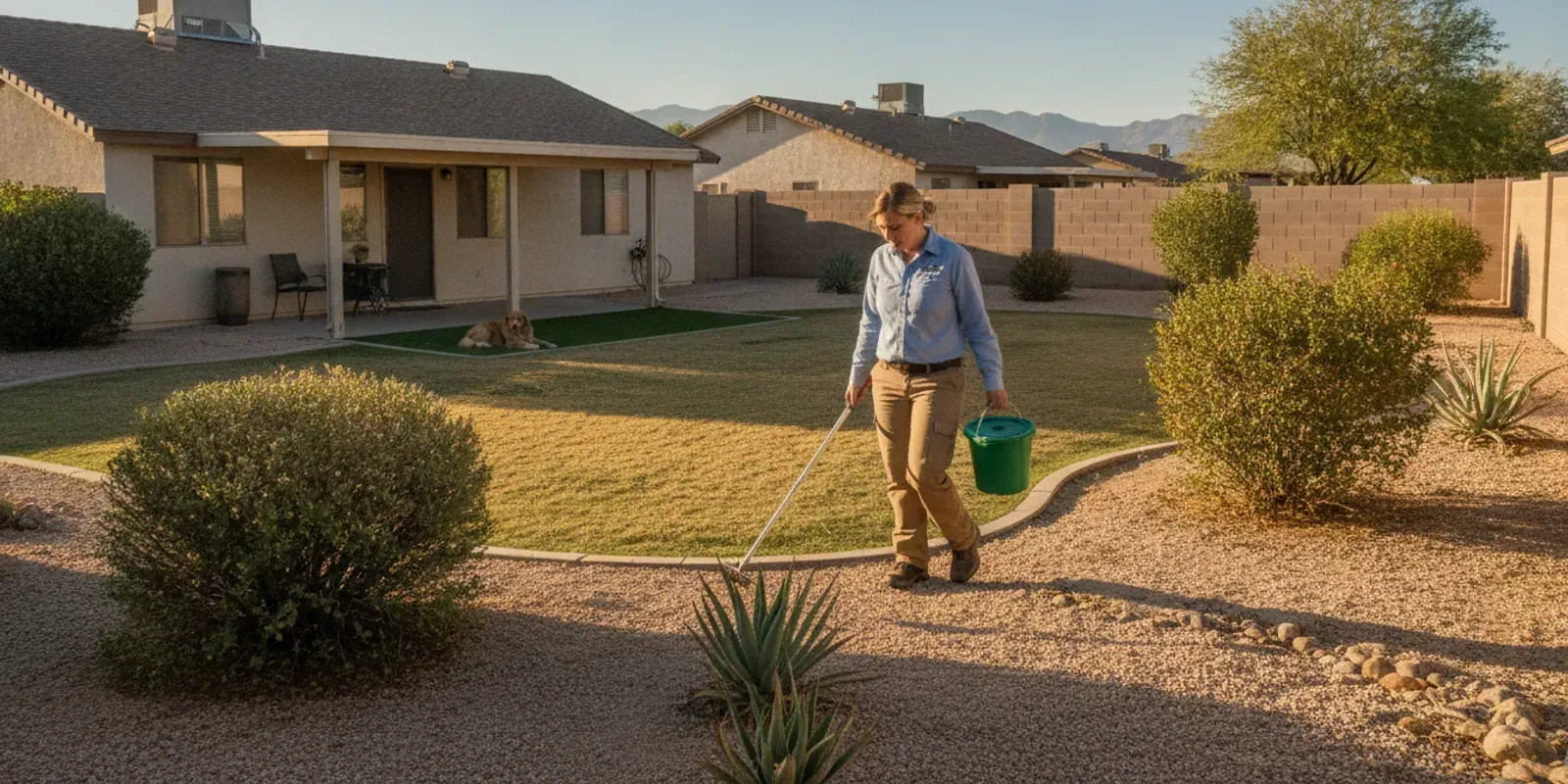
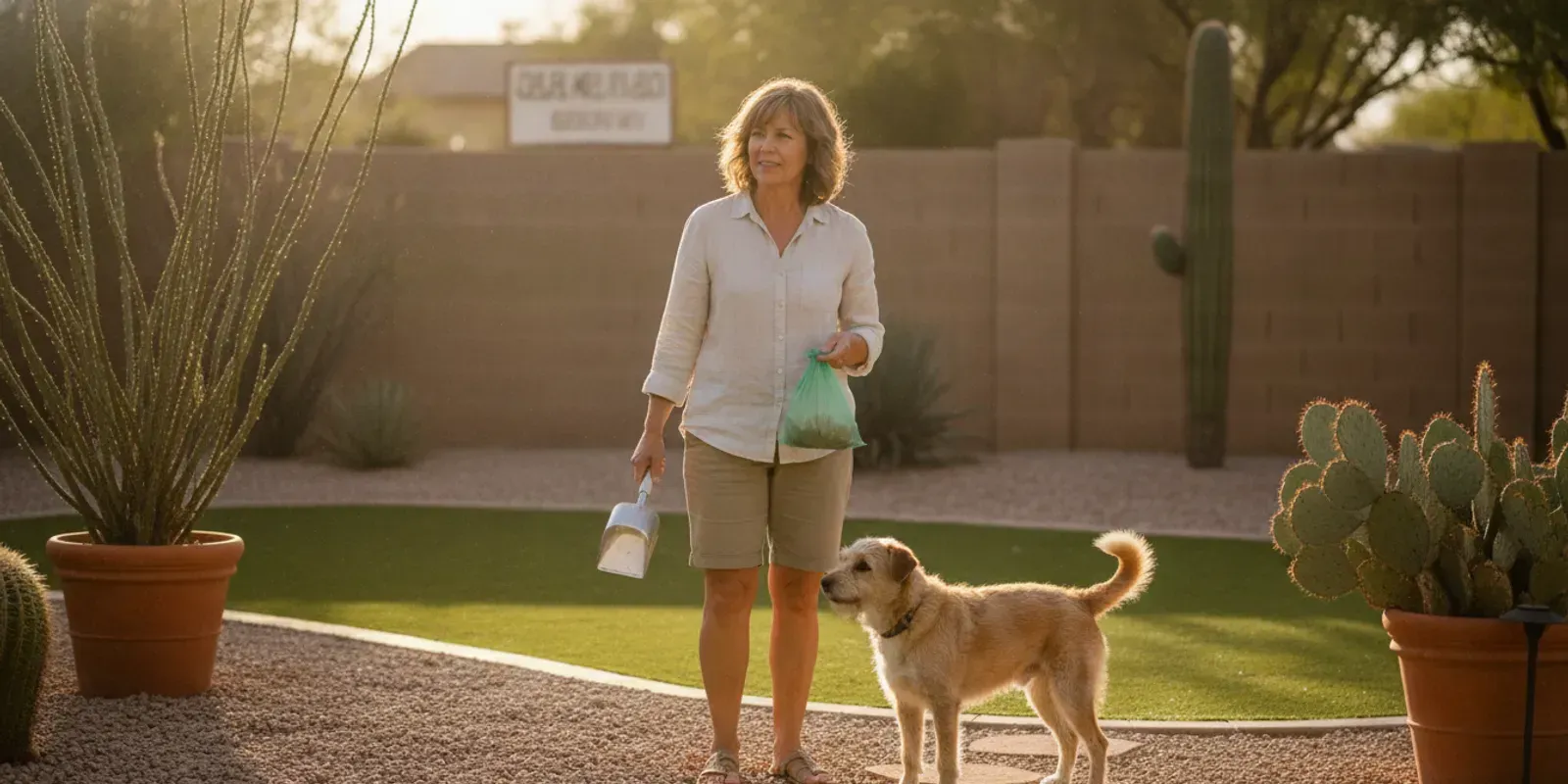
Persistent odor may be coming from waste left in the yard or from urine and residue held in artificial-grass fibers, not from your hands alone. A long-handled scooper, bags stored near the leash, and a consistent pickup routine reduce direct contact. EPA guidance also recommends picking up after pets and avoiding pet-waste runoff near waterways. For repeated buildup in Southern Nevada or Tucson, professional one-time cleanup or weekly or bi-weekly service can reduce the amount of waste you handle yourself.
Which Hand-Cleaning Options Work Best for Lingering Odor?
Lingering odor usually means residue is still present in an easy-to-miss place, such as beneath a nail, between fingers, or on a ring. Start with soap and running water rather than trying to cover the smell with fragrance. The CDC identifies soap and water as the preferred method after handling animals or their waste and recommends scrubbing for at least 20 seconds: see the CDC handwashing steps.
Soap and running water — Best use: First choice after cleanup How to use it: Wet hands, apply soap, lather the palms, backs, fingers, and nails, scrub for at least 20 seconds, then rinse. What to know: This removes residue instead of simply masking its odor.
Targeted nail and hand scrubbing — Best use: Odor that remains after a quick wash How to use it: Repeat the wash while deliberately working between fingers and under nails. Use a clean nail brush if you have one. What to know: Keep the pressure comfortable. Harsh chemicals or abrasive mixtures can irritate skin and are not necessary.
Clean drying — Best use: Finishing the wash and reducing damp residue How to use it: Rinse thoroughly and dry with a clean towel or an air dryer. What to know: A towel that has already picked up waste odor can put that smell back on clean hands.
Disposable gloves — Best use: Preventing direct contact during pickup How to use it: Choose intact gloves, remove them carefully after collection, and wash your hands afterward. What to know: Gloves reduce contact but do not replace handwashing. Change them if torn or visibly soiled.
Pay special attention to the parts of your hands that make contact with the scoop handle, waste bags, leash, or gate latch. If soap and water are not immediately available, hand sanitizer containing at least 60% alcohol can be a temporary option until you can wash properly. It is not a substitute for a full wash when hands are visibly dirty or odor remains.
For prevention, keep gloves and bags with your pickup supplies so the routine starts cleanly. If repeated yard cleanup leaves odor on your hands despite careful washing, reducing the amount of waste waiting in the yard can help. A one-time cleanup or a weekly or bi-weekly service can limit repeated contact without asking household handwashing to solve an ongoing yard-maintenance problem.
How Can You Prevent Poop Smell on Your Hands Next Time?
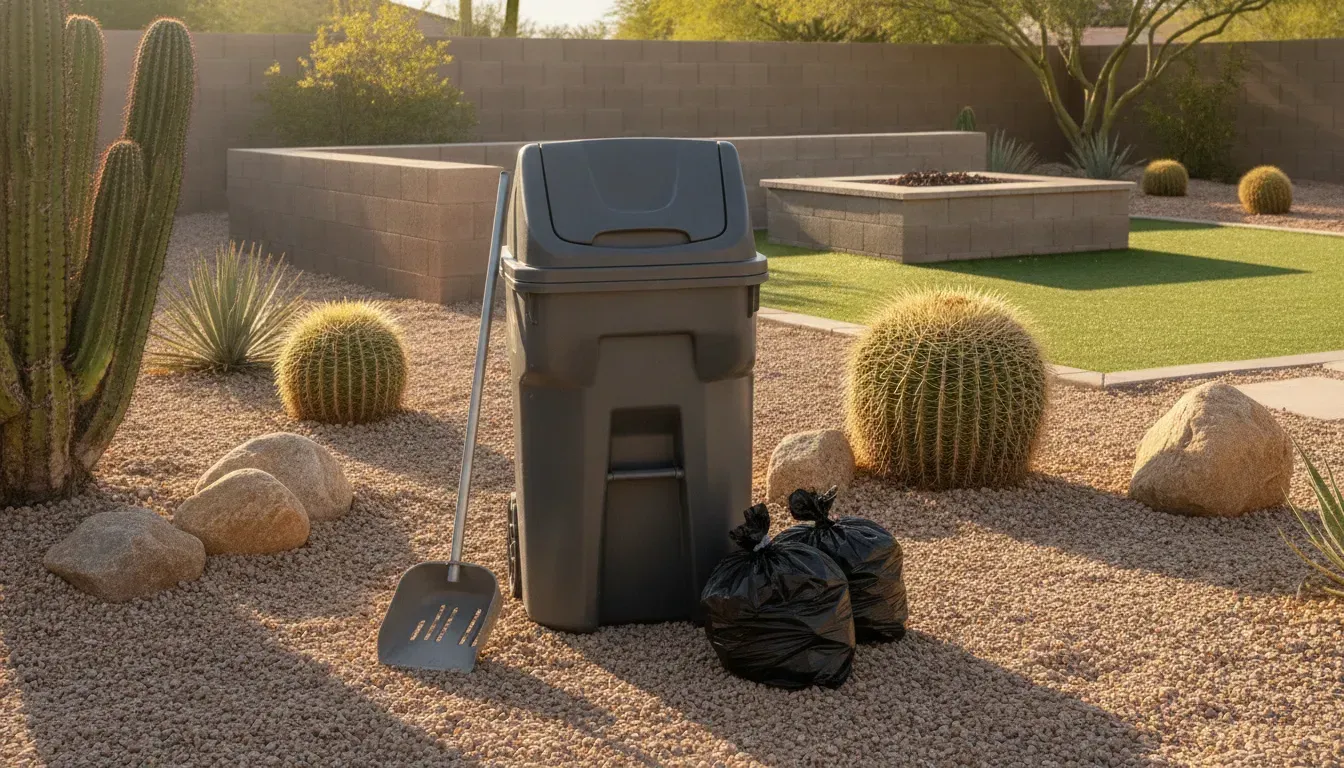
The easiest way to prevent odor is to reduce direct contact and make cleanup a prepared routine. Keep a roll of sturdy waste bags beside the leash, gate, or scooper so you are not searching for supplies while handling waste. A long-handled scooper can also help keep your hands farther from the mess during pickup.
Prepare the right supplies before you start
Choose gloves that fit securely and do not tear easily. Gloves are a barrier, not a substitute for handwashing. Change them if they rip, become visibly soiled on the outside, or touch a contaminated surface. Keep clean replacement gloves and extra bags within reach, rather than carrying used materials around the yard.
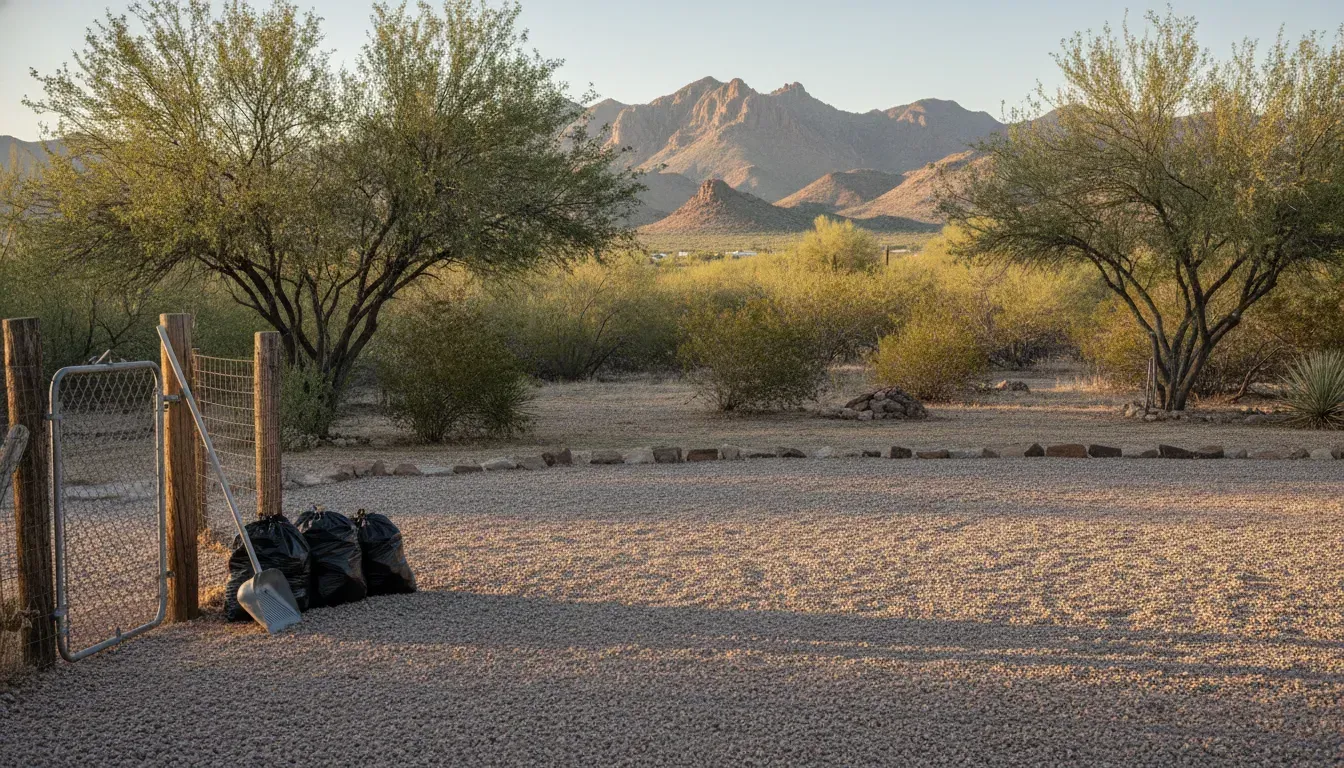
Pick up waste promptly and place it directly into a bag. Rhode Island Department of Health guidance recommends tying the bag closed, placing the sealed bag in the trash, and not flushing pet waste. This keeps odor and contact contained during the rest of the cleanup. You can also review these safe dog poop disposal methods for a more complete disposal routine.
Build handwashing into every cleanup
After removing gloves, wash your hands with soap and clean, running water. The CDC recommends lathering the backs of your hands, between your fingers, and under your nails, then scrubbing for at least 20 seconds. Rinse well and dry with a clean towel or air dryer. If soap and running water are not immediately available, the CDC says hand sanitizer containing at least 60% alcohol can be used until you can wash properly. Read the CDC's handwashing guidance for the complete technique.
Keep the yard routine consistent
Regular pickup prevents waste from accumulating and reduces the number of difficult cleanups. EPA guidance also recommends always picking up after pets and avoiding pet-waste disposal or walking practices that can carry waste toward waterways. A consistent weekly or bi-weekly cleanup routine can make the job more manageable, while a one-time cleanup may help when waste has already accumulated.
What Should You Do When Yard Waste Keeps Causing Odor?
If your hands still smell after washing, first treat that as a hand-cleaning issue. If the yard itself smells, the source is usually still outside: overlooked waste, waste that has accumulated in low-use areas, or odor held in artificial-turf fibers. Cleaning your hands will not remove the material creating the smell in the yard.
Start with a prompt pickup. Wear a fresh pair of disposable gloves, collect visible waste, seal the bags, and wash your hands with soap and running water afterward. The Rhode Island Department of Health recommends bagging pet waste, tying the bag closed, placing it in the trash, and never flushing pet waste. Its pet-waste guidance provides the basic disposal steps. You can also review A1's safe dog poop disposal methods for a household-focused checklist.
Do not leave collected waste beside a walkway, near a drain, or where rain or irrigation can carry it toward a waterway. The EPA advises pet owners to pick up after pets and avoid walking near waterways when waste is present. Clemson Extension likewise notes that unmanaged pet waste can create odor and that runoff can carry bacteria into waterways. These are good reasons to keep pickup part of the normal yard routine, rather than waiting until the smell becomes noticeable.
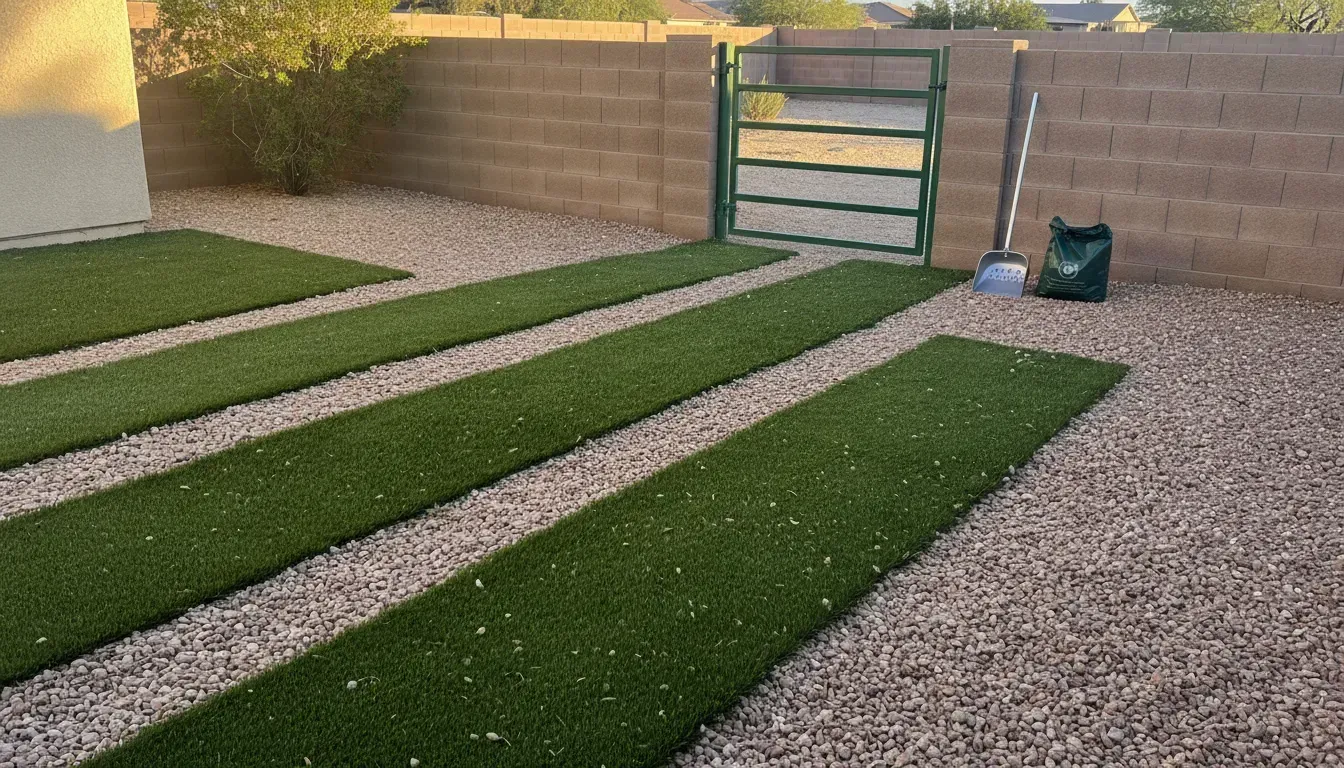
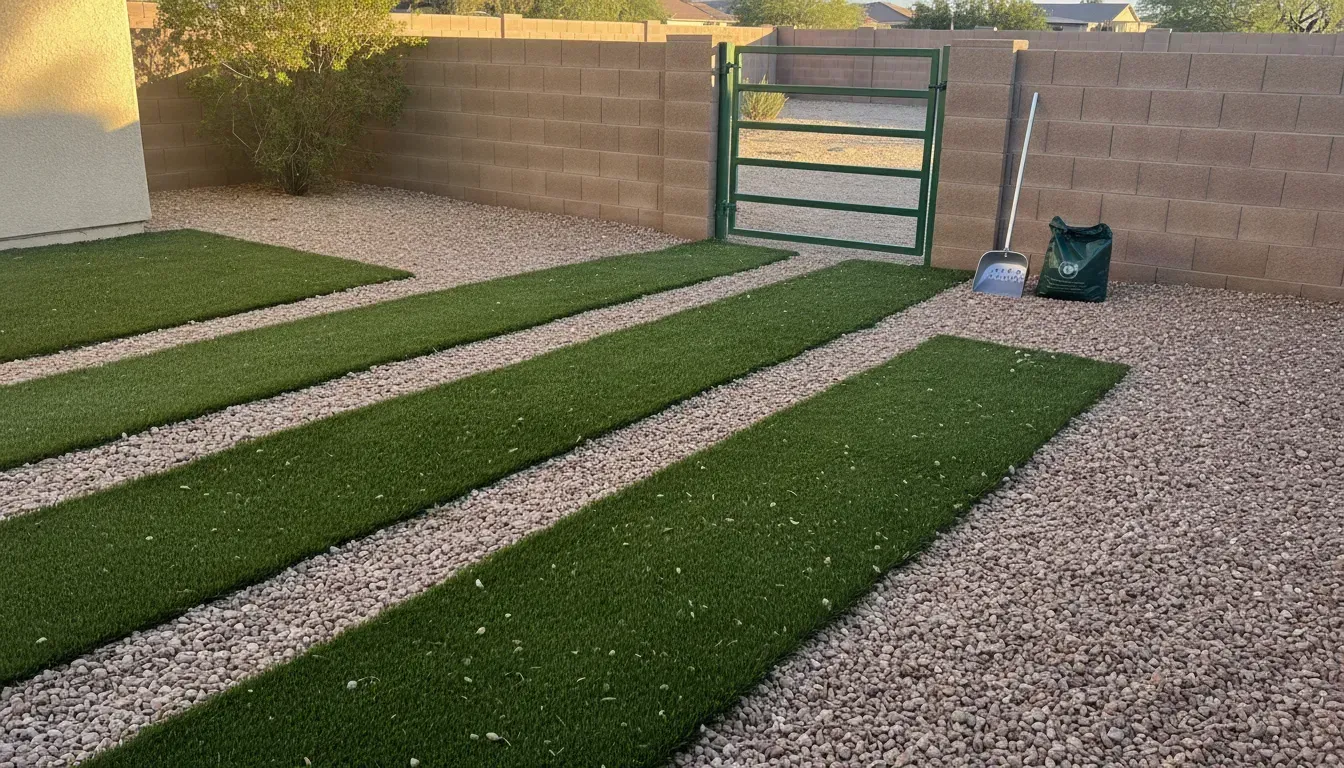
Artificial grass needs a separate assessment. If visible waste is gone but the turf still smells. The odor may be associated with residue in the turf or its drainage area rather than with your hands. A1's artificial grass cleaning and odor treatment service includes pet-waste removal, debris clearing, enzyme-based deodorizing, and rinsing or agitation. That is a turf-cleaning service, not a hand-cleaning product.
When waste has built up across the property, a one-time pet-waste cleanup can reset the yard. Afterward, a consistent pickup routine can help prevent the same odor source from returning.
When Can A1 Help With Repeated Pet-Waste Cleanup?
If the same yard keeps producing the same cleanup problem, professional service can reduce the amount of waste you have to handle yourself. A1 Pet Maintenance provides both one-time pet waste cleanup and recurring service for residential and commercial properties in Southern Nevada and Tucson.
A one-time cleanup is the practical choice when waste has accumulated after travel, illness, a busy season, or a gap in your normal routine. It can remove the immediate buildup so you can restart a manageable household pickup schedule. This is different from treating the smell on your hands: A1 does not wash hands or provide personal hand-cleaning services. You should still wash your hands with soap and running water after handling pet waste.
For yards that need regular attention, A1 offers weekly or bi-weekly pet-waste removal. A planned pickup cadence means less waste sits in the yard between visits and less often you need to reach, scoop, bag, and carry it yourself. You can review the weekly cleanup service across Southern Nevada to see how recurring visits fit homes in the Las Vegas area.
Which service fits your yard?
Choose a one-time visit when the issue is temporary or the yard needs a reset. Choose weekly or bi-weekly service when pet waste returns as part of your normal routine and you want a more consistent solution. A1's process includes bagging the collected waste, hauling it away from the property, and leaving it for city sanitation collection. It does not include cleaning household trash cans, so dispose of bagged waste according to your local requirements.
For homeowners comparing service approaches, A1's residential yard cleanup options can help clarify where recurring pickup belongs in a broader yard-care routine. The goal is simple: keep pet waste from accumulating, reduce repeated contact. And make cleanup more predictable without overstating what a handwashing routine or a yard service can do.
Call A1 Pet Maintenance at (702) 521-2624 today to discuss a one-time or recurring cleanup.
Frequently Asked Questions
Why does poop smell linger on hands after cleanup?
Odor can remain when residue is trapped around fingernails, between fingers, or in skin creases. It can also transfer back from contaminated gloves, bag surfaces, scoop handles, or nearby items. Remove the source, then wash carefully rather than covering the smell with fragrance.
What safely neutralizes poop smell on your hands?
Soap and running water are the safest first choice. Wet your hands, lather thoroughly, scrub for at least 20 seconds, rinse, and dry with a clean towel or air dryer. The CDC says sanitizer with at least 60% alcohol can be used until soap and water are available, but it does not replace washing when you can wash.
How should you clean your hands after touching feces?
Remove gloves or contaminated bags without touching clean surfaces, then wash the palms, backs of your hands, between your fingers, and under your nails. Rinse well and repeat if odor remains. The CDC specifically advises washing with soap and water after cleaning up after pets and handling their waste.
Do gloves replace handwashing after pet-waste cleanup?
No. Gloves reduce direct contact, but they can tear, leak, or transfer residue during removal. Take them off carefully, dispose of them appropriately, and wash your hands afterward. Keep clean bags available so you can contain waste without handling contaminated outer surfaces repeatedly.
When does repeated yard odor call for yard or turf cleanup?
If odor returns after prompt waste removal and careful handwashing, the source may be accumulated waste or odor held in artificial-grass fibers. A one-time cleanup can help when waste has built up. A1 also offers artificial-grass cleaning and recurring weekly or bi-weekly pet-waste removal in Southern Nevada and Tucson.
A cleaner routine can make outdoor spaces easier to enjoy and reduce the need for repeated hands-on pickup. A1 Pet Maintenance can help Southern Nevada and Tucson pet owners discuss a one-time cleanup or a recurring service that fits their property.