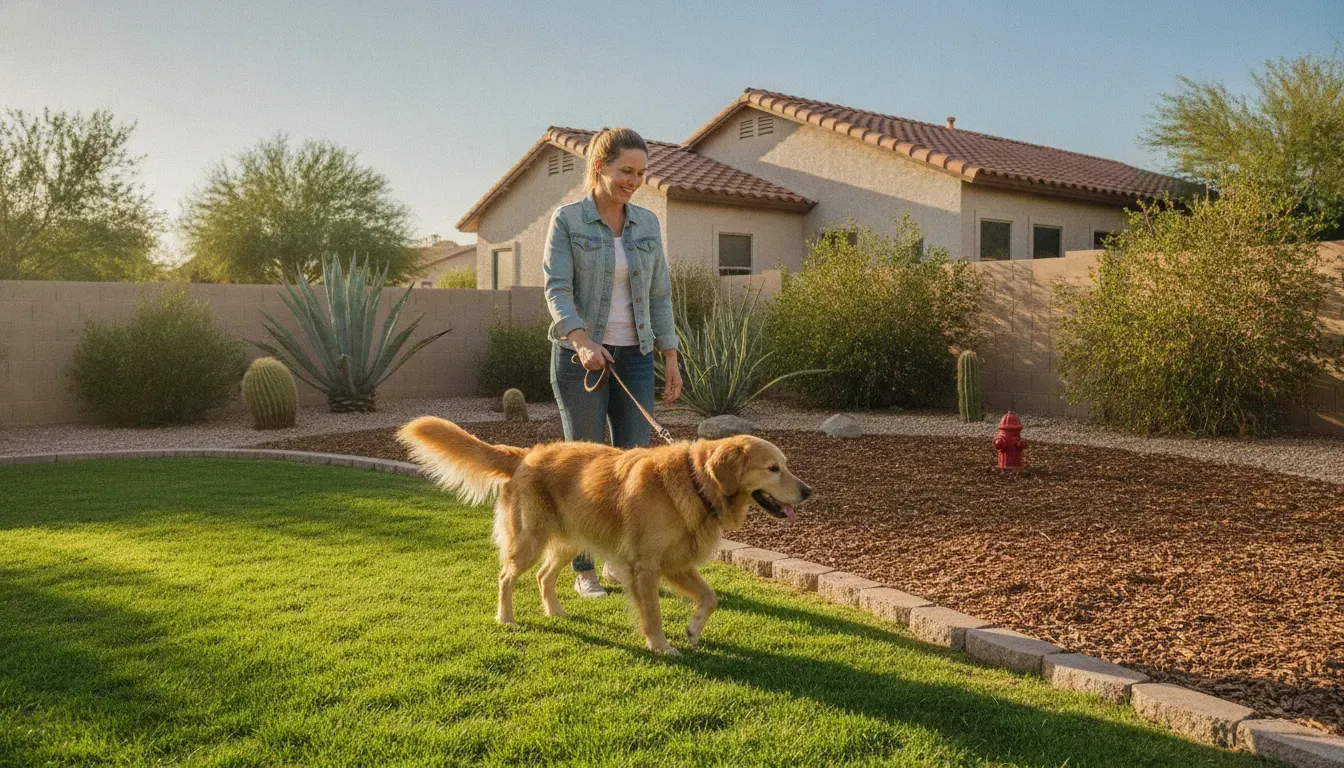
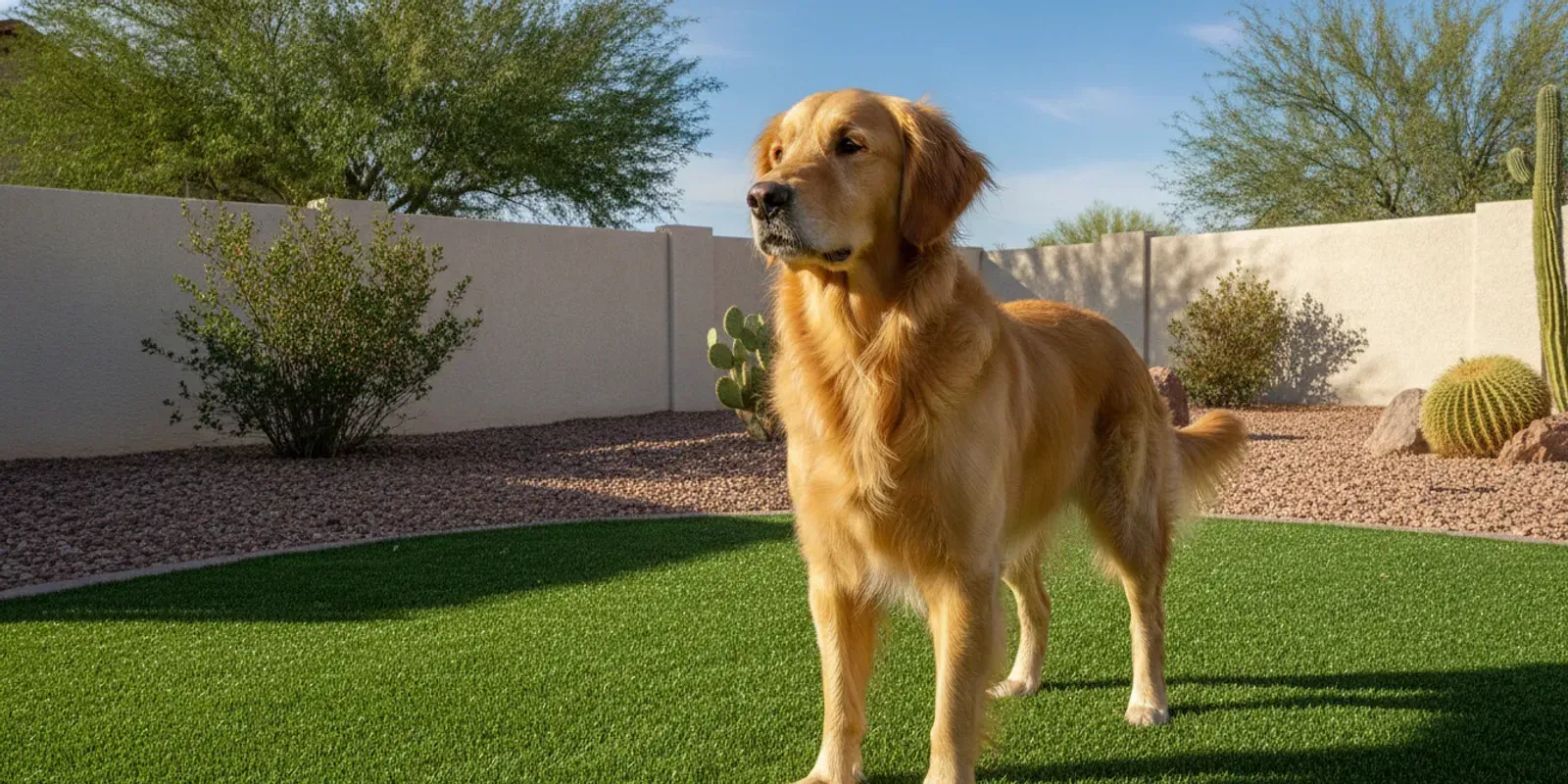
How to Install Artificial Grass for Pets
How to install artificial grass for pets in Las Vegas or Tucson. Ask about drainage and cleanup. A1 does not install it.
Artificial grass can give a pet yard a consistent surface, but the result depends on decisions made before the first piece is laid. In Las Vegas, Henderson, and Tucson, plan for waste, drainage, heat, traffic, and cleaning. Do not choose turf by appearance alone.
How to install artificial grass for pets starts with the yard's real use. Pick pet-appropriate materials, then ask a turf installer how the base, drainage, seams, edges, and infill will hold up. A1 Pet Waste Maintenance does not install artificial grass. We can maintain the finished surface with waste removal, debris clearing, deodorizing, and deep cleaning.
Call 702-521-2624 to plan waste pickup after the turf is in
Before comparing installation proposals, look hard at what the turf must withstand. The right questions start with daily pet use and local weather. Then add the maintenance plan that keeps the area usable.
How to install artificial grass for pets starts with the job
Pet turf has a harder job than simply looking green. A dog may use the same area every day. The surface has to take repeated urine, solid waste, summer heat, and foot traffic. Before anyone discusses how to install artificial grass for pets, decide what the finished area needs to withstand and how it will be maintained.
A1 Pet Waste Maintenance does not install artificial grass. Hire a qualified turf installer for the physical installation, including site preparation and the turf system itself. This article can help you ask better questions before work begins. It is not a substitute for the installer's measurements or product advice.
Choose a pet-grade pile
Ask the installer which turf is designed for pets and how its pile will hold up under repeated use. Pet-grade turf should be selected with urine, waste removal, and regular walking in mind rather than appearance alone. Ask about the backing, infill, and the way the surface is expected to perform in a hot Las Vegas yard. You do not need to choose between surfaces based on a sales claim. For a broader look at artificial grass versus natural grass for dogs, review the comparison before you commit.
Plan for drainage
Urine needs a path away from the surface, and wash water should not collect in low spots. Ask how the planned turf system handles drainage, what lies beneath it, and how the installer will address existing slopes or problem areas. Also ask what changes are needed if the yard currently has compacted soil, concrete, irrigation components, or uneven ground. Those answers should be specific to the site, not just the product brochure.
Decide who handles cleanup
A pet-turf project is not finished when the crew leaves. Establish who will remove solid waste, clear debris, manage odors, and arrange deeper cleaning when routine pickup is not enough. A simple schedule is easier to follow when it matches the pet count. Also match how often they use the area and how much foot traffic it gets.
Safety questions deserve their own review rather than a quick promise from an installer. Read A1's guide to whether artificial grass is safe for dogs in Las Vegas. Then bring leftover questions about materials, infill, drainage, and heat to the turf professional. The goal is a surface that fits the property and a maintenance plan that keeps it usable day after day.
Questions to ask before the installer starts
A good turf installation begins with a site conversation, not a sales pitch. For a dog yard in Las Vegas, Henderson, or Tucson, walk the space with the installer. Ask how the finished yard will handle pet use, cleaning, heat, and rain. A1 Pet Waste Maintenance does not install turf, so take these questions to the installer.
- What will you remove before installation? Ask whether the quote includes removing existing grass, dirt, concrete, gravel, or another surface. The installer should identify what is actually in your yard and explain how removal, hauling, and preparation affect the scope.
- What will happen to the sprinklers? Ask which sprinkler heads or lines need to be capped, moved, or preserved. Get the answer in writing so an abandoned irrigation line does not become a leak or an unexpected problem after the new surface is installed.
- Where will water leave the yard? Pet yards need a clear plan for drainage. Ask how the finished surface will direct water away from low spots, gates, walls, and the house, and what happens when a heavy rain arrives. This matters for odor control as well as for protecting nearby surfaces.
- How will you determine the base depth? Ask the installer to evaluate the soil and current conditions rather than offering one unexplained number. The right answer should account for the site and expected use. Ask what preparation is included and how the result will be checked before turf goes down.
- Which turf and infill are suitable for pets? Ask whether the product is pet-grade, how it is designed to drain, and whether the infill has antimicrobial properties. Review whether artificial grass is safe for dogs in Las Vegas before comparing products.
- Where will the seams go? Tell the installer where your dog usually urinates or defecates. Ask for seams away from the favorite bathroom spot when the layout allows. Also ask how seams and edges will be secured and maintained.
- How will the edges finish? Ask how turf will meet fences, concrete, gates, planting beds, and other hard surfaces. A clean edge should not leave a trip point, an exposed gap, or a place where waste and debris collect.
- What does the written warranty cover? Request the warranty before work begins. Confirm its term, exclusions, covered materials and workmanship, and the process for reporting a problem. Keep the final product details and installation scope with it.
Surfaces the installer has to see
Photos can miss slopes, buried edging, drainage trouble, and transitions between dirt, concrete, and gravel. Have the installer inspect the actual yard, including gates and access paths, before finalizing the scope. Once the turf is in place, ongoing care still matters. A1 provides artificial grass cleaning and maintenance for pet yards, but not turf installation.
Drainage, infill, and desert heat
A pet yard needs a drainage plan before the turf goes down. Urine and rinse water should move through the surface and base, then discharge where the property can handle it. That may mean directing flow toward an approved drainage area, away from the house foundation, gates, walkways, and a neighbor's wall. A low spot that holds liquid can leave the yard smelling sour even when the surface looks clean.
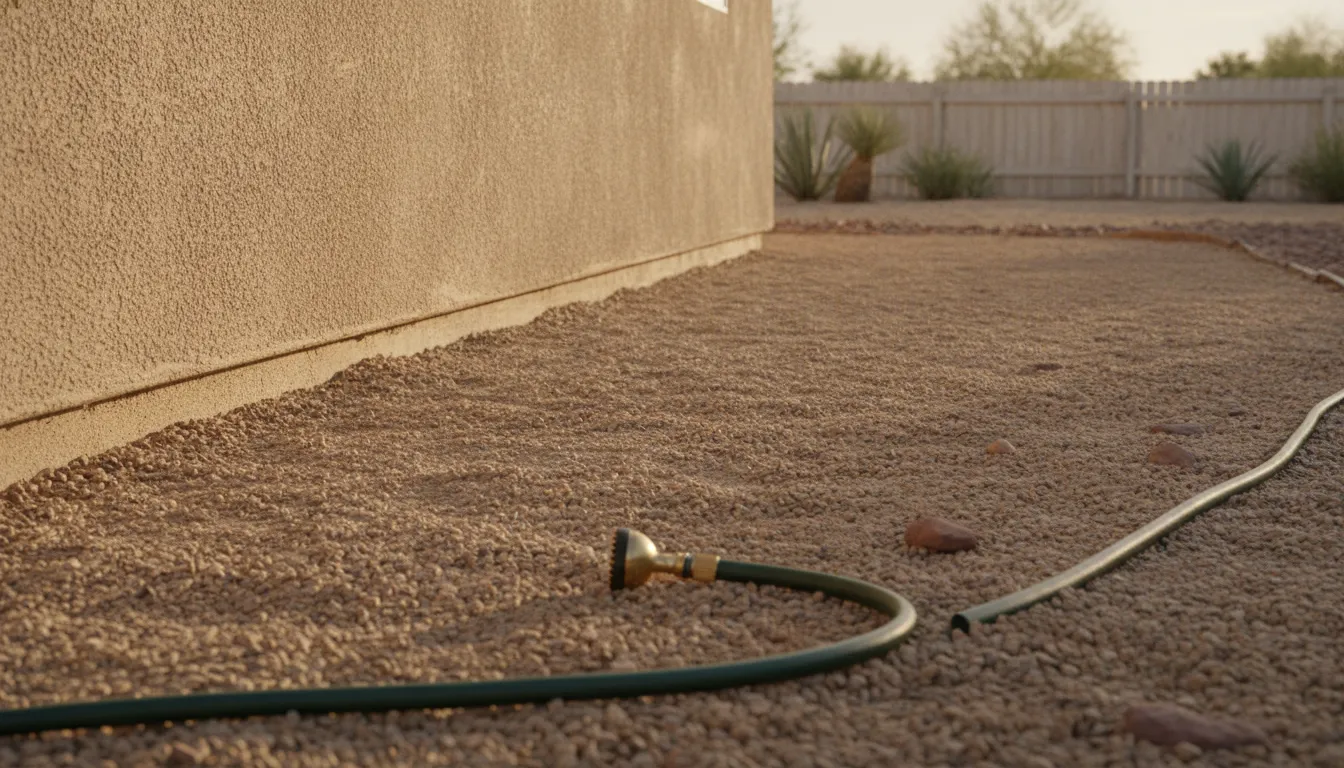
Ask the turf installer how the proposed base and drainage path will work with your soil, slope, downspouts, and existing irrigation. The goal is not simply to make water disappear below the turf. It is to keep waste-laden water from collecting under the lawn or flowing toward a structure. Hard ground, compacted soil, and sudden rain can all change runoff in Southern Nevada and Tucson. A site-specific answer beats a generic checklist.
Stormwater can carry more than an unpleasant smell. The EPA says pet waste left outside can add nitrogen, phosphorus, parasites, and bacteria to water. That is one reason the drain outlet and a waste-removal routine belong in the design talk.
Infill affects how the finished yard feels and performs. It can influence odor control, drainage, surface resilience, and paw comfort, but the right product depends on the turf system and the pets using it. Ask the installer which infill is intended for pet areas, how it supports drainage, and whether it can become uncomfortable or displaced under heavy use. Also ask whether the infill needs a top-up later and what signs would show that it is time to refresh it. Do not assume a product marketed for general landscaping is the best choice for a dog yard.
Heat needs its own practical plan. Artificial turf can become hot in direct Las Vegas sun. Plan shade where dogs rest, a hose to rinse the surface, and a paw check before long play. Test the area yourself with a hand, and move activity to a cooler spot when the surface feels uncomfortable. For more planning ideas, see this guide to preparing artificial turf for a Las Vegas summer.
Finally, drainage and heat do not replace hygiene. Remove waste promptly and plan for periodic rinsing and deodorizing. If you are evaluating the contamination risk of a used surface, read about bacteria from dog waste on turf. Keep this section a planning note, not a safety guide.
Who installs the grass and who keeps it clean
Installing artificial grass for pets is a construction job. Keeping the finished area usable is an ongoing care job. A turf installer prepares and builds the surface. The homeowner, dog walker, or property team handles daily pickup and follows the installer's instructions about when dogs can return after the work is complete. A1 Pet Waste Maintenance does not install grass, lay seams, prepare a base, or set drainage. For those questions, hire a qualified turf installer and ask what the surface, infill, drainage, and waiting period require.
Who handles common artificial grass responsibilitiesResponsibility.Installer.Homeowner or property team.A1 Pet Waste Maintenance.Builds the turf.Yes.No.No.Removes daily solids.Not as a normal install duty.Yes, between visits.Yes, on a scheduled route or cleanup.Deep-cleans urine odor.Not as a normal install duty.Routine spot care only, if appropriate.Yes, with enzyme deodorizing and a deep rinse and agitation.Quoted or published price.Ask the installer; no A1 installation price.No service charge when self-managed.Published waste-removal plans; artificial grass cleaning is quoted.
Before work begins, ask the installer who handles old-material removal, sprinkler or drainage changes, surface preparation, edge details, seams, and the return-to-use time. Those answers define the installation scope. A1 can then handle the maintenance side after the surface is ready, without representing itself as the turf contractor.
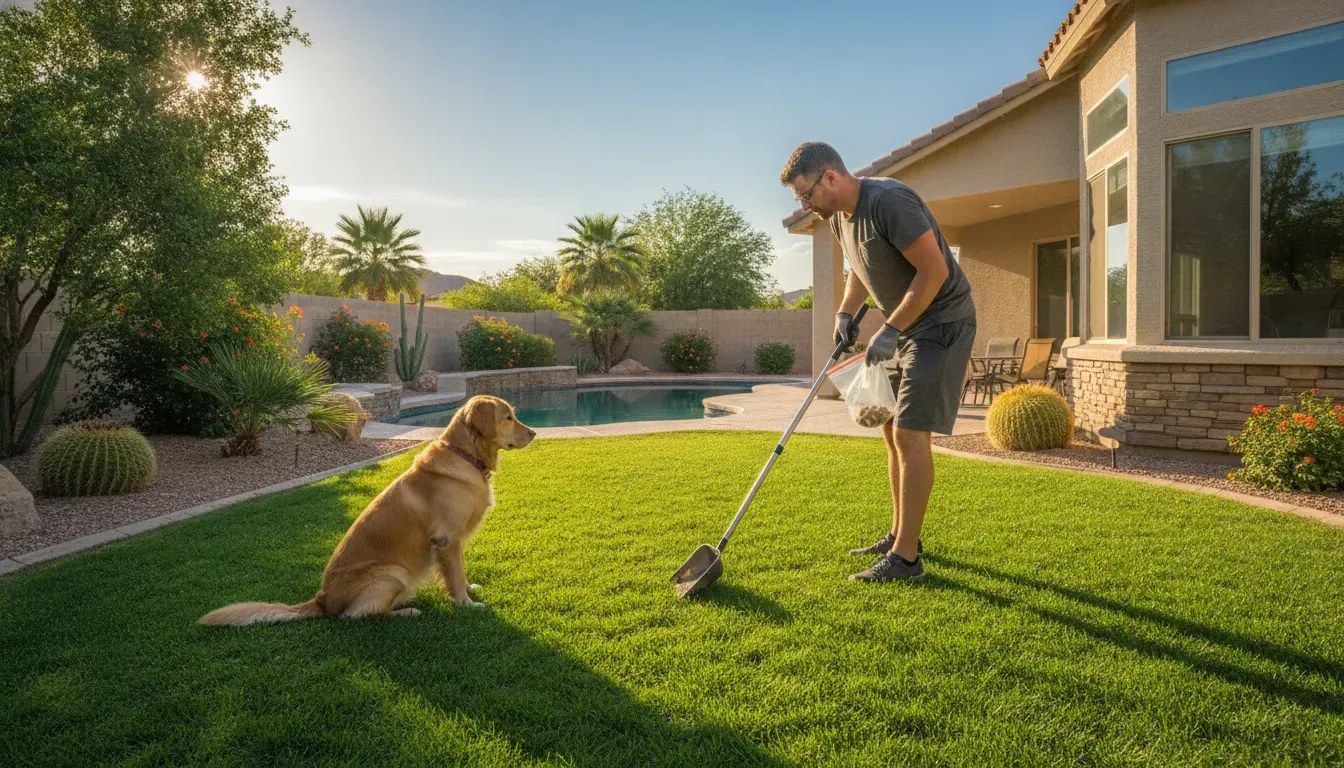
After installation, the property team still picks up solids and watches problem spots. Keep dogs off the turf until the installer says it is ready. Prompt removal also helps limit pollutants from pet waste, including nitrogen, phosphorus, parasites, and bacteria. See the EPA guidance on pet waste.
A1 can fill the gap between daily responsibility and occasional deep service. Weekly waste removal is $65, $75, $85, or $95 per month for one to four dogs, depending on the number of dogs. Twice-weekly service is $110, $130, $150, or $175 per month. Service for five or more dogs is arranged individually. If the yard needs a reset, a one-time pet waste cleanup costs $50 to $150.
For existing artificial grass, A1 turf cleaning removes waste and debris. It can apply enzyme deodorizer, rinse and agitate the surface, and recommend an infill refresh. Cleaning is quoted rather than offered at a published rate. The right visit frequency depends on dog count, use, weather, and odor; see how often artificial turf should be cleaned when dogs use it. A1 serves Las Vegas, Henderson, Clark County, and Tucson. Call 702-521-2624 to discuss the yard.
Set the cleanup plan before the first dog uses it
A new pet yard needs a waste routine before it needs a first visit. Keep dogs off the surface until the turf installer says it is ready for use. The release point may depend on edges, seams, infill, or other site conditions. Follow the installer's instructions. Do not treat the calendar as the test. Use that waiting period to decide who will remove waste, where it will go, and when service will happen.
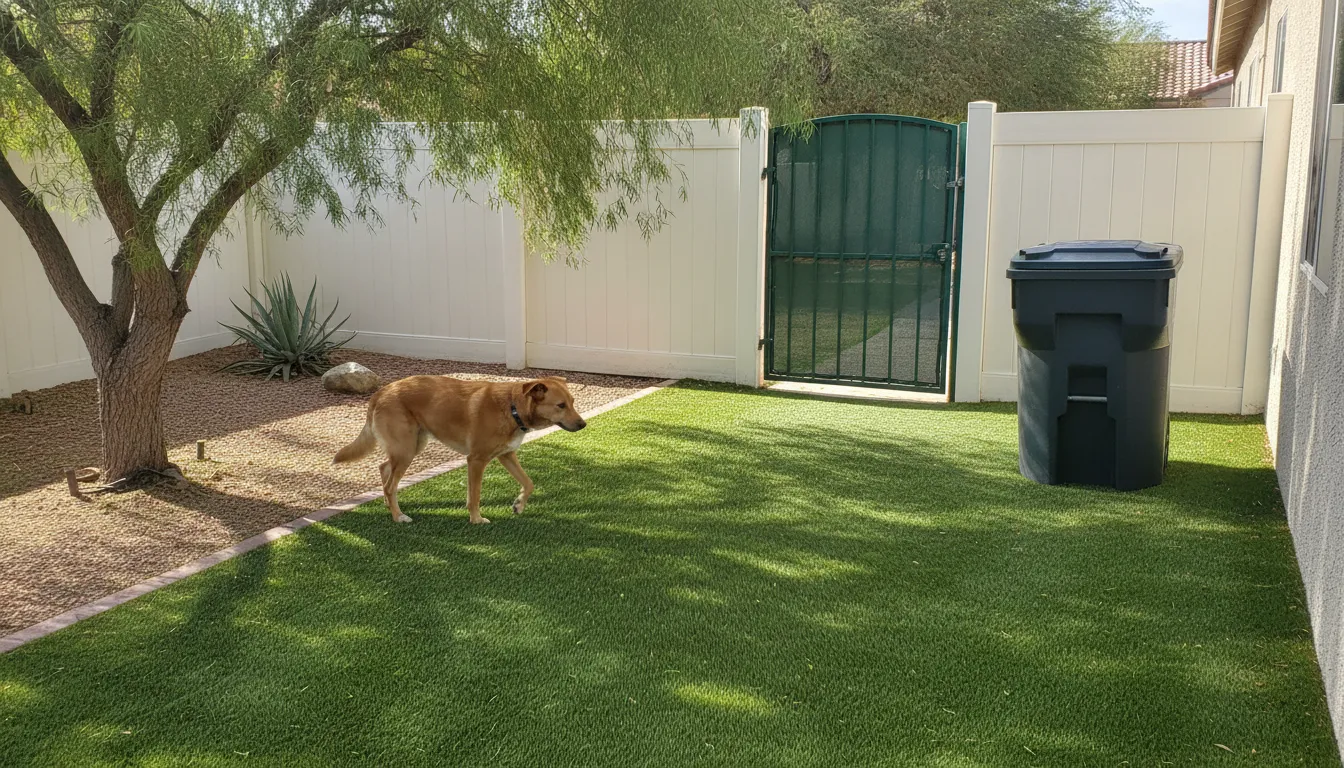
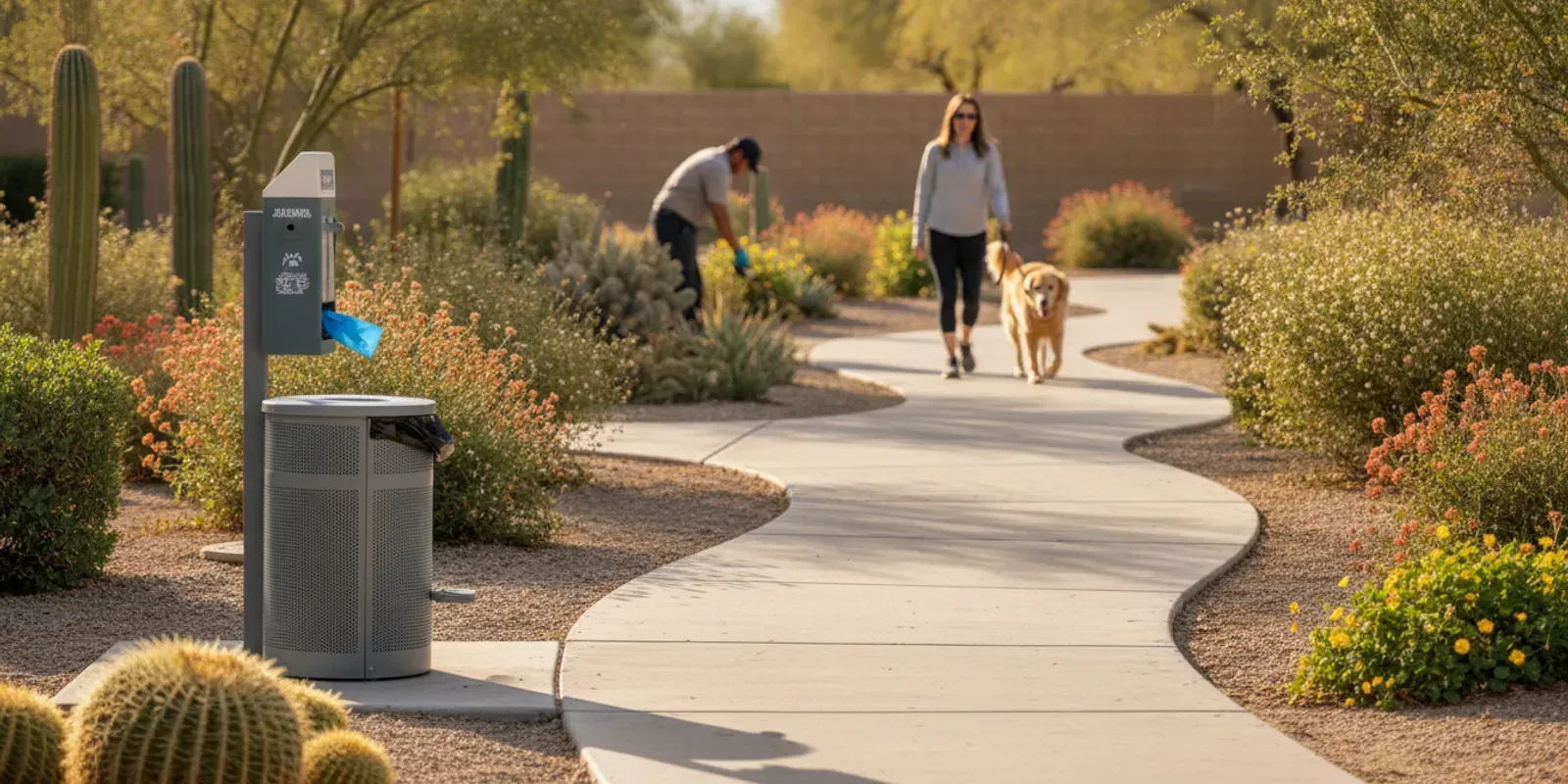
Place the bin or waste station along the route people and dogs already take. A station that is convenient from the gate or back door is more likely to be used than one tucked beside the far fence. For a shared property, a pet waste station installation can set the location and supplies. That work is for the station, not the turf install. Choose a liner or container that can be closed securely, and make sure the path to it stays clear.
Set the pickup frequency from the number of dogs using the yard, not from a guess about how often it will look dirty. One dog with a small, predictable amount of waste may need a different schedule than several dogs sharing the same surface. Count every regular user, including dogs visiting for daycare, boarding, or family stays. If the household count changes, review the schedule instead of allowing waste to accumulate until the next convenient visit. Regular removal also keeps the cleanup job from becoming harder for the people using the yard.
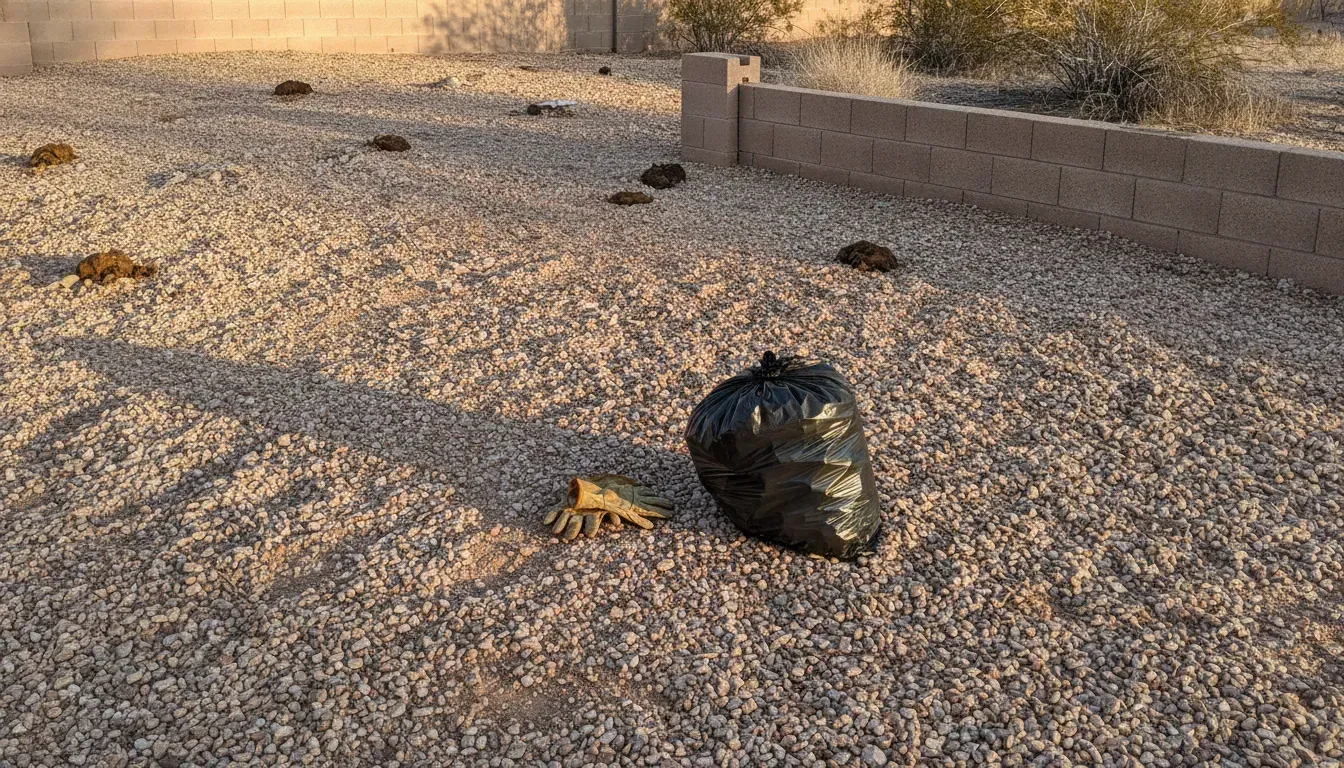
If the old yard is already buried in waste, arrange a one-time cleanup before the turf crew arrives. Starting with a clear site gives the installer a more workable area and keeps old waste from being trapped under or around the new surface. A1 Pet Waste Maintenance offers one-time pet waste cleanup for this kind of reset. Confirm the timing with the installer so the cleanup does not leave the crew waiting or create a new mess before work begins.
Do not book turf cleaning for day one simply because the installation is new. The surface needs to be used before a cleaning appointment can address pet waste, odors, and normal debris from that use. After the first period of use, follow the separate guide on how to clean artificial turf after dogs. Then pick a recurring interval that matches the dog count and the yard. This planning applies to homes and shared pet areas in Henderson and Tucson as well as Las Vegas.
Sign up for weekly pet waste pickup or call 702-521-2624 after the installer says the turf is ready.
Frequently Asked Questions
Is artificial lawn pet friendly?
It can be, when you choose pet-grade materials, use suitable infill, provide dependable drainage, and keep the surface maintained. Summer heat also matters in Las Vegas, Henderson, and Tucson. Ask the turf installer how the proposed materials and drainage plan will perform in your yard.
Can you install pet turf on dirt or concrete?
Ask a qualified turf installer to assess the existing surface before work begins. The installer should explain site prep and how water will drain. Ask whether the edge and base plan fits dirt, concrete, or the surface you have now. A1 Pet Maintenance cleans turf but does not perform physical installations.
How do you attach pieces of artificial grass together?
Have the installer explain how seams and exposed edges will be secured. Ask how the pieces will line up and what those areas need later. Seam quality is part of the installation scope, so it is worth reviewing the plan and asking what happens if a seam separates.
What is the downside of artificial turf for dogs?
Artificial turf still needs maintenance, and poor drainage, unsuitable materials, infill problems, or intense summer heat can affect comfort and cleanliness. Before approving an installation, ask how the design handles pet waste, rinsing, odor control, and hot weather.
Who cleans pet waste off new artificial grass in Las Vegas?
A1 Pet Maintenance provides turf cleaning in Las Vegas, Henderson, Clark County, and Tucson. Service can include waste removal, debris clearing, enzyme deodorizing, deep rinsing, and agitation, with an optional infill-refresh recommendation. A1 cleans turf that is already in place. A1 does not install it.