Is Artificial Grass Safe for Dogs Las Vegas?
Schedule a turf safety check. Learn is artificial grass safe for dogs las vegas: heat risks, toxicity, and hygiene facts in one guide.

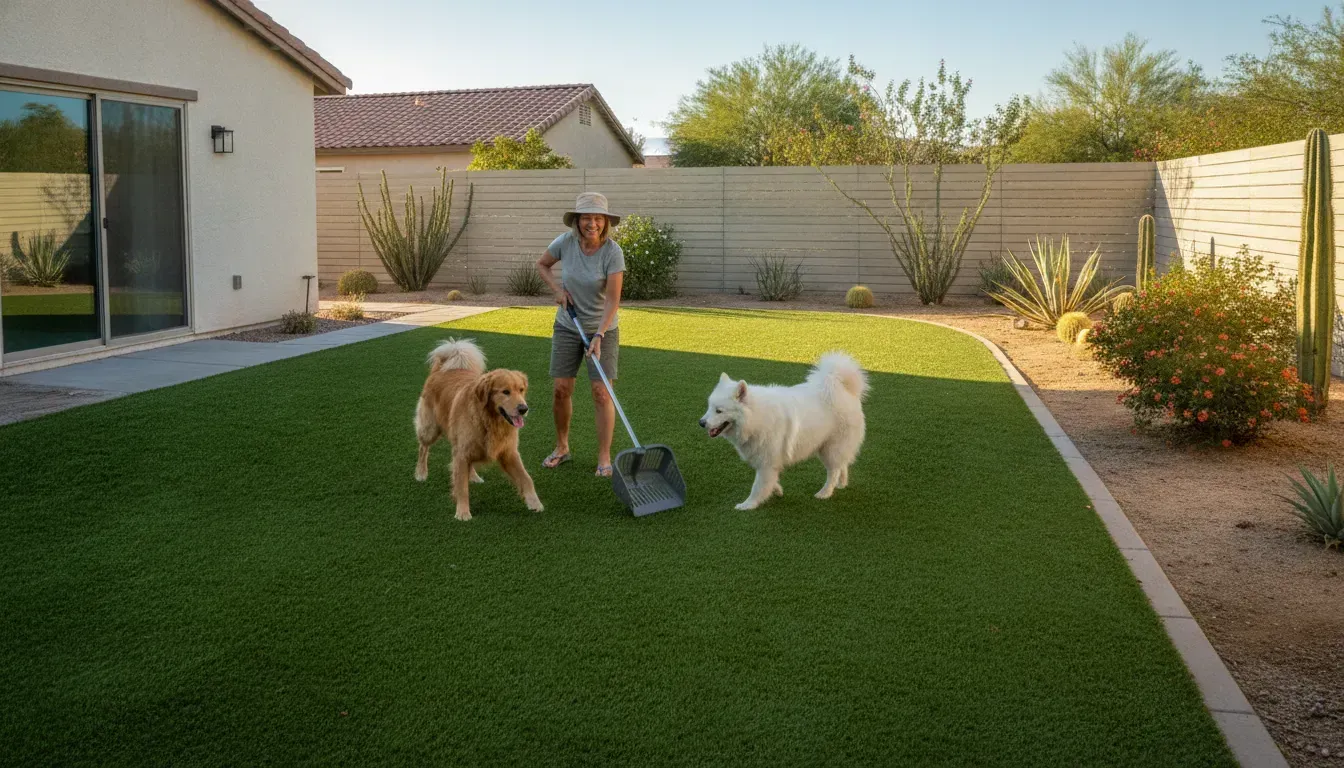
Las Vegas heat changes how every outdoor surface feels to a dog. Artificial grass can offer a clean, durable place for pets to play, but safety depends on choosing appropriate materials, managing surface temperature, and removing waste thoroughly.
The short answer to the question is artificial grass safe for dogs las vegas is yes, generally, when the turf is pet-grade, properly drained, and regularly sanitized. The important caveat is heat: UNLV research found that some artificial turf surfaces can become dramatically hotter than the surrounding air. So dogs need shade, water, and a cooler alternative during peak sun. Infill selection and consistent cleaning also help reduce avoidable exposure to odors, bacteria, and waste residue.
These details matter more than a simple yes-or-no label. Before choosing or maintaining a dog run, review the temperature and material considerations, then use this artificial turf pet hygiene guide to build a safer daily routine.
Is Artificial Grass Safe for Dogs in Las Vegas?
Yes, artificial grass is generally safe for dogs in Las Vegas when it is high-quality, pet-grade, professionally installed, and maintained consistently. The important safety questions are what the turf and infill are made of, how well urine drains, and whether the surface is monitored during extreme summer heat.
For a broader maintenance routine, review this guide to artificial turf pet hygiene. A safe installation should include the following:
- Pet-safe turf materials: Reputable artificial grass products are generally considered non-toxic to dogs. High-quality turf may meet strict standards similar to the DIN EN 71-3 safety of toys regulation, which addresses the migration of certain elements from materials.
- A suitable infill: The infill is just as important as the turf blades. Choose an infill described as pet-safe and, where appropriate, antimicrobial. The right product can help manage urine and reduce odor buildup.
- Efficient drainage: A properly installed pet turf system should move urine and rinse water away from the surface instead of allowing contaminated liquid to sit below the blades. Poor drainage can contribute to persistent odors and bacterial buildup.
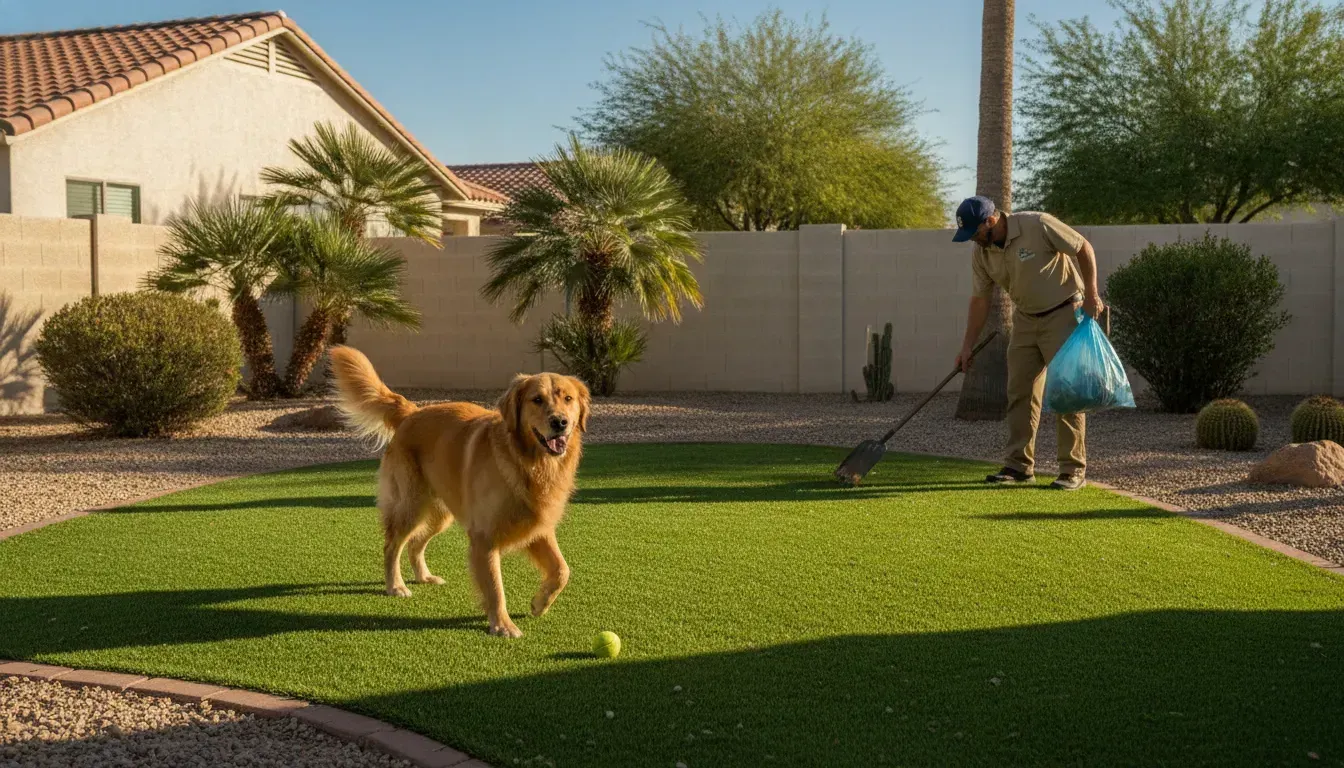
- Routine care: Remove solid waste promptly, rinse high-use areas as recommended, and arrange professional sanitation when odors or residue persist. Dog waste left on turf can harbor bacteria and parasites, so cleanliness is part of pet safety, not just appearance.
Q: Is artificial grass safe for dogs during a Las Vegas summer?
A: It can be, but owners must check the surface temperature before extended play. UNLV research found that one green artificial turf product reached temperatures substantially higher than both air temperature and irrigated natural grass. With a recorded maximum of 169 degrees F. The study covered one turf product, so results vary by material and installation, but the finding supports a cautious approach. If the surface feels painfully hot to your hand, keep your dog indoors and wait for cooler conditions.
Q: What makes artificial grass safer for dogs?
A: Pet-grade materials, safe infill, effective drainage, shade or cooling practices, prompt waste removal, and regular sanitation work together. No turf system stays hygienic through installation alone. In Las Vegas, a thoughtful product choice and a dependable care routine are what make an artificial lawn a practical, comfortable area for dogs.
How Hot Does Artificial Turf Get in Las Vegas Summers?
Las Vegas sun can push artificial turf far beyond a comfortable walking temperature. In a UNLV and Desert Research Institute study, green artificial turf reached a maximum recorded surface temperature of 169 degrees F. The turf was approximately 69 degrees F hotter than irrigated natural grass and 62 degrees F hotter than the surrounding air. The study examined one turf product, so results can vary by blade color, infill, backing, installation, and site conditions.
- Green artificial turf: Up to 169 degrees F recorded; about 69 degrees F above irrigated natural grass in the UNLV study. Can burn paw pads quickly in direct sun. Test before allowing dogs onto it.
- Irrigated natural grass: About 69 degrees F cooler than the studied green turf under the reported comparison conditions. Still check the surface, especially where irrigation is limited or the grass has dried.
- Concrete: Heats in the sun, but the UNLV study found green turf responded to solar radiation faster than concrete. May also burn paws. Never assume a hardscape route is safe because it is not turf.
- Asphalt: Heats in direct sun; the UNLV comparison found green turf reacted to solar radiation faster than asphalt. Check driveways and paths as carefully as the yard before walks.
Solar radiation, rather than air temperature alone, drives the rapid rise in turf surface heat. Penn State turf-temperature research also documents how synthetic surfaces can become substantially hotter than nearby air, reinforcing the need to judge the surface itself, not just the forecast.
Use the seven-second test before outdoor play
Place the back of your hand on the turf and hold it there for seven seconds. Vets Now recommends bringing dogs inside when a hot surface is too painful for your hand to tolerate. Because paw pads can burn even when a dog appears eager to play. Check several areas, including sunny paths and spots near reflective walls, since shade can change surface conditions.
Practical ways to reduce heat exposure
- Schedule walks, bathroom breaks, and active play for early morning or evening.
- Provide shade over the most-used turf areas and keep fresh drinking water available.
- Use a cooling mat or another cool resting area, rather than expecting hot turf to serve as the dog bed.
- Mist the turf with water before use, then retest it. Cooling may be temporary in direct sun.
Artificial turf can work in a Las Vegas dog yard, but heat management must be part of the installation and daily routine. Choose pet-appropriate materials, observe the surface temperature, and treat a failed hand test as a clear signal to wait.
What Toxicity Risks Should Dog Owners Know About?
Reputable pet turf is generally non-toxic to dogs, but safety depends on the complete system, not just the visible blades. Product quality, infill selection, installation, and your dog's habits all matter. High-quality turf may meet safety standards similar to DIN EN 71-3, a toy-safety regulation, while the infill beneath it still deserves careful review.
- Ask about the infill. Crumb rubber and other recycled materials may raise different questions than pet-safe or antimicrobial infills. Ask the installer what the material contains, how it is tested, and whether it is intended for pet areas.
- Review the available research. The EPA has published an exposure characterization report and webinar materials concerning tire crumb and chemical exposure. Read the EPA tire-crumb research alongside the product's documentation rather than assuming every infill performs identically.
- Prevent chewing and swallowing. Dogs that pull at loose blades, edge restraints, or infill can ingest plastic or other materials. Choose pet-grade products, repair loose sections promptly, and supervise dogs that chew outdoor surfaces.
- Keep the surface clean. Artificial turf does not provide the same soil environment that attracts and supports fleas and ticks, but it is not self-cleaning. Waste, urine, and organic debris still require prompt removal and routine sanitation.
Does artificial grass attract fleas or ticks?
Artificial grass does not attract fleas and ticks in the same way soil and natural vegetation can. However, pets can carry these parasites into any yard, and debris around the turf can provide places for pests to remain. Continue using your veterinarian's recommended flea and tick prevention, and keep the entire pet area clean.
What should owners check before installation?
Request written details for the blade material, backing, drainage layer, and infill. A pet-specific system should drain efficiently and use an infill selected to help manage urine and odor. A product described only as general landscaping turf may not address chewing, drainage, or sanitation needs. In Las Vegas, also remember that toxicity is only one safety question. Surface heat can become a separate concern during summer, so dogs should have access to shade, water, and a cooler area.
How Regular Cleaning Keeps Artificial Turf Hygienic for Dogs
Safe pet turf is not self-cleaning. Even when a system has efficient drainage and antimicrobial infill to help manage urine and odors. Routine care is what keeps biological contaminants from accumulating between the blades and in the infill. Dog waste can harbor harmful bacteria and parasites when it is left on turf, creating a hygiene concern for both pets and people. Regular waste removal and sanitization are therefore essential parts of responsible artificial turf ownership.
A practical routine should address the entire surface, not only visible waste. Pick up solid waste promptly, rinse urine areas, and watch for spots where drainage is slow. During periods of heavy use, hot weather, or multiple dogs, increase the frequency rather than waiting for odor to become obvious. These simple habits support the drainage and antimicrobial features built into a properly installed pet turf system.
A simple routine for cleaner pet turf
- Every day: Remove solid waste as soon as possible. Check the areas where dogs most often relieve themselves and clear leaves, hair, and other debris that can trap moisture or block drainage.
- Several times each week: Rinse high-use urine zones with clean water, especially when the yard is warm or odors begin to develop. Use a pet-safe product according to its label rather than applying household chemicals that may irritate paws or remain in the infill.
- Weekly: Inspect the turf for compacted infill, standing water, flattened blades, and drainage problems. A quick inspection can reveal maintenance issues before they contribute to persistent odor or buildup.
- On a regular service schedule: Arrange deeper cleaning and sanitization based on the number of dogs, yard traffic, and local conditions. Professional professional artificial grass cleaning can reach beyond a light surface rinse.
Urine odor that returns soon after rinsing may indicate residue below the surface rather than a problem with the turf blades alone. A targeted service such as safe pet urine treatment for turf can address those high-use areas while protecting the pet environment. For households dealing with lingering smells, A1 also provides guidance on removing pet odors from artificial grass.
The goal is consistency. Cleaning after waste appears, maintaining clear drainage, and scheduling periodic sanitization help prevent pathogen and odor buildup before it becomes a larger issue. With the right installation and an ongoing care plan, artificial turf can remain a clean, comfortable area for dogs to use.
How A1 Pet Maintenance Helps Las Vegas Dog Owners Keep Turf Safe
Keeping artificial turf safe for dogs in Las Vegas takes more than picking up visible waste. Heat, urine, odor, and bacteria can all become maintenance concerns, especially in a busy yard used by multiple dogs. A1 Pet Maintenance gives local dog owners a practical, hands-off way to keep that space cleaner and more comfortable.
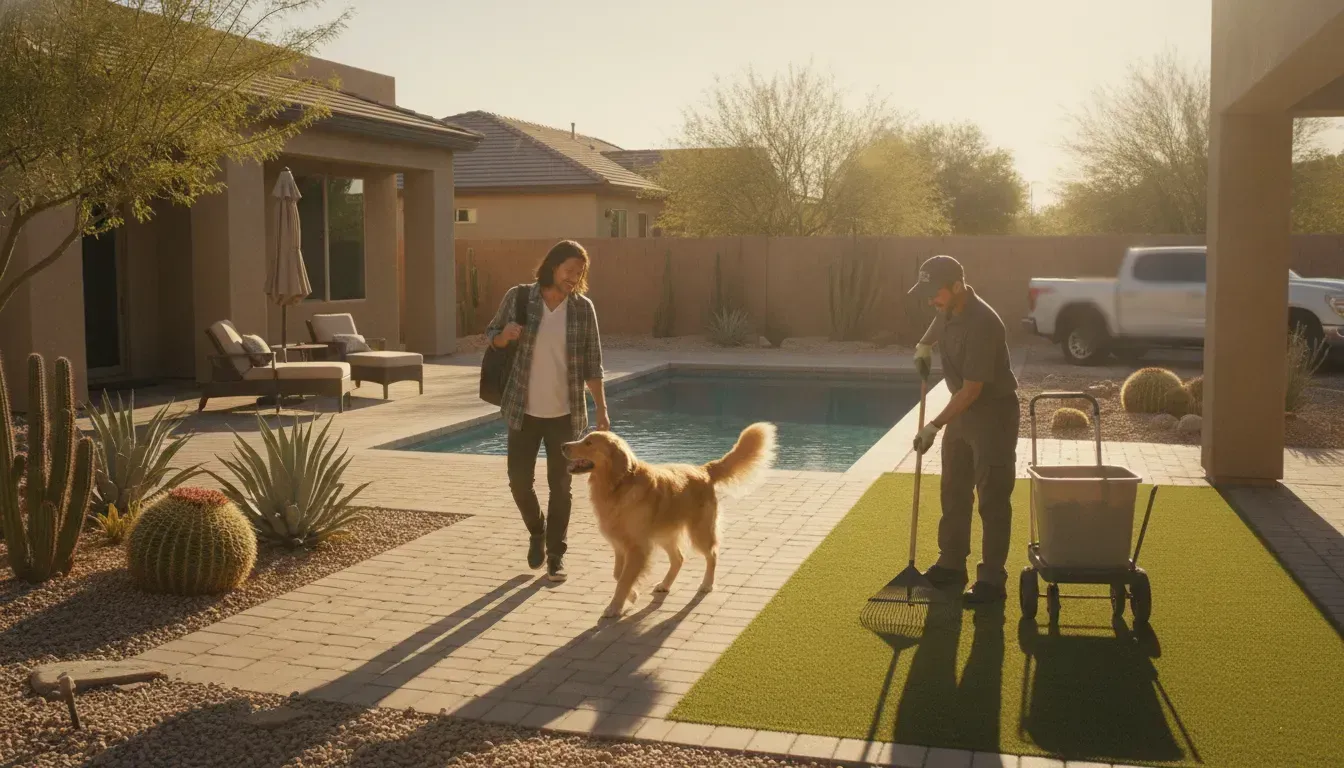
Founded in 1998, A1 has more than 26 years of experience serving Las Vegas and Southern Nevada. Our services include professional pet waste removal plus artificial turf cleaning and sanitization. That combination helps address the two daily realities of pet turf: waste must be removed consistently, and the surface needs deeper care than a quick rinse.
For a closer look at the hygiene side of pet turf, read our guide to artificial turf cleaning for dogs. It explains why drainage, infill, and regular sanitation all matter when dogs use the same outdoor area every day.
A simple service plan for busy dog owners
A1 keeps the process straightforward. Depending on your property and pets, service can help with:
- Routine removal of dog waste before it accumulates on the turf.
- Professional cleaning and sanitizing for areas affected by urine, odors, or frequent use.
- Flexible scheduling that supports a cleaner yard without making maintenance another weekly chore.
- No-contract service, so you can start or stop with a simple phone call as your needs change.
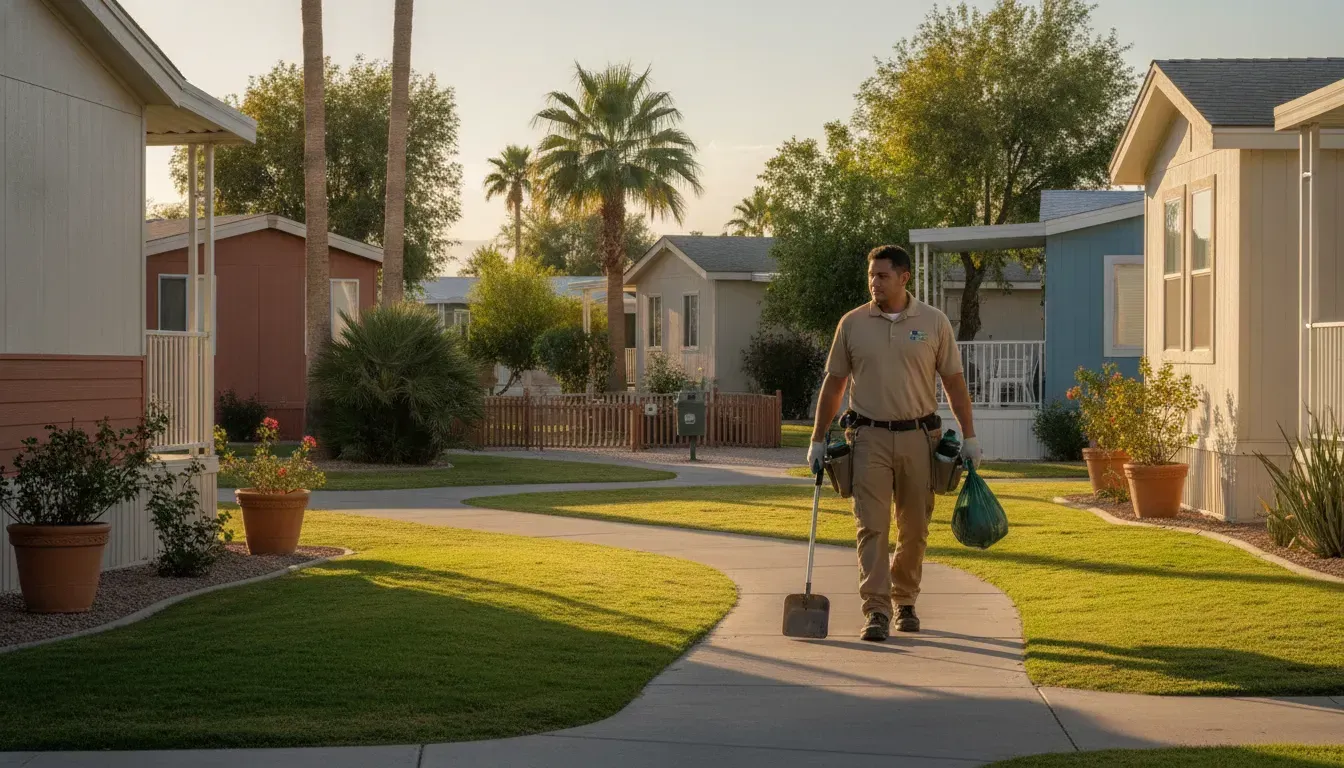
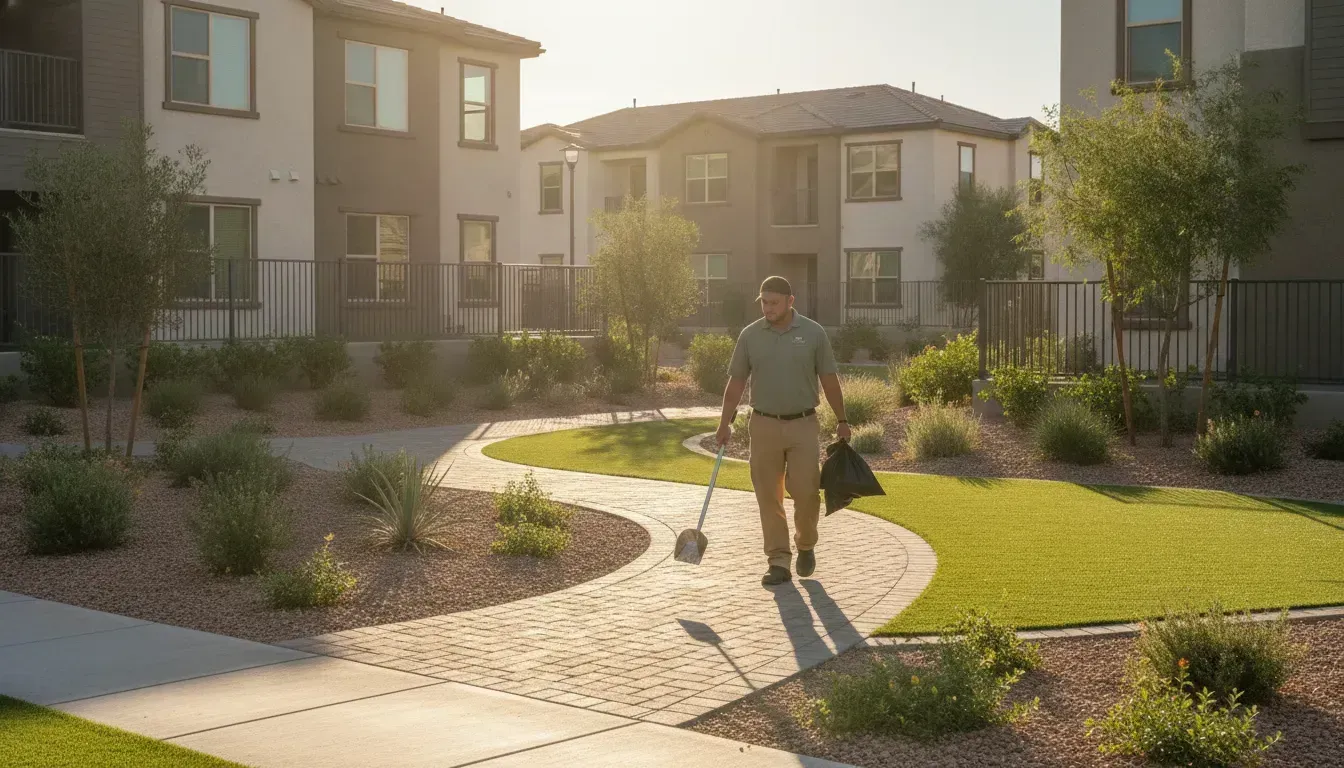
This same approach can support commercial properties and HOA communities that want pet-friendly amenities to remain presentable and sanitary. For a private yard, it means less time searching for missed waste and more confidence that the turf is being maintained as a complete system. Not just swept at the surface.
Las Vegas heat still requires common-sense choices, such as checking the surface before letting a dog linger outside. A1 handles the sanitation workload so you can focus on those day-to-day safety decisions while your turf receives consistent professional care.
Frequently Asked Questions
Is artificial grass safe for dogs?
Yes, quality pet turf is generally safe when the surface, backing, and infill are selected for animal use. Confirm that the infill is pet-safe and that installation provides reliable drainage. A turf product that is safe in materials can still become unhealthy if waste and urine are allowed to accumulate.
Does artificial grass get too hot for dogs in Las Vegas?
It can. A UNLV and Desert Research Institute study recorded artificial turf surface temperatures up to 169 degrees F and found turf approximately 69 degrees F hotter than irrigated natural grass. Test the surface before letting your dog out, provide shade, and schedule play during cooler parts of the day. Source: UNLV.
Is artificial grass toxic to dogs?
Reputable turf products are generally considered non-toxic, but the infill deserves the same attention as the grass blades. Ask the installer for product safety information, avoid unknown recycled materials, and replace damaged areas that your dog may chew or swallow.
How does artificial grass handle dog urine and odors?
Pet turf with adequate drainage can move urine below the surface, while suitable infill can help manage odor. It still needs prompt waste removal and routine rinsing or professional sanitation. Cleaning prevents bacteria and odor from building up between the blades.
How do I sanitize artificial grass for dogs?
Remove solid waste promptly, rinse according to the turf manufacturer's guidance, and use a pet-safe treatment suited to artificial grass. Persistent odor, heavy use, or suspected contamination calls for professional cleaning that reaches the turf and infill rather than only washing the top.
Ready to Keep Your Artificial Turf Safe for Dogs?
Regular professional cleaning can help manage pet waste, urine, and odor while supporting a more hygienic outdoor space for your dogs. A1 Pet Maintenance provides experienced artificial turf cleaning and pet waste removal for Las Vegas homes. Call (702) 521-2624 Today to schedule service and discuss the cleaning support your turf needs.