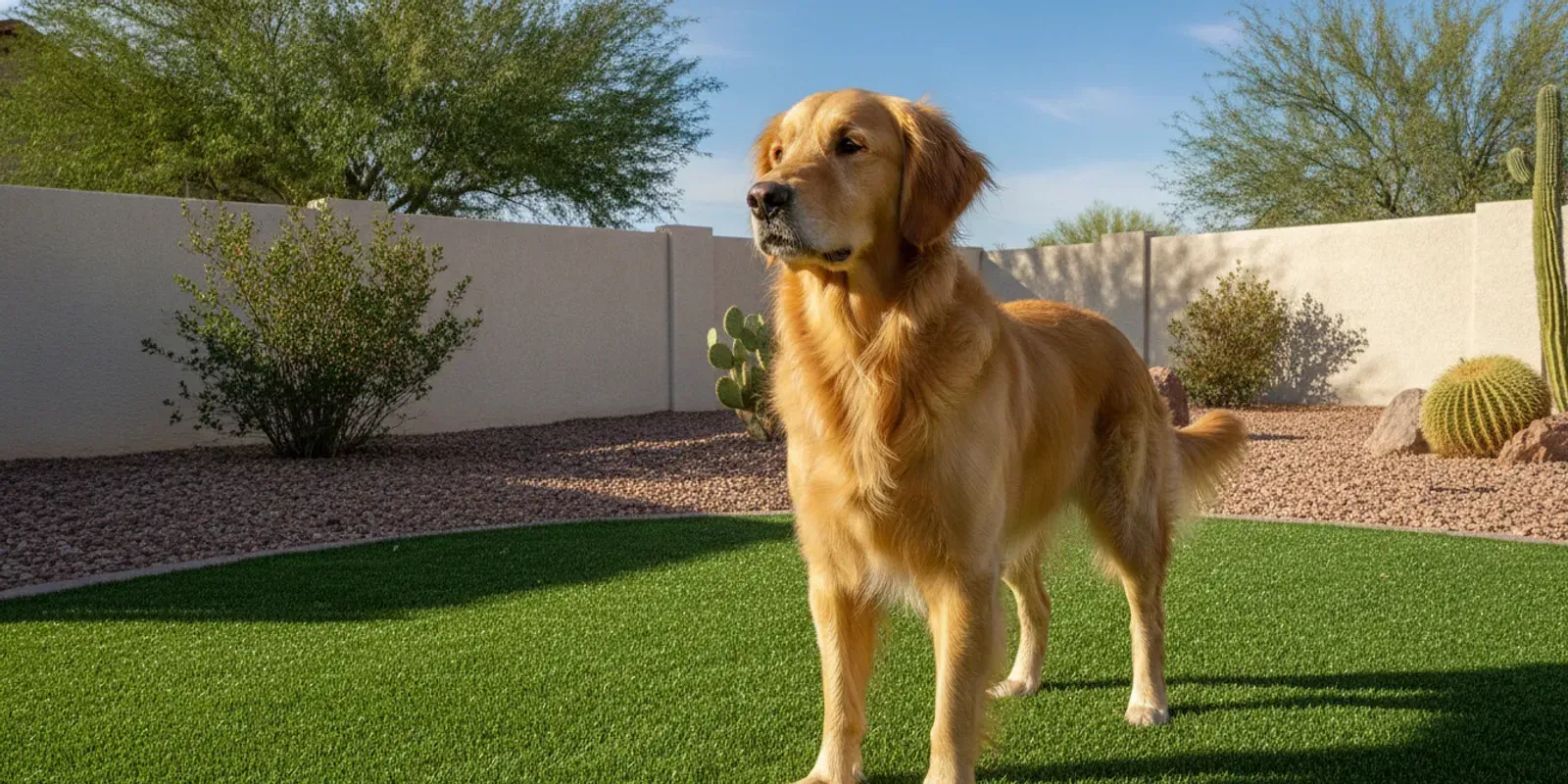
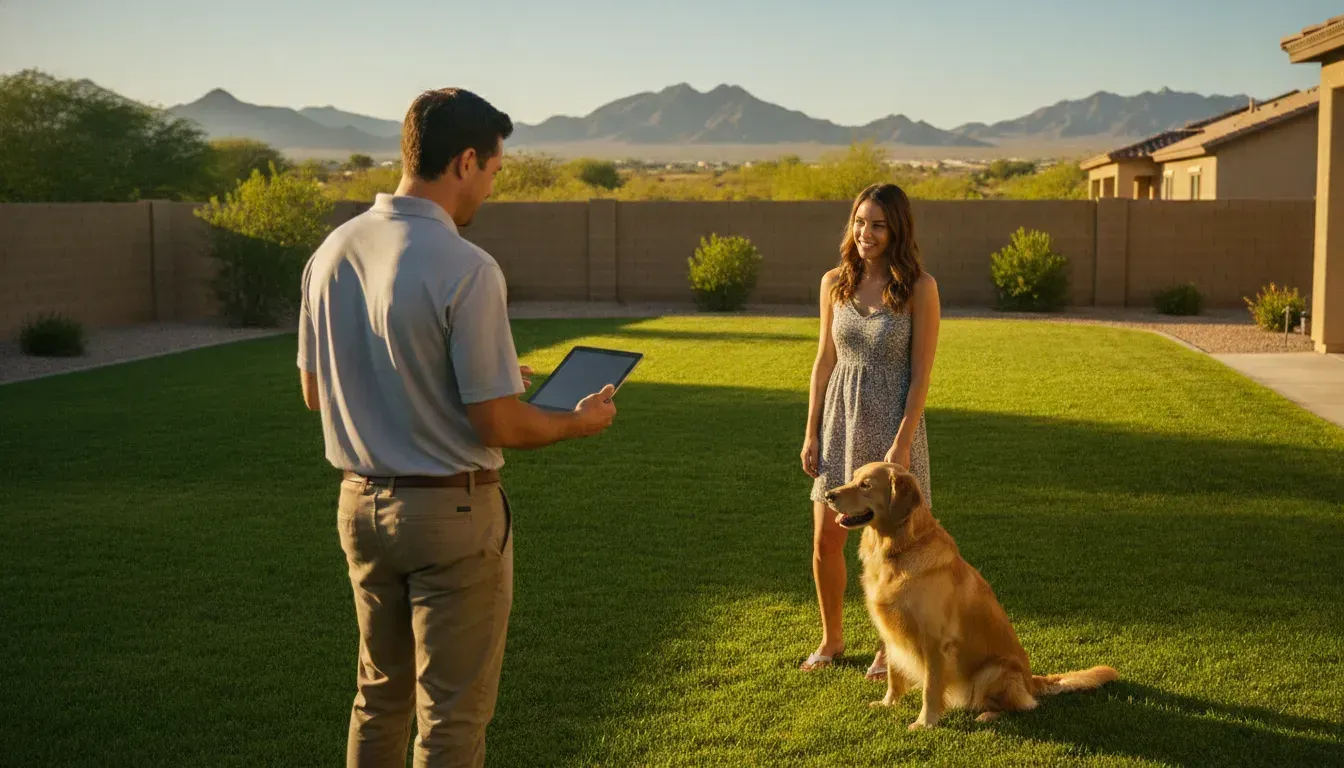
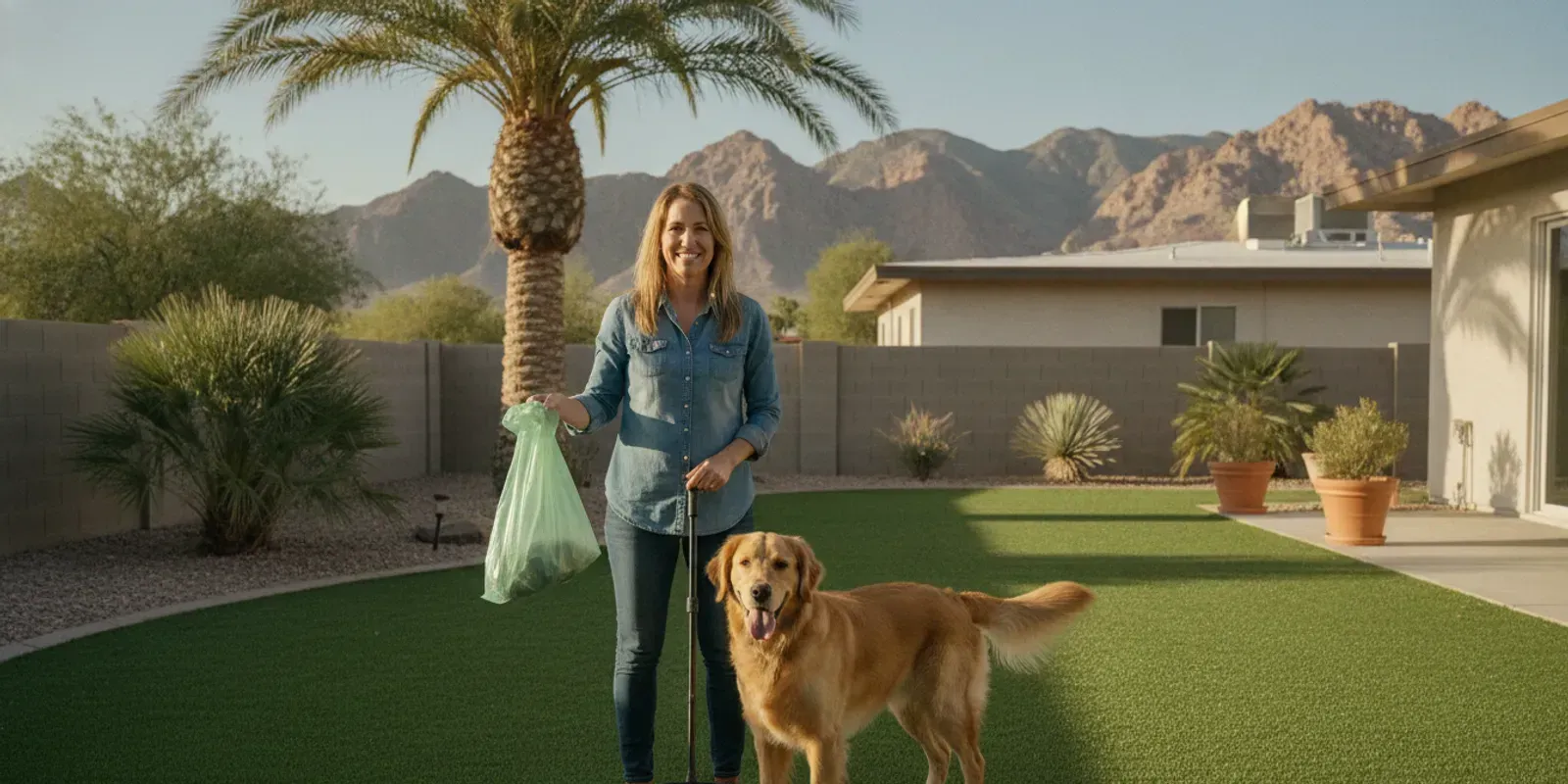
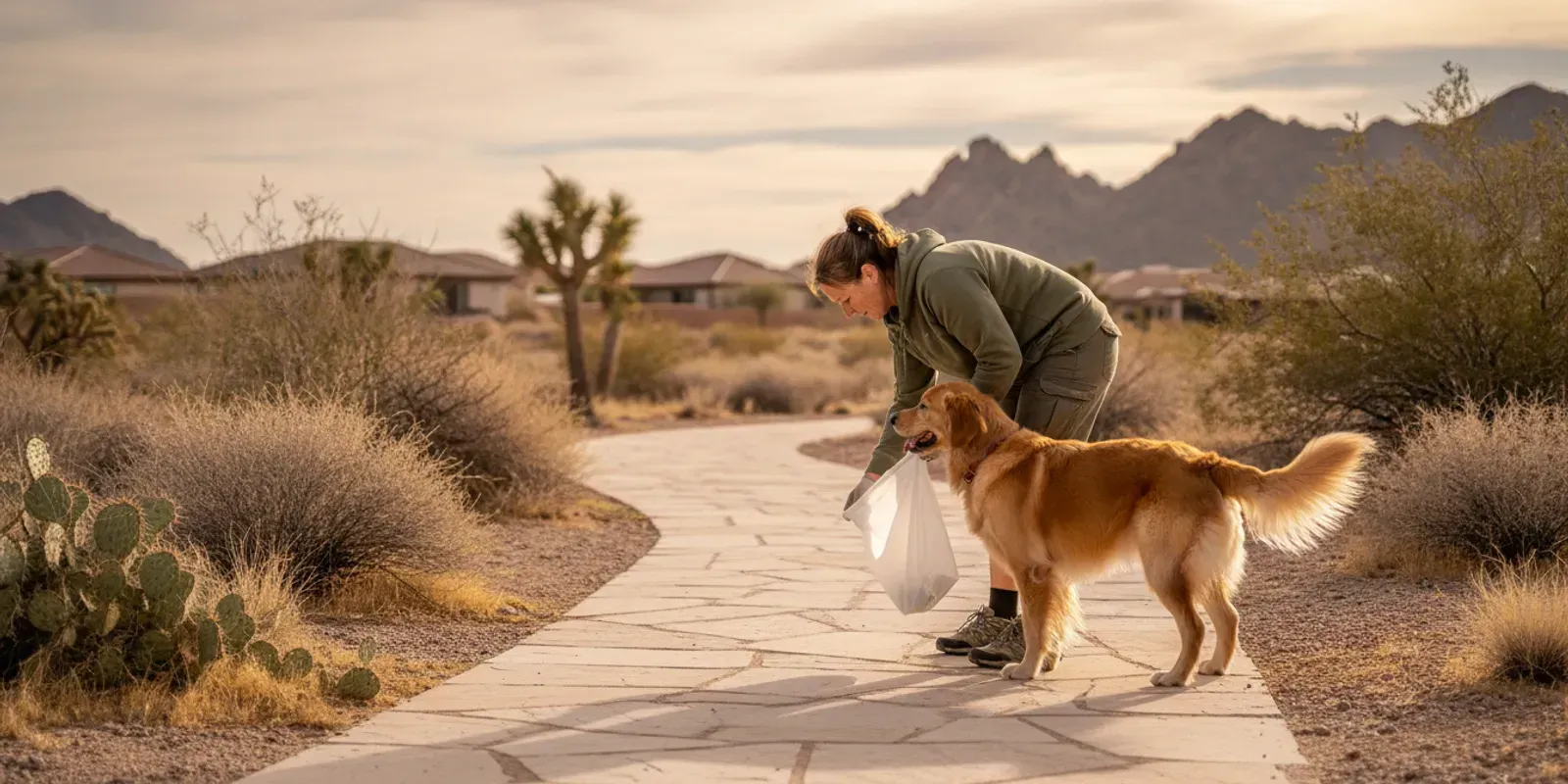
How to Keep Dogs From Pooping on Your Grass
Learn how to keep dogs from pooping on your grass with humane training, relief areas, yard boundaries, and A1 cleanup options in Southern Nevada and Tucson.
Repeated dog accidents on a lawn are usually an access and routine problem, not a reason to punish the dog or reach for harsh deterrents. Start by observing when the accidents happen, where the dog enters, and what makes the preferred area appealing.
The most reliable humane approach to how to keep dogs from pooping on your grass combines controlled access, positive routine training, a clearly designated relief area, and prompt cleanup. If the pattern continues despite consistent boundaries and rewards, professional help can reset the space and reduce the daily burden.
This prevention-first plan works for private yards, shared outdoor areas, and properties where neighboring or wandering dogs create the problem. Before choosing a boundary or training cue, check which dog is responsible and identify the times, locations, surfaces, and access points connected to each accident.
Call A1 Pet Maintenance at (702) 521-2624 today.
What Should You Check Before You Try to Stop the Problem?
Before changing your dog's routine or adding a boundary, identify which dog is creating the pattern and how that dog is reaching the grass. The right solution for a household dog is different from the solution for a neighbor's dog or a shared-property issue.
Identify the dog and access pattern
- Household dog: Note whether the accident happens after meals, overnight, during unsupervised yard time, or when the usual relief routine changes.
- Neighbor dog: Look for gaps, open gates, low fencing, or a route along the edge of the property. A camera or a simple observation log can help confirm the pattern without confronting anyone based on a guess.
- Shared-property issue: Record which entrance, walkway, pet area, or lawn section is affected. This gives an HOA or property manager a specific access problem to address.
Map the conditions around each accident
Write down the time, exact location, surface, weather, gate position, and what happened just before the accident. Is the dog choosing a shaded corner, a familiar scent trail, a soft patch of grass, or the same route used by people walking through the property? Repeated locations often reveal a missing barrier, an inconvenient relief area, or an opportunity to supervise more closely.
Also check whether visible waste is attracting repeat visits. The CDC advises picking up dog poop in your own yard because dog waste can carry germs, and prompt removal reduces opportunities for spread. A clean reset is not a complete prevention plan, but it removes the immediate scent and access cues that can keep the pattern going. Remove the waste, clean the affected spot according to the surface and product directions, and close the gate or restrict access while you decide what needs to change.
Once you know who is entering, when the problem occurs, and what triggers the choice of location, you can use humane training and consistent boundaries instead of guessing at deterrents.
How Can You Keep Dogs From Pooping on Your Grass Without Harming Them?
A calm, repeatable routine is usually a better starting point than an irritating or punitive deterrent. The goal is to teach your dog where relief is welcome, then make that choice easy to repeat. Progress can vary by dog, so treat this as a training process rather than a guaranteed quick fix.
- Choose the approved relief spot. Pick one practical area away from the grass you want to protect. Keep the location consistent so your dog can recognize it as the place to go. If possible, choose a spot that is easy for you to reach and supervise.
- Supervise access to the grass. For a period of consistent practice, go outside with your dog instead of allowing unsupervised access to the yard. Watch for sniffing, circling, or other signs that your dog needs to eliminate. Close supervision lets you guide the choice before an accident happens.
- Use one calm cue. As your dog approaches the chosen spot, use a short, neutral phrase such as "go potty." Say it once, then give your dog time to investigate. Avoid shouting, chasing, or repeating the cue in a frustrated tone.
- Guide your dog to the spot. Walk your dog directly to the approved area and wait patiently. If your dog heads toward the grass, calmly redirect with the leash or your body position. A simple boundary and steady handling are more useful than startling the dog.
- Reward the right choice immediately. When your dog finishes in the approved area, offer calm praise and a small reward right away. Immediate feedback helps connect the reward with the location and behavior you want. Keep your reaction positive and low-key so the routine stays clear.
- Repeat the same routine. Practice during regular outdoor trips and maintain the same cue, route, and reward pattern. Everyone in the household should use the same approved spot and expectations. Consistency supports learning, while punishment can create confusion and may make your dog reluctant to eliminate near people.
Positive reinforcement, clear boundaries, and consistent repetition are also recommended as practical prevention approaches in guidance from Today's Homeowner. If an occasional mistake happens, reset the routine without scolding and continue supervising future yard time.
How Does a Designated Relief Area Protect the Rest of the Yard?
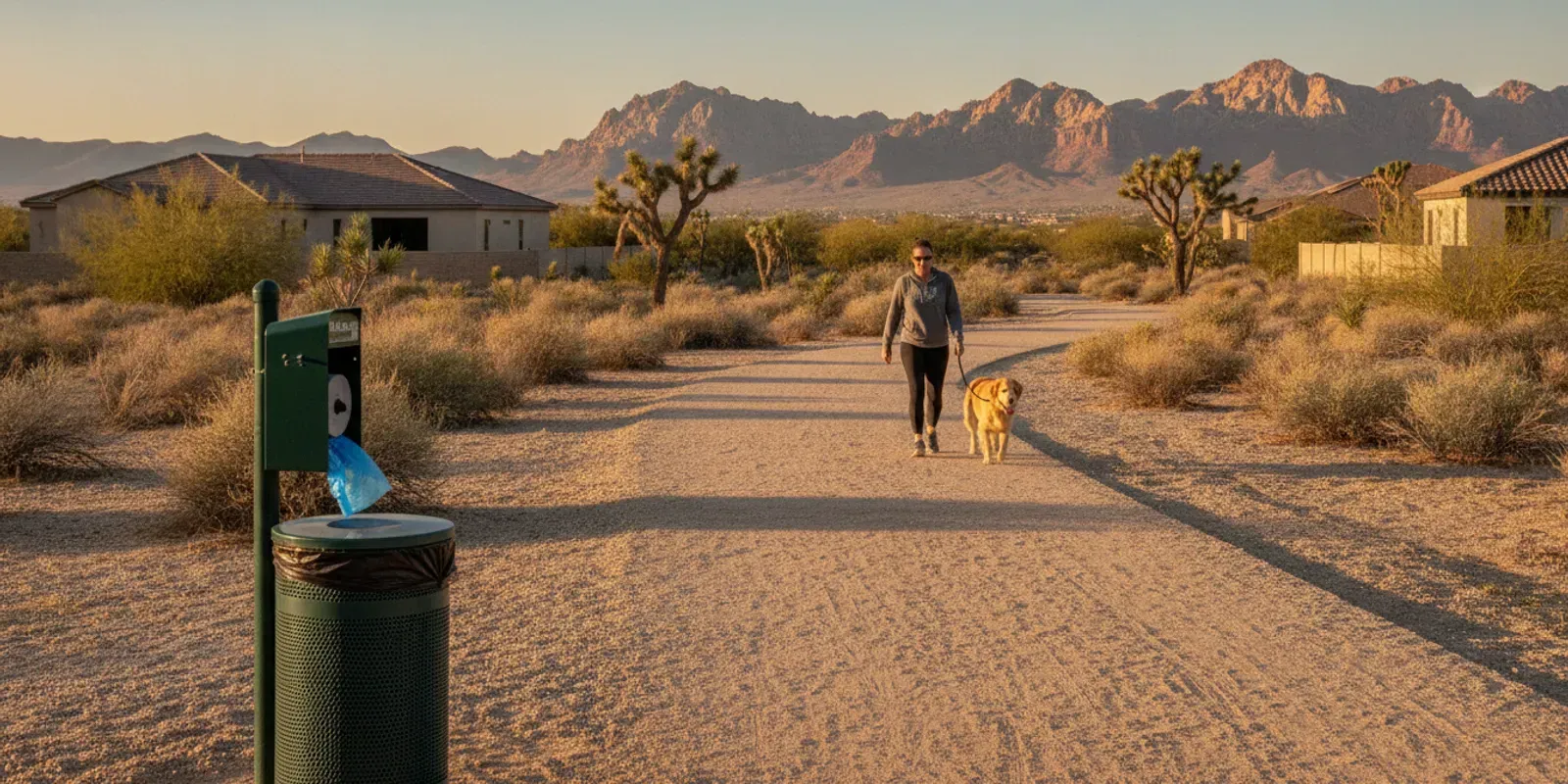
A designated relief area gives your dog a predictable place to go while keeping the main lawn available for play, exercise, and family use. It works best when the spot is easy for both of you to reach, not hidden behind a difficult gate or far from the usual route outside. Choose a low-traffic location with a surface that is simple to inspect and clean, such as a suitable gravel area, concrete section, or pet-friendly turf installed according to the manufacturer's directions.
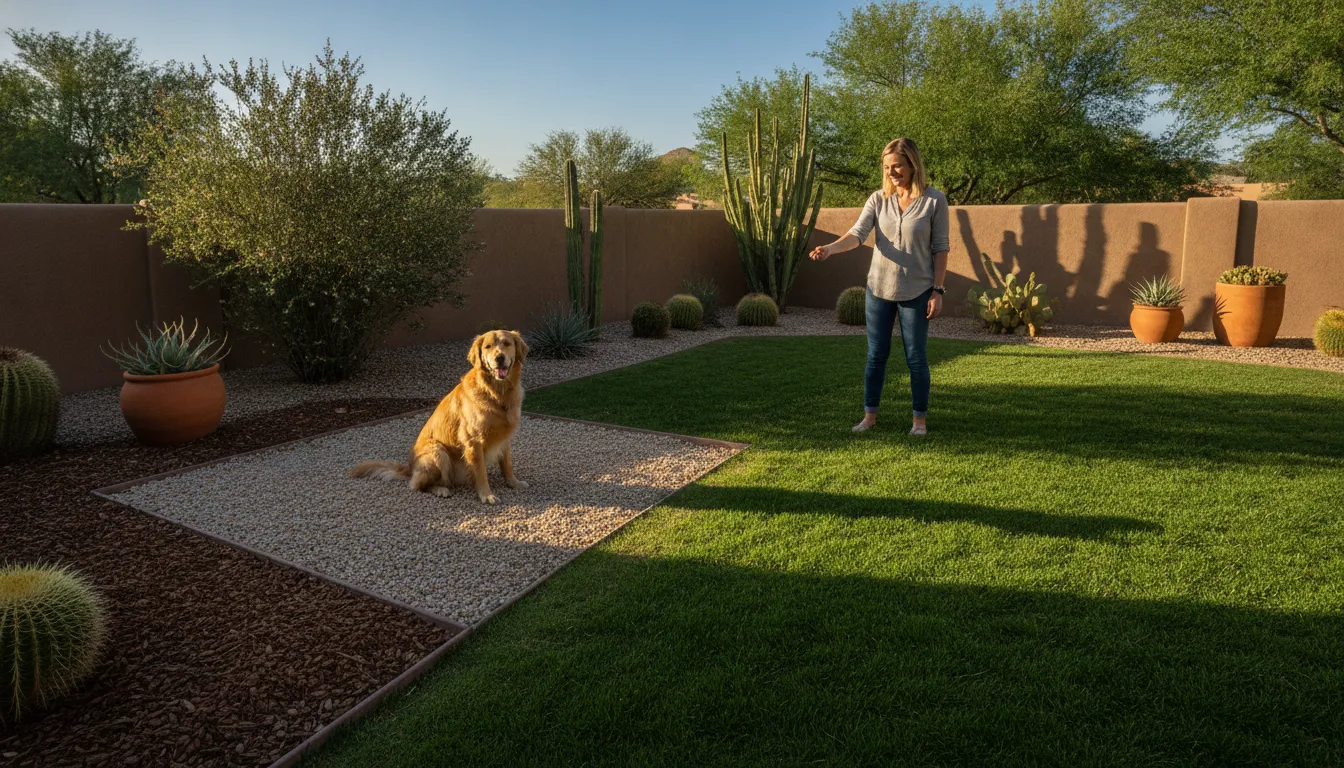 Make the route obvious
Take your dog to the same area when it is most likely to need a bathroom break. Use a calm, consistent cue and wait without turning the trip into playtime. When your dog finishes in the designated zone, offer immediate praise or a reward that fits your normal training routine. This helps connect the location with the behavior you want. Avoid punishment after an accident. It can create confusion without teaching your dog where to go instead.
Keep the zone usable
Remove waste promptly and check that the route remains clear. Keep the area comfortable enough that your dog will use it, while preserving a clear distinction between the relief zone and the grass. If the surface becomes dirty, damaged, or unpleasant, your dog may start looking for another place. Follow any product labels and turf-manufacturer directions when maintaining the area, and keep pets away as directed during treatment.
A simple routine is easier to maintain than a complicated yard redesign. If you are comparing surfaces for a pet yard, this guide to artificial grass versus natural grass for dogs can help you consider the everyday maintenance differences. The goal is not to limit your dog's access to the yard. It is to make the right place the easiest, clearest option.
Which Humane Boundaries Work for Neighboring or Wandering Dogs?
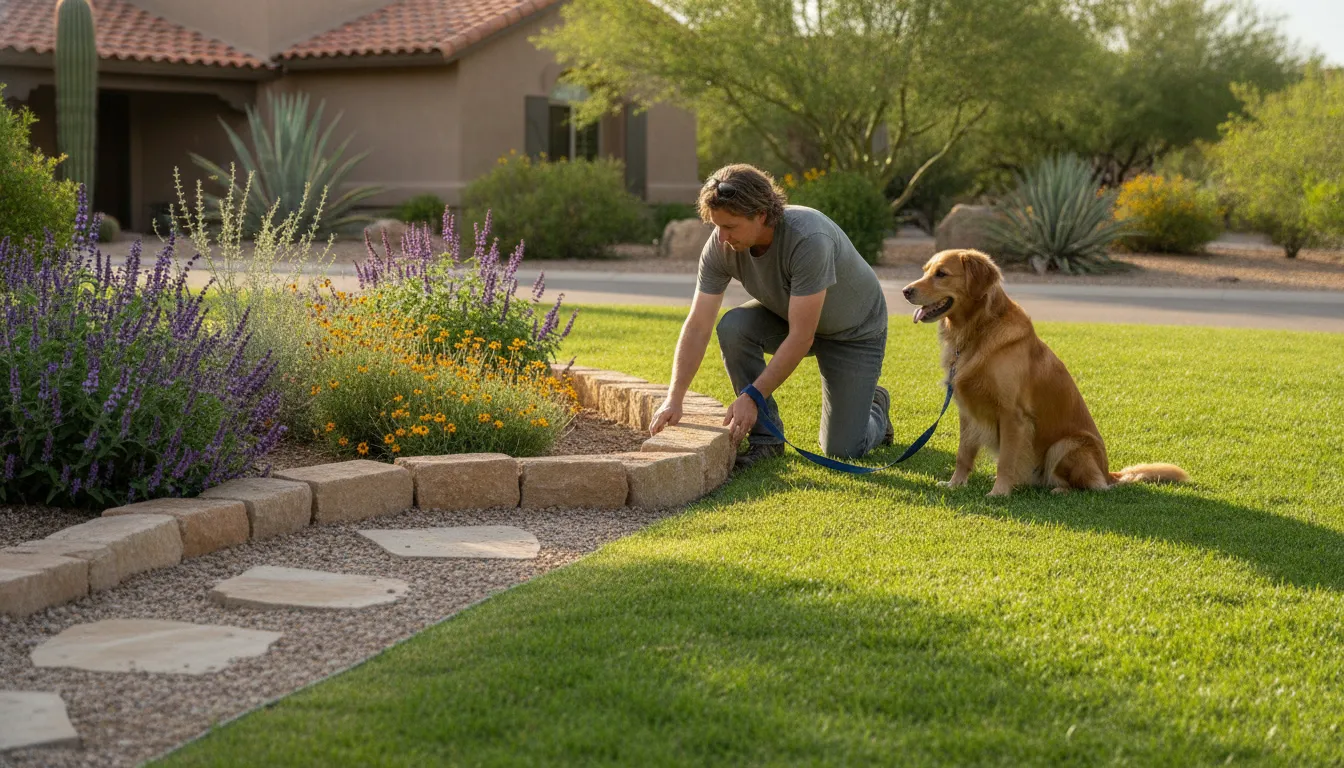
When a neighboring or wandering dog crosses onto the lawn, a clear physical boundary is usually more dependable than a scent-based product. The goal is to make the desired path obvious without frightening, injuring, or trapping the animal. A low fence, attractive hedge, or low landscape border can mark where the property begins while still keeping the yard open and welcoming.
Closed gates matter just as much as the main barrier. Check for gaps beneath the gate, loose latches, and openings along side yards where a dog can slip through. If a complete fence is not practical, combine a low border with supervised access during the times dogs commonly pass through. For your own dog, calmly guide them away from the grass and toward the approved relief area, then reward the behavior you want. Consistency gives the boundary meaning; sudden chasing or yelling can make the situation harder to manage.
 How Can You Handle a Neighbor's Dog Respectfully?
If the same dog repeatedly wanders onto the property, a calm conversation with the owner is often the most productive next step. Describe where the dog enters, when the problem occurs, and what boundary would help. Keep the conversation specific and non-accusatory. A neighbor may not know that a gate is failing or that their dog has developed a new roaming route.
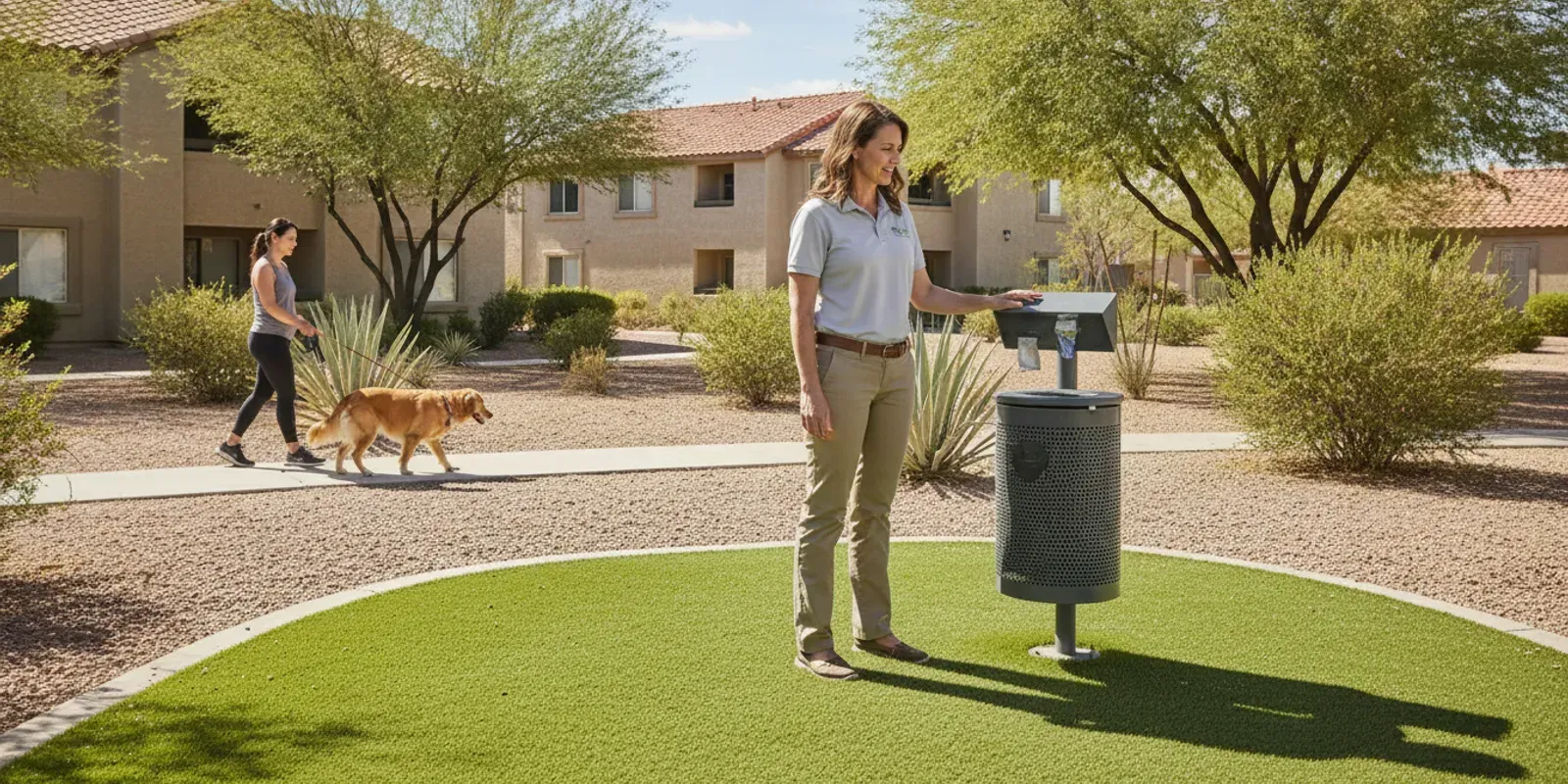
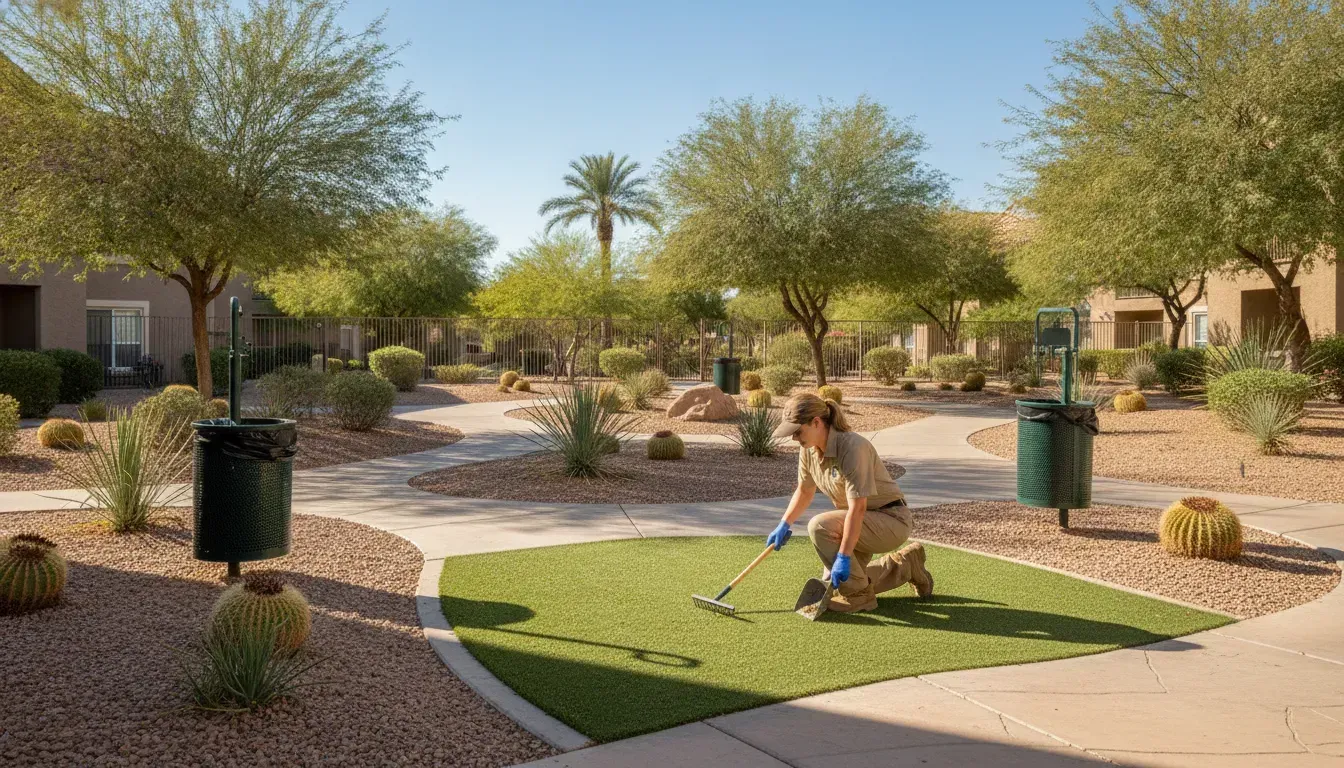
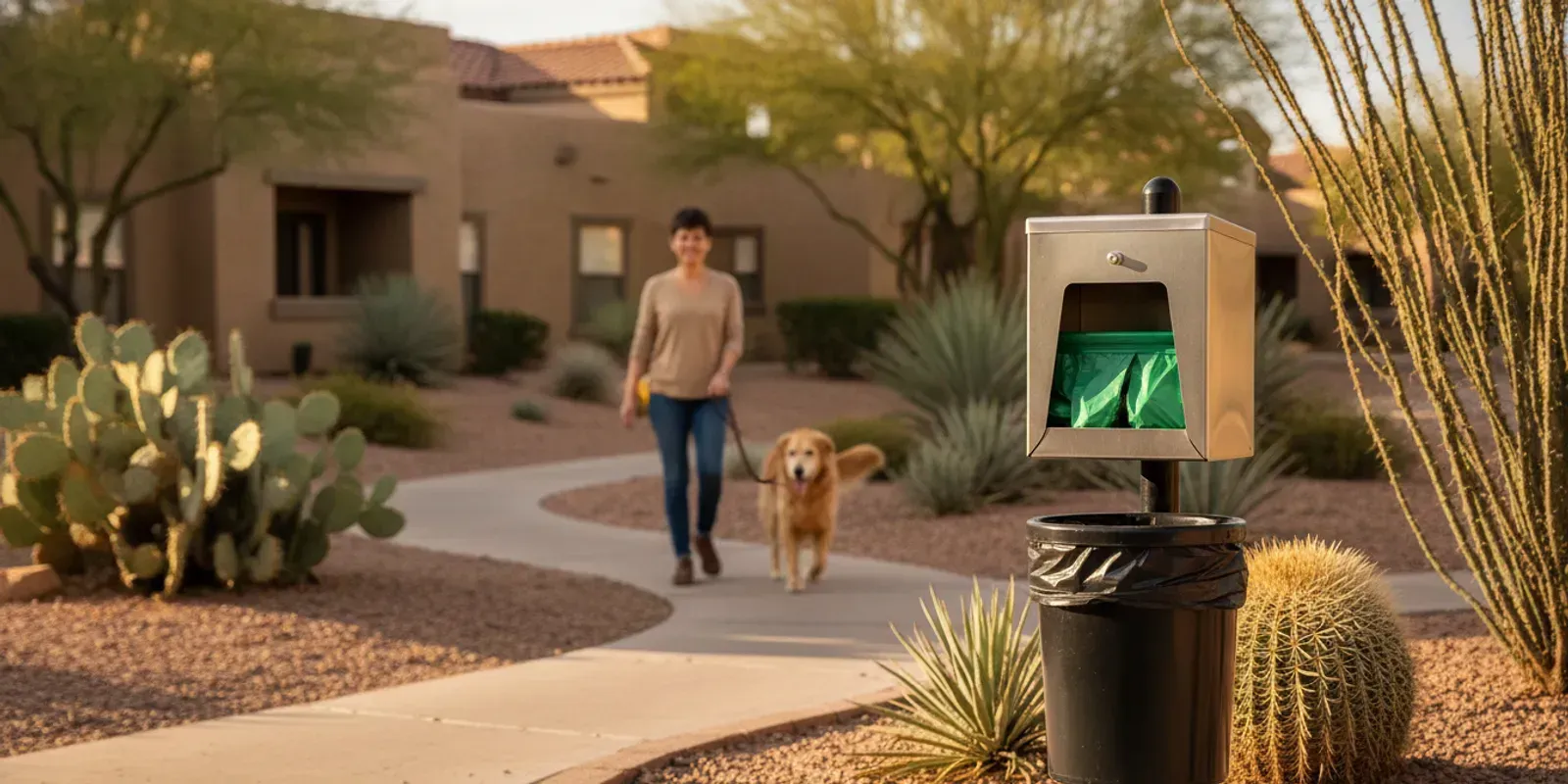
On shared grounds, property managers and maintenance teams can designate clear relief zones away from entrances, play areas, and high-traffic grass. Use simple signs or consistent landscaping to make the zone recognizable, and keep the route to it accessible. Record recurring access points so the team can repair the actual weakness instead of repeatedly treating the symptom.
Skip cayenne, mothballs, bleach, and other harsh irritants as default deterrents. They can expose dogs, children, and other animals to unnecessary risk, and they do not solve an open gate or an unmanaged access route. Humane barriers, supervision, and respectful coordination create a cleaner boundary without turning the lawn into a hazard.
What Should You Do After a Repeat Accident?
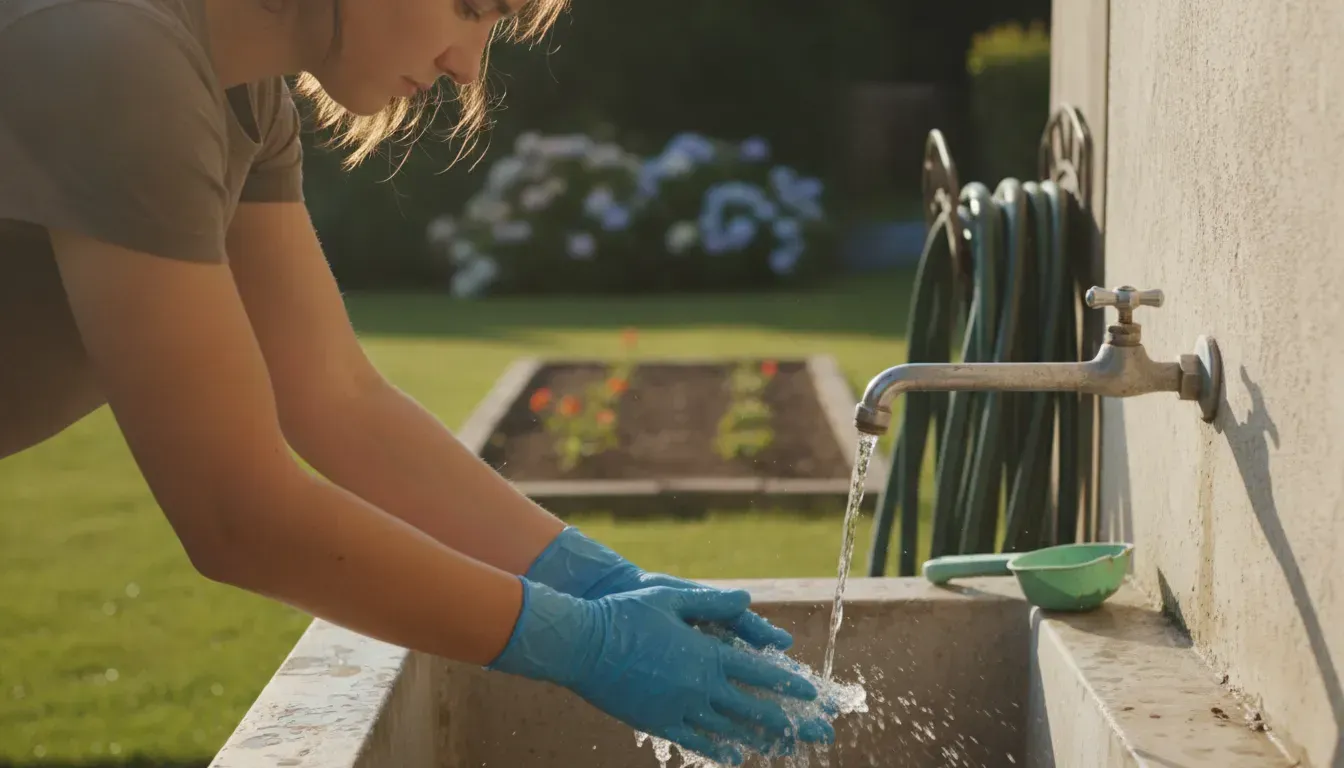
When a dog returns to the same spot, treat the accident as useful information rather than a reason for punishment. First, move people and pets away from the area, remove the visible waste, and place it in a securely closed bag. Then wash your hands with soap and running water, even if you used a bag. The CDC recommends this practice because dog waste can carry germs.
Next, ask what failed in the routine. Was the gate left open? Did the dog have unsupervised access during a predictable bathroom window? Was the designated relief area difficult to reach, uncomfortable, or already soiled? Write down the time, location, access condition, and what happened immediately before the accident. A short record can reveal a pattern that is easy to miss when each incident feels isolated.
Reset the exact area after removing the waste. Follow the label for any product you use, and follow the turf manufacturer's directions if the spot is on artificial grass. Avoid improvised irritants or harsh chemicals that could expose pets, children, or landscaping to unnecessary risk. The goal is a clean, neutral starting point, not a punishment zone. If runoff could reach a drain or waterway, take extra care with cleanup; Washington State University Extension notes that runoff can transport pet-waste pathogens, bacteria, and nutrients.
For shared property, document repeated incidents with the date, approximate time, location, and access issue. Photos can help property teams identify a recurring entry point without identifying individual residents. Use the record to adjust gates, supervision, signage, or the relief routine. If the area has accumulated waste before the new routine begins, schedule a one-time pet waste cleanup so prevention starts with a genuinely reset space.
How Should Artificial Turf Change Your Prevention Plan?
Artificial turf does not replace the basics of prevention. Start by controlling access, guiding dogs toward an appropriate relief area, and removing waste promptly. A clean, predictable routine helps prevent repeated accidents from becoming a turf-maintenance problem. For shared properties, clear gates, boundaries, and responsibility for waste removal matter just as much as the surface itself.
Artificial grass does change what happens after an accident. Waste can collect between the blades or in the backing, especially when a spot is missed or several dogs use the same area. A visible cleanup may remove the waste without addressing residue that remains below the surface. At that point, the turf may need more than a quick pickup and surface rinse.
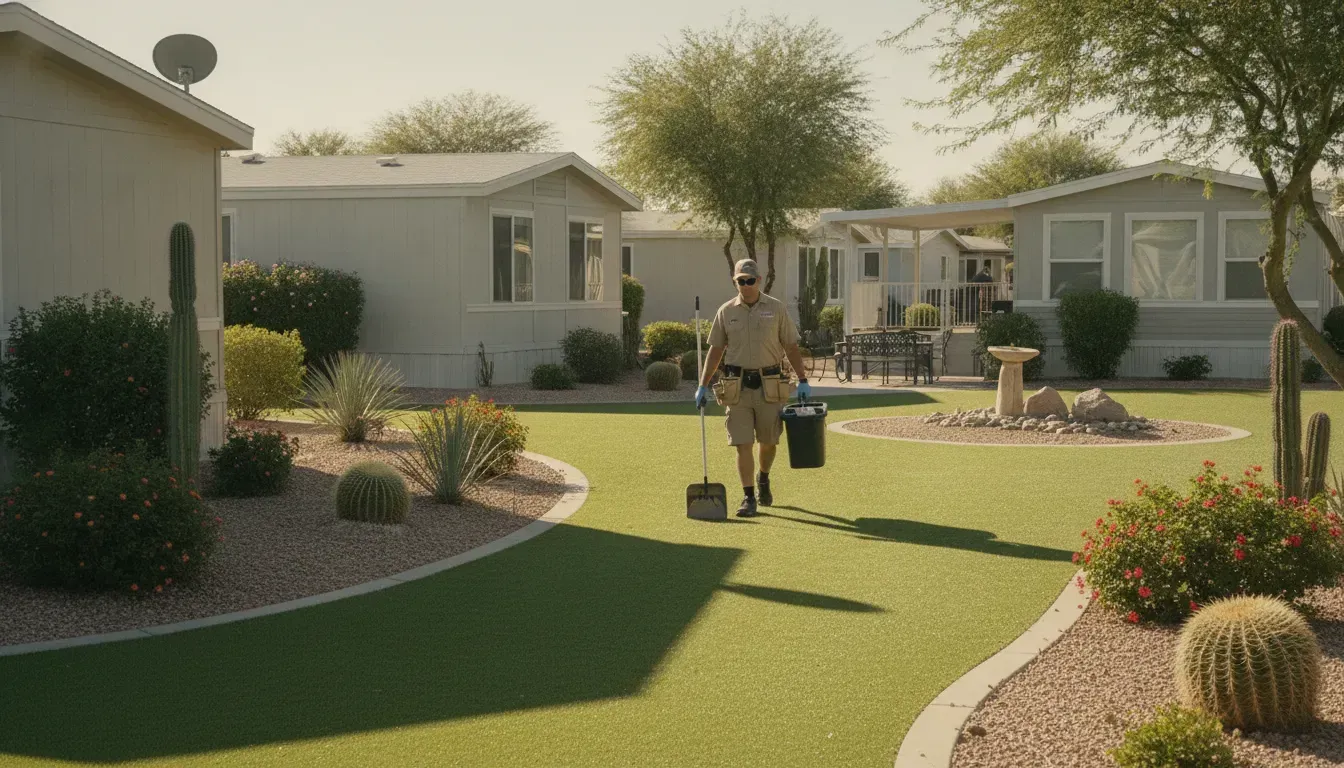
Specialized attention can include pet-waste removal, an enzyme-based deodorizing treatment, deep rinsing, and agitation to work through the turf fibers. A1 Pet Maintenance provides this scope as part of its artificial grass cleaning and maintenance service. The right approach depends on the turf installation, the affected area, and the product and maintenance directions provided for that surface.
Keep the prevention plan practical: limit access when you cannot supervise, maintain the designated relief area, and address recurring buildup instead of waiting for the entire yard to become difficult to manage. For a closer look at the service considerations, see A1's guide to artificial turf cleaning for dogs. Product use should always follow the label and the turf manufacturer's directions, including any instructions about keeping pets away during treatment.
When Is One-Time or Recurring Service the Better Choice?
The best option depends on whether you are preventing a routine, recovering from buildup, or managing a shared property. A household with a manageable daily routine may only need a consistent owner-led plan. A yard with accumulated waste may need a one-time reset before prevention becomes practical. Recurring service can help when the work is easy to postpone, when several pets use the space, or when a property team needs a dependable maintenance schedule.
Use this comparison to choose a starting point. A1 Pet Maintenance provides one-time, weekly, and bi-weekly waste-removal options in Southern Nevada and Tucson. For more context on the value of specialized help, see this guide to professional dog poop removal.
Choosing a dog waste removal approachSituationBest starting pointWhat to expectA1 optionHousehold DIY routinePick up on a consistent schedule.Works best when one person can regularly check the yard. Keep access and training routines consistent.Keep service in-house. Request help if the routine becomes difficult to maintain.One-time reset after buildupClear the accumulated waste first.A clean starting point makes it easier to resume a household routine. It can also support scheduled maintenance.One-time pet waste cleanup.Weekly recurring serviceSchedule a weekly visit.Provides a regular removal point for households. It reduces hands-on yard maintenance.Weekly recurring waste removal in A1 service areas.Bi-weekly recurring serviceSchedule a bi-weekly visit.Fits properties where a less frequent professional check supports the owner's routine.Bi-weekly recurring waste removal in A1 service areas.Property-team or shared grass supportDefine common areas and a maintenance cadence.Clear responsibility helps property teams manage shared outdoor spaces. Predictable visits support the plan.Commercial property pet waste service.
If you are unsure which cadence fits, start with the condition of the grass, the number of dogs using it, and who can reliably handle pickups. A one-time cleanup can address an immediate backlog, while weekly or bi-weekly service can support an ongoing plan.
Call A1 Pet Maintenance at (702) 521-2624 to discuss a cleaner, more manageable yard.
Frequently Asked Questions
What is the best way to keep dogs from pooping on your grass?
Start by controlling access, supervising outdoor time, and guiding the dog to a consistent relief area. Reward the desired behavior immediately, then keep the routine consistent. Removing existing waste also helps make the grass less inviting for repeat accidents.
Which humane deterrents are safe for dogs?
Use physical boundaries, closed gates, supervised access, and calm training rather than irritants. Avoid treating cayenne, mothballs, bleach, or similar substances as harmless defaults because they can affect a dog's eyes, nose, paws, or health. Follow product labels and the turf manufacturer's directions for any product you consider.
How can I create a designated relief area?
Choose a low-traffic spot with a surface that is easy to clean and a simple path from the door. Guide your dog there during routine breaks, reward successful use, and maintain the area regularly. Keeping play space separate can help make the rest of the lawn easier to protect.
How do I handle a neighbor's dog or shared grass problem?
Use a respectful conversation when possible, then add a fence, hedge, low border, or closed gate to manage access. For shared property, define relief zones and document repeated incidents so the owner or property team can address the pattern without using harmful substances.
Does artificial turf change the prevention plan?
Access control and a consistent relief routine still come first. Artificial turf also needs prompt waste removal and periodic maintenance to manage residue and odor. A professional turf cleaning may include waste removal, deodorizing treatment, rinsing, and agitation when buildup has developed. Learn about artificial grass cleaning and maintenance.
Schedule a Cleaner, More Manageable Yard
A consistent prevention plan can make your yard easier to enjoy, but repeat accidents and turf buildup still take time to manage. A1 Pet Maintenance can help with a one-time cleanup, weekly or bi-weekly pet waste removal, or artificial grass cleaning for your yard or property.
Call A1 Pet Maintenance at (702) 521-2624 to discuss your yard today.