How to clean artificial grass with dogs: A Practical A1 Guide
Learn how to clean artificial grass with dogs using a practical routine for waste, dust, and everyday messes, plus signs it may need deeper cleaning.
To clean artificial grass with dogs, remove solid waste promptly, rinse away residue and loose dirt with a modest amount of water, and brush the fibers upright when needed. For routine upkeep, use a repeatable schedule and follow the turf maker's care instructions; persistent odor or built-up contamination may call for a deeper cleaning.
Artificial turf can make a dog yard easier to maintain, but it does not mean maintenance disappears. Waste, dust, leaves, and daily foot traffic still collect on the surface. A few simple habits help keep the area usable, while knowing when to seek professional help can save time when a basic rinse is no longer enough. This guide is for homeowners, renters, and property teams caring for turf in Southern Nevada, Las Vegas, and Tucson.
How to Clean Artificial Grass With Dogs as Part of a Simple Routine?
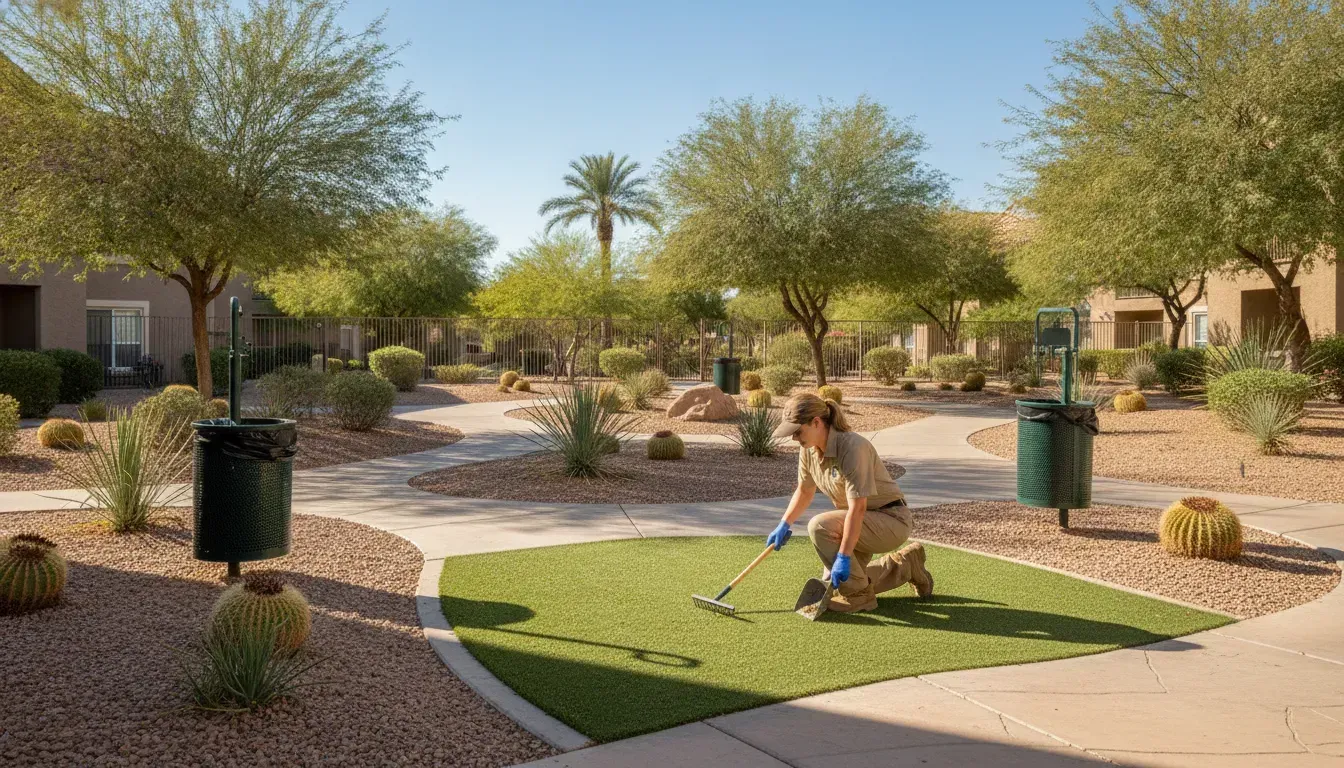
Use a short routine that addresses the kind of mess in front of you rather than applying a strong cleaner every time. Start by removing solid material, then rinse the affected area as appropriate for your turf and drainage setup. Pick up loose debris, and brush flattened fibers only if the manufacturer recommends brushing. For a larger property, keep the same steps consistent across pet-use areas.
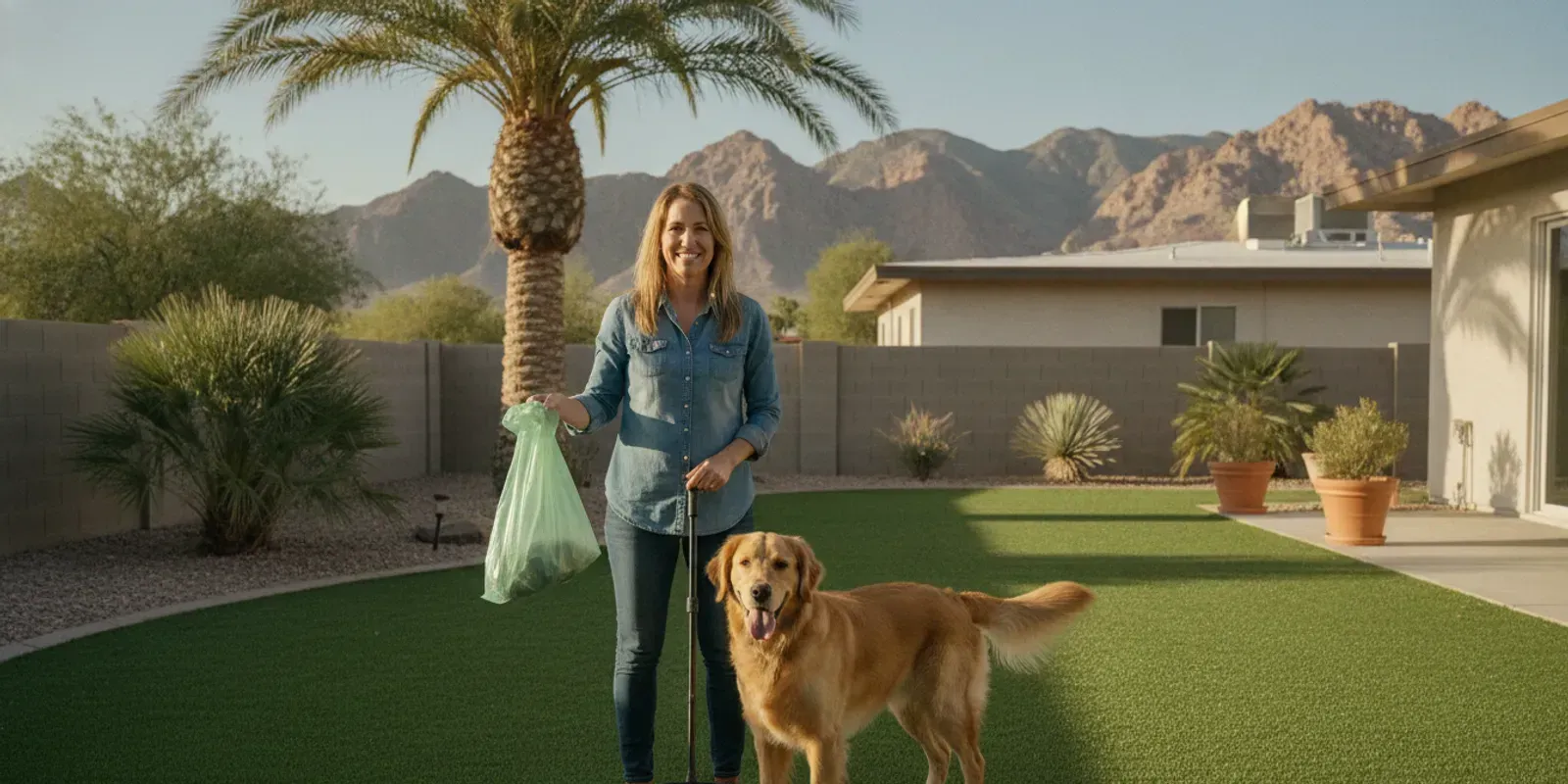
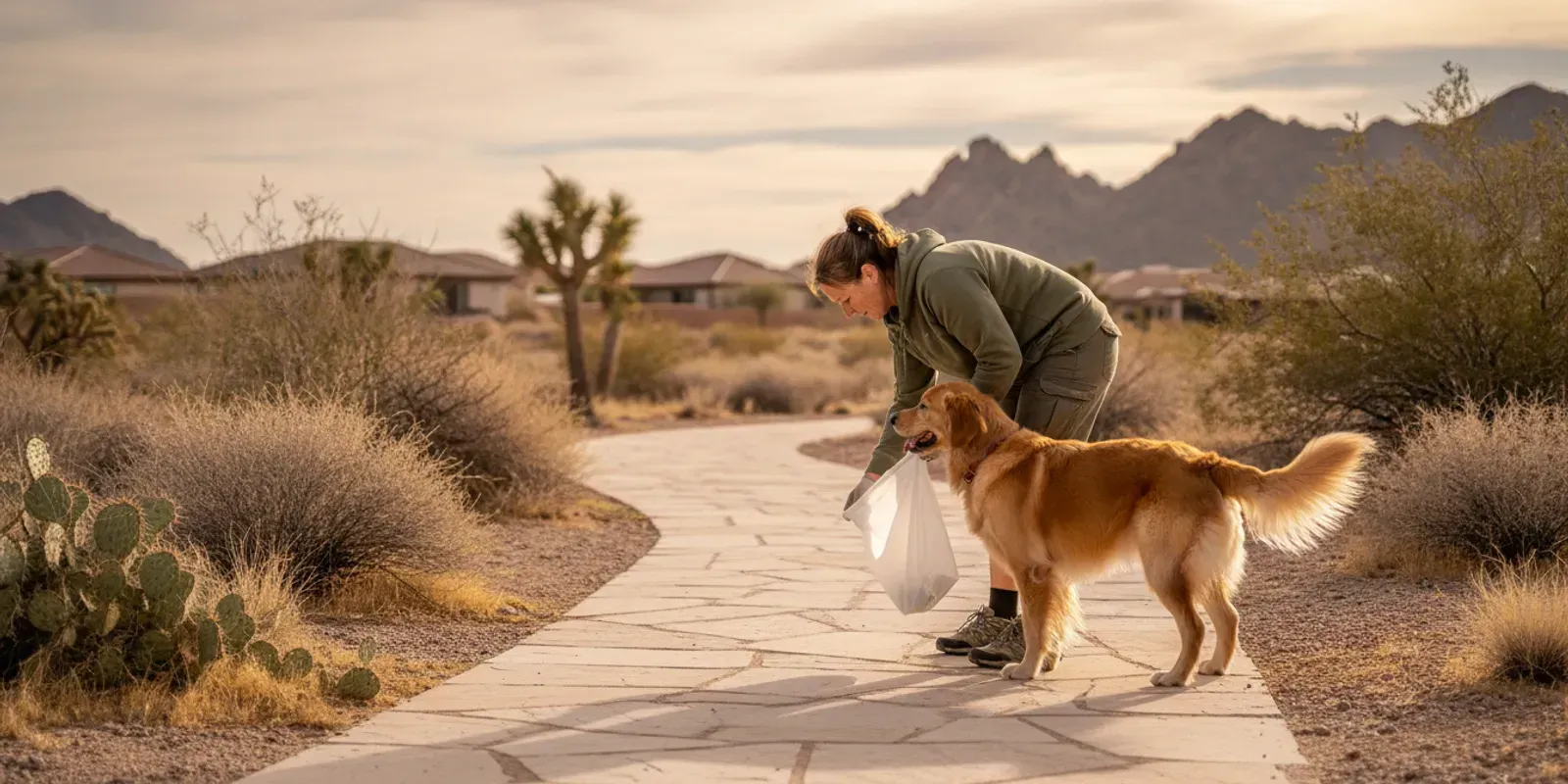
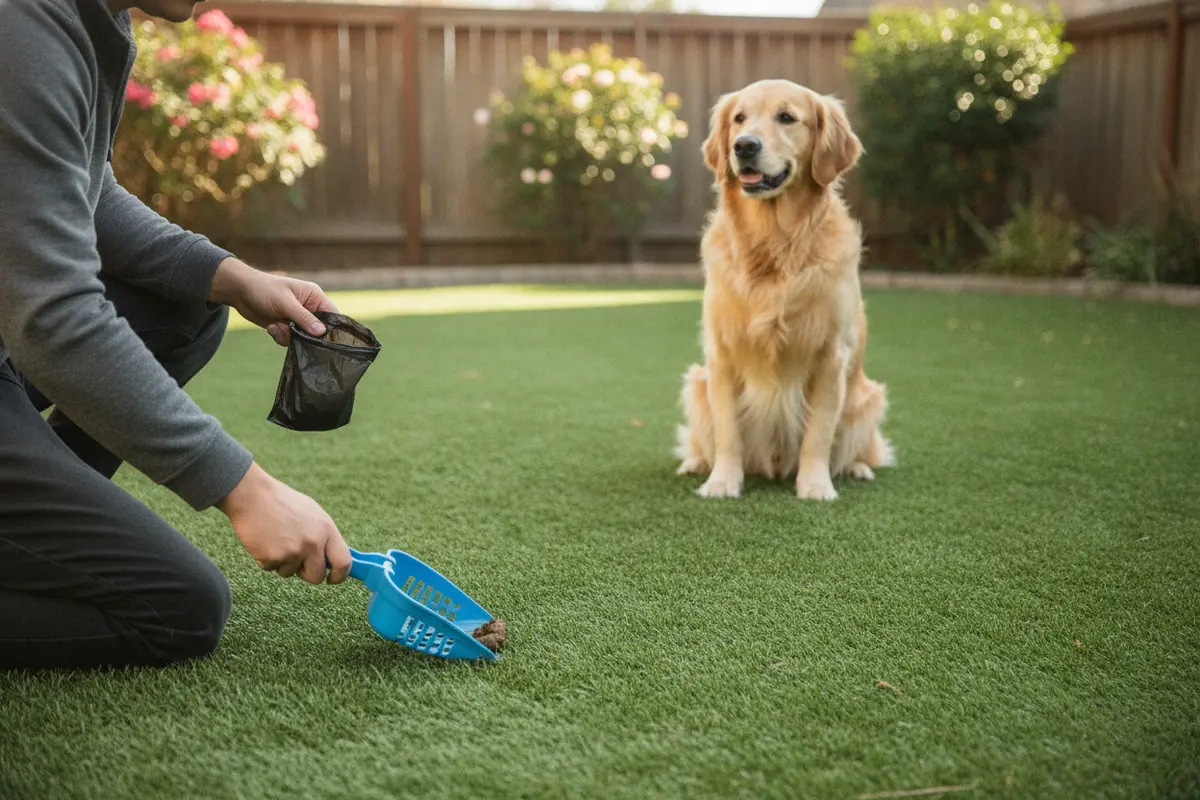
- Remove solid waste. Pick up dog waste as soon as practical with a bag or scooper. Check the surrounding area for small pieces before rinsing; water alone will not remove solids.
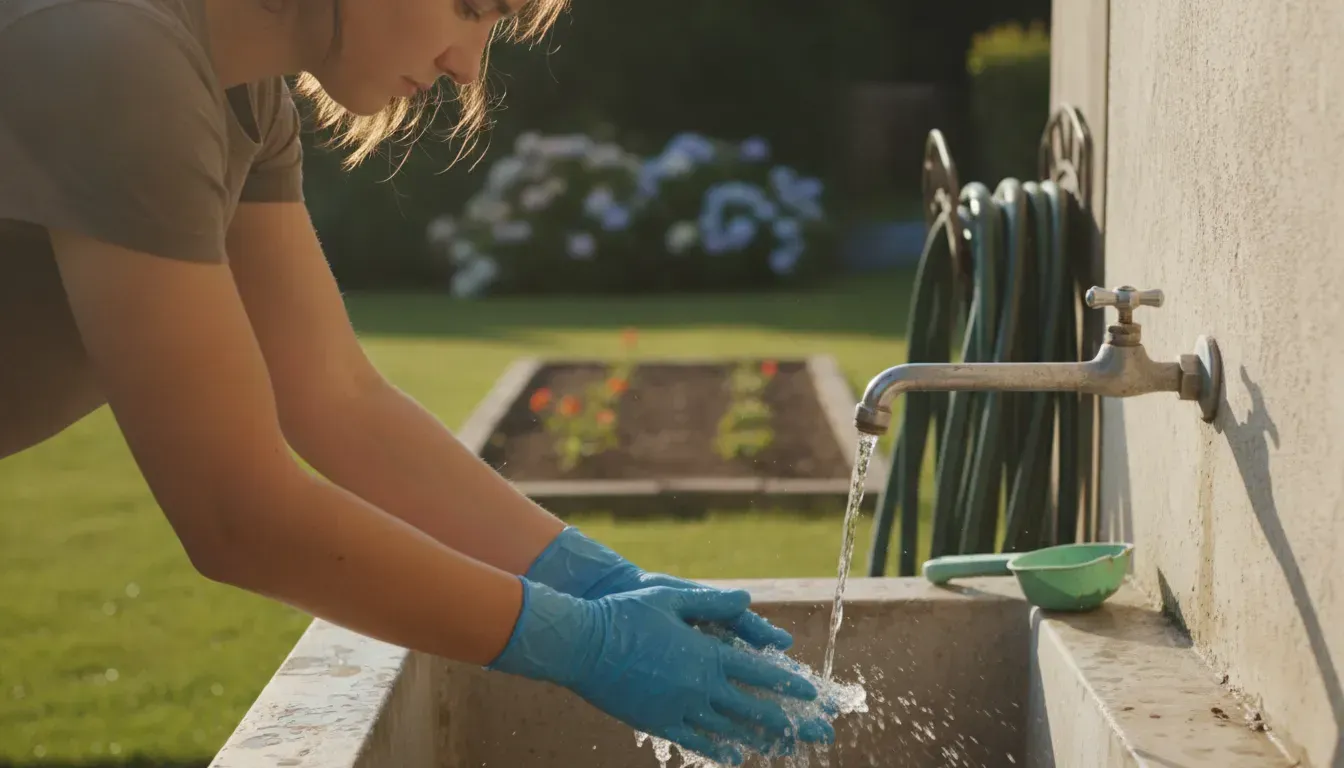
- Rinse the spot when needed. Use a hose or watering can to wash away remaining residue and dust. Avoid flooding the area. If you are unsure how water drains through your installation, check the installer's instructions first.
- Clear loose debris. Gather leaves, hair, and other material that can settle between the blades. A soft rake or brush may be suitable, but use only tools approved for your turf so you do not pull or damage the fibers.
- Let the surface drain and dry. Keep pets off a wet area if the product or cleaner instructions require it. Check that water is not pooling and that the surface is ready for normal use.
- Review the area again. Look for remaining waste, flattened fibers, and lingering odor. If the problem remains after routine care, identify the cause before adding another product.
The right frequency depends on how often dogs use the space, the number of pets, weather, and the amount of debris. A small dog run used every day may need more frequent spot checks than an occasional-use lawn. Rather than rely on a single calendar rule, inspect the surface during regular yard care and clean visible waste promptly.
It can help to divide a larger lawn into manageable sections. Work from the far end toward the gate so you do not walk over an area that has just been rinsed or cleaned. Check corners, edges beside walls, and the spots where dogs tend to pause; debris and waste are easy to overlook there. For a shared dog run, note which sections are checked and whether any areas need follow-up, rather than assuming the whole surface received the same attention.
 Which Supplies Are Useful, and Which Should You Avoid?
For ordinary upkeep, the basics are usually enough: a waste bag or scooper, a hose or watering can, and a turf-safe brush if the product's instructions allow it. Keep supplies dedicated to the pet area and store them cleanly. You do not need to layer several cleaners onto the same spot to make a routine cleanup more effective.
Before using any detergent, deodorizer, or enzyme product, check the artificial grass manufacturer's guidance and the product label. Confirm that it is suitable for your turf and the intended use around pets. Use only as directed, and do not combine cleaning products. If the care instructions are missing or unclear, ask the installer or a qualified turf-care provider before applying a new chemical.
A simple supply check prevents common mistakes. Make sure the hose nozzle can deliver a gentle rinse, and do not use a stiff metal rake or a sharp tool to dig debris out of the pile. Keep any labeled cleaning products in their original containers, where directions remain available. If you have a small removable patch or offcut from installation, ask the turf maker whether it can be used to test an approved product; do not test an unknown product on a visible area.
Avoid aggressive scrubbing, sharp-edged tools, and unapproved solvents or strong chemicals. These may affect turf fibers, backing, infill, or drainage depending on the installation. Do not assume a product is pet-safe just because it is marketed for outdoor use. Follow its directions about dilution, rinsing, drying, and when pets can return to the area.
How Should You Handle Different Kinds of Dog Mess?
Different messes need different first steps. Solid waste should be picked up. Dust and loose debris can often be cleared or rinsed. Sticky residue may need careful attention to the turf maker's recommendations. Treating all of these situations as an odor problem can lead to unnecessary chemical use.
Solid waste
Pick it up with a scooper or bag and check for pieces trapped among the blades. If residue remains, rinse with enough water to wash the area without creating runoff or pooling. Clean the scooper after use and wash your hands.
Dust, hair, and leaves
Remove leaves and larger debris before rinsing. For fibers pressed down by traffic, use a soft brush in the direction recommended by the turf manufacturer. Do not brush hard enough to loosen the infill or pull the grass fibers.
Urine or a lingering smell
Rinse the affected area as a first step, while considering how water moves through the particular turf installation. If an odor returns or covers a wider area, the source may not be limited to the visible surface. More rinse water or another household product may not solve an underlying buildup. See A1's information about artificial grass cleaning and maintenance and its turf enzyme treatment options for relevant service details.
Public guidance also illustrates why care should suit the setting. The City of Apache Junction's Flatiron Community Park FAQ notes that artificial turf still needs vacuuming and water for dust, pet urine, and cooling. A private yard is not the same as a public park, so use your own turf maker's directions and local conditions to decide what maintenance is appropriate.
How Do Routine Care and a Deeper Turf Cleaning Differ?
Routine care is the small, repeated work that keeps visible waste and debris from accumulating. A deeper cleaning is a more thorough service for a larger area or a problem that routine steps have not resolved. The right choice depends on the condition of the turf, the type of buildup, and the instructions for the installation.
Situation: Fresh solid waste
Routine care: Pick up promptly; rinse residue if appropriate.
Consider a deeper cleaning when: Waste has accumulated across the area or is difficult to remove.
Situation: Dust, hair, or leaves
Routine care: Clear debris; brush gently if the turf instructions permit.
Consider a deeper cleaning when: Debris is embedded or the whole surface needs attention.
Situation: Occasional urine spot
Routine care: Rinse with care and monitor the area.
Consider a deeper cleaning when: Odor returns, spreads, or persists after normal maintenance.
Situation: Frequently used dog run
Routine care: Inspect often and keep waste pickup consistent.
Consider a deeper cleaning when: Regular upkeep no longer keeps the surface in acceptable condition.
This comparison is a decision aid, not a substitute for turf-specific instructions. Turf construction, infill, drainage, and exposure vary. If water pools, the surface is damaged, or you are uncertain about the material, consult the installer before attempting a more intensive treatment.
A1 Pet Maintenance provides artificial grass cleaning, including enzyme treatments and deep cleaning, according to its service information. The company also describes pet-friendly turf cleaning. Contact A1 to discuss the condition of your turf and whether a service visit is appropriate; do not assume a particular treatment or result without confirming the details.
 What Can Make Artificial Grass Harder to Keep Clean?
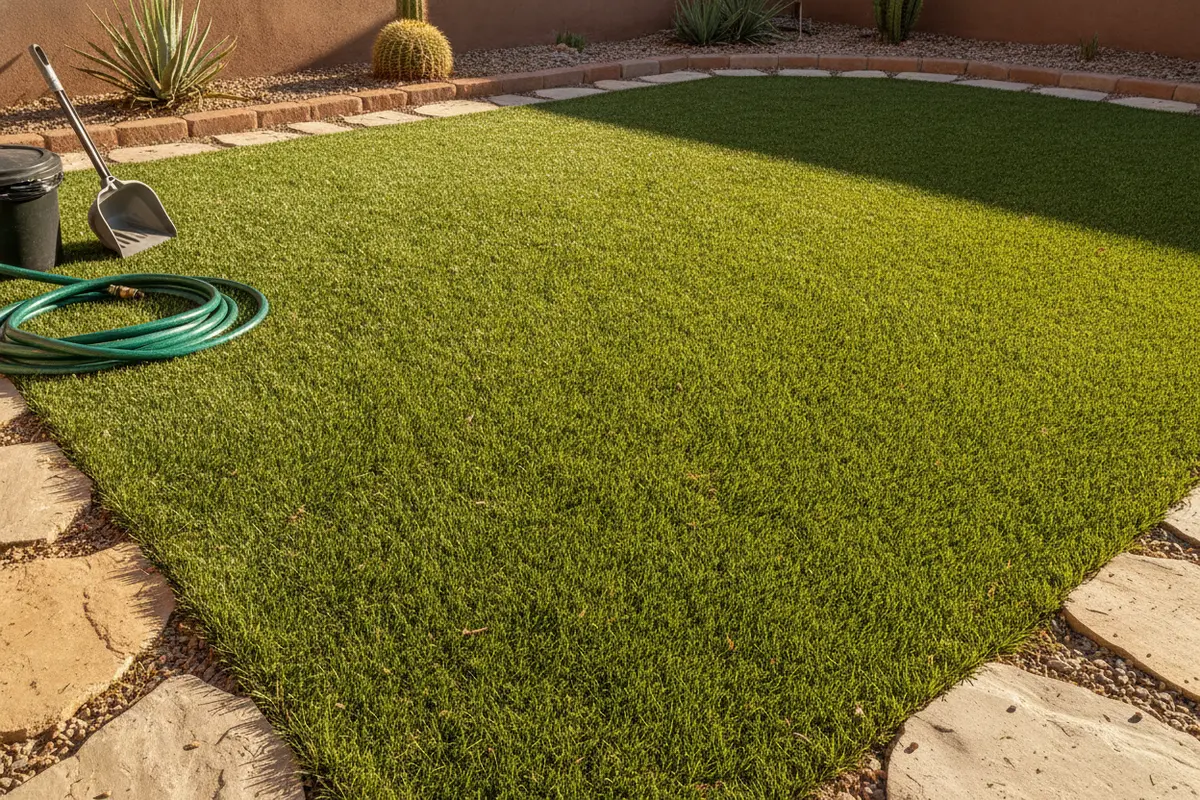
Some conditions make routine care more demanding. Multiple dogs or frequent use mean more waste and foot traffic. Trees and landscaping can add leaves, pollen, and dirt. A shaded or poorly draining area may remain damp longer, while hot, dry weather can make turf warm and increase the need to check the surface before pets play. Actual conditions vary, so observe the yard rather than assuming the same schedule works for every installation.
Drainage deserves particular attention. If water consistently pools or runs toward a building, do not solve the issue by repeatedly soaking the turf. Check whether the installation has a blockage or another drainage concern and contact the installer or a qualified professional. Similarly, avoid covering a damaged area with cleaner; repair questions are different from routine surface cleaning.
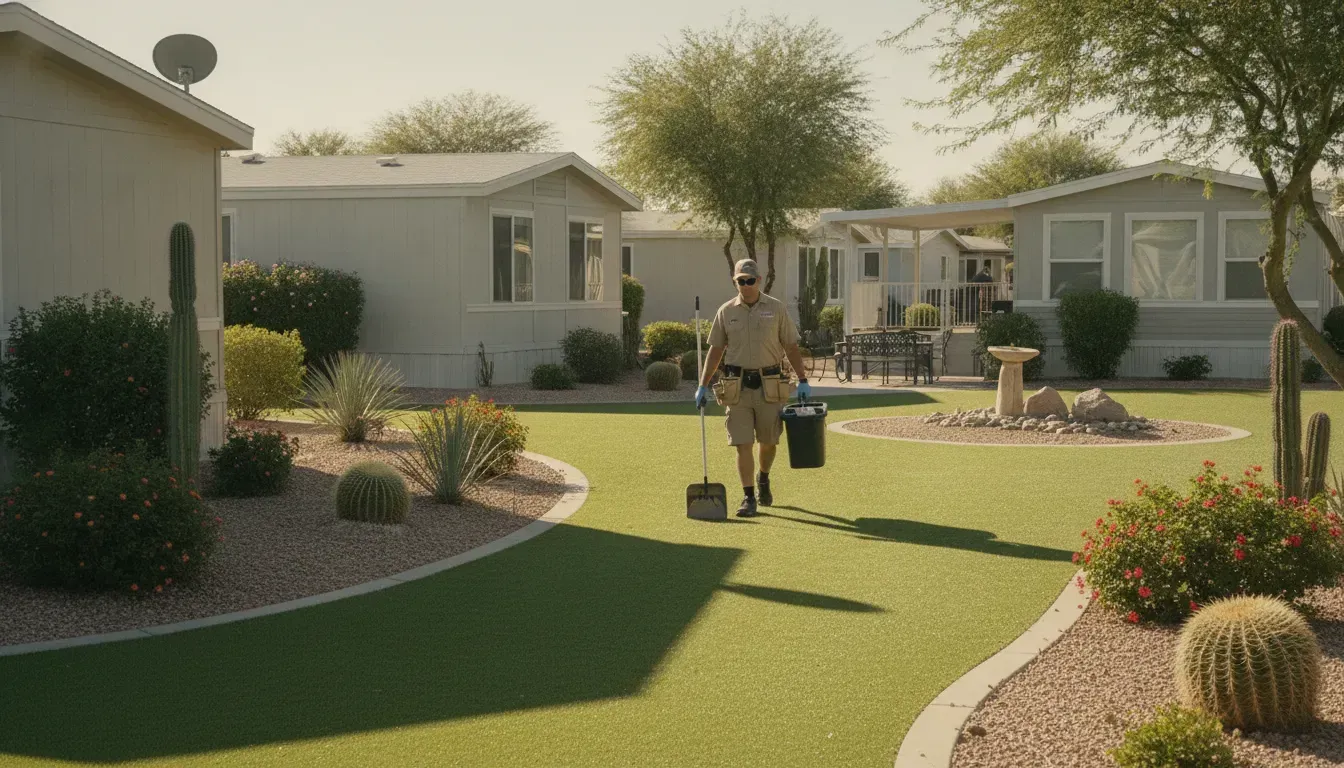
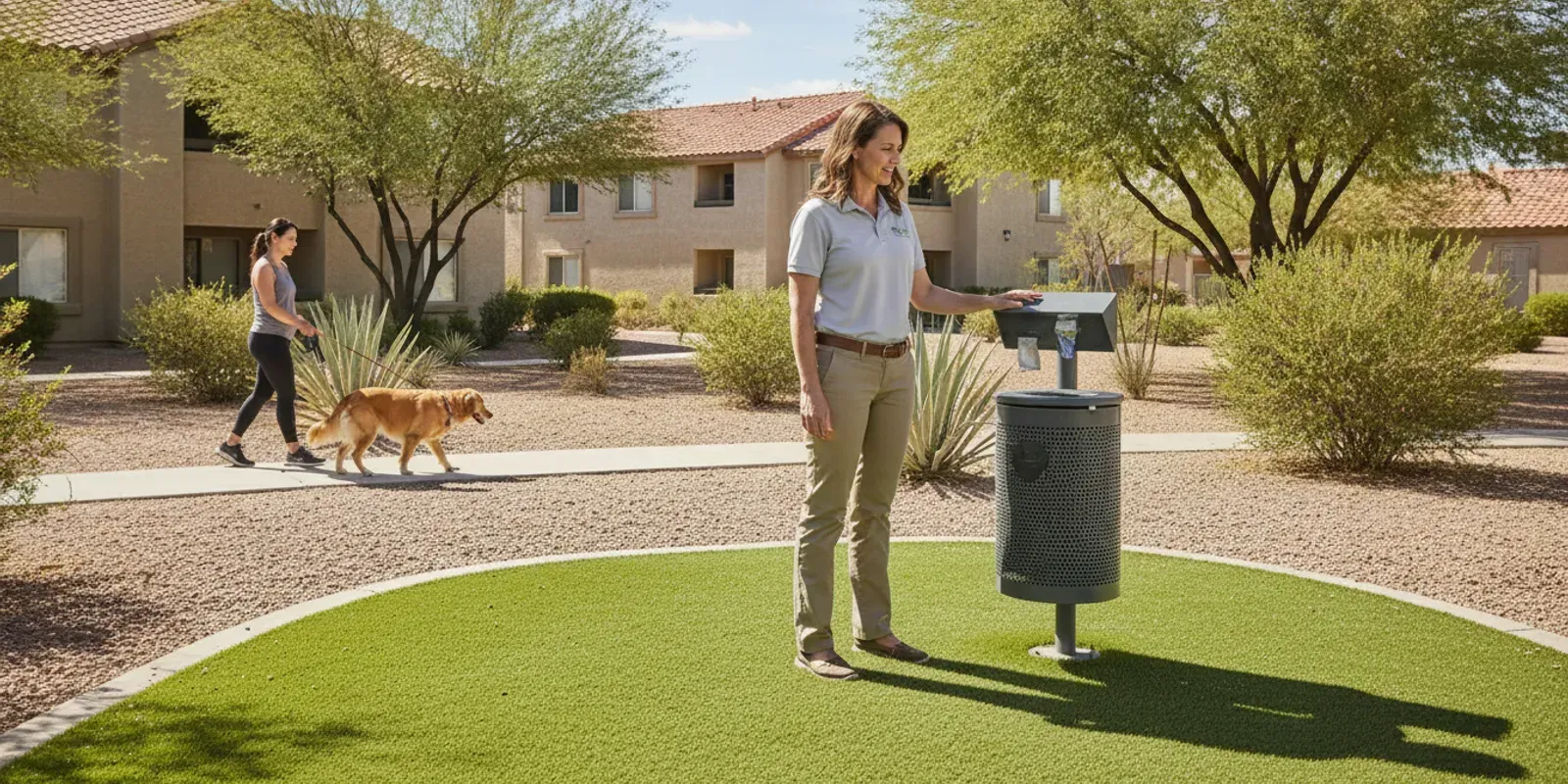
For shared spaces, make the routine easy to follow. A property manager can identify pet-use zones, set a regular inspection schedule, and tell residents how waste should be picked up. For multi-family or HOA properties, A1's page on commercial property pet waste cleanup explains its commercial service context. A consistent waste-removal plan can complement turf care, but it does not replace appropriate cleaning of the grass itself.
How Can You Set a Practical Inspection Schedule?
Use the amount of use and what you see to choose inspection intervals. A private yard used by one dog may be easy to check during the usual outdoor routine. A shared run with several dogs may benefit from a named person checking it at regular points during the day. This is a planning approach, not a universal cleaning frequency: keep following the turf maker's care instructions and adjust when the surface condition changes.
Make the inspection concrete. Look for solid waste first, then scan for leaves or hair caught between blades, flattened paths, visible residue, unusual odor, and places where water remains after rinsing. Write down recurring trouble spots for a week or two. If the same corner repeatedly smells or stays wet, that pattern is more useful to an installer or cleaning provider than a general report that the whole yard seems dirty.
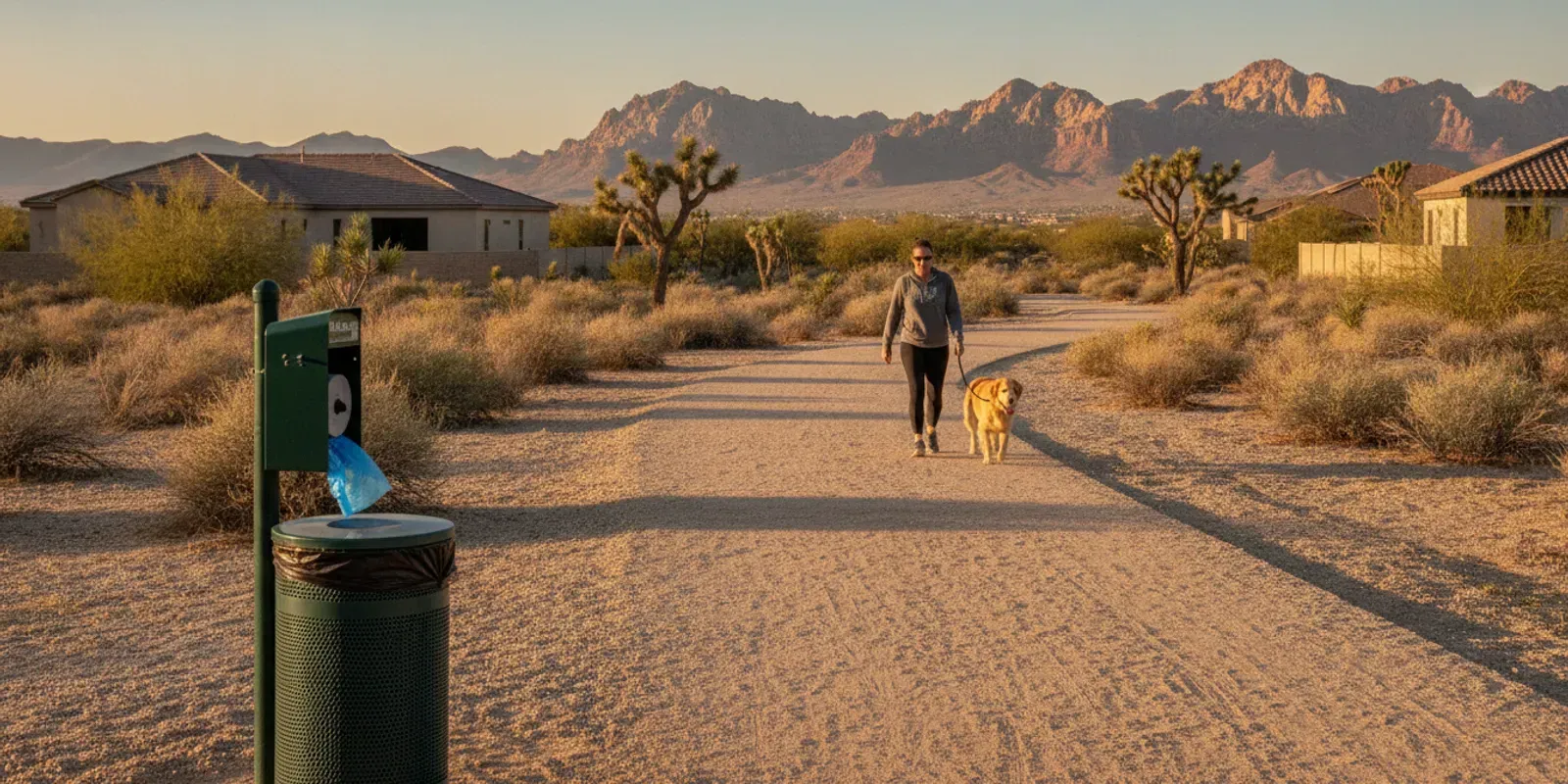
For community managers, a simple checklist can clarify responsibility. Record the area checked, the issue found, the basic action taken, and whether follow-up is needed. Tell residents where waste bags or disposal points are available if the property provides them, and make reporting instructions clear. Do not suggest that picking up waste alone substitutes for inspecting turf condition, drainage, or accumulated debris.
When Is It Time to Ask for Professional Artificial Grass Cleaning?
Consider asking a turf-care professional for help when recurring odor remains after prompt waste removal and suitable rinsing, when the surface has a broad buildup, or when you are unsure which treatment is compatible with the turf. If the turf is damaged or draining poorly, start with the installer or a repair professional. A cleaning service cannot be assumed to fix an installation problem.
Before booking, note where the issue occurs, how long it has been present, what you have already tried, and whether the problem affects one spot or the entire lawn. Share the manufacturer's care instructions if you have them. Ask what the visit includes, what preparation is needed, and what guidance applies before pets return to the area. Clear answers help you compare the proposed service with the problem you want addressed.
A1 offers artificial grass cleaning and maintenance in its service portfolio. To learn about booking, review how to book artificial grass cleaning or the turf cleaning service visit in Las Vegas. For a broader overview of pet turf care options, see the pet turf maintenance guide. Service details should be confirmed directly based on your location and turf condition.
How Can You Keep a Dog Turf Area Cleaner Over Time?
Build the work into normal yard care instead of waiting until the turf looks dirty. Pick up solids during outdoor checks, remove leaves before they collect, and rinse selectively when the surface needs it and the installation permits. Keep a simple record if an odor or drainage issue repeats; the pattern can help you tell whether the issue follows one location, heavy use, or a particular kind of weather.
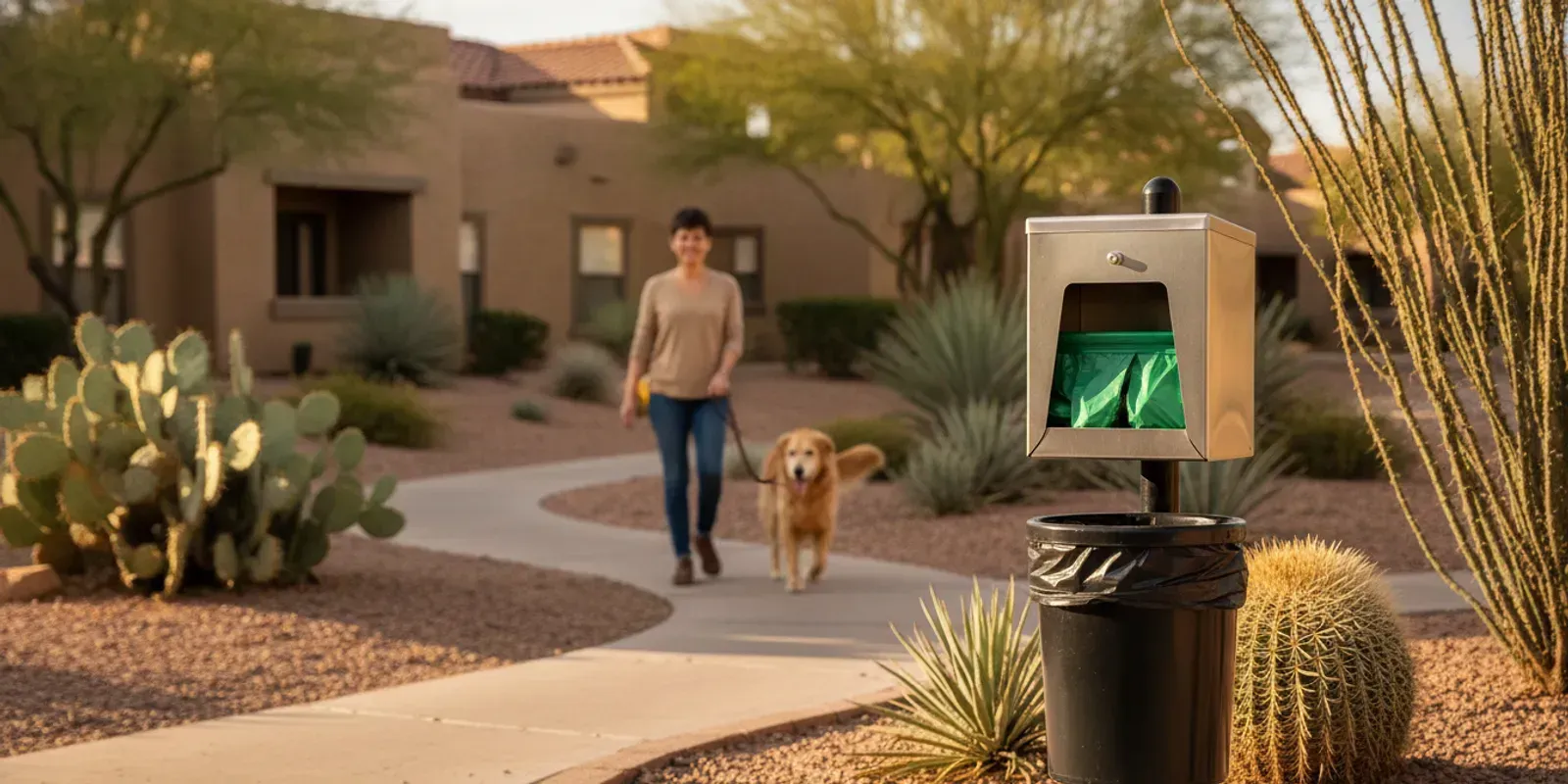
For homeowners, a small kit near the yard can make waste pickup easier. For shared communities, communicate who checks the space and how residents report a problem. A1 provides recurring pet waste removal on weekly or bi-weekly schedules, as well as one-time cleanup; those services address pet waste pickup and should not be confused with a turf cleaning visit. Review one-time pet waste cleanup or service sign-up information if accumulated waste pickup is also needed.
Make the routine easy to repeat by keeping the cleanup tools together and checking the same high-use areas each time. If more than one person shares responsibility, agree on what counts as completed: solid waste removed, loose debris cleared, a rinse used only where appropriate, and any recurring concern noted. Consistency makes it easier to tell whether a problem is improving or whether the surface needs a closer assessment.
Frequently Asked Questions
Can I use a garden hose to clean artificial grass after my dog goes?
A hose can rinse a spot when appropriate, but use only enough water for the job and consider drainage. First remove solid waste. Follow the turf maker's care instructions, especially if you do not know how the surface drains.
How often should I clean artificial grass when I have dogs?
There is no single schedule for every yard. Pick up waste promptly, inspect the surface regularly, and adjust rinsing and debris removal to the number of dogs, use, weather, and visible condition of the turf.
Can I use household cleaner or bleach on dog turf?
Do not assume a household cleaner is suitable for artificial grass or pets. Read both the turf care instructions and product label, and do not mix products. If compatibility is unclear, ask the installer or a turf-care professional before applying it.
Why does an odor come back after I rinse the grass?
Rinsing may not address buildup below the visible surface or a drainage issue. Check whether the odor is limited to one area, review the installation's cleaning guidance, and seek professional advice if it keeps returning.
When should I book a professional turf cleaning?
Ask about professional cleaning if routine waste pickup and suitable rinsing do not resolve a recurring odor or broad buildup. If the turf is damaged or water pools, contact the installer or a repair professional as well.
With prompt waste pickup, careful rinsing, and turf-appropriate tools, dog owners can keep artificial grass more manageable and recognize when a surface needs more than routine care.