Prepare Artificial Turf for Summer Las Vegas Dogs
This is a subtitle for your new post

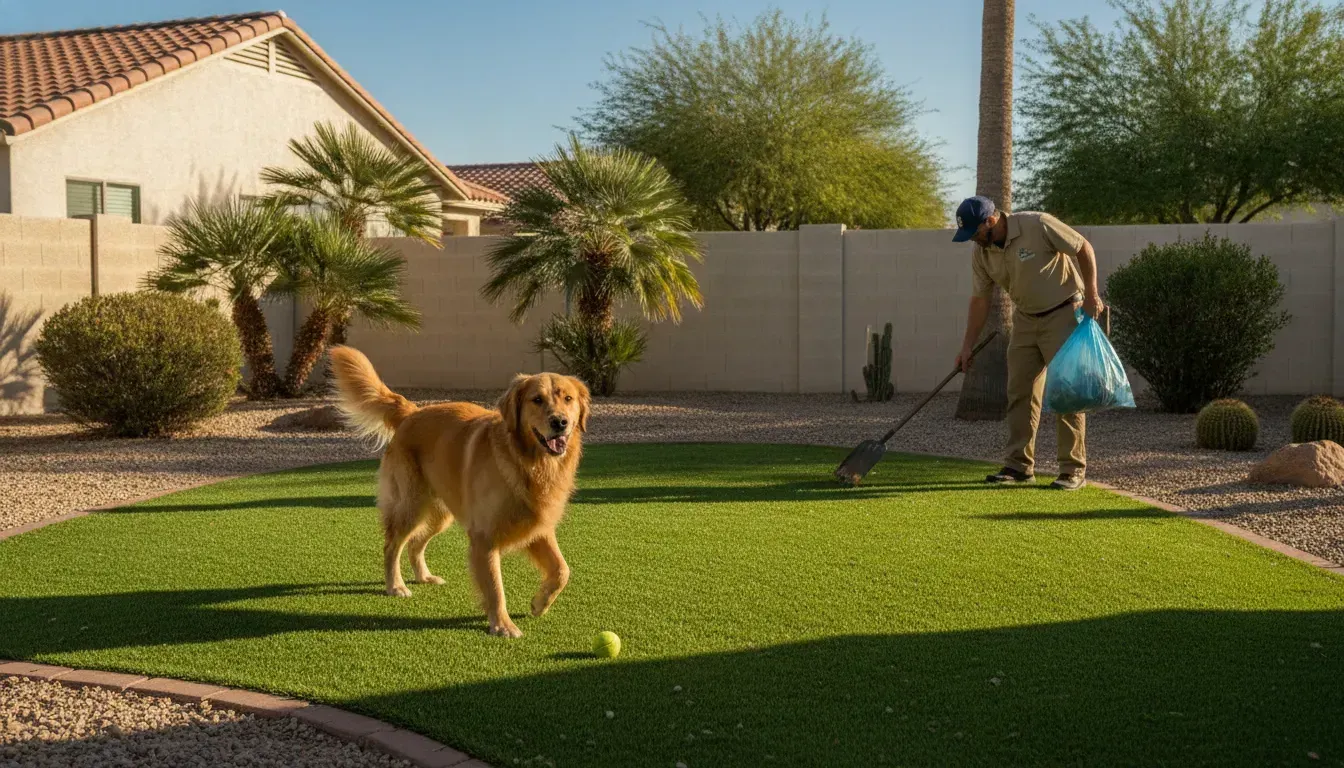
Las Vegas summer can turn a dog-friendly yard into a hot, odor-prone surface quickly. With temperatures regularly exceeding 110 degrees Fahrenheit, artificial turf needs more than occasional attention. Waste left in the fibers can bake in and make odors harder to control. While direct sun can push the surface beyond what is comfortable for your dog's paws.
To prepare artificial turf for summer las vegas dogs, remove waste promptly, rinse and deep-clean the turf before peak heat, and manage sun exposure. Check the surface temperature, and arrange professional sanitation when odor or residue persists.
Start with sanitation before trying to mask summer odors. A1 Pet Maintenance provides specialized artificial grass cleaning with enzyme-based deodorizing, serving Southern Nevada homes and more than 400 properties weekly. For a deeper maintenance guide, see our artificial turf cleaning for dogs. The first step is understanding why Las Vegas heat makes turf care more demanding.
Why Las Vegas Summer Is the Toughest Season for Artificial Turf
Southern Nevada summer puts artificial turf under more stress than a typical warm season. Las Vegas temperatures can regularly exceed 110 degrees Fahrenheit, and the turf surface can become much hotter than the surrounding air when it sits in direct sun. A yard that feels manageable in the morning may be uncomfortable for a dog by midafternoon. Research on heat-related illness in dogs has found that hot outdoor lawn surfaces can create a real risk to paws, including discomfort and injury. Check the surface before letting your dog out, especially during the hottest part of the day, and provide a cooler route or shaded area when possible. Artificial turf cleaning for dogs is also part of keeping the yard usable and sanitary through the season.
Heat also changes what happens to pet waste. Las Vegas receives limited rain, so natural weather patterns do not provide much rinsing between cleanups. When waste residue remains on synthetic grass, intense heat can bake it into the turf and increase the likelihood of lingering ammonia odors and bacterial growth. Prompt removal matters more in this environment than waiting for a weekly cleanup to handle everything at once. A consistent sanitation routine helps protect the surface and reduces the odor that becomes especially noticeable when the yard heats up.
Artificial turf temperatures can fluctuate rapidly according to sun exposure and time of day. One section may be shaded while another absorbs hours of direct sunlight, then both areas cool at different rates after sunset. That combination of extreme heat, uneven exposure, and limited natural rinsing is why summer preparation should begin before peak temperatures arrive. Cleaning away residue, monitoring hot spots. And planning practical cooling and sanitation measures make the yard safer and easier to maintain for dogs and the people who use it.
How Do Las Vegas Dog Owners Prepare Artificial Turf for Summer?
To prepare artificial turf for summer Las Vegas dogs, treat sanitation and heat management as one routine. Extreme heat and limited rain make proactive turf care especially important in Southern Nevada. Use this checklist before the hottest stretch arrives, then keep the same habits in place throughout the season.
- Remove dog waste every day. Pick up solids as soon as possible, rather than allowing them to sit through a hot afternoon. Waste left on artificial turf can bake into the material, making odor harder to control later. Prompt removal is the first step in preventing the strong ammonia odors and bacterial growth associated with waste remaining in hot weather. A1 Pet Maintenance provides professional sanitation and pet waste removal for owners who want this task handled consistently.
- Rinse the turf and brush the fibers. After waste is removed, rinse the affected areas to move away residue and help keep the surface sanitary. Brush the turf as needed to lift flattened fibers and distribute cleaning through the grass. Pay attention to the places your dog uses most. Good drainage beneath a properly installed turf system also supports odor management, so note areas where water does not clear normally.
- Schedule a deep clean before peak heat. Do not wait until a lingering smell becomes the signal to act. A professional cleaning before the hottest part of summer gives the turf a stronger starting point and addresses residue that routine rinsing may leave behind. This matters in a climate where summer temperatures can exceed 110 degrees Fahrenheit. A1 serves more than 400 properties weekly in Southern Nevada, giving local owners a practical option for recurring sanitation.
- Pre-treat odor with enzyme-based sanitation. If the turf already has a persistent pet odor, use an enzyme-based product or professional enzyme-based sanitation designed for pet waste residue. Follow the product directions and allow the treatment to work as directed. Masking odor with fragrance does not remove the underlying residue, and repeated heat can make the problem more noticeable.
- Manage heat before letting dogs outside. Add shade where practical, use a turf-safe cooling spray, and check the surface before allowing your dog onto it. Shade and water-based cooling methods can help manage heat-related risks, while direct sun can make artificial grass dangerously hot for dogs' paws. Shift outdoor time toward cooler parts of the day when the surface remains too hot.
- Keep a professional cleaning cadence. Summer preparation is not a one-time project. Continue daily waste removal, routine rinsing, and scheduled professional sanitation through the season. Consistent service helps control residue and odors as heat builds, instead of forcing a larger cleanup after the turf has become difficult to manage. The Las Vegas climate rewards a steady cadence more than a once-a-year reset.
For a deeper maintenance routine, review this guide to artificial turf cleaning for dogs.
How to Minimize Heat Retention in Your Artificial Turf This Summer
Las Vegas heat can make an artificial turf yard uncomfortable for dogs, especially where the surface receives direct afternoon sun. Artificial grass can reach dangerous surface temperatures in hot climates, and hot turf may cause paw discomfort or injury. Surface temperatures can also change quickly with sun exposure and time of day, so treat cooling as a daily safety routine, not a one-time fix. Research on canine heat-related illness supports using practical cooling methods, including shade and water, to reduce heat-related risk. Review the veterinary research on hot outdoor surfaces for additional context.
Start by adding a shade sail, canopy, or other secure cover over the part of the yard your dog uses most. Shade reduces direct solar exposure and can lower the turf's surface temperature. During especially hot periods, apply a pet-safe cooling spray according to its label. You can also hose or lightly water the turf before outdoor time. Watering is most useful as a short-term cooling step, since the surface will warm again as the day progresses.
Always test the turf with the back of your hand before letting your dog outside. If it feels too hot for your hand, it is too hot for paws. Move exercise to a shaded area, wait for a cooler time, or provide an indoor alternative. These steps complement regular sanitation. Waste and residue left in extreme heat can contribute to stronger odors, so consistent removal and cleaning remain part of summer preparation.
ApproachWhat it includesCost and effortBest useDIY heat managementShade sails or canopies, cooling sprays, brief hosing, and a hand-temperature check before pets go out.Low direct cost, but requires daily attention and repeated cooling during peak heat.Routine daytime protection when the turf is otherwise clean and draining properly.Professional maintenanceThorough sanitation and waste-residue removal alongside your regular cooling routine.Higher service cost, less hands-on effort, and more thorough results that last longer than a quick rinse.Yards with lingering odor, frequent pet use, or residue that has built up before summer.
For the cleaning side of summer preparation, see A1's artificial grass cleaning and maintenance guidance. Keeping the surface sanitary makes your cooling routine more effective and your yard more comfortable for everyone.
When to Schedule Professional Turf Cleaning Before Summer
Book a professional turf cleaning in late spring or early summer, before Las Vegas reaches its hottest stretch. That timing gives your yard a clean starting point instead of waiting until several weeks of heat have intensified existing odor and residue. In Southern Nevada, the climate demands proactive turf sanitation because extreme heat and limited rain leave less room for waste and organic residue to break down naturally.
Once summer is underway, set a regular cleaning cadence based on how many dogs use the yard. How often they go outside, and whether the turf has drainage or odor issues. A heavily used backyard may need more frequent professional attention than a small yard used occasionally. Consistent service helps keep the area sanitary and reduces the chance that waste residue will bake into the turf.
Signs your turf needs a deep clean
- A urine smell remains after rinsing or becomes stronger in the afternoon heat.
- Waste has been missed and appears dried or baked into the turf fibers.
- You can see residue, discoloration, or buildup around the pets' usual bathroom areas.
- Heavy backyard use has outpaced your normal scooping and rinsing routine.
Hot weather can contribute to bacterial growth and strong ammonia odors when dog waste remains on artificial turf. Professional sanitation is more thorough than a quick hose-down. DIY rinsing may move surface residue without addressing the organic material causing the odor. Enzyme-based deodorizing is designed to break down that source, while specialized cleaning handles waste residue across the turf system. Review A1's artificial grass cleaning and maintenance guidance for routine care, then schedule a deep clean when these warning signs appear.
How A1 Pet Maintenance Helps Las Vegas Turf Owners Prepare for Summer
Summer turf preparation is easier when daily waste removal and deeper sanitation are handled as one maintenance plan. A1 Pet Maintenance has served Southern Nevada since 1998, giving Las Vegas-area homeowners more than 26 years of local experience with pet waste and property sanitation. The team services more than 400 properties weekly, so keeping pet areas clean is not an occasional side job. It is the work A1 does every day.
That matters when heat turns a small maintenance gap into a noticeable backyard problem. Dog waste left on synthetic turf can bake into the surface, while residue in the fibers can contribute to lingering odor and bacterial buildup. Scooping removes the visible waste, but it does not always address what remains around the turf blades or in high-use potty areas. A1's specialized artificial grass cleaning includes an enzyme-based deodorizing treatment designed to address waste residue and odor at the sanitation stage.
Regular service also removes the chore from your summer schedule. Waste is bagged and hauled away from the property, leaving homeowners with a cleaner yard without having to store full bags or handle the cleanup themselves. For a more intensive reset before the hottest part of the season, artificial turf deep cleaning can complement routine visits. Homeowners can also review artificial grass cleaning for dogs for additional pet-turf maintenance guidance.
A1 provides an established local option for homeowners who want sanitation handled consistently, not just after odor appears. The company also backs its service with a "We Will Beat All Prices" guarantee, helping Las Vegas turf owners plan for summer with a straightforward, practical partner.
Frequently Asked Questions
Does artificial grass get too hot for dogs in Las Vegas?
It can become dangerously hot in direct sun, even when the air temperature feels manageable. Check the surface before letting your dog out, provide a shaded route, and avoid peak afternoon exposure. Research on heat-related illness in dogs documents the risk of overheated lawn surfaces (PubMed).
How do you keep artificial turf cool for dogs during Las Vegas summers?
Use shade where practical, apply a pet-safe cooling spray, and lightly rinse the turf when needed. Always test the surface with your hand before giving your dog access. Cooling methods such as shade and water sprays can help manage heat-related risk (veterinary research).
Does artificial pet turf smell in the Las Vegas heat?
It should not have a persistent odor when waste is removed promptly, drainage is working, and the surface is cleaned consistently. In extreme heat, residue left behind can intensify ammonia odors, so do not wait for a smell before addressing buildup.
What is the best type of artificial grass for pets in Las Vegas?
Prioritize a turf system with strong drainage and a properly prepared sub-base. Good drainage helps move urine through the surface, while suitable infill and pet-focused construction can make routine cleanup easier. Ask the installer how the system handles heavy pet use before choosing a product.
How often should I clean artificial turf for dogs?
Remove solid waste promptly, rinse high-use areas regularly, and schedule a deeper sanitation service when odor, residue, or drainage problems persist. Las Vegas heat makes proactive maintenance especially important because waste can bake into the turf and become harder to remove.
Ready to Keep Your Turf Fresh Through Summer?
Professional pet waste removal and turf sanitation can help Las Vegas dog owners manage buildup, lingering odors, and the demands of extreme summer heat. A1 Pet Maintenance can handle the routine cleanup so your yard stays more comfortable and usable. To schedule service in Las Vegas, call A1 Pet Maintenance at (702) 521-2624.