Artificial turf cleaning Tucson: Service Options and Planning Guide
Plan artificial turf cleaning in Tucson with practical waste, odor and maintenance steps, plus guidance on one-time cleanup and recurring service.
Artificial turf cleaning Tucson pet owners can plan well starts with two separate jobs: remove solid waste promptly and address urine residue or accumulated odor with a suitable turf-cleaning process. For routine care, clear debris, follow the turf maker's instructions, and choose a deeper cleaning or pet waste service when the yard's condition calls for it.
Ask A1 about your turf cleaning needs
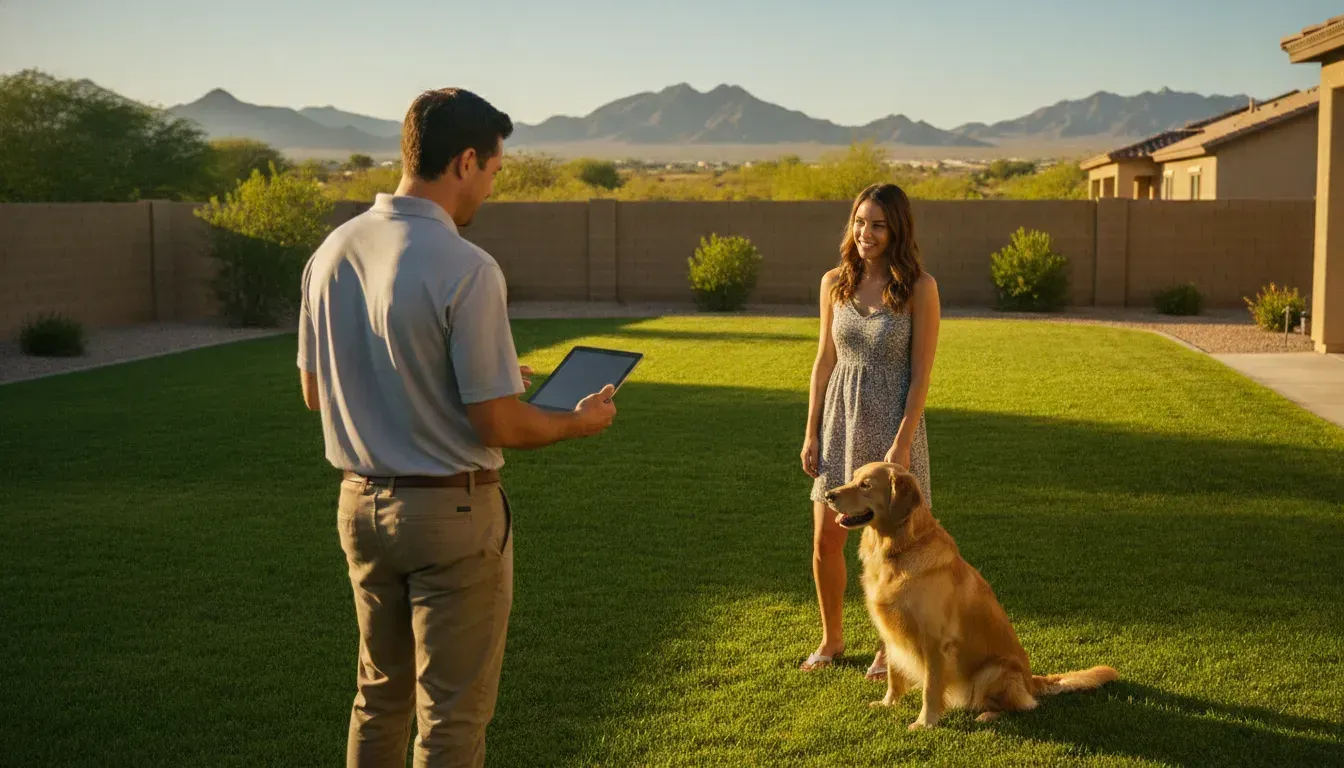
Artificial grass can make an outdoor pet area easier to use, but it is not a no-maintenance surface. Waste, dust, leaves and outdoor use all affect how the area looks and smells. Tucson pet owners and property teams should plan around the specific turf system, the number of pets using it, and how often the space is used. A1 Pet Maintenance serves Tucson and offers artificial grass cleaning as well as pet waste removal; the right option depends on the job, not just the surface.
What Does Artificial Turf Cleaning Include?
Artificial turf cleaning is the care of the turf surface and the area below or around it to remove waste residue, debris and odor sources. The exact process depends on the turf construction, backing, infill, drainage and manufacturer instructions. A routine rinse or spot clean may help with fresh messes, while a more thorough cleaning may be appropriate when residue or odor has built up.
Pet waste removal is related, but it is not the same service as cleaning the turf. Scooping removes solid waste from the yard. Artificial grass cleaning may include enzyme treatments and deep cleaning, according to the service required. Ask what is included in a proposed visit so you know whether you are arranging regular scooping, a turf cleaning, or both. A1's artificial grass cleaning and maintenance information is a useful place to review the service category.
It also helps to distinguish a single cleanup from ongoing maintenance. A one-time visit can address accumulated waste or a specific cleanup need. Recurring pet waste removal is designed for repeat yard upkeep. A1 describes recurring residential waste-removal schedules as weekly or bi-weekly; that schedule should not be mistaken for a fixed recommended interval for deep-cleaning every turf system.
What Should You Check Before Cleaning Turf?
Before applying water or any cleaning product, identify the turf type and check its care instructions. If you do not have the installation paperwork, ask the installer or manufacturer which products and methods are suitable. This matters because turf systems differ, and a method that is acceptable for one surface or infill may not suit another.
- Check the care instructions. Look for guidance on rinsing, approved cleaners, infill and drainage. Follow the product label and manufacturer guidance.
- Inspect the drainage path. Notice whether water drains normally or pools. If drainage seems blocked or the surface has changed, ask the installer or a qualified turf professional before using more water.
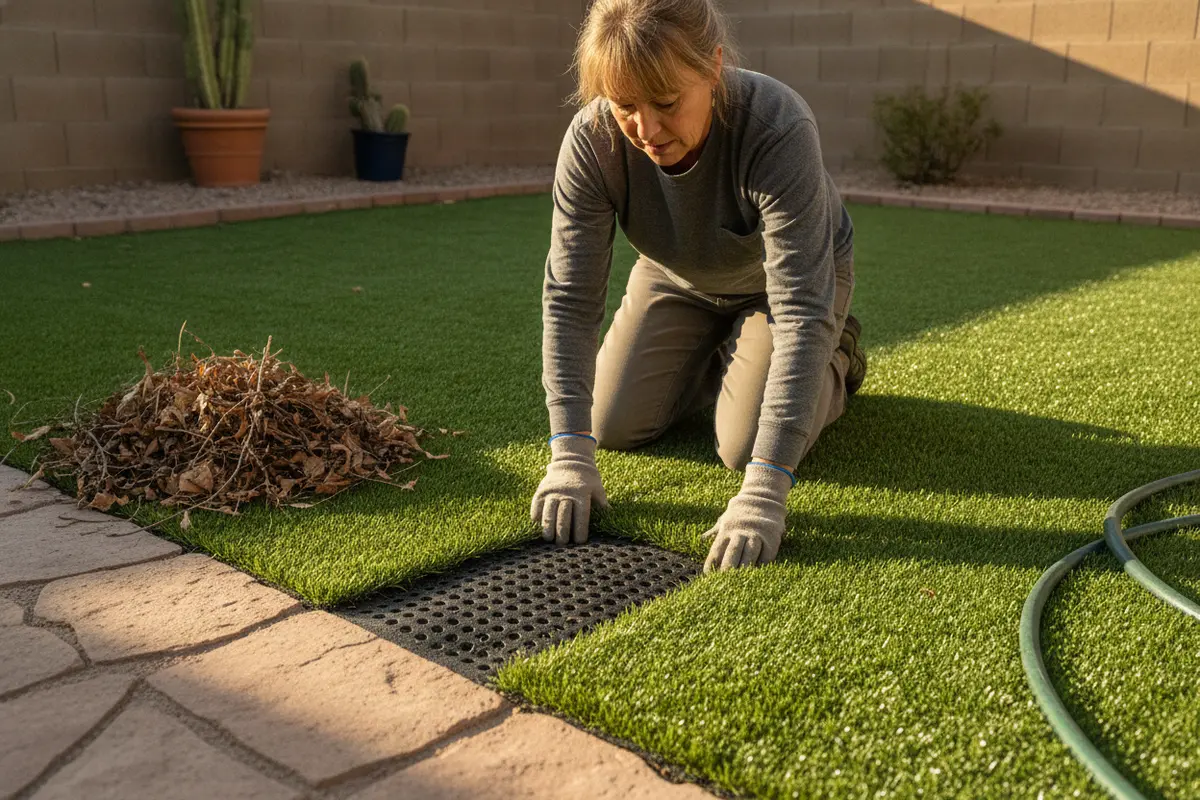
- Clear loose material first. Remove leaves, sticks and solid waste by hand with suitable tools. This keeps debris from being pushed into the turf during rinsing.
- Consider who uses the space. Keep pets and people away from a treated area for the period stated on the cleaner label or by the service provider.
- Note the problem area. Mark recurring spots, visible residue or a particular odor so you can explain the issue clearly when requesting help.
Avoid improvising with harsh household chemicals or a cleaning method the turf maker does not approve. Do not assume that more water, stronger product or greater pressure will solve the problem. If the material, drainage or source of an odor is unclear, pause and ask for guidance rather than risking damage.
 How Can You Handle Everyday Pet Mess?
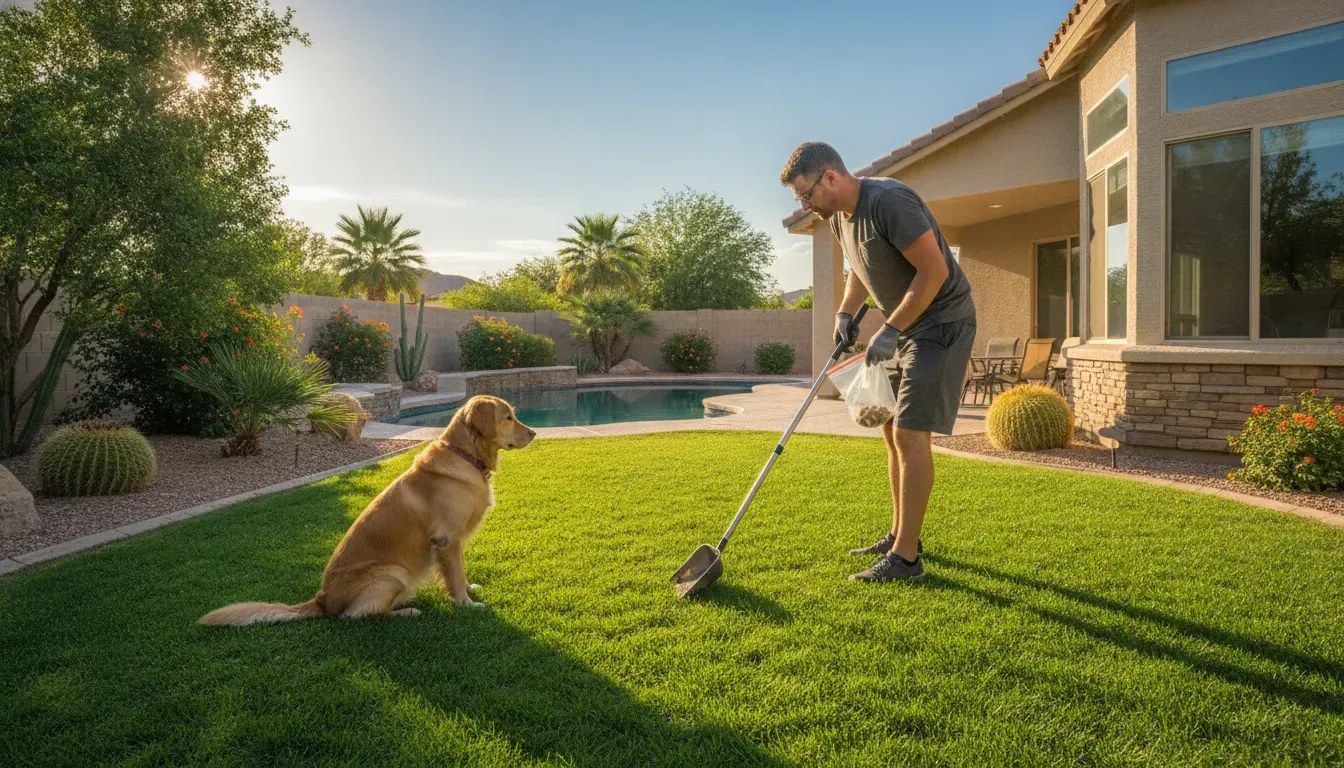
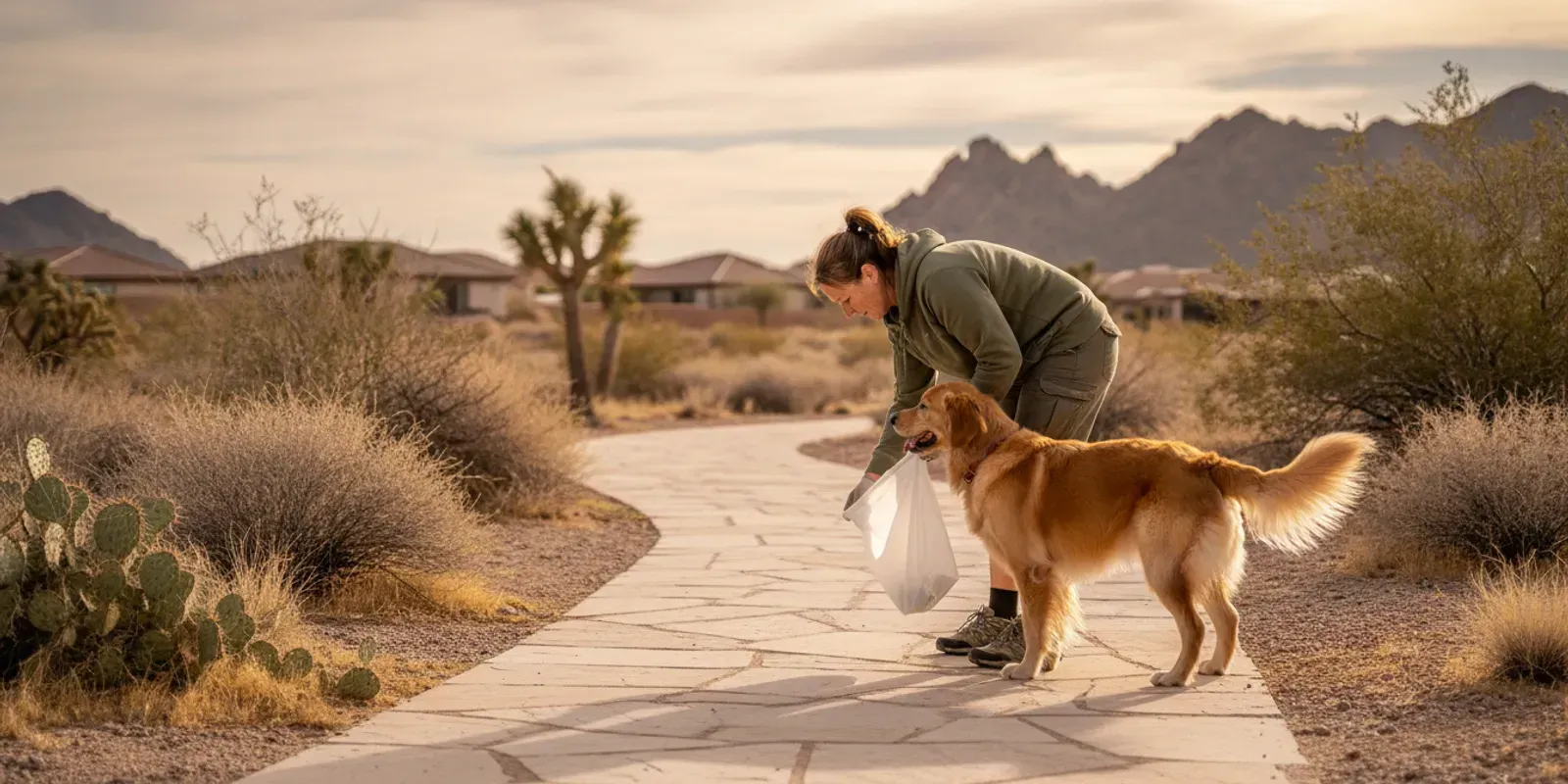
For an ordinary day-to-day mess, act in stages. Pick up solid waste as soon as practical, taking care not to press it into the turf. Remove any remaining material with a tool suited to the surface. If the turf manufacturer permits rinsing, use the recommended approach and allow the area to drain and dry as directed.
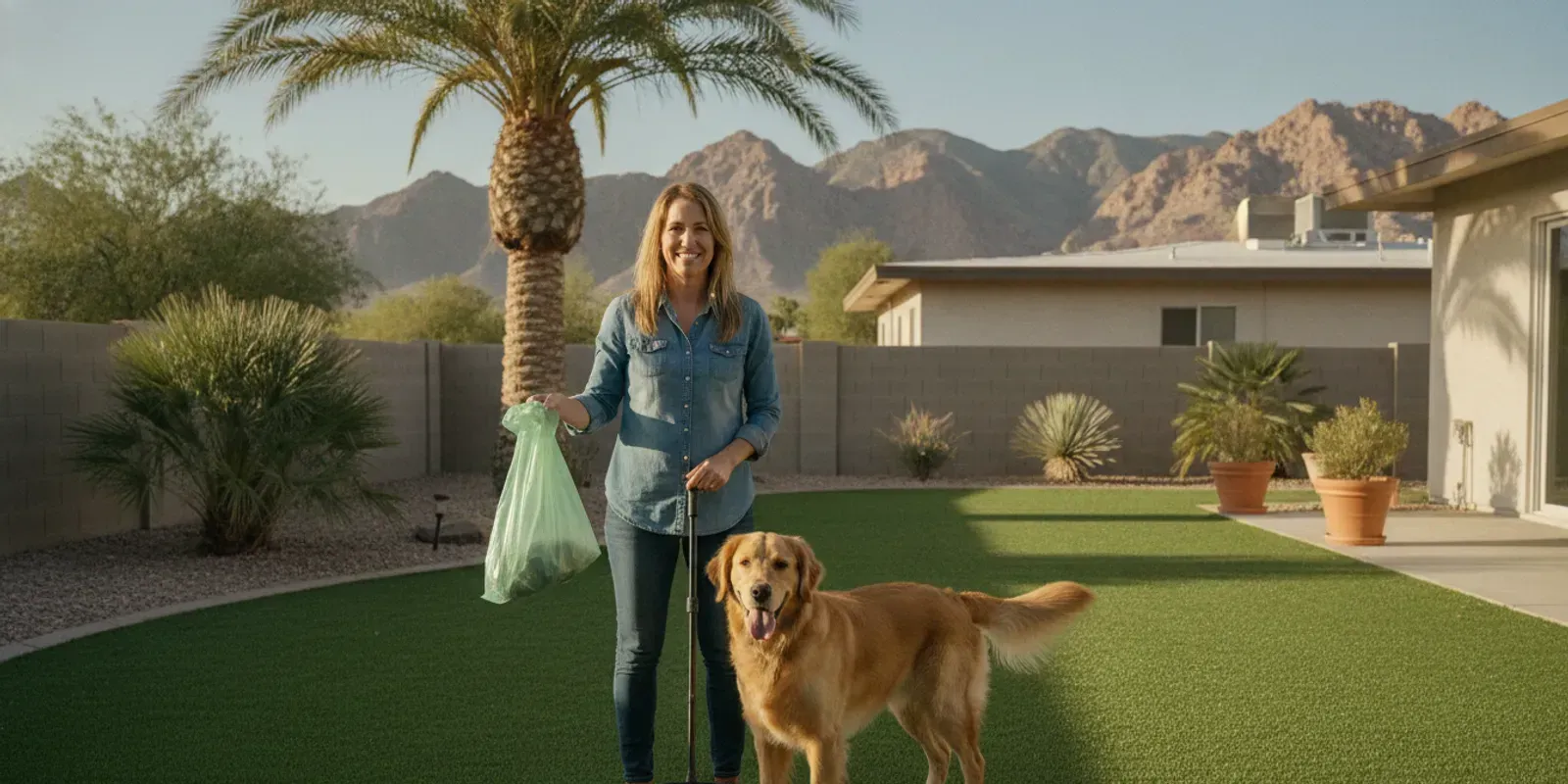
- Pick up solids. Use a bag or scooper and check the surrounding area for smaller pieces. Dispose of the waste in accordance with local rules and the collection method available to you.
- Look for residue. Check the spot and nearby turf. Gently lift or remove visible material without scraping aggressively or disturbing the infill.
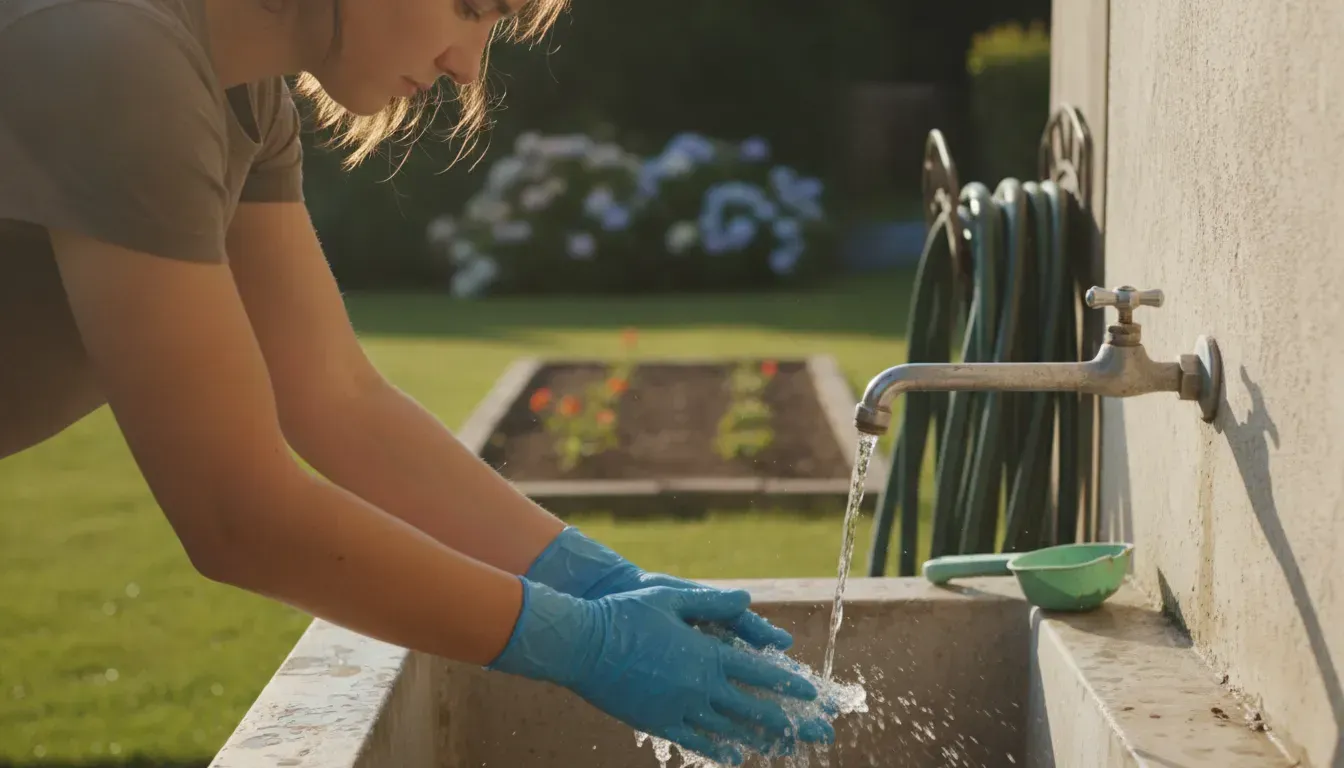
- Rinse only as directed. If the manufacturer's care instructions allow it, use a suitable amount of water and avoid directing runoff where it could create a nuisance.
- Let the area drain. Keep pets off the area as needed while it dries. If the spot continues to smell or the water does not drain normally, do not keep repeating the same rinse without finding the cause.
Make the routine easy to maintain: keep waste bags and a suitable scooper near the exit to the yard, check high-use areas regularly, and clean up after each use when possible. For shared spaces, assign responsibility for checking the area and set a simple way for residents or staff to report a recurring issue.
For more general care ideas, see A1's guide to pet turf sanitation steps. It is still important to follow the directions for the particular surface and products you have.
What If Odor Returns After a Rinse?
A rinse may remove fresh surface residue, but a recurring smell can have more than one cause. Residue may remain in a high-use spot, the turf may not be draining as expected, or the odor may be coming from another nearby material. A strong scent added on top of an odor does not remove its source.
First, note where and when the odor appears. Does it return in the same area after the surface dries? Is it limited to a small pet relief zone, or spread across the yard? Does water drain normally? These observations can help distinguish a local spot-cleaning need from a broader turf or drainage concern.
Next, consult the turf maker's care instructions before using a cleaner. A1 offers artificial grass cleaning that can include enzyme treatments and deep cleaning, but the proper option depends on the surface and the condition of the area. When you contact a provider, describe the turf type if known, the size and use of the area, the pets using it, and what you have already tried. A1 also has information on its pet-friendly turf cleaning service and a guide to planning a turf cleaning booking.
A UCLA Institute of the Environment paper discusses water use in the context of artificial turf; it does not set a pet-cleaning schedule or recommend a cleaning method. Its subject is broader than sanitation, so use your turf manufacturer's instructions for care decisions. Read the UCLA paper on artificial turf and water use.
Which Turf Care Option Fits Your Situation?
The best choice depends on what needs attention. Use the comparison below to separate regular surface care, turf cleaning and waste removal. Cost and timing vary with the property and requested work, so request details for your own situation instead of assuming a standard price or cleaning interval.
Routine homeowner care
Best suited to: Fresh waste and loose debris between deeper services
What to plan: Pick up solids, clear debris and follow approved care instructions
Questions to ask: Which rinse or products does the turf maker allow?
Artificial grass cleaning
Best suited to: Residue or odor concerns that call for a more thorough surface service
What to plan: Describe turf type, problem spots, access and prior care
Questions to ask: What treatment is included, and what preparation or drying time is needed?
One-time waste cleanup
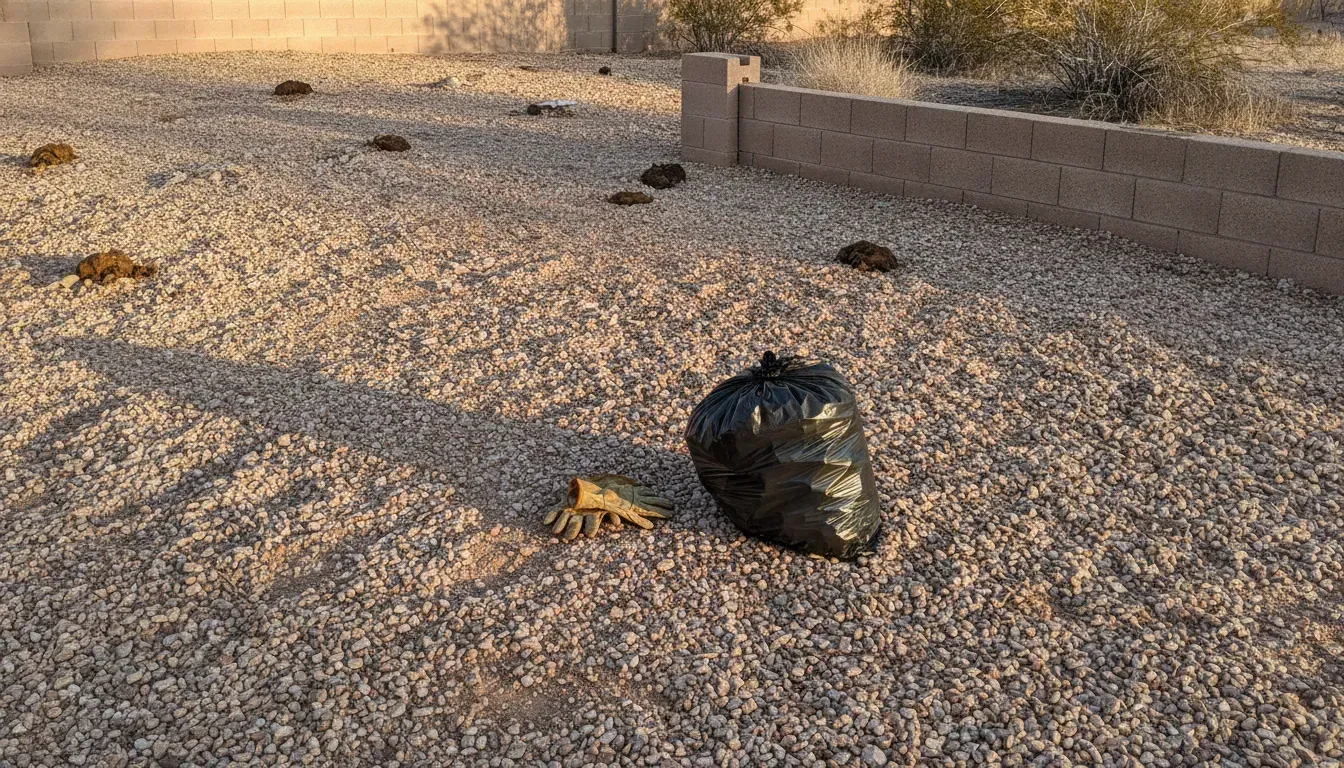
Best suited to: Accumulated solid waste after a gap in routine upkeep
What to plan: Explain yard size, access and how long the waste has accumulated
Questions to ask: Does the requested visit cover waste removal, turf cleaning, or both?
Recurring pet waste removal
Best suited to: Ongoing scooping needs at a home or property
What to plan: Discuss pet count, service area and weekly or bi-weekly scheduling
Questions to ask: Which areas are included, and how is access arranged?
For accumulated waste rather than a turf treatment, review A1's one-time cleanup information. For repeat scooping, the service and billing FAQs can help explain recurring arrangements. A property team comparing a single cleanup with a planned route can also review A1's commercial property service information and ask what fits the site.
How Should Tucson Homeowners and Property Teams Plan?
Start with a brief site check rather than choosing a service based on a generic schedule. For a home, note the area pets use most, the number of animals, the surface condition, and whether the need is regular scooping or cleaning the turf itself. For a shared property, map the turf areas, identify who has access, and decide how staff or residents will report waste or odor concerns.
Then confirm the service scope before scheduling. Ask whether the visit includes solid waste pickup, a turf cleaning treatment, or both. Share any manufacturer restrictions and mention drainage concerns, delicate landscaping, gates, pets on site, and the best access instructions. This helps the provider understand the work and lets you compare proposals on the same basis.
Property teams can also establish a simple maintenance log. Record the area checked, visible condition, any reported odor and the action taken. A short record helps identify repeat trouble spots and gives the next staff member useful context. For rental or multi-family settings, explain resident responsibilities clearly and avoid describing a turf treatment as a substitute for prompt waste pickup.
Set expectations for the shared area in plain language. Tell residents where pets should go, how to dispose of waste, and how to report a problem that needs attention. If the turf sits beside a walkway, play space or building entrance, include those boundaries in the instructions. Clear expectations help prevent confusion about which surfaces are part of a service request and which daily tasks remain the resident's responsibility.
For a professional visit, make access straightforward. Identify the gate or entry point, note whether it will be locked, and share any rules for entering the property. If pets may be outdoors during the visit, explain how they will be kept separate from the work area. For a multi-building site, provide a simple map or list of the turf areas to be checked rather than relying on a general description like "the dog area."
Separate observations from assumptions when describing a problem. For example, report that an odor returns near one corner after the area dries, rather than assuming the cause is the turf backing or infill. Mention whether the spot is used by one pet or many, whether debris collects there, and whether you have noticed pooling water. These details are useful starting points, but an inspection may still be needed to identify the source.
After a visit, review what was completed and what remains for routine upkeep. Ask how long the area should remain unused, whether any drying period applies, and what care instructions to follow afterward. Keep the answer with the property log. This gives residents and staff consistent guidance and helps you decide whether the next step is regular scooping, a separate turf service, or a repair question for the installer.
 If you are estimating work, provide clear details rather than relying on a universal price. A1's
pet turf maintenance cost guide can help frame the questions to ask; the actual scope should be confirmed for the specific property. You can also use the
turf cleaning planning page to review service considerations.
Frequently Asked Questions
How often should artificial turf be cleaned in Tucson?
There is no single interval that fits every turf system or yard. Follow the manufacturer's instructions and consider how many pets use the space, how frequently it is used, and whether odor or residue returns. A1's weekly or bi-weekly recurring schedules refer to pet waste removal, not an automatic deep-cleaning timetable for artificial turf.
Can I use a household cleaner on pet turf?
Do not assume a household cleaner is safe for your turf, infill or pets. Check the turf maker's instructions and the cleaner label first. If you cannot confirm compatibility, avoid applying it and ask the installer or a turf-cleaning provider for guidance.
Does routine poop scooping clean artificial grass?
Scooping removes solid waste, which is an important part of keeping a pet area tidy. It does not necessarily remove residue or address a persistent odor in the turf. Ask for the exact scope of any service so you know whether it includes only waste removal or a separate artificial grass cleaning.
Should I book a one-time cleanup or recurring service?
A one-time cleanup may suit accumulated waste or a specific short-term need. Recurring pet waste removal may be a better fit when you want regular scooping. If the concern is odor or residue in artificial grass, ask about turf cleaning separately. A property may need more than one of these options.
What should I tell a provider before requesting a quote?
Share the property location, turf type if known, approximate area, number of pets, access details, the problem spots and what you have already tried. Clarify whether you need solid waste removed, turf cleaned, or both. For a shared site, identify the areas to include and any access or scheduling constraints.
Call A1 to discuss your turf care needs
With the turf instructions in hand and the service scope clearly defined, you can choose a practical plan for a cleaner, more manageable pet area in Tucson.