How to Clean Up Wet Dog Poop in a Yard
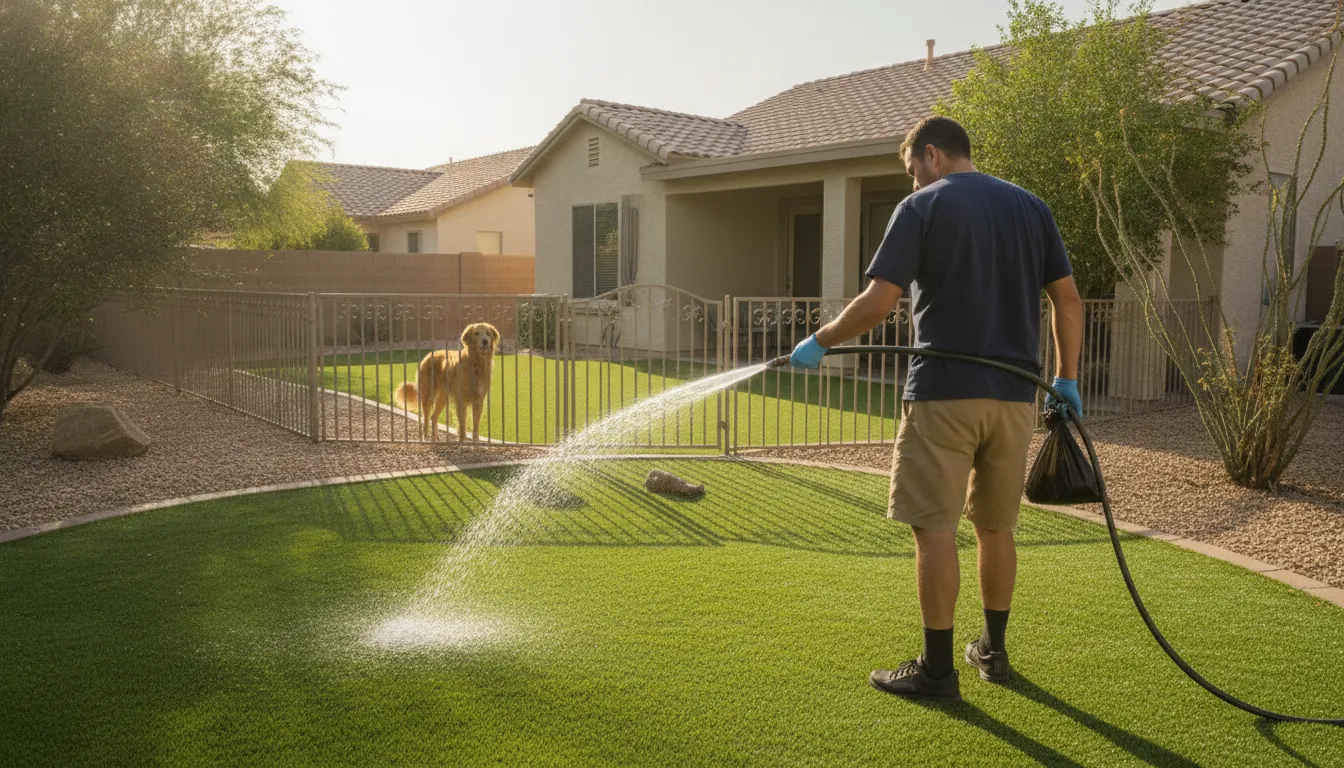
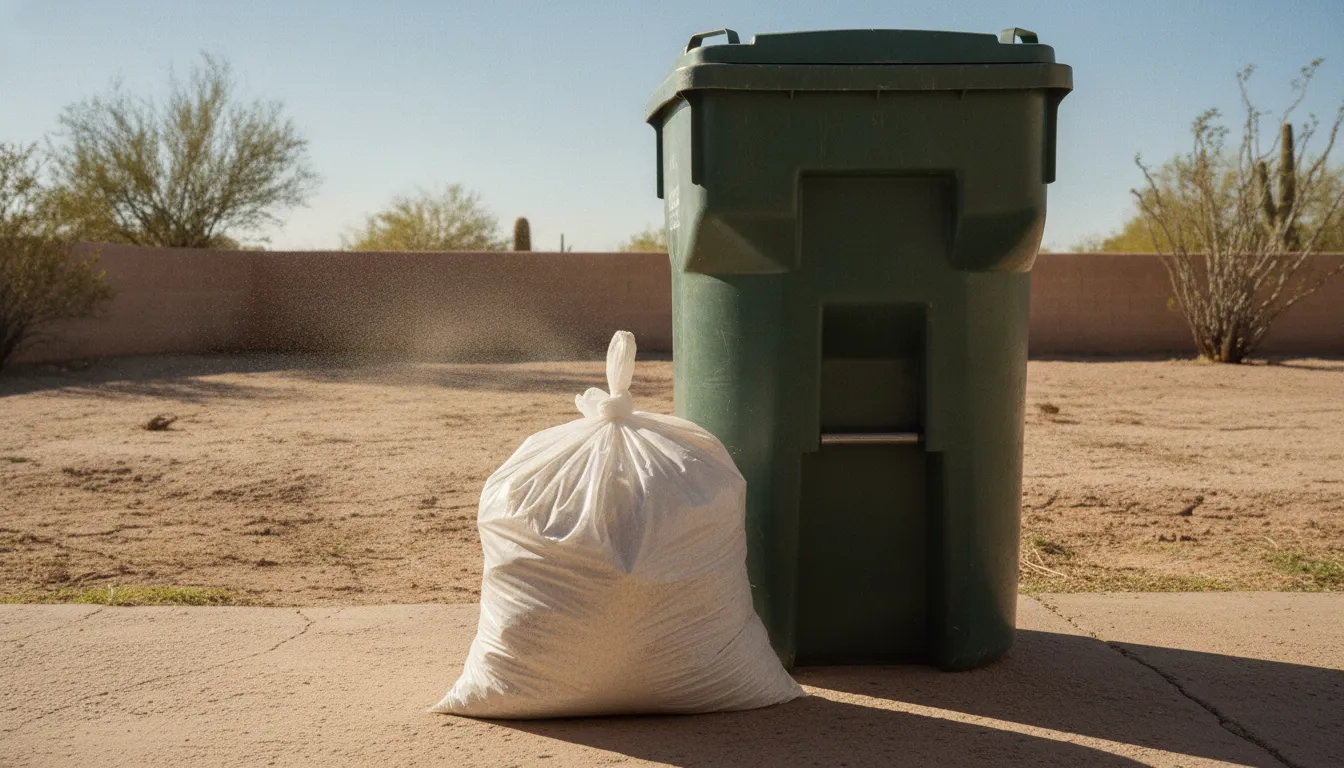
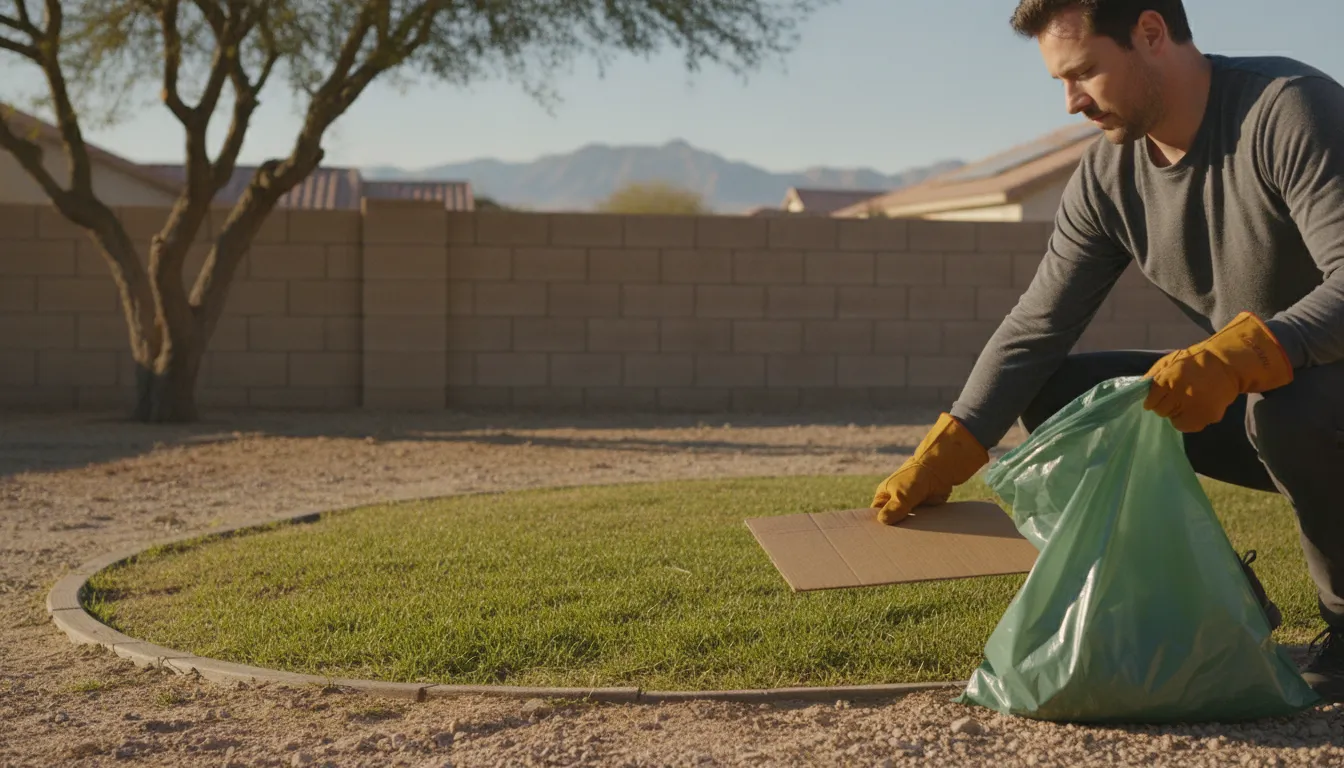
If you need to know how to clean up wet dog poop, start by containing it instead of pressing it. A wet pile does not lift the way a firm one does. Press it and it smears through grass, sticks to a patio, or rides into the house on a shoe. Cover the wettest part, slide a flat scoop under it, and bag the towel with the waste. If you want the ordinary firm-waste routine instead, start with the yard cleanup guide. This page stays on the wet mess.
When the yard is already past a quick pass, call A1 Pet Maintenance at (702) 521-2624 or read the professional cleanup guide.
Why wet waste spreads faster than a firm pile
A firm pile has an edge you can get a scoop under. Wet waste flattens and soaks into the top of the soil. It also breaks apart when a bag or a narrow grabber pinches it. One smear then becomes several smaller ones. Those pieces are easier to miss on the next pass and easier to track through the yard.
Water makes that worse. Rain, irrigation, or a hose can carry residue across a path and toward a street. The U.S. Environmental Protection Agency notes that pet waste adds nitrogen, phosphorus, parasites, and bacteria to water when it is not disposed of properly. The same page says roadside storm drains often lead straight into local streams, rivers, and lakes. That guidance is on the EPA page about sources of nutrient pollution around the home. Pick the waste up. Do not rinse it toward a drain.
Summer heat in Las Vegas, Henderson, and Tucson changes the timing rather than the rule. A wet pile can dry into a crust by afternoon, and that crust still smears if you scrape it. Morning, before foot traffic crosses the grass, is the easier window. Waiting for the pile to dry is not a cleanup method.
What to set out before you touch the mess
Walking back to the garage with a dirty glove is how the mess moves. Set the kit down before you start.
- Disposable gloves, so a torn bag is not the only barrier.
- A wide, flat scoop or dustpan. Narrow grabber jaws pinch wet waste and fling it.
- Plain paper towels or newspaper to press over a smear. Skip scented wipes for the first lift.
- Two waste bags. One holds the waste. One can cover the scoop if you have more than one spot.
- A small trash bag or lidded pail by the gate, so you are not carrying an open bag through the house.
- A spray bottle of plain water only if a hard surface still shows a mark after the solids are gone.
Leave household disinfectants in the cupboard until the solids are bagged. Mixing cleaners, or pouring one onto grass, is a separate problem from the pile in front of you. The hands-free pickup guide covers bags, scoops, and grabbers for ordinary waste. For a wet pile, the flat scoop matters more than the brand of bag.
How to clean up wet dog poop without smearing it
Work one spot at a time. Do not drag a tool from the pile toward a clean part of the yard.
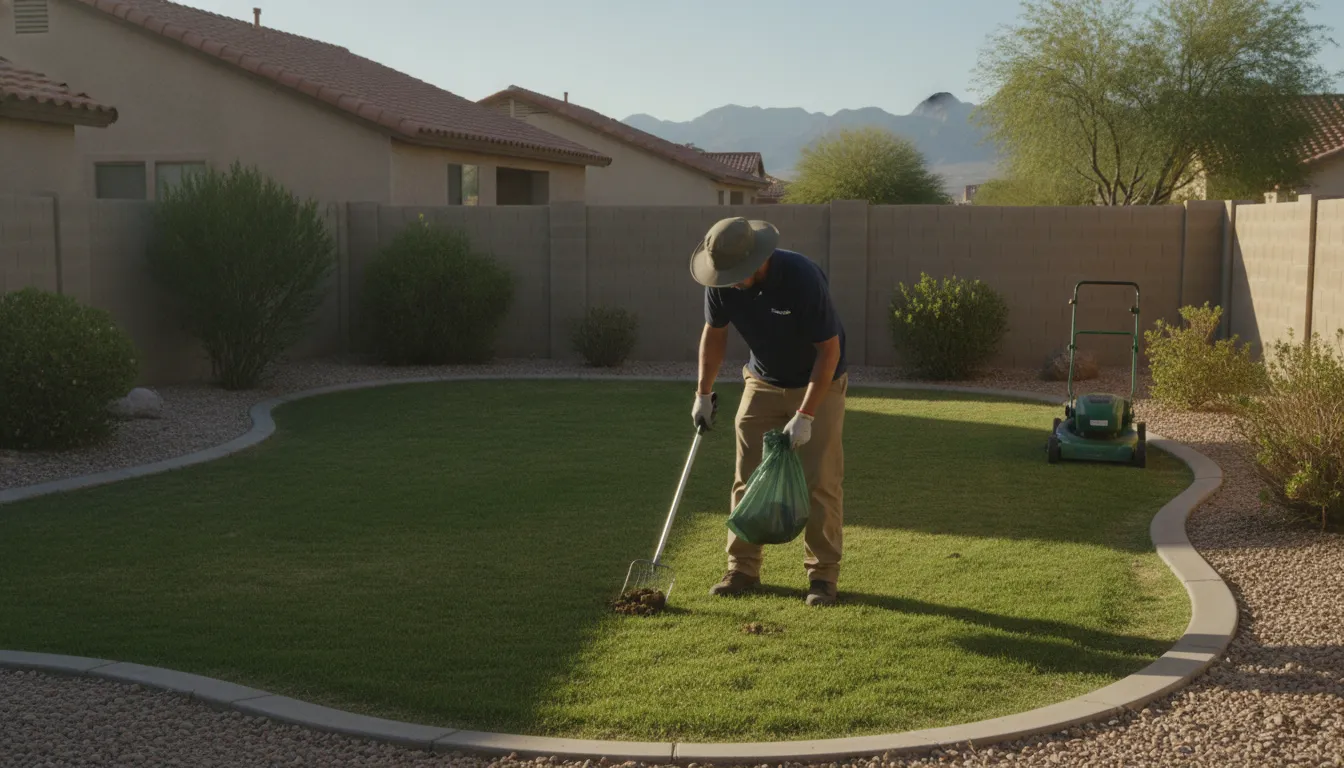
- Put gloves on and open the bag before you bend down. Hold the bag in the hand that will not touch the ground.
- Lay a paper towel or a sheet of newspaper over the wettest part. That gives the scoop something to catch instead of a liquid film.
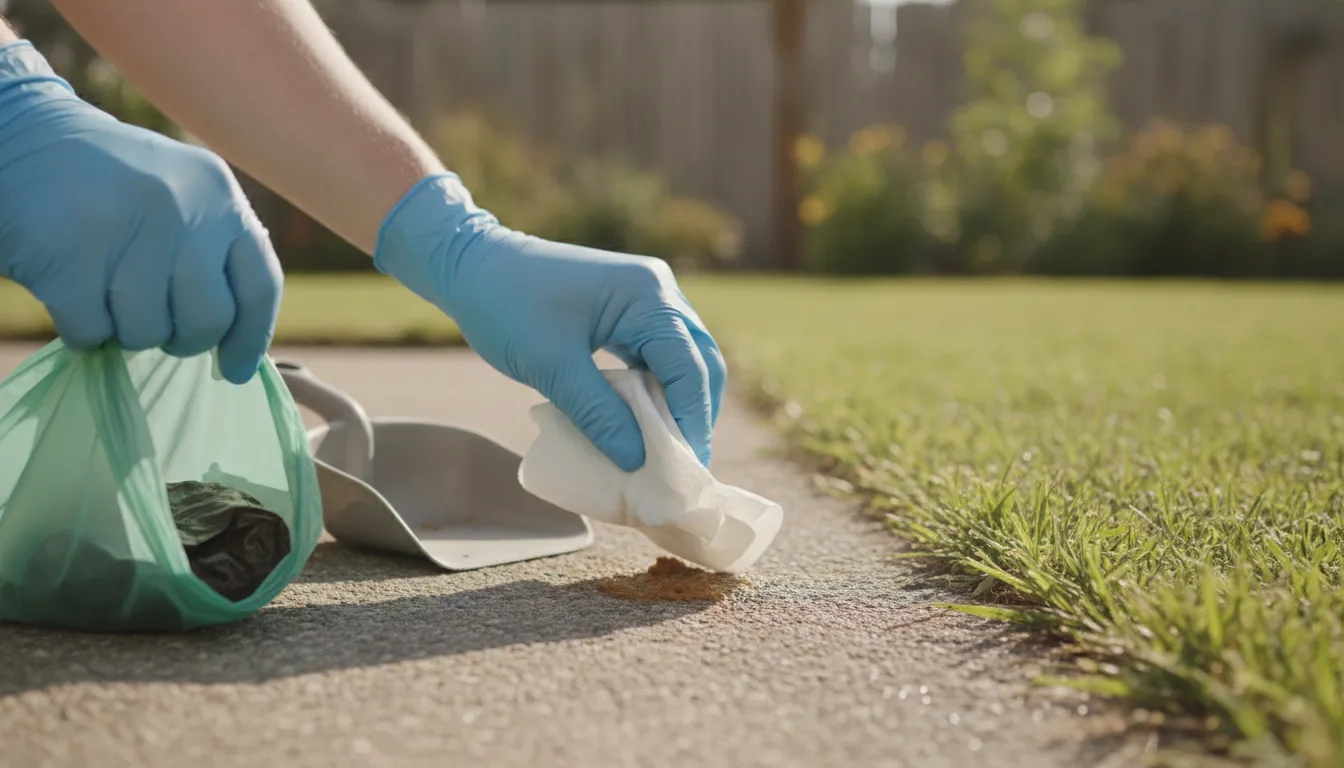
- Slide the flat edge of the scoop under the towel and the waste together. Come in from the firmer side of the ground. Lift, do not scrape sideways.
- Tip the scoop straight into the open bag. If waste clings to the scoop, fold a second towel over it and drop that towel in too.
- Look at the spot you just cleared. Dab any remaining film with a fresh towel. Do not wipe in a wide circle.
- Tie the bag, set it in the outdoor container, and only then move to the next spot.
- When the spots are done, wash the scoop outside with water, let it dry, and store it away from door handles and pet bowls. Wash your hands with soap even if the gloves looked intact.
If the pile is on a slope or in gravel, the towel-and-scoop lift still works. A bag used like a glove usually does not, because the waste squeezes out between your fingers and onto the surrounding rock.
Which surface changes the lift
The sequence stays the same. The surface changes how much residue you should expect.
| Surface | What happens | What to do | What to skip |
|---|---|---|---|
| Short grass or soil | Liquid soaks in. Blades hide the edge. | Cover it. Slide the scoop under. Dab. | Do not rake or hose the area. |
| Tall grass or ground cover | Waste hangs on stems and breaks apart. | Part the plants. Lift one clump. | Skip a grabber that flings pieces. |
| Concrete, pavers, or a patio | The pile sits on top but leaves a film. | Lift first. Blot. Rinse away from the street. | Do not mop the whole pad. |
| Artificial turf | Residue can sit down in the fibers. | Lift solids. Follow the turf maker. | Skip bleach and unchecked mixes. |
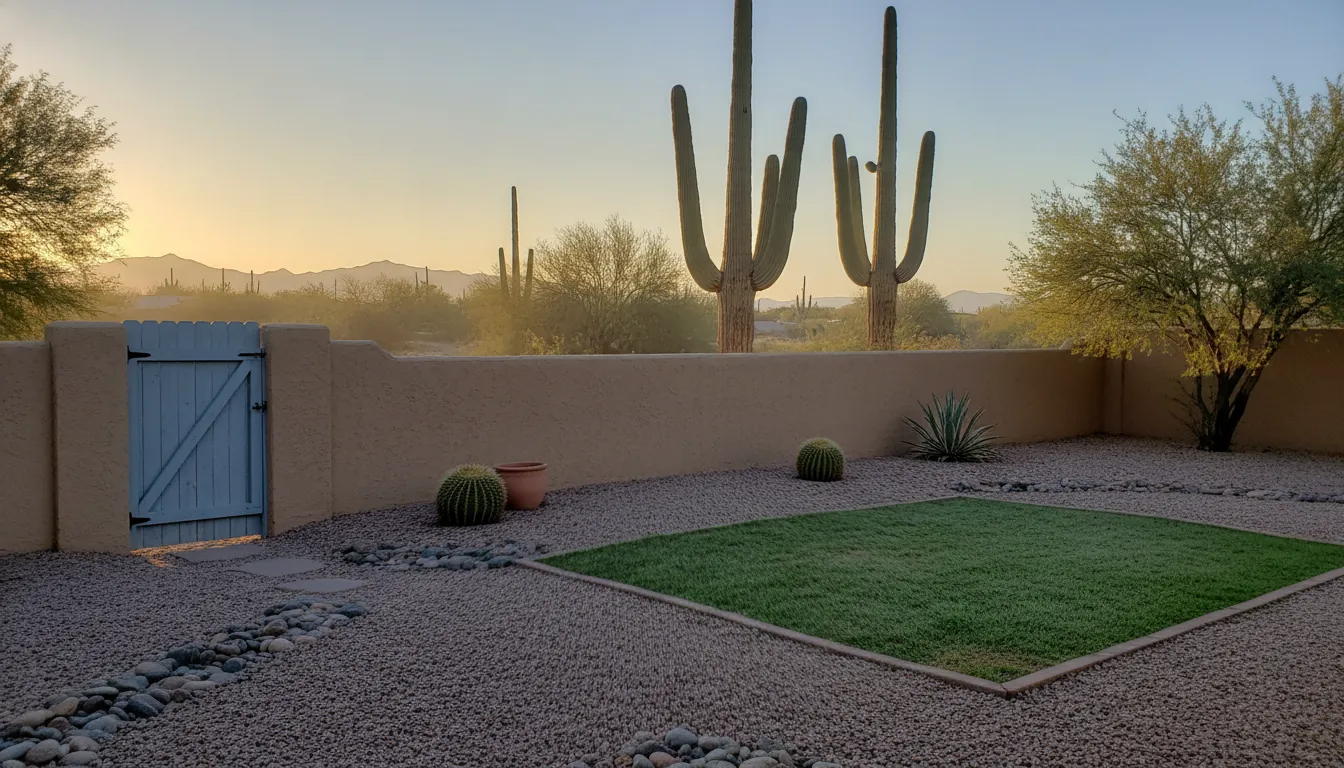
Turf is the one surface where a second service exists. A1 cleans and deodorizes pet turf in Las Vegas, Henderson, and surrounding areas after the solids are gone. That visit is not the same job as scooping a wet pile. The artificial grass cleaning page explains the turf visit. For everyday grass, the lawn and dog waste guide covers damage from ordinary piles and urine spots. This article does not repeat that.
What to do with the bag and the leftover mark
Tie the bag so the towel and the waste stay inside. A loose knot leaks in a warm bin. Use the disposal method your trash service already allows for pet waste, and do not set the bag in a recycling cart. If you are unsure, check the city or hauler rules for that address before you guess.
A faint mark can remain after a good lift. On soil and grass, leave it. More water just moves it. On a hard surface, blot again, then rinse only the mark and keep the water on the pad, not in the gutter. The EPA's home guidance is the same idea in shorter form: always pick up after your pet, and keep that waste from washing into a waterway. Read it on the EPA page on what you can do at home.
Shoes and door thresholds are part of the job. If you stepped near the spot, wipe the soles outside. A dog sanitation routine is the right next read when you want a standing habit for hands, tools, and the rest of the yard. It is not a second set of steps for this one pile.
Odor that stays after the waste is gone is a different question. Use the yard grass odor guide for that, instead of pouring a cleaner on the spot you just lifted.
Mistakes that turn one pile into a trail
Most of the extra mess comes from a reasonable shortcut. These are the ones that spread a single pile.
- Wiping outward with one towel paints a thin film across clean grass. Dab, then fold the dirty face inward.
- Using the same scoop on the next spot without a towel over the blade lets the blade drip between piles.
- Opening the bag after you have already lifted gives the waste time to slide off the scoop.
- Hosing first breaks the solid part up, and you cannot tell where the edge was.
- Carrying an open bag through the kitchen to reach the garage can move the mess indoors. Leave the container by the gate.
- Stepping backward into the spot you just cleared puts film on your shoe. Wipe the soles before you go inside.
If you already smeared it, stop and reset. Cover the widest part of the film with fresh towels, lift those, and only then look for smaller flecks. Do not keep wiping.
A small kit that survives desert heat
Supplies left in direct sun fail at the moment you need them. Waste bags turn brittle. An open roll of paper towels blows across the yard. Disposable gloves stick together in the heat.
Keep a closed bin in the shade by the gate, not on a south-facing wall. Put the bags, a small stack of towels, and two pairs of gloves inside. Hang the scoop on a hook so it dries after you rinse it. In July, check the bin once a week. A split bag is how a contained pile becomes a second mess on the way to the trash.
On a walk, the same idea fits in a pocket. One flat sandwich bag with a folded towel inside is enough for a single soft pile at the park. At home, the bin is worth more than a bigger scoop. You already know where it is, and you are not hunting for a towel with dirty gloves on.
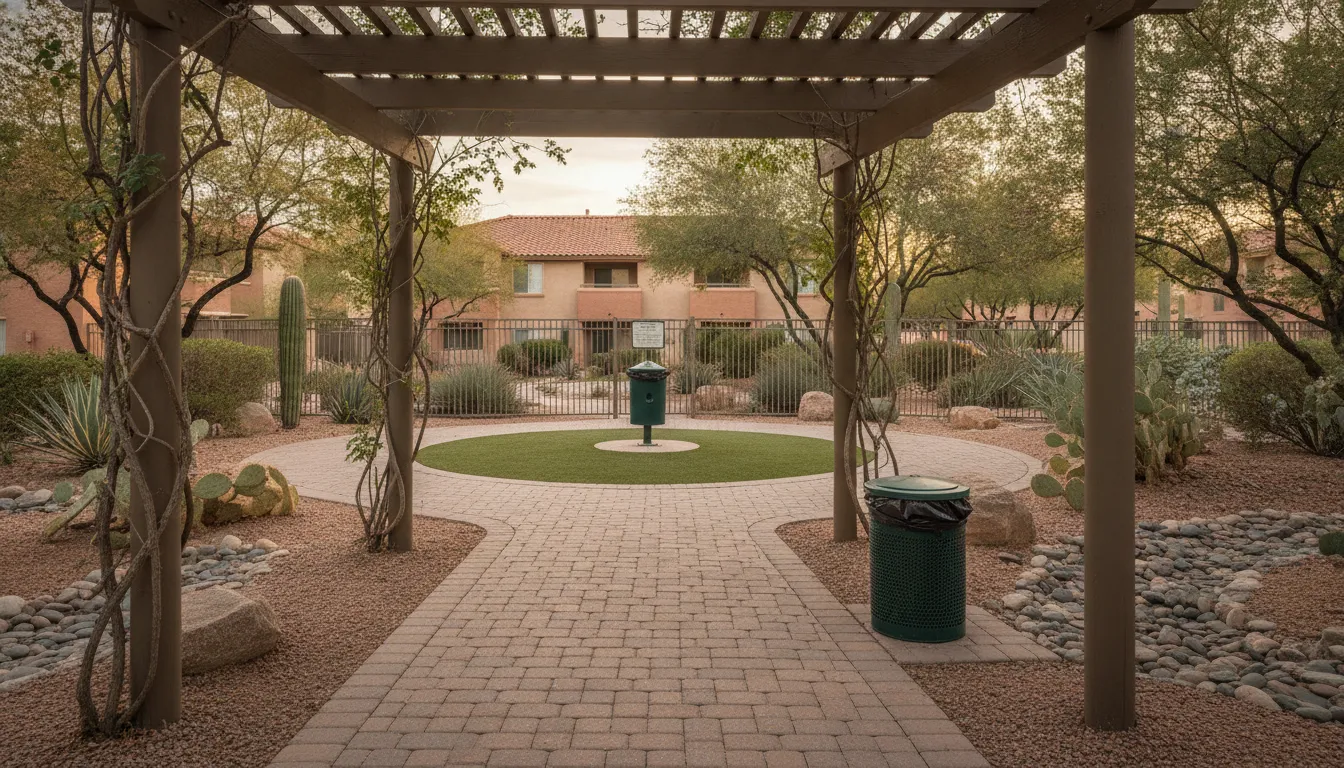
Shared side yards need the bin even more. If two households use one gate, the person who finds the pile should not have to go inside someone else's garage for a bag. A labeled bin at the gate keeps the cleanup outside.
How often wet piles show up on a route
A single soft pile is a bad morning. A dog that stays soft for several days is a pattern, and the yard method does not fix the pattern. You still lift each pile the same way. You also stop pretending a weekly glance at the lawn is enough.
Walk the yard once a day while the stool is soft. Edges, the gate, and the strip along the hose are where smears hide. A daily look is shorter than a weekend reset after three days of irrigation. If the dog is also off food, or the stool is bloody, that daily look is for the yard only. The dog needs a veterinarian, not a different scoop.
Homes on a weekly visit still get soft piles between service days. Bag those when you see them so Sunday's route is not a film across the grass. Homes that hit this every week often do better with two visits. A1 runs both weekly and twice-weekly yard routes in Southern Nevada and Tucson. The contact page is where we match the cadence to the yard, not a form on this page.
Rain and sprinklers belong on that same call. Tell us if the grass is watered the morning of service. A wet lawn hides the edge of a pile, and a tech who knows the irrigation day can start at the dry side of the yard.
When a wet mess is bigger than a DIY pass
One fresh pile is a homeowner job. A yard full of smears, a shared walk that residents keep crossing, or a weekend of rain on top of a backlog is not. Each extra pass spreads film farther, and you still have not caught the older piles hiding at the fence.
A1 Pet Maintenance scoops yards in Las Vegas, Henderson, North Las Vegas, and Tucson. On a visit, the yard is checked, the waste is bagged, and it is hauled away for city sanitation. Weekly and twice-weekly routes cover homes that do not want this job on the calendar. A single backlog fits a one-time visit instead of a route. The one-time cleanup page is the place to start for that visit. Tell us the rough yard size, how many dogs, whether the waste is fresh or baked on, and how we get in the gate.
We do not diagnose why the stool is soft. If the change is sudden, bloody, or paired with a dog that will not eat, call your veterinarian. Cleanup and a medical question are separate calls.
Call A1 Pet Maintenance at (702) 521-2624 when you want the wet piles picked up instead of handled at the door.
Frequently asked questions
What should I do when my dog's poop is wet?
Cover the wettest part with a paper towel, slide a flat scoop under it, and drop the towel and the waste into a bag. Dab what remains. Do not wipe outward and do not rinse it into the street.
Can I hose wet dog poop off the grass?
No. Water breaks the pile into a film and can carry it to a sidewalk or a storm drain. Lift it first. Rinse only a hard-surface mark, and keep that water on the pad.
Should I wait for wet dog poop to dry?
No. In desert heat it can crust, and a crust still smears when you scrape it. Contain it while you can see the edge. Dried residue is harder, not cleaner.
Does a pooper scooper pick up wet waste?
A scheduled visit can. A1's yard service is built to find and bag waste, including piles that are soft, then haul the bags off the property. You do not need a special wet-waste add-on to ask for a visit.
What if the mess is indoors or the dog seems sick?
This page is for the yard. Indoor carpet is a different cleanup, and a change in stool can be a veterinary question. Call your veterinarian for the dog. Use the contact page when the outdoor piles are the part you want handled.