Cat traps for rent Tucson: What A1 Customers Should Know
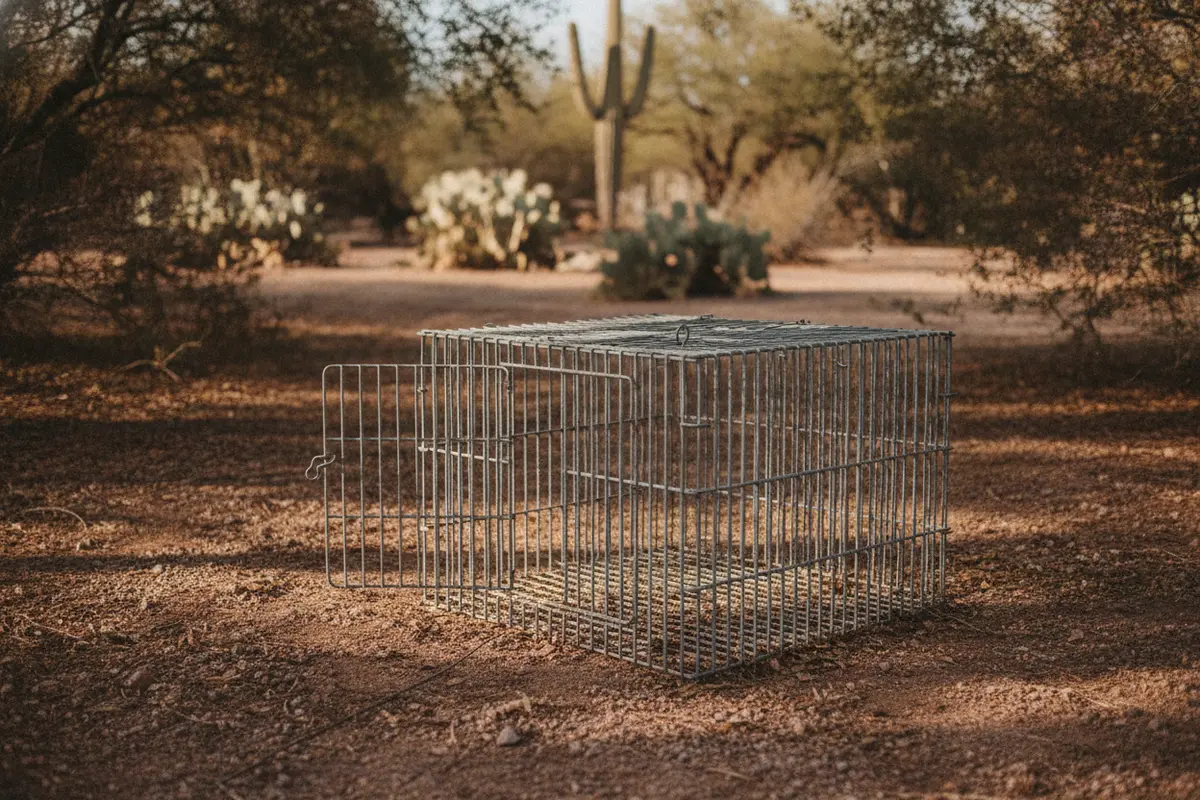
If you are looking for cat traps for rent Tucson residents can use responsibly, A1 Pet Maintenance lists cat trap rentals as a specialty service. Before you rent or set equipment, plan who will monitor it, get permission for the location, and arrange where a captured cat will go. Contact A1 to confirm current availability, rental terms, and whether your address is covered; do not assume rental includes transport or animal care.
What should you confirm before renting a cat trap in Tucson?
A trap is only one part of a capture plan. A safe, workable effort depends on decisions made before equipment is set. Start with the outcome you want and the person who will take responsibility from setup through handoff. If either remains unclear, wait and get the details in place first.
- Availability and service area: Ask whether equipment is available for your dates and whether A1 serves your Tucson-area location. A listing does not guarantee a particular rental is available now.
- Rental terms: Confirm the rental period, pickup and return process, any current fees or deposit, and what to do if the trap is damaged or a capture occurs. Ask for instructions before leaving with the equipment.
- Responsibilities: Clarify what the rental provides and what remains your responsibility. Do not assume the rental includes transport, veterinary care, intake at a shelter, or placement with a rescue.
- Permission: Get approval before placing a trap on a rental property, apartment grounds, a business site, or shared community land.
- Next step for the cat: Identify the receiving contact and the transport plan in advance. If no appropriate destination or person is available, do not set the trap yet.
A1's cat trap rental information is a starting point for asking about the service. For an overview of considerations beyond equipment, see this guide to planning a humane cat trapping effort. Confirm the specifics directly so your plan reflects current terms rather than an old listing or another person's experience.
How do you decide whether trapping is the right next step?
First, observe the cat from a distance without chasing, cornering, or trying to grab it. Note where it travels and when it appears. Look for signs that change the plan, such as an apparent injury, very young kittens, or a cat that seems severely distressed. In those cases, seek guidance from an appropriate animal-care resource before setting equipment. A trap is not a substitute for an urgent response or professional assessment.
Be clear about the purpose. Is the cat lost and possibly owned, a community cat that needs a planned care pathway, or an animal whose presence has raised a specific concern on a property? The answer affects who should be involved. If you do not know whether the cat belongs to someone, ask nearby residents or property staff if they recognize it, while avoiding actions that could put the animal or people at risk.
Make a short written plan with the target area, the person responsible, the intended receiving contact, and a backup contact. If the cat is not captured during the period you can monitor the trap, remove or secure the equipment according to the provider's instructions rather than leaving it unattended. If you need more general guidance, A1's article on how to approach catching a stray cat safely can help you think through planning questions.
Where can a trap be placed safely?
Choose a quiet, level place that the responsible person can reach and observe frequently. A spot along a route where the cat is already seen may be more practical than a busy entrance, but convenience alone is not enough. Keep the trap away from traffic, public walkways, play spaces, sprinklers, pools, and other hazards. Provide protection from direct sun and weather, and make sure children and pets cannot approach it.
Consider how the site will work at different times of day. Can the monitor see or reach the trap without crossing a locked area? Will staff, residents, or landscapers move it? Is there a secure place to wait nearby? A location that cannot be checked reliably is not suitable simply because a cat has been seen there. Follow the rental provider's placement instructions and do not alter the equipment.
| Possible site | Why it might be considered | What to resolve first |
|---|---|---|
| Private yard with owner approval | Access may be easier to manage and observe. | Shade, stable ground, household pets, and a named monitor. |
| Apartment or HOA common area | It may be close to a known cat route. | Property approval, resident and staff communication, access, and a backup monitor. |
| Business or managed property | Staff may be able to coordinate access. | Written site permission, operational schedules, public access, and a receiving plan. |
| Roadside or public area | A cat may be seen nearby. | Traffic and public access create risks; check with the responsible authority before considering it. |
The comparison is not a recommendation to use any one site. If the spot exposes the animal or other people to hazards, or if access and monitoring are uncertain, choose another approach and ask the property decision-maker or an animal-care organization for guidance.
How should a property team coordinate the effort?
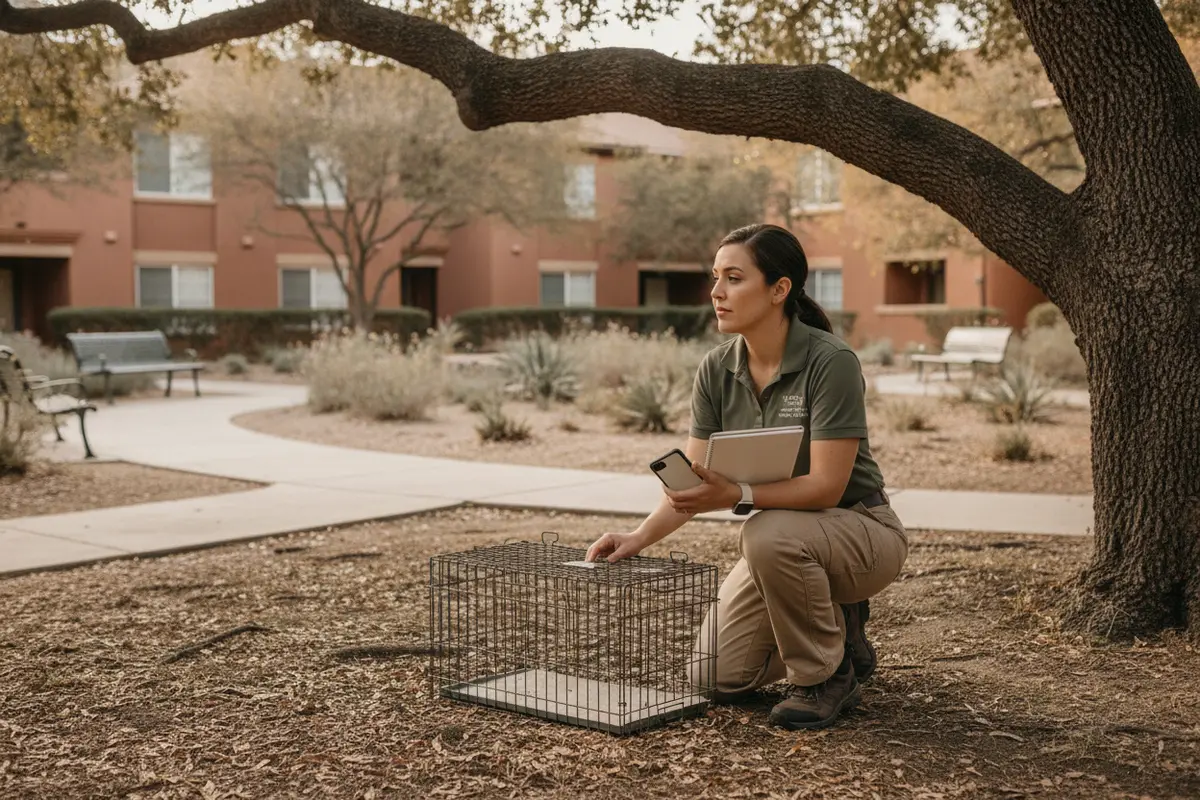
On shared grounds, confusion can lead to a trap being moved, left unchecked, or approached by someone who does not know its purpose. Assign one lead and a backup. Tell the relevant property staff when and where equipment may be present, how to reach the lead, and what they should do if they see a capture or a problem. Keep the information limited to people who need it, but make sure everyone responsible knows the plan.
Set up a simple monitoring log. Record who is assigned to check the site, the expected check times, and who will be contacted if the lead is delayed. This is a coordination aid, not a reason to leave the trap without close observation. Do not set it when no one can remain available to respond promptly. If the monitor must leave, follow the provider's instructions about securing or removing the trap.
Agree on the handoff before setup. Name the transport person, the destination or receiving contact, and a backup in case that person cannot respond. Decide what the monitor will do if the trap is empty, if the wrong animal enters, or if the cat appears distressed. Keep the trap away from routine grounds work and ask staff not to move or handle it unless the designated lead directs them. A1's commercial property service information concerns property pet-waste maintenance; it is not an animal-response service, so the capture plan needs its own responsible contacts.
What should you do before and after a capture?
- Before setup, check the equipment. Ask the rental provider to explain operation and safety instructions. Inspect the trap as directed and do not use damaged equipment or modify its mechanism.
- Prepare the site. Get permission, choose the location, remove nearby hazards where practical, and make sure residents, visitors, and other animals are not likely to interfere.
- Confirm the response chain. Have the monitor, transport, receiving contact, and backup ready. Keep their phone numbers available and agree on who makes each call.
- Stay available to monitor. Follow the rental instructions and check frequently. Do not leave the trap unattended for a long stretch or set it when no one can respond.
- If a cat is captured, limit handling. Keep people and pets back, avoid opening or reaching into the trap, and contact the rental provider and prearranged receiving resource for directions. Follow their guidance for transport and next steps.
- If another animal enters or the cat seems unwell, pause. Do not improvise a release or transfer. Contact the provider or an appropriate animal-care resource for instructions.
- Close out the rental. Once the situation is resolved, follow the provider's directions for equipment return, cleaning if instructed, and reporting any damage or incident.
These steps are planning guidance, not a substitute for equipment-specific directions or local requirements. For local animal services information, consult the Pima County government website and contact the relevant county office directly. Do not assume every agency accepts every animal or offers the same service.
What if the plan changes on trapping day?
Conditions can change between planning and setup. A monitor may become unavailable, a property manager may restrict access, or weather and site activity may make the selected location unsuitable. Decide in advance what will cause you to postpone. If there is no person ready to check the trap, no approved location, or no receiving contact, do not set it that day. Rescheduling is safer than leaving equipment in place without a clear response.
Also make a simple alternate plan for an empty trap or an unexpected capture. If the cat does not appear during the period you can supervise the equipment, follow the rental provider's directions for taking it out of service. Do not move it to a new location without checking permission and updating the monitor. If a different animal enters, keep people and pets away and seek instructions from the provider or an appropriate animal-care resource rather than improvising.
For a community property, update staff if the timing or location changes. A brief note to the designated team can prevent someone from assuming the equipment has been abandoned or moving it while the lead is away. Keep the assigned contact reachable until the equipment is secured and the situation is handed off. A clear stop point is part of the plan, just like permission and transport.
What should you ask A1 before reserving?
A short call or message can clear up the practical details before you make plans around a rental. Consider asking:
- Is a trap available for my intended dates, and do you serve my address?
- How long is the rental, and how do pickup and return work?
- What is the current rental cost, and are there deposits or other terms I should know?
- What operating, monitoring, and safety instructions come with the equipment?
- Who should I contact if a cat is captured, the trap is damaged, or an unexpected animal enters?
- What do I need to arrange myself for transport and the animal's next destination?
Confirm current costs and availability directly. Do not rely on a price mentioned in an older article, and do not treat an equipment rental as a promise of animal transport, veterinary services, or shelter placement. If the site is managed or shared, get approval before reserving so you can explain the location and monitoring plan clearly.
Frequently asked questions
Can I rent a cat trap in Tucson from A1?
A1 Pet Maintenance lists cat trap rentals as a specialty service. Contact the company to confirm current availability, rental terms, and whether your specific Tucson-area location is served.
Does a cat trap rental include transport or a shelter appointment?
Do not assume those services are included. Ask A1 what the rental covers, then arrange the receiving contact and transportation before setting the trap.
How often should a set trap be checked?
Keep it under close, frequent observation and be prepared to respond promptly. Follow the equipment provider's instructions. Do not set a trap if you cannot monitor it reliably or leave it unattended for an extended period.
Can a property manager place a trap on shared grounds?
Get approval from the owner or organization responsible for the property first. Assign a lead and backup, tell relevant staff what to do if they see the equipment, and choose a location that can be monitored and kept away from public activity.
Is cat trapping part of routine pet-waste service?
No. Cat trap rental is a separate specialty service. Regular pet-waste visits and one-time pet-waste cleanup address property cleanup, not animal capture or care.
Call A1 to confirm rental details
A safe capture plan starts with permission, reliable monitoring, and a confirmed next step for the cat. Once those details are ready, contact A1 to ask about current rental availability for your location.