Dog Poop and Lawn: What Homeowners Need to Know
Learn how dog poop and urine affect a lawn, how to clean the yard safely, and when a regular pickup routine makes sense for homeowners.

Dog poop and lawn problems usually start small: one missed pile, a few yellow spots, or a yard that becomes harder to inspect after a busy week. The good news is that most homeowners can protect the grass by removing waste promptly, checking the areas pets use most, and choosing a cleanup routine that matches the yard.
Call (702) 521-2624 to ask about professional yard pickup
What dog poop does to a lawn
Dog feces is not a useful lawn fertilizer. A pile covers the grass beneath it, blocks light and air at the surface, and leaves moisture and organic material in one concentrated spot. If it remains in place, the surrounding grass can become matted, discolored, or difficult to mow. Repeated piles also make it easier to miss older waste, especially in tall grass, shaded corners, or a yard with several dogs.
Dog waste can also be carried away from the original spot. Rain or irrigation may move contaminated material toward a drain, sidewalk, patio, or shared outdoor area. The U.S. Environmental Protection Agency identifies pet waste management as a stormwater best practice because properly collecting and disposing of pet waste helps reduce pollutants in runoff. Read the EPA pet waste management guidance for the broader water-quality context.
That does not mean one missed pile will ruin a lawn. It means a consistent removal habit is safer for the grass, easier on the person mowing, and more considerate when outdoor areas are shared.
Dog poop versus dog urine spots
Homeowners often use “dog poop and lawn” to describe every pet-related lawn problem, but feces and urine affect turf in different ways. Feces sits on top of the grass and can be picked up. Urine soaks into a smaller area, where concentrated nitrogen compounds and salts may injure turf. Colorado State University Extension explains that dog urine spots are commonly caused by concentrated deposits and that added water can help dilute salts. Its guidance on dog urine damage also warns homeowners not to rely on unproven lawn or dietary remedies.
Look for the source before treating the symptom. A dark green ring, a brown patch, or a bare area can come from urine, drought stress, insects, mowing problems, soil conditions, or other lawn issues. Avoid adding supplements to a dog's food or applying a chemical remedy based only on a social media tip. If the damage is persistent, ask a lawn or veterinary professional for advice suited to the grass and the dog.
How to clean dog poop from grass
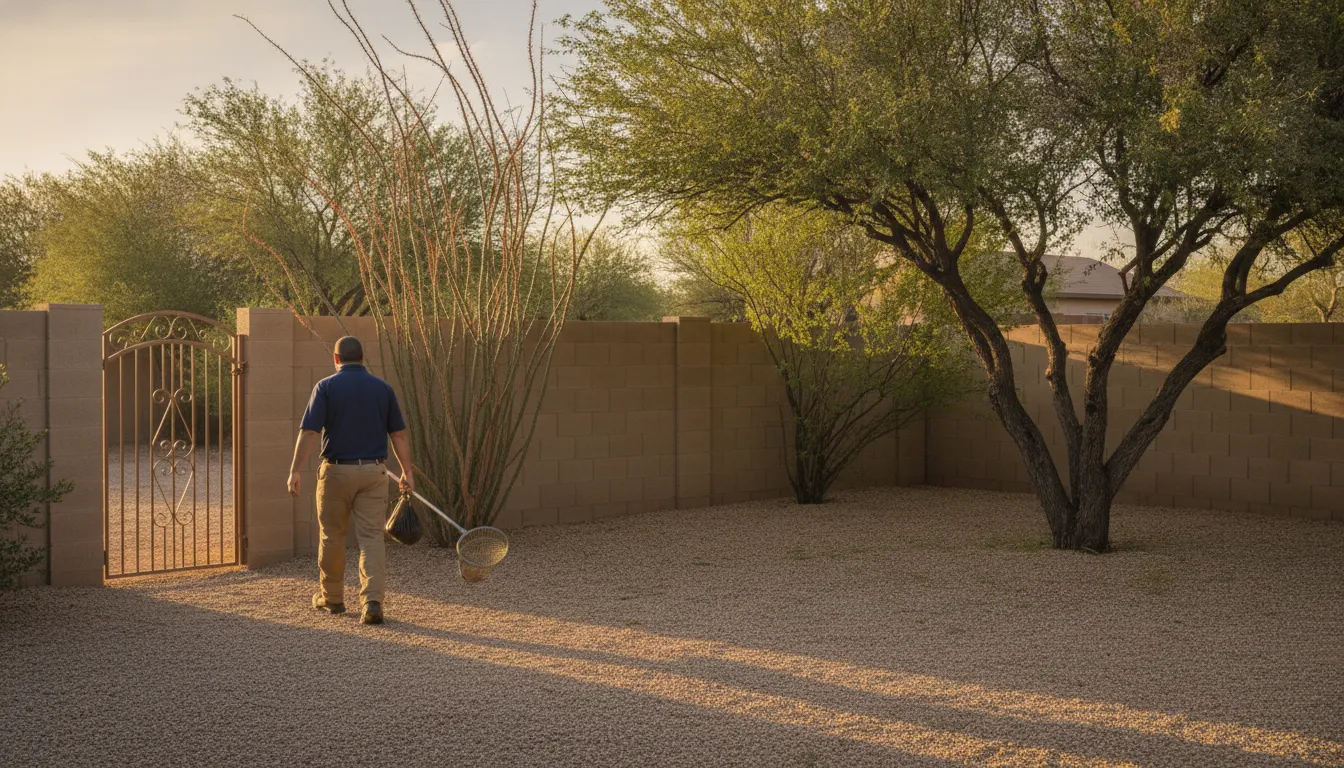
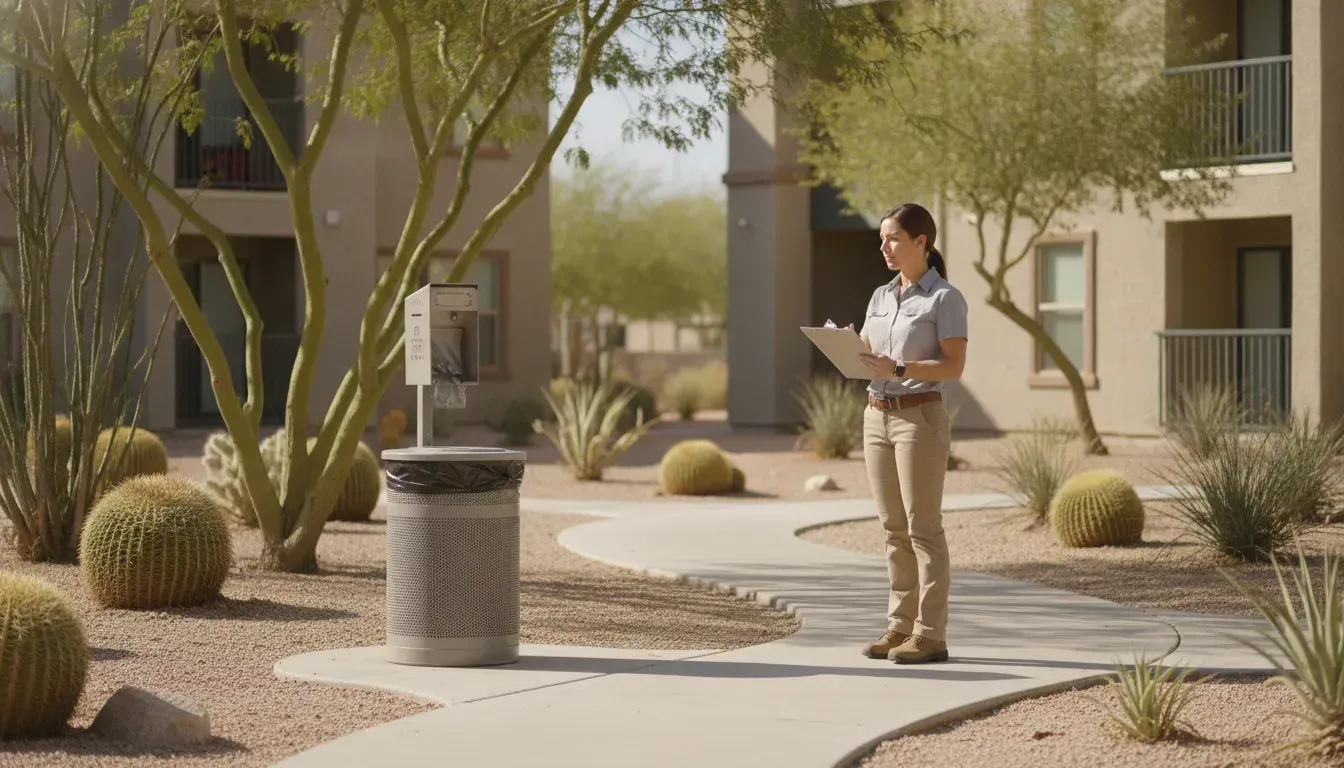
A simple cleanup routine prevents most accumulation. Walk the yard in a pattern so each section is checked, and pay special attention to fence lines, shrubs, play areas, and places where a dog regularly circles before settling. Use a sturdy scoop or bag system that lets you pick up waste without dragging it across the turf.
- Start with a visual sweep. Choose a route around the yard and work through it every time, rather than searching randomly.
- Pick up from the base. Lift the waste with as little contact with the blades as possible. Avoid grinding a soft pile into the grass.
- Check twice after rain or irrigation. Wet grass can hide waste and make old piles harder to see.
- Use a separate tool for hard surfaces. Keep patios, paths, and turf edges from becoming transfer points between the yard and the home.
- Seal and dispose of the bag according to local rules. Do not rinse feces into a storm drain or wash it down a path.
If the yard has a large amount of accumulated waste, work in sections and take breaks. A one-time cleanup can be a practical reset when a homeowner is moving, returning from travel, or taking over a property that has not been maintained. See A1's one-time cleanup service for that type of yard reset.
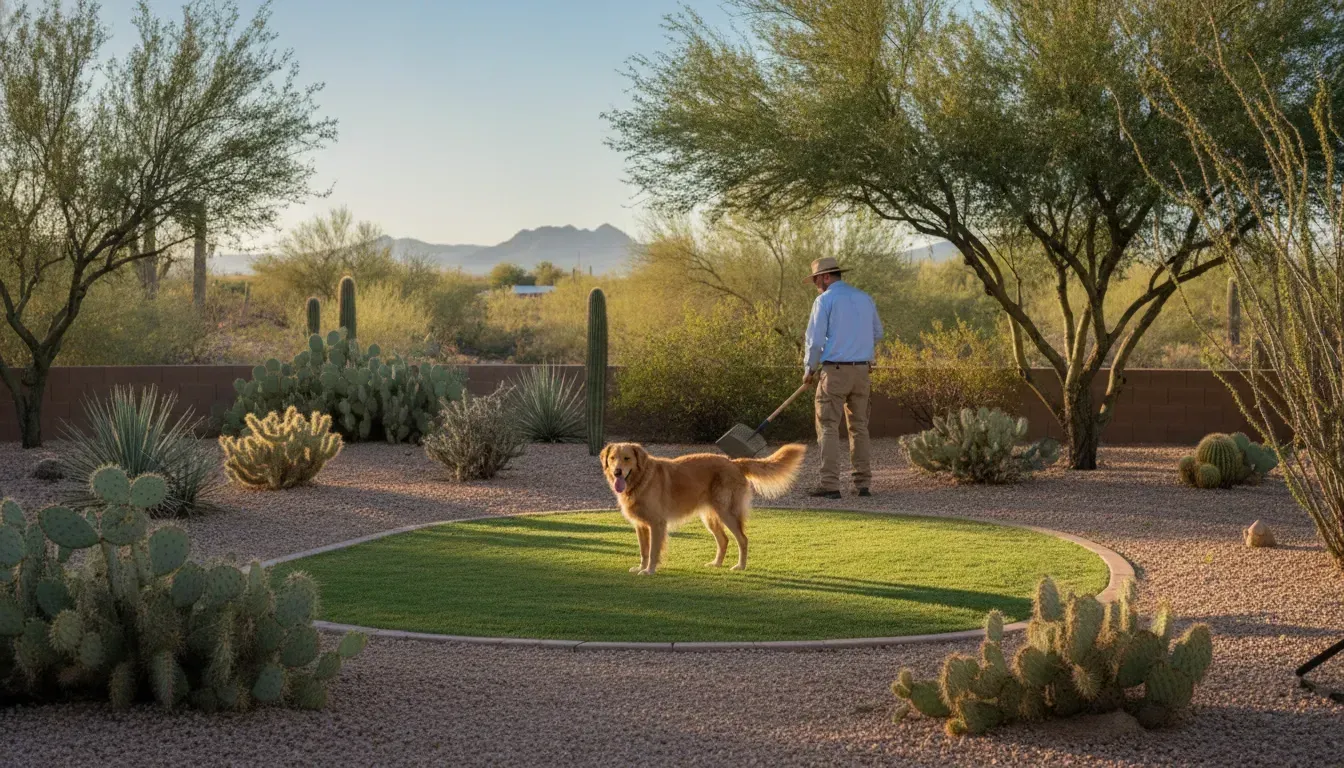
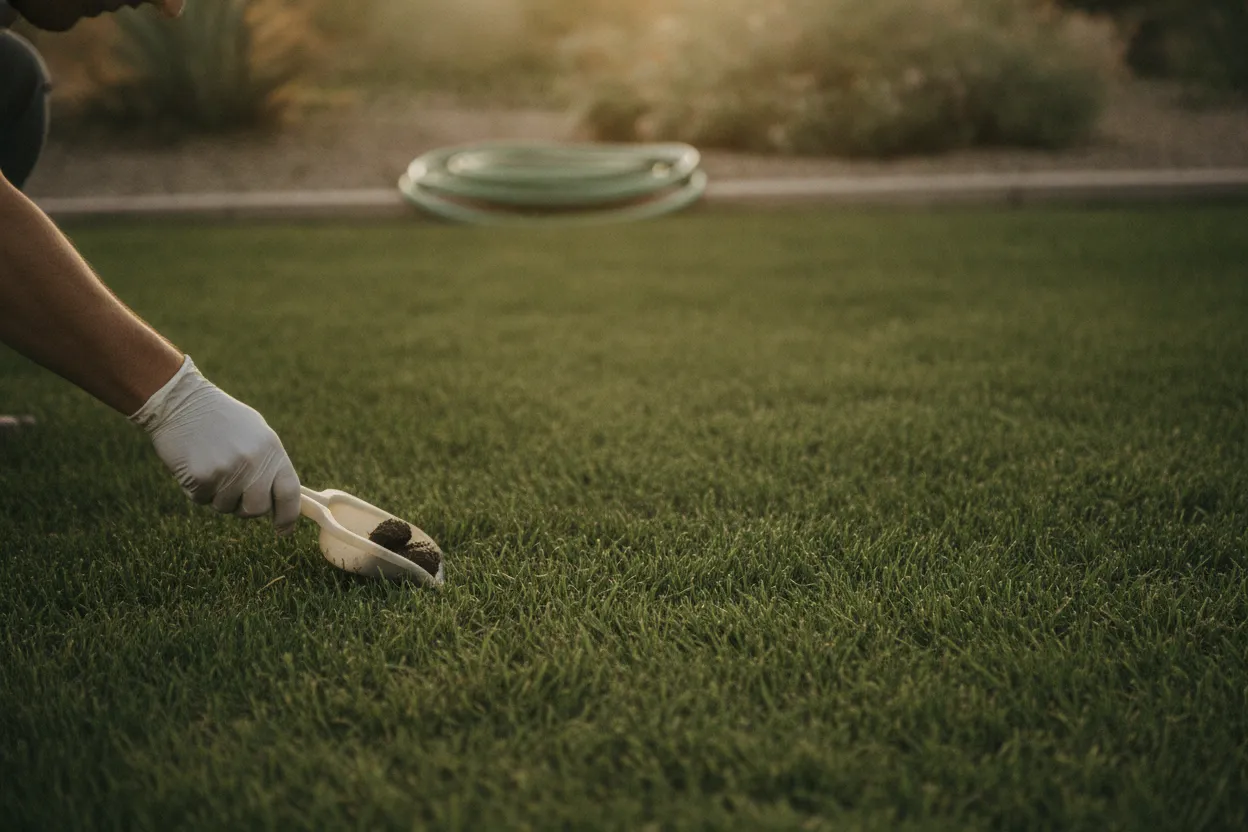 A regular visual sweep helps homeowners find waste before it becomes an accumulated lawn problem.
How often should dog waste be removed?
The right schedule depends on the number of dogs, the size of the yard, the weather, and how often people use the space. A single dog in a large yard may leave waste in a few predictable locations. Multiple dogs can create a problem much faster, even when the lawn looks clean from the patio.
For many homes, checking the yard daily and removing waste at least several times per week is a workable starting point. Pick up sooner when children play there, guests are expected, or hot weather is making odor more noticeable. Do not wait for mowing day. A mower can spread small remnants through the grass, and stepping on hidden waste makes cleanup harder.
Use a written or phone reminder if the task is easy to forget. A consistent route also helps you notice changes in the lawn, such as new bare patches, standing water, or a spot where a dog is repeatedly using the same area. Those observations are more useful than guessing after the yard has become heavily soiled.
Ways to reduce lawn damage from pet traffic
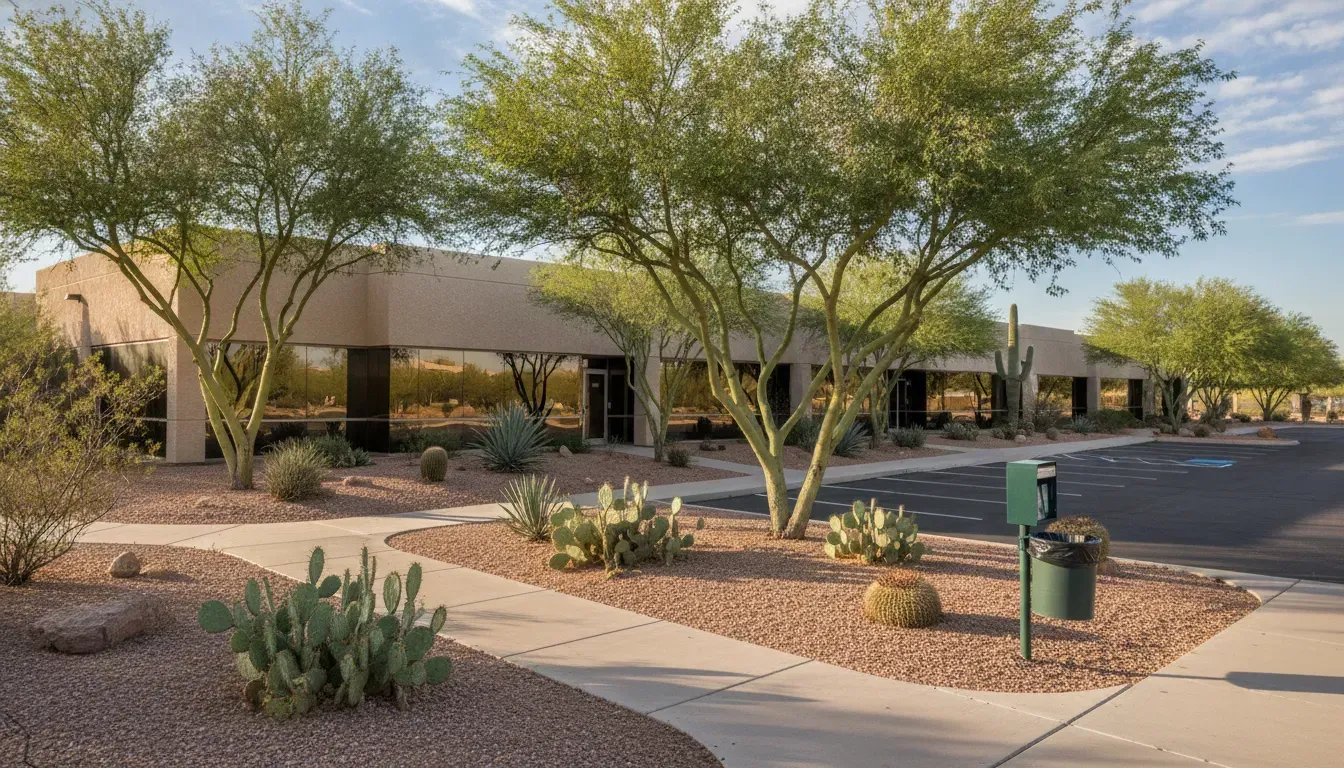
Waste removal is only one part of maintaining a dog-friendly lawn. Dogs that repeatedly use one narrow strip can wear a path into the grass, especially when the soil is dry or the route stays wet. If possible, guide the dog toward a designated relief area that is easy to check and clean. A mulch or gravel area may be easier to maintain than asking a high-traffic section of turf to handle every visit.
Keep water available for the dog and follow ordinary lawn-care practices for the grass type, but avoid trying to solve urine spots with food additives. CSU Extension recommends consulting a veterinarian before giving any additive promoted as a dog-spot remedy. It also notes that no spray-on product claiming to prevent or cure urine spots has been scientifically proven effective.
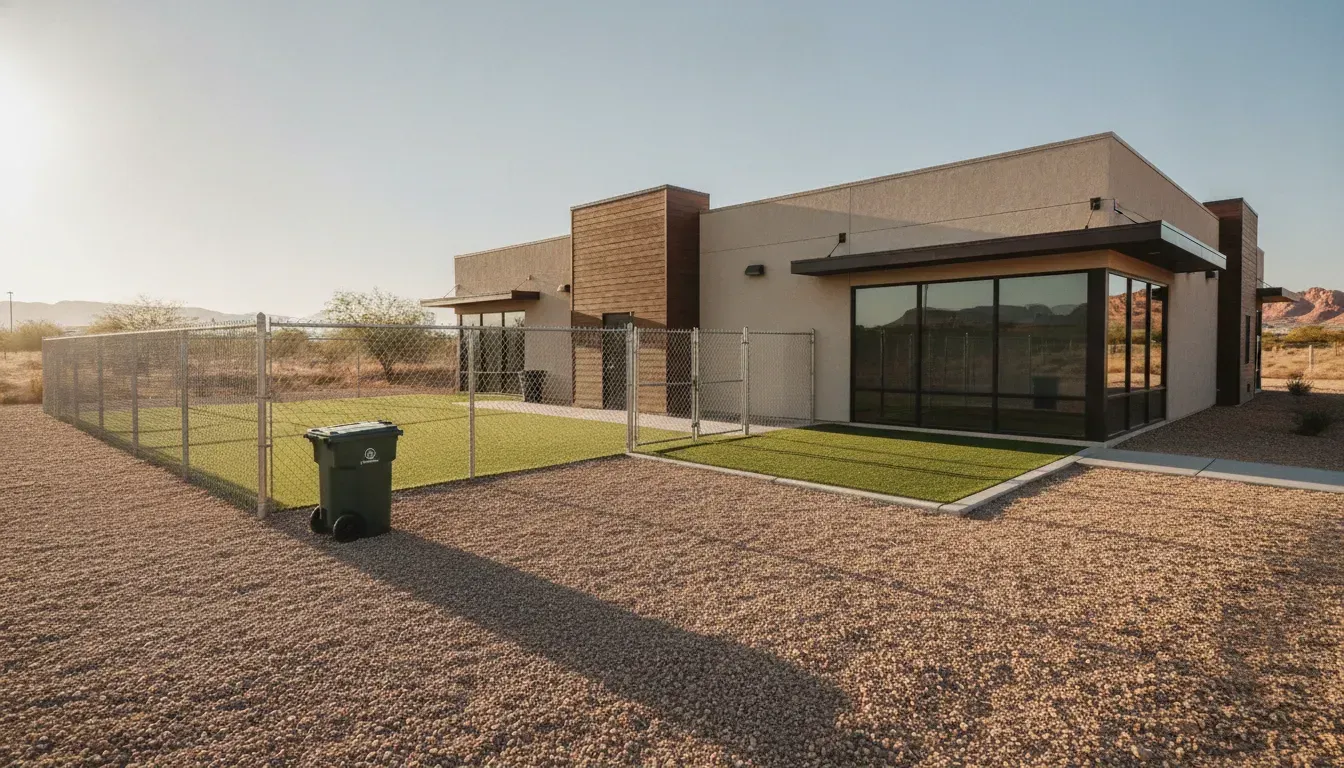
For artificial grass, the cleanup plan is different. Solid waste should still be removed promptly, but odor and organic buildup can remain in turf fibers or infill. A1's artificial grass cleaning and maintenance service is a more relevant next step when pickup alone has not resolved a persistent turf odor.
When a professional yard pickup routine makes sense
Professional pickup is useful when the task is repeatedly postponed, the yard is difficult to access, or the household needs a dependable route. It can also help after a period of accumulation, before an event, or when several dogs use the property. The goal is not to replace responsible pet care. It is to make waste removal predictable enough that piles do not remain on the lawn.
Before arranging service, note the number of dogs, the approximate yard size, gate or access details, surfaces that need checking, and whether the request is for a one-time cleanup or recurring visits. Clear information helps a provider understand whether the job is a routine pickup, a heavier reset, or a separate turf-cleaning need.
A1 Pet Maintenance serves homeowners in Southern Nevada and Tucson with recurring pet waste removal and one-time cleanup options. The home page provides the route to professional yard pickup. If you are comparing DIY cleanup with service, A1's professional dog poop removal guide covers the practical differences without requiring a long-term contract.
Common lawn and dog waste mistakes
- Leaving piles until mowing day: This increases the chance of spreading waste and missing older material.
- Hosing waste toward a drain: Water moves the problem instead of removing it and may carry pollutants into runoff.
- Using lawn chemicals as a substitute for pickup: A product cannot remove feces that is still sitting on the grass.
- Assuming every brown spot is caused by poop: Urine, drought, pests, and other lawn conditions can look similar.
- Ignoring access details: An unlocked gate or clear service note makes a recurring visit more reliable.
- Using a vague service request: Tell the provider whether the yard needs regular pickup, a one-time reset, or turf cleaning.
Frequently asked questions
Can dog poop kill grass?
A single pile is unlikely to kill an entire lawn, but waste left in place can smother the grass below it, create odor, and contribute to a visibly unhealthy patch. Repeated accumulation is the larger concern. Prompt removal is the simplest way to limit the effect.
Should I use fertilizer on a dog urine spot?
Do not add fertilizer or a pet supplement based only on the appearance of one spot. Urine damage has several possible patterns, and excess fertilizer can create another lawn problem. Watering, reseeding, or replacing turf depends on the grass type and the condition of the soil. Ask a lawn professional for a diagnosis.
Is it better to pick up dog poop before or after watering?
Pick up before watering whenever practical. Wet grass can hide waste and make soft piles harder to collect cleanly. If watering has already happened, wait until the yard is safe to walk and then check the usual relief areas carefully.
How do I stop my dog from using the same patch of grass?
Use humane training and guide the dog to a designated relief area. Choose a spot that is easy to inspect and keep the route consistent. A1's guide on keeping dogs from pooping on grass covers boundaries, training, and practical prevention ideas.
What should I do if the lawn already has a lot of dog poop?
Protect your hands, work in manageable sections, bag the waste, and follow local disposal guidance. If the accumulation is beyond what you can reasonably clear, request a one-time cleanup and explain the condition of the yard before scheduling.
Keep the lawn usable with a repeatable plan
The best answer to dog poop and lawn problems is a repeatable plan: check the yard, remove waste, observe changes in the grass, and get help when the task has grown beyond a normal household routine. Start with the section of lawn people and pets use most, then choose daily checks, a recurring pickup route, or a one-time reset based on what the property needs.
Call (702) 521-2624 to book a yard pickup and keep your lawn ready to use