Apartment Pet Waste Service Tucson: Planning Guide
Compare Tucson apartment pet waste service options, from weekly routes to one-time cleanup, and prepare a property plan that fits residents and staff.
Apartment pet waste service Tucson property teams can rely on starts with a clear plan for shared grounds, resident use, access, and disposal. The right option may be a recurring weekly or bi-weekly route, a one-time cleanup before a regular schedule, or a property-specific proposal for a larger community. This guide explains how to choose the starting point without treating an apartment property like a single backyard.
Call (702) 521-2624 to discuss an apartment service plan
What apartment pet waste service should cover in Tucson
An apartment community has more than one place where pet waste appears. A useful scope begins with a property walk and identifies the dog relief areas, sidewalks, building entrances, pet stations, common lawns, dog parks, and less-visible edges where residents or staff may find waste later. It also accounts for gates, access instructions, disposal points, and areas that should not be entered.
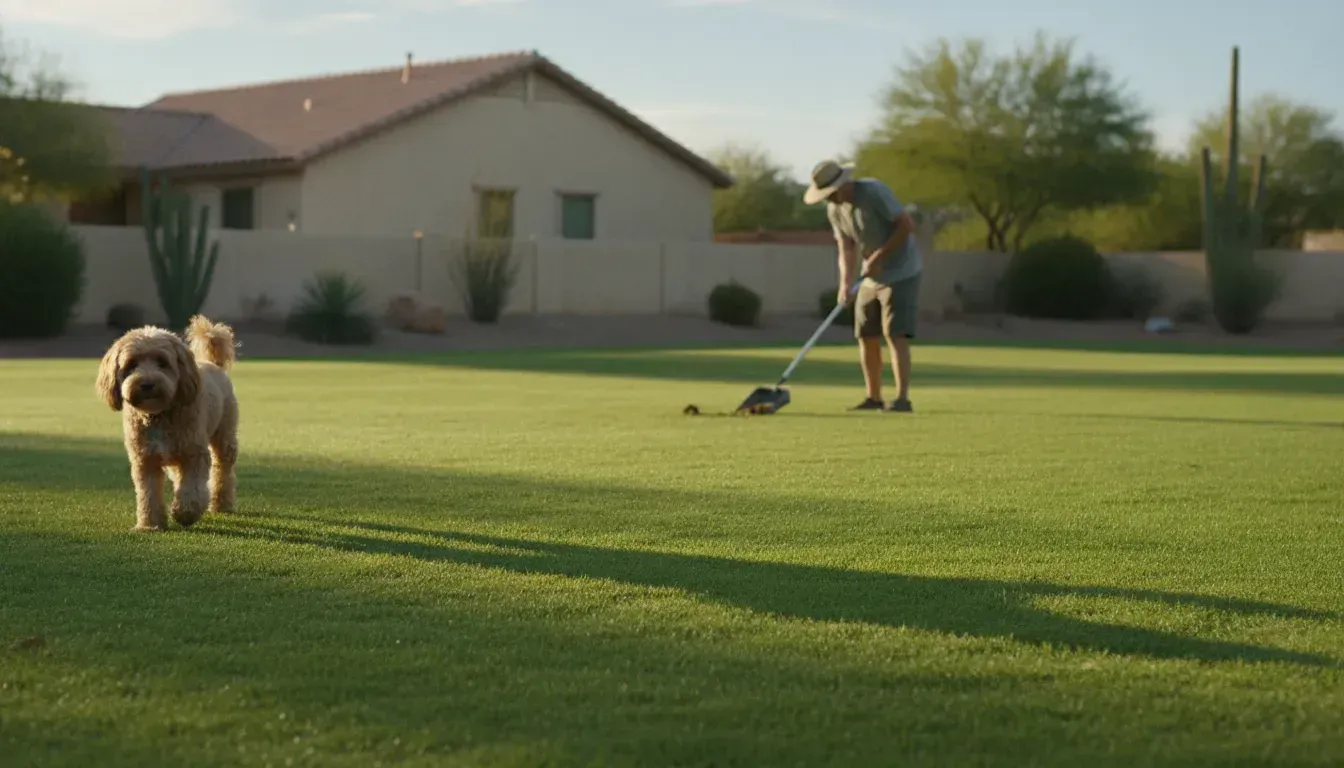
A1 Pet Maintenance describes its Tucson pet waste service as scheduled pickup from an accessible yard or grounds, bagging and haul-away for disposal. That is different from lawn mowing, landscaping, artificial-grass installation, or a general maintenance contract. A property team should write down the actual grounds that need attention so a vendor can plan the route around the community rather than offer an unclear promise to “clean the property.”
The commercial pet waste removal Tucson guide is a useful companion for managers comparing property-wide service. A1's broader Tucson planning guide helps separate a private-yard question from an apartment or shared-property plan. This apartment guide narrows the planning question to multifamily resident areas, route choices, and the information needed for a practical proposal.
Choose the service option that matches the property
There is no single schedule that fits every apartment community. A property with a small pet population and several waste stations may need a different route than a large community with multiple dog areas, heavy resident turnover, and a dog park. Start with the condition of the grounds and the consistency the property team wants to maintain.
Recurring weekly service
A weekly route gives the community a regular service rhythm. It can help a manager set a predictable expectation for shared lawns, pet relief areas, and walking paths. Weekly service is often the simplest starting point when the property wants routine pickup instead of waiting for complaints or a visible buildup.
Before choosing weekly service, mark the areas that need to be visited and note whether a crew can reach them on the planned service day. The route may include more than the most obvious dog park. A narrow strip beside a building, a path behind a parking area, or the ground around a waste station can affect the time and scope of a visit.
Recurring bi-weekly service
A bi-weekly route may fit a smaller community, lower-use areas, or a property that has staff support between scheduled visits. It should not be selected only because the calendar looks convenient. The manager should consider pet population, resident habits, weather, the number of common areas, and how much buildup the property can tolerate between visits.
If the grounds are not staying acceptable between visits, the team can revisit the scope or schedule rather than asking staff to make up the difference informally. The goal is a service plan that is realistic for the property and understandable to residents.
One-time cleanup or backlog reset
One-time cleanup is a separate decision from recurring route service. It may be appropriate after a missed vendor visit, a change in property management, a resident event, a turnover period, or a backlog that should be addressed before a regular route begins. The team should describe the areas affected and the condition of the grounds when requesting the service.
A one-time visit does not automatically create an ongoing maintenance plan. If the community wants recurring pickup afterward, ask for the two scopes to be considered separately. That keeps the initial reset from being mistaken for a promise that the same conditions will be handled on every future visit.
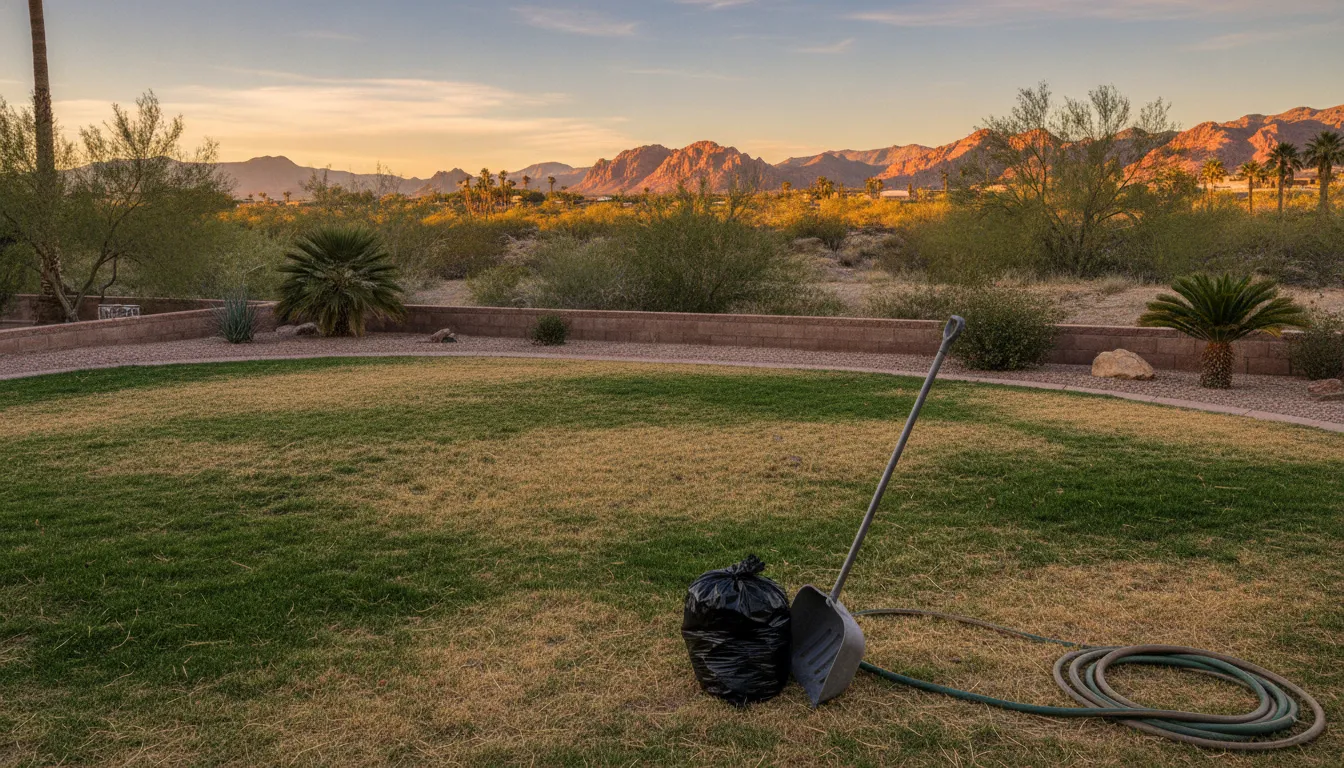
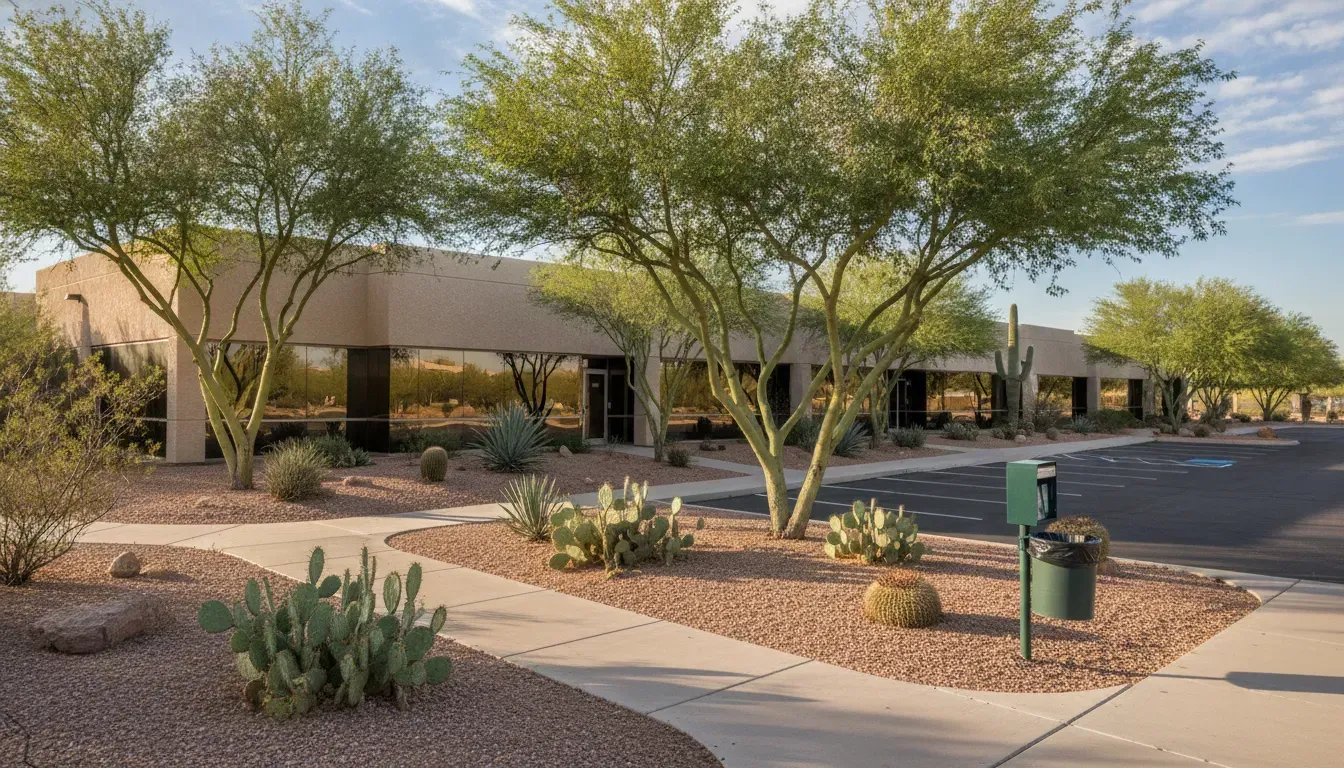
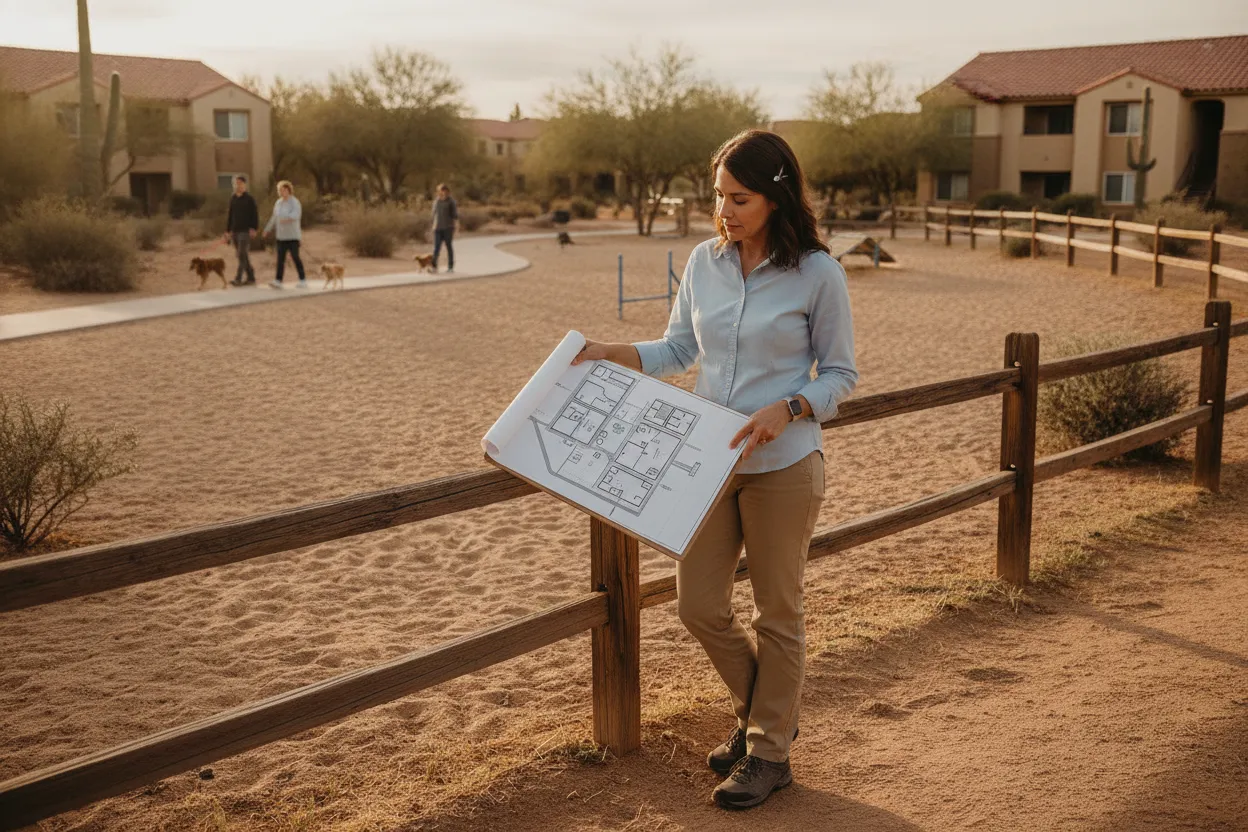 A property map helps a Tucson apartment team explain access, high-use areas, and service boundaries.
Build an apartment route before requesting a proposal
A route is more useful when it reflects how residents actually move through the property. Walk the grounds at a normal busy time and record the places where dogs are commonly taken. Then check those observations against the community map, not just the locations of installed stations.
Mark these areas on the property plan
- Dog parks, pet relief areas, and open lawns where residents regularly walk dogs.
- Sidewalks, building edges, courtyards, and paths that connect homes to entrances.
- Waste stations, bag dispensers, collection bins, and the approved disposal point.
- Gates, locked areas, staff-only spaces, and places where a crew should not enter.
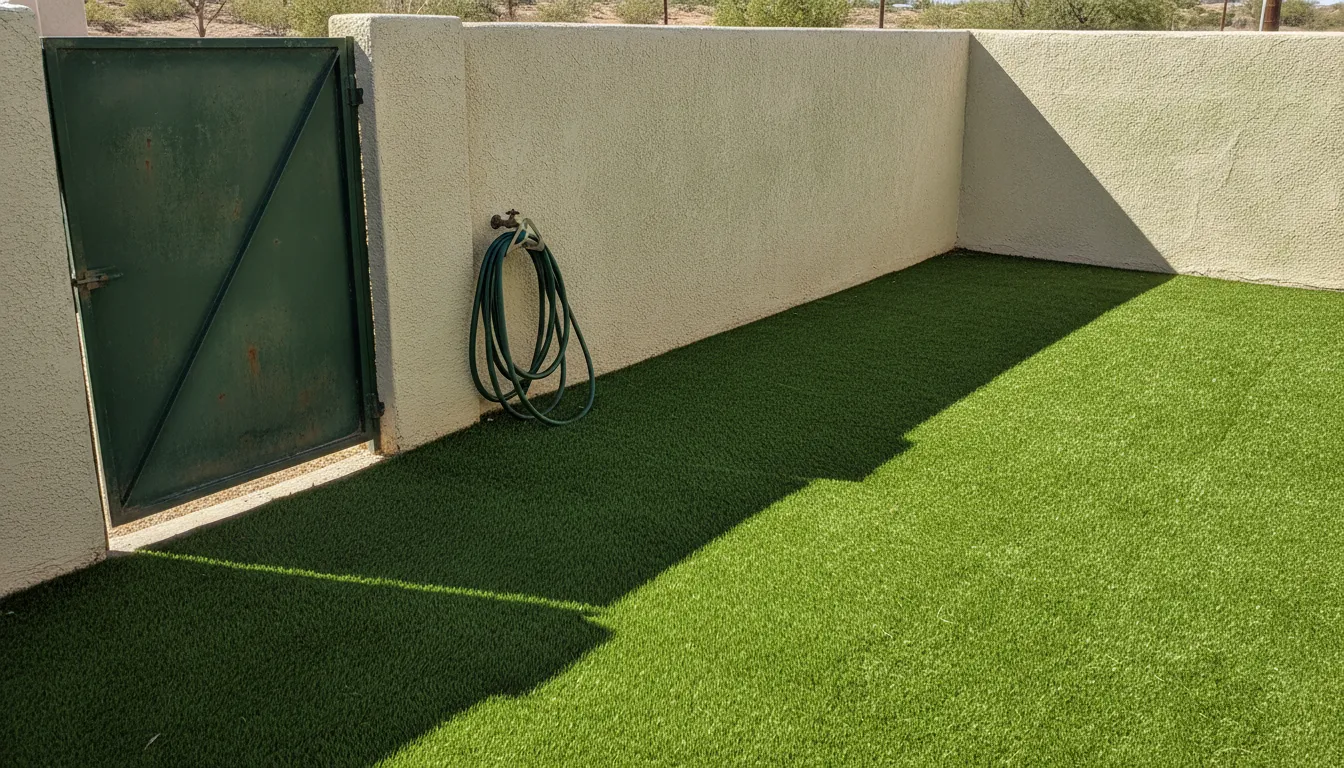
- Artificial turf or other surfaces that need a different cleaning scope than routine pickup.
- Areas affected by construction, landscaping, drainage, standing water, or seasonal access changes.
Use the pet waste service route planning guide when turning that walk-through into service instructions. A route map does not need to be complicated. It needs to identify the service boundary, the order or priority of areas, access instructions, and the person who can answer a question on service day.
Define access and communication
A property manager should provide the vendor with the address, the areas included, gate or key instructions, the preferred service window, a contact for access problems, and any safety boundaries. If the community has a dog park that closes at certain times or a maintenance project that blocks a walkway, note that before the first visit.
Ask how the team should report a locked gate, an unsafe condition, an aggressive dog, or an area that could not be reached. Clear reporting prevents a skipped area from being confused with a completed visit. It also gives the manager a useful record when the route needs to change.
Keep shared spaces cleaner without overpromising
Pet waste pickup is one part of a community program. Resident reminders, usable bag stations, clear disposal points, and a simple process for reporting a problem can support the route. A vendor cannot control every resident action, so the property should pair service expectations with its own community communication and rules.
Proper disposal matters beyond appearance. The U.S. Environmental Protection Agency's pet waste management best-practice document explains that pet waste can contribute pollutants and pathogens to stormwater when it is left on the ground. An apartment plan should therefore identify where collected waste goes and keep bagged waste from accumulating beside a path, wash, drain, or shared lawn.
For Tucson properties, heat and sun can make an overlooked area unpleasant quickly. That is a reason to map the route carefully and set a review process, not a reason to promise that one visit will solve every odor or surface issue. Routine pickup and artificial-grass cleaning are different services. If odor remains after solid waste is removed, the manager should describe the surface and condition when asking what additional work may fit.
Separate routine pickup from related property work
Apartment teams often use “pet waste service” to describe several different needs. Separating them helps the vendor give a more accurate scope and keeps the community from expecting one service to perform another.
- Routine waste pickup: scheduled collection from the agreed service areas, with bagging and haul-away.
- One-time cleanup: a defined reset for a backlog, turnover, or missed service period.
- Artificial-grass cleaning: a separate cleaning or deodorizing question for pet turf, not the same as walking a route and removing solid waste.
- Station planning or installation: a property-improvement question that should be scoped separately from recurring pickup.
- Monthly visit summary: documentation a manager or board may request, separate from an invoice and not an automatic customer portal or photo-report promise.
For documentation questions, review the pet waste service monthly report guide. It explains the type of visit information a property team may ask a vendor to summarize. A1 does not publish a customer portal or automatic photo report, so ask by phone about the record that fits the property.
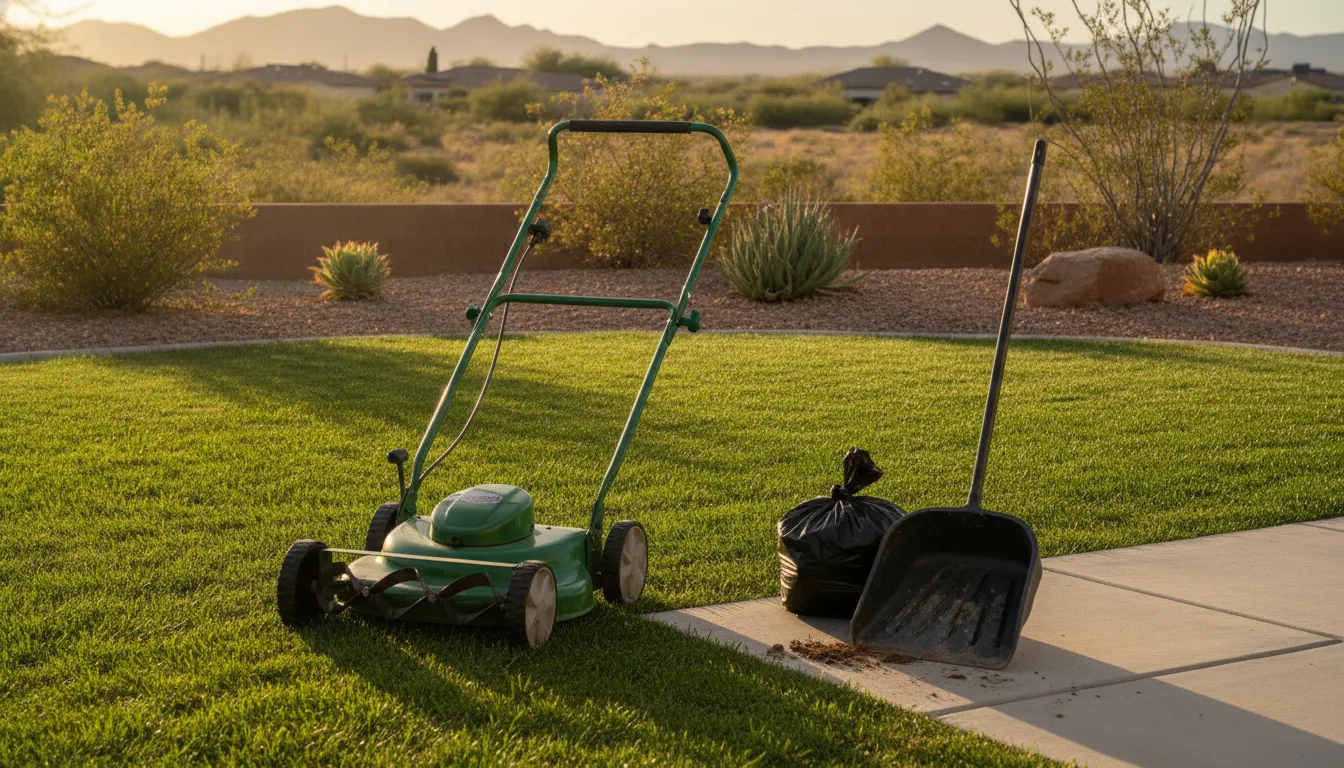
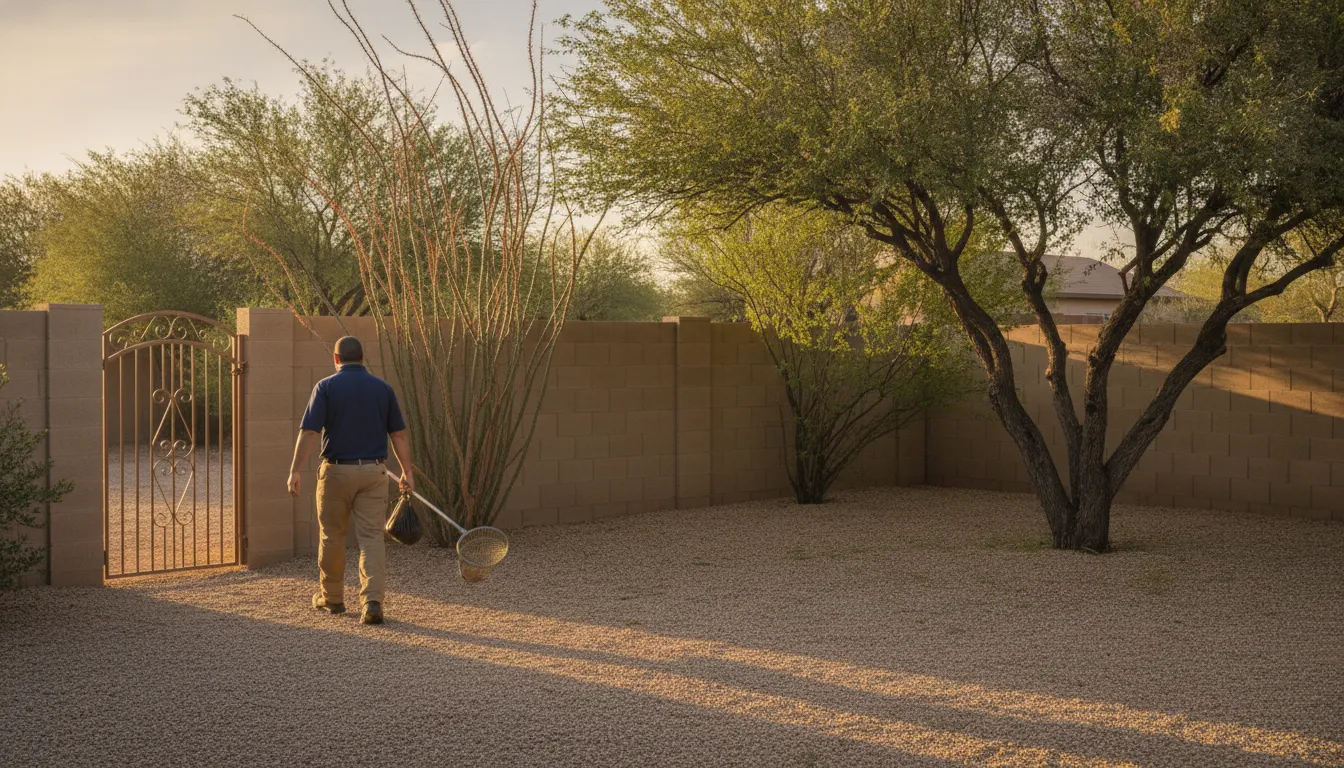
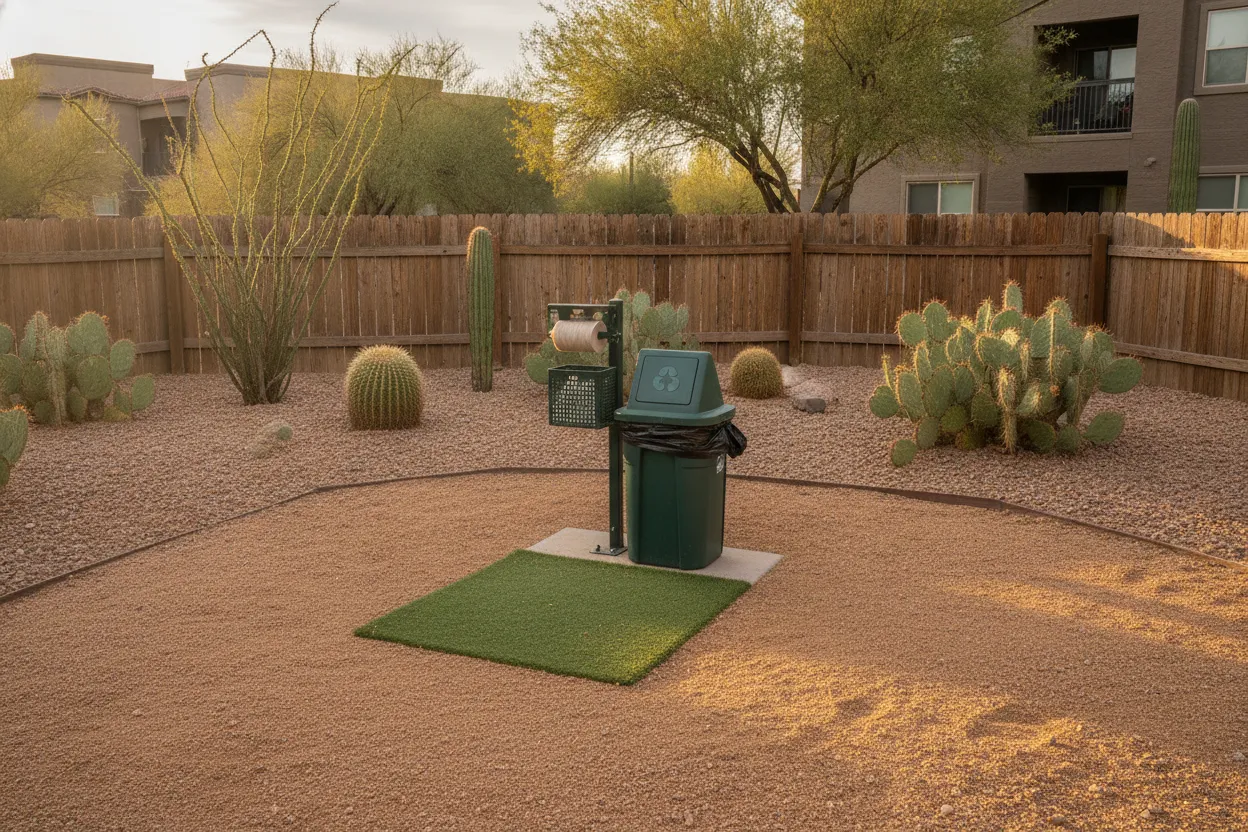 Routine pickup works best when the service areas and disposal expectations are defined in advance.
What to prepare before calling a Tucson pet waste service
A short property brief helps the first conversation stay practical. Include:
- The community address and whether the property is in Tucson or a nearby Tucson-area location.
- The number and general layout of buildings, dog areas, pet stations, and common grounds.
- The service areas that need regular pickup and any areas that should be excluded.
- Whether the immediate need is weekly, bi-weekly, one-time cleanup, or a combination of scopes.
- Recent access problems, construction, landscaping, events, or resident complaints that affect timing.
- The name and phone number of the person who can approve access details and review the scope.
Do not guess at a price from a residential visit or copy a rate from another kind of property. Apartment service depends on the grounds, access, service area, and selected option. A property-specific proposal is more useful than a generic number that does not describe what will be visited.
Questions to ask before selecting a vendor
- Which apartment grounds and pet areas are included in the proposed route?
- How does the vendor distinguish weekly, bi-weekly, and one-time cleanup?
- What happens when a gate is locked or an area is temporarily inaccessible?
- How are collected bags handled and where is the approved disposal point?
- What information should the property provide before service begins?
- How can the manager request a scope change or ask for a visit summary?
- Which odor, turf, station, or landscaping concerns are outside routine pickup?
These questions help compare service scope rather than comparing vague labels. They also give the property team a record of what it asked for before service begins.
Call (702) 521-2624 to review your Tucson apartment property's service areas and next step
Frequently asked questions
What is the best pet waste service schedule for a Tucson apartment?
The best schedule depends on the community's pet population, grounds, dog areas, access, and the amount of buildup the property can accept between visits. Weekly and bi-weekly routes are separate options to discuss. A one-time cleanup may be appropriate first when the property has a backlog.
Can apartment properties use one-time cleanup instead of recurring service?
Yes, one-time cleanup can address a defined backlog, turnover, or missed-service period. It is not automatically a recurring route. If the property wants ongoing pickup, ask for a separate recurring scope so the service areas and schedule are clear.
Does apartment pet waste service include landscaping or turf installation?
Routine pet waste pickup is not the same as mowing, landscaping, artificial-grass installation, or infill replacement. Describe turf, odor, drainage, or landscaping needs separately so the vendor can confirm what service is appropriate.
What should a Tucson apartment manager provide for a service proposal?
Provide the property address, a map or description of dog areas and shared grounds, access instructions, service boundaries, the preferred option, and a contact for questions. Notes about locked gates, construction, events, and areas with repeated complaints are also useful.
How can a manager request service for an apartment property?
Call A1 Pet Maintenance at (702) 521-2624 with the property address and the service areas that need attention. The team can discuss whether weekly, bi-weekly, one-time, or another property-specific next step fits the community.
Plan the service around the community
An apartment pet waste service Tucson plan is strongest when it names the grounds, separates routine pickup from one-time cleanup, and gives the crew clear access instructions. Start with a walk-through and a simple map, then call A1 Pet Maintenance to discuss the property's actual needs and confirm the next step.