Dog Sanitation: A Practical Guide to a Cleaner Home and Yard
Build a dog sanitation routine for home and yard: remove waste safely, manage odors, and match cleaning steps to each surface.
Good dog sanitation is not about making every part of life with a dog sterile. It means removing waste, cleaning the places your dog uses, and keeping food, play, and rest areas reasonably clean. A repeatable dog sanitation routine can help control odor and make outdoor spaces easier to enjoy, whether you have a small patio, a grassy yard, or several pets.
Call (702) 521-2624 to ask about pet waste cleanup, or send a note on the contact page.
What does dog sanitation include?
Dog sanitation covers ordinary steps that keep your dog's surroundings clean. It includes picking up feces, disposing of it properly, cleaning bowls and washable bedding, and removing dirt or residue from the places your dog regularly uses. In a yard, it also means checking the full space rather than only the most visible patch of lawn.
It helps to separate routine cleaning from a deeper reset. Routine work is frequent and small: scoop, wipe, rinse when suitable, and let surfaces dry. A deeper cleanup may be needed after waste has accumulated, after a pet has been ill, or when a persistent odor has an identifiable source. The right approach depends on the material and product label, not simply on how strong a cleaner smells.
A practical routine has four parts:
- Remove: Pick up feces and other visible debris.
- Clean: Wash or wipe a suitable surface to remove residue.
- Dry: Allow the area to dry as directed before pets use it.
- Check: Revisit high-use spots and deal with a missed mess early.
Different spaces need different dog sanitation choices. Use this comparison to pick a starting cadence, then adjust it to how the space is actually used.
Small patio or balcony.
First step: Remove waste and check the designated spot.
Usual check: Check each outing because the area is small.
Stop and reassess when: Rinse water has nowhere permitted to drain.
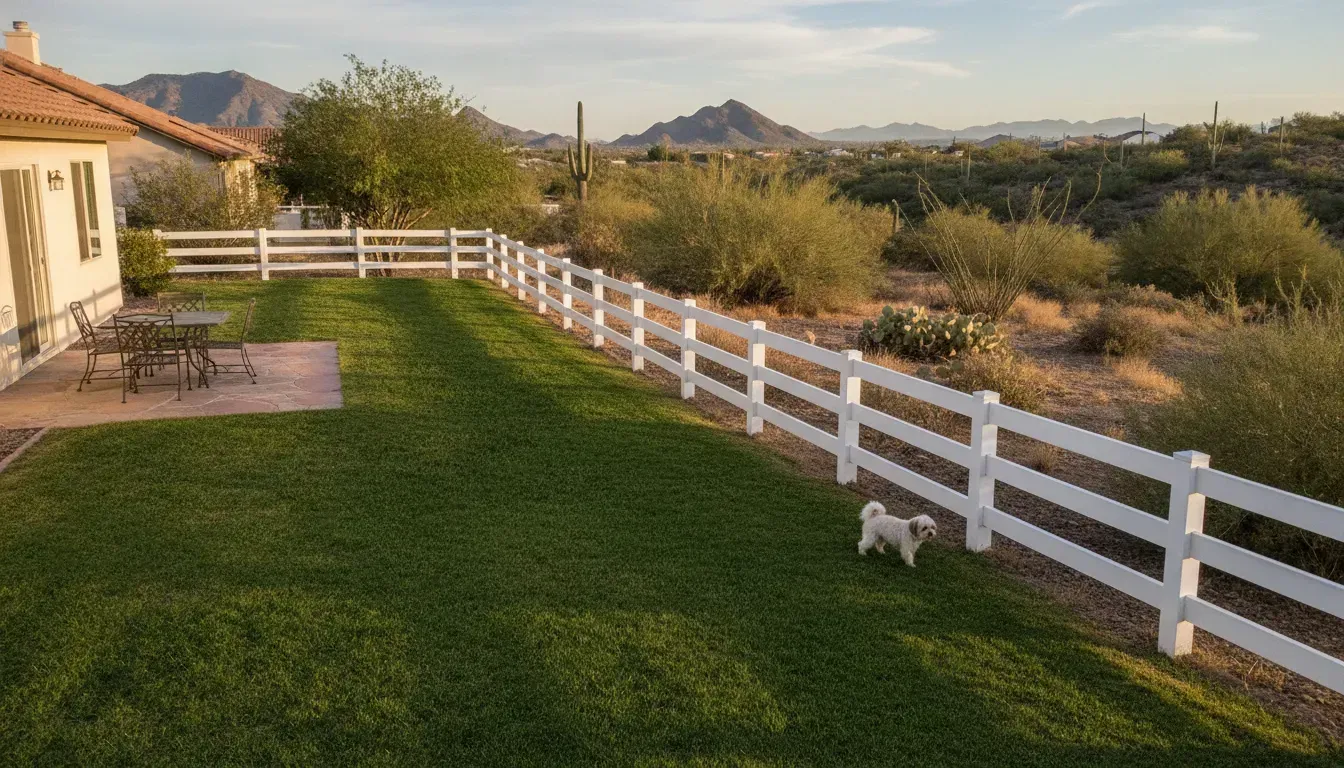
Grassy or dirt yard.
First step: Walk the yard in lanes and bag solids.
Usual check: Check whenever you notice waste, plus a daily pass.
Stop and reassess when: Waste is hidden along fences or under shrubs.
Artificial turf.
First step: Pick up solids before any cleaner.
Usual check: Use prompt pickup, then turf-safe care only.
Stop and reassess when: Odor stays in the fibers after solids are gone.
Indoor floors and bedding.
First step: Lift the mess, then use a surface-safe cleaner.
Usual check: Clean as soon as you notice an accident.
Stop and reassess when: The same spot smells after it dries.
Shared or common dog area.
First step: Clear the area and confirm disposal points.
Usual check: Follow the property's agreed route.
Stop and reassess when: Containers overflow or the same corner keeps failing.
How often should you clean the places your dog uses?
Start with how often the area is used and how quickly waste or dirt builds up. Pick up feces whenever you notice it, rather than waiting for a scheduled yard-cleaning day. In busy dog runs or small yards, check more often because waste is concentrated in less space. If you have more than one dog, increase the frequency to match the added use.
Indoors, deal with accidents as soon as you can. Blot or lift the mess without spreading it, then follow the cleaner's instructions for that surface. Wash food and water bowls regularly, and clean bedding according to its care label. A quick calendar reminder can help with tasks that are easy to forget, such as washing a crate tray or refreshing a washable mat.
Think in terms of a short daily check and less frequent washing tasks. A daily check can cover the yard, the dog's usual route, and any indoor accident. A weekly reminder might include bedding, washable mats, a crate tray, and cleaning tools. Adjust the cadence if the space is heavily used, if weather brings dirt indoors, or if a particular surface needs more frequent attention. The aim is a routine that responds to actual use rather than an arbitrary schedule.
How can you make a dog sanitation routine stick?
A routine works best when it is specific and easy to repeat. Decide who checks the yard, what areas are included, and where collected waste goes. If more than one person shares the work, agree on a simple handoff so everyone knows whether the latest check has happened. A note on the household calendar or a short checklist near the back door can prevent missed days without turning cleanup into a complicated project.
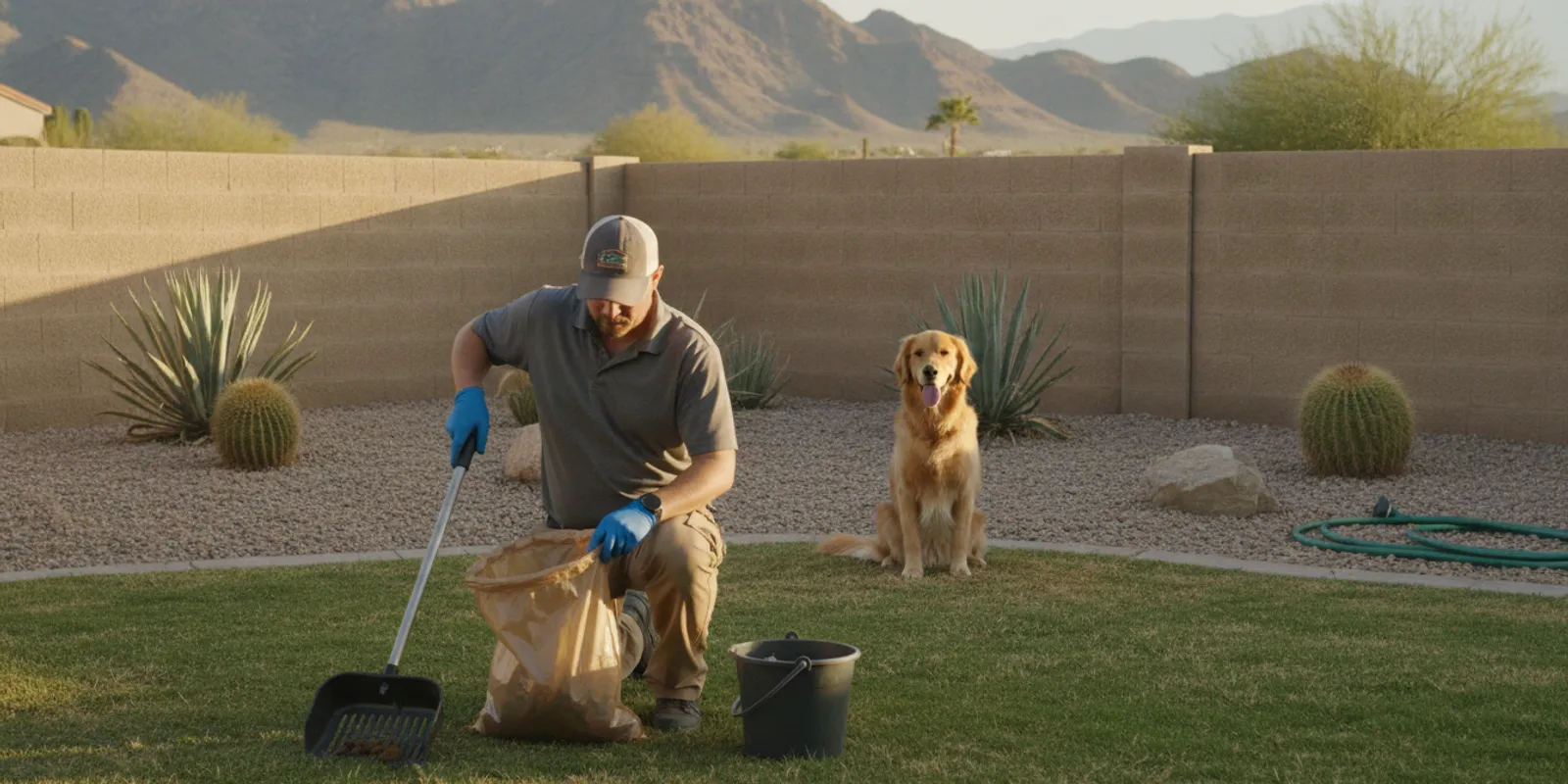
Keep a small, ready-to-use kit near the normal exit, stored safely and away from children's reach. It might include bags, a scoop, disposable gloves if you use them, and a suitable outdoor container. For indoor accidents, keep absorbent material and a surface-compatible cleaner in a separate, secure place. Check supplies occasionally so you do not discover that bags or cleaner are missing after a mess occurs.
When you restart after a missed stretch, use this order:
- Walk the most-used route and remove visible waste.
- Check fence lines, shrubs, and spots under outdoor furniture.
- Clean tools or containers only after the solids are gone.
- Note any stain or odor that still needs a surface-specific response.
When the routine slips, restart with a focused pass through the most-used areas. Do not try to compensate by spraying everything with cleaner. Remove accumulated solids first, then decide whether any area needs additional cleaning. Breaking a large task into zones makes it easier to finish and helps you keep track of places that need another look.
For a yard, set a realistic schedule based on how many dogs use it, the size of the area, and your household's routine. A spacious yard may be quick to check, while a smaller and heavily used space can require more frequent attention. If you are weighing a do-it-yourself routine against recurring pickup, read this dog poop service overview. For accumulated waste, compare the considerations in the guide to one-time pet waste cleanup.
How do you clean a yard without spreading the mess?
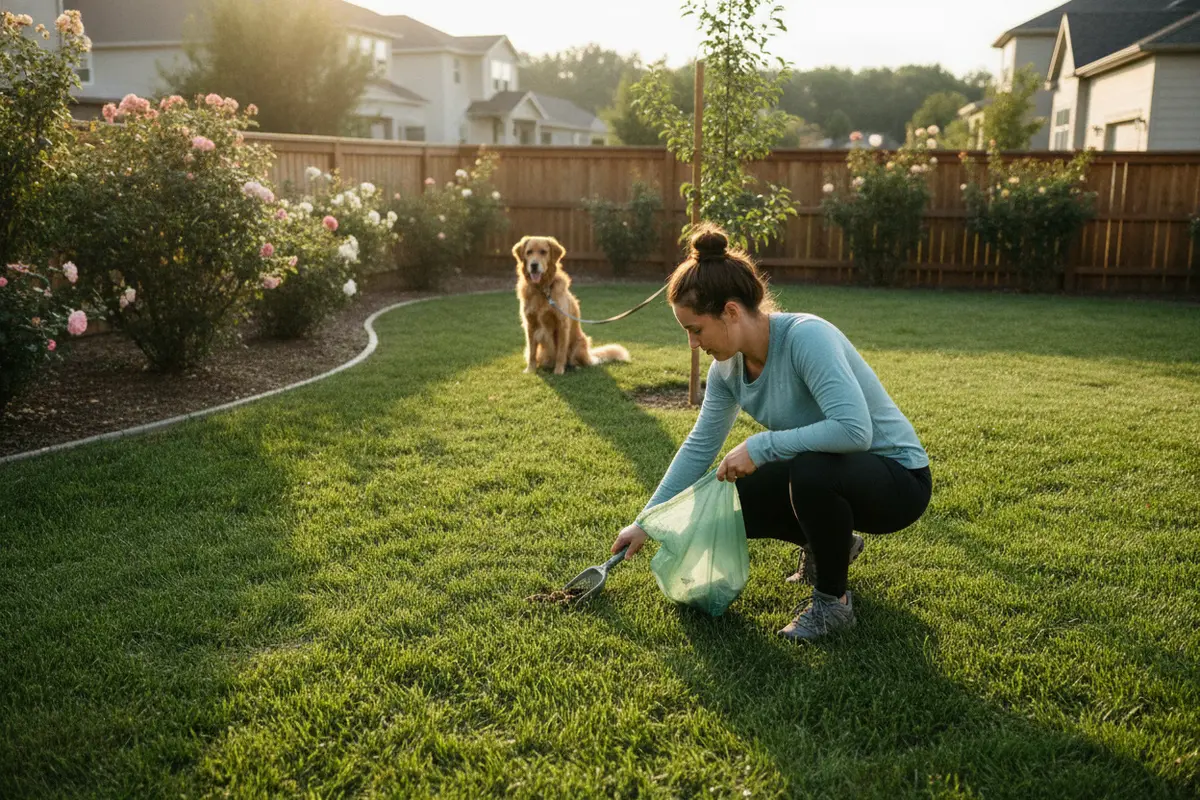
Work methodically. Bring a scoop or bags, start at one edge, and move across the yard in lanes. Check along fences, behind shrubs, around play equipment, and near gates. Those are easy places to miss when you scan from the patio. Put waste directly into a suitable bag or collection container, and avoid dragging a scoop across clean areas after it contacts waste.
After pickup, inspect the surface. On hard surfaces, remove solids first, then clean the remaining mark with a product labeled for that material. On soil or grass, do not assume that spraying a strong cleaner will solve the problem; some products can harm plants or leave residues. Follow product directions and local disposal instructions. If a section has accumulated waste, clear the solids before considering any broader cleaning method.
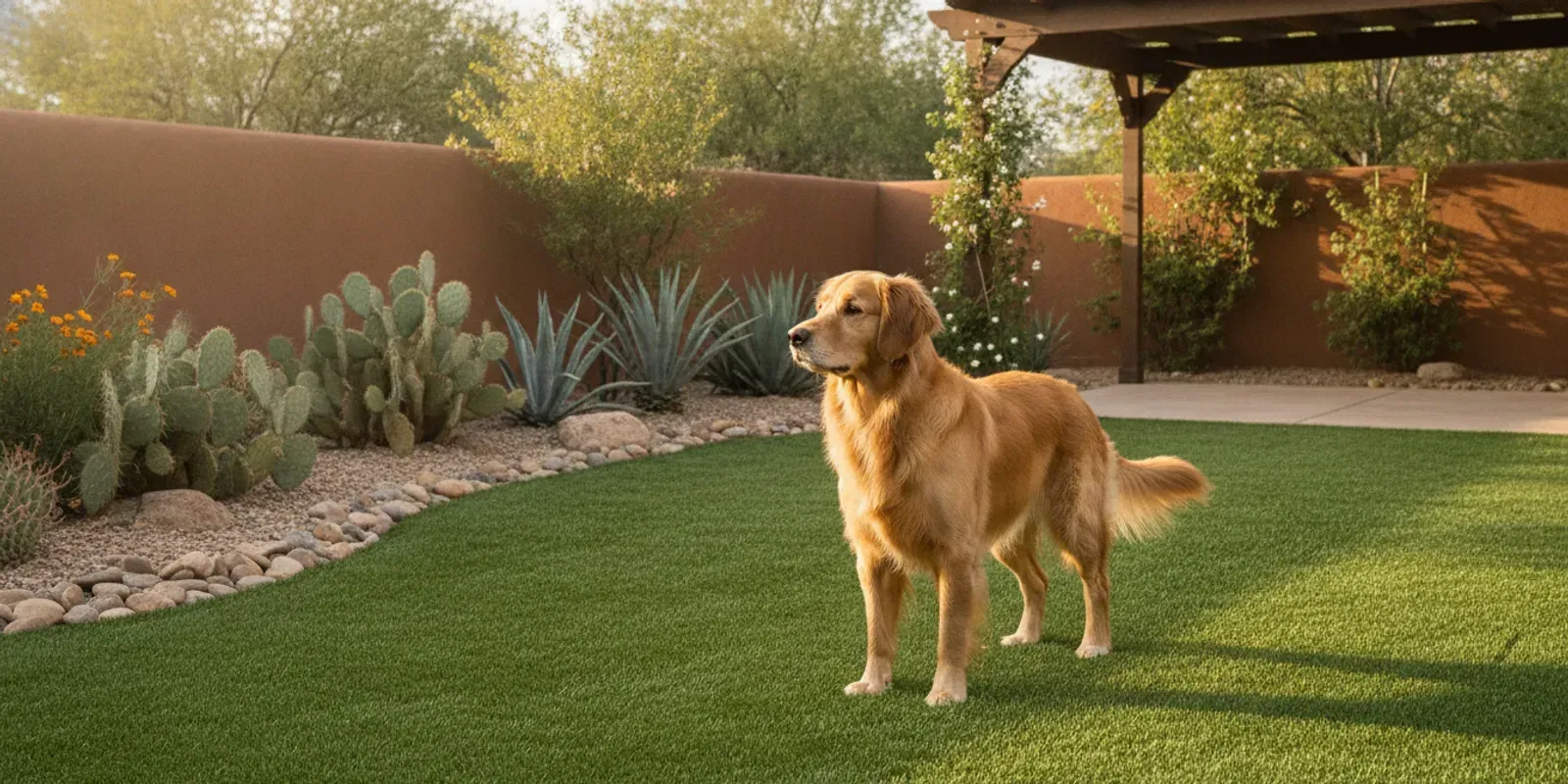
 Artificial turf needs its own care because waste and residue can remain among the fibers or move through the backing differently than on soil. Remove solids first and use products intended for artificial turf, following the manufacturer's instructions. Avoid treating turf like natural grass or reaching for a harsh household chemical without checking compatibility. For more detail, read the guide to
artificial grass cleaning and maintenance.
If you are cleaning a larger yard, divide it into clear zones instead of walking back and forth at random. For example, check the main play area first, then the perimeter, planting beds, and less-used corners. Keep track of finished sections with a simple mental route or a checklist. If you find waste in one area repeatedly, include that spot in each pass rather than relying on a broad scan.
What should you clean inside the home?
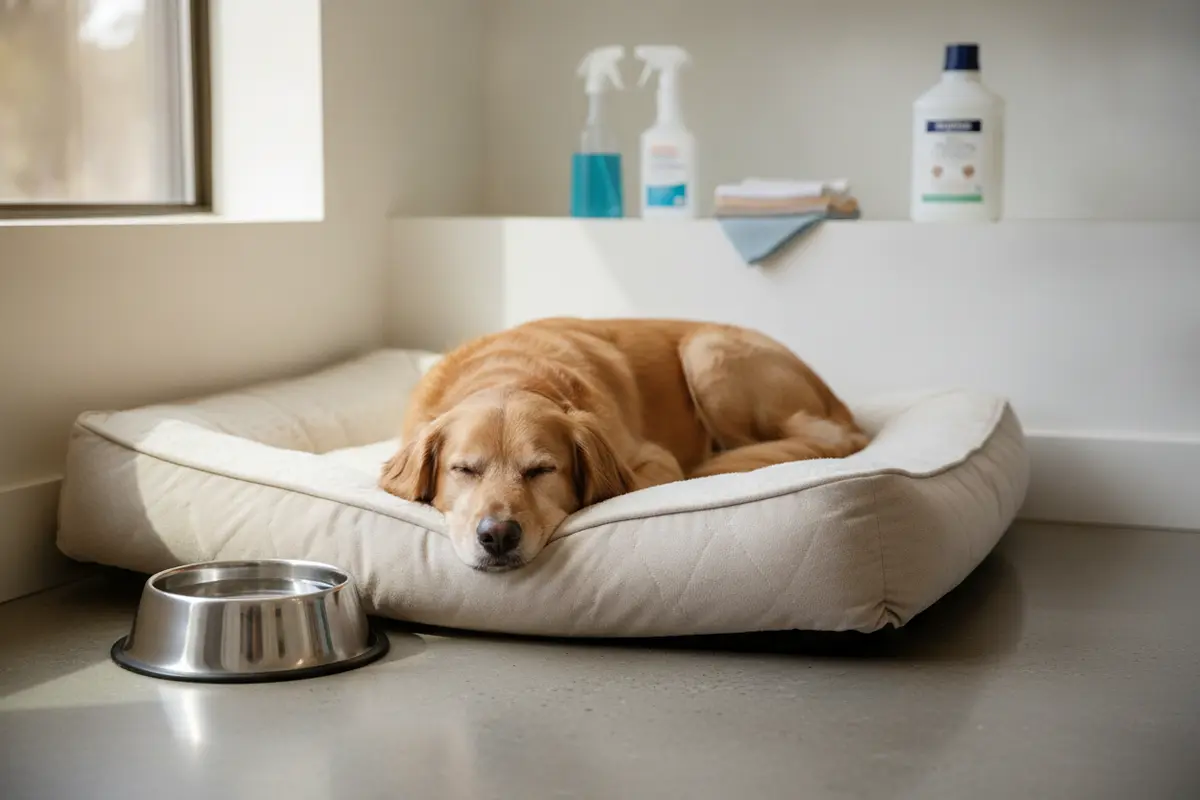
Focus on the surfaces your dog touches most: bedding, crate trays, food and water bowls, entry mats, and any regular resting spot. Shake or vacuum loose hair and dirt before washing, since wet debris can be harder to remove. Use the care directions for fabric and equipment. Rinse as directed and let items dry fully before returning them to your dog's space.
For an accident on a floor, first check what the flooring manufacturer recommends. Blot liquid rather than rubbing it outward. Remove solid waste with disposable material, then use a cleaner suitable for the floor. A product designed to address pet residue may help with lingering odor, but it must be safe for the material and used exactly as labeled. Test an inconspicuous spot when the product directions recommend it.
Keep cleaners, bags, and scooping tools stored where children and pets cannot reach them. Do not mix cleaning products. In particular, never combine bleach with other cleaners. Ventilate the area when the label calls for it, and keep your dog away until the instructions say the surface is ready for use. If an accident is repeated in the same place, clean the area and consider whether a mat or washable barrier would make future cleanup easier.
It can help to use separate tools for outdoor pickup and indoor spot cleaning. Label or store them apart so a scoop does not end up near household cleaning cloths. After using a tool, clean it according to its material and any product directions, then let it dry before putting it away. This small separation makes the routine clearer and reduces the chance of carrying visible dirt from one area to another.
How can you manage waste and odors?
Prompt removal is the first practical step for keeping a dog area pleasant. Seal bagged waste and place it in the appropriate disposal stream for your home or community. Local rules can differ, so check guidance from your city or waste provider rather than assuming every disposal option is accepted. Do not leave filled bags beside a bin or in a shared walkway.
Odor can linger when a source remains in a hidden or porous area. Look around the usual potty route, beneath outdoor furniture, near turf edges, and along the side of a building. Indoors, check bedding, rugs, crate trays, and the floor beneath them. Remove visible waste before applying a cleaner; otherwise, the product may only mask the smell or fail to reach the residue.
Use products according to their labels and intended surface. More product is not automatically more effective, and a strong fragrance does not prove an area is clean. Rinsing, if required, and allowing the surface to dry are part of the process. For persistent yard odors, the dog poop odor guide explains common sources and practical next steps. For artificial turf specifically, see artificial turf deodorizing guidance.
Try to trace an odor before applying anything. Walk the route your dog takes and inspect low points, shaded corners, spaces under objects, and places where runoff might collect. If the source is not obvious, clean one likely area at a time and check again after it dries. Treating every surface at once makes it harder to identify what helped and can expose plants or materials to unnecessary products.
How should you adjust the routine for different spaces?
Small patios and balconies
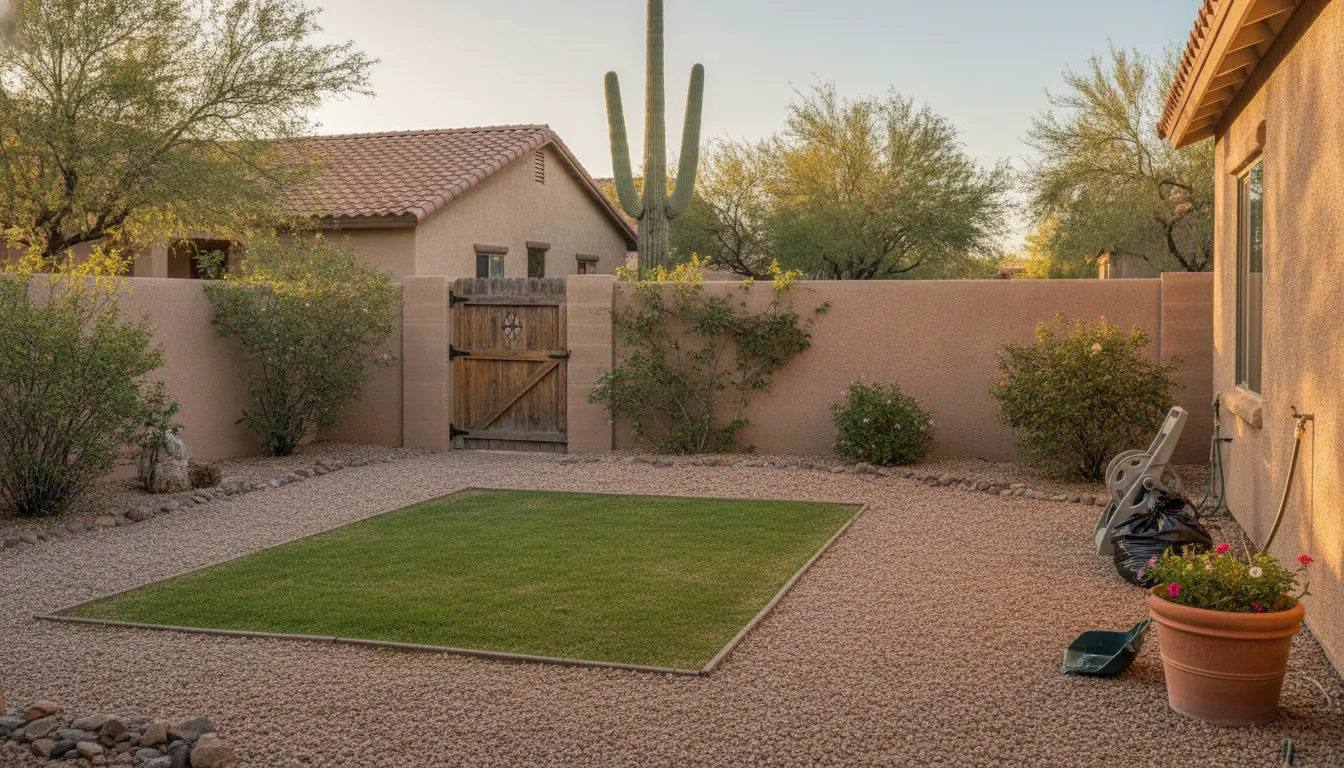
Small spaces need frequent checks because a little waste can affect most of the usable area. Keep the scoop and disposal bags close by, but out of reach of children and pets. If your dog uses a designated potty spot, inspect it each time you clean and follow the surface manufacturer's care instructions. Make sure any rinse water drains where it is permitted to go.
Large yards
Divide the area into zones: play space, perimeter, planting beds, and less-used corners. Rotate through the zones so none become forgotten. A larger yard can make individual messes less noticeable, but a consistent path and a regular check prevent waste from accumulating out of sight. For ideas on planning a reset, see the yard cleanup planning guide.
Artificial turf
Pick up solids promptly and use only cleaning methods suitable for the turf system. Read the turf manufacturer's care guidance, especially before applying a product or using equipment. Step-by-step turf care lives in the pet turf sanitation guide. If ordinary maintenance is not addressing the problem, compare the considerations in this guide to turf cleaning service options.
Shared or commercial areas
Communities and multi-family properties have different needs from a private yard. Residents need clear disposal points, visible expectations, and a plan for checking common dog areas. A property team may also track recurring problem spots and whether containers are being emptied. Property managers can review commercial property cleanup information when planning site maintenance.
When is a regular service or one-time cleanup useful?
It may make sense to get help when your schedule makes consistent pickup difficult, when waste has built up, or when a shared property needs routine attention. Think about the size and layout of the space, how many dogs use it, and whether you need a one-time reset or ongoing visits. A recurring schedule can make routine maintenance predictable; a one-time cleanup is intended for accumulated waste rather than a substitute for day-to-day care.
To decide which type of help fits, consider the condition of the space and what you want to maintain afterward. A one-time cleanup can address a backlog, after which household members can resume regular checks. Ongoing service is a different choice for people who want recurring pickup as part of property maintenance. Before choosing, describe the number of dogs, the space, access details, and any areas that need special attention. A1 Pet Waste Maintenance offers pet waste removal and one-time cleanups; contact the team to confirm current availability and the option that suits your property.
If you are comparing providers, ask what areas a visit covers, how often service takes place, what happens when access is blocked, and whether you need to prepare the yard. These practical questions clarify what is included without assuming that every service works the same way. The guide to hiring a pooper scooper can help you prepare questions, and the contact page is available if you want to discuss your needs.
 What should you remember about hygiene and safety?
Use basic hygiene after handling pet waste: avoid touching your face, dispose of the waste appropriately, and wash your hands with soap and water. The Centers for Disease Control and Prevention provides public health information. Keep scooping tools separate from food-preparation items, and clean them according to their material and product directions.
Do not use a disinfectant or deodorizer in a way that conflicts with its label. Keep pets away from freshly treated surfaces for the time specified by the manufacturer. If your dog has a health concern, or you are unsure how to clean an area after illness, ask your veterinarian for advice about appropriate precautions. For routine household sanitation, consistent removal and surface-appropriate cleaning are more useful than indiscriminate spraying.
A useful decision sequence is simple: identify the material, remove visible waste, check the cleaning product label, and follow the instructions for application, rinsing, drying, and pet access. If the surface instructions and cleaner label do not agree, do not guess. Choose a method both allow or ask the manufacturer or a qualified professional for guidance. This is especially important for specialty surfaces, delicate finishes, and equipment that your dog may chew or lick.
Call (702) 521-2624 to talk about pickup for your yard, or use the contact page.
Frequently asked questions
Does dog sanitation mean disinfecting the whole yard?
No. For most routine yard care, start by removing waste and cleaning only where needed. Use a disinfectant only when it is appropriate for the surface and situation, and follow the label. Broad, unnecessary chemical use can create avoidable risks for pets, plants, and surfaces.
Can I use the same cleaner indoors and outdoors?
Not necessarily. Flooring, fabric, natural grass, and artificial turf can have different care requirements. Check the surface manufacturer's instructions and the cleaner's label before use. Choose a product that is specifically suitable for the material and follow its directions for application, rinsing, and drying.
What is the first step when the yard smells bad?
Look for and remove the source. Check the places your dog uses most, along boundaries, and around outdoor objects where waste can be hidden. After that, clean the affected surface using a suitable method. If odor remains, consider whether residue has reached a porous material or turf backing and consult a relevant cleaning guide or service provider.
How can I keep a routine from becoming overwhelming?
Pair quick waste checks with an existing daily habit, such as letting the dog out or bringing in the mail. Keep supplies accessible but safely stored, divide a large yard into sections, and schedule less frequent washing tasks on a calendar. If regular pickup is not practical, ask about recurring service or arrange a one-time cleanup for accumulated waste.
A clean dog space comes from steady, surface-appropriate care: remove waste promptly, clean what needs attention, and use products safely. Adjust the schedule to your household and property so the routine stays manageable.