Pet-Friendly Turf Cleaning Service for Cleaner Pet Areas
Schedule a pet-friendly turf cleaning service for artificial grass odor, debris, and pet waste. Compare practical care options for homes and shared properties.

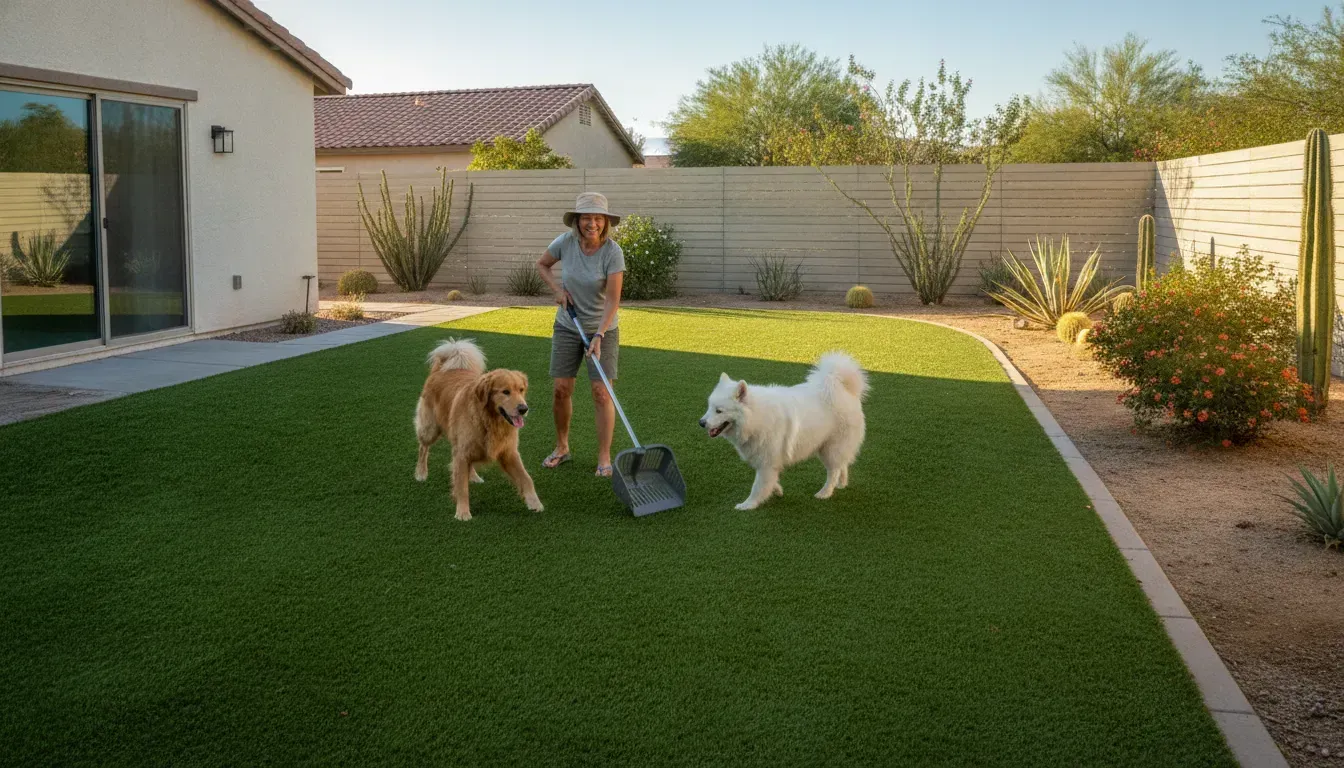
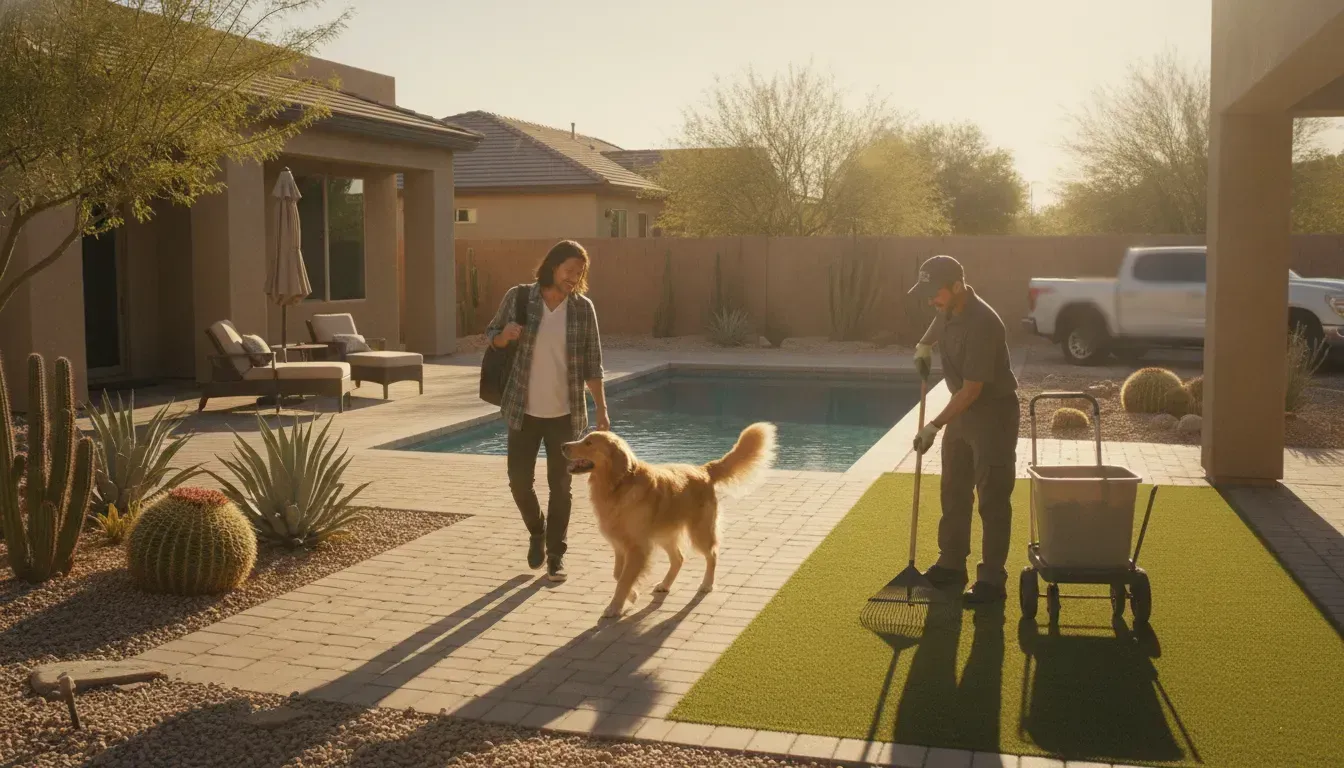
A pet-friendly turf cleaning service should remove visible pet waste and loose debris, then address residue that can contribute to recurring odor. It should use turf-appropriate rinsing or agitation when the condition calls for it. It should also explain what the visit can and cannot accomplish. A1 Pet Maintenance's artificial-grass service includes pet-waste removal, debris clearing, enzyme-based deodorizing, deep rinsing, agitation, and infill-refresh recommendations when appropriate.
Call A1 Pet Maintenance at (702) 521-2624 Today
The right approach depends on pet traffic, drainage, and the type of care already in place. It also depends on whether you need ongoing maintenance or a one-time reset. The guidance below explains what homeowners, property managers, HOAs, and other pet-friendly properties should expect.
How Does a Pet-Friendly Turf Cleaning Service Work?
A pet-friendly turf cleaning service works by combining waste removal, debris clearing, odor-focused treatment, and turf-specific rinsing. The technician starts with visible conditions, then considers what may be collecting between turf fibers, in the infill, or near the backing. The goal is practical maintenance: remove what can be removed, manage residue, and identify conditions that need additional attention.
A typical service can include several related steps:
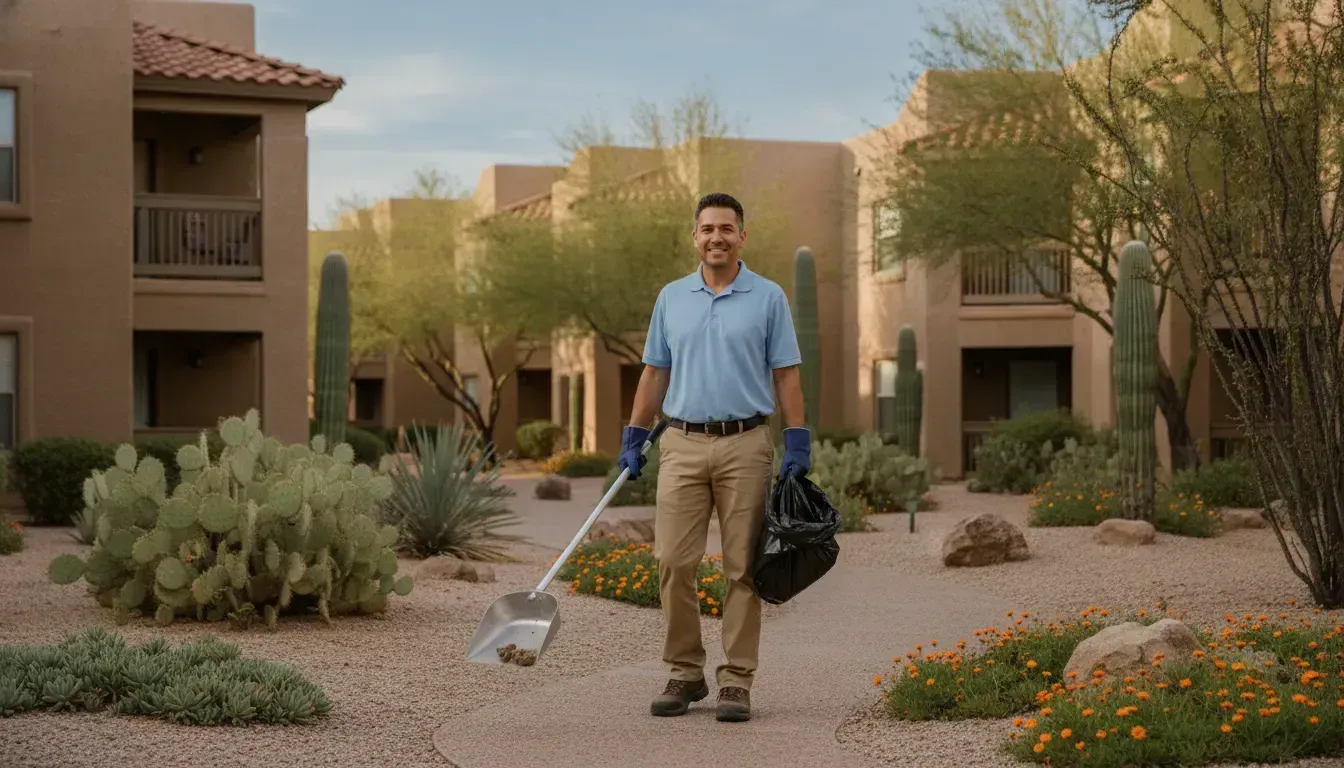
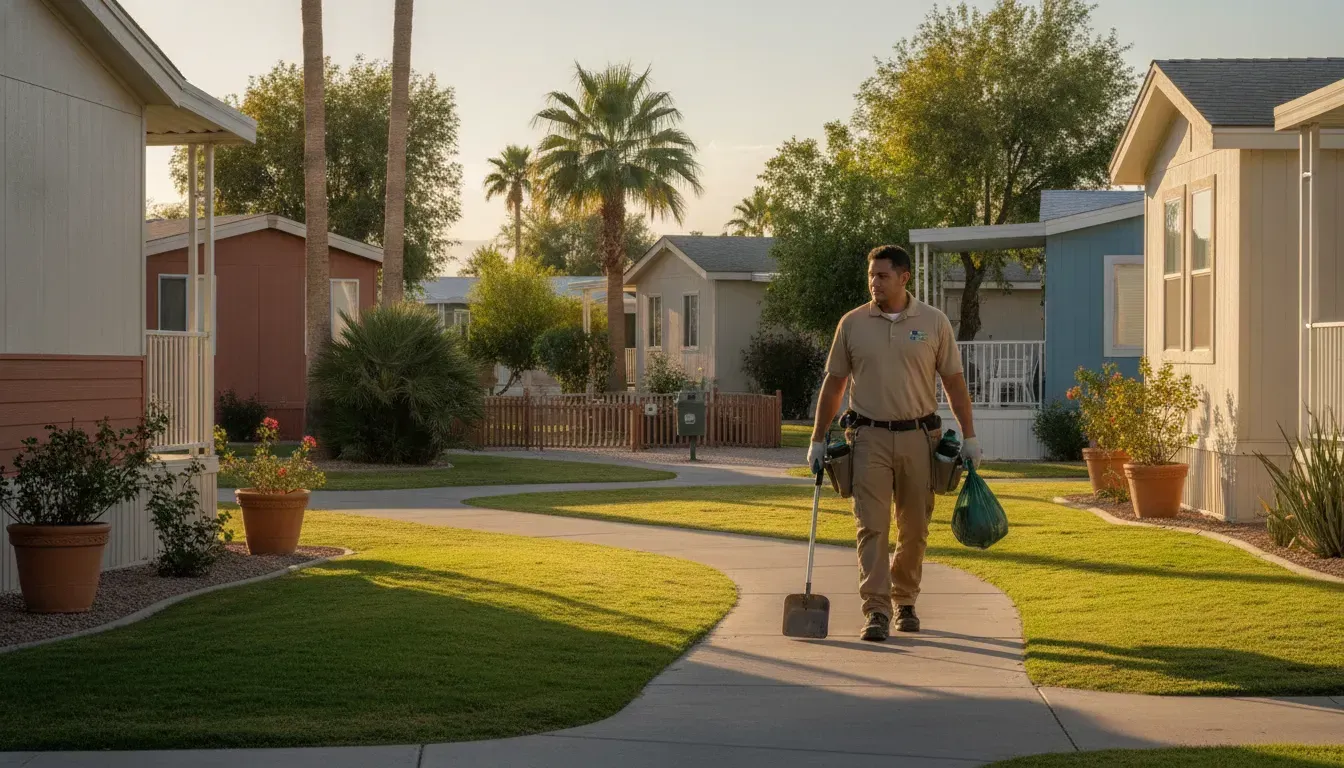
- Pet-waste removal: Visible waste is collected and bagged so it is not left on the property.
- Debris clearing: Leaves, dirt, fur, and other organic material are removed from the turf surface.
- Odor-focused treatment: A1 describes an enzyme-based deodorizing treatment for organic pet-waste residue.
- Rinsing and agitation: Water and agitation help address material on and between turf fibers when those steps fit the turf's condition.
- Condition recommendations: The provider can note drainage or infill concerns and recommend an infill refresh when needed.
These steps are not a promise that every odor disappears after one visit. If residue has reached a deeper layer or drainage is poor, the property may need additional turf work. Constant pet traffic can also require a different maintenance schedule. A responsible provider should explain those limits before service begins.
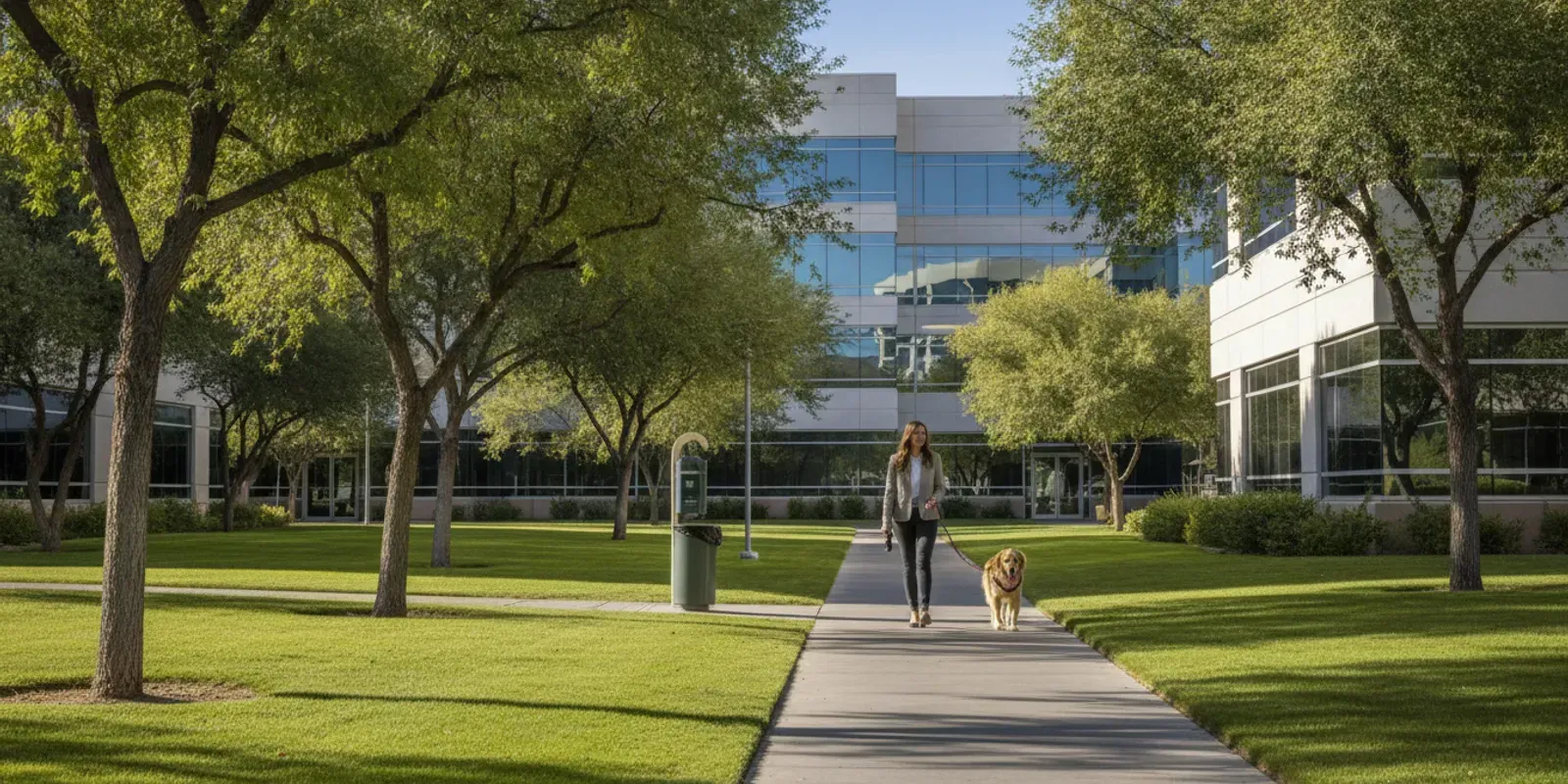
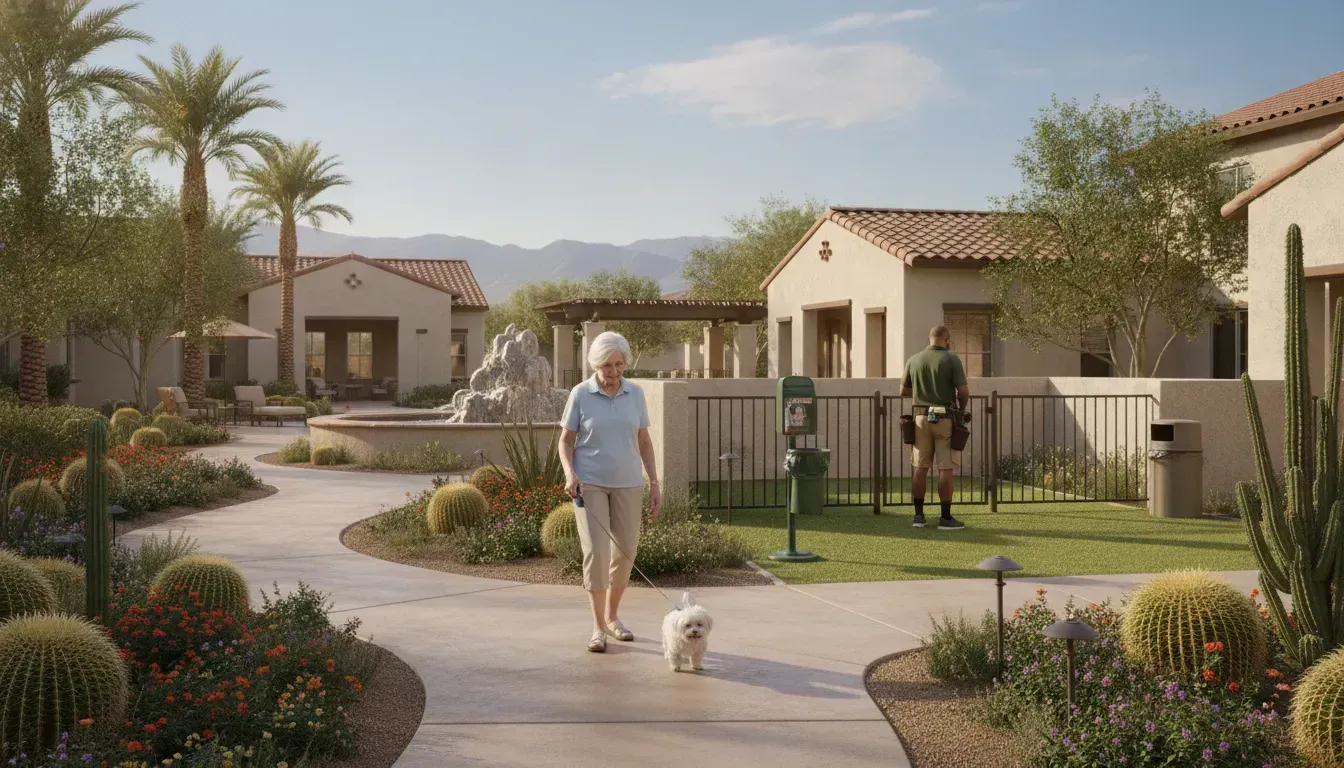
A1's artificial grass cleaning and maintenance service is intended for homeowners, apartment communities, pet facilities, and other high-use pet areas in Las Vegas, Henderson, and surrounding areas. It is separate from regular waste pickup. The two services can support the same maintenance plan.
Why Is Waste Pickup Different From Turf Cleaning?
Regular waste pickup removes solid waste before it remains on the property. That matters every day, especially in shared pet areas. Turf cleaning addresses more conditions, including loose debris, residue, odor, and material that may settle into the turf system. One service does not replace the other. A yard can receive consistent scooping and still need deeper cleaning when odor or buildup returns.
Why Can Artificial Turf Smell Like Dog Urine in Hot Weather?
Artificial turf can smell stronger in hot weather when urine residue or other organic material remains in the turf system. As urea breaks down, it can produce ammonia with a sharp odor. Synthetic turf has fibers, backing, and infill rather than active soil biology. Residue can remain in places that are not obvious during a quick surface inspection.
Heat can make an existing odor easier to notice. A private yard or shared dog run may seem manageable in cooler conditions, then smell much stronger during a Las Vegas or Henderson summer. That change does not necessarily mean new waste appeared. It may mean heat is intensifying the odor from residue already present.
Why Can Pickup Leave an Odor Behind?
Picking up visible feces removes the immediate solid waste, but it does not remove every trace of urine or organic matter. Small amounts can remain on the surface, between fibers, or in the infill. Dirt and leaves can hold moisture and residue against the turf. Over time, those conditions can make odor return soon after routine cleanup.
Persistent odor is a signal to inspect the full turf system, not a reason to make a permanent-odor-free claim. A provider should consider the surface, infill, drainage, pet traffic, and cleaning history. The recommendation may be deeper rinsing, agitation, deodorizing, recurring service, or an infill discussion. The property condition should guide that choice.
How Does Drainage Affect Turf Odor?
Drainage affects how quickly liquids and residue move through the turf. When an area drains slowly, moisture can remain against the backing and surrounding materials for longer. Heavy use, compacted debris, or a problem below the turf can make the condition more noticeable. Cleaning can address removable residue. It cannot guarantee a permanent correction for a separate drainage or base-layer problem.
A1's guide to cleaning artificial turf for dogs provides more context on turf-specific maintenance. The practical takeaway is simple. Inspect recurring odor rather than covering it up, and match the service to the source and condition of the buildup.
What Should a Professional Turf Cleaning Visit Include?
A professional visit should include a clear scope, removal of visible waste and debris, an appropriate odor-focused treatment, and turf-specific cleaning steps when they fit the site's condition. The provider should identify the type of area being serviced, note how heavily it is used, and explain which steps are included. A quick scoop-and-go visit may be appropriate for routine waste removal, but it is not the same as artificial-grass cleaning.
How pet turf maintenance options differMaintenance optionWhat it addressesImportant limitRoutine waste pickupVisible pet waste is collected, bagged, and hauled away.It does not address every trace of residue, embedded debris, or recurring odor in the turf system.Homeowner spot careFresh messes and loose debris can be handled promptly according to the turf manufacturer's care guidance.Spot care may miss infill buildup, drainage concerns, or residue below the visible surface.Professional turf cleaningWaste and debris removal can be combined with A1-described enzyme-based deodorizing, deep rinsing, and agitation.Cleaning is not a promise that turf is sterile, permanently odor-free, or free from separate drainage or base-layer issues.
What Happens During the Service?
The visit should start with removal of visible waste and loose debris. Clearing leaves, dirt, fur, and organic material gives later cleaning steps better access to the turf surface. The provider can then apply the appropriate odor-focused treatment, followed by rinsing and agitation when those steps fit the turf's condition.
The technician should also look for practical maintenance signals. Does one section receive more pet traffic? Does the area stay damp? Does odor return quickly after surface cleaning? Is infill collecting visible material? These observations help distinguish a routine cleaning need from a condition that may require separate turf or drainage attention.
A1's process is built around pet-waste removal, debris clearing, enzyme-based deodorizing, deep rinsing, and agitation. The company may also recommend an infill refresh when the condition of the turf indicates that it would help. The service should be explained as odor and residue management, not as sterilization or a guarantee that odor will never return.
 When Should Homeowners and Property Managers Schedule Turf Cleaning?
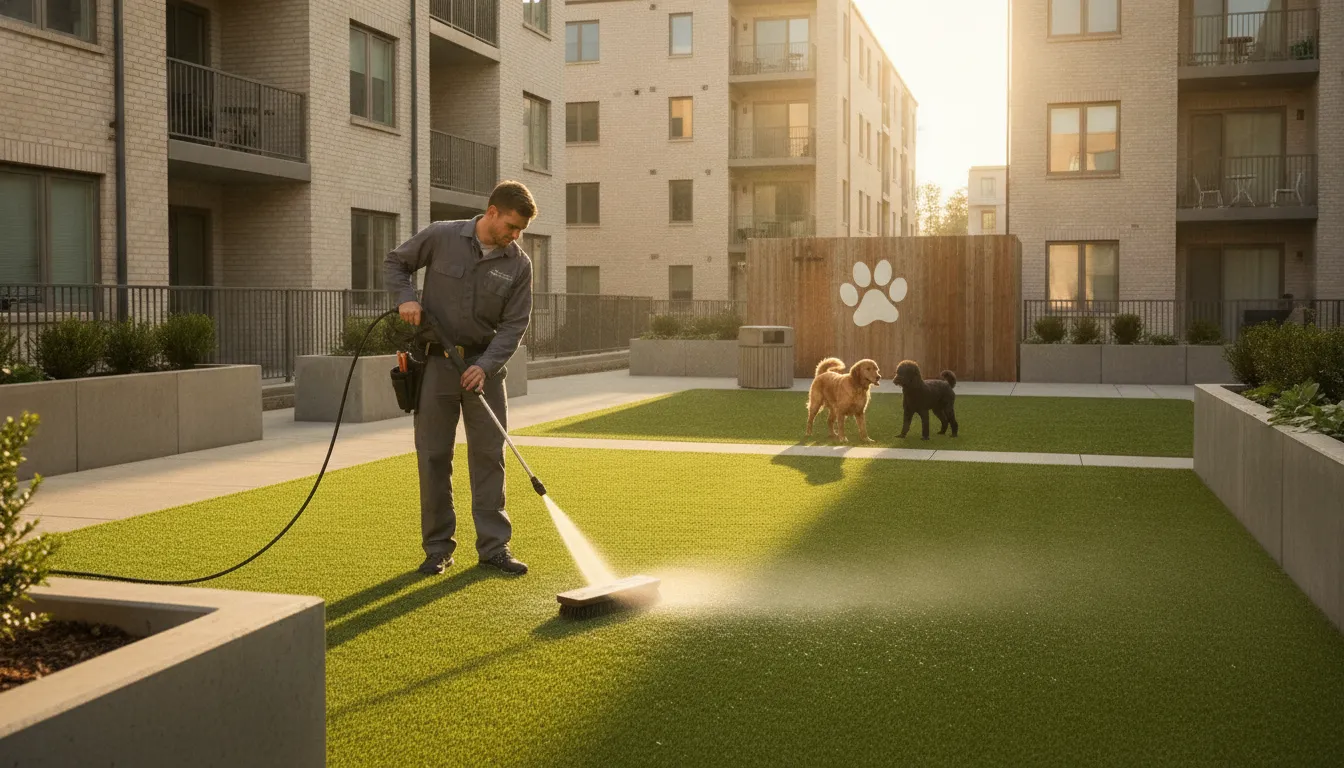
Homeowners and property managers should schedule turf cleaning when recurring odor, organic debris, damp areas. High pet traffic, or a property reset show that routine pickup and spot care are no longer enough. There is no universal calendar interval for every artificial-turf area. A lightly used private yard and a busy apartment dog run do not create the same maintenance demand.
Schedule a pet-friendly turf cleaning service when the area's condition shows that routine pickup and spot care are no longer enough.
What Signs Indicate That a Yard Needs Attention?
- Odor returns quickly after visible waste is removed.
- Leaves, dirt, fur, or other organic debris are collecting in the turf.
- A section stays damp longer than nearby areas.
- Pet traffic is increasing or multiple dogs share the same space.
- The area needs a move-in, property-turnover, event, or seasonal reset.
- A property manager receives repeated, location-specific odor or upkeep reports.
These signs do not diagnose a specific turf problem. They show when an inspection or deeper cleaning may be more useful than repeating surface pickup. A provider should review the area and explain what can be addressed during the visit.
When Is a One-Time Cleanup the Better Choice?
A one-time cleanup can be useful after a long gap in maintenance, accumulated waste, a move, a property turnover, or preparation for a cleaner shared-property standard. A1 offers one-time cleanup services for residential and commercial properties. A reset can establish a better starting point, but it does not replace ongoing waste removal when pets continue using the area.
When Does Recurring Service Make More Sense?
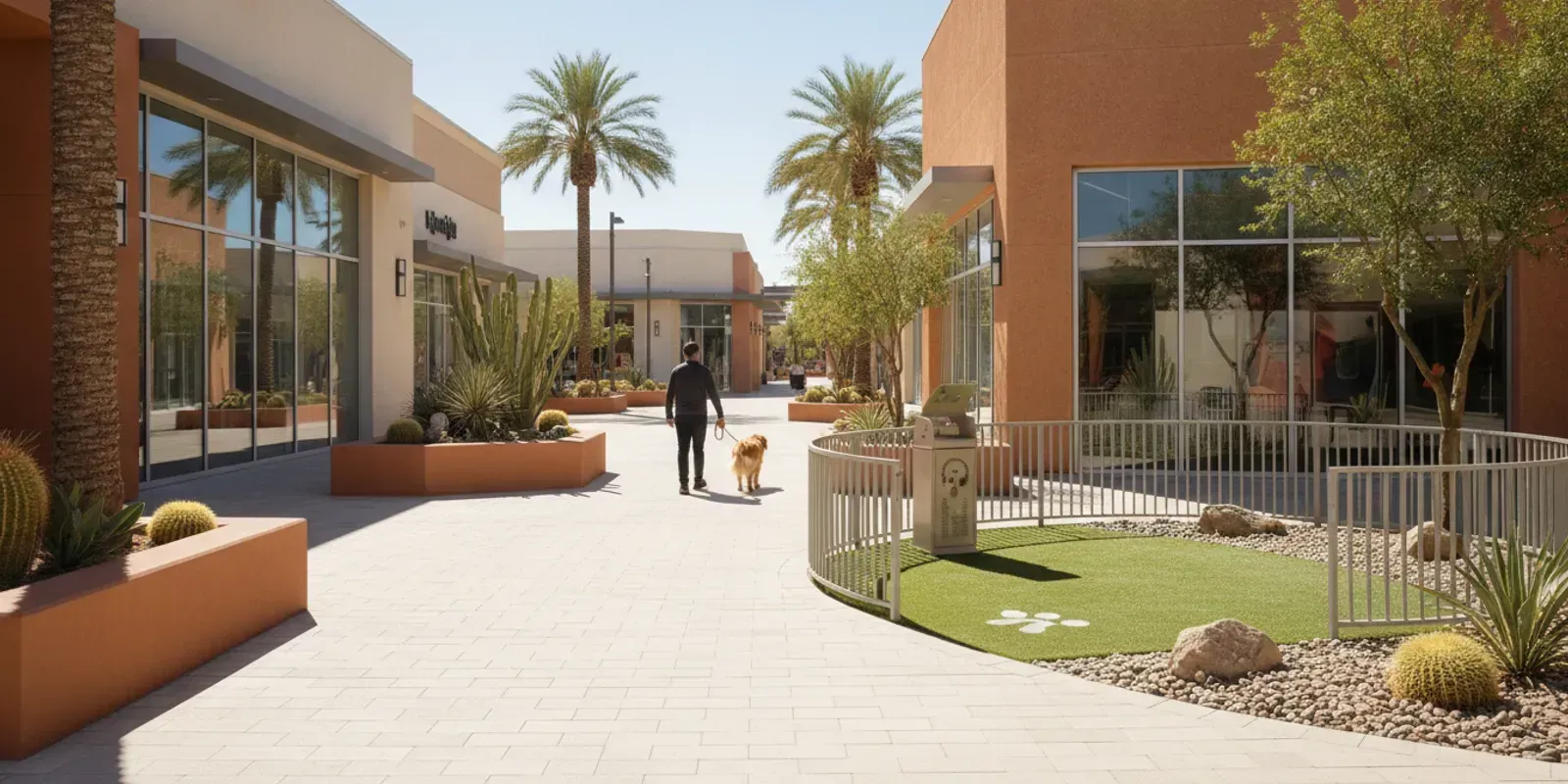
Recurring care is worth considering when pet traffic is predictable, odor returns, or a manager needs a repeatable standard across a shared property. Frequency should follow actual use and turf condition. A lightly used yard may need less attention than an apartment dog area, pet daycare space, or HOA relief area used by many dogs each day.
How Can Property Managers Keep Shared Pet Areas More Manageable?
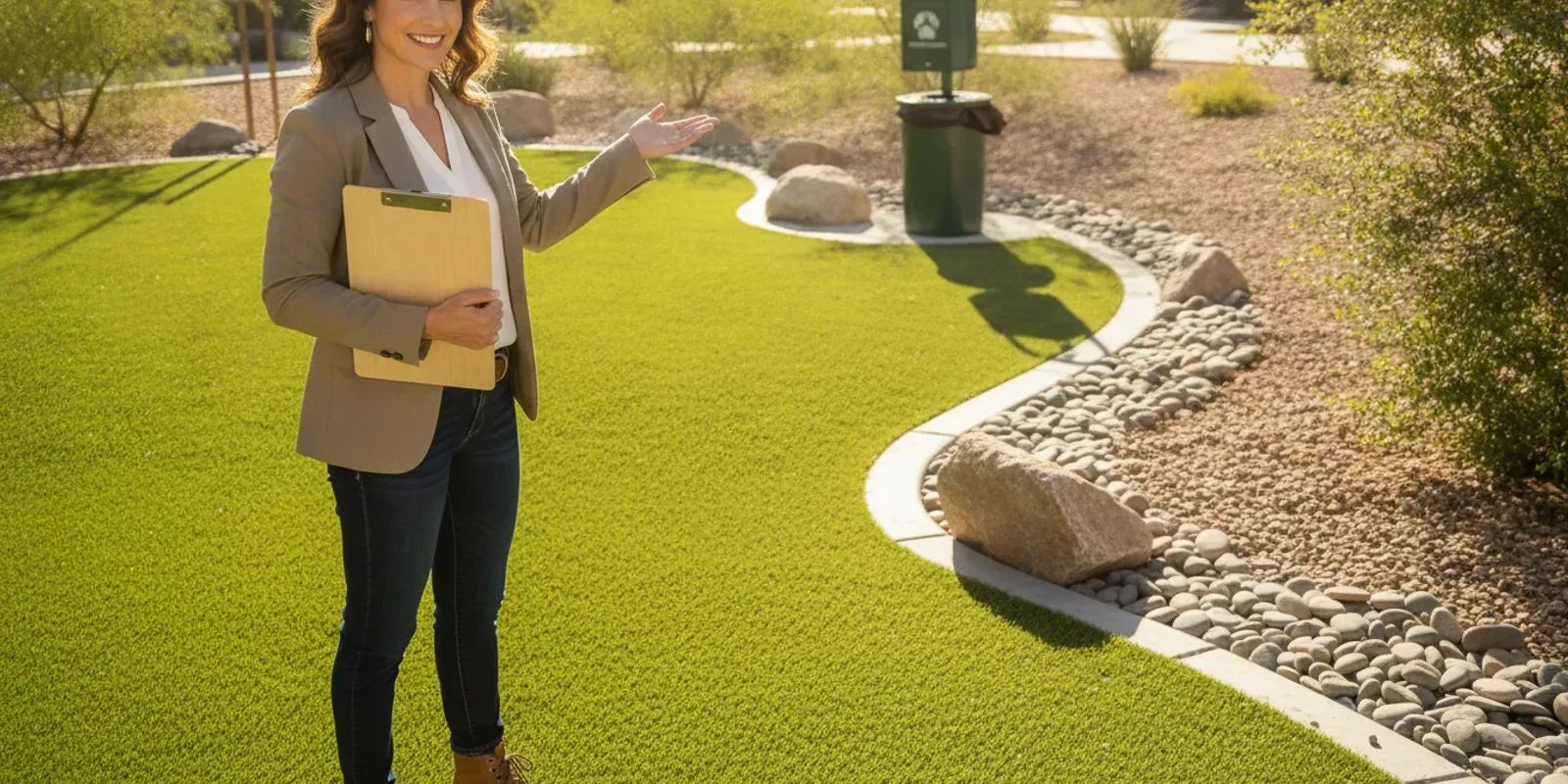
Property managers can make turf care easier by combining resident expectations, routine observation, waste removal, and planned professional service. A simple process helps onsite teams notice changes early instead of waiting for a recurring odor complaint to become the only signal. A1's commercial property maintenance service provides a relevant starting point for managers comparing recurring property-care options.
- Document how the area is used. Record the busiest times, approximate pet traffic, recurring trouble spots, and the staff member responsible for daily checks. This gives managers a practical basis for adjusting service frequency.
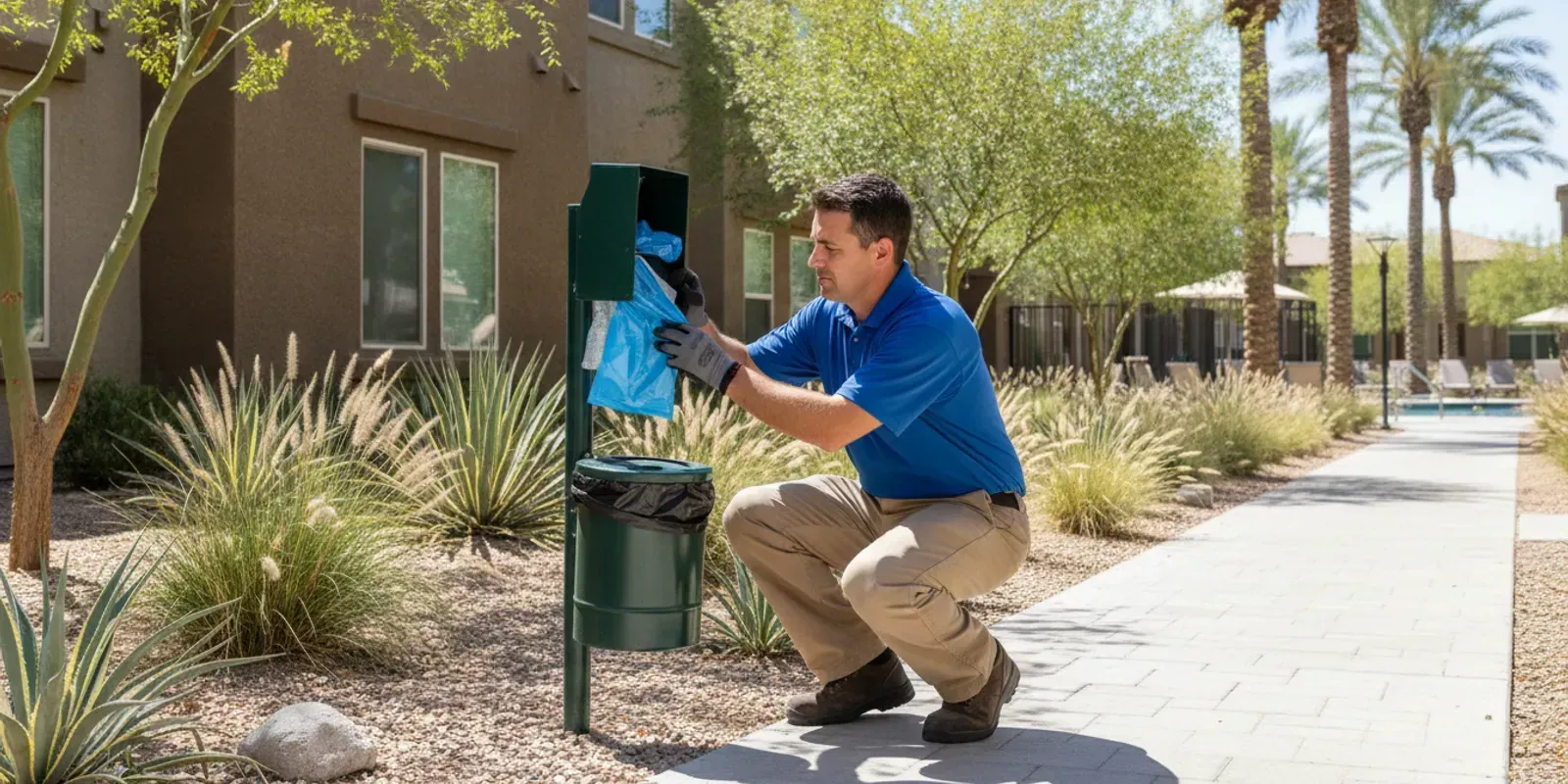
- Remove visible waste promptly. Bag waste and remove it from the property rather than leaving it beside the turf or in an open container. Prompt pickup helps prevent material from being pressed into the infill.
- Watch for odor, moisture, and debris. Note where an odor appears, when it is strongest, whether the area drains normally, and whether leaves or dirt are collecting. A short record can help a provider focus the visit.
- Schedule service based on conditions. Arrange a professional visit when surface pickup is no longer enough, odor keeps returning, or the property is preparing for a turnover or reset. For accumulated waste, a one-time cleanup may be the first step.
- Communicate expectations clearly. Remind residents to pick up after pets, keep household waste out of the area, report drainage concerns, and follow access rules. Clear expectations support the maintenance work without overstating what cleaning can guarantee.
 Is a Pet-Friendly Turf Cleaning Service Worth It?
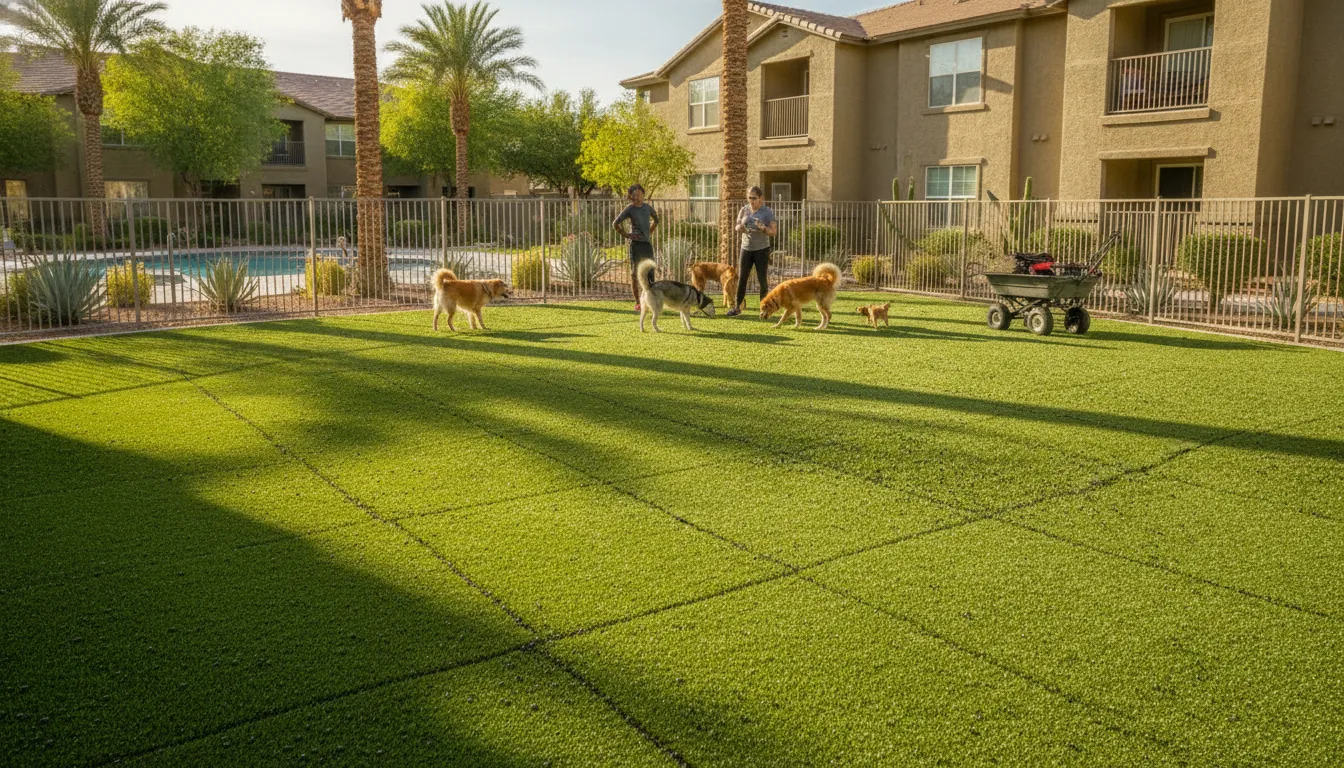
Professional cleaning can be worthwhile when the goal is more than removing visible waste. Homeowner spot care is useful for fresh messes and loose debris, but it takes consistent time and may not address residue in the infill. Professional help is especially practical when odor returns, pet traffic is high, drainage is a concern, or a shared property needs a dependable upkeep standard.
Regular waste removal remains important. A1 bags and hauls pet waste away, helping keep the area manageable between deeper visits. Turf cleaning adds another layer by addressing debris, odor-focused treatment, rinsing, and agitation. The right service is not about replacing every maintenance task. It is about matching the work to the condition of the artificial grass.
A1 Pet Maintenance has served Southern Nevada since 1998 and maintains more than 400 properties weekly. That experience provides context for the company's pet-property maintenance work, but it is not a promise that every turf area will have the same result. A technician still needs to consider the property, pet traffic, drainage, and condition before recommending service.
For homeowners, the value is often time and consistency. For property managers and HOAs, it can be a clearer process for shared pet spaces. In both cases, the provider should explain the scope, avoid unsupported health claims, and be honest about conditions that cleaning alone may not correct. Learn more about A1's background and service approach on the A1 Pet Maintenance about page.
Call A1 Pet Maintenance at (702) 521-2624 Today
Frequently Asked Questions
What Should I Look For in a Pet-Friendly Turf Cleaning Service?
Look for a turf-specific process that removes waste and debris, addresses odor-causing residue, and explains whether rinsing, agitation, or an infill recommendation is appropriate. Ask what the visit includes and what it does not promise. Cleaning can help manage buildup and odor, but it does not make turf permanently sterile or remove the need for routine waste pickup.
Why Can Artificial Turf Still Smell After Waste Is Picked Up?
Visible waste pickup removes the immediate solid waste, but urine and organic residue can remain between turf fibers or in the infill. Heat can make that odor more noticeable. If the smell returns quickly, a provider may need to consider deeper rinsing, agitation, deodorizing, drainage, or the condition of the infill.
How Often Should Pet Turf Be Professionally Cleaned?
The appropriate frequency depends on pet traffic, weather, drainage, visible buildup, odor, and the condition of the turf. A lightly used private yard may need less attention than a shared apartment dog run or pet facility. Use recurring odor, damp areas, debris, and resident reports as practical signals instead of assuming one schedule fits every property.
Can I Clean Artificial Turf Myself?
Yes. Prompt waste pickup and basic debris clearing are useful homeowner responsibilities. Professional service becomes more practical when odors recur, residue is embedded in the infill, drainage is a concern, or a shared property needs consistent upkeep. Follow the turf manufacturer's care guidance between professional visits.
Does A1 Provide Artificial Grass Cleaning in Las Vegas?
A1 Pet Maintenance provides artificial grass cleaning services in Las Vegas, Henderson, and surrounding areas. The service can include pet-waste removal, debris clearing, enzyme-based deodorizing, deep rinsing, agitation, and infill-refresh recommendations when appropriate. Pricing is customized to the property, so contact A1 to discuss the turf area and its maintenance needs.
Ready to Make Turf Maintenance Easier?
Whether you need routine care, help with recurring odor, or a one-time reset, A1 Pet Maintenance can explain the available artificial-grass maintenance options for your property and usage.