Pet Turf Maintenance Cost: Is It Worth It?
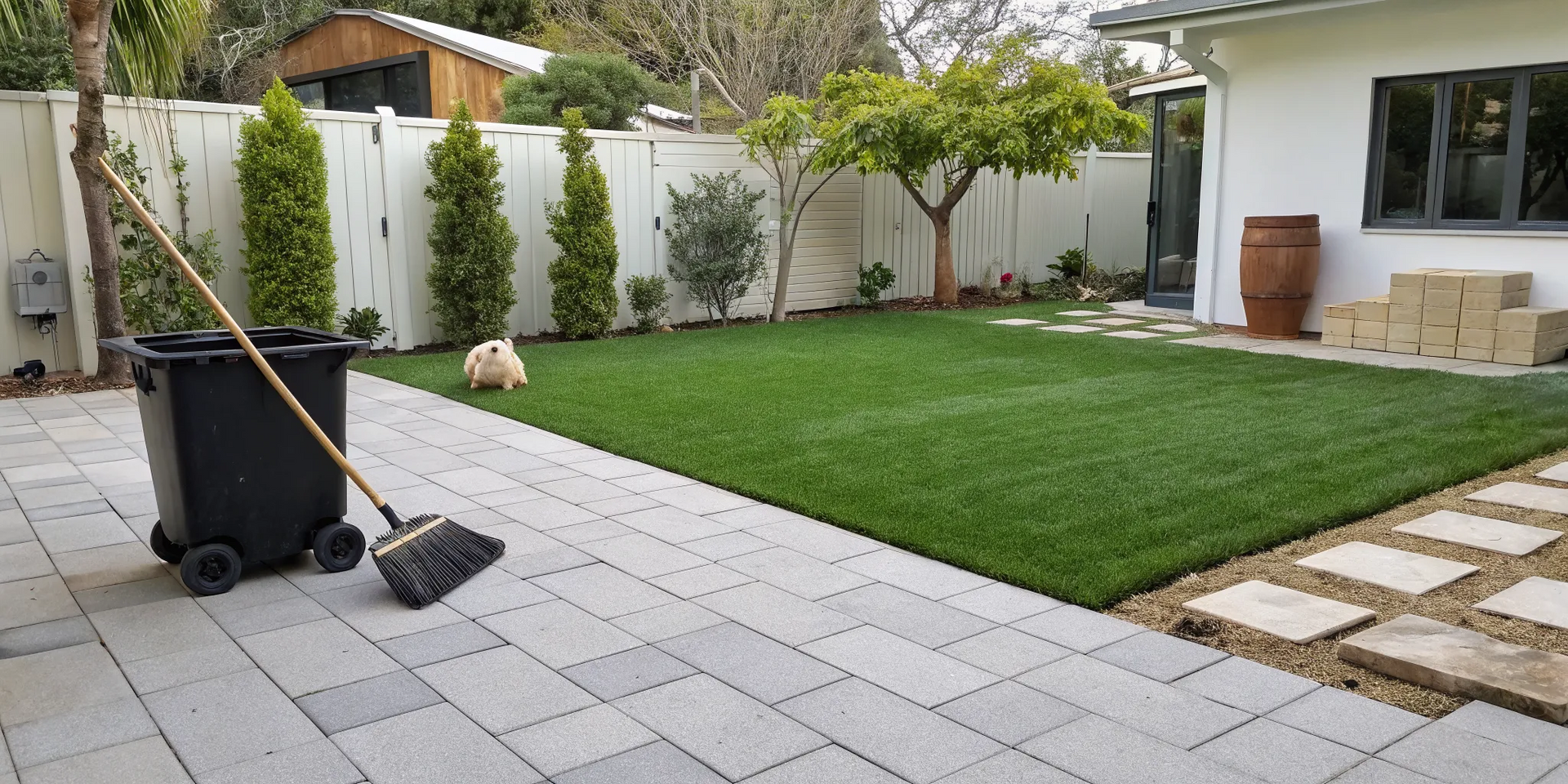
Let's be honest: the initial quote for installing pet turf can make you pause. It’s a significant upfront investment, and it’s easy to wonder if a natural lawn is the more budget-friendly choice. But the installation price is only the beginning of the financial story. A traditional lawn comes with a lifetime of recurring expenses for water, fertilizer, and equipment. The real question is what happens after the turf is in the ground. Understanding the long-term pet turf maintenance cost is the key to seeing the full picture. This guide breaks down the ongoing expenses so you can confidently decide if this beautiful, low-effort lawn is the right financial move for your home.
Key Takeaways
- Focus on the long-term savings: Pet turf is a one-time investment that pays you back over its lifespan by eliminating recurring costs like watering, fertilizing, and mowing that come with a natural lawn.
- A simple cleaning routine is non-negotiable: To keep costs low and prevent odors, make a habit of scooping waste daily, rinsing key areas weekly, and brushing the turf fibers monthly. Consistency is the key to avoiding expensive deep cleans.
- Get the installation right from the start: Your long-term success depends on choosing high-quality, pet-friendly turf with proper drainage and antimicrobial infill, as skimping on these initial components often leads to costly repairs.
What Exactly Is Pet Turf?
If you’re a pet owner, you know the struggle of maintaining a beautiful lawn. Between the digging, the brown spots, and the muddy paws, keeping a natural grass yard looking its best can feel like a full-time job. This is where pet turf comes in. It’s not just regular artificial grass; it’s a complete landscaping system specifically engineered for households with furry family members. Think of it as the superhero version of a synthetic lawn.
Pet turf is designed with superior drainage to quickly whisk away liquid waste, preventing odors from setting in. The materials are more durable to withstand constant running and playing, and the fibers are built to be resilient and long-lasting. As the experts at EnvyLawn note, "Pet turf is made with the strength and durability you need to make those issues things of the past." It provides a clean, safe, and consistently green space for your pets to enjoy year-round, without the constant upkeep and worry that comes with a traditional lawn. A proper installation includes the turf itself, a specialized infill, and a backing system that work together to create a hygienic and tough surface.
Pet Turf vs. Standard Artificial Grass
So, what makes pet turf different from the standard artificial grass you might see in a commercial landscape? While they may look similar, the key differences are in performance and construction. Standard turf is designed primarily for aesthetics, while pet turf is built for heavy-duty use. The biggest distinction is the drainage capability. Pet turf features a highly permeable backing that allows urine to pass through easily, preventing bacteria and odor buildup. Standard turf just can't handle that kind of liquid volume. Additionally, the fibers in pet turf are tougher and more securely attached to resist pulling and digging from even the most determined pets.
Common Myths About Keeping Pet Turf Clean
One of the biggest hesitations people have about pet turf revolves around cleanliness and safety. A common myth is that artificial grass is somehow unsafe for pets. However, as the team at SYNLawn points out, modern artificial grass is specifically designed with pet safety in mind. It’s made from non-toxic, lead-free materials. Another misconception is that natural grass is inherently cleaner. In reality, dirt and mud can harbor bacteria, fleas, and ticks. With a proper cleaning routine, pet turf can be a far more hygienic surface. A simple rinse and the occasional professional deep clean are all it takes to keep your turf fresh, sanitary, and ready for playtime.
Pet Turf vs. Natural Grass: A Look at Installation Costs
When you start comparing pet turf to a natural lawn, the first thing you’ll probably notice is the difference in price. It’s easy to get sticker shock from the initial quote for artificial grass and assume a traditional lawn is the more budget-friendly choice. But the full picture is a bit more complex. You’re really looking at a choice between a larger one-time investment and a smaller upfront cost that comes with years of recurring expenses.
To make the right call for your home and your wallet, it helps to break down exactly what you’re paying for at the start. Let’s look at the typical installation costs for both pet turf and a natural grass lawn so you can see how they stack up.
The Upfront Cost of Pet Turf
Yes, the initial cost to install pet turf is higher. There’s no getting around that. You’re not just paying for the turf itself; you’re investing in a complete system. This includes extensive ground preparation, a proper base for drainage, the high-quality turf material designed to withstand pets, and the specialized infill that keeps it springy and cool.
A professional installation is also key to ensuring it lasts for years without wrinkles or drainage issues. Think of it as a long-term home improvement project. While the upfront number is bigger, it covers creating a durable, low-maintenance surface that’s ready for your pets from day one.
The Upfront Cost of a Natural Lawn
A natural lawn definitely looks cheaper on paper. A pallet of sod or a bag of grass seed won’t set you back much. However, the true initial cost is often more than just the grass itself. To give a new lawn a fighting chance, you’ll need to prepare the soil, which might involve tilling and adding amendments.
You’ll also need a reliable irrigation system, and installing or repairing a sprinkler network can add a significant amount to your budget. Then there’s the first round of fertilizers and weed control needed to help it get established. These "hidden" costs can quickly add up, making the initial price tag a bit deceiving.
Your Pet Turf Maintenance Checklist
Keeping your pet turf looking and smelling fresh doesn't have to be a huge chore. Think of it like any other part of your home; a little regular attention goes a long way. With the right routine, you can ensure your artificial grass remains a clean, safe, and beautiful space for your pets and family to enjoy for years. This checklist breaks down the essential tasks into simple, manageable steps. Following these guidelines will help you protect your investment, prevent odors, and keep your turf in top condition, even with the daily wear and tear from your furry friends. It’s all about creating a simple system that works for you, whether you’re a hands-on DIYer or prefer to call in the pros for certain tasks. By staying on top of these maintenance items, you’ll spend less time worrying about your lawn and more time enjoying it.
Remove Debris and Pet Waste
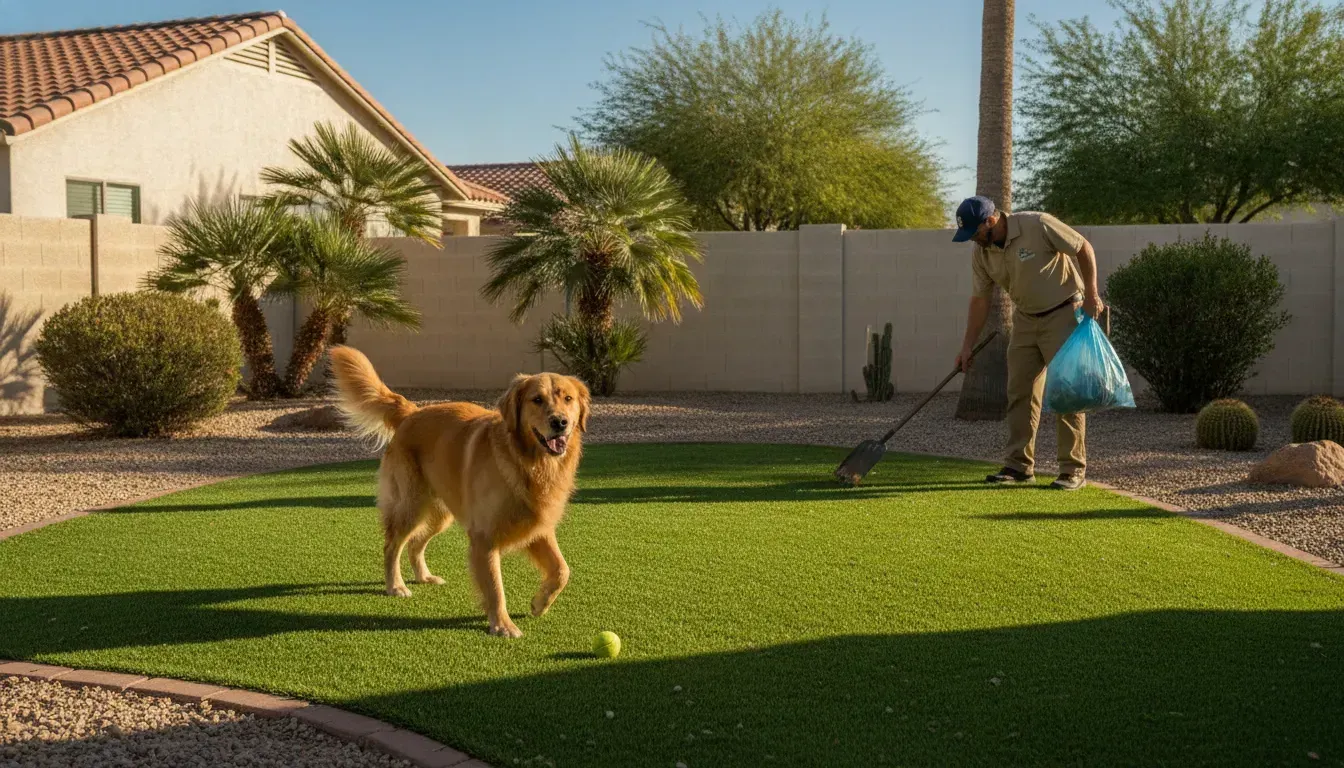
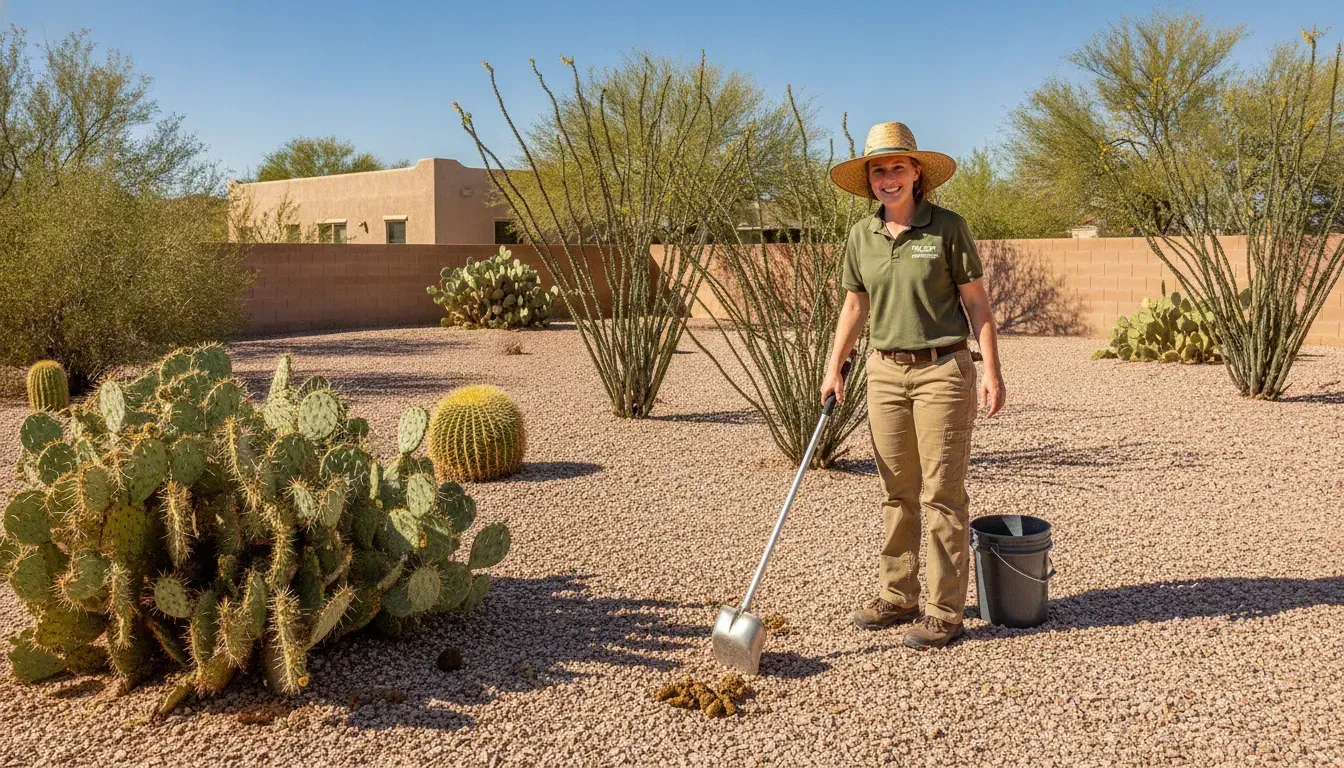
First things first: scoop the poop. This is the most important daily task to keep your turf clean and hygienic. Leaving solid waste to sit can lead to stubborn stains, lingering odors, and bacteria growth. Make it a habit to do a quick walk-through of your yard at least once a day to pick up any pet waste and other debris like leaves or twigs. For busy homeowners or property managers, scheduling a professional pet waste removal service can be a lifesaver. It ensures your turf stays consistently clean without you having to handle the dirty work, giving you back more time to simply enjoy your yard.
Brush the Turf Fibers
Over time, foot (and paw) traffic can cause the blades of your artificial turf to lie flat, making it look worn and matted. Brushing the fibers helps them stand upright again, which restores the lush, natural appearance of your lawn and helps the infill do its job. Use a turf rake or a brush with stiff, synthetic bristles (never metal, as it can damage the fibers) and brush against the natural grain of the turf. Doing this once a month is usually enough to keep it looking perky and full. This simple step not only improves the look of your turf but also helps it wear more evenly.
Treat Stains and Odors
Accidents happen, but letting pet urine sit is a recipe for a smelly yard. While modern pet turf has excellent drainage, urine residue can still cling to the turf blades and build up over time, creating unpleasant ammonia odors. For minor spots, a simple rinse is often enough. For more persistent smells or stains, use a gentle, pet-safe enzyme cleaner designed for artificial turf. Avoid harsh chemicals like bleach, which can damage the turf and be harmful to your pets. If you're dealing with stubborn odors that won't go away, it might be time for a professional artificial grass cleaning to deep clean and deodorize the area.
Rinse Away Dust and Grime
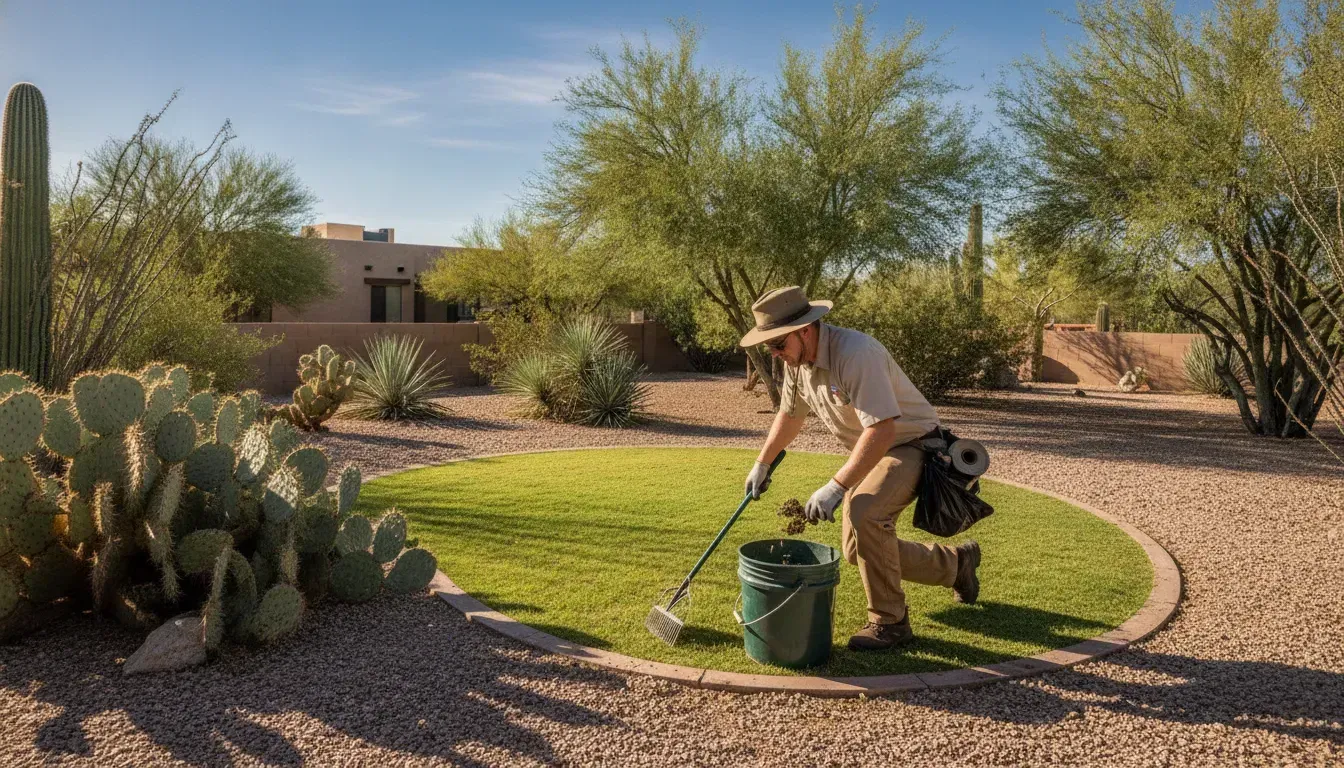
Especially in dry, dusty climates like Southern Nevada and Tucson, your turf can collect a layer of dust, pollen, and grime. A quick rinse with a garden hose once or twice a month is all it takes to wash it all away. This helps keep your turf looking vibrant and green while also washing away any lingering urine residue that can contribute to odors. Focus on the areas your pets use most frequently. Regular rinsing is a simple but effective way to maintain a clean surface and prevent buildup, ensuring your turf remains a pleasant place for everyone to relax.
Top Off the Infill
Infill is the granular material (often sand or rubber) that sits between the turf blades. It's crucial for keeping the fibers upright, providing cushioning, and helping with drainage. Over time, infill can become compacted or get washed away in certain spots. Periodically check your infill levels, especially in high-traffic areas. You can fluff it up with a stiff brush. If you notice the infill is looking low, you may need to add more to maintain the turf’s performance and longevity. Proper infill levels are key to ensuring your turf drains correctly and feels soft underfoot.
Schedule a Professional Deep Clean
While your daily and monthly efforts make a huge difference, scheduling a professional deep clean once or twice a year is a smart move. Professionals have specialized equipment that can perform a much more thorough cleaning than you can with a hose and brush. They can power-wash the turf, de-compact the infill, and apply commercial-grade, pet-safe deodorizers to eliminate any deep-set odors. This is especially beneficial for owners of multiple pets or for commercial properties with heavy use. A professional maintenance service acts like a reset button, restoring your turf’s look, feel, and freshness.
The Real Cost of Pet Turf Maintenance
Let's talk numbers. While the initial price tag for pet turf is higher than a bag of grass seed, the real story unfolds over the years. When you look at the ongoing expenses, from water bills to weekend labor, you start to see how artificial turf can be a surprisingly smart financial choice. It’s not just about saving money; it’s about saving time and effort that you can spend enjoying your yard with your pets. Let's break down what you can expect to spend year after year.
A Yearly Cost Breakdown
On an annual basis, the difference in upkeep costs is significant. Maintaining a natural grass lawn, with all the mowing, watering, fertilizing, and pest control, can easily cost you hundreds, if not thousands, of dollars each year. In contrast, pet turf requires much less financial attention. Your main tasks will be rinsing, brushing, and removing waste. Most homeowners find their yearly turf maintenance costs are a fraction of what they’d spend on a traditional lawn. While you can handle most of this yourself, factoring in an occasional professional deep clean ensures your turf stays fresh and hygienic for your pets, without you lifting a finger.
Looking Ahead: A 20-Year Cost Projection
When you zoom out and look at the big picture, the savings become even more impressive. Over the 15 to 25 year lifespan of quality pet turf, the cumulative cost of maintaining a natural lawn can be astronomical. Think about two decades of water bills, fertilizer, lawnmower fuel, and re-seeding. According to home improvement experts, the total cost of a natural lawn over 15 years can be more than double that of an artificial one, even when you include the initial installation. That calculation often doesn't even include the value of your own time. By choosing pet turf, you are making a long-term investment that pays for itself through years of minimal costs and effort.
What Influences Your Pet Turf Maintenance Costs?
Thinking about the long-term cost of pet turf maintenance can feel a bit like guessing the weather. The truth is, there isn’t a single, one-size-fits-all price tag. The amount you’ll spend on keeping your artificial lawn fresh and clean depends entirely on your specific situation. Several key factors come into play, each influencing how much time and money you’ll need to invest.
For example, the initial quality of your turf plays a huge role in its durability and ease of cleaning. The number of furry friends you have, and their size, will directly impact how often you need to address pet waste and potential odors. Even your choice of infill, the material that sits between the grass blades, can make a big difference in your maintenance routine. Add in our unique Southern Nevada climate, the effectiveness of your drainage system, and your personal cleaning habits, and you can see how the costs can vary. Understanding these elements will help you create a realistic budget and a maintenance plan that keeps your turf looking great for years.
Quality of Your Turf
Not all artificial grass is created equal, and when it comes to pets, quality really matters. Investing in a higher-grade pet turf from the start can significantly lower your maintenance costs over time. Premium turf is designed to be more resilient; it can withstand heavy foot (and paw) traffic without showing wear and tear. Many modern turf options are so realistic it can be hard to tell the difference from a natural lawn. These superior products often come with built-in antimicrobial properties to fight bacteria from pet waste and improved drainage capabilities. While the upfront cost might be higher, you’ll save money in the long run by avoiding frequent deep cleanings and potential repairs.
How Many Pets You Have (and Their Size)
It’s a simple equation: more pets mean more maintenance. A yard enjoyed by a single small dog will have very different cleaning needs than one that’s a playground for three large, active dogs. The volume of pet waste directly correlates with the frequency of cleaning required to prevent odors and bacteria buildup. While a quick rinse with a hose is often enough for minor use, a multi-pet household will need more frequent and thorough cleanings to keep the turf plush and fresh. This affects your costs for water, cleaning solutions, and how often you might need to schedule a professional service for a deep sanitization.
Your Choice of Infill
Infill is the granular material that sits at the base of your turf, helping the blades stand up straight and providing a soft, cushioned feel. Your choice of infill has a major impact on pet turf maintenance. Standard sand infills can absorb and trap pet urine, leading to stubborn odors that are difficult to remove. Opting for a specialized pet-friendly infill with antimicrobial coatings can prevent bacteria and odor buildup from the start. While these advanced infills may add to the initial installation cost, they are a smart investment. They drastically reduce the need for frequent deodorizing treatments, ultimately saving you money and effort over the life of your lawn.
Local Climate (Southern Nevada & Tucson)
Living in the hot, dry climates of Southern Nevada and Tucson presents unique challenges for pet turf maintenance. The intense sun can heat the turf and amplify the smell of pet urine, making regular cleaning essential. Unlike regions that get frequent rain, we can’t rely on nature to help rinse away residue. This means you’ll need to be more diligent about hosing down your turf to wash away urine and dust, which can factor into your water bill. While artificial grass helps you avoid using lawn chemicals, a proactive rinsing schedule is key to keeping odors at bay in our arid environment.
The Quality of Your Drainage System
Proper drainage is arguably the most critical factor for a low-maintenance pet turf system. A well-designed drainage system allows pet urine and cleaning water to flow through the turf and away from the surface, preventing puddles and odor buildup. On the other hand, poor drainage can be a disaster. When water and urine get trapped, they create a breeding ground for bacteria, mold, and foul smells. This not only makes your yard unpleasant but can also lead to costly repairs if the turf’s base becomes compromised. Investing in a professional installation with excellent drainage from day one is the best way to avoid expensive problems down the road.
How Often You Clean
Your cleaning routine (or lack thereof) has a direct effect on your maintenance costs. Sticking to a regular schedule of scooping solid waste, rinsing urine spots, and brushing the fibers keeps buildup to a minimum. This proactive approach prevents minor issues from becoming major, expensive problems. Failing to clean your turf regularly allows odors and stains to set in, which often requires more intensive treatments and professional intervention to fix. A little effort each week is far more cost-effective than dealing with a heavily soiled lawn that needs a complete overhaul. Consistent care keeps your turf healthy and your long-term costs low.
Pet Turf vs. Natural Grass: The Long-Term Cost Battle
When you first compare the price tags, natural grass seems like the obvious winner. The upfront cost of sod or seed is significantly lower than installing high-quality pet turf. But that initial number is only a small part of the story. The real financial picture emerges when you look at the costs over five, ten, or even twenty years.
A natural lawn is a bit like a subscription service you can’t cancel. It demands constant investment in the form of water, fertilizer, pesticides, and equipment. Your weekends can quickly fill up with mowing, weeding, and patching muddy spots, all while your water bill climbs.
Pet turf, on the other hand, is a one-time investment that pays you back over time. While the initial installation is more expensive, the long-term savings on water and maintenance are substantial, especially in dry climates like Southern Nevada and Tucson. It’s a classic case of paying more now to save a lot more later. When you break down the numbers, the long-term cost battle isn't as one-sided as you might think. Let's look at how these costs stack up over the years.
The Never-Ending Cost of a Natural Lawn
A natural lawn requires a constant stream of money and effort to keep it looking green and healthy. The biggest recurring expense, particularly in the desert southwest, is water. Keeping grass alive in areas like Las Vegas and Tucson means running sprinklers often, leading to high water bills. Beyond that, you have the cost of fertilizers to feed the grass, pesticides to keep bugs away, and herbicides for weed control. These chemical treatments aren't just expensive; they can also be a concern for pets and children playing on the lawn. Then there’s the equipment: mowers, edgers, and aerators all need to be purchased, maintained, and fueled. These ongoing expenses never end, turning your lawn into a long-term financial commitment.
How Pet Turf Saves You Money Over Time
This is where pet turf really starts to shine. Once it’s installed, your major expenses are behind you. You can say goodbye to sky-high water bills from running the sprinklers every day. You’ll also eliminate the need for lawn chemicals like fertilizers and pesticides, creating a safer space for your pets to play. Forget about gas-powered mowers and the fuel and maintenance they require. Your biggest ongoing task will be simple: rinsing the turf and keeping it clean. While professional deep cleaning is recommended to keep it in top shape, the cost is minimal compared to the constant upkeep of natural grass. Our artificial grass cleaning services are designed to handle this for you, ensuring your investment lasts for years without the weekly hassle.
The Added Value of Health and Eco-Friendly Perks
The benefits of pet turf go beyond your wallet. Many people worry that artificial grass isn't safe for pets, but modern turf is specifically designed with their well-being in mind. High-quality pet turf is non-toxic, durable, and easy to clean, which helps prevent the bacteria and odors that can linger in a natural lawn. It also eliminates common irritants like pollen and pests that can trigger allergies in both pets and people. From an environmental standpoint, switching to turf is a responsible choice. You’ll drastically reduce your water consumption and stop introducing harmful lawn chemicals into the ecosystem. Many modern turf products are even made with recyclable and plant-based materials, making them a sustainable choice for your home.
Avoid These Costly Pet Turf Maintenance Mistakes
Your pet turf is a fantastic investment, but a few common missteps can turn it into a costly headache. The good news is that these mistakes are completely avoidable. By understanding what to watch out for, you can protect your turf, keep it looking beautiful for years, and save yourself a lot of money and frustration down the road. Think of it as learning the simple rules of the road to ensure a long and happy journey with your gorgeous green lawn.
Skipping Your Regular Cleaning Routine
It’s easy to let a week or two of cleaning slide, but this is one of the quickest ways to run into trouble. When pet waste, leaves, and other debris sit on your turf, they don’t just look bad. They begin to break down, creating a layer of organic matter that can clog your turf’s drainage and lead to persistent odors. This buildup creates a breeding ground for bacteria, which can become a health hazard for your pets and family. Letting it go for too long means you’ll eventually need a much more intensive and expensive deep clean to fix the problem. A consistent schedule is your best defense against this costly buildup.
Using the Wrong Cleaning Products
When you spot a stain, it’s tempting to grab the strongest cleaner you have under the sink. Please don’t. Harsh chemicals, like bleach or ammonia-based cleaners, can cause irreversible damage to your pet turf. They can discolor the fibers, weaken the turf’s backing, and even void your warranty. Always opt for cleaning products specifically formulated for artificial grass or use a simple solution of mild soap and water. Using the wrong product can turn a simple cleaning task into a reason for an expensive repair or replacement. If you're ever unsure, it's best to call in a professional for artificial grass cleaning and maintenance.
Ignoring Poor Drainage
If you notice puddles on your turf long after it rains or after you’ve rinsed it, you may have a drainage problem. Ignoring standing water is a major mistake. Not only does it create a smelly swamp of bacteria and pet urine, but the constant moisture can also damage the base layer beneath your turf, compromising the entire installation. A properly installed pet turf system should have excellent drainage from day one. If you suspect an issue, address it immediately. Resolving a drainage problem early on is far less expensive than dealing with a contaminated base layer and widespread odor issues later.
Picking the Wrong Turf for Your Needs
This mistake happens before you even start maintenance, but it has huge long-term cost implications. Not all artificial grass is designed to handle pets. Cheaper, lower-quality turf often has backing that isn’t permeable enough for pet urine to drain through efficiently. The fibers may also be too delicate to stand up to paws and claws, leading to premature wear and tear. Investing in a high-quality, pet-friendly turf with a durable, fully permeable backing is crucial. It may cost more upfront, but it will save you from the massive expense of replacing a failed lawn in just a few years.
Letting Minor Damage Turn into a Major Expense
Have you noticed a small tear where your dog loves to dig or a loose seam along the edge of your lawn? Don’t ignore it. Small issues have a way of becoming big, expensive problems. A little tear can easily get bigger, and a loose edge can become a tripping hazard that requires a major repair. Concentrated urine spots can also cause damage if not treated promptly. Regularly inspecting your turf allows you to catch these minor issues and fix them with a simple patch or repair. A professional maintenance service can also spot these problems during a routine visit, saving you from a much larger bill in the future.
How to Keep Your Pet Turf Maintenance Costs Low
Keeping your pet turf in top shape doesn't have to be expensive. In fact, the secret to saving money on maintenance is being proactive. By building a few simple habits into your routine, you can prevent small issues from turning into costly headaches. Think of it as protecting your investment. A little bit of care on a regular basis goes a long way in extending the life of your turf, keeping it fresh, and ensuring it remains a beautiful, safe space for your family and pets. The following tips are all about smart, preventative care that will help you reduce long-term costs and get the most out of your artificial lawn for years to come.
Create a Consistent Cleaning Schedule
The easiest way to keep your turf looking great is to clean it consistently. You don’t need to spend hours on it; a simple weekly routine is often enough. Just like any other part of your yard, your turf needs regular attention to stay fresh. Make it a habit to remove solid pet waste as soon as you see it and give the area a quick rinse with a garden hose once a week. This simple step prevents waste and odors from building up, ensuring your pet turf stays plush and inviting. A consistent schedule is your first line of defense against the grime that can lead to bigger, more expensive problems.
Tackle Stains and Odors Right Away
When it comes to pet messes, time is not on your side. Letting urine, spills, or other accidents sit on your turf is a common mistake that can lead to increased maintenance costs down the road. The longer a mess lingers, the more likely it is to cause stubborn stains and seep deep into the turf and infill, creating odors that are difficult to remove. As soon as you notice a spot, blot it up and rinse it thoroughly with water. Acting fast prevents the need for intensive, professional-grade cleaning for a minor spill and keeps your turf looking uniformly clean and smelling fresh.
Use Pet-Safe Cleaning Products
The products you use on your turf matter. While it might be tempting to grab a heavy-duty chemical cleaner, these can damage the turf’s delicate fibers and backing, leading to discoloration and deterioration. More importantly, harsh chemicals can be harmful to your pets, children, and the local environment. Instead, always opt for cleaning solutions specifically designed for artificial grass. These products are formulated to effectively neutralize odors and break down bacteria without causing damage. Using the right pet-safe cleaners protects the longevity of your turf and ensures it remains a healthy space for everyone to enjoy.
Select the Right Infill from Day One
When you’re installing pet turf, the infill you choose is just as important as the grass itself. Infill is the granular material that sits between the turf blades, helping them stand upright and providing cushioning. For pet owners, selecting an infill with antimicrobial properties is a game-changer. These specialized infills help prevent the growth of odor-causing bacteria from pet urine, tackling the problem at its source. While it may have a slightly higher upfront cost, choosing the right infill from the start can save you a significant amount of money on deodorizing treatments and professional cleaning services in the future.
Schedule Professional Cleanings
While your weekly rinsing and spot-cleaning are essential, they can’t replace the occasional deep clean. Over time, dust, allergens, and bacteria can become deeply embedded in your turf, something a garden hose just can’t fix. Scheduling a professional artificial grass cleaning once or twice a year is a crucial part of long-term maintenance. Professionals use specialized equipment to thoroughly sanitize your turf, remove compacted debris, and re-bloom the fibers. This not only restores your turf’s appearance but also extends its lifespan, preventing the kind of wear and tear that leads to premature replacement. Think of it as a vital tune-up for your lawn.
Inspect Your Turf for Wear and Tear
Make it a habit to give your turf a quick once-over every few weeks. Regular care and maintenance can help your turf last much longer, and that includes catching minor issues before they escalate. Look for things like lifting seams, small tears, or areas where the fibers look unusually matted or flat. Pets, heavy foot traffic, or even shifting ground can cause minor damage. Addressing a small tear or a loose edge is a quick and inexpensive fix. If you ignore it, that small problem can easily grow into a major repair that might require replacing an entire section of your lawn.
So, Is Pet Turf a Smart Investment?
When you look at the initial price tag, it’s easy to wonder if pet turf is truly worth the cost. It’s a significant home improvement project, and you want to know you’re making a smart choice for your home, your pets, and your budget. The short answer is yes, for most homeowners in climates like Southern Nevada and Tucson, pet turf is an excellent long-term investment. It’s a decision that pays you back over time, not just in money, but in convenience and peace of mind.
Think about all the time, energy, and resources a natural lawn demands. The constant watering, mowing, weeding, and fertilizing add up. In an arid environment, keeping grass green is a tough battle that can drain your wallet and local water supplies. Pet turf flips the script. After the initial installation, your major recurring expenses practically disappear. You get a yard that looks perfect year-round without the endless upkeep. Plus, you gain a durable, clean, and safe surface for your pets to enjoy. When you factor in the savings and benefits over the turf’s long lifespan, the initial cost starts to look less like an expense and more like a strategic upgrade for your property. A professional artificial grass cleaning service can keep it in top shape for years, protecting your investment.
The Benefit of a Durable, Year-Round Green Lawn
One of the most immediate rewards of switching to pet turf is having a beautiful, green lawn 365 days a year. There are no brown patches from pet urine, no muddy paws tracked through the house after a rare rainstorm, and no bare spots from your dog’s favorite digging corner. While the initial installation cost is a factor, it’s helpful to remember that it is offset by years of maintenance and water savings. A natural lawn, on the other hand, demands ongoing expenses that never really end. Your turf will stand up to heavy foot traffic and energetic pets, providing a consistently beautiful and functional space for your family to enjoy without the constant work.
A Healthier Space for You and Your Pets
It’s a common myth that natural grass is automatically healthier for dogs just because it’s organic. In reality, a traditional lawn can be a minefield of irritants. Pollen, pesticides, and fertilizers can all trigger allergic reactions in sensitive pets, leading to itchy skin and discomfort. Pet turf eliminates these concerns. It creates a controlled environment free from harmful chemicals and common allergens. You also get superior drainage, which prevents puddles where bacteria and insects can breed. This makes your yard a cleaner, safer playground for both your pets and your kids, a major reason why many commercial properties are making the switch.
The Final Verdict on Your Wallet
When you look at the numbers, the financial case for pet turf becomes clear. Over time, turf can significantly cut your recurring lawn care costs. Think of everything you’ll no longer have to pay for: watering, mowing, fertilizing, aeration, and reseeding. In desert regions, the water savings alone can be substantial. Artificial grass also eliminates the need for lawn chemicals and gas-powered mowers, which is a win for both your wallet and the environment. While you will have some minor maintenance tasks, they are minimal compared to the constant financial and time commitment of a natural lawn. It’s an investment that truly pays for itself.
Related Articles
- Artificial Grass Cleaning & Maintenance | Las Vegas, NV
- Pooper Scooper FAQs | A1 Pet Waste Maintenance | NV
- Pet Waste Maintenance | A1 Pet Waste Maintenance | NV
- Commercial Property Pet Waste Cleanup | Las Vegas, NV
Frequently Asked Questions
Is pet turf really that different from regular artificial grass? Yes, the difference is significant, especially when it comes to performance. While they might look similar, pet turf is engineered as a complete system. It features a highly permeable backing that allows liquid waste to drain through quickly, which is the most important factor in preventing odors. It also uses more durable fibers and a stronger construction to withstand digging and constant activity. Standard artificial grass simply isn't built to handle the daily wear and tear or the hygiene requirements that come with pets.
Will my yard start to smell bad if my dog pees on the turf? This is a common and valid concern, but a smelly yard is completely preventable. Odor issues almost always come down to three things: poor drainage, the wrong infill, or an inconsistent cleaning routine. A professional installation ensures urine flows through and away from the turf. Using a specialized antimicrobial infill helps stop odor-causing bacteria from growing in the first place. Combined with a simple habit of rinsing the area regularly, you can keep your yard smelling fresh.
How much time will I actually spend cleaning my pet turf each week? You’ll spend far less time on turf maintenance than you would on a natural lawn. Your daily task is just scooping solid waste, which only takes a minute or two. Once a week, a quick 10 to 15-minute rinse with a garden hose is usually enough to wash away dust and any urine residue. You can also give it a quick brush once a month to keep the fibers looking full. It’s a small time commitment for a yard that stays green and clean all year.
Is professional cleaning a necessity, or can I handle it all myself? You can certainly handle the day-to-day maintenance yourself, and it's essential that you do. However, think of professional cleaning as a vital deep-cleaning service, similar to getting your carpets professionally cleaned. We use specialized equipment that power washes the turf, de-compacts the infill, and applies commercial-grade sanitizers to eliminate any deep-set bacteria and odors. Scheduling a professional service once or twice a year is a smart way to protect your investment, extend its life, and restore its freshness.
What's the most important thing I can do to make my pet turf last? The best thing you can do is start with a quality installation and follow it up with consistent care. Choosing a durable, pet-specific turf with the right infill and ensuring it has excellent drainage is the foundation for a long-lasting lawn. After that, the most critical habit is your cleaning routine. Simply staying on top of waste removal and regularly rinsing the turf will prevent the buildup that causes odors and damage over time. A great installation and simple, consistent cleaning work together to protect your investment for years.