Turf cleaning: Service Options and Planning Guide
Turf cleaning helps keep artificial grass more comfortable and easier to maintain, especially for pet owners planning routine care, odor control, and deeper professional service.

Turf cleaning helps keep an artificial grass area more comfortable to use and easier to maintain. For pet owners, a practical plan combines regular removal of solid waste, attention to urine-affected areas, and occasional deeper cleaning when routine care is no longer enough. The right approach depends on how the turf is used, its drainage and infill, and the care instructions from its manufacturer.
What Does Turf Cleaning Include for Pet Owners?
Artificial turf does not need the same care as a natural lawn, but it is not maintenance-free. Pet waste, tracked-in dirt, leaves, and everyday use can leave debris on the surface. On a pet area, urine can also contribute to lingering odor, especially if the space is used often or routine rinsing is difficult. A useful cleaning plan starts with simple upkeep and adds a deeper service when the condition of the area calls for it.
Cleaning is not one single task. It can mean picking up solid waste, clearing loose debris, rinsing a suitable area, addressing odor, or arranging a more thorough cleaning. A1 Pet Maintenance offers artificial grass cleaning and maintenance, including enzyme treatments and deep cleaning. The exact service needed depends on the condition and layout of your turf; ask what is appropriate for your surface before scheduling.
For a closer look at service scope, see A1's artificial grass cleaning and maintenance information. A separate overview of pet-friendly turf cleaning can also help you think through care for a pet-use area.
 How Can You Tell What Kind of Cleaning Your Turf Needs?
Start by observing the surface rather than reaching for a strong cleaner. Note where the dog usually spends time, whether debris collects along edges, and whether odor returns after ordinary cleanup. Check the turf manufacturer's care instructions, especially before using a brush, rinse method, or cleaning product. Different turf and infill systems can have different requirements.
- Loose debris or a few dry leaves: Remove them with a method approved for your turf. Keep the surface clear so debris does not build up in corners.
- Recent solid waste: Pick it up promptly and inspect the nearby area. Do not grind waste into the fibers.
- Recurring odor in one spot: Consider whether the area is heavily used, whether routine care reaches it, and whether the surface drains as intended. A deeper cleaning may be worth discussing.
- Widespread buildup or a neglected yard: A one-time cleanup or professional assessment may be a better starting point than trying multiple products on your own.
Odor alone does not identify the cause. Drainage, infill, frequency of use, surrounding landscaping, and cleaning history can all affect what you notice. If an odor persists, explain where and when it occurs to the service provider, rather than assuming that one product or treatment will solve every case.
What Are the Main Turf Cleaning Options?
Choose a level of care that matches the amount of use and the condition of the area. The comparison below is a planning tool, not a promise that every method suits every turf system. Follow the turf maker's instructions and confirm product compatibility before applying anything.
OptionBest fitWhat to considerRoutine owner upkeepRegular removal of waste and loose debrisUse a care routine and tools compatible with the turf; check high-use areas often.Targeted rinse or spot careA limited area that needs attentionConfirm that rinsing and any chosen product are suitable for the surface and drainage setup.Professional deeper cleaningPersistent odor, accumulated residue, or a larger pet-use areaAsk what the visit includes, how the method fits your turf, and what preparation is needed.One-time cleanupA yard that has accumulated waste or needs a resetClarify whether the requested work is waste removal, turf cleaning, or both.
For a Southern Nevada service overview, read about turf cleaning service in Las Vegas. If you are comparing a focused treatment with broader care, A1 also explains turf enzyme treatment in Southern Nevada. Ask questions before booking so the service matches the job you actually need done.
What Factors Should Shape a Turf Cleaning Plan?
The same routine may not work equally well for every yard. Think about how much traffic the area gets, how many pets use it, and whether the whole surface or only one section needs attention. A small dog run with one regular user has different daily demands from a larger shared area used by multiple households. Neither situation automatically calls for a particular product or treatment; these details help you choose a sensible frequency and scope.
Also consider the turf itself. The fiber type, infill, installation, edges, and drainage design can affect which cleaning methods are suitable. If you have the installation paperwork or care instructions, keep them available. If you do not, do not guess at the material or try an aggressive method to compensate. Tell the provider what you know and ask what they can safely assess before starting work.
Weather and yard layout can affect how practical a routine feels. A shaded corner may stay damp longer than an open area, while leaves or dust can collect along fences and landscaping. Watch the whole area after routine care, not just the spot where a pet usually goes. If one location repeatedly needs attention, describe that pattern; it can help determine whether the issue is localized or part of a wider cleaning need.
For a simple planning record, note the date of each cleanup, the areas involved, the method used, and whether the result lasted. This does not need to be a complicated log. A few notes can help a homeowner spot recurring trouble and can give a property manager a clear basis for discussing service scope. It also makes it easier to avoid repeating a product or technique that did not suit the surface.
How Should You Handle Routine Care Between Professional Visits?
A repeatable routine is more useful than occasional intensive cleaning. Adjust the schedule to how often pets use the turf and how quickly waste or debris collects. These steps are general planning guidance; the turf manufacturer's instructions take priority.
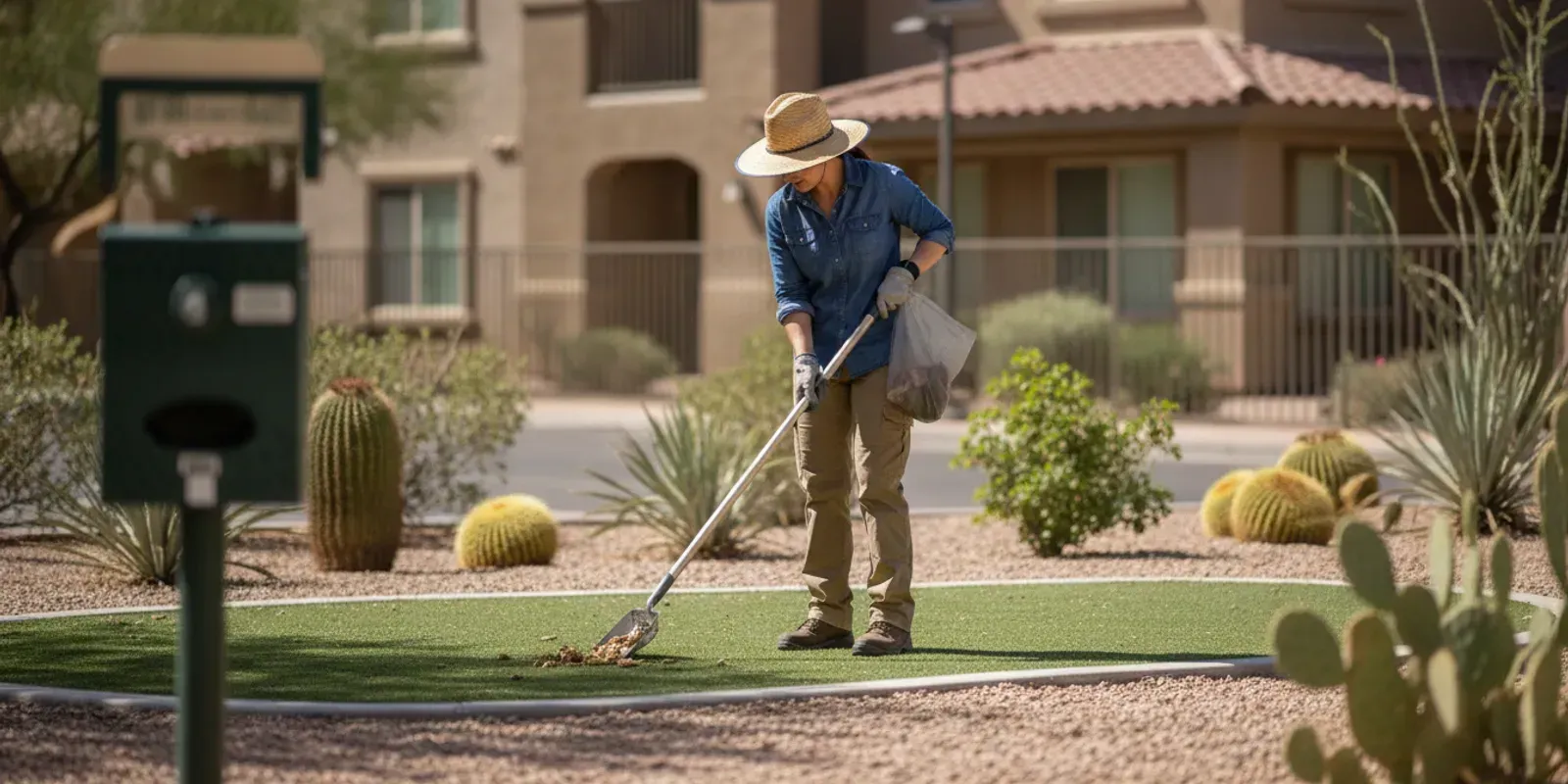
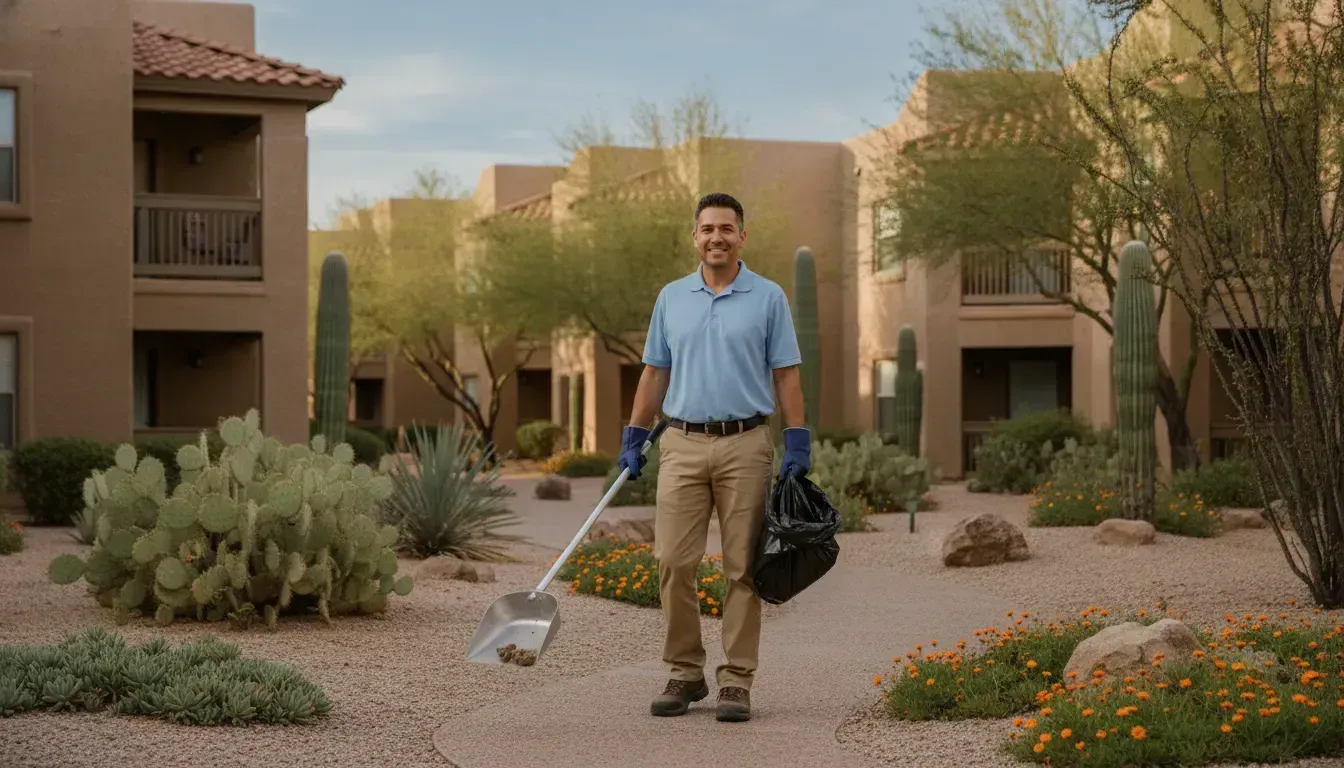
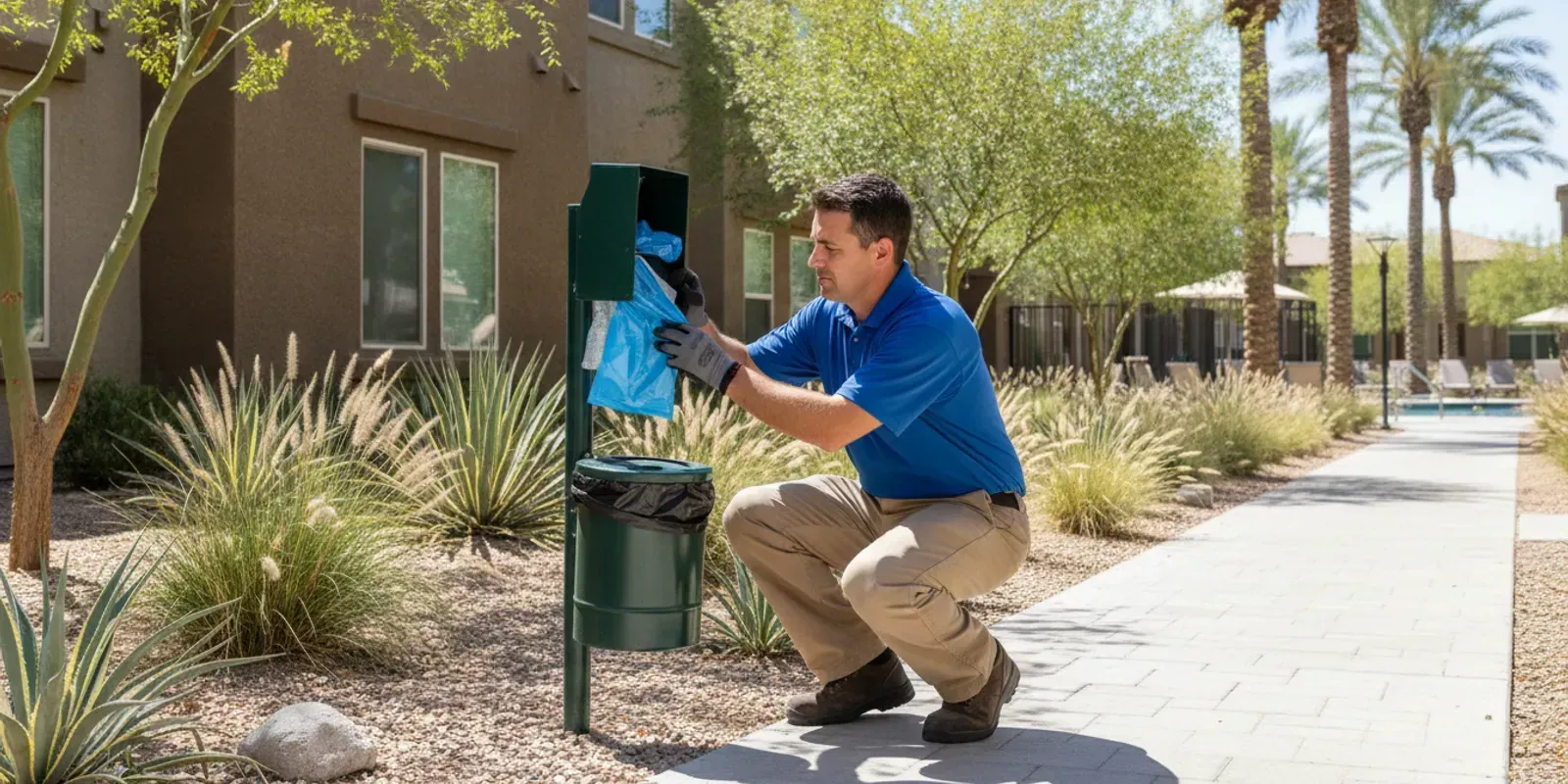
- Pick up solid waste promptly. Use a bag or scoop and dispose of it appropriately. Check around the spot for residue rather than leaving waste to be handled during the next yard cleanup.
- Check high-use areas. Look at the places where pets tend to pause, play, or rest. Make a note if the same area develops odor or visible buildup repeatedly.
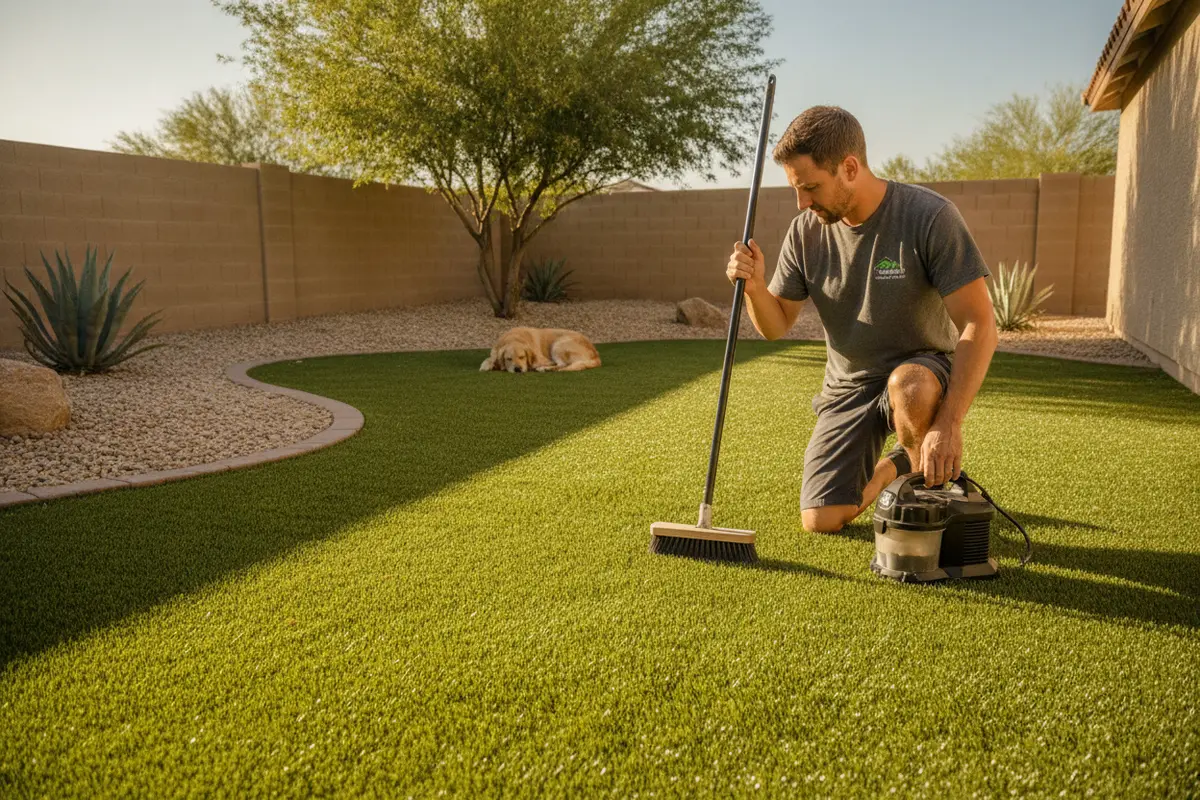
- Remove loose debris. Clear leaves and other material with a turf-compatible method. Avoid tools or forceful brushing that could damage fibers or disturb infill.
- Use water and products cautiously. If the manufacturer's instructions permit rinsing, follow them and consider the yard's drainage. Never mix cleaning products, and do not use a product unless its label and turf guidance support that use.
- Reassess the result. If a problem returns quickly, record the location, frequency of use, and care already tried. Those details help you ask for a more useful recommendation.
Product labels matter. The U.S. Environmental Protection Agency provides general information about pesticide products and their labels at EPA.gov. This is general reference material, not a turf-specific endorsement; follow the label and your turf manufacturer's instructions, and ask a qualified professional when you are unsure whether a product is suitable.
When Is a Professional Turf Cleaning Visit Worth Considering?
Consider asking about professional cleaning when basic upkeep is not keeping the area usable, when odor persists, or when the turf has accumulated waste and debris. A professional can discuss whether a targeted treatment or deeper clean is appropriate for the situation. Do not assume that every visit includes the same steps: describe your surface and concern, then confirm the scope before arranging service.
A1 Pet Maintenance provides artificial grass cleaning as part of its pet-related property maintenance services. When contacting a provider, be ready to share:
- Whether the turf is in a private yard, shared community area, or another setting.
- How many pets use the area and how often it is used.
- Where the odor, visible buildup, or other concern is located.
- What routine care or products have already been used.
- Any manufacturer instructions or known drainage limitations.
Those details help set expectations and distinguish a turf-cleaning request from a request to remove accumulated pet waste. If the yard needs a broader reset, review the options for one-time pet waste cleanup. For recurring pet waste removal, A1's service information describes weekly or bi-weekly schedules; a one-time cleanup is a separate option.
 How Can You Evaluate the Results of a Turf Cleaning?
Before a visit, identify the areas of concern and describe what you want addressed. That gives you a useful point of comparison afterward. Once the surface is ready for normal use, look at the same locations and note whether visible debris has been removed and whether the concern you raised has changed. Follow any provider instructions about when pets may return to the area.
Do not judge a service only by whether a strong fragrance is present. A scent can mask an odor rather than resolve its source, and a product's smell does not tell you whether it suits the turf. Instead, consider the original concern, the method explained to you, and the condition of the area after the recommended waiting or drying period. If something seems unexpected, ask the provider before applying another cleaner.
Results can also be affected by what happens after the appointment. Continued use, new debris, and delays in picking up waste can change the surface again. If a smell returns, write down how long it took, where it appeared, and what use the area had in the meantime. This context helps make a follow-up discussion specific rather than starting from a general complaint.
For community managers, a basic service record can include the date, areas cleaned, reported concern, and follow-up needed. Share resident observations through one designated contact when possible, so the vendor receives a clear description instead of conflicting reports. Use that record to decide whether the scope, routine, or responsibilities need review; do not assume that increasing visit frequency alone will address every turf condition.
How Can You Plan Turf Cleaning for a Shared Property?
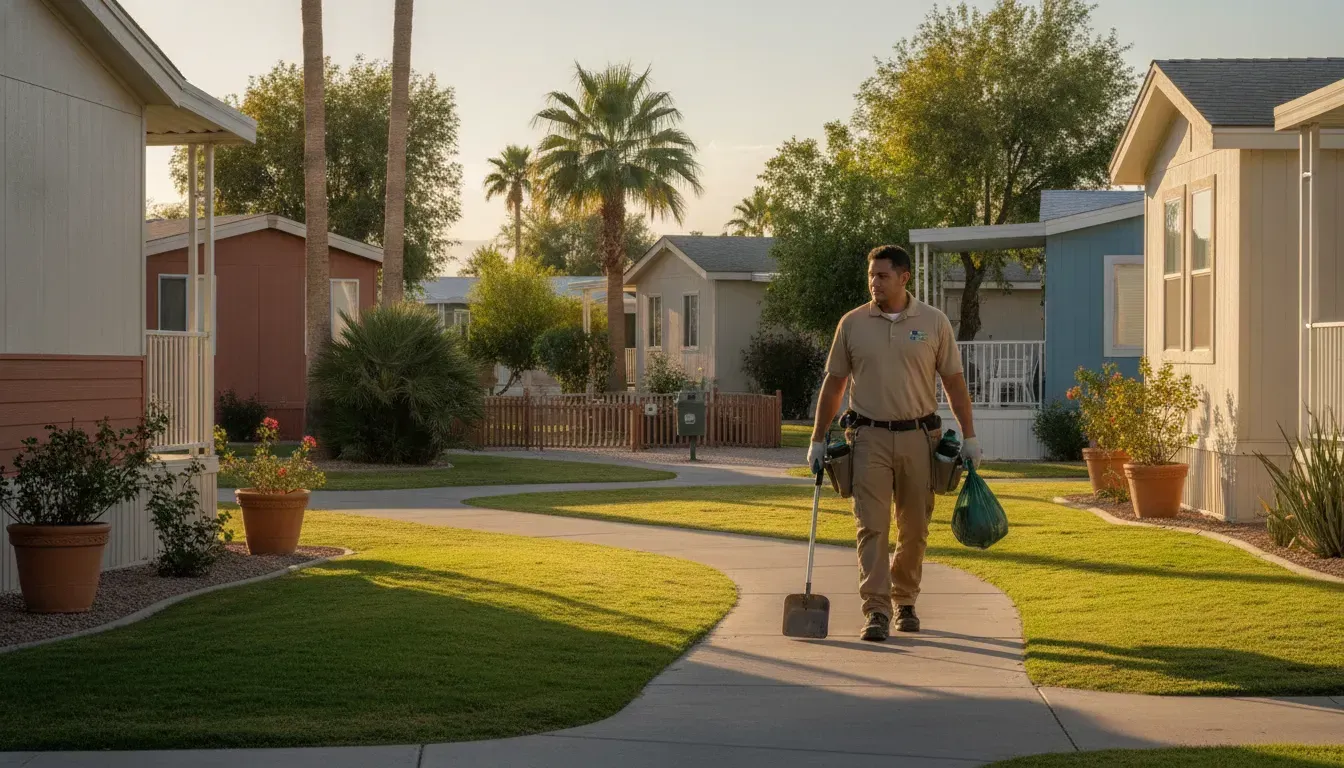
For an HOA, apartment community, or other shared property, turf care works best when responsibilities are clear. Decide who checks the area, who handles routine waste pickup, how residents report concerns, and who arranges deeper cleaning. A clean-looking surface depends on daily use as well as any scheduled vendor work.
Before requesting a proposal, identify the turf areas and describe how residents and pets use them. Ask whether the service covers surface debris, pet waste, turf treatment, or a combination. Request clarity on visit frequency, access, preparation, and how the provider will communicate if a problem needs attention between visits. Avoid comparing bids on price alone if their scopes are different.
Property teams can explore commercial property pet waste cleanup to understand A1's property-service offering. For a plan focused on community operations, see the multifamily pet waste management guide. These resources can help frame the conversation; confirm the exact work and schedule directly with the provider.
What Should You Ask Before Scheduling Turf Cleaning?
A few specific questions can prevent a mismatch between the problem and the service. Use them whether you manage a home yard or a shared pet area.
- Does the proposed visit address turf cleaning, solid-waste removal, or both?
- What method is being considered, and is it appropriate for my turf and infill?
- Are there manufacturer instructions or site details I should provide first?
- What should I do before the visit, including moving furniture or keeping pets away?
- How should I care for the area afterward, and what changes should I watch for?
- For recurring service, is the proposed schedule weekly or bi-weekly, and what does each visit cover?
Clear answers are more useful than a broad claim that a treatment works for every turf surface. If you do not know the turf brand or installation details, say so. The provider can explain what they can assess and whether further information is needed before recommending a method.
Frequently Asked Questions
How often should artificial turf be cleaned for dogs?
There is no one schedule for every yard. Pick up solid waste promptly, check high-use spots regularly, and follow the care instructions for your turf. If odor or buildup returns between routine cleanups, ask a provider whether a deeper visit makes sense.
Is turf cleaning the same as pet waste removal?
No. Pet waste removal focuses on collecting and removing solid waste. Turf cleaning can involve additional care for the surface, such as a suitable rinse, enzyme treatment, or deeper cleaning. Confirm what a visit includes before you book.
Can I use household cleaner on artificial turf?
Do not assume a household cleaner is compatible with your turf, infill, or drainage system. Check manufacturer guidance and the product label, never mix products, and ask a professional if you are unsure.
What should I do if my artificial grass still smells after cleaning?
Note where the odor occurs, when it returns, and what cleaning has already been done. A persistent smell can have more than one contributing factor, so share those details with a turf-care provider rather than repeatedly applying stronger products.
Does A1 Pet Maintenance offer turf cleaning in addition to waste pickup?
A1 Pet Maintenance lists artificial grass cleaning and maintenance among its services, including enzyme treatments and deep cleaning. Contact the company to describe your surface and location and confirm which service is available and appropriate for your needs.
A clear care routine, careful product choices, and a service scope matched to your turf can make pet-area maintenance easier to plan.