North Las Vegas Dog Poop Removal: Service Options and Planning Guide
North Las Vegas dog poop removal can be a one-time cleanup of waste that has accumulated or a regular service for a yard or shared property that needs ongoing attention. The right starting point depends on where dogs go, how many areas need coverage, and whether you need a reset or a routine. A clear description of the property makes it easier to discuss a practical scope.
Ask A1 about your cleanup needs
Quick answer: Choose a one-time cleanup when you need to address built-up waste or a specific short-term need. Consider recurring weekly or bi-weekly pet waste removal when dogs continue to use the space and you want scheduled upkeep. For apartments, HOAs, or other shared grounds, first list the dog-use zones and access details so the service request covers the right areas.
What does North Las Vegas dog poop removal need to cover?
Start by defining the work, not by choosing a schedule. A private yard with one dog has different needs from a community lawn, dog run, or set of common paths. A useful request identifies the area, the cleanup goal, and any conditions that may affect access.
- One-time cleanup: A reset can make sense when waste has accumulated, you are preparing for a gathering, or you need help after a period when regular pickup was difficult. Describe whether the buildup is throughout the yard or concentrated in particular sections.
- Recurring removal: Routine service can fit a space used by dogs every day. A1 offers weekly and bi-weekly pet waste removal; ask which interval and property scope are available for your location.
- Shared-property maintenance: An apartment community, HOA, or other managed property may have several lawns, paths, or dog-use areas. Identify each zone and clarify who will coordinate entry and service details.
If the space needs an initial reset, review A1's one-time pet waste cleanup information. For a general explanation of routine service, see how a dog poop service works.
How do the cleanup options compare?
Compare the purpose and cadence of each option. This table is a planning aid, not a promise that every schedule or scope is available for every property. Confirm the details with A1 before arranging service.
| Option | When to consider it | What to prepare | Questions to confirm |
|---|---|---|---|
| One-time cleanup | Waste has built up or there is a short-term cleanup need | Areas to address and an honest description of current conditions | What sections are included and whether the request is a reset |
| Weekly recurring removal | Dogs use the space regularly and you prefer more frequent visits | Dog count, yard boundaries, gate access, and desired coverage | Whether weekly service is available for this address and scope |
| Bi-weekly recurring removal | You want ongoing maintenance with a less frequent visit cadence | How much the area is used between visits and where waste collects | Whether the interval fits the property and available service options |
| Commercial or community service | Common areas or multiple dog-use zones need attention | Site map or zone list, access requirements, and a contact person | Which areas are included and how the scope will be coordinated |
There is no single schedule that fits every home or community. For example, a compact private yard used by one dog may have a different buildup pattern from a shared lawn used by dogs from several households. Rather than guessing, explain how the space is used and ask about the available arrangement. A1's commercial property cleanup information can help a property manager frame that discussion.
How should you map a yard before requesting service?
A short property walk-through can prevent missed sections and unclear expectations. This is useful for a private home, and even more useful when the grounds have gates, several surfaces, or separate dog-use zones.
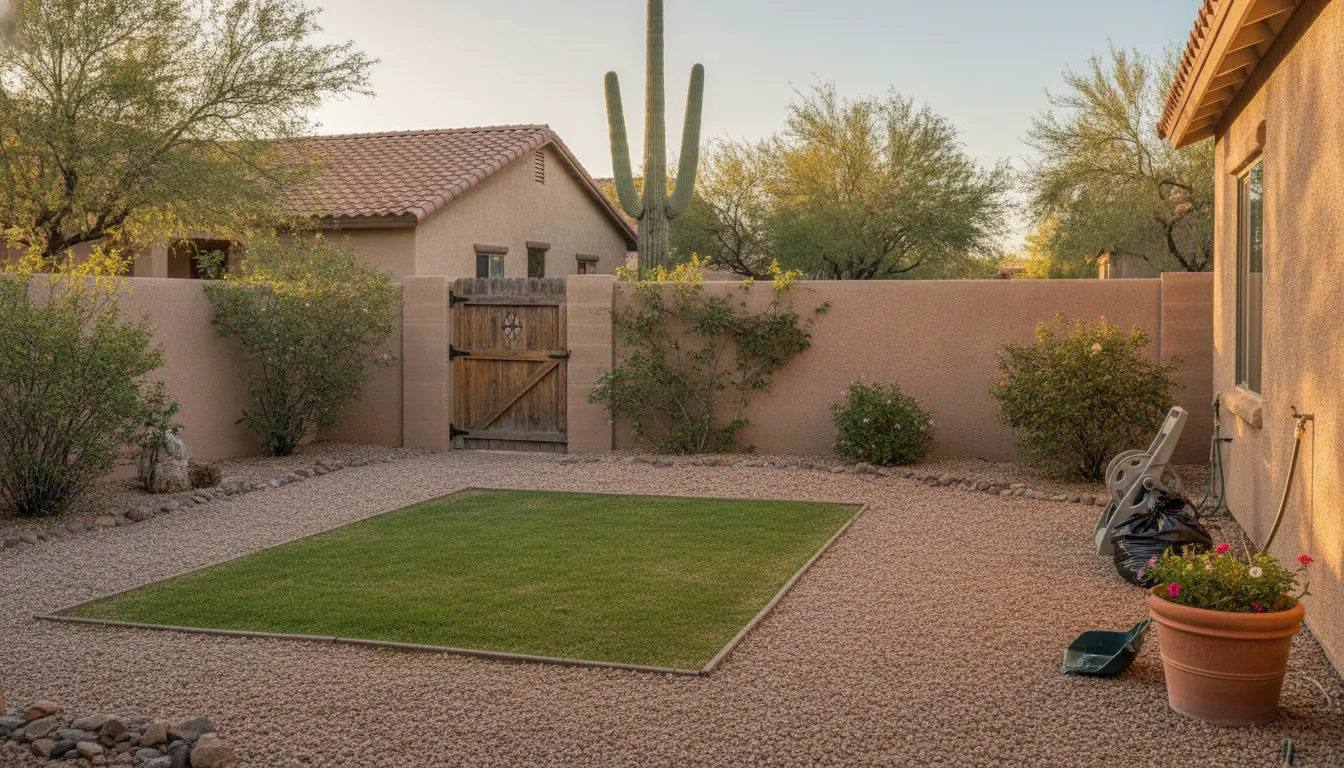
- Walk the full boundary. Note the lawn, gravel, side yard, dog run, and any space behind a gate. Do not assume a narrow strip or enclosed area is obvious from the main yard.
- Mark the places dogs actually use. Include the regular paths and less visible corners. If the property has several sections, make a rough sketch or list the areas in the order someone would encounter them.
- Describe the current condition. Say whether waste is collected in a few spots or spread across the space, and whether the request is for accumulated waste or maintenance. You do not need to estimate an exact quantity.
- Count the dogs that use the area. Include visiting or household dogs that regularly use the property. This gives the service provider context about ongoing use.
- Record access instructions. Note which gate to use, whether there is a lock or entry code, and where to find the area. Keep instructions current if access changes.
- Point out limits and hazards. Identify areas that are off limits, fragile landscaping, or places where pets need to be kept separate during entry.
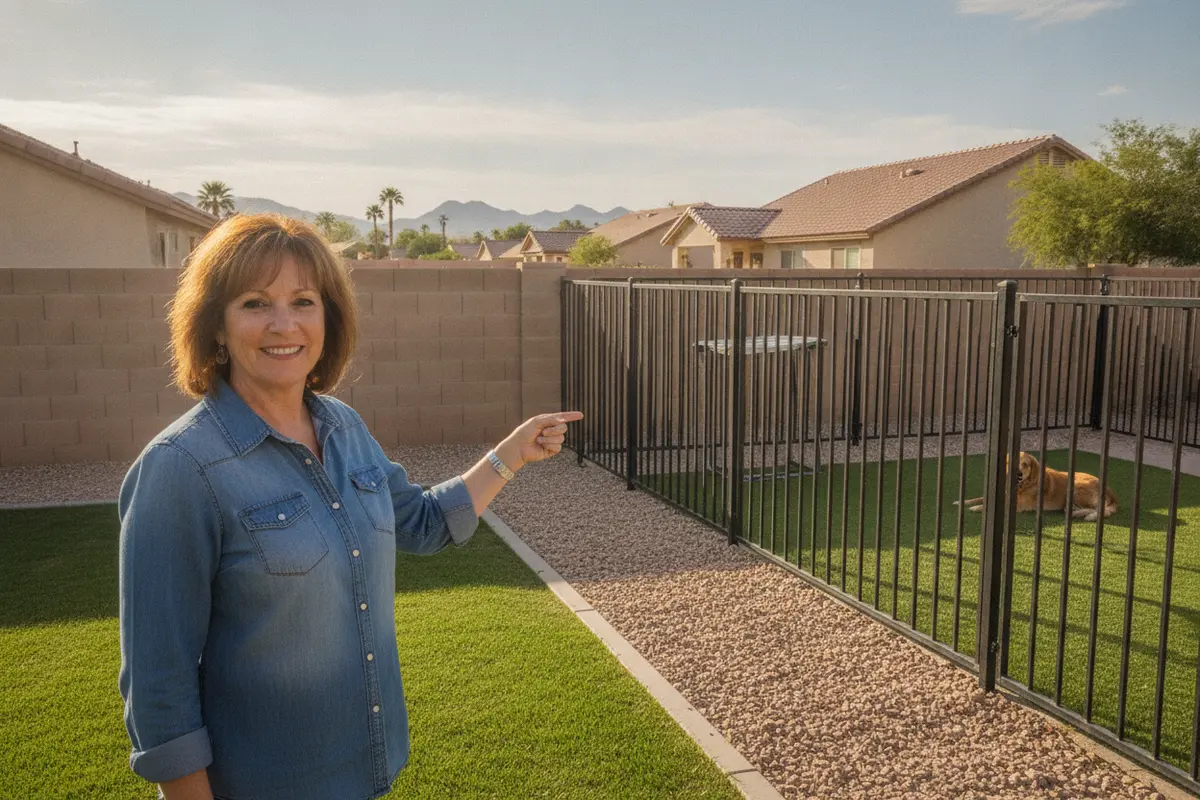
If you are preparing for a more extensive reset, A1's yard cleanup planning guide and yard cleanup reset guide offer additional preparation ideas.
How do you decide between one-time and recurring service?
Think about whether the need is temporary or repeated. A one-time cleanup addresses a specific condition. A recurring plan is for spaces where dogs continue to leave waste and the goal is to maintain the area over time. The choice is about the pattern of use as much as the condition on the day you call.
When a one-time cleanup may fit
Consider asking about a one-time cleanup if waste has accumulated while you were away, a schedule changed, or you want the yard addressed before a gathering or another planned use. It can also be a practical first step when you are not sure what routine will be needed. Explain the area and current condition so the scope can be discussed; do not assume a recurring visit begins with a full-yard reset.
When recurring visits may fit
Recurring removal can be worth discussing when dogs use the yard throughout the week and the waste returns after cleanup. A1 offers weekly and bi-weekly options. Consider how many dogs use the space, how much ground they cover, and how you want the yard to be maintained between visits. Ask what interval can be arranged for the property rather than treating a sample schedule as a recommendation for every household.
When to reassess
Needs can change if a household adds a dog, a dog begins using a different part of the yard, or a property changes its common areas. Review the map and scope when that happens. If the original arrangement no longer covers the areas people use, update the service request and confirm any changes with the provider.
What changes for apartments, HOAs, and other shared properties?
Shared grounds need a defined scope and a clear point of contact. A property manager should distinguish private yards from common areas and identify any spaces residents use for dogs. A single broad instruction such as clean the property may leave uncertainty about which lawns, paths, or dog-use areas are included.
Before requesting information, assemble a short property brief:
- Property type and North Las Vegas location.
- A list or map of lawns, dog runs, paths, and other included zones.
- Gate, entry, parking, or access instructions relevant to the route.
- The name or role of the person who can answer scope questions.
- Whether the property needs an initial cleanup, routine service, or both stages discussed.
- Any site rules that affect timing or entry, such as resident access patterns or areas that should not be entered.
For larger communities, separate the map into zones and label them consistently. For example, “north lawn” and “east dog run” are more actionable than “the grass by the buildings.” If one area has restricted access, call it out rather than leaving it off the map without explanation. A manager can use A1's multifamily pet waste management planning information to think through the scope, and the community pet waste solutions guide for additional planning context.

What should you include in a useful service request?
Specific information helps both sides discuss the same job. You can prepare a concise description before calling or sending a request. It need not be a formal proposal. The goal is to make the property and cleanup objective clear enough to discuss next steps.
- State the property type. Say whether it is a private home, apartment community, HOA, or another shared property.
- Give the service location. Confirm that the address is in North Las Vegas and provide the full location through the contact channel.
- Describe dog use. Share the number of dogs that use the space and whether the use is regular or occasional.
- List the areas. Name each lawn, gravel patch, dog run, or shared zone you want considered.
- Set the goal. State whether you want a one-time cleanup, weekly or bi-weekly recurring removal, or information about which may fit.
- Explain entry. Provide gate details and note any restrictions or instructions for pets.
- Ask what is included. Confirm the proposed areas, schedule, and any other details that matter before service begins.
For instance, a request might say: A North Las Vegas apartment community has two dog-use lawns and a gated run. The manager is looking to discuss recurring maintenance, access instructions, and available service options. That description gives a provider a clear starting point without assuming a price, visit duration, or service commitment.
You can also ask what to expect if access is blocked or weather affects a visit, how to communicate a change in dog use, and whether a separate initial cleanup is needed before routine service. A1's pet waste service FAQs may answer general questions; confirm details for your own property directly. If calling is easier, use A1's phone number.
How can you keep the area manageable between visits?
A few simple habits can help keep a property orderly between cleanups. Keep pickup bags or a suitable tool in a convenient place. Let household members or staff know which sections are included and where collected waste should go. On shared grounds, make sure the property map and access instructions stay current when gates or routes change.
After a visit, check that gates are secure and that pets can use the yard safely. If your property has artificial grass, distinguish solid waste pickup from turf cleaning. A cleanup of solid waste may not address every odor or surface-care concern. A1 provides separate artificial grass cleaning and maintenance information; ask about the right scope if that is also a concern.
Waste left outdoors can also become part of a wider property-maintenance conversation. The U.S. Environmental Protection Agency is a federal source for environmental and water-quality information; its website is a starting point for general guidance. This article does not make a claim about a specific North Las Vegas drainage rule. For local requirements, check with the relevant local authority.
What mistakes make cleanup planning harder?
- Describing only the problem, not the area. “There is a lot to clean” does not identify whether the work is a small corner, a full yard, or several common zones. Add a list or map.
- Assuming recurring service includes the first reset. If waste has accumulated, say so and ask whether a one-time cleanup should be discussed separately from routine maintenance.
- Choosing frequency without considering use. Weekly or bi-weekly options are available from A1, but the appropriate discussion depends on how many dogs use the property and what buildup is acceptable between visits.
- Leaving access details until the day of service. A locked gate or unclear entry instruction can prevent access. Share accurate directions in advance and update them when they change.
- Using vague boundaries for shared grounds. Name the spaces and distinguish common areas from locations that should not be entered.
- Expecting solid waste removal to solve every surface issue. Odor or artificial turf concerns may require a separate conversation about cleaning scope.
Frequently asked questions
Does A1 offer one-time dog poop removal in North Las Vegas?
A1 offers one-time pet waste cleanups. Describe how much of the yard or property needs attention and whether waste has accumulated, then confirm the service scope for your location.
What recurring schedule can I ask about?
A1 offers weekly and bi-weekly pet waste removal. Explain how often dogs use the space and ask which arrangement is available for your address and property needs.
Can a property manager ask about common-area cleanup?
Yes. A1 serves commercial properties, including multi-family properties and HOAs. Prepare a map or list of shared dog-use areas, access instructions, and the maintenance goal before discussing the request.
Should I book a one-time cleanup before starting recurring service?
That depends on the current condition and the scope you want. If waste has built up, describe it and ask whether an initial reset should be considered separately from ongoing visits. Do not assume the routine schedule covers accumulated waste.
What should I have ready when I contact A1?
Have the property location and type, number of dogs, areas to be cleaned, access instructions, and whether you want a one-time cleanup or recurring service. For a community, include a site map or a clear zone list and a contact person.
Discuss a North Las Vegas cleanup plan
A clear map, honest description of the current condition, and defined cleanup goal make it easier to discuss whether a one-time reset or recurring service fits your North Las Vegas property.