Multifamily Pet Waste Management: Cleaner Communities
Build a cleaner multifamily pet waste management program with practical guidance on stations, routes, inspections, odor control, and vendor selection.

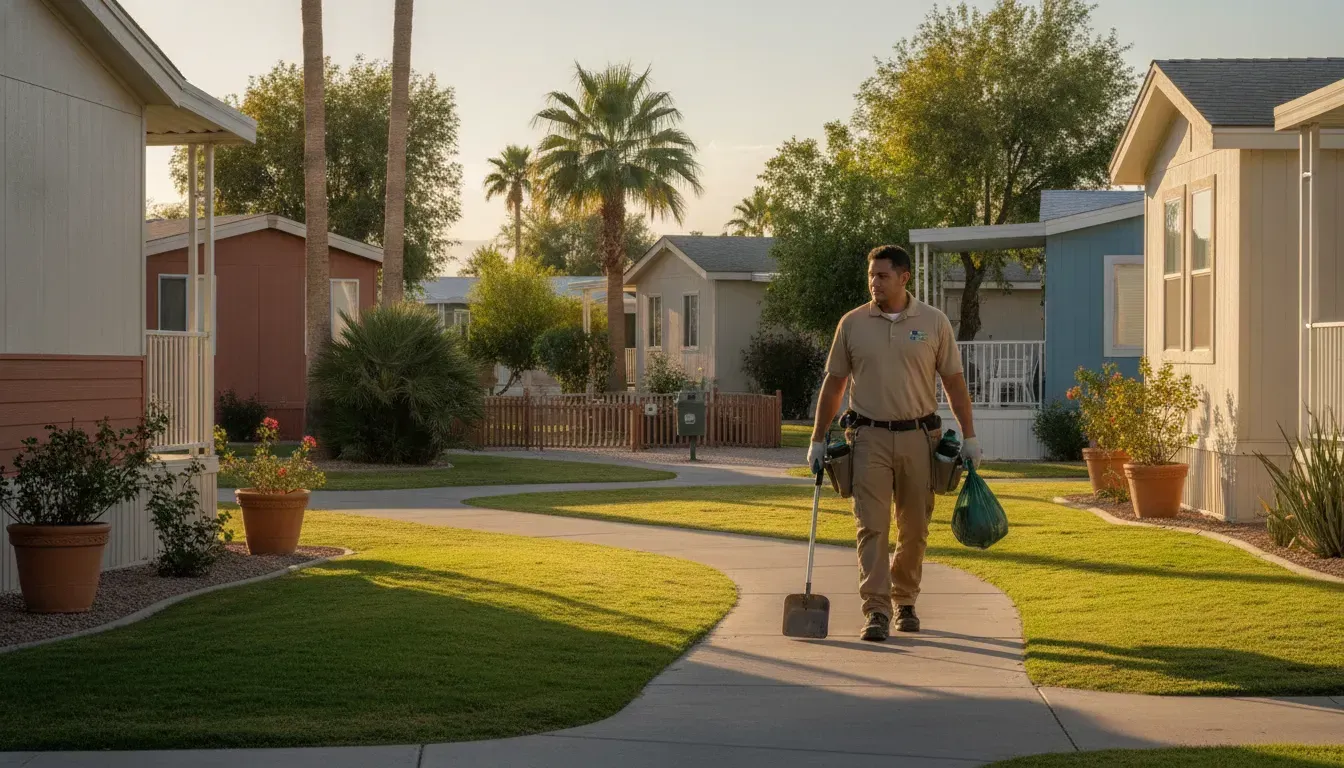
Multifamily pet waste management works best as a coordinated operating plan, not as occasional cleanup after a resident complaint. Apartment and multifamily managers can keep shared grounds cleaner by placing convenient stations, explaining expectations, servicing high-traffic routes, inspecting hotspots, and responding to odor at its source.
Call A1 Pet Maintenance at (702) 521-2624 Today
The strongest program connects resident behavior with property operations. The sections below show how to define the service area, design practical stations, communicate with residents. Build a repeatable route, control odors, and evaluate a vendor without adding another hard-to-manage task to the maintenance calendar.
What Does Multifamily Pet Waste Management Include?
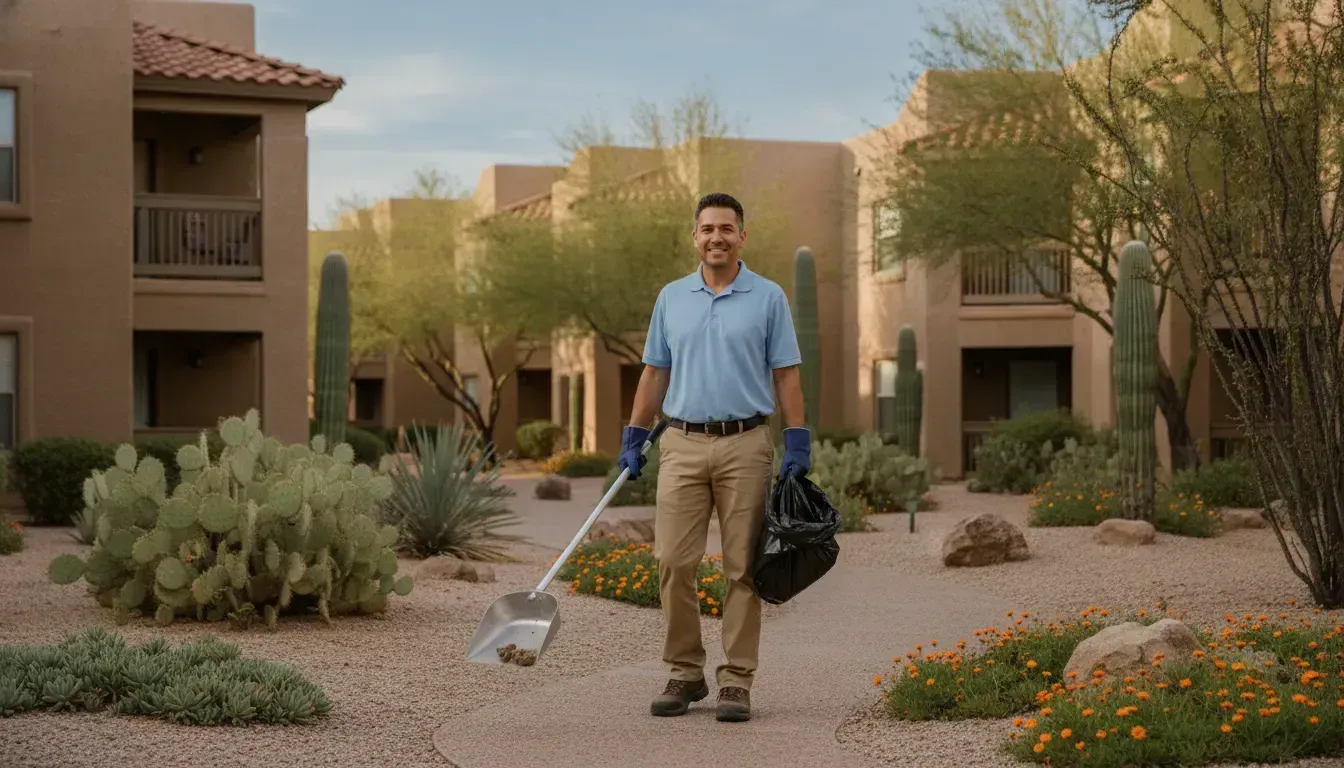
Multifamily pet waste management is a planned sanitation system for shared residential grounds. It combines recurring waste removal with station upkeep, hotspot inspections, resident communication, issue documentation, and a clear response process. The objective is a usable pet-friendly property where managers can see what is covered and adjust service when conditions change.
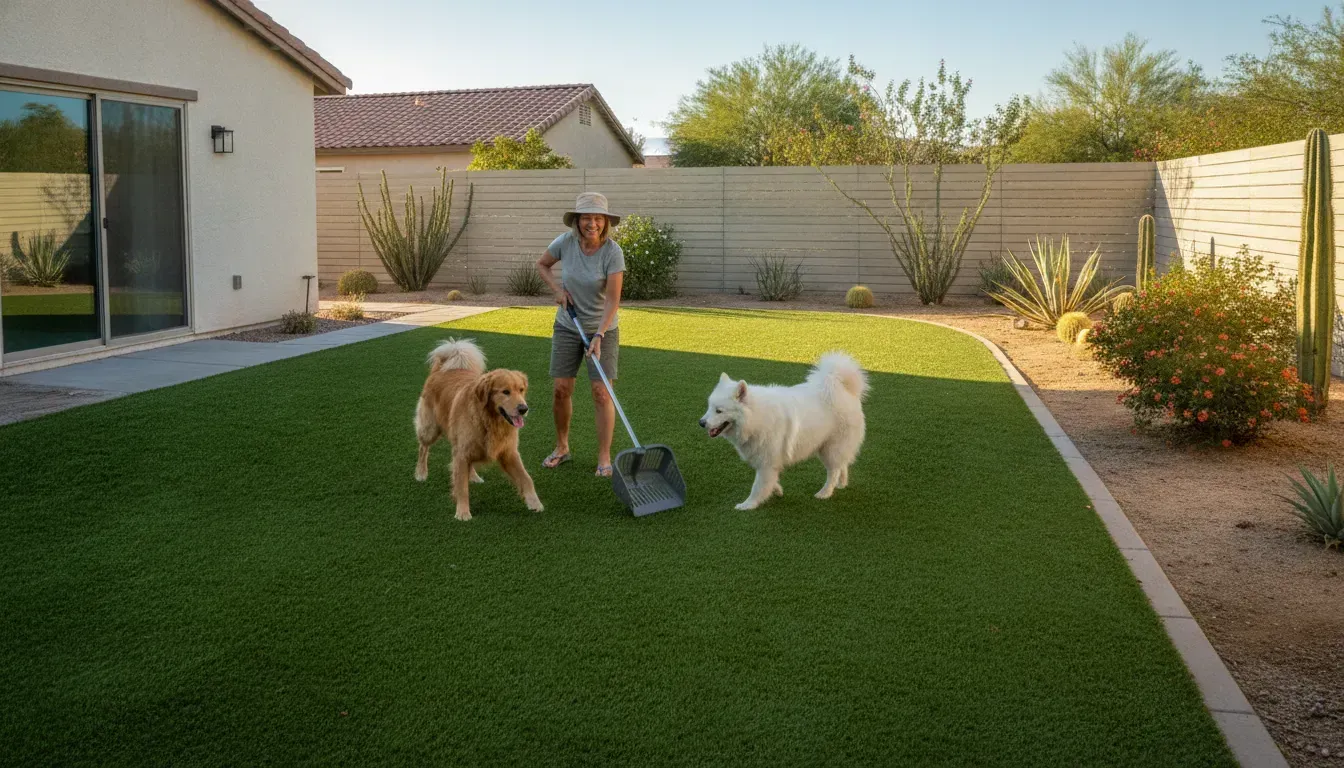
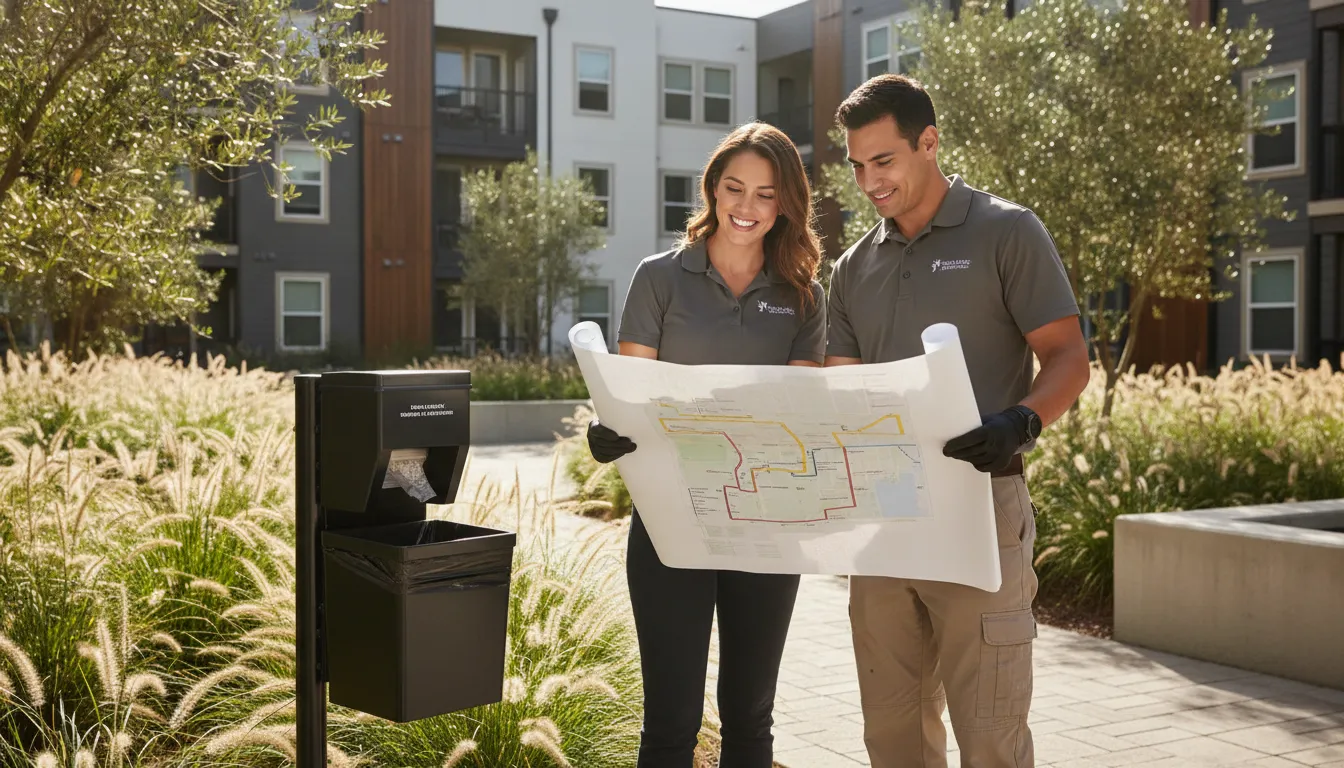
For an apartment or condominium community, the scope may include dog runs, designated relief areas. Lawns, sidewalks, landscaped edges, entrances, and the paths residents use before and after work. It may also include bag dispensers and disposal bins. Define the service area on a property map so the grounds team and outside provider use the same boundary.
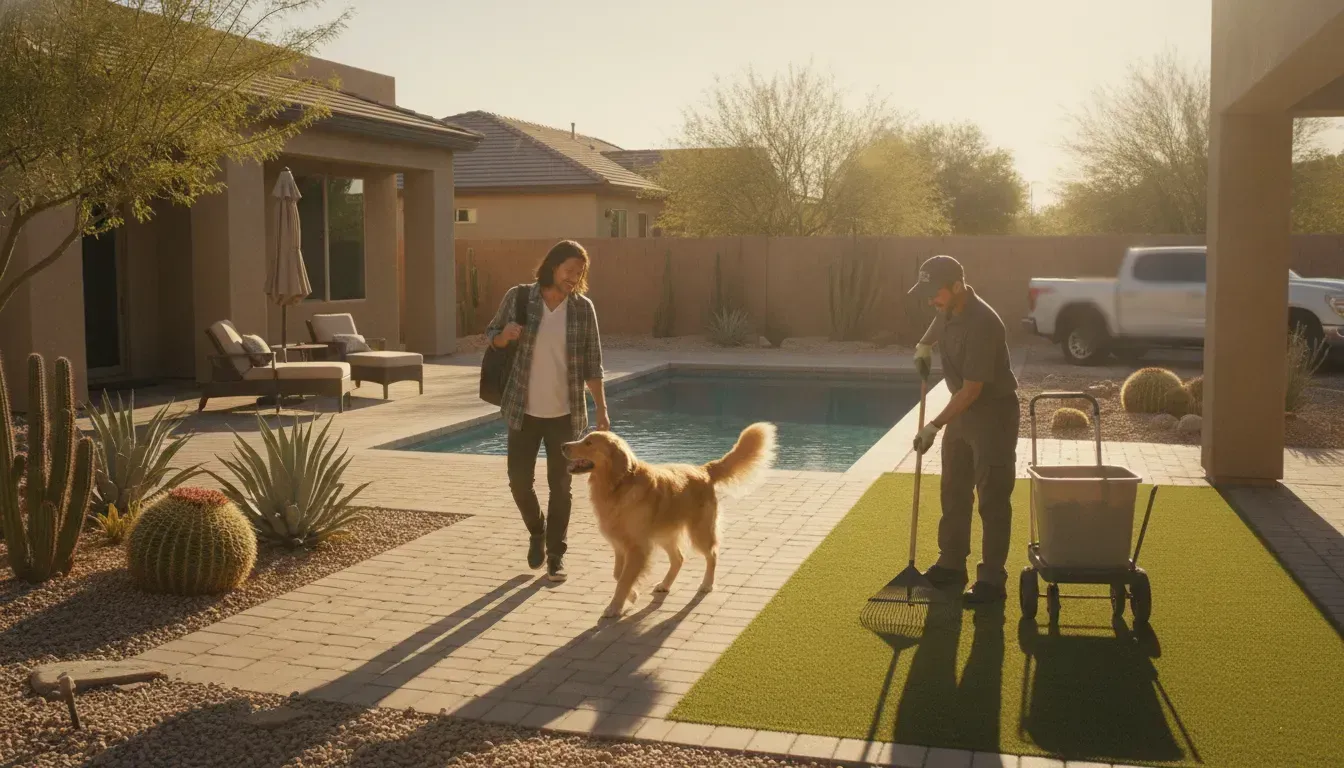
A1 Pet Maintenance provides recurring commercial pet waste maintenance for properties that need consistent common-area coverage. Its commercial property service can be reviewed alongside the property's existing grounds schedule. A defined scope helps prevent a common problem: everyone assumes another team is responsible for the same corner, station, or walkway.
Sanitation should be treated as routine work. The Centers for Disease Control and Prevention recommends picking up pet waste daily and washing hands after handling it. The agency's toxocariasis prevention guidance gives managers useful hygiene context without replacing property-specific procedures or professional advice.
Set practical measures before the program starts. Useful indicators include:
- Every assigned pet area is included on a route and checked for completion.
- Bag dispensers remain stocked and disposal bins are serviced before overflow.
- Recurring hotspots and resident complaints are recorded by location.
- Access problems, damaged equipment, and surface concerns receive a clear next action.
- Managers can review service activity with other facility-maintenance records.
Local collection and disposal rules can vary by property and jurisdiction. Confirm the site's requirements with the owner, municipality, and waste provider. The goal is a documented process that is easy for staff to explain and easy for a service partner to follow.
How Should Managers Design Pet Areas and Stations?
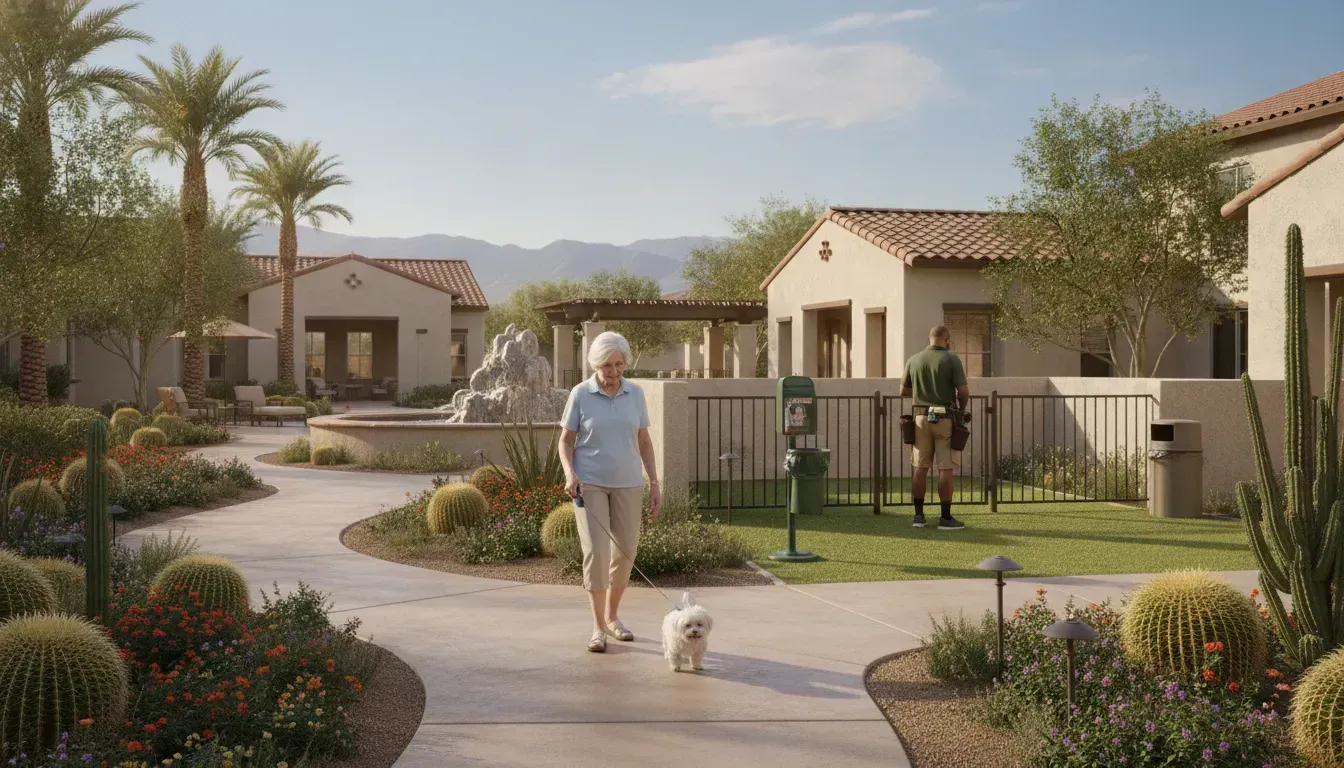
Apartment and multifamily managers should design pet areas around real walking patterns, not an arbitrary station count. Map building entrances, parking routes, elevators, sidewalks, dog parks, turf areas, and common exits. Then compare that map with maintenance requests, resident feedback, and inspection findings to place supplies where residents can use them naturally.
Where should dispensers and bins be placed?
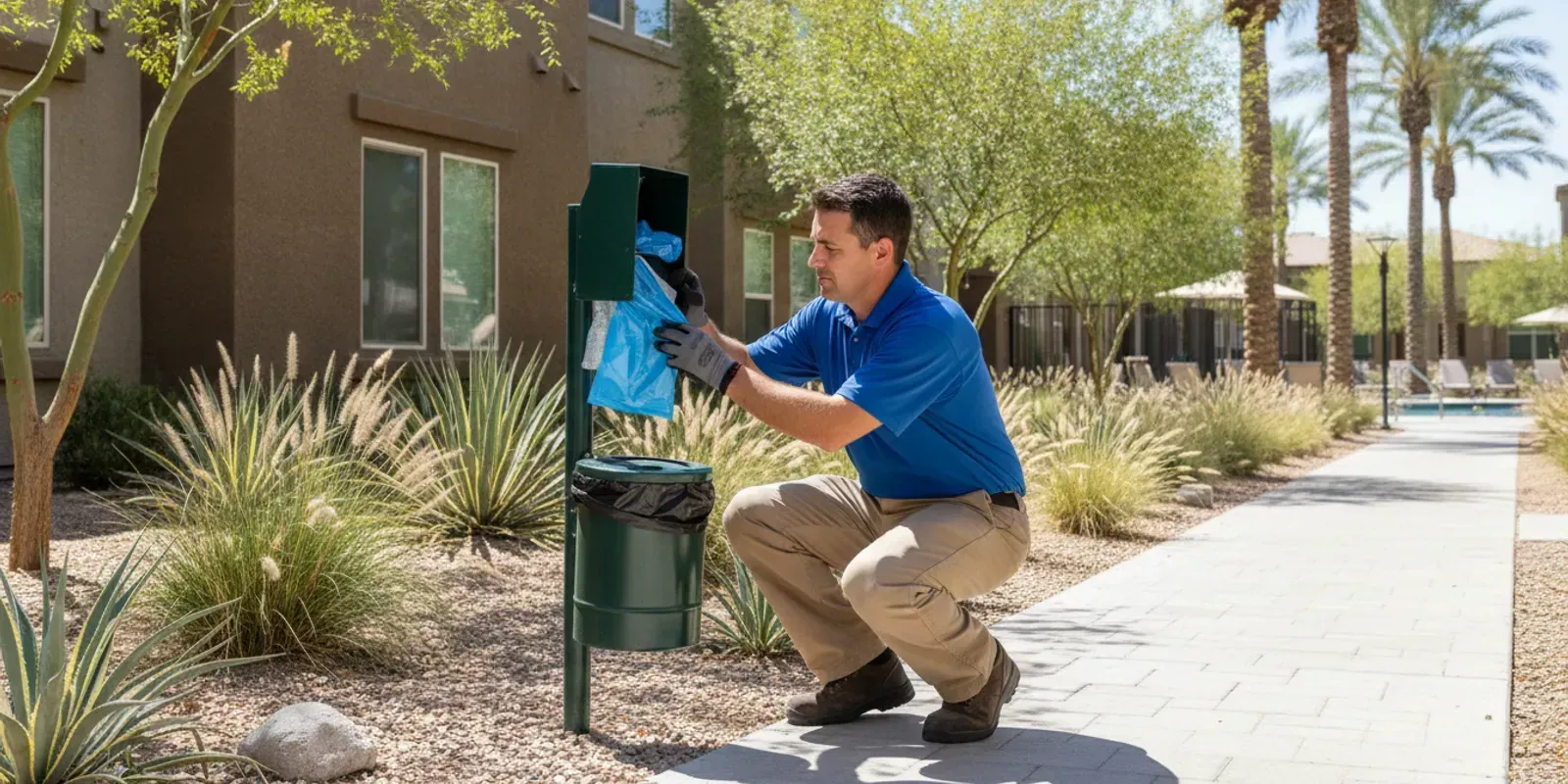
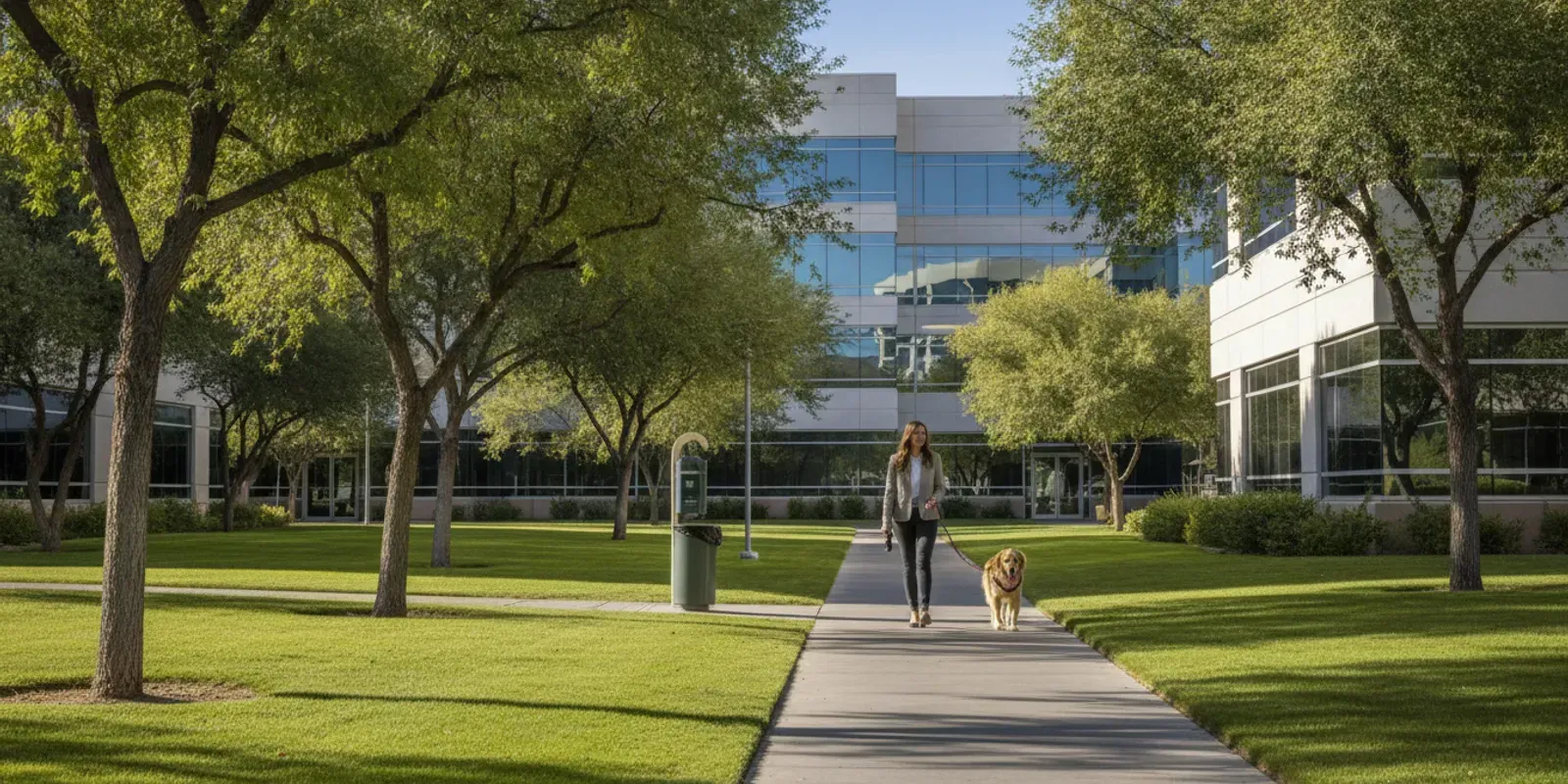
Place stations near designated relief areas, along common walking routes, and close to the points where residents leave or return to a building. A station should be visible without obstructing a doorway, sidewalk, ramp, or vehicle path. A combined dispenser and disposal bin can make the expected action clear, but convenience only works when supplies are maintained.
Review the station from a resident's perspective. Can someone find it at dusk? Can a person approach it without stepping into landscaping? Can a resident carry a used bag to the bin without crossing a busy vehicle route? A1's pet waste station installation guidance can help teams think through placement, access, and maintenance responsibilities.
What should managers consider for access and visibility?
Inspect stations in daylight, after dark, and during the busiest periods. Keep signs readable and paths free of trip hazards. Avoid placing supplies behind dense landscaping, beside standing water, or in an area that is difficult for residents using mobility devices to reach. Preserve usable walking width and leave enough room for service access.
When should the layout be reviewed?
Revisit the layout after occupancy changes, a new building opens, an amenity moves, or inspections identify a new hotspot. A station that worked during initial leasing may be poorly placed after resident routines change. Record the reason for any relocation so future staff understand the decision and can evaluate whether the change improved coverage.
How Can Resident Messaging Improve Compliance?
Resident compliance improves when the desired action is specific, convenient, and repeated through normal community channels. Property managers should explain pet-area rules at move-in, show station locations, keep supplies available, and provide a simple way to report a full bin or missed area. Clear instructions work better than occasional blame-focused notices.
Set expectations at move-in
Include the pet-waste routine in the welcome process for every resident with a pet. Identify designated relief areas, station locations, disposal procedures, and the contact method for maintenance concerns. If courtyards, turf areas, or walkways have different rules, explain those differences with a short map or direct description.
Keep signage concise and supplies accessible
Place short signs near exits, relief areas, and high-traffic paths. Use respectful language and one clear action. Such as. "Please pick up after your pet and place waste in the bin." Keep the dispenser and bin close to the decision point. An empty dispenser or overflowing receptacle weakens the message, so station checks should be part of the service route.
Use reminders and a fair complaint process
Send occasional reminders after move-ins, landscaping changes, or a recurring issue in one area. Avoid sending a community-wide warning for an isolated concern. When a resident reports waste, record the location and time, route the issue to the responsible team, and communicate the follow-up when appropriate.
Apply written community rules consistently. A defined complaint process helps managers distinguish a one-time missed deposit from a repeated hotspot, access problem, damaged station, or service gap. That distinction keeps communication fair and gives the maintenance team useful information for route planning.
How Do Service Routes and Inspections Work Together?
A reliable multifamily service route defines where recurring work happens, while an inspection shows whether the plan still fits the property. Managers should combine scheduled collection with visual checks of stations, walkways, landscaped edges, and known hotspots. This feedback loop turns observations into route changes, supply adjustments, resident reminders, or maintenance requests.
- Plan the route around a current property map. Mark pet stations, dog runs, landscaped areas, building entrances, sidewalks, and other pet-traffic zones. Group nearby tasks into an efficient path, while reserving enough time for collection and visual checks.
- Complete scheduled collection. Remove waste from assigned areas and service the stations included in the scope. Record locked gates, blocked access, construction, or other conditions that prevented completion. A route should not be marked complete without noting a material exception.
- Inspect likely hotspots. Walk landscaping edges, fence lines, secluded corners, and routes leading to pet amenities. Compare observations over time. A single missed deposit may need pickup, while repeated accumulation may indicate a layout, behavior, access, or frequency problem.
- Restock and maintain stations. Check bags, empty bins according to the property plan, and look for spills, residue, damaged hardware, or localized odors. For additional guidance, review A1's commercial pet waste station maintenance resource.
- Document visible issues. Note the location, condition, and recommended next action for missing supplies, lighting concerns, access barriers, damaged stations, or repeated waste. Documentation should support follow-up, not promise a report or technology the provider does not actually offer.
- Review findings with the property manager. Decide whether to adjust the route, add or relocate a station, coordinate a repair, reinforce resident messaging, or request surface cleaning. Keep the decision connected to the original observation.
There is no single service frequency for every community. Pet population, grounds layout, weather, resident behavior, and amenity use should guide the schedule. The right plan is the one that provides dependable coverage and changes when inspection evidence shows demand has shifted.
Why Does Multifamily Pet Waste Management Matter for Odor Control?
Odor control begins with source removal and consistent station service. In a shared pet area, waste can be stepped on, tracked across walkways, or left near entrances and windows. A recurring route reduces buildup, while inspections show whether a bin, drain, surface, or unmanaged relief area is creating a localized problem.
The CDC advises daily pickup, bagging, trash disposal, and handwashing after handling pet waste. That guidance supports a consistent sanitation routine, but it does not mean every odor indicates a health hazard. Managers should document the location, timing, weather, surface, and nearby activities before choosing a corrective action.
How should teams inspect different surfaces?
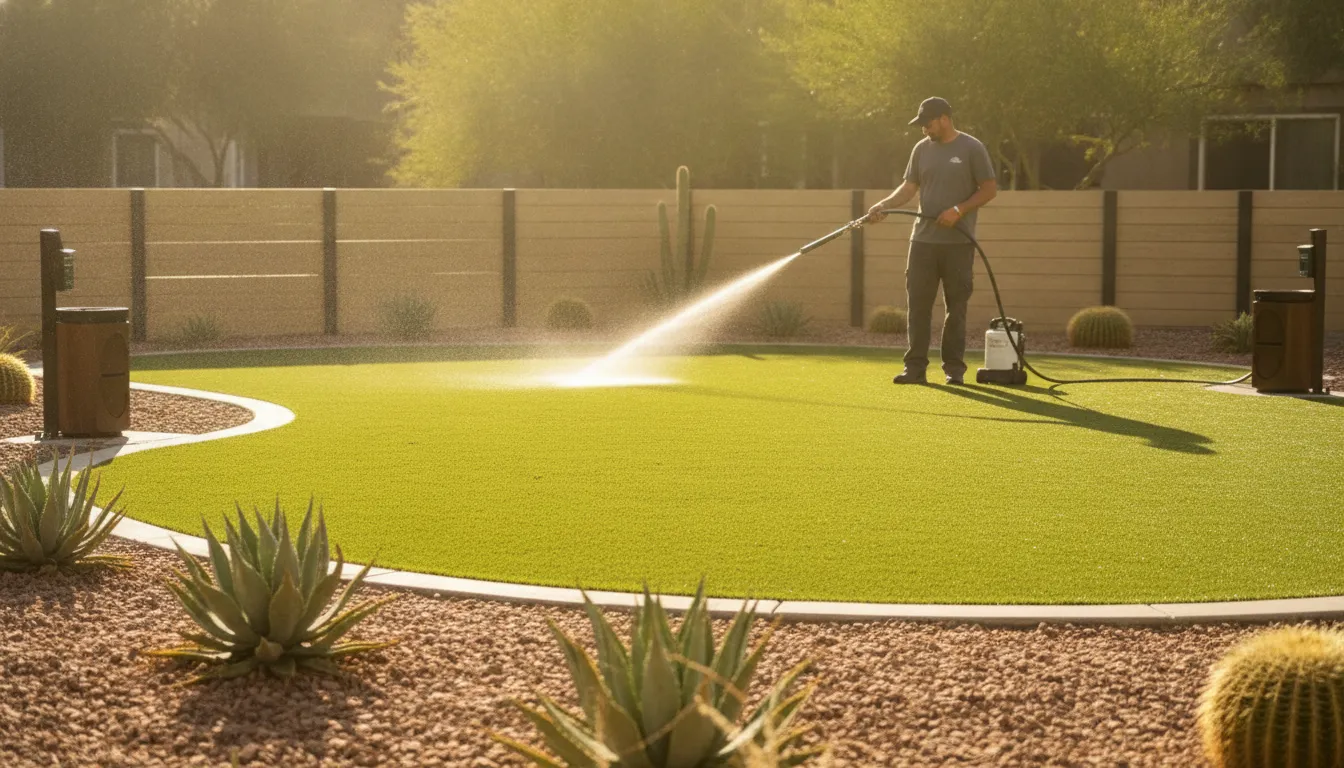
Hard surfaces, gravel, mulch, lawns, and artificial turf can hold residue differently. Inspect corners, fence lines, shrubs, shaded areas, and routes between buildings where dogs repeatedly stop. If a property uses artificial turf, A1's artificial grass cleaning service information explains how targeted maintenance may fit into a broader sanitation plan.
What should happen when odor persists?
First confirm that waste removal and bin servicing are occurring as planned. Then check for a blocked drain, underserviced receptacle, repeated use of an unmanaged area, or residue held by a particular surface. Document the finding and assign a corrective action, such as an additional visit, station adjustment, surface cleaning, or drainage review. Avoid promising that one chemical or deodorizer will permanently solve an unassessed source.
Consistent removal, inspection, and follow-through protect the resident experience. They also help a manager separate a routine service need from a grounds, plumbing, landscaping, or access issue that requires another team.
What Should Managers Ask a Pet Waste Service Vendor?
Choosing a pet waste vendor is an operations decision, not simply a cleanup purchase. Managers should ask how the provider covers shared grounds, stations, walkways, and hotspots, then clarify who documents service and who responds when site conditions change. A useful proposal makes scope, access, communication, and responsibilities easy to understand.
How common pet waste service approaches compare.ApproachCoverageAccountabilitySchedulingManager workloadSelf-managed cleanupDepends on staff availability and daily priorities.Tracked internally when a process exists.Competes with other maintenance work.High during absences or peak demand.Janitorial add-onMay be added to an existing route, with scope to confirm.Depends on the janitorial agreement and reporting.Follows the existing service schedule.Moderate, with coordination still required.Specialist recurring maintenanceDesigned around pet areas, stations, walkways, and hotspots.Defined through a dedicated scope and service contact.Built around property needs and recurring demand.Lower, with a specialized partner handling routine work.
How consistent is the route?
Ask which areas are included, how often they are visited, and how the provider handles missed access, weather, holidays, or an unusual increase in pet activity. Confirm whether stations and walkways receive the same attention as open lawn areas. A1 Pet Maintenance serves more than 400 properties weekly and offers a subscription-based, no-contract model, according to its company information.
What access, reporting, and disposal process will we use?
Clarify gate codes, locked areas, site contacts, and the process for reporting blocked access. Ask what service records are available, whether hotspots or damaged stations are documented, and who receives updates. Also ask how collected waste is bagged, contained, and disposed of because the property's collection requirements may differ from another site.
Can the provider give a clear commercial proposal?
Request current insurance documentation and identify the contact responsible for incident questions. Ask how the provider defines completed service, handles resident complaints, and escalates sanitation concerns. A1 has operated since 1998 and serves multifamily, HOA, and government clients. Review the commercial pet waste service information, then request a proposal based on the property's size, stations, common areas, and desired service frequency.
Call A1 Pet Maintenance at (702) 521-2624 Today
Frequently Asked Questions
How do you effectively manage pet waste in multifamily communities?
Use a coordinated program with convenient stations, clear move-in messaging, dependable routes, hotspot inspections, station servicing, and documented follow-up. The property manager, grounds team, residents, and service provider should understand who handles each step. Review the plan when occupancy, amenities, pet traffic, or recurring complaints change.
Where should pet waste stations be placed?
Begin with designated pet relief areas, common entry and exit points, the ends of busy walkways, and natural dog-walking routes. Keep stations visible and accessible without blocking paths, ramps, doors, or vehicle access. Use inspection findings to relocate a station when residents consistently bypass it or a new hotspot appears.
How can property managers improve resident compliance?
Make the responsible action easy to understand and easy to complete. Explain the policy at move-in, place concise signs where decisions happen, keep bags available, and provide a consistent way to report full bins or missed waste. Address repeated concerns fairly and use them as information for improving the property plan.
How often should apartment communities remove pet waste?
Set the schedule according to pet traffic, property size, grounds layout, weather, and inspection findings. Increase coverage in busy areas when evidence supports it. The CDC advises daily pickup and handwashing after handling pet waste, so a community should not rely on occasional cleanup after visible accumulation.
What is the benefit of using a professional pet waste service?
A specialist can provide recurring coverage, route consistency, station servicing, and inspection feedback while reducing the workload on the property team. A defined partner scope also gives managers a clear contact for access issues, resident concerns, and changes in site demand. The proposal should still identify exactly what is included.
Ready to Build a More Consistent Pet Waste Program?
A practical multifamily pet waste management plan gives your team clearer routines for stations, service routes, inspections, resident communication, and odor response. A1 Pet Maintenance can discuss a recurring approach based on your property's layout and needs.