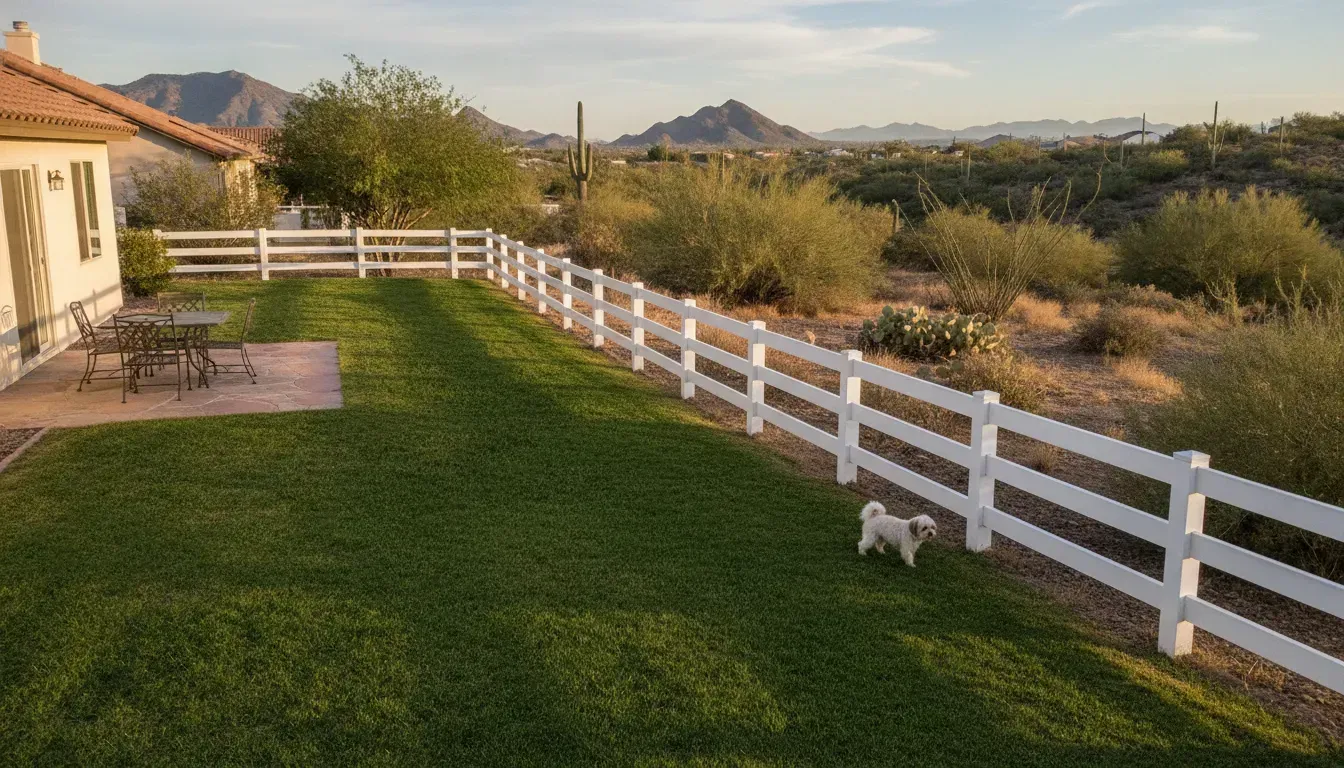
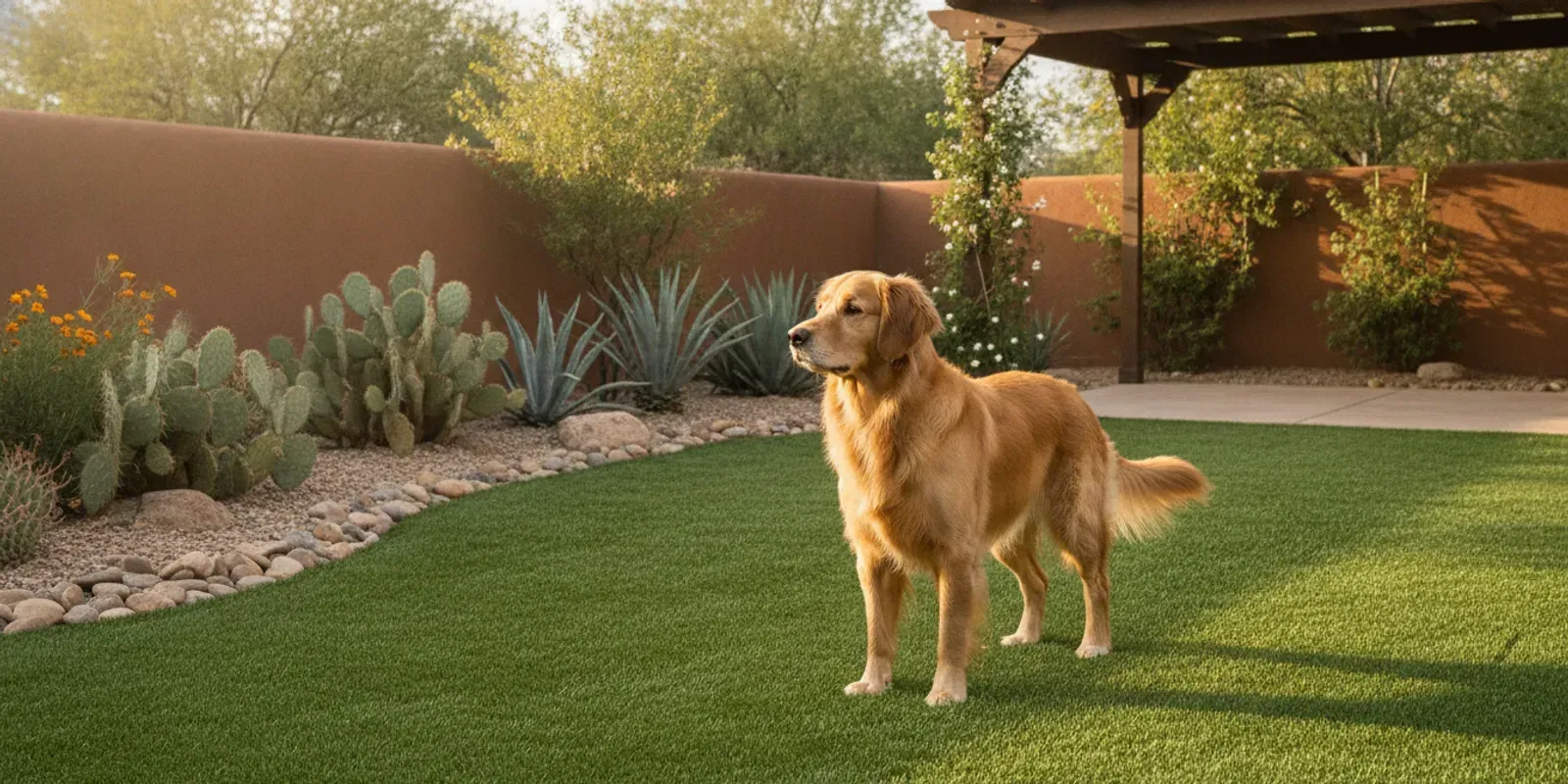
What Should Homeowners Consider When Choosing a Dog Poop Picker?
Compare dog poop picker tools by grip, reach, cleanup, and storage so you can choose a practical option for your yard and routine.
A dog poop picker can make yard cleanup easier when bending, reaching, or handling waste directly is unpleasant. The right choice depends on your yard surface, how often you clean, and whether you need a tool for one dog or several. Before buying, compare the pickup mechanism, handle length, cleaning method, and how waste will be bagged and disposed of.
What Does a Dog Poop Picker Do?
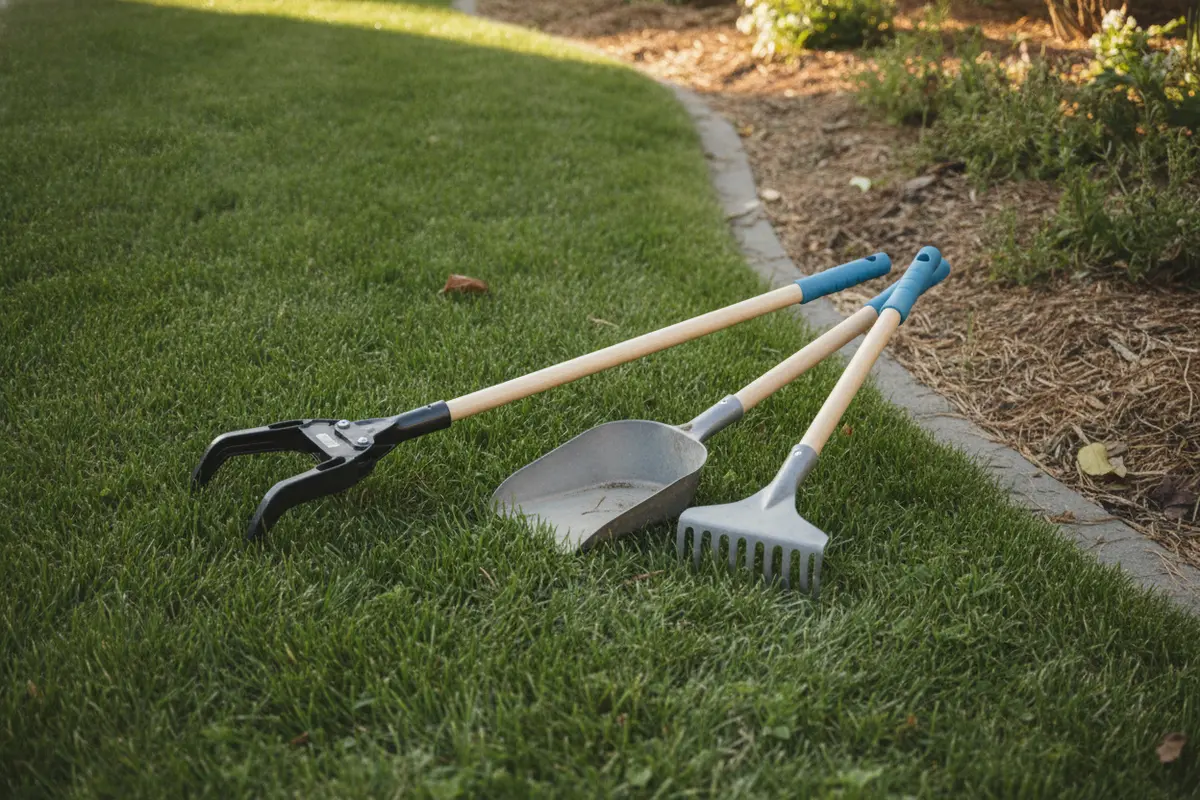
A dog poop picker is a hand tool that helps lift pet waste without touching it directly. Some models use a trigger-operated claw or jaw. Others have a flat scoop, a rake that pushes waste onto a pan, or a bag attachment that fits over the pickup end. These tools are not interchangeable in every yard. A wide scoop may work well on open grass, while a narrower claw can reach between plants or pick up waste from a smaller patch.
Think of the picker as one part of a cleanup routine, not a disposal system by itself. You still need a way to transfer waste into a suitable bag or container, close it, and dispose of it according to local rules. If you are comparing a tool-based routine with scheduled help, A1's guide to dog poop service explains what a recurring visit generally involves.
Which Picker Style Fits Your Yard?
Start by matching the pickup style to the spaces you actually clean. A simple tool that works on the main lawn may be a poor fit for narrow side yards, gravel borders, or artificial turf.
Claw or jaw-style picker
A trigger-operated claw opens and closes around the waste. It can keep your hand farther from the ground and may suit a person who prefers a one-handed motion. Check how wide the jaws open and whether they close firmly enough to hold the waste. A small opening can make collection slow, while a loose grip may drop waste during transfer. This style can be awkward on uneven ground if the jaws cannot reach around the waste cleanly.
Scoop and rake
A scoop-and-rake set uses one tool to push waste into a pan. The parts are usually simple to inspect and rinse. It can be useful for larger yards where you want a broad collection surface. The tradeoff is that you handle two pieces, and the scoop may be harder to maneuver in tight corners or among plants. Consider whether the handle length lets you work without crouching.
Bag-attached picker
Some tools hold a disposable bag around the pickup end, allowing collection and bagging in one motion. Check how bags attach and whether the tool accepts a readily available size. A proprietary bag system can be inconvenient if refills are hard to find. Also consider whether the bag stays secure while the picker opens and closes.
Small hand scoop
A short scoop can be compact and easy to store. It may suit a small patio or an occasional pickup, but requires bending or kneeling. If mobility, balance, or back comfort is a concern, prioritize a longer handle rather than assuming a small tool will be easier to control.
What Features Matter Most?
Handle length and grip
Choose a reach that lets you work comfortably while standing, but do not assume the longest handle is automatically best. A very long tool can be harder to control in a narrow area or store in a small shed. Look for a grip that feels secure, especially if you will use the tool with gloves. If possible, check the tool's weight and balance before buying. A picker that feels manageable for one quick pickup may become tiring across a large yard.
Pickup opening and control
Look for an opening wide enough for typical waste deposits and a mechanism you can operate without excessive force. A trigger should return smoothly, and the jaws or scoop should meet evenly. Read reviews for reports of sticking, cracking, or trouble picking up from grass. Do not rely on appearance alone: the tool has to release the waste into a bag without requiring repeated contact or awkward shaking.
Surface compatibility
Grass, gravel, soil, pavers, and artificial turf each present different challenges. On grass, a picker needs to lift waste without tearing the lawn or leaving residue in the blades. On gravel, a broad rake can collect stones along with waste. On hard surfaces, a flat edge may help, but you may still need a bag or disposable wipe for residue. On artificial turf, avoid aggressively scraping or pulling fibers. If turf odor or routine care is also a concern, review A1's artificial grass cleaning and maintenance information.
Cleaning and storage
Prefer surfaces and joints that are easy to rinse and inspect. Waste can remain around hinges, teeth, or the inside of a scoop, so consider whether the tool can be cleaned without taking it apart. A dedicated outdoor rinse area and a place to dry the picker can make cleanup simpler. Keep the tool separate from food-preparation equipment and store it where children cannot mistake it for a toy.
Check the manufacturer's cleaning directions. Do not mix cleaning products, and avoid assuming that a quick rinse disinfects a tool. If you use gloves, remove them carefully and wash your hands after cleanup. A small covered container can hold bagged waste briefly, but it should be emptied regularly and kept secured from pets and wildlife.
How Do You Choose for Your Cleanup Routine?
Think about the routine before settling on a specific model. These practical comparisons can help narrow the choice without relying on a single feature.
For a small yard and one dog
A compact scoop or a basic claw may be enough if the yard is easy to walk and you pick up frequently. Favor easy operation and straightforward cleaning over extra attachments. If you only need a tool for occasional cleanup, a simple design may be easier to store and maintain.
For a large yard or multiple dogs
Reach, comfort, and collection speed matter more when there is more ground to cover. A long handle can reduce repeated bending, while a wider scoop may reduce the number of passes. Test whether you can carry bags or a small waste container as you move through the yard. A picker should not make you rush or overlook corners, paths, and areas behind outdoor furniture.
For gravel, garden beds, or tight spaces
A narrow pickup end can give more control around rocks and plants. A large flat scoop might gather stones or disturb mulch. Walk the area and identify where waste most often lands before buying. If the yard has several surfaces, a versatile claw or a combination of tools may work better than forcing one broad scoop into every corner.
For someone who wants less bending
Prioritize handle length, a comfortable trigger, and an opening that does not require precise positioning. Practice over a disposable bag or an easy-to-clean surface before using the picker throughout the yard. If standing and operating a picker remains uncomfortable, consider asking someone else to help or arranging a cleanup option rather than risking a strain.
What Should You Check Before Buying?
- Measure the hardest-to-reach areas. Consider the distance to planters, fences, and narrow side yards, not just the middle of the lawn.
- Identify your main surface. Decide whether you need to collect from grass, gravel, hardscape, artificial turf, or a mix.
- Try the motion. Check whether the grip, trigger, and release feel comfortable and controlled.
- Confirm bag compatibility. Find out whether ordinary bags work or whether the tool needs a specific refill.
- Look at cleaning access. Check for hinges, teeth, or crevices that could trap residue.
- Plan storage. Make sure the handle and accessories fit a safe, accessible storage spot.
- Consider how often you will use it. A durable, comfortable tool is more important for frequent cleanup than for a rare use.
Price is only one part of the decision. A low-cost picker that is uncomfortable or difficult to clean may not suit a frequent routine. On the other hand, extra attachments do not help if they are hard to use or replace. Focus on fit, durability, and the task you need to complete.
How Can You Use a Picker More Cleanly?
Walk the yard in a consistent pattern so you do not repeatedly cover the same ground or miss corners. Start with the areas your dog uses most, then check along fences, around shrubs, and near gates. Use the pickup tool according to its instructions, and move waste directly into a bag or designated container. Close the bag securely before placing it in the appropriate waste receptacle.
Keep a spare bag nearby so you do not have to carry an open bag across the yard. If the tool has a removable component, clean it as directed after use and let it dry before storage. Wash your hands after handling waste, even if you wore gloves. Keep children and pets away from the cleanup area until tools and bags are put away.
Regular pickup can make each session less demanding than waiting until waste has accumulated. If the yard has already fallen behind, a picker may be slower and more difficult to use for a reset. A one-time pet waste cleanup may be worth considering for accumulated waste, after which you can choose a manageable home routine.
When Is a Picker Not the Best Answer?
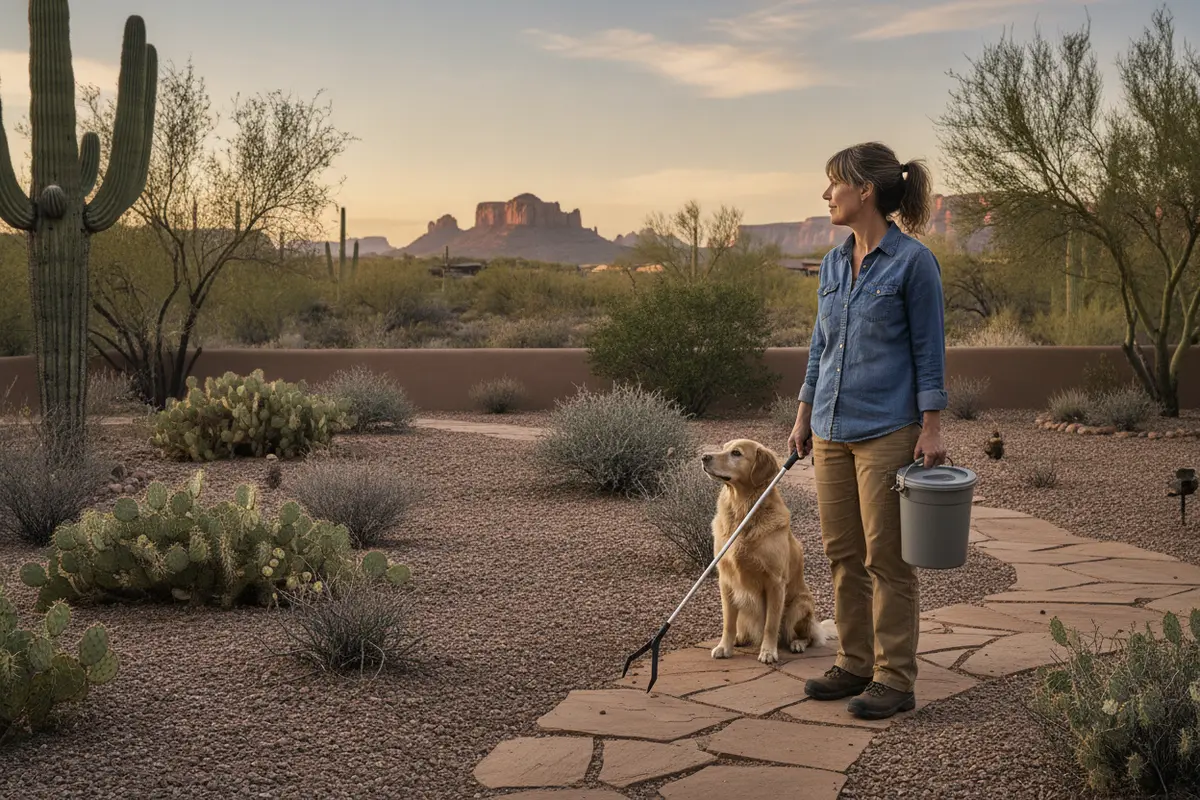
A tool is useful only if someone can use it consistently. It may not be the best solution if the yard is large, there are multiple dogs, the person responsible has difficulty bending or walking, or missed pickups have allowed waste to accumulate. It can also be frustrating when a property has many separate pet areas or frequent visitors with dogs.
For a private yard, decide whether a tool-based routine is realistic for your household. For an apartment community, HOA, or other shared property, a single picker does not create a system by itself. Managers may need to consider service frequency, high-traffic areas, waste stations, resident reminders, and who checks the grounds. A1's commercial property pet waste cleanup page and dog waste station information can help property teams explore those options.
If you are unsure whether recurring service or a one-time reset fits, A1 also outlines what to know before hiring pet waste removal. For general service questions, see the pooper scooper FAQs. You can review yard cleanup planning tips and the guide to hiring a pooper scooper as well.
Why Does Proper Disposal Matter?
Bagging waste and placing it in an appropriate receptacle helps keep it off paths and out of places where people and pets spend time. Do not assume dog waste is suitable fertilizer for a home garden. It is different from the manure commonly used in gardening and can carry organisms that are not appropriate for food-growing areas. Follow local disposal guidance and any property rules.
Pet waste can also contribute to pollution when it is left outdoors and washed into storm drains. The nonprofit Found Animals discusses this issue in its overview of reasons to scoop dog poop. That is another reason to make collection and disposal part of the routine rather than leaving waste on a lawn or near a drain.
Frequently Asked Questions
Can a dog poop picker work on artificial grass?
Many pickers can collect solid waste from artificial turf, but use a gentle motion that does not pull or scrape the fibers. A narrow, controlled pickup end may be easier to manage than a broad rake. Follow the turf maker's care guidance and clean the area as needed; collecting solid waste does not by itself address every odor or residue issue.
Is a long-handled picker better than a short scoop?
Not for everyone. A long handle can reduce bending and may suit a larger area, while a short scoop is compact and can be easier to maneuver in a small space. Choose based on reach, comfort, and control. If possible, handle the tool before buying.
How often should I clean the picker?
Inspect and clean it after use according to the manufacturer's directions, especially around joints and pickup surfaces. Let it dry before storage and wash your hands afterward. The right approach depends on the tool's material and design, so use its care instructions rather than an improvised chemical mixture.
What if waste is already accumulated across the yard?
A picker can still collect it, but a large backlog makes the task longer and more unpleasant. You may prefer a one-time cleanup to reset the yard, then use a tool for regular maintenance. The best choice depends on the size of the yard and how much waste has accumulated.
Can I use one picker for several dogs?
Yes, but the workload and the frequency of pickup increase with the number of dogs. Choose a comfortable tool with a suitable collection capacity and plan a consistent route through the yard. If the routine is no longer practical, consider a recurring service option.
Contact A1 about cleanup options
The best dog poop picker is the one that fits your surface, reach, and regular routine, and that you can clean and store safely after each use. If the task has become difficult or waste has accumulated, consider a one-time cleanup or regular help to get the yard back on track.