Spring Dog Poop Cleanup: Reset Your Southern Nevada Yard
Clear winter buildup with this spring dog poop cleanup checklist, inspect lawn or turf, control odor, and choose A1 help for a cleaner yard all season.

Spring Dog Poop Cleanup: Reset Your Southern Nevada Yard
Spring dog poop cleanup is easier when you treat the yard like a series of small, manageable zones instead of one overwhelming project. In Southern Nevada, winter buildup can stay hidden under leaves, landscaping, or artificial turf debris until warmer weather makes odor more noticeable. A careful reset clears the waste, reveals lawn or turf problems, and gives you a practical maintenance plan for the months ahead. If the buildup is more than you can manage, A1's one-time pet waste cleanup service can provide a clean starting point.
Call A1 Pet Maintenance at (702) 521-2624 Today
How Can You Start Spring Dog Poop Cleanup Safely?
Start spring dog poop cleanup in small sections. Wear gloves and closed-toe shoes, keep children and pets away, bag waste securely, and wash reusable tools after the job. Then inspect the lawn or turf before treating odor or planning repairs. A1 Pet Maintenance can handle a difficult seasonal reset.
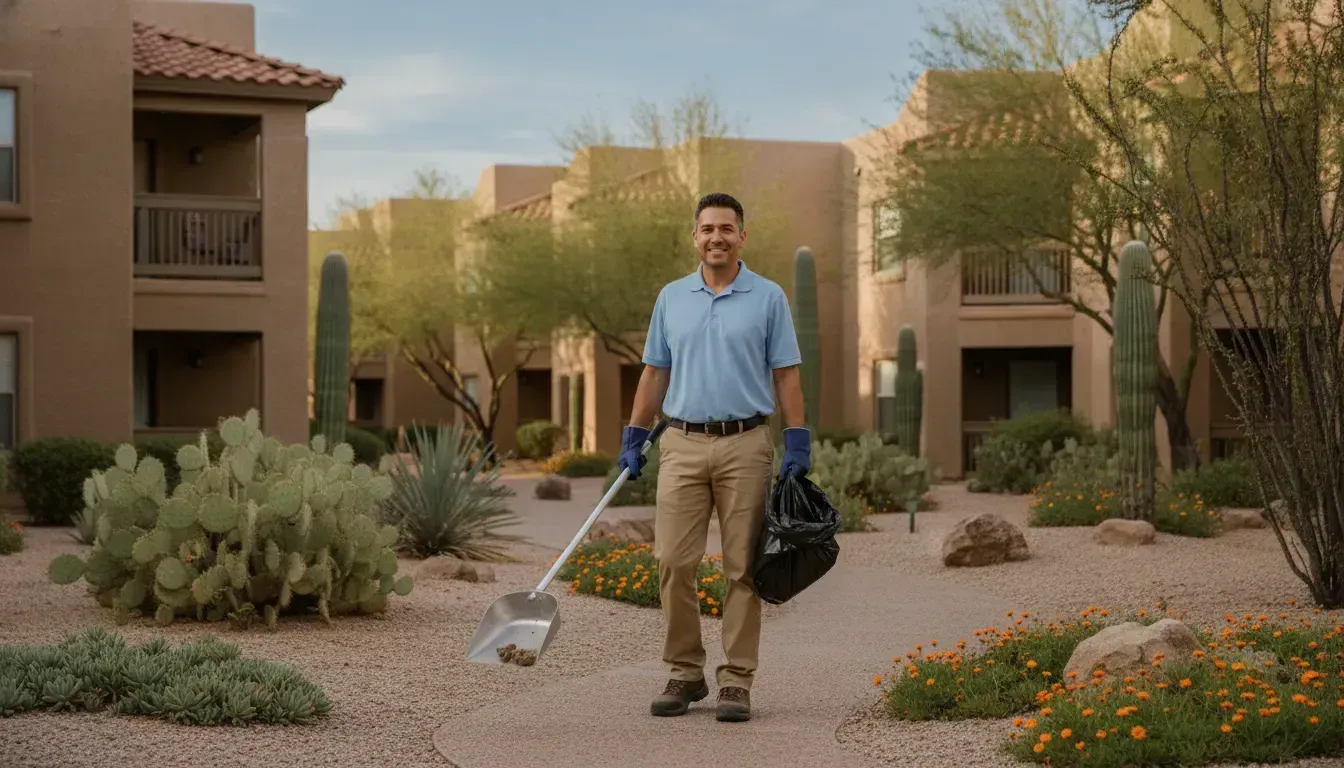
Begin with a controlled setup. Keep dogs and children indoors or in a separate clean area until the work is complete. Put on disposable gloves and closed-toe shoes or boots. Gather your bags, scoop, dustpan, rake, and any cleaning supplies before entering the yard. Having everything within reach reduces trips across areas that may still contain waste.
What should you gather before cleaning?
- Protective gloves: Choose disposable gloves that fit securely and cover your hands fully.
- Sturdy waste bags: Bring enough bags for the buildup you expect, plus a few extras for double-bagging.
- Collection tools: Use a pooper scooper for individual deposits and a dustpan lined with a garbage bag for concentrated areas.
- A rake or shovel: These tools can help collect waste mixed with leaves, but use them carefully to avoid spreading residue.
- Cleanable footwear: Wear shoes or boots that can be washed after the cleanup and kept away from household living areas.
Choose a dry, bright day when the ground is easy to see. Walk the perimeter first and identify gates, planting beds, play areas, drainage paths, and places where leaves or outdoor furniture may conceal waste. Pick a starting point and move in one direction through each zone. Marking your progress mentally or with a simple checklist helps prevent missed deposits and keeps you from crossing areas you have already cleared.
What is the safest collection sequence?
Start with the largest and easiest-to-see deposits. Lift each deposit directly into a bag whenever possible. If a winter buildup has left many deposits close together, use a lined dustpan and work slowly. Tie each bag securely as it fills, then place it in a larger trash bag when needed. Keep closed bags away from children and pets while you finish.
Do not put dog waste in a backyard compost pile intended for a garden. The University of Minnesota Extension advises against composting pet feces because ordinary home composting conditions may not reliably eliminate harmful pathogens. Review the extension guidance on safe home composting before deciding how to handle yard materials.
Once the waste is bagged, follow local sanitation rules for disposal. The CDC recommends bagging pet waste, putting it in the trash, and washing your hands with soap and water after handling it. Read the CDC's toxocariasis prevention guidance. Remove gloves carefully, wash your hands, and clean the scoop, dustpan, and other reusable tools before storing them.
With the waste removed, the yard is ready for a closer inspection. Look at natural grass and artificial turf separately because each surface can show different signs of wear, residue, drainage trouble, or odor.
What Should You Check on Your Lawn or Artificial Turf?
After removing waste, inspect natural grass for bare, compacted, or poorly draining areas. Check artificial turf seams, edges, low spots, and odor-prone bathroom zones. Separate sanitation from lawn repair, follow the turf manufacturer's care guidance, and record problem areas so the next cleanup or professional visit can address them efficiently.
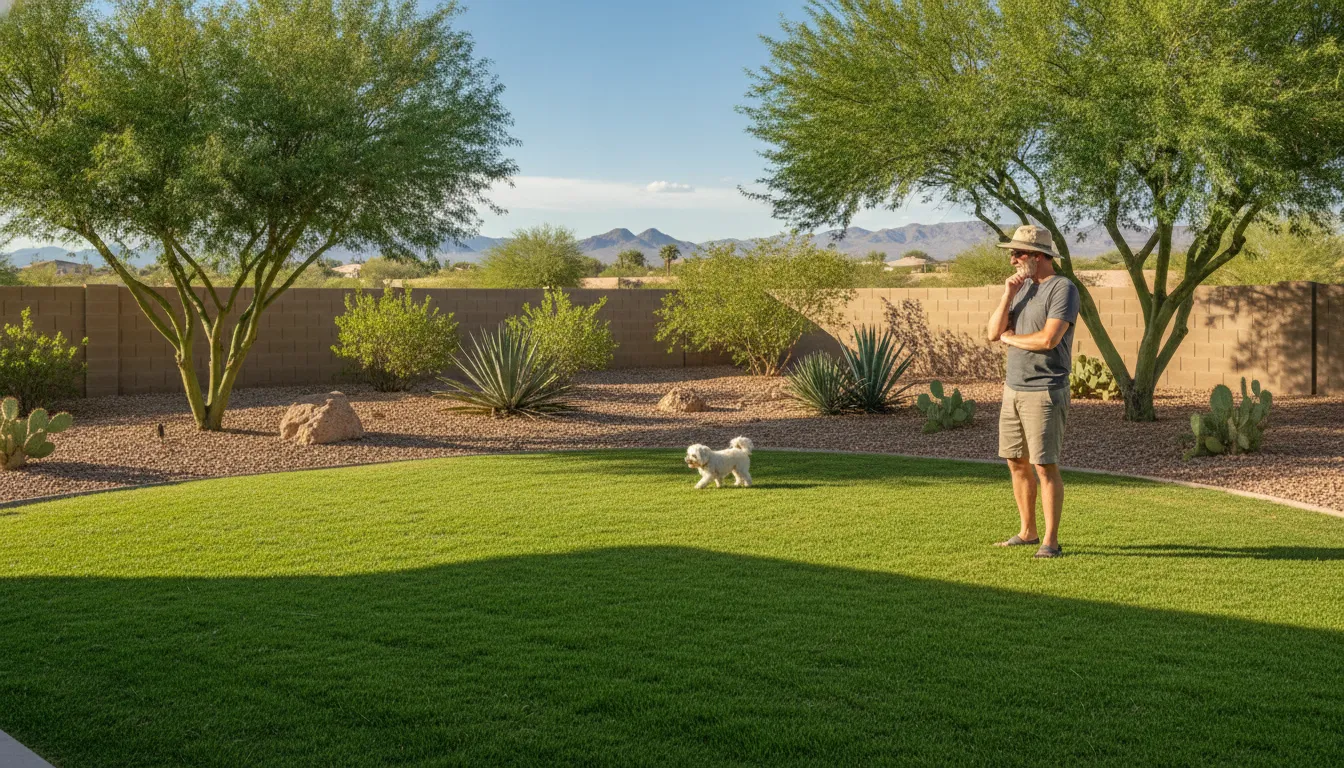
A surface can look clean while still needing attention. Before mowing, reseeding, fertilizing, or inviting the family outside, walk the property again. Inspect the areas where dogs spend the most time, including gates, shaded corners, water bowls, side yards, and paths to the house. Southern Nevada's warmer spring weather can make a lingering odor or drainage problem more apparent, so early inspection is worthwhile.
How do you inspect natural grass?
Look for thin or bare patches where repeated pet traffic, waste accumulation, or winter inactivity has weakened the grass. Pay attention to compacted areas near gates and favorite bathroom spots. These high-use zones may need a different watering, reseeding, or traffic plan from the rest of the lawn.
Next, check how the soil handles water. If water remains on the surface after irrigation, or if one area stays damp long after the rest of the yard dries, note its location. Standing water, slow drainage, and uneven turf may point to a grading, irrigation, or soil issue that waste removal alone cannot fix. Avoid assuming that extra watering will solve a stressed lawn, especially as temperatures rise.
Keep lawn repair separate from sanitation. Remove all visible waste before using fertilizer, seed, soil amendments, or other lawn products. If a patch is badly damaged, follow the product label and local watering guidance, or ask a qualified lawn professional to assess the surface.
How do you check artificial turf?
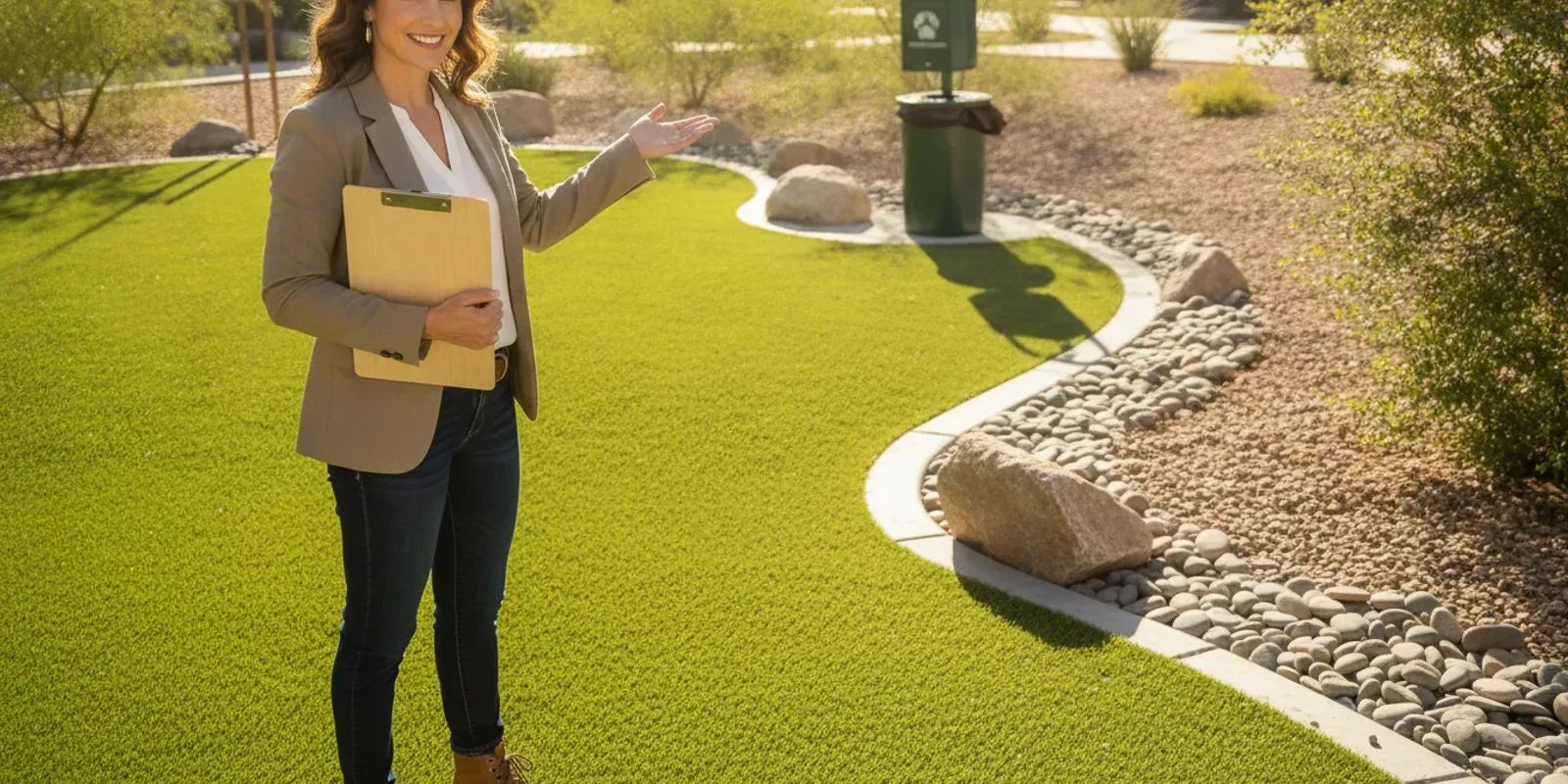
Inspect seams, edges, low areas, and places where leaves or dirt collect. Look for waste or debris caught between turf fibers. Check the areas where dogs regularly urinate and note any odor that remains after solid waste has been removed. Artificial turf does not break down pet waste in the same way as natural soil, so residue can remain if a high-use area is not maintained.
Follow the turf manufacturer's care guidance and avoid harsh chemicals unless the product is confirmed safe for synthetic grass. A rinse may remove loose debris, but it may not address residue or odor that has built up in the turf system. A1 Pet Maintenance offers artificial grass cleaning and maintenance, including waste removal, debris clearing, and enzyme-based deodorizing treatment.
What should you record after the inspection?
Write down the zones that need reseeding, soil work, drainage assessment, or additional turf cleaning. A short record makes the next cleanup more efficient because you know where buildup and odor tend to return. It also helps you decide whether the yard needs one reset or a schedule that keeps each visit manageable.
For homeowners comparing turf-care options, A1's guide to cleaning artificial turf for dogs offers another way to think about routine surface maintenance. The goal is not simply to make the yard look better for one afternoon. It is to identify the conditions that will make the next cleanup easier.
After the inspection, focus on odor control and sanitation. Removing solid waste is the first step, but high-use areas may need additional care.
Call A1 Pet Maintenance at (702) 521-2624 Today
Call A1 Pet Maintenance at (702) 521-2624 Today
How Do You Control Odor and Keep the Yard Sanitary?
Control odor by removing every visible deposit and checking high-use areas, artificial turf, and drainage points. Bag waste securely, keep it out of home compost, wash your hands and tools, and avoid unverified chemicals. If odor remains after pickup, professional turf cleaning may address residue that a simple rinse cannot reach.
Odor control starts with a complete collection pass. Check planting beds, edges, spaces beneath outdoor furniture, and areas where dogs regularly stop. Work slowly enough to find small deposits that may be hidden by leaves or ground cover. A dustpan lined with a garbage bag can make collection easier after a large winter buildup.
How should you bag and dispose of waste?
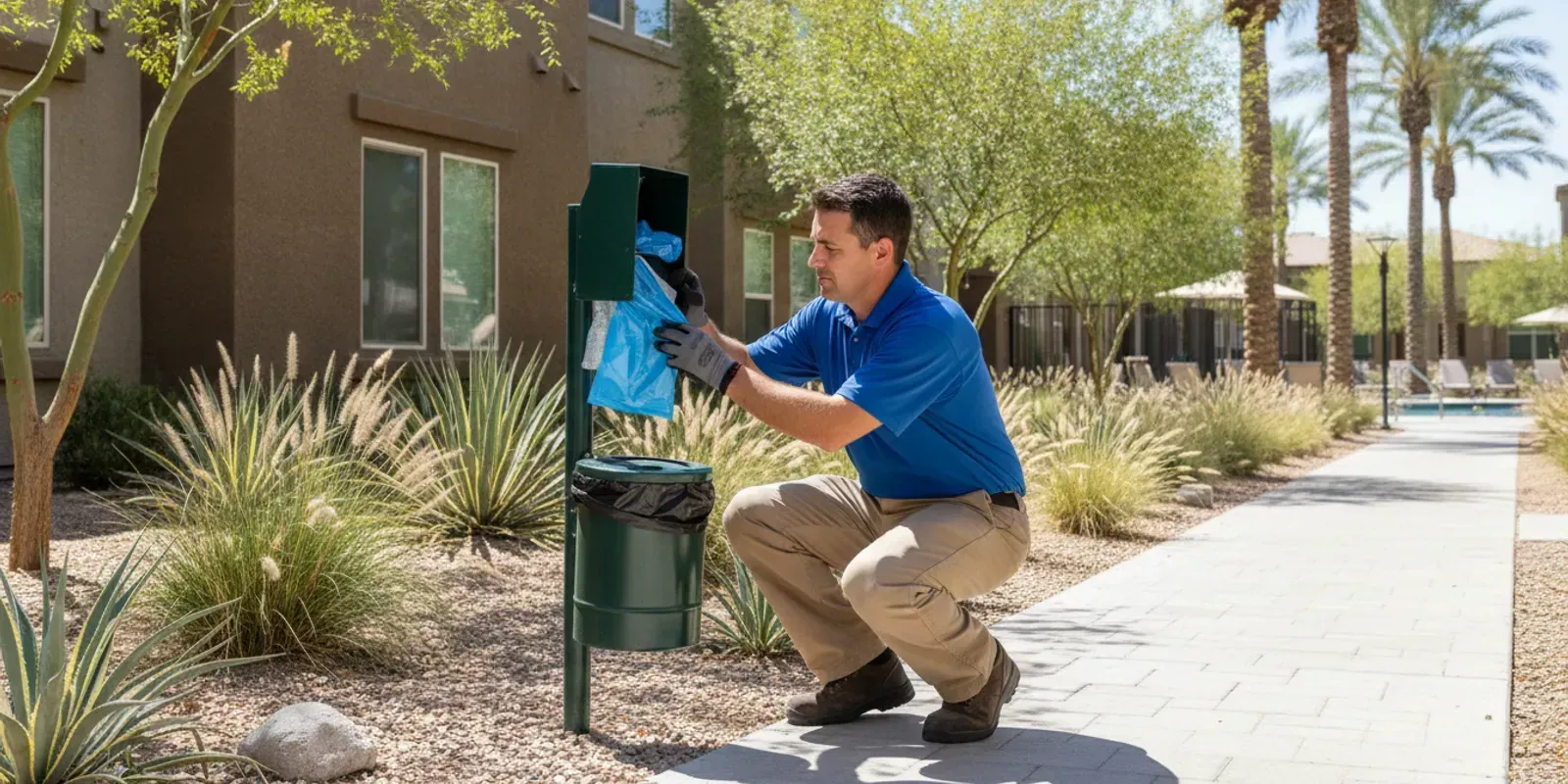
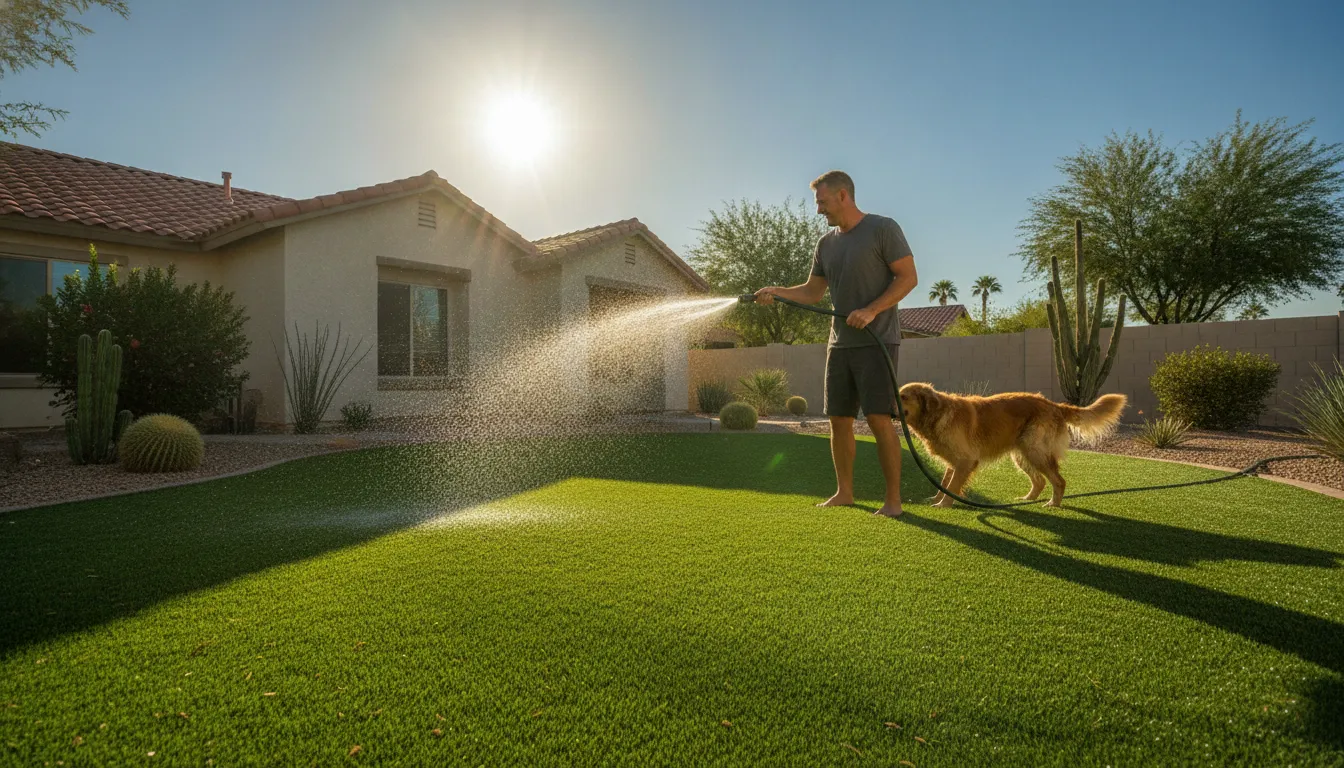
Place collected waste directly into sturdy bags and tie each bag securely. Follow applicable local sanitation rules, and keep filled bags contained until disposal. A1 Pet Maintenance bags and hauls away collected pet waste for city sanitation pickup, so homeowners do not have to store a large seasonal cleanup in the yard or garage.
Keep pet waste out of a home compost pile. The University of Minnesota Extension explains that typical backyard composting may not reliably eliminate pathogens in pet feces. Bagging and trash disposal is the safer household approach for dog waste unless local authorities provide different instructions for an approved system.
How can you reduce exposure during cleanup?
Keep children and pets away from the work area. Avoid touching your face while wearing gloves, and remove gloves without touching the contaminated outside surface. Wash your hands with soap and water after the job. Clean tools in an area where runoff will not reach food-growing beds, play spaces, or indoor surfaces.
The CDC recommends picking up pet waste daily and disposing of it in the trash to help reduce the spread of diseases such as toxocariasis. A spring reset does not replace regular pickup. It gives you a clean starting point for a routine that prevents the same buildup from returning.
What if the odor remains after pickup?
If a strong smell remains after all solid waste has been removed, inspect artificial turf, drainage areas, and surfaces where dogs repeatedly urinate. A surface rinse may not address residue below or between turf fibers. Avoid using an unverified household chemical that could damage synthetic grass or create a new exposure concern.
A1's turf service includes waste removal, debris clearing, and enzyme deodorizing treatment for pet odors. For a persistent problem, professional cleaning can be more practical than repeatedly treating the surface without knowing where the odor is coming from. You can learn about A1's artificial grass service before choosing the next step.
Once the yard is clean and the odor is under control, choose a schedule that matches the number of dogs, yard use, and time available for routine pickup.
Which Spring Dog Poop Cleanup Routine Fits Your Household?
The right schedule depends on how much waste accumulated, how quickly the yard is used, and whether you need a reset or ongoing help. A one-time cleanup can clear the backlog after winter. Weekly or bi-weekly service can then keep the property manageable without a contract. Use the comparison below to choose a routine that fits your household.
Spring dog poop cleanup service optionsOptionBest fitMaintenance rhythmHomeowner considerationOne-time cleanupHomes with noticeable winter buildup, a newly purchased property, or a yard that needs a fresh start.A single intensive visit to remove accumulated pet waste and create a manageable starting point.One-time cleanups are available based on the amount of accumulation. Ask A1 for a current quote, then resume your own routine or choose recurring service.Weekly serviceBusy households, homes with several dogs, or yards used frequently by children and pets.Waste is removed once per week, helping prevent daily deposits from becoming a larger seasonal chore.This consistent schedule can help when work, travel, mobility, or a full family calendar makes regular scooping difficult. Service is available without a contract.Bi-weekly serviceHouseholds that need more frequent attention between regular cleanups.Waste is removed twice per week, creating a predictable rhythm for homes with faster accumulation or heavier yard use.Consider how quickly waste builds up and how often people use the yard. A1 also offers recurring service without a contract.
In A1's service terminology, bi-weekly means two visits per week. It does not mean one visit every two weeks. If you are unsure which option fits, describe the number of dogs, yard size, surface type, and current accumulation when you ask for guidance.
If the yard is already overdue for attention, begin with a one-time pet waste cleanup rather than waiting for a recurring schedule to catch up. After the accumulation is under control, weekly or bi-weekly visits can help maintain a cleaner outdoor space. A1 serves homeowners in Southern Nevada, including Las Vegas and Henderson. Homeowners who also manage a shared community can review A1's commercial pet waste removal options for a broader maintenance context.
For readers comparing the value of ongoing service with handling the task alone, A1's pooper scooper service cost guide explains the factors that can affect a service decision. The most useful comparison is the time, consistency, and cleanup responsibility each option requires, not simply the number of visits.
When Should You Call a Professional Cleanup Service?
Call a professional when the cleanup has become too large, unpleasant, or difficult to manage safely on your own. A few missed deposits are usually manageable. A yard covered with accumulated winter waste, several dogs using the same space, or a schedule with no time for regular pickup can turn spring cleanup into an exhausting weekend project.
When does the yard need more than a quick pickup?
Consider the point at which the job requires more time than you can reasonably give it. Waste spread across a large yard, deposits hidden around landscaping, and buildup mixed with leaves can make a thorough pass take longer than expected. Artificial turf may need additional attention when odors have built up because residue can remain between fibers or in areas with repeated use.
Multiple pets create another decision point. More dogs mean more deposits and a faster return to an unpleasant yard if cleanup is delayed. If you are preparing for warmer weather, hosting guests, selling a home, or simply trying to make the outdoor area usable again, a one-time service can reset the property without requiring an ongoing commitment.
What can a reliable service take off your plate?
A1 Pet Maintenance has served Southern Nevada, including Las Vegas and Henderson, as well as Tucson since 1998. The company services more than 400 residential and commercial properties each week. That experience supports a practical approach to large spring cleanups and routine maintenance.
A1 offers one-time cleanups when you need to clear an accumulation, along with weekly or bi-weekly service when you want a dependable routine. Recurring service is available without contracts, so homeowners can choose a schedule that matches their household and adjust their plans as circumstances change. Waste is bagged and hauled away rather than left for you to handle.
For homeowners in Southern Nevada or Tucson, professional cleanup is worth considering when the work keeps getting postponed. It can also help when the yard is no longer comfortable to use, or when regular care competes with limited free time. Getting help at that point is a straightforward way to restore the yard and make future cleanup more manageable.
To review service options before you call, visit A1's sign-up page. You can also ask about a one-time reset if you are not ready to choose a recurring schedule.
Call A1 Pet Maintenance at (702) 521-2624 Today
Frequently Asked Questions
When should I start spring dog poop cleanup?
Start when winter buildup is visible and before mowing, aerating, fertilizing, or other lawn work. Clearing the yard first makes inspection easier and helps keep waste from being spread across the lawn. Pick a dry, bright day when you can see the ground clearly, and keep pets and children away until the work is complete.
What tools make a large spring cleanup easier?
Use sturdy waste bags, disposable gloves, a pooper scooper, and a dustpan or shovel. A dustpan lined with a garbage bag lets you scoop directly into the bag, while a rake can help collect waste mixed with leaves across a larger area. Bring extra bags so you can double-bag when needed.
How should dog waste be disposed of after cleanup?
Bag the waste securely and place it in the trash according to local sanitation rules. Do not add pet feces to a backyard compost pile because typical home composting may not eliminate harmful pathogens. Wash your hands with soap and water after handling waste. The CDC recommends daily pickup and trash disposal to help reduce disease spread.
How do I remove odor from artificial turf?
Remove solid waste and debris first, then inspect seams, edges, low areas, and places where odor lingers. Artificial turf may need specialized cleaning because waste does not break down as it does in natural soil. A professional turf service can include waste removal, debris clearing, and enzyme deodorizing.
Can I schedule a one-time cleanup instead of recurring service?
Yes. A one-time cleanup is useful when winter accumulation needs an immediate reset. If you want the yard maintained afterward, weekly or bi-weekly service can provide an ongoing routine without a contract. In A1's terminology, bi-weekly service means two visits per week, while weekly service means one visit per week.
Ready to Set Up Your Spring Cleanup?
A thorough spring cleanup makes it easier to enjoy your yard and keep waste and odor from building up again. A1 Pet Maintenance can help Southern Nevada homeowners discuss the right fit for a one-time cleanup or recurring yard service. To get started, describe your yard, dogs, surface type, and current buildup when you call.