Factors Affecting Pet Waste Removal Pricing
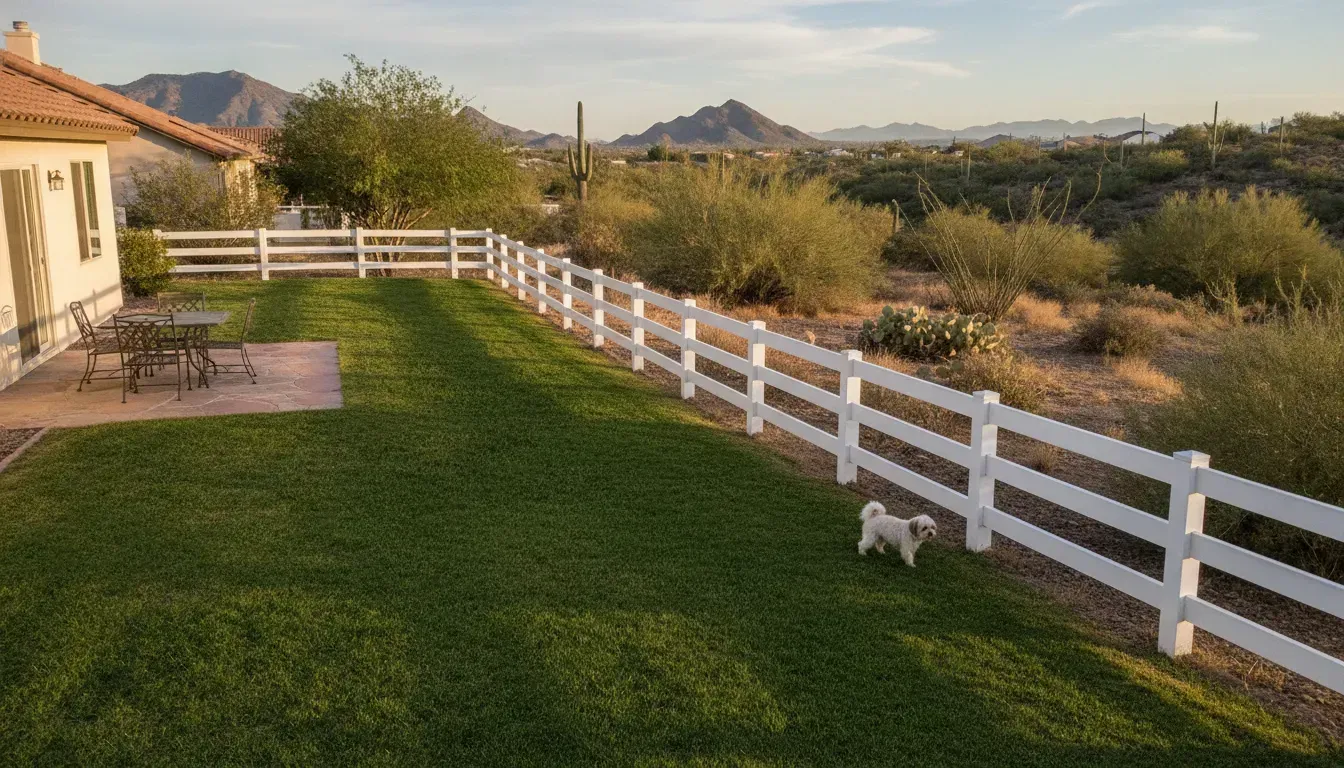
Pet waste removal pricing changes with the work on the ground, not with a mystery fee. Dog count, visit rhythm, yard cover, and a backed-up first visit are the factors affecting pet waste removal pricing for most homes. A home with one dog on a weekly route is a different job from a rock yard that has not been scooped in a month.
Call A1 at 702-521-2624 and describe the dogs, the yard, and whether you need one visit or a route.
A1 Pet Maintenance has picked up pet waste in Southern Nevada and Tucson since 1998. Published home rates live on the market pages linked below. This guide explains what those inputs mean so the number you hear matches the yard the crew will walk.
Factors Affecting Pet Waste Removal Pricing
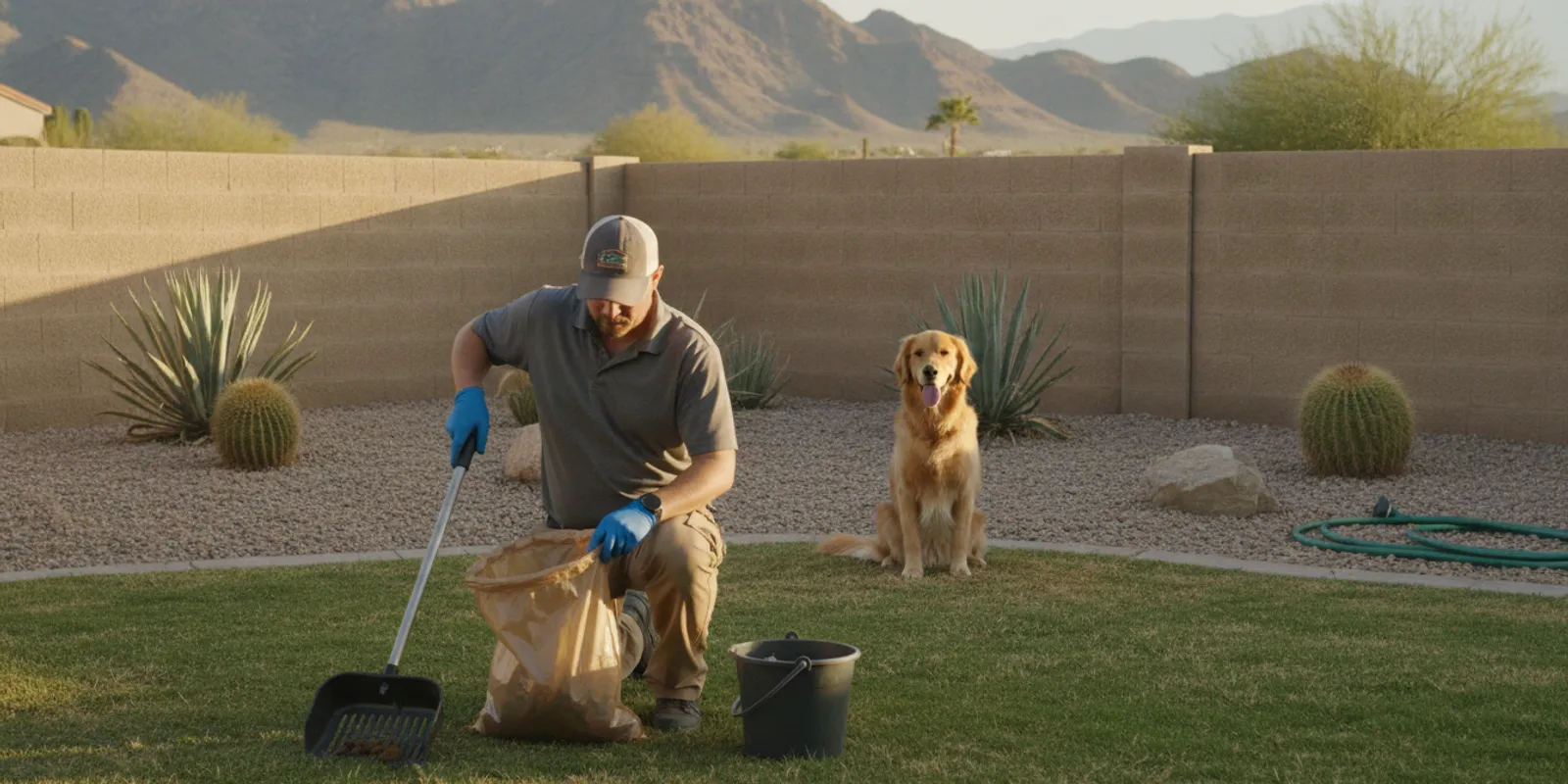
A quote is a time estimate. The crew has to find every pile, bag it, and haul it away. Anything that adds dogs, adds ground to cover, or hides waste adds minutes. Those minutes are what move the price.
The same five inputs show up on a Las Vegas home route and a Tucson home route. The published dollar tables differ by market. The reasons a quote moves do not. If a number looks high, check which input changed before you assume the company added a fee.
Five inputs cover almost every home quote:
- Dog count. More dogs mean more waste between visits. A1 prices weekly and twice-weekly home routes by the number of dogs, from one dog through four, and quotes five or more dogs on their own.
- Visit rhythm. One visit a week and two visits a week are different routes. Twice a week is the right fit when several dogs share a small yard, or when waste should not sit through desert heat.
- Yard size and cover. A small fenced yard is a short walk. A large lot, heavy shrubs, or decorative rock takes longer because piles hide.
- Backlog versus a maintained yard. A first visit after weeks of buildup is a cleanup, not a route stop. After that visit, a recurring route returns to the normal rate.
- Who the buyer is. A single home is a published route. A kennel, apartment community, or HOA is a custom proposal because the layout and access are different.
Surface and access sit inside those five. Artificial turf still needs a walk for solid waste, and a locked side gate changes how the crew enters. Neither one is a separate surprise line if you mention it on the call.
A fair comparison uses the same inputs on both sides. A weekly price for one dog is not the same offer as a twice-weekly price for three dogs, even when both quotes come from A1. Write the dog count and the rhythm next to any number you are comparing. Then the gap is either real or it is a different job.
Home routes are the simple case. The crew parks, opens one gate, walks one yard, and leaves. Shared communities add doors, stations, and a manager who has to approve the schedule. That extra coordination is why a community quote is built as a proposal instead of a row on the home chart.
How Dog Count and Visit Rhythm Set the Route
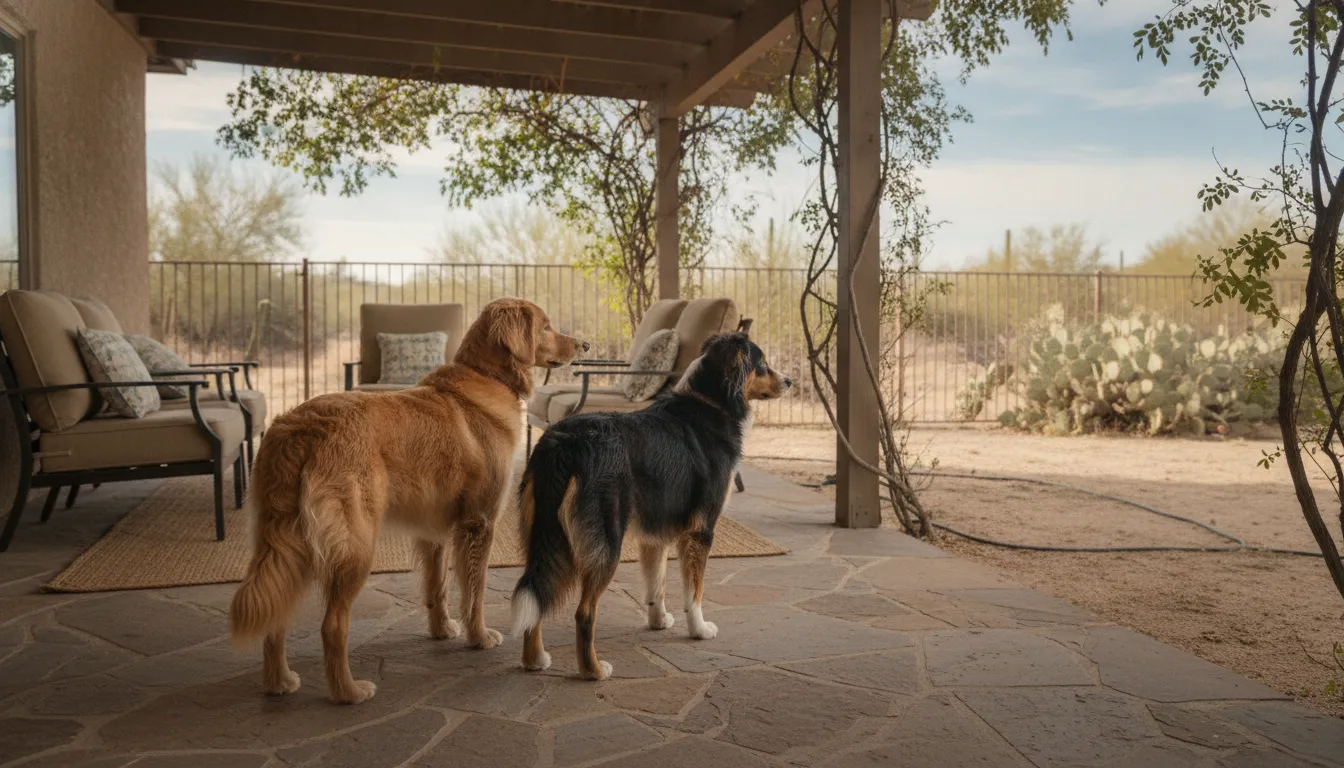
Dog count is the first question because it predicts volume. One small dog on a weekly visit leaves a light trail. Four dogs leave several days of waste in the same footprint. A1's home routes are published by that count, and homes with five or more dogs are quoted individually because the volume no longer fits the standard step.
Visit rhythm is the second question. Weekly service is one visit every seven days. That is the usual fit for one or two dogs when the goal is to keep piles from stacking up. Twice-weekly service is two visits in the same week. It fits homes with more dogs, or a small yard where waste should not sit in the heat for a full week.
The two inputs move together. Adding a dog on a weekly route is a smaller step than moving the same home from one visit a week to two. The second visit is another trip, not a longer version of the first one. That is why a twice-weekly plan costs more than a weekly plan for the same dog count.
Do not guess the dollar step from a neighbor's bill. Read the current table for your market, then match your dog count and rhythm to a row. Las Vegas and Southern Nevada homeowners can use the Las Vegas pooper scooper pricing guide. Tucson homeowners can use the Tucson pet waste removal pricing guide. Those pages own the rate tables. This one explains how to pick the row.
If the count changes, say so before the next visit. A new puppy, a dog that stays only part of the week, or a dog that no longer lives at the house can change the volume the crew should expect. The monthly rate is easier to keep steady when the dog count on the account matches the dogs in the yard.
How Yard Condition Changes the First Visit
Two homes with the same dog count can still take different amounts of time. The difference is usually the ground and the backlog, not the drive.
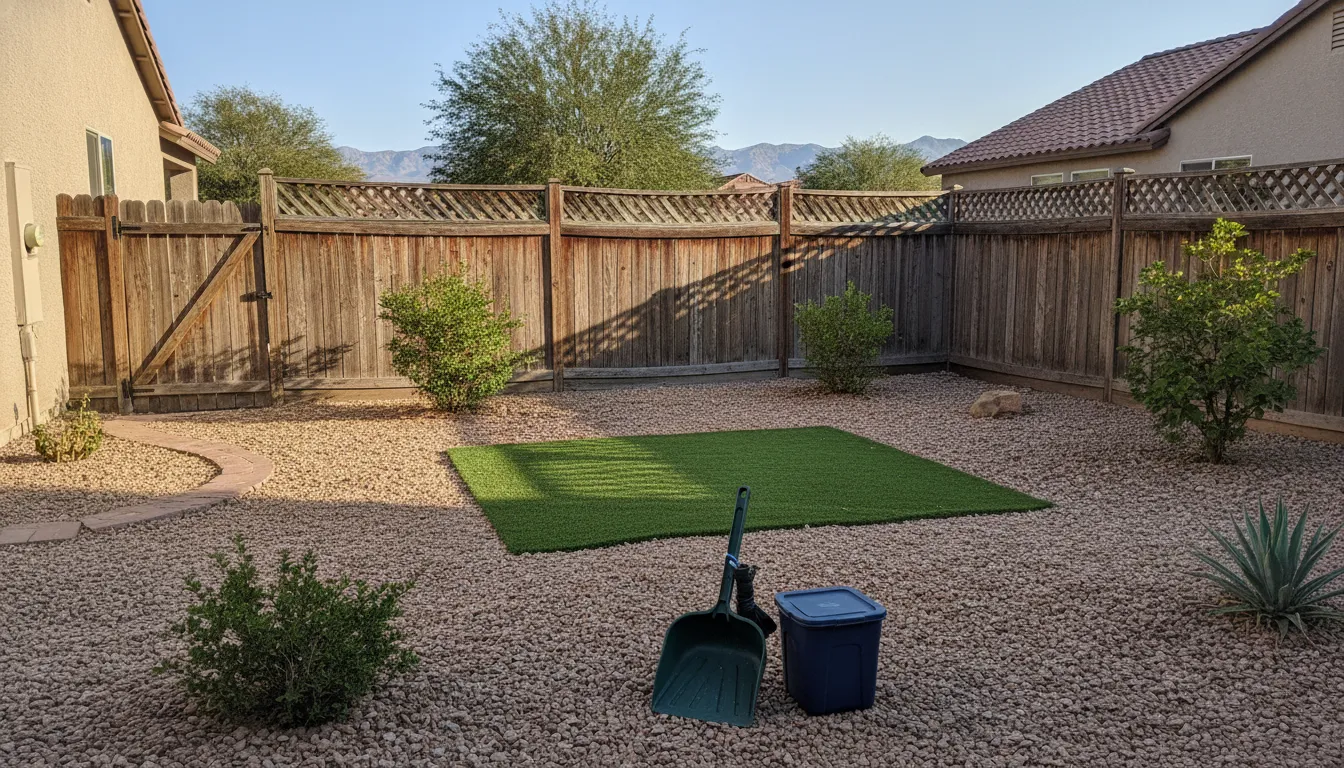
A small fenced yard with open lawn or bare gravel is a fast walk. The crew can see piles and bag them in one pass. A large property with several sections takes longer because the walk itself is longer. Tree cover, shrubs, and decorative rock hide waste. The crew has to slow down and check edges, not just the middle of the yard.
Backlog is the other time driver. If nobody has scooped for several weeks, the first visit is a cleanup. A1's one-time pet waste cleanup is quoted from the yard's condition, with listed rates from $50 to $150. A light missed week and a yard that has composted in place for a month are not the same visit. After that cleanup, recurring service goes back to the normal route rate.
Heat does not add a seasonal surcharge at A1, but it does change what waiting costs you. Waste dries, breaks apart, and is harder to see in gravel. In Las Vegas and Tucson, a weekly visit keeps that from becoming a dig-through-the-rock job.
Left outside, pet waste can also wash nutrients into local water. The EPA explains that risk for pet owners in its guide to pollution sources around the home. Desert rain is rare, but a summer storm still moves whatever is sitting on gravel into the street.
Artificial turf is still a yard walk for solid waste. Turf cleaning and deodorizing are a different service from scooping, and A1 does not publish a turf-cleaning price in this guide. If the surface is turf, say so. The crew still needs the dog count and the visit rhythm. They also need to know whether you want scooping only or a separate turf visit later.
Gates and pets at home matter on the first visit more than on a settled route. A locked gate, a dog that stays outside, or a narrow side yard changes the minutes. Mention them when you book so the quote assumes the real entry, not an open gate and an empty yard.
What to Compare Before You Ask for a Number
Use this table to see which choice moves the quote, and which choice only changes how you book. Dollar amounts for home routes stay on the Las Vegas and Tucson pricing pages.
| Choice | What changes the work | How A1 treats it |
|---|---|---|
| One dog vs. four dogs | Waste volume between visits | Weekly and twice-weekly home rates step up by dog count. Five or more dogs are quoted on their own. |
| Weekly vs. two visits a week | A second trip, not a longer first trip | Two published rhythms. Weekly fits most one-dog and two-dog homes. |
| Open small yard vs. rock and shrubs | Time spent finding piles | Say so on the call. Cover is a time factor, not a hidden fuel fee. |
| Maintained yard vs. a backlog | The first visit is a cleanup | One-time cleanups are listed from $50 to $150 by condition. The route rate starts after that. |
| Home route vs. kennel or community | Layout, access, and who approves the plan | Homes use published rates. Kennels and communities get a proposal. |
A lower monthly figure is not always the cheaper year. A weekly route that matches the dog count avoids a backlog visit later. A one-time cleanup is the right buy when you need the yard clear once, such as before guests or after a lapse, and you do not want a route. The Las Vegas yard reset guide walks through that one-time choice without turning it into a second rate sheet.
Commercial work does not use the home dog-count table. Apartments, HOAs, and kennels need a proposal because the crew is pricing stations, shared yards, or runs, not one backyard. Kennel pricing has its own breakdown on the kennel waste removal cost page. Community properties can start from the commercial property service page.
What to Tell A1 So the Quote Matches the Yard
Start with the dog count, including any dog that is there only part of the week. Then say whether you want one visit a week, two visits a week, or a single cleanup.
Describe the yard in plain words. Mention rough size, plus rock, turf, shrubs, or more than one fenced section. Say how long it has been since the yard was fully scooped.
Finish with access. Gate codes, dogs that will be outside, and the city tell the crew whether the stop belongs on a Southern Nevada route or a Tucson route.
- Count the dogs that use the yard.
- Pick weekly, twice-weekly, or one cleanup.
- Name the surface and any second section.
- Say how long the waste has sat.
- Share the gate note and the city.
You do not need to measure the yard. A small fenced gravel yard, or a large lot with rock and two side areas, is enough detail. You also do not need to pre-bag waste. The crew bags and hauls it for city collection.
If you are comparing A1 with another company, ask both sides the same five questions. A flat weekly price that ignores dog count will look cheaper until the yard has three dogs. A price that looks higher may already include the second weekly visit you need in summer.
A1 does not use a service contract. The billing FAQ states that service can start or stop with a phone call. There is no fuel surcharge, and the monthly rate does not jump because a billing cycle has an extra week. If the dog count or the visit rhythm changes, the rate changes because the work changed, not because the calendar did.
Call 702-521-2624 with those five facts. If you already know you want a home route in Las Vegas or Tucson, you can also start from the sign-up page and use the phone call to confirm dog count and yard condition.
Call 702-521-2624 before you compare two numbers that describe different yards.
Frequently Asked Questions
What affects pet waste removal pricing the most?
Dog count and visit rhythm move a home quote the most. Yard cover and a backlog change the first visit. A kennel or community is a different quote because it is not a single backyard route.
Why does a one-time cleanup cost more than a weekly visit?
The weekly visit maintains a yard that is already on a route. A one-time cleanup deals with piled-up waste, which takes longer. A1 lists one-time cleanups from $50 to $150 based on condition. After that visit, a recurring route uses the normal rate.
Do rock yards and artificial turf cost extra?
They can take more time, so say so when you call. Rock hides waste. Turf still needs solid waste picked up, and turf cleaning is a separate service from scooping. A1 does not add a fuel fee or a seasonal heat fee on top of the home rate.
Are five dogs priced like four?
No. Published weekly and twice-weekly home steps run through four dogs. Five or more dogs are arranged individually because the volume is higher. Tell A1 the real count, including dogs that are there only part of the week.
Does a Las Vegas quote use the same factors as a Tucson quote?
The inputs are the same: dogs, rhythm, yard, and backlog. The published rate pages are separate, so read the Las Vegas guide or the Tucson guide for the current home table. Commercial and kennel work is still a proposal in both markets.