How Can Homeowners in 89113 Arrange Reliable Dog Poop Cleanup?
Learn how to plan dog poop cleanup in 89113, prepare your yard, compare one-time and recurring service, and set clear expectations before booking.
When you need dog poop cleanup 89113, start by making the job clear: identify the areas, describe how much waste has built up, and arrange reliable access. That helps a provider plan a useful first visit instead of guessing. A one-time reset may suit a temporary backlog; regular service may be easier when waste keeps accumulating faster than your household can manage.
Ask about cleanup for your yard
What should you check before booking dog poop cleanup in 89113?
Take a brief walk around the areas your dog uses. The purpose is not to count every deposit. You are gathering the details that change the scope of a visit and help set expectations with the provider.
- How long has it been since the last cleanup? A few missed days differ from a yard left unattended for weeks or months. Give an honest estimate.
- How many dogs use the space? Dog count and yard use help explain how quickly waste collects.
- Which areas are included? Note the front, back, side yards, dog runs, and any shared area. A fenced back lawn is not necessarily the whole service area.
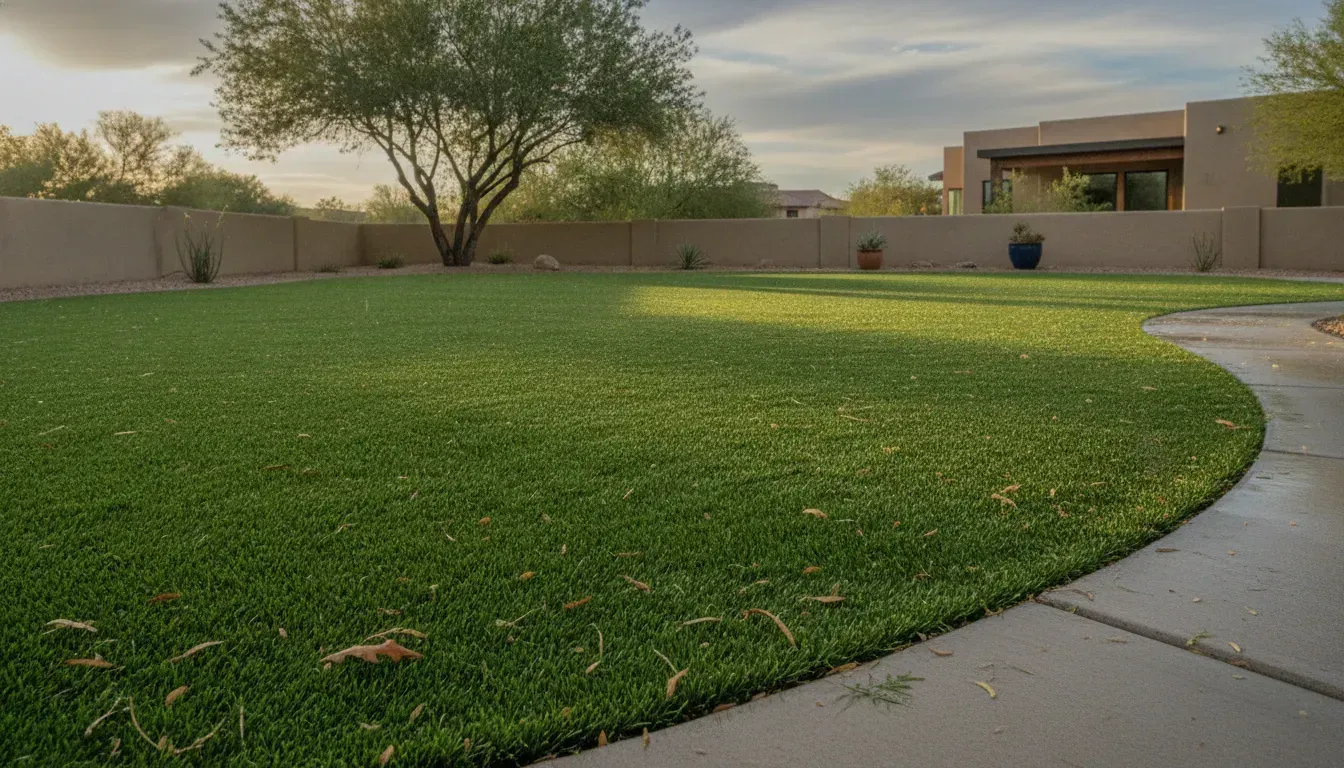
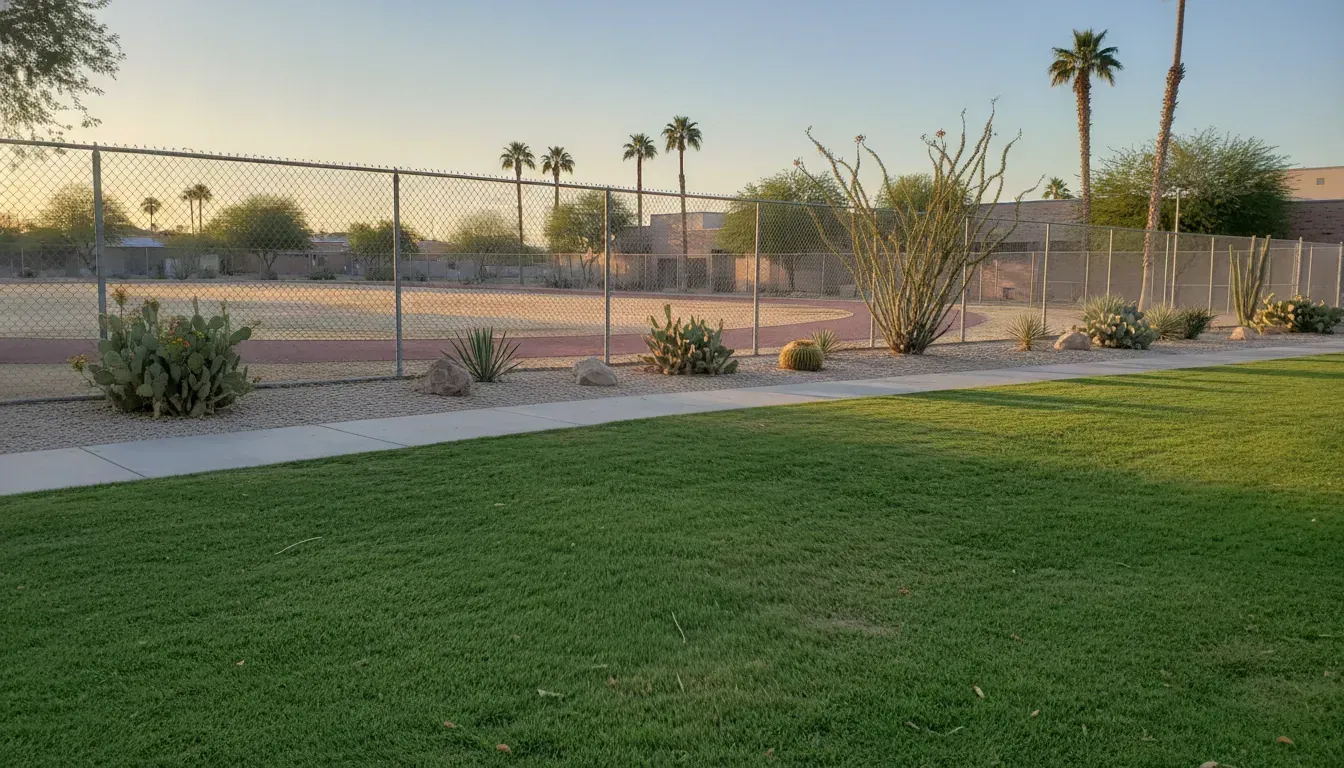
- What surfaces are present? Mention lawn, gravel, artificial grass, planting beds, and narrow passages. Waste can be harder to spot among leaves, rocks, or dense growth.
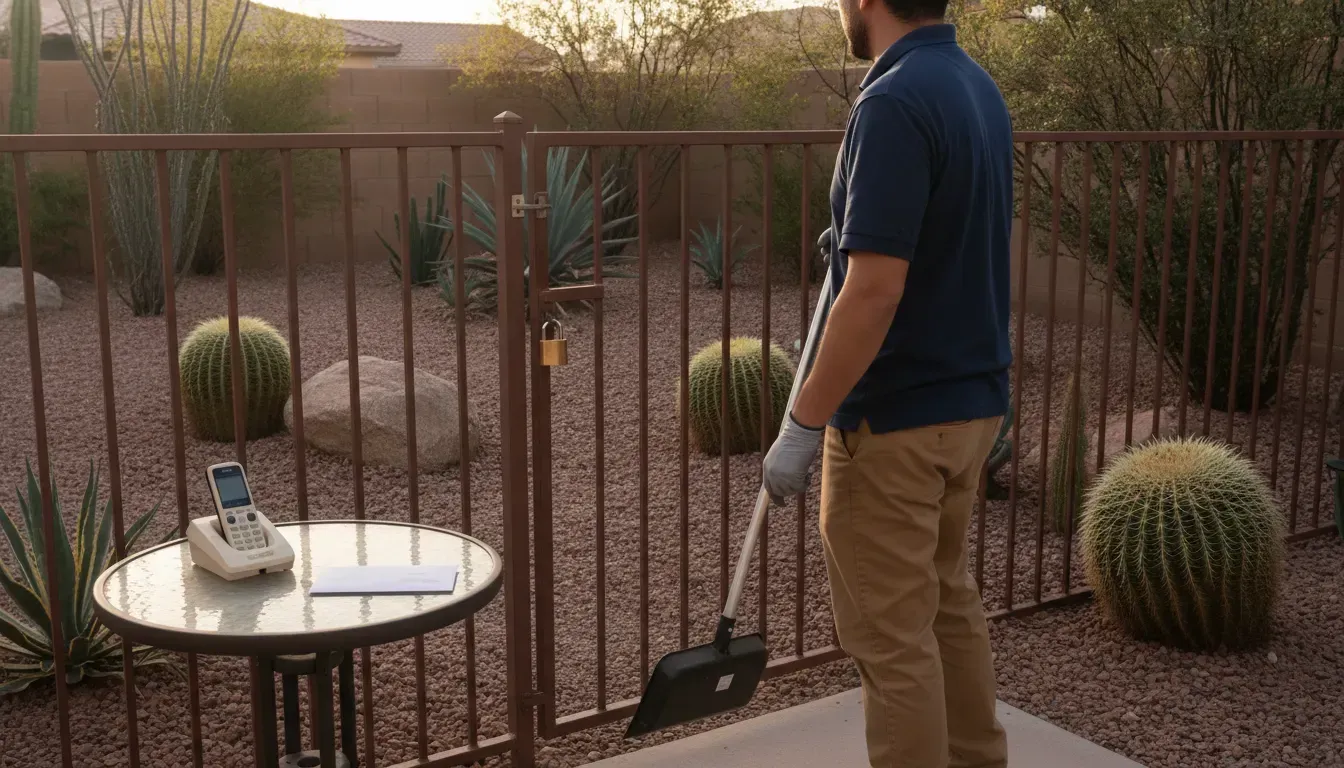
- Can a worker reach the yard? Check locks, gate latches, steps, obstacles, and any access instructions.
- Are there areas to avoid? Point out fragile landscaping, irrigation controls, pools, or spaces that should not be entered.
A broad description is enough to start. Photos can help if requested, especially when the yard is large, divided into several sections, or has a mix of surfaces. If the property is rented or managed by an HOA, confirm who can approve service and who will provide access before requesting a visit.
 How does a one-time cleanup work?
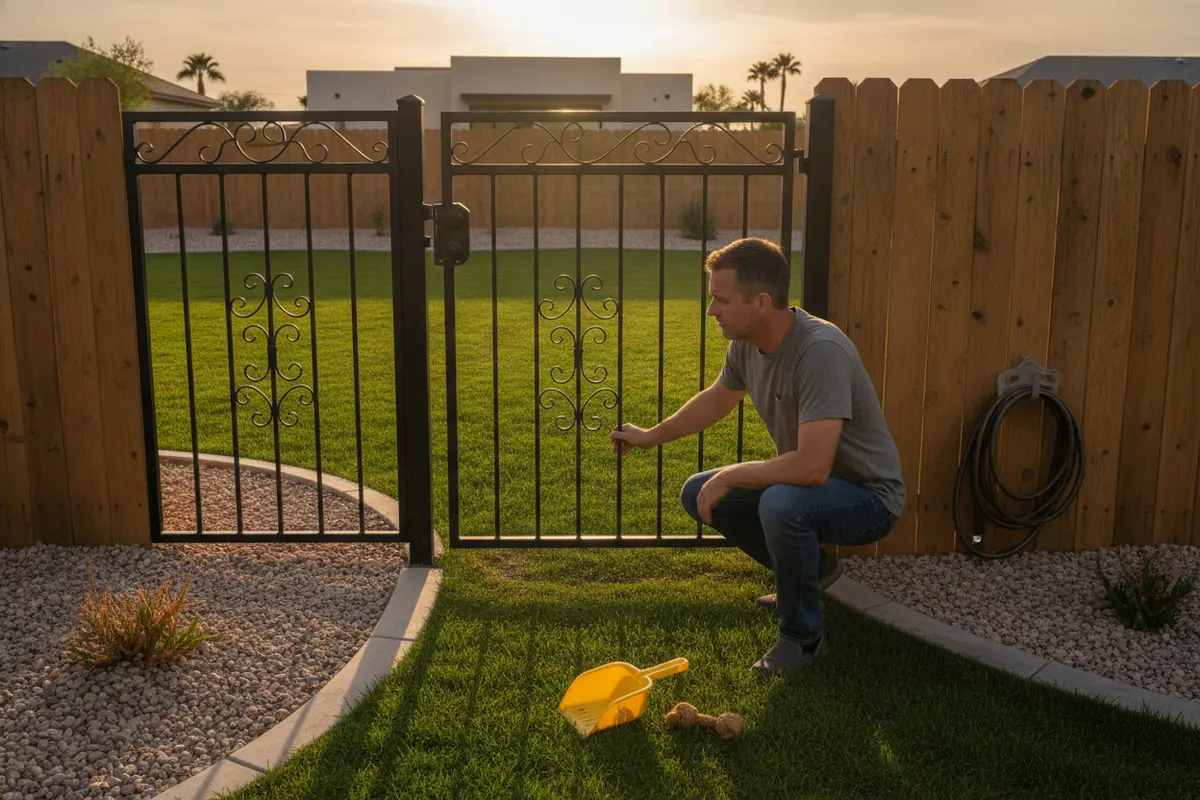
A one-time cleanup is a reset for waste already present. It can be useful after travel, a busy period, an illness, a move, or a gap in personal maintenance. The visit does not prevent new waste from appearing, so decide in advance what you want to do after the reset.
- Describe the property. Share the address, approximate yard size, dog count, surfaces, and areas to be included.
- Explain the buildup. Say when the last full cleanup occurred and whether any sections have been inaccessible or obscured.
- Agree on access. Confirm the gate method, arrival expectations, and how pets should be secured.
- Prepare the service area. Move toys, hoses, bowls, and small objects from the ground where possible. Mark off-limits spaces.
- Review the result and next step. Decide whether to resume your own routine, book another occasional visit, or ask about a recurring schedule.
Visible waste collection is not the same as a full surface wash or odor treatment. Odor may remain in soil, gravel, or artificial turf after visible waste is removed. Surface, moisture, heat, and the age of buildup can affect the result. If turf needs separate attention, review A1âs artificial grass cleaning and maintenance information and ask which work is included in the service you are considering.
Which cleanup option fits your household?
Choose based on whether you are solving a temporary backlog or trying to maintain the yard over time. The table is a planning comparison, not a price quote: the right scope depends on the specific property and service arrangement.
For example, a one-dog home with a small, rarely used side yard may find a less frequent plan adequate, while a household with several dogs and a small high-use yard may prefer more frequent attention. These are planning examples, not a guaranteed schedule. If you are uncertain, describe the actual use of the yard and ask what visit frequency can meet your expectations.
What changes the effort needed for a yard?
Time since the last visit
As waste accumulates, it may be harder to see under leaves, near shrubs, or in tall grass. A longer interval can make a careful walk-through more important. Do not minimize the time since the last cleanup when you request an estimate; an accurate description supports a more realistic plan.
Layout and obstacles
A wide open lawn is different from several gated sections, a narrow side passage, or a yard with furniture and planting beds. Identify which sections the dog uses and whether a worker can reach them without moving heavy items. Explain if the gate latch is unreliable or if access requires a particular sequence.
Surface type
Grass, gravel, and artificial turf do not present identical visibility or maintenance questions. Decorative rock can conceal deposits, while turf concerns may include odor beyond visible waste. Describe each surface and ask whether the requested work is collection only or includes additional cleaning. A1âs turf cleaning options can help you distinguish a cleanup request from a turf-maintenance question.
Weather and visibility
Heat, wind, rain, and dust can affect how easy it is to inspect a yard. In dry conditions, waste may blend into soil or gravel; after rain, wet areas can be more difficult to walk through. Tell the provider about unusual conditions and ask how scheduling changes are communicated. Do not assume that a route can enter a yard if a storm has made access unsafe.
Pets and household activity
Workers need access to the agreed area without an animal approaching unexpectedly. Keep dogs indoors or in a separate secure area during the visit. If children, gardeners, or other household members may be using the yard, coordinate timing so the service area is clear.
 How should you prepare for the appointment?
A short checklist can prevent avoidable delays and reduce confusion about the work:
- Confirm the address and list every area to be serviced.
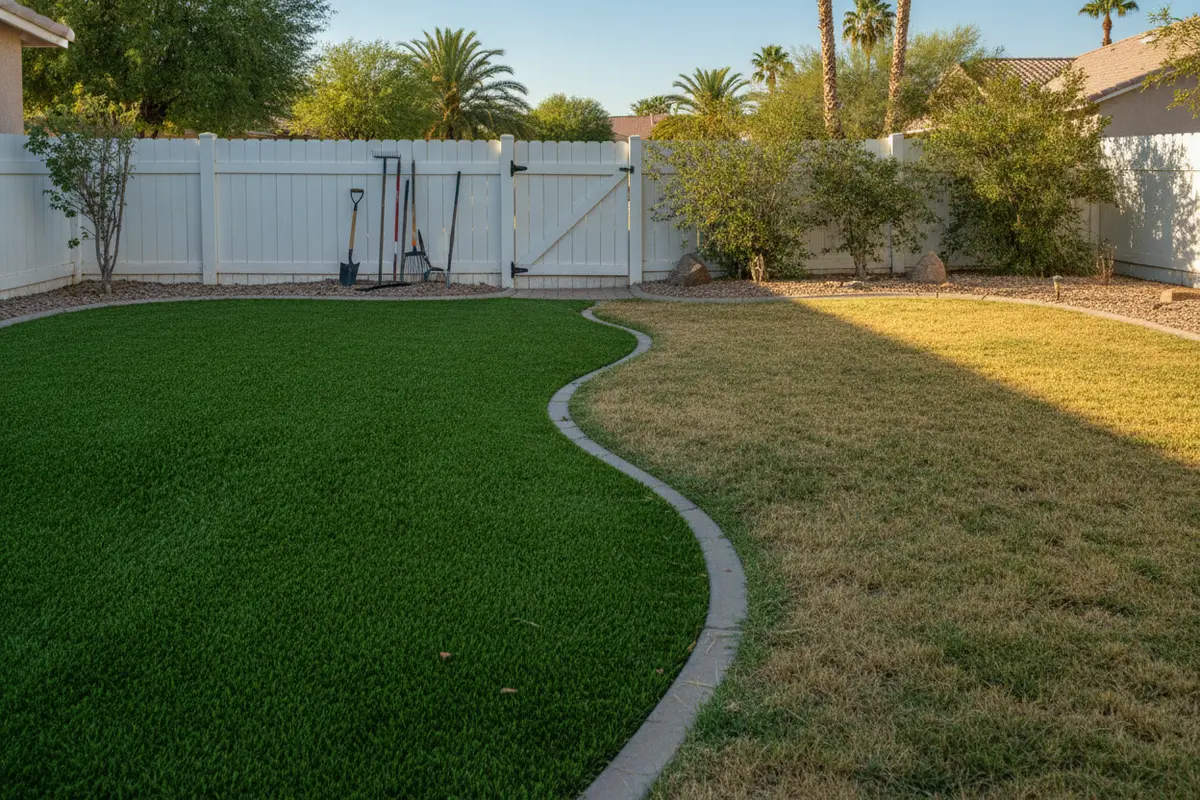
- Unlock the gate or provide the agreed access instructions before the visit.
- Keep dogs inside or safely separated while work is underway.
- Move toys, hoses, bowls, and small objects from the ground when practical.
- Identify irrigation controls, fragile plantings, pool edges, and excluded spaces.
- Tell the provider if recent yard work changed access or covered areas.
- Ask how collected waste is handled and whether your property has a disposal requirement.
For a managed property, write down the approving contact, on-site contact, and preferred way to report a locked gate or other access problem. For a private home, decide whether the visit should include only the backyard or all accessible dog-use areas. Clear scope makes it easier to tell whether the completed visit matched what you requested.
Why is pet waste pickup a useful routine?
Regular collection keeps waste from being left in the yard and reduces the unpleasant task waiting for the next cleanup. It also supports responsible outdoor maintenance. The U.S. Environmental Protection Agency discusses pet waste among sources of water pollution and encourages proper pickup and disposal. See the EPAâs environmental information for broader guidance. Follow local disposal instructions rather than assuming that waste belongs in a storm drain or landscaping.
A routine also makes changes easier to notice. If waste is collecting faster than expected, you can reconsider the interval or the area being serviced. If the householdâs schedule changes, update access details rather than leaving a worker to guess whether a locked gate is an exception or a regular condition.
How can you compare cleanup providers?
Local availability is only one part of choosing a service. Ask questions that clarify the actual visit, the ongoing arrangement, and what happens when something interrupts access.
- Can I request a single cleanup, recurring service, or either option?
- What information do you need about dog count, surfaces, and the time since the last cleanup?
- Which sections are included, and what is outside the scope?
- How do you handle a locked gate, a pet in the yard, or weather disruption?
- How can I change a schedule if household needs change?
- Is service provided without a long-term contract, and how do I start or stop it?
- Who should I contact with a question after a visit?
A1 Pet Waste Maintenance describes its service model as no-contract, with customers able to start or stop service by phone. Confirm the current details directly. The pooper scooper FAQs explain common service questions, while the one-time cleanup page is relevant if your immediate need is a single reset. You can also read A1âs guide to choosing a pet waste removal company for a broader list of factors to consider.
When is recurring service more practical than a reset?
A reset clears the current backlog; a recurring route is intended to address ongoing accumulation. Consider a regular schedule if cleanup is often postponed, the yard is used heavily, or you return from travel to a difficult backlog. It may also help a property team plan a predictable maintenance task for a shared area.
Think about the interval in terms of what happens between visits. How quickly does waste collect? How many dogs use the area? Do residents or visitors expect the yard to remain consistently clear? A schedule that is too infrequent may not meet the householdâs expectations; one that is more frequent than necessary may not fit its needs. There is no universal answer based only on ZIP code or dog count.
If you prefer to start with a one-off visit, A1âs service sign-up page is one place to ask about available arrangements. For help evaluating a current backlog, use the yard cleanup planning guide as another reference.
What should HOAs and rental property teams clarify?
Shared areas need a defined scope. List dog runs, common lawns, walking paths, and any waste-station areas separately. A map or simple written description can prevent one team member from assuming that a path or enclosed run is included when another intended only the lawn.
Set one contact for approval and one for practical access questions. Decide how gates are secured, what residents should do with pets during a visit, and whether the property needs a completion note. Establish how staff should report blocked access or a newly restricted area. These details matter more when several buildings or entrances look alike.
A1âs multifamily pet waste management guide can help property teams think through recurring responsibilities. For service information about managed sites, see commercial property cleanup. Confirm that any proposed scope reflects the propertyâs approvals and access rules.
Frequently Asked Questions
Can I arrange just one visit?
A one-time cleanup is an option for a yard that needs a reset. Describe how long waste has accumulated, what surfaces are present, and which areas need attention so the visit can be planned around the actual property.
Do I need to count every deposit?
No. An estimate of the time since the last cleanup, dog count, yard size, and surface types is a useful starting point. Share photos if the provider asks for them or if they would make an unusual layout easier to explain.
Should my dog remain in the yard?
Keep the dog indoors or in a separate secure area while the worker is present. This gives the worker clear access and avoids an animal entering the active work area.
What if I have artificial grass?
Tell the provider before the visit. Collection of visible waste and turf odor treatment are different needs, so ask which work is included and whether separate maintenance is appropriate for your surface.
How do I ask about service in 89113?
Use A1âs contact page to share the property details, the cleanup need, and your preferred way to be reached. Ask whether a one-time reset or recurring arrangement best fits the situation.
Discuss a cleanup plan for your property
With the service area, access instructions, and cleanup history ready, you can request dog poop cleanup in 89113 with a clearer scope and a practical plan for what comes next.
| Option | Often suits | Plan before booking | What to decide afterward |
|---|---|---|---|
| One-time reset | A backlog after travel, illness, or a pause in routine | How long buildup has collected, all surfaces, and access | Who will handle future waste and whether a repeat visit is needed |
| Weekly route | Busy households or yards with frequent use or several dogs | Reliable gate access, pet instructions, and included areas | Whether the yard stays comfortable between visits |
| Bi-weekly route | Households with less frequent yard use or a manageable accumulation rate | Dog count, yard use, and realistic expectations for the interval | Whether the gap between visits is acceptable |
| Shared-property plan | HOAs, rentals, or multifamily common areas | Service map, approval contact, access rules, and communication process | Who checks service completion and reports access issues |