What Should Customers Look for in Eco-Friendly Pet Waste Services?
Compare eco-friendly pet waste services by collection, disposal, scheduling, and property needs so you can choose a clear, practical service plan.
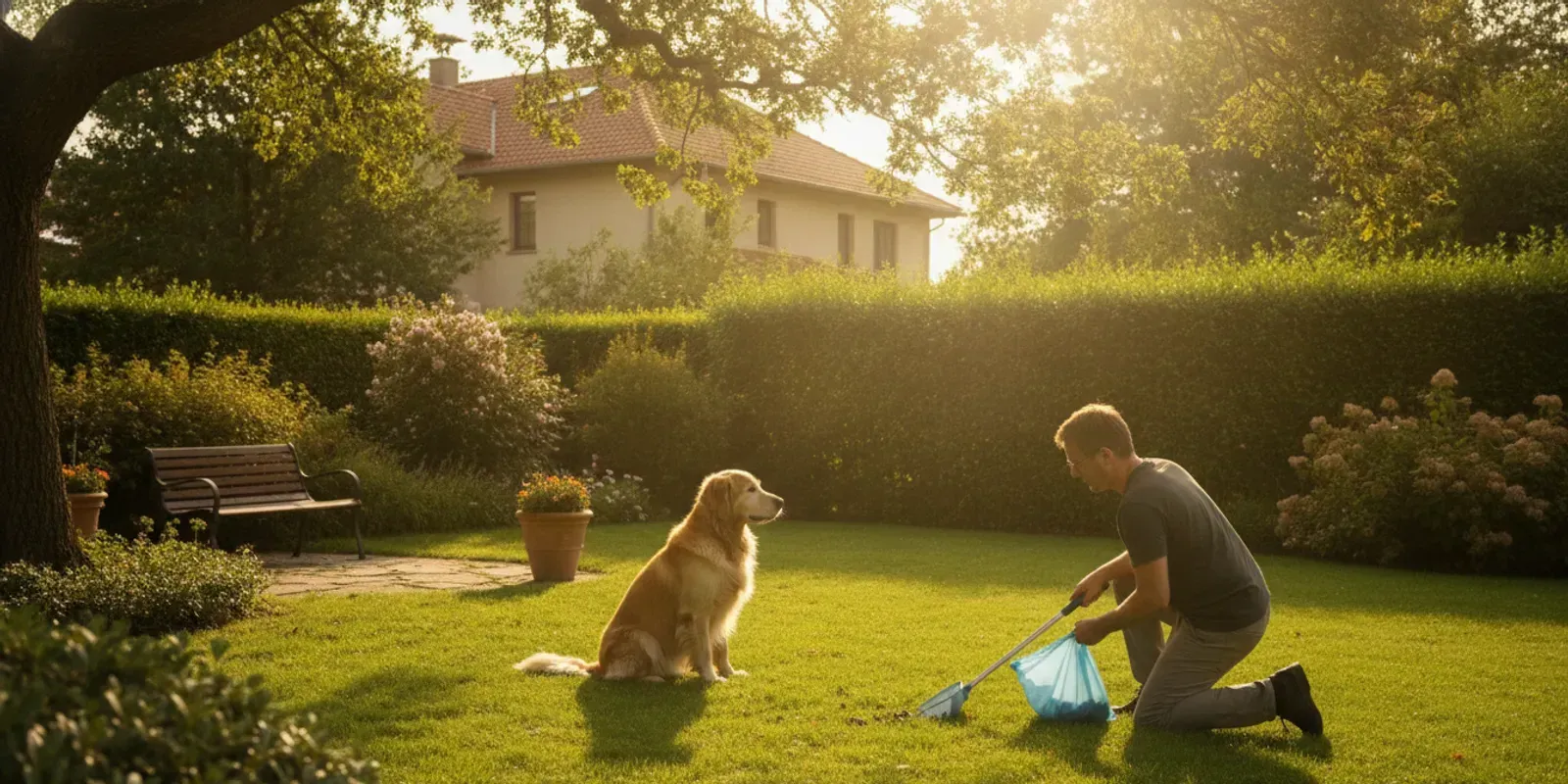
Eco friendly pet waste services should make it easier to keep a yard or shared property clean while explaining what happens to collected waste. The best choice is not defined by a label alone: ask about collection methods, disposal, route practices, and whether the schedule fits the amount of pet use your property gets.
What does an eco-conscious service actually do?
Pet waste does not disappear simply because it is picked up. A service can help prevent waste from accumulating in places where people and pets walk, but customers should understand the provider’s process from collection through disposal. Ask the company to describe its routine in plain terms rather than relying on broad environmental claims.
Look for practical measures you can verify: consistent collection, appropriate containment, efficient scheduling, and clear guidance for your property. If a provider says its service is “green,” ask what that means in daily operations. For an overview of organizations working on environmentally minded pet waste management, see the Enviro Pet Waste Network.
An environmentally mindful plan also starts with the property itself. A small fenced yard, a large community lawn, and a public-facing dog area do not create the same route or collection needs. The right provider should ask about pet count, traffic, access, surfaces, stations, and problem areas before recommending a frequency. A detailed conversation is a better sign than a generic promise that every customer receives the same process.
Which practices are worth comparing?
Use the same questions with each provider. The answers will help you compare service in a way that is relevant to your home, apartment community, or HOA.
Collection routine: Ask what areas are included and how a visit is completed. A defined scope reduces missed areas and confusion.
Disposal: Ask how collected waste is contained and disposed of. You can assess whether the process matches your expectations and local requirements.
Scheduling: Ask whether visits can be set at a frequency that fits pet use. More use may require a different schedule than a small household yard.
Equipment and supplies: Ask what tools and bags are used, and whether alternatives are available. Specific answers are more useful than an unqualified “eco-friendly” claim.
Property communication: Ask how access needs, gates, and service changes are handled. Clear procedures help service work smoothly and avoid unnecessary repeat trips.
Visit documentation: Ask how the customer will know the service was completed. A simple record helps identify missed areas and adjust the plan.
How should homeowners assess a service?
For a private yard, start with the number of dogs, yard size, and how often the space is used. Ask whether the provider offers recurring visits or a one-time reset if waste has accumulated. A regular schedule can make upkeep more predictable; a one-time cleanup may be a better first step after travel or a long gap. A1 explains its one-time pet waste cleanup option separately from ongoing service.
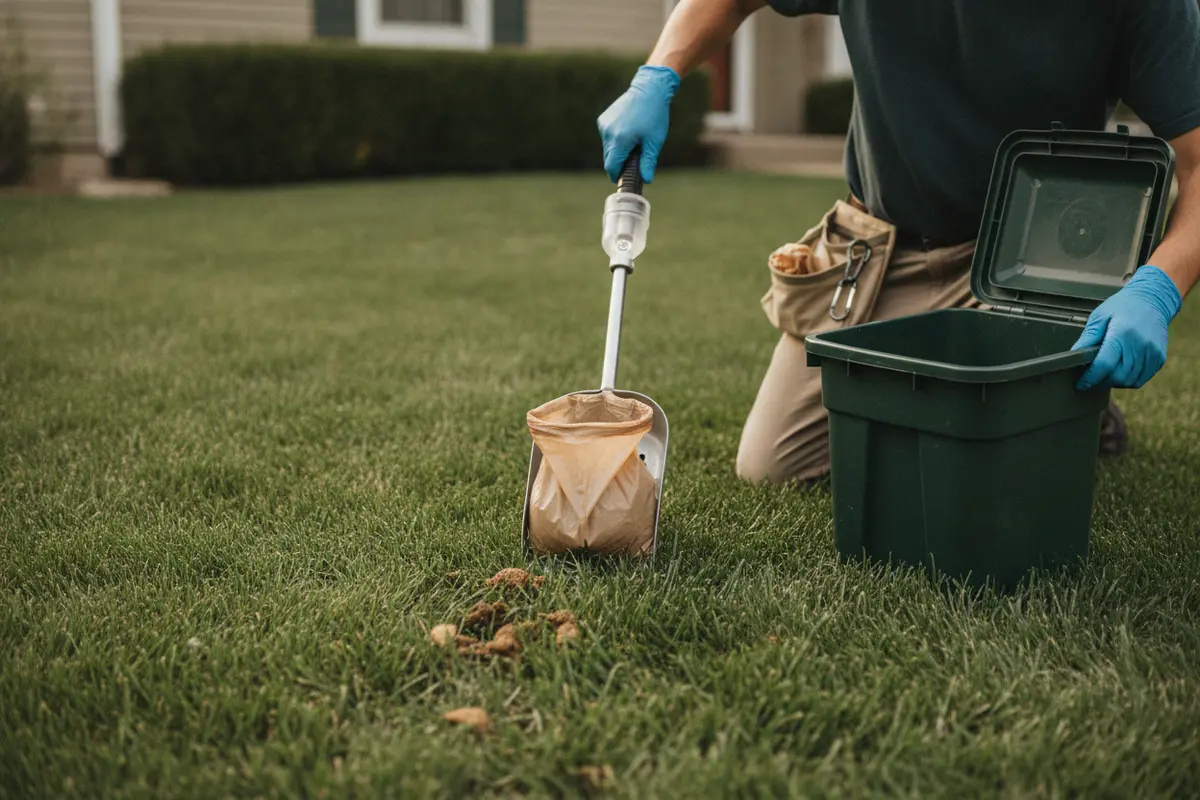
Also discuss access. Tell the provider about locked gates, dogs in the yard, and any areas that should be avoided. Confirm how you will know a visit was completed and how to request a schedule change. If you want routine service, review the provider’s service sign-up information and billing and service FAQs.
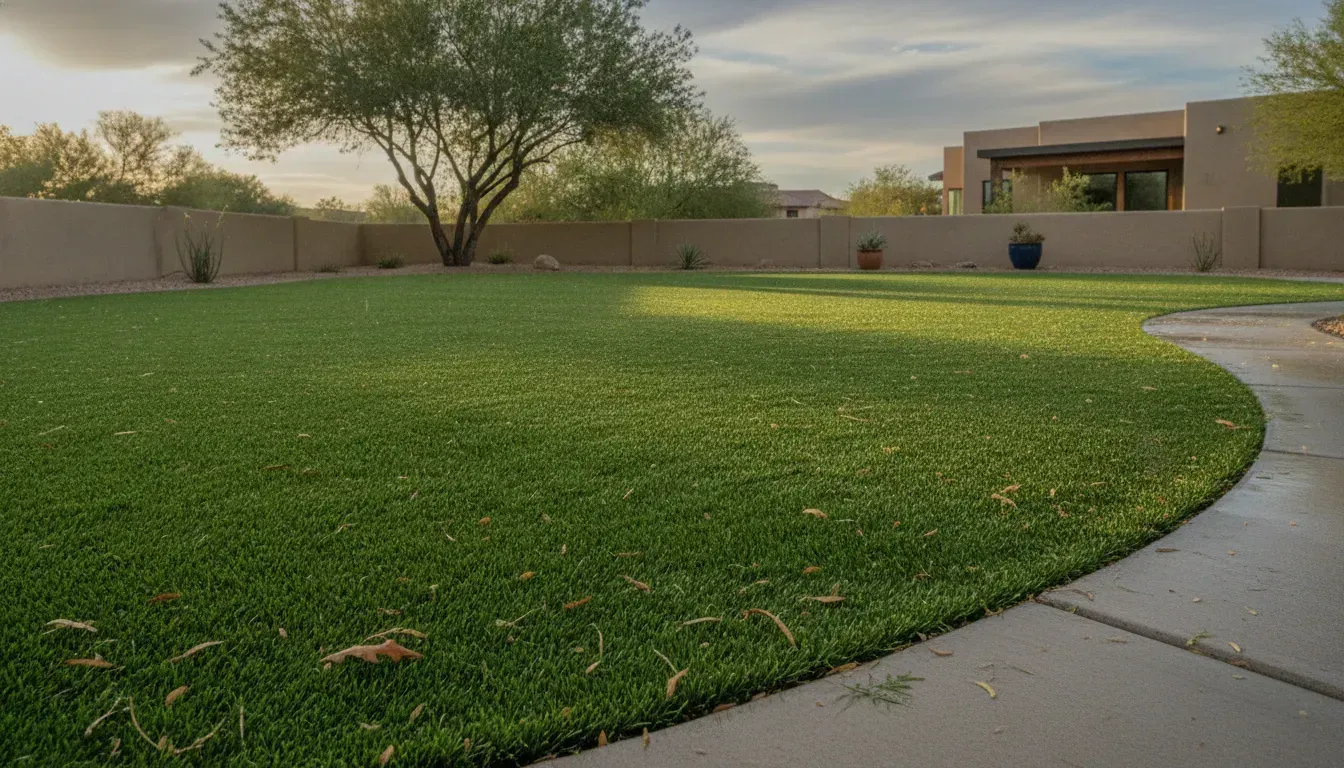
Consider the yard’s surfaces and layout before the first visit. Grass, gravel, artificial turf, side yards, and narrow gates can each affect how a worker reaches all included areas. Move toys or other objects that hide waste when possible, and explain any locations that are off limits. If artificial grass is part of the property, separate routine waste pickup from specialized turf care; A1 provides artificial grass cleaning information for that separate planning conversation.
Finally, decide what “clean” means for your household. Some customers need a routine visual pickup, while others want attention to corners, planting beds, or areas beneath outdoor furniture. Put those expectations in the service scope. A clear scope gives the provider a fair standard to follow and gives the customer a useful way to discuss any missed area.
What should property teams ask?
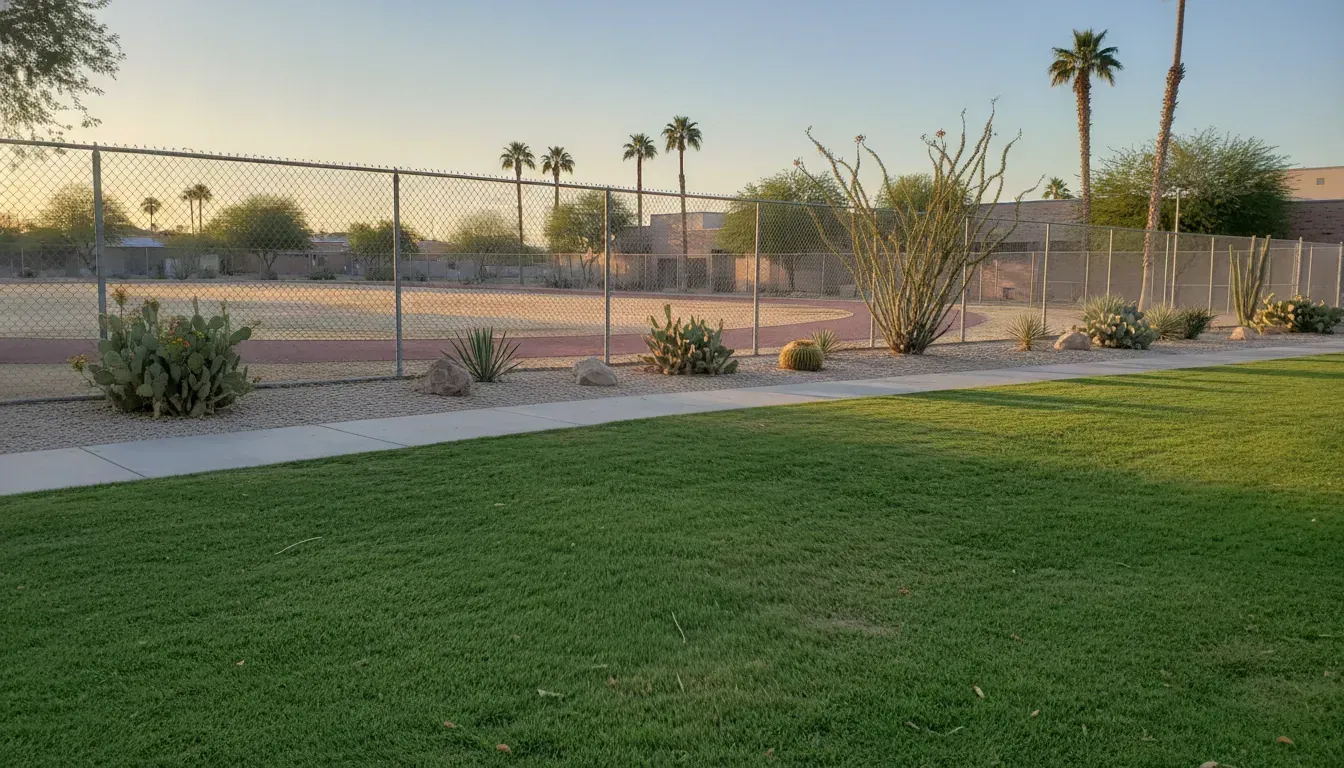
Shared properties need a broader plan than a single backyard. Managers should map the dog-walking routes, common lawns, entrances, and waste stations. Then determine who handles each task: residents, onsite staff, or a service provider. Clarify whether a provider collects waste from grounds only, services stations, or both; do not assume one scope includes the other.
For an apartment or HOA, request a written description of locations covered, visit frequency, reporting method, and how the provider handles blocked access or unusually heavy use. Keep a simple record of recurring problem spots and resident feedback. A1’s information on commercial property pet waste cleanup can help property teams understand service conversations.
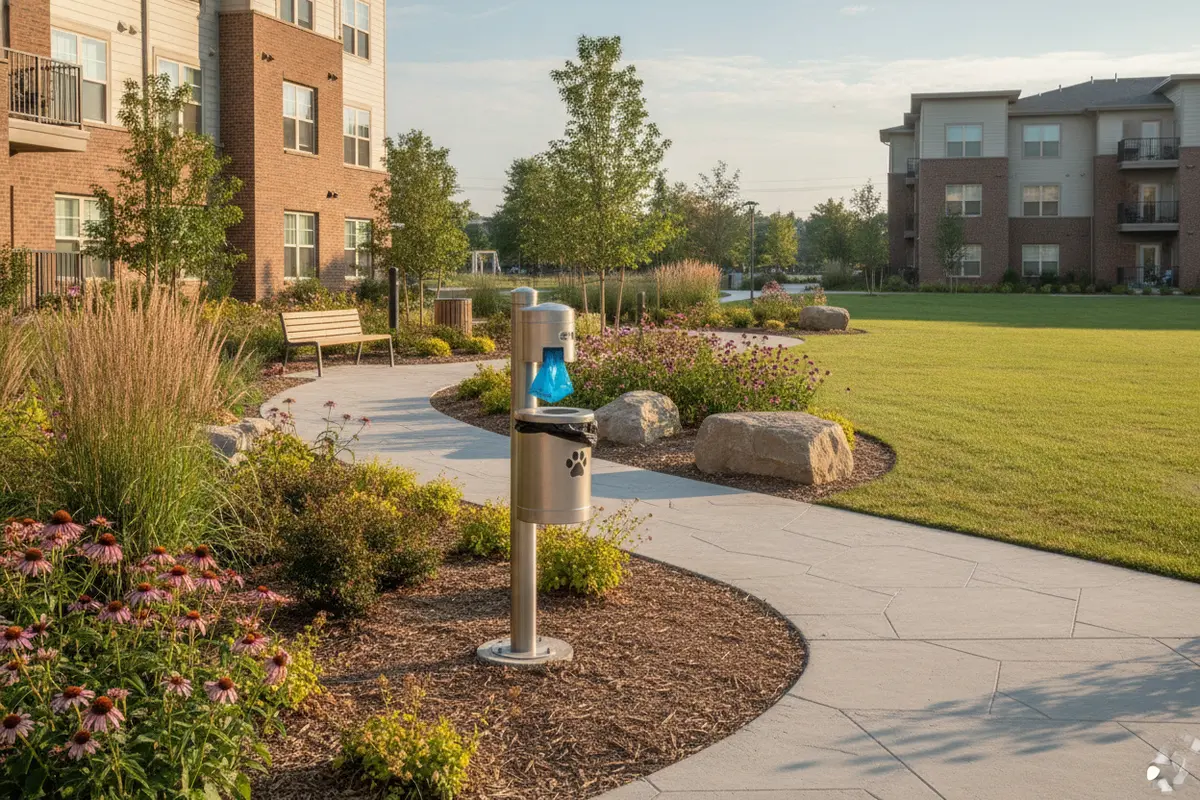
It helps to walk the property before requesting a proposal. Note the number of buildings, entrances, dog relief areas, paths, drainage features, and stations. Identify places where residents commonly leave the route or where landscaping makes inspection difficult. This information lets a provider discuss the actual work instead of estimating from a building address alone.
Communication matters as much as the pickup itself. Decide who receives service updates, who can authorize a change, and how residents should report a problem. A community may also need a process for severe weather, construction, locked gates, or an event that changes normal access. Written instructions reduce confusion between property staff, residents, and the service team.
How can you recognize vague environmental claims?
Words such as “green,” “natural,” or “sustainable” do not explain a service by themselves. Ask for the specific practice behind the claim. Does the provider describe its disposal approach? Does it explain its supplies and collection routine? Can it say what is and is not included? A credible answer should be clear, limited to what the company actually does, and open to follow-up questions.
Do not assume a particular bag material or disposal method makes a service environmentally preferable in every setting. Local waste rules and available disposal systems differ. If the provider cannot answer a question, ask where you can verify the applicable local guidance rather than accepting an unsupported promise.
Be careful with claims that sound precise but have no explanation. A provider might mention reduced waste, responsible disposal, or efficient routes without describing how those statements apply to your service. Ask whether the claim concerns supplies, travel, collection, disposal, or another part of the operation. This keeps the conversation factual and prevents one narrow practice from being presented as a complete environmental assessment.
You can also ask what the service does not do. For example, a company may collect waste from the ground but not empty stations, wash turf, or manage a community’s resident education. Limits are not necessarily a problem; unclear limits are. Knowing the boundary helps you coordinate other maintenance tasks and compare providers on the same basis.
What changes between a home and a community?
At a home, the priority is usually a dependable schedule and a clean yard. In a community, traffic levels, shared responsibility, station supplies, and communication all affect the plan. Consider these differences before comparing quotes:
- Household: Confirm the yard boundary, visit frequency, access instructions, and whether an initial cleanup is needed.
- Multifamily property: Identify all common areas, dog routes, and stations, then assign responsibilities for each.
- HOA or neighborhood: Set consistent service expectations and a simple way to flag missed or high-use areas.
- Commercial site: Ask how work is coordinated with site access, operating hours, and other maintenance activity.
For station planning, distinguish regular ground pickup from station servicing. The dog waste station service information is a useful starting point for that discussion. A clear scope helps avoid paying for a task that is not needed or assuming that an uncovered task is included.
Scale can change the best schedule. A home with one dog may need a different visit pattern from a community with many residents using the same relief area. Look at use over a normal week, not only at the property’s busiest day. If one route becomes heavily used, ask whether the schedule or covered locations can be reviewed without changing the entire plan.
Property teams should also consider how waste service fits with landscaping. Coordinate access so mowing, irrigation work, repairs, and waste collection do not interfere with one another. Share information about gates, construction zones, and temporary closures. This kind of coordination can reduce missed areas and make each visit more predictable.
How should disposal and supplies be discussed?
Disposal is one of the most important questions in an environmentally minded service discussion, yet it is often the least visible part of the work. Ask where collected material goes after the worker leaves the property, how it is contained during transport, and whether local rules affect the answer. The provider should explain its actual process without promising an outcome it cannot control.
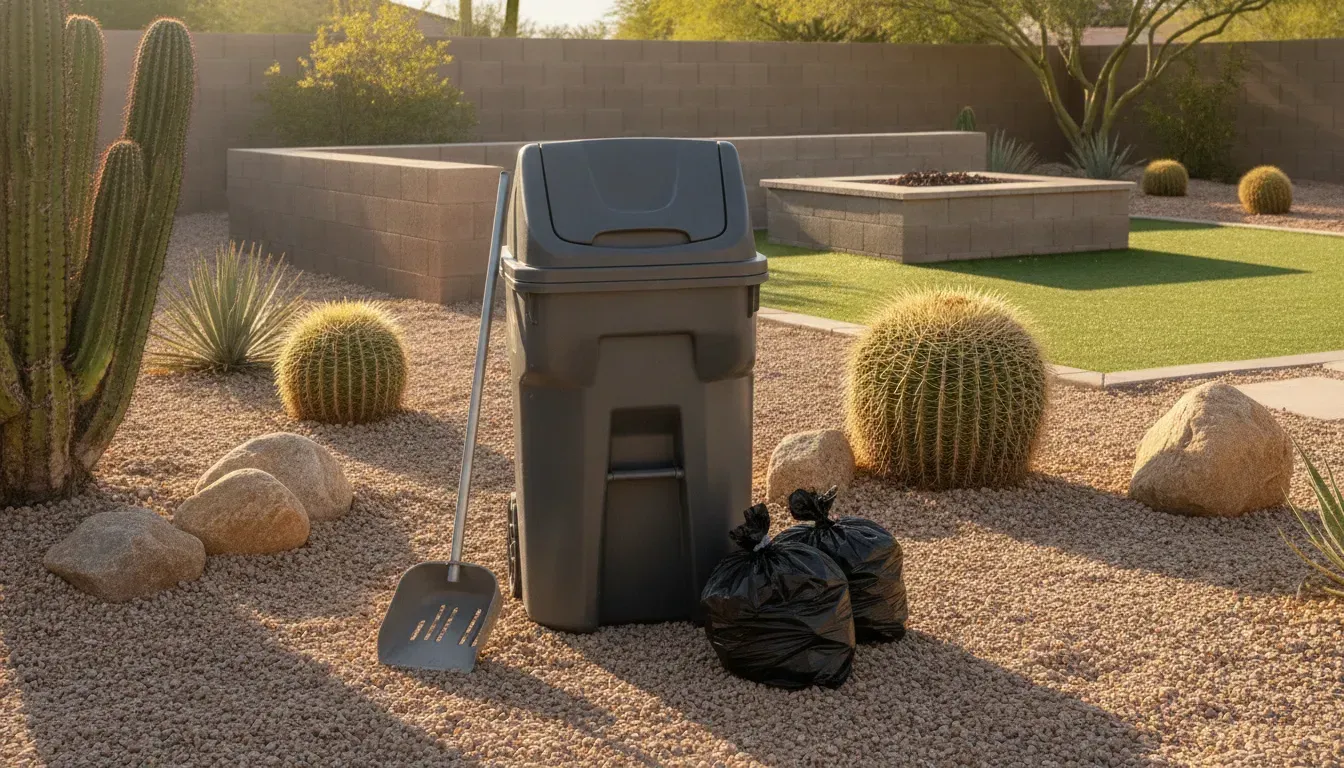
Supplies deserve the same careful treatment. Ask what bags and tools are used, whether supplies are selected for the conditions on your property, and how replacement or restocking works at shared stations. A different supply may not be appropriate in every disposal system, so the useful answer is the one that connects the product to the full process.
Do not place pet waste in a yard compost pile or use it as garden fertilizer unless local guidance and a properly managed system specifically allow it. Pet waste can carry unwanted organisms, and ordinary home composting may not reach the conditions needed for safe handling. Customers should follow applicable local disposal instructions and the service provider’s stated process.
What questions should you ask before hiring?
- Which exact areas will you service, and what is excluded?
- How often will the service visit, and how can the schedule change?
- How do you collect, contain, and dispose of waste?
- What happens if a gate is locked, a dog is outside, or an area cannot be reached?
- Do you service waste stations, replace supplies, or only pick up waste from the ground?
- How do you communicate a completed visit or a service issue?
- Are there options for a one-time cleanup before recurring service begins?
- What information would cause you to recommend a different frequency or service scope?
- How should the customer report a missed area or request a temporary change?
Compare providers on the detail and consistency of their answers, not just on a headline claim. If you need help with artificial turf as well as waste pickup, ask whether those are separate services and what each visit includes. Review A1’s turf cleaning service options when turf care is part of your property’s needs.
Before you agree to service, repeat the scope in your own words. Confirm the included locations, expected frequency, access requirements, station responsibilities, and method for resolving a missed visit. If the provider gives a proposal, compare it with your notes so that an attractive general description does not obscure an important omission.
How can you prepare for the first visit?
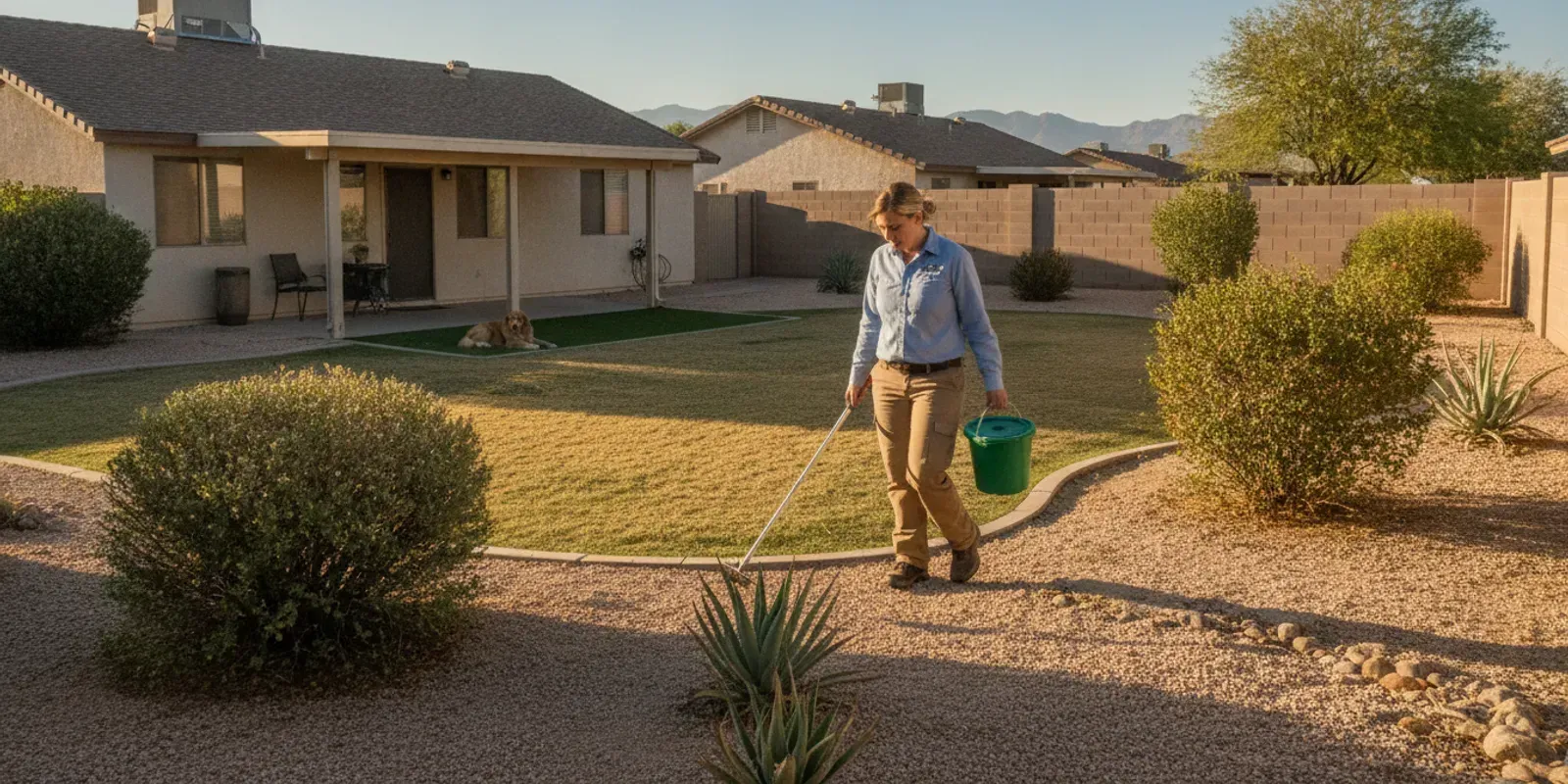
Preparation is simple but useful. Mark gates and areas that require special instructions, secure pets according to the provider’s directions, and remove toys or objects that block the ground. For a community, provide a map showing common areas and stations. Tell the provider about construction, irrigation work, or any temporary restriction before the route begins.
After the first visit, check whether the agreed areas were reached and whether the communication method worked. Note recurring trouble spots rather than judging the entire service from one isolated detail. If the property’s use changes, such as a new dog area opening or a seasonal increase in visitors, revisit the frequency and scope.
Frequently Asked Questions
Are biodegradable bags enough to make a service eco-friendly?
Not on their own. Ask what bag is used and how collected waste is ultimately handled. The disposal pathway and local rules matter, so avoid treating a single product label as proof of an overall environmental benefit.
Is recurring service better than a one-time cleanup?
It depends on the property and the amount of waste. Recurring visits can suit a yard or shared space with ongoing use. A one-time cleanup can address accumulated waste, after which you can decide whether a routine schedule makes sense.
Should an HOA hire a separate company for waste stations?
First confirm which tasks the current provider performs. Some scopes may cover ground pickup, while station emptying or supply replacement may need separate arrangements. Put the agreed tasks and locations in writing.
What information should I provide when requesting service?
Share the property location, number of dogs or expected pet traffic, areas to include, access instructions, and whether waste has accumulated. For a community, provide a site map or list of common areas and stations.
How do I compare two services that use similar environmental language?
Ask both providers the same questions about collection, containment, disposal, supplies, scheduling, access, and service limits. Choose the proposal that gives you a clear, workable scope rather than relying on a broad label.
Discuss your property’s service needs
A clear service scope, honest answers about disposal, and a schedule matched to real use are better signs of a practical choice than a broad environmental label alone.