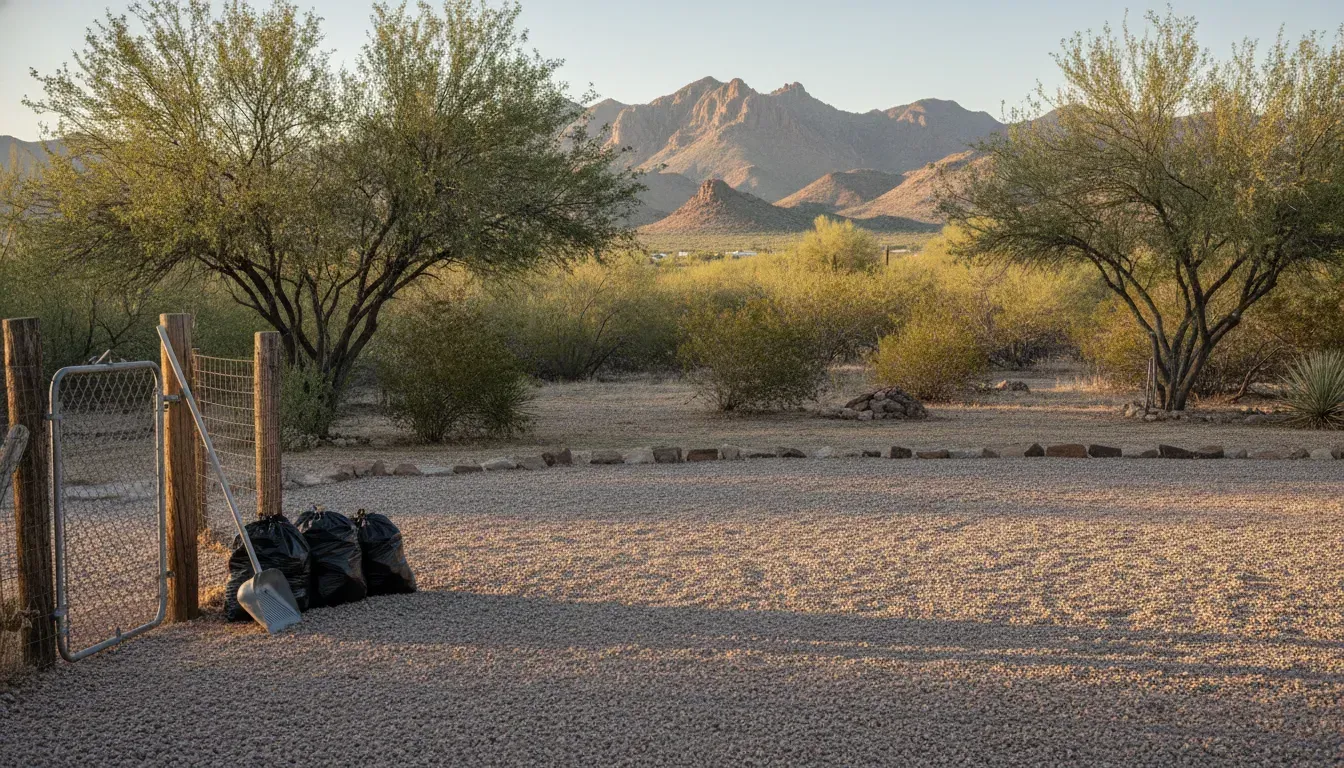
Pet Waste Removal for School Campuses Las Vegas
Plan pet waste removal for school campuses Las Vegas around bell times and relief areas. Request a custom proposal. No published campus rate.

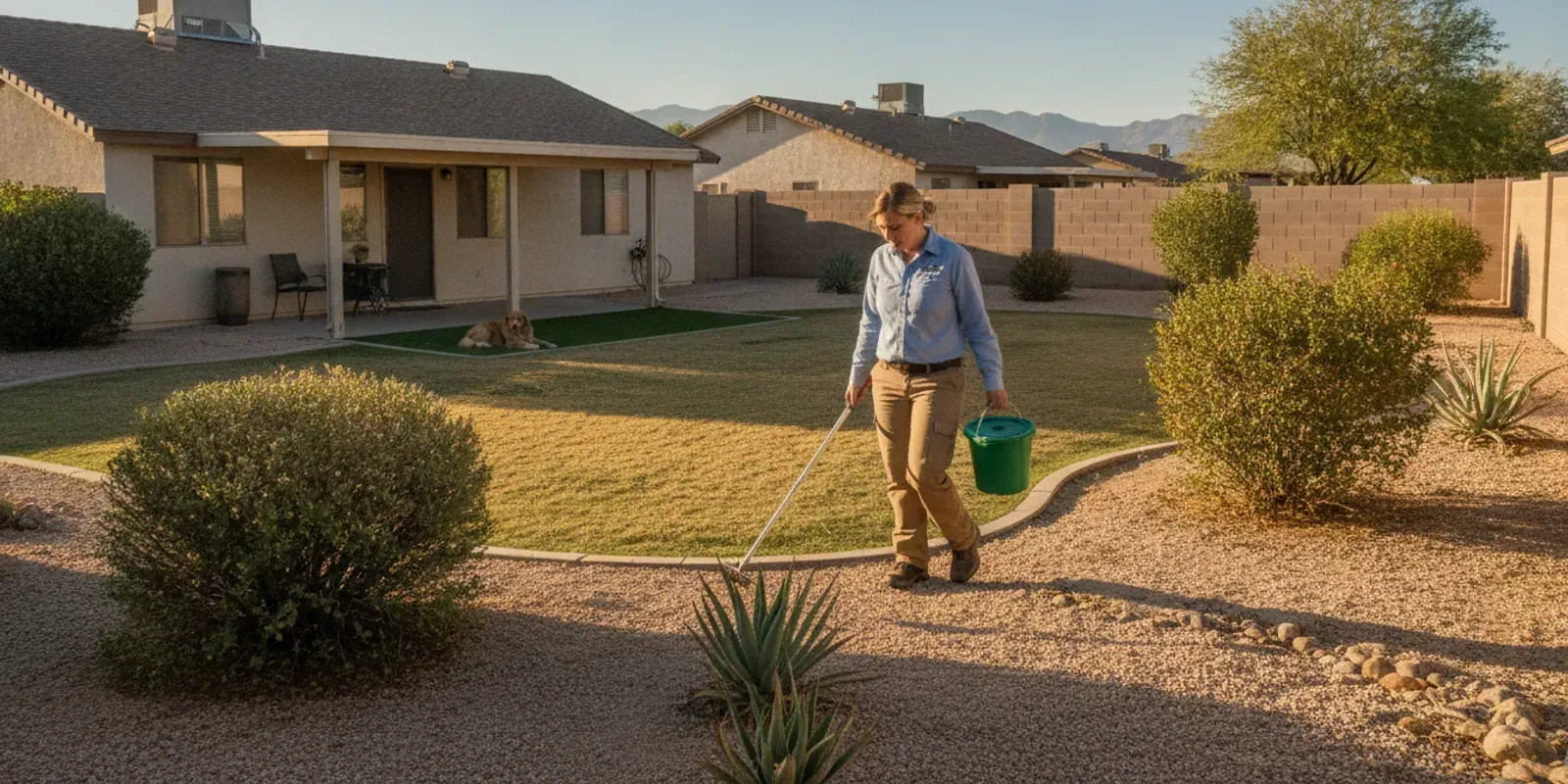
Pet waste removal for school campuses Las Vegas is a grounds plan, not a backyard signup. A facilities or operations lead maps the spots where dogs actually stop. They pick a service window outside student arrival and dismissal. Then they ask A1 Pet Maintenance for a custom proposal. A1 does not publish a school campus rate. Campus price depends on the zones, the visit frequency, and how crews get on site.
Request a commercial property pet waste proposal or call A1 Pet Maintenance at (702) 521-2624.
Why pet waste removal for school campuses Las Vegas needs its own plan
A school campus is not an HOA lawn and it is not an office walking path. Students, staff, bus loops, and after-school events share the same grass, and a crew cannot treat the site like a residential yard. The live commercial pet-waste manager's guide already covers visit scope and vendor choice for property managers. This page stays on school grounds only.
Las Vegas heat changes the job. Waste left on irrigated turf dries, then smells again after the next watering cycle. Fields, courtyards, and parking-lot edges also drain toward streets. The U.S. Environmental Protection Agency notes that pet waste adds nitrogen, phosphorus, parasites, and bacteria to water when it is not picked up, because roadside storm drains often lead to local streams without treatment. A campus plan is about keeping play areas usable and keeping that waste out of the wash.
A1 has removed pet waste in Southern Nevada since 1998 and works with the City of Las Vegas, Henderson, Clark County, homeowner associations, and nonprofits. That history is not a list of school contracts. No campus client is named on the commercial page, so a school should ask for its own proposal rather than assume a municipal route already covers the grounds.
Office campuses are a different buyer. A corporate site is planned around employee walking paths and a gate schedule. A school is planned around bells, buses, and events. Keep those requests separate so the proposal matches the people on the grass.
Which campus areas belong on the route
Start with the places dogs actually use, not every acre on the site map. A useful first pass covers seven kinds of ground.
- Staff and visitor relief lawns sit near the main office and parking rows.
- Athletic-field edges include shaded sidelines and warm-up grass.
- Courtyards and quads sit between classroom wings.
- Bus-loop landscaping includes the walk from the parent drop-off lane.
- Portable-classroom perimeters and fenced kinder play areas need a look.
- Artificial-turf play patches count when the campus has them.
- Event lawns used for games, fairs, and weekend rentals belong on the list.
Skip locked roofs, interior hallways, and areas facilities already closes to the public. If a neighboring park shares a fence line, note it, but do not fold a city park program into the school request. Park service is covered in the park waste-removal guide.
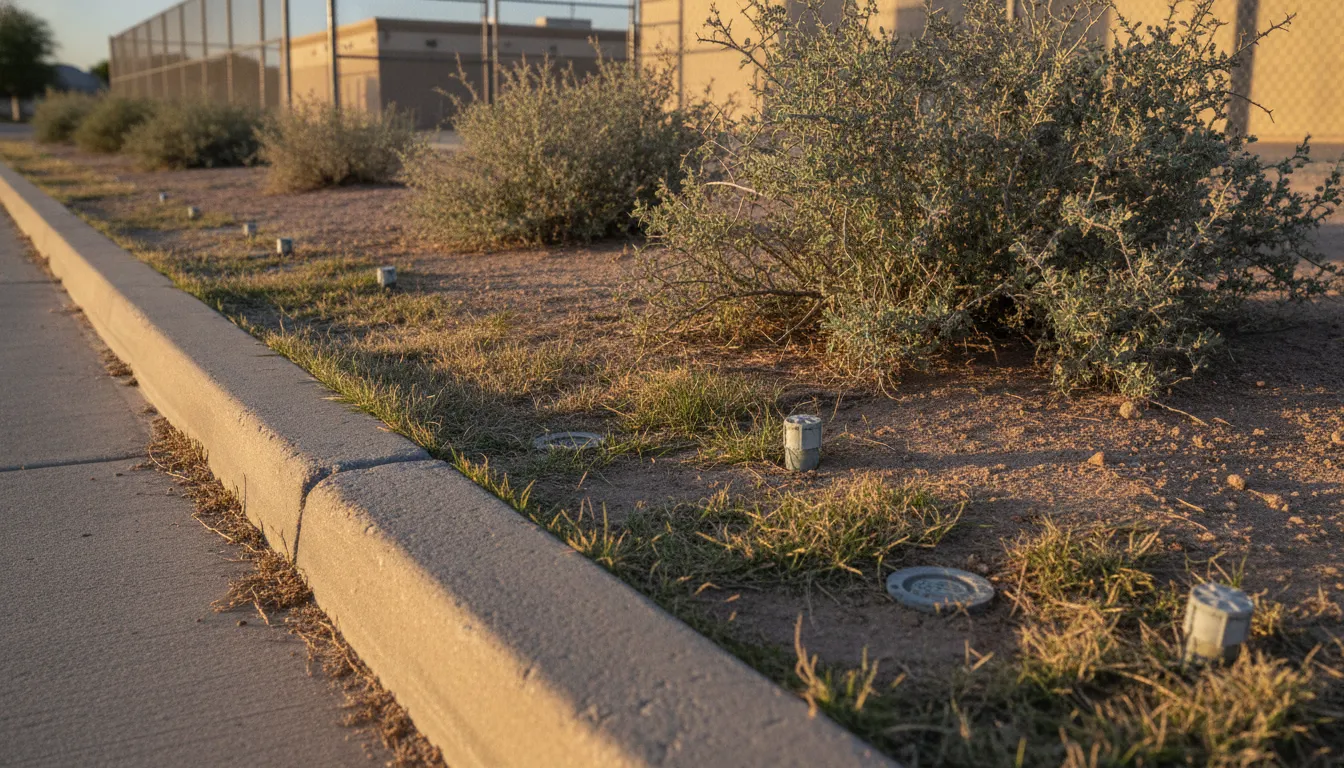 Map the field edge, sidewalk, and relief lawn before you request a campus visit.
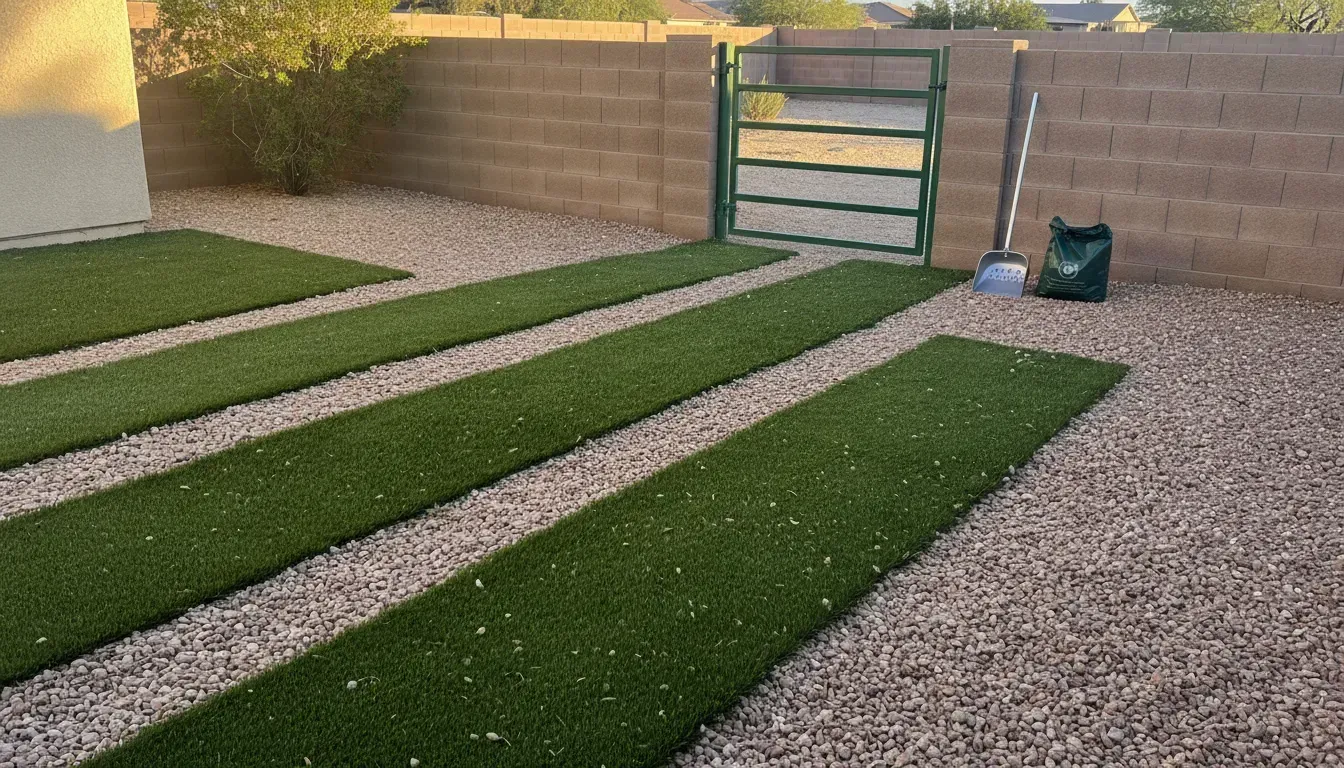
Artificial turf needs a different pass than natural grass. A1's artificial grass cleaning removes waste from the surface, clears debris, applies an enzyme deodorizer, and rinses and agitates the fibers. Infill refresh is a recommendation, not an installation. A1 does not install turf. If the campus turf only needs routine scooping, say that. If odor is baked into the fibers, ask for a cleaning visit as a separate line so it is not buried in a weekly pickup price.
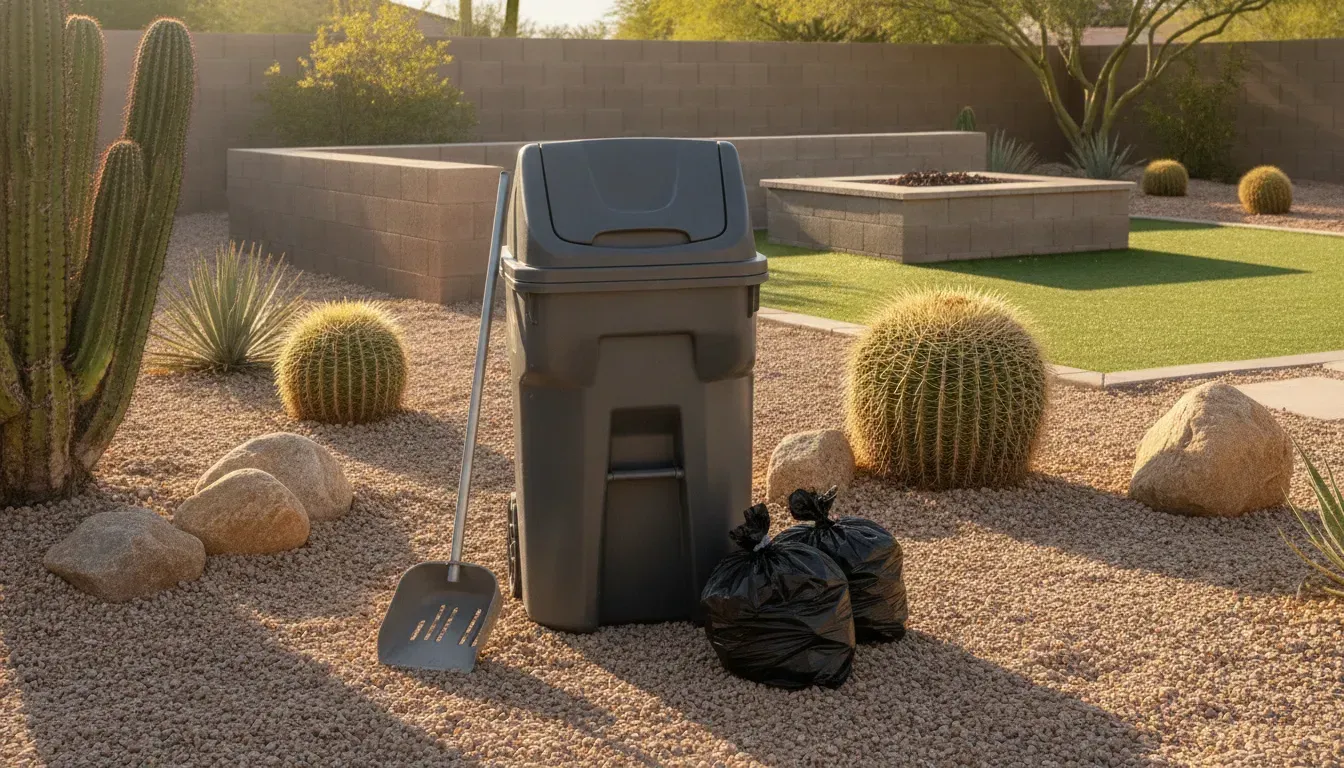
Waste stations are a supplies question, not the whole service. Count the bins, note who refills bags today, and whether crews should only empty them or also scoop the ground around them. Station upkeep for commercial sites is explained in the station maintenance guide. Do not copy that checklist into the school proposal.
How to schedule removal around the school day
The constraint on a campus is people, not acreage. A crew that arrives during drop-off is in the same lanes as buses and parents. Most facilities teams get a cleaner visit by picking one clear window.
- Before doors open, lots are still empty and fields can be unlocked for the crew.
- After dismissal, buses have left and clubs are indoors.
- Mid-morning works on a late-start or professional-development day.
- Summer school or intersession weeks use a smaller footprint.
- Games, fairs, and weekend rentals need a separate pass.
Tell the proposer which gates open, whether a staff member must escort the crew, and which fields stay locked during testing weeks. A badge rule, a radio check-in, or a locked restroom policy belongs in the request. Those details change the visit more than a generic "weekly service" line.
Frequency follows use. A campus with daily staff dogs and evening practices usually needs more than a once-a-week pass in warm months. A site that only sees dogs at weekend events may start with event visits plus a lighter weekly check of the front lawn. A1 does not publish a school frequency chart. Describe the calendar and let the proposal match it.
A small one-time reset is not the same product as a campus contract. The one-time cleanup page lists a general range of $50 to $150 based on yard size and buildup. That range is not a school campus price. Use it only as a way to clear a neglected corner before recurring visits start. A full campus, a stadium edge, or a summer backlog needs its own quote.
Residential signup rates and the first-month discount do not apply here. Those prices are for home yards by dog count. Quoting them to a school buyer produces the wrong scope.
What to send when you request a campus proposal
A1 prices commercial work from the site, not from a posted school menu. The commercial property page says to contact the company for a proposal. A complete school request is a short packet, not a legal bid form.
Send these facts with the request. Keep each one to a sentence.
- Name the campus, the address, and the person who can walk the site.
- Attach a zone list or simple map of relief lawns, field edges, and bus loops.
- Say who brings dogs: staff, visitors, event vendors, or the next property.
- Note natural grass versus artificial turf, and whether odor is already a complaint.
- Count the waste stations and say who stocks bags today.
- Flag the weeks that change the route, including testing, summer school, games, and rentals.
- Describe access. Share gate codes later, but say now if an escort is required.
- State whether you need pickup only, station service, turf deodorizing, or all three.
If the district asks for a formal bid comparison, use the Las Vegas commercial bid checklist for scope, frequency, and station lines. If risk management wants coverage questions, use the Nevada vendor insurance guide for what to ask. This article does not replace either checklist. A1's about page states that the company is licensed and insured; it does not publish a license number. So ask for the current certificate rather than relying on a blog.
Waste leaves the property in bags and is hauled away for city sanitation collection, the same disposal path A1 describes for its maintenance service. A school should still say if district rules require waste to stay in a campus dumpster. That single note keeps the proposal from assuming a haul-away the district will not allow.
How school grounds differ from parks, HOAs, and offices
Three nearby jobs already have their own pages. Mixing them into one campus article makes the proposal worse. Use this comparison only to decide which request you are writing.
Site typeWhat drives the visitWhere the rest of the answer livesSchool campus.Bell times, buses, and locked fields.This planning guide.Public park.Open hours and station rules.Park waste guide.HOA or apartment.Resident dogs and common areas.Commercial manager guide.Office campus.Employee paths and a vendor gate.Separate office request.
Parks
A public park stays open to any dog owner and often pairs stations with a posted rule. A school can close fields, limit dogs to staff, or ban dogs except at events. Read the park guide only if the district also maintains a public park. Do not copy park pricing advice onto a campus.
HOAs and apartments
The Las Vegas commercial removal guide and the manager's guide speak to resident rules, common-area stations, and a property-wide visit. A school has no resident dog count. The variable is the bell schedule and who is allowed on the grass that day.
Office campuses
A corporate campus cleanup plan maps employee paths and vendor gates for a single employer. A school adds dismissal surges, athletic calendars, and summer closure. If your site is an office park with a school next door, request them as two properties so neither visit is planned on the wrong clock.
A1's commercial work already includes parks, mobile home communities, multi-family sites, and special events, plus long-running municipal relationships in Las Vegas, Henderson, and Clark County. Special events on a school field fit that pattern. A weekly school route still needs its own zones and access note. The company services more than 400 single- and multi-family properties a week, which shows route capacity, not a standing campus contract.
What facilities should decide before the first visit
Four decisions keep the first proposal from bouncing back:
- Name the buyer. District facilities, a single-site plant manager, or an event coordinator should be the contact, not a teacher collecting quotes.
- Mark in and out of scope. Front lawn and field edges are usually in. Classroom interiors, roof drains, and construction spoils are out.
- Pick a trial window. Two weeks of before-bell visits, or one event weekend plus a follow-up, is enough to see missed spots.
- Separate turf odor from scooping. If the complaint is smell after irrigation, ask for enzyme cleaning on the turf zones instead of adding another scoop day.
Bring a short photo set of the worst spots. A picture of a field edge, a station. And the gate the crew will use is more useful than a paragraph about "the whole campus." Do not send student photos.
After the first visits, adjust the zone list. Spots that stay clean can drop off. Spots that refill before lunch can move to a tighter day. That review is an operations habit, not a new contract every month. A1 can change a commercial schedule when you describe the new calendar. Say so in the request if summer and the regular year need two patterns.
Summer, games, and closed weeks
A Las Vegas school year is not one calendar. August practices can load a field before the first bell. Winter break can empty the campus except for a front office and a rental tournament. Storms leave puddles on the same edges where dogs stop, and the smell returns after the sun hits wet turf. Put those weeks in the proposal as named patterns, not as a footnote.
Ask for two service shapes if the site truly changes. One shape covers the regular year: a set morning or after-dismissal day, plus event add-ons. The other covers summer: fewer zones, a later start, and a note about which gates stay locked. A1 will not guess which pattern you want. The commercial proposal is built from what you send.
If a weekend tournament brings outside dogs, treat it like the special-event work A1 already does for communities. Give the date, the fields in use, and the time the grounds must be clear. Do not assume the weekly school visit also covers a Sunday rental. Those are different crew windows, even on the same grass.
What the crew should not be asked to do
Pickup on open grounds is the job. A school request goes sideways when it adds work A1 does not sell as campus pet waste removal. Do not ask the crew to install turf, repair irrigation, empty classroom trash, or enforce a dog ban. Do not ask them to enter rooms where students are present. If a station is broken, say so and point to station maintenance as a separate question.
Also skip claims the site cannot support. A1 does not list a named school among its commercial clients. Government work with the City of Las Vegas, Henderson, and Clark County is real, and it is not a campus contract. The about page says the company is licensed and insured and that it services more than 400 properties a week. Use those facts. Do not invent a license number, a discount, or a promise that every school zone is already on a route.
Ready to price the grounds you actually have? Ask A1 for a campus proposal or call (702) 521-2624. Have the zone list and the access rule ready.
Frequently Asked Questions
How much does pet waste removal for school campuses in Las Vegas cost?
A1 does not publish a school campus rate. Commercial grounds, including a campus, are priced with a custom proposal based on zones, frequency, stations, turf cleaning, and access. The $50 to $150 figure on the one-time cleanup page is a general yard range, not a campus contract. Residential monthly rates do not apply.
Which parts of a school campus should be on the route?
Include relief lawns, athletic-field edges, courtyards, bus-loop landscaping, portable-classroom perimeters, and event grass. Add artificial turf only where dogs use it. Leave city parks and office walking paths off the school map unless they are a separate property.
How should a school schedule the crew around students?
Prefer a window before doors open or after buses leave. Add a different pass for games, fairs, and summer school. Tell the crew about escorts, locked fields, and testing weeks before the first visit.
What should facilities send with a proposal request?
Send the address, a zone list, who brings dogs, grass versus turf, station count. The odd weeks on the calendar, and whether waste must stay in a campus dumpster. Use the commercial bid checklist and the Nevada insurance guide if the district needs those reviews. Call (702) 521-2624 or use the commercial property form to start the proposal.