What Tools Support Commercial Dog Waste Removal? A Commercial Dog Waste Removal Tools Guide
Choosing commercial dog waste removal tools is not just a matter of buying a scoop. The right setup helps a property team cover the site consistently, handle waste cleanly, and spot supply or maintenance problems before residents do. Start with the work itself: how large the area is, how many dogs use it, which surfaces need attention, and who will collect and dispose of the waste.
Ask about commercial pet waste service
Which tools do commercial dog waste crews use?
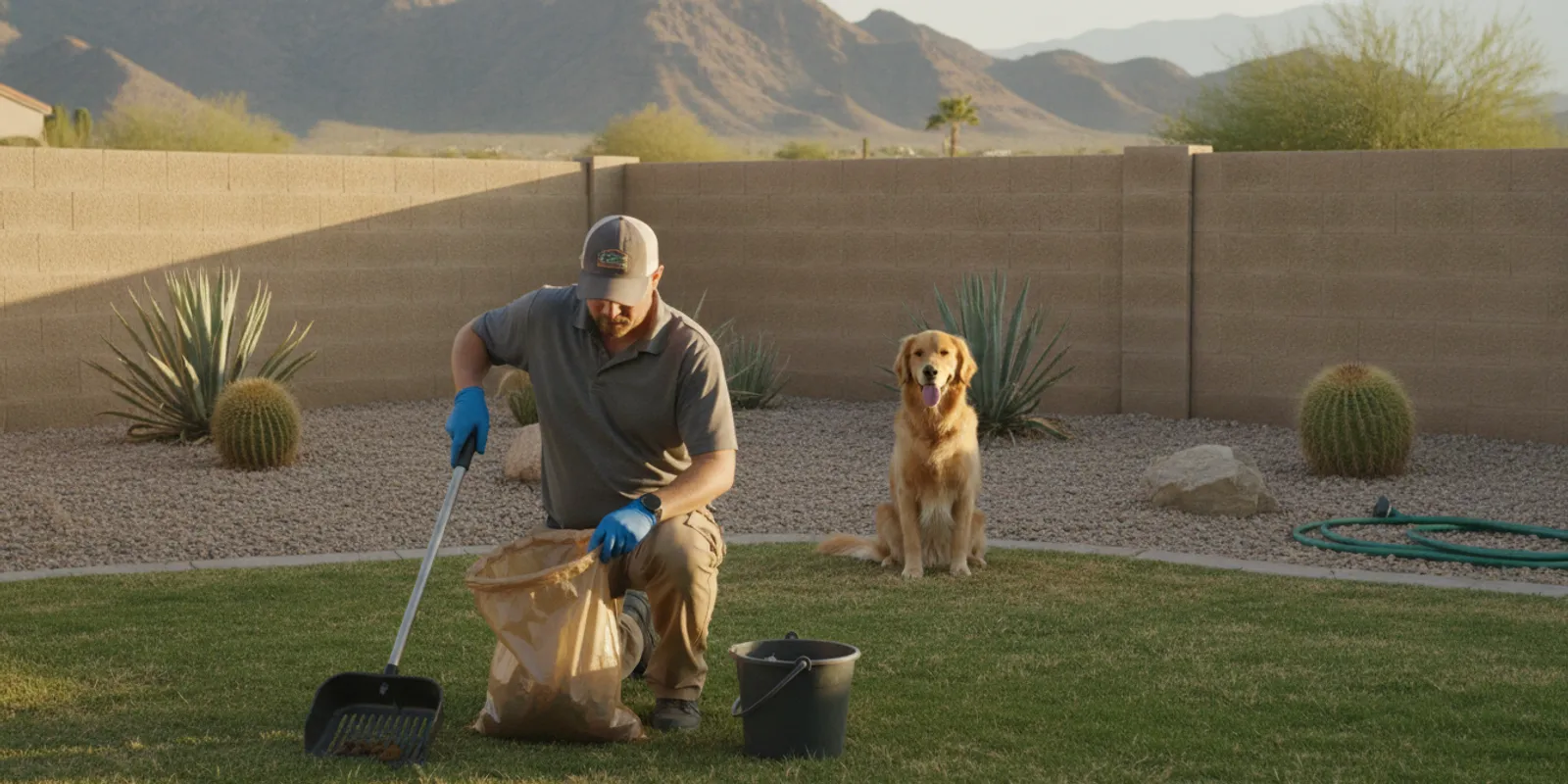
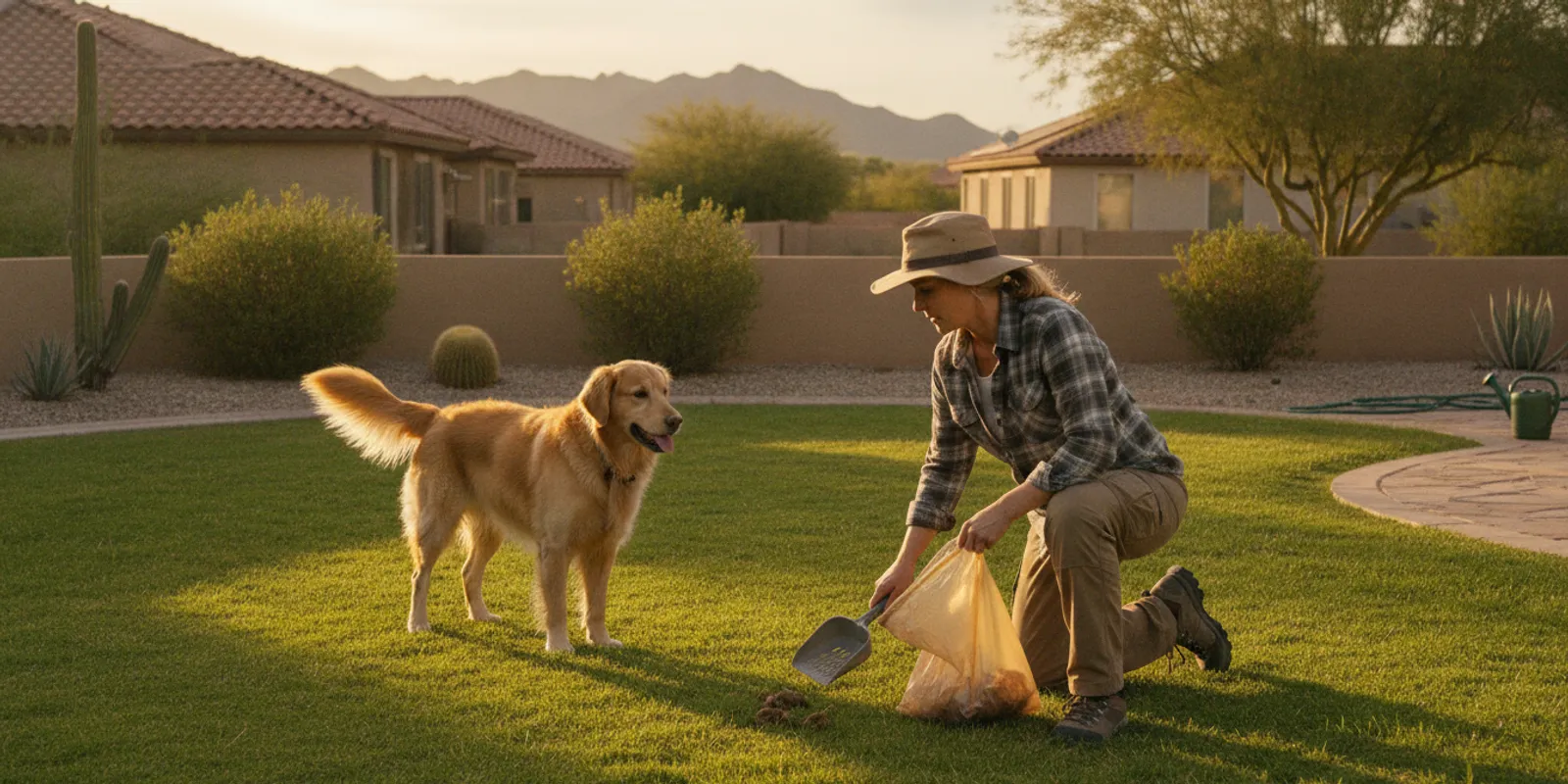
Most commercial programs rely on a small set of practical tools rather than one piece of equipment that does everything. The core kit usually includes a pickup tool, a container for collected waste, personal protective equipment, and a dependable disposal plan. Shared community spaces may also need pet waste stations, refill supplies, and a simple inspection routine.
Each item has a job. A scoop or rake lifts waste from the ground; a bucket or lined container keeps it contained during the route; gloves and hand-cleaning supplies support basic hygiene; and a station makes bags and a disposal point easier for residents to find. Choosing for the property’s actual layout is more useful than buying the largest or most complicated equipment available.
Think of the kit as a small workflow, not a shopping list. The worker needs to reach each area, pick up waste without damaging the surface, contain it while moving between areas, and empty the container at an approved location. If one part is missing—such as a suitable receptacle or a way to restock gloves—the route may stop before the grounds are fully checked.
How should you choose pickup equipment?
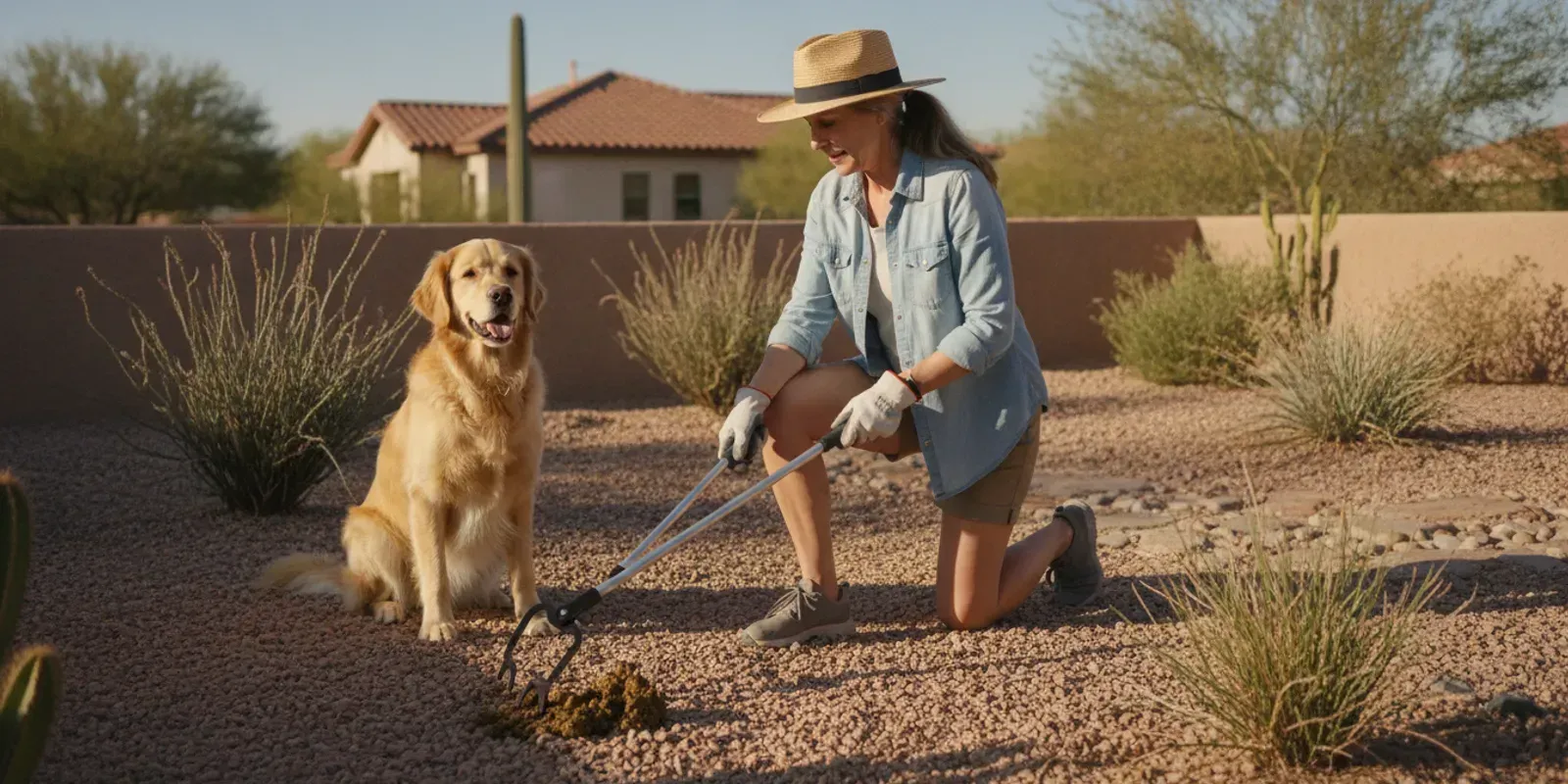
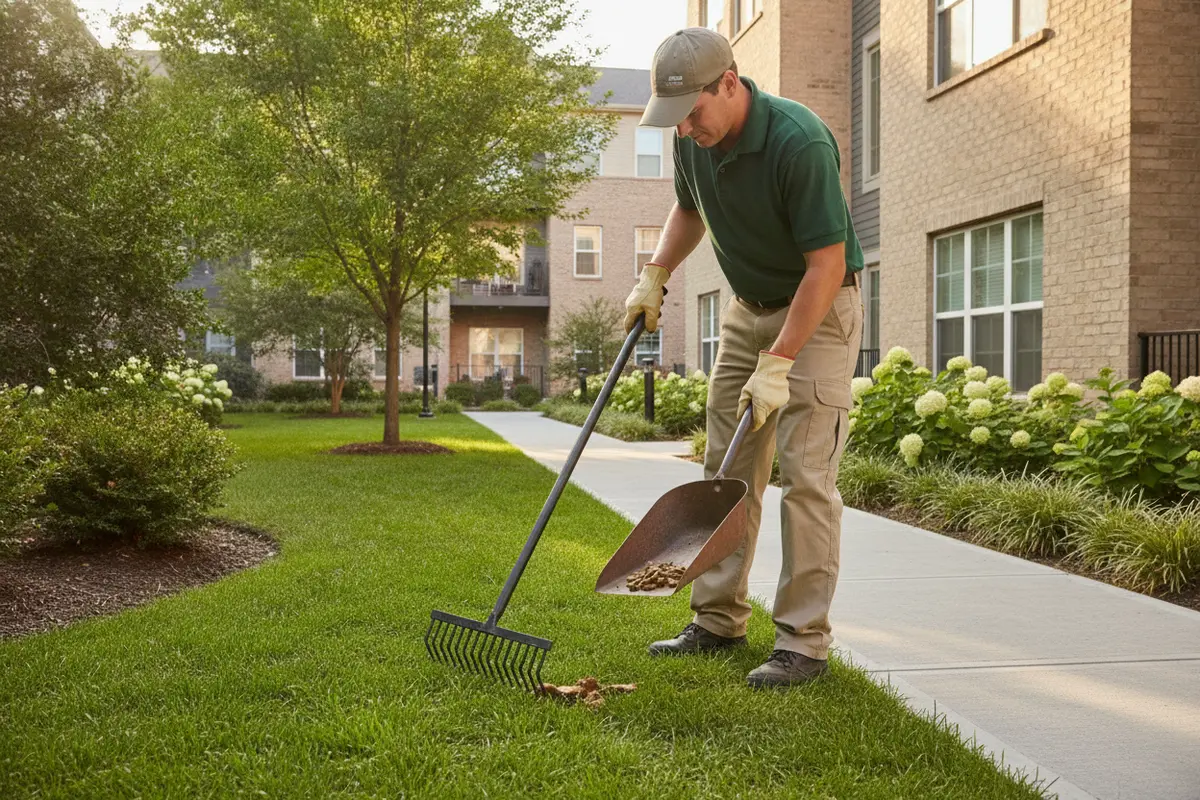
Pickup equipment should match the surface and the person using it. A long-handled scoop can reduce repeated bending on lawns and along paths. A rake-and-pan style tool can be useful where waste is spread across grass or other uneven ground. A handheld scoop may be easier to maneuver in tight spaces, around landscaping, or near obstacles, though it requires the user to work closer to the ground.
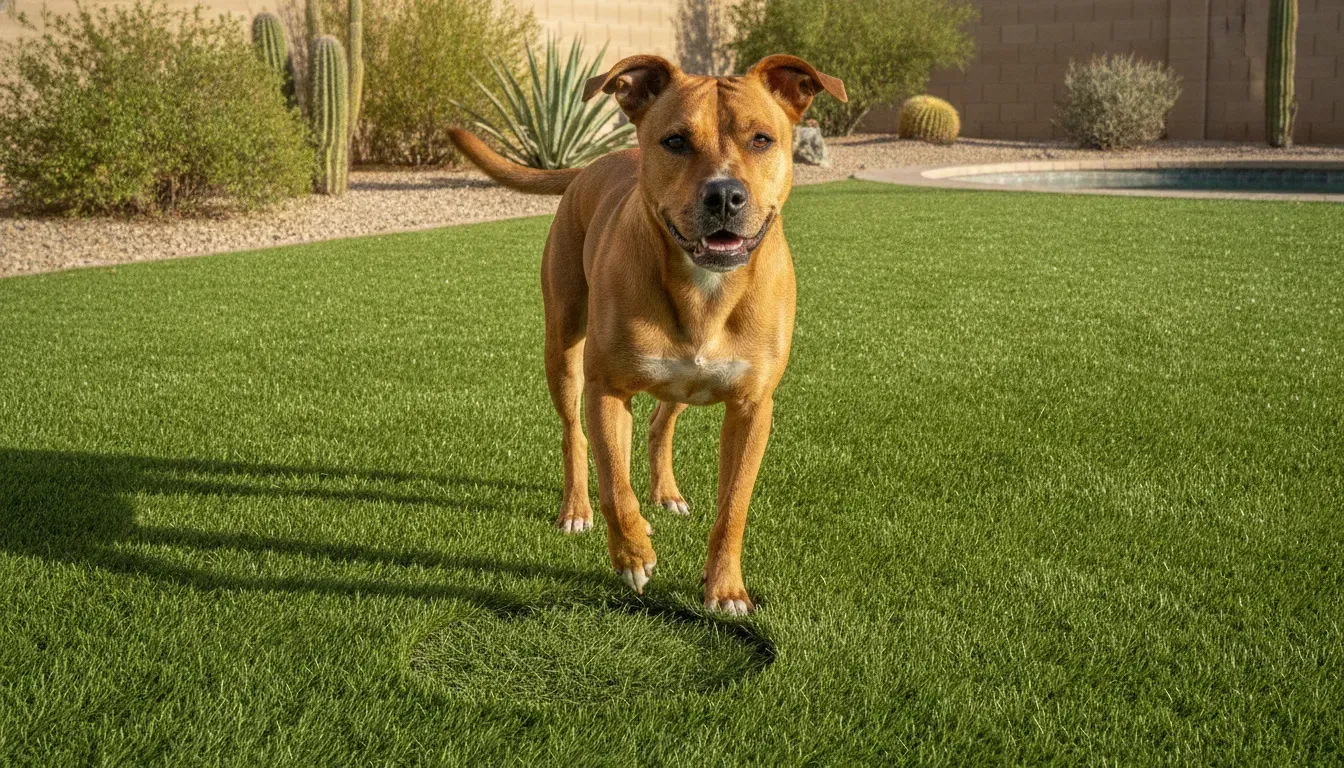
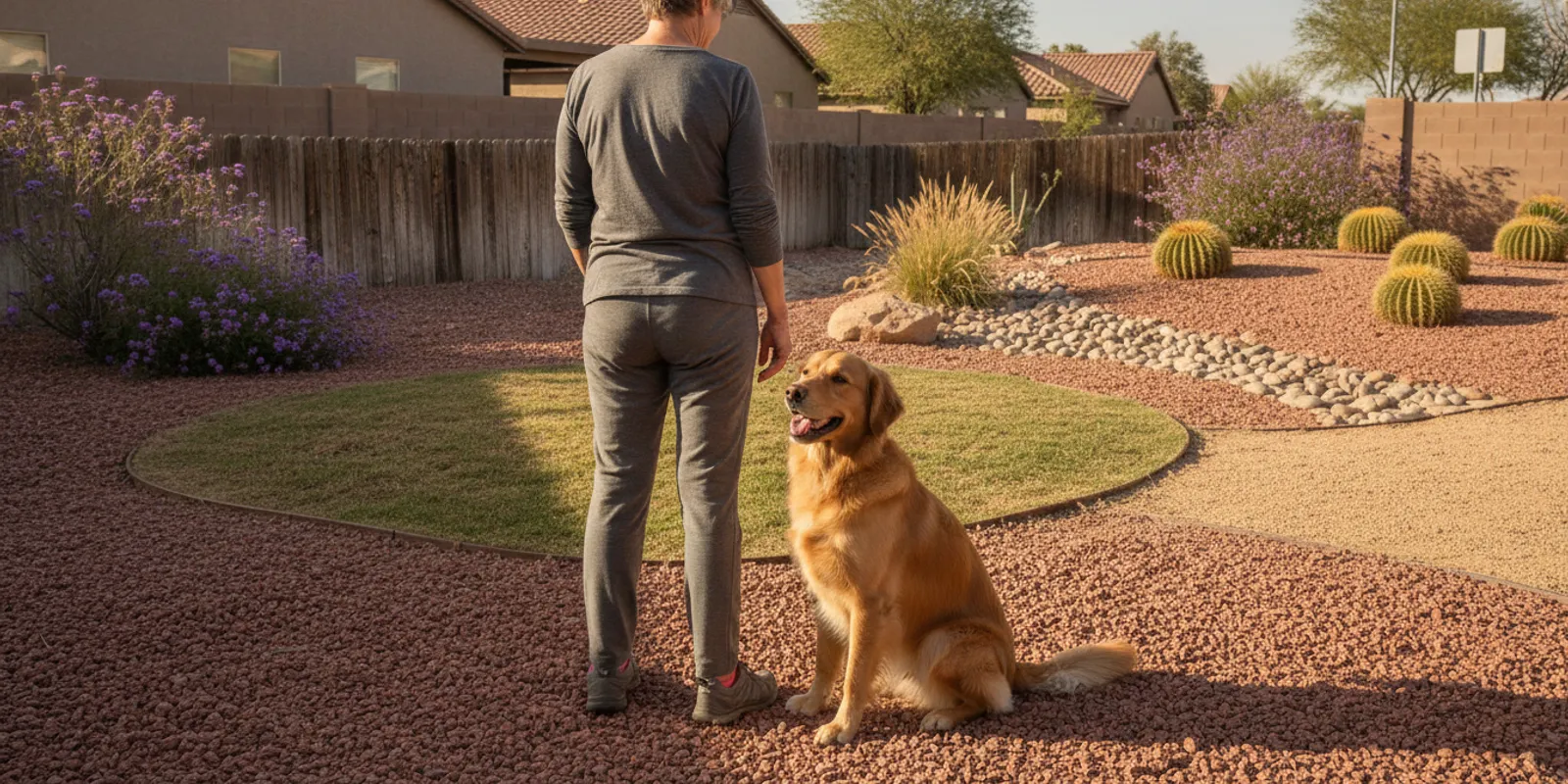
On artificial turf, gravel, or other specialty surfaces, avoid assuming that a standard lawn tool is the best fit. Some tools can snag turf fibers, push waste into seams, or disturb decorative material. Check the surface manufacturer’s care guidance and use a method that lifts waste without damaging the area. A1’s artificial grass cleaning and maintenance information explains that turf care is a separate consideration from routine pickup.
- Long-handled scoop: A practical starting point for open lawns, sidewalks, and routine route work.
- Rake and pan: Useful when the crew needs to gather waste from grass or loose material into a receptacle.
- Handheld scoop: Offers closer control around tight corners and landscaping, but may be less comfortable for extended use.
- Surface-specific tool: Consider it when a property includes artificial turf, gravel, or another material that could be disturbed by ordinary equipment.
Before selecting a tool for a route, test it on the actual surfaces. Check whether it can reach behind benches, around fence lines, and under low branches. The best choice is one that lets the worker collect waste thoroughly without damaging the property or creating unnecessary handling.
Also consider the route’s turning space and access points. A wide rake may work well in an open dog run but become awkward between planters or near a gate. If one worker must carry a tool for an extended route, check its weight, grip, and ease of cleaning. A short trial on several representative areas can reveal issues that a product description will not: whether the tool is awkward in a corner, whether it leaves residue on a rough surface, and whether it can be rinsed and stored without a complicated process.
What should hold and transport collected waste?
After pickup, waste needs to stay contained while the worker completes the route. A durable bucket, pail, or other washable container can keep collected material separate from clean equipment. A liner may make emptying and cleanup easier, but it should be compatible with the disposal plan and local requirements. Keep containers closed when practical, and clean reusable equipment after use according to its material and the product instructions.
For larger properties, think about how the worker will move the container between distant areas. A manageable load can be safer and easier to empty than an oversized container filled beyond its comfortable carrying weight. If a route includes stairs, narrow gates, or long distances, equipment should fit those conditions rather than simply maximize capacity.
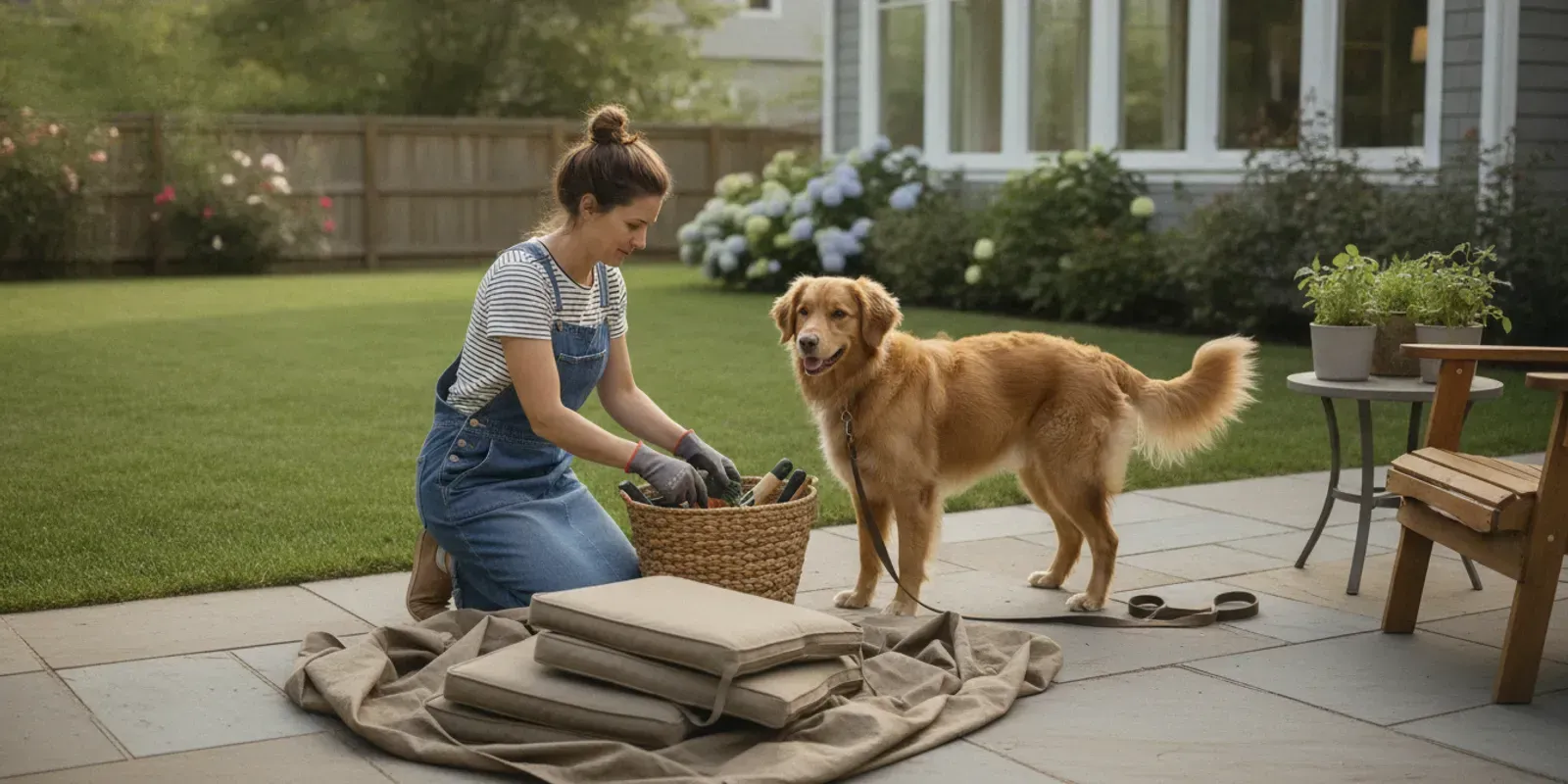
Separate the dirty-work area from clean supplies. Keep fresh bags, gloves, and hand-cleaning materials protected from used tools and waste. A basic routine—collect, contain, empty at the designated point, then clean and restock—helps prevent supplies from getting mixed and makes it easier to hand the route over to another team member.
Plan where supplies and equipment will live between visits. A labeled storage area makes it easier to see whether bags, liners, or gloves need replenishing, while a consistent place for used tools keeps them apart from clean stock. If several people share the route, write down which container and tools belong to it and where they should be returned. This small handoff detail reduces the chance that the next worker starts without a needed item.
When does a property need pet waste stations?
Pet waste stations are most useful where residents or visitors need a convenient place to get a bag and discard waste. A typical station combines a bag dispenser with a receptacle, but the right design depends on location, access, and who will maintain it. Stations do not replace scheduled property checks: bags run out, receptacles fill, and waste can still be left outside the station.
Place stations where people naturally walk dogs, such as near an entrance to a shared pet area or along a commonly used path. Avoid blocking a walkway or placing the unit where it interferes with landscaping or maintenance access. Before installing anything, confirm property approval and check applicable local rules. For planning options and service considerations, see A1’s guide to dog poop stations and its overview of combined pet waste station options.
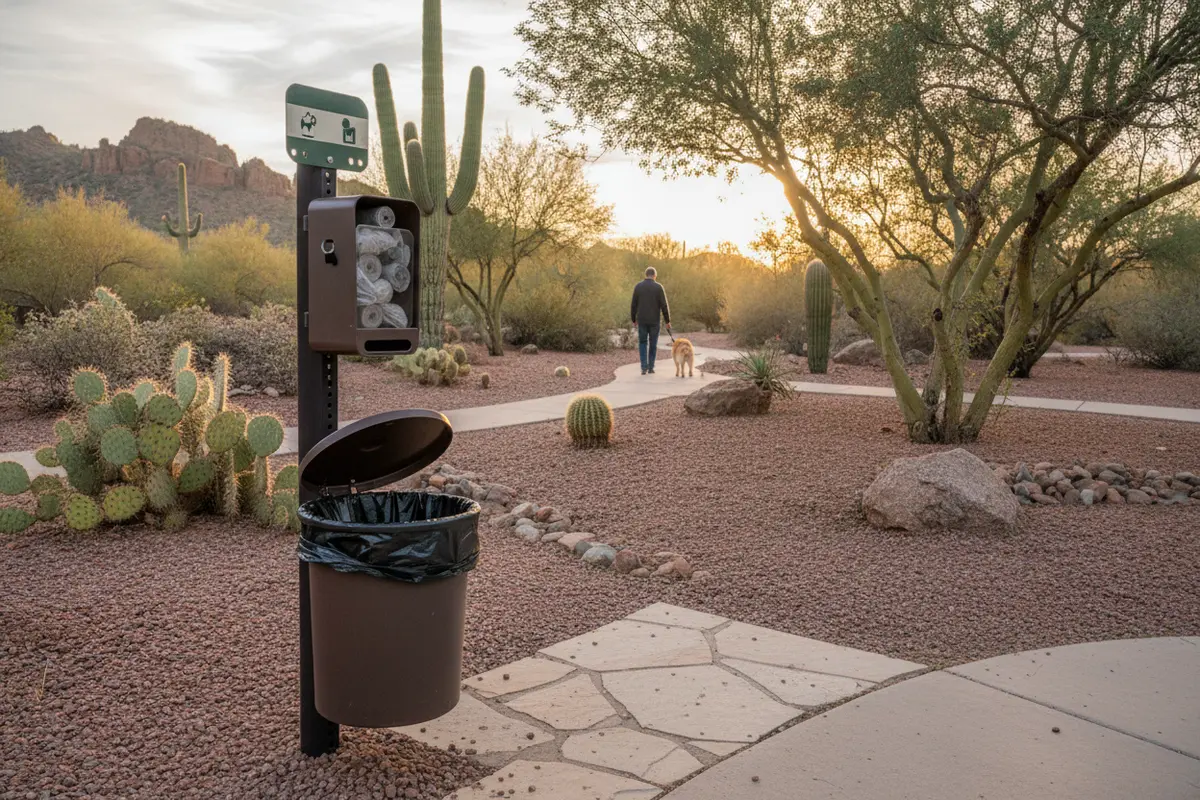
Station checks are simple but important. Note whether the dispenser has bags, the container needs emptying, the lid works, and the surrounding ground needs pickup. A consistent check interval should reflect the number of people using the area and how quickly supplies are consumed; there is no single schedule that fits every property.
Before selecting a location, walk the paths as a dog owner would. Look for natural stopping points, entrances, and turns where a station is visible and convenient without narrowing the route. Then check that the maintenance team can reach it with a refill supply and remove a full bag or receptacle without crossing a restricted area. A station that is visible but awkward to service may be less useful than one placed a little farther along an accessible route.
Start with observations rather than assuming that more stations are always better. If bags repeatedly run out at one location while another dispenser stays full, adjust placement or inspection frequency. If waste is frequently left outside a bin, check whether the receptacle is full, difficult to open, or poorly positioned. These observations help the property address a practical cause instead of adding equipment without resolving the problem.
How do the main tool options compare?
Use this comparison as a starting point, then adjust for the property’s surface, route length, and maintenance responsibilities. Equipment is only one part of the decision; storage, disposal, cleaning, and restocking also affect whether a setup works day to day.
| Tool or setup | Best fit | What to check | Routine task |
|---|---|---|---|
| Long-handled scoop | Open lawns and routine collection routes | Reach, grip, durability, ease of cleaning | Inspect for damage and clean after use |
| Rake and pan | Grass or loose surfaces where material must be gathered | Whether the rake disturbs the surface | Remove residue and store dry as appropriate |
| Handheld scoop | Tight spaces and detailed spot checks | Comfort and safe handling distance | Wash or sanitize according to product directions |
| Bucket or lined container | Holding waste during a cleanup route | Capacity, closure, safe carrying, disposal compatibility | Empty at the designated location and clean |
| Bag dispenser and receptacle | Shared dog-walking paths and pet areas | Placement, access, bag supply, receptacle capacity | Restock bags, empty bin, inspect surroundings |
| Gloves and hand-cleaning supplies | Every cleanup route | Fit, availability, and correct use directions | Replace used supplies and clean hands after handling waste |
Use the table to identify trade-offs, not to buy every item. For example, a small site with mostly open grass may need one primary scoop, a contained transport bucket, and a few stations. A property with several surfaces and narrow landscaped paths may benefit from a second tool for detail work. In either case, choose items that the assigned workers can clean and store reliably.
What safety and disposal steps belong in the plan?
Keep the cleanup routine straightforward. Workers should use gloves appropriate for the task, avoid touching their face while handling waste, and wash their hands after finishing or changing gloves. Keep food, drinks, and clean supplies away from used tools. Follow the label and manufacturer directions for any cleaning product, and do not mix products unless their instructions specifically allow it.
Decide where collected waste will go before the route begins. Confirm which receptacles are approved for this use, who is responsible for emptying them, and whether any property or municipal rules apply. Do not assume that waste belongs in a recycling container or an unapproved storm drain. EPA’s national overview of materials, waste, and recycling provides general context on municipal solid waste; it does not replace local disposal instructions for a particular property.
For a community that needs a broader system—not just a worker’s hand tools—review the responsibilities for station placement, refills, bin service, and cleanup. A1’s information on commercial property pet waste cleanup and multifamily pet waste management can help property teams consider service planning alongside equipment.
A written route checklist can make safety and disposal practices easier to repeat. Keep it short enough to use: confirm the needed supplies are on hand, inspect tools before use, follow the planned collection path, empty waste only at the approved point, then clean and return equipment. Add a note field for a full station, damaged dispenser, blocked access, or surface concern. The record is not a substitute for doing the work, but it helps the next person see what needs attention.
How can a property team build a workable toolkit?
Use this short planning sequence before purchasing equipment or changing a cleanup routine:
- Map the dog-use areas. Mark lawns, paths, pet relief areas, fence edges, and any artificial turf or gravel. Note gates, stairs, and places that are difficult to reach.
- Estimate the work pattern. Identify who does routine pickup, how often the route is checked, and where seasonal or event-related increases may occur. Do not base the plan only on the property’s total acreage; the locations people use matter.
- Match the tool to each surface. Choose a primary scoop or rake for the common area and a detail tool for tight spots. Trial the tools before standardizing them across the site.
- Choose a containment and disposal method. Confirm suitable containers, approved disposal points, and who empties them. Keep the route’s capacity and carrying distance in mind.
- Decide whether stations will help. Place them where dog walkers can use them, then assign someone to check bags, bins, and the surrounding area.
- Set a restock and inspection routine. Keep a simple checklist for tool condition, bags, gloves, hand-cleaning supplies, and receptacle status.
- Review after use. Ask workers and residents where waste is being missed, where supplies run out, and whether any equipment is difficult to clean or store.
A small property may need a straightforward pickup kit and one or two accessible stations. A larger community may need several stations, a defined route, and clear ownership of bin service and supply checks. Avoid buying duplicate equipment until the team has identified a real gap, such as an inaccessible corner or a station that regularly runs out of bags.
For a practical first review, walk the route with the person who will maintain it and test the proposed kit. Have them collect from a lawn, a path edge, and the most confined area. Then ask four questions: Can the tool reach the waste? Can it collect without disturbing the surface? Can the waste be carried to the approved disposal point? Can the equipment be cleaned and stored in the available space? Record the answers and adjust before ordering several copies.
Consider a simple example: a community has a lawn relief area beside a paved loop, plus a gated turf section. A long-handled scoop may cover the lawn and path, while a carefully selected tool is tested on the turf according to its care guidance. A lined container carries collected waste to the designated disposal point. Stations at the main entrances supply residents, while the route checklist tracks bag levels and the condition of each bin. This arrangement assigns a purpose to each tool and makes missed maintenance easier to identify.
Should the property buy tools or arrange a service?
Buying tools can make sense when a property has staff available to perform regular checks, store equipment, restock supplies, and manage disposal. A service arrangement may be worth considering when the team lacks time, needs a consistent recurring route, or wants help keeping shared areas maintained. Some properties use both: residents have stations for everyday use, while scheduled cleanup addresses missed waste and keeps the grounds in order.
Before deciding, compare the actual responsibilities—not just the tool list. Who purchases bags? Who empties station bins? Who cleans and replaces equipment? Who covers missed checks or a buildup after an event? A written list of tasks makes it easier to compare in-house work with a recurring or one-time option. For a single accumulated mess, A1’s one-time cleanup information may be a useful point of reference; for recurring service, review the service sign-up information.
For an apples-to-apples comparison, include the time spent on walking the route, refilling bags, moving collected waste, cleaning equipment, and following up on missed areas. A purchase price alone does not show the ongoing effort. Conversely, a service option does not remove the need to decide how resident-facing stations will be monitored or who reports a damaged unit. Listing these tasks helps a manager see which work the team can handle and where outside help might fit.
Contact A1 about your property’s cleanup needs
Frequently Asked Questions
What is the most important commercial dog waste removal tool?
There is no one tool that suits every property. A scoop or pickup tool matched to the surfaces is the basic starting point, but a container, protective supplies, and a reliable disposal plan are also needed to complete the task.
Do pet waste stations remove the need for regular cleanup?
No. Stations give dog walkers a place to get bags and dispose of waste, but they need to be checked and maintained. A route or property inspection is still needed to find waste left elsewhere and to refill or empty stations.
Can the same scoop be used on artificial turf and grass?
It depends on the tool and the turf surface. Test the method and follow the surface care guidance so the tool does not snag fibers, push waste into seams, or disturb the material.
How often should a commercial waste station be checked?
Set the interval based on actual use, bag consumption, and how quickly the receptacle fills. Track those conditions at first, then adjust the schedule if supplies run out or bins fill between checks.
What should a property team confirm before disposing of collected waste?
Confirm the property’s approved disposal location and any applicable local requirements. Assign responsibility for emptying the container and do not place waste in recycling or other receptacles unless their use is specifically permitted.
The most useful commercial dog waste removal tools are the ones that fit the property’s surfaces, can be cleaned and stored safely, and support a clear routine for collection, disposal, and station upkeep.