Pet Waste Removal for Business Parks Tucson
Plan pet waste removal for business parks Tucson: map weekday paths, set a visit rhythm, and request a custom proposal from A1.

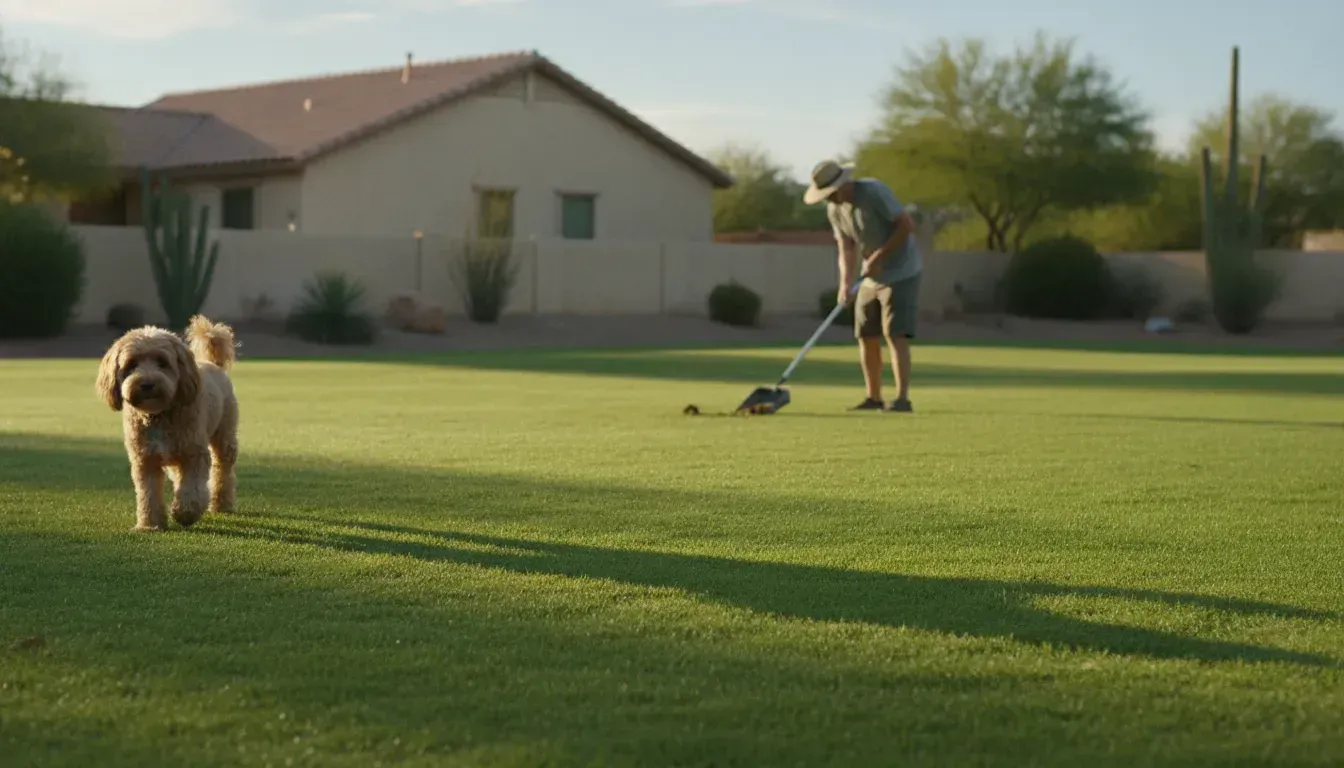
Pet waste removal for business parks Tucson is a weekday grounds plan, not a resident cleanup route. A facilities or property manager maps the paths between parking and entries, the lawns tenants actually use, and the spots landscaping misses. Then the team chooses a recurring visit, a one-time reset, or both. A1 Pet Maintenance serves Tucson and builds commercial work as a custom proposal. There is no published business-park rate.
Call A1 Pet Maintenance at (702) 521-2624
This guide is for office campuses and multi-building business parks. It is not an apartment or HOA plan. Those communities already have a Tucson commercial pet waste guide for shared residential grounds. A retail center, an RV park, and a Las Vegas office park are different jobs too.
What Should Pet Waste Removal for Business Parks Tucson Include?
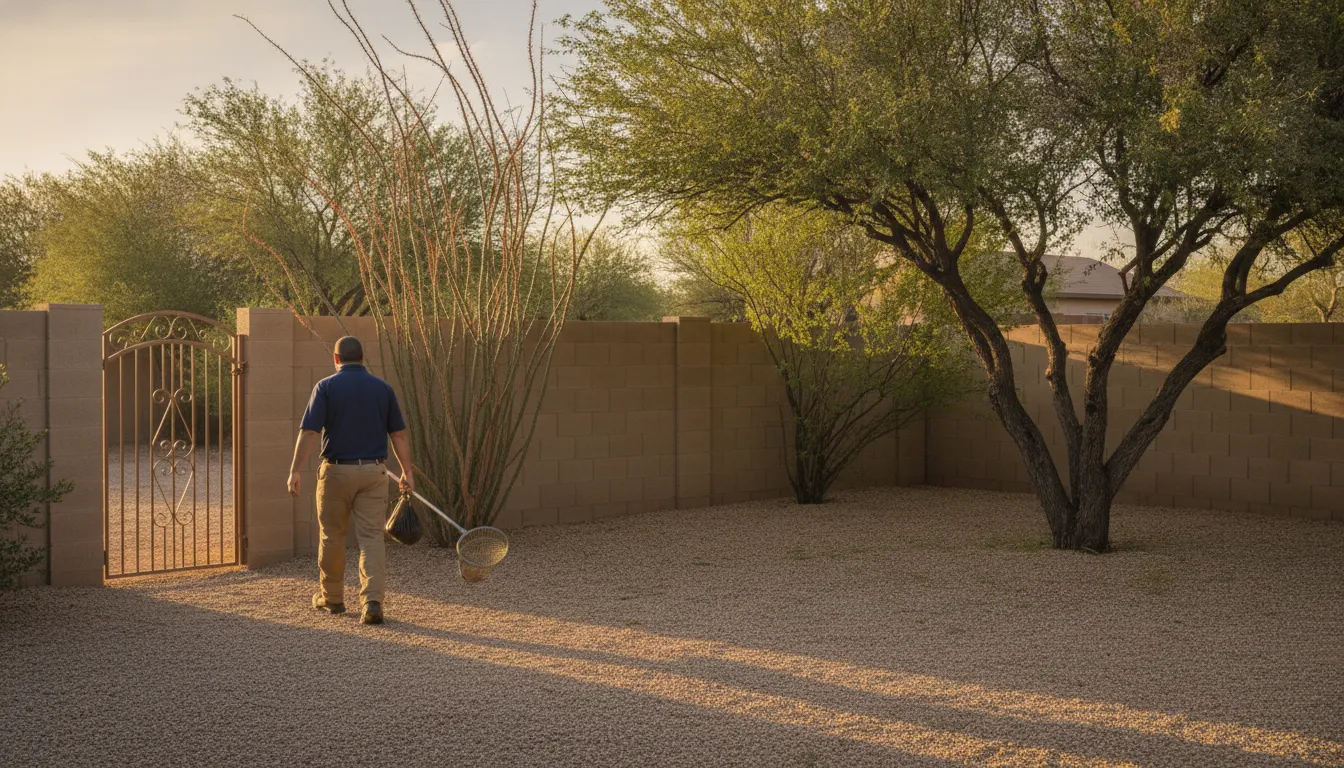
Start with a walk during a normal workday, not on a weekend. Note where people leave cars, which doors they use, and where dogs stop on the way in. A business park often has several buildings, a shared drive, and landscaped edges that a single lawn checklist will miss.
Write the map in plain zone names. Use building letters, parking lot names, or path labels the crew already knows. A vendor or a porter should be able to follow it without guessing which courtyard you meant.
Bring a phone photo of each problem spot, but do not turn the album into the scope. Label each photo with the zone name and the time of day. A picture of one pile near the lobby does not tell a crew to skip the back fence. The written list is the scope. The photos only show what a shaded corner looks like.
Count doors, not just acres. A compact two-building park can have more dog stops than a large lawn that nobody crosses. If people cut across gravel to reach a side door, that shortcut belongs on the map even when it is not a designed path. Desert landscaping hides waste in rock mulch, so look down, not only across the turf.
- Walking paths from parking to main entries and side doors.
- Designated relief lawns, gravel strips, and shaded break areas where dogs are allowed.
- Edges behind shrubs, along fences, and at building corners that stay out of sight from the lobby.
- Bag dispensers and trash points, if the park already has them.
- Courtyards or event lawns that only get dog traffic on tenant gatherings.
Separate the first backlog from the ongoing route. A park that has gone weeks without a check often needs a reset before a weekly rhythm will look clean. A1 lists one-time pet waste cleanup as its own service, with published residential-style rates of $50 to $150 based on yard size and buildup. A multi-building campus is larger than that yard example, so ask for a proposal instead of treating those figures as a campus price.
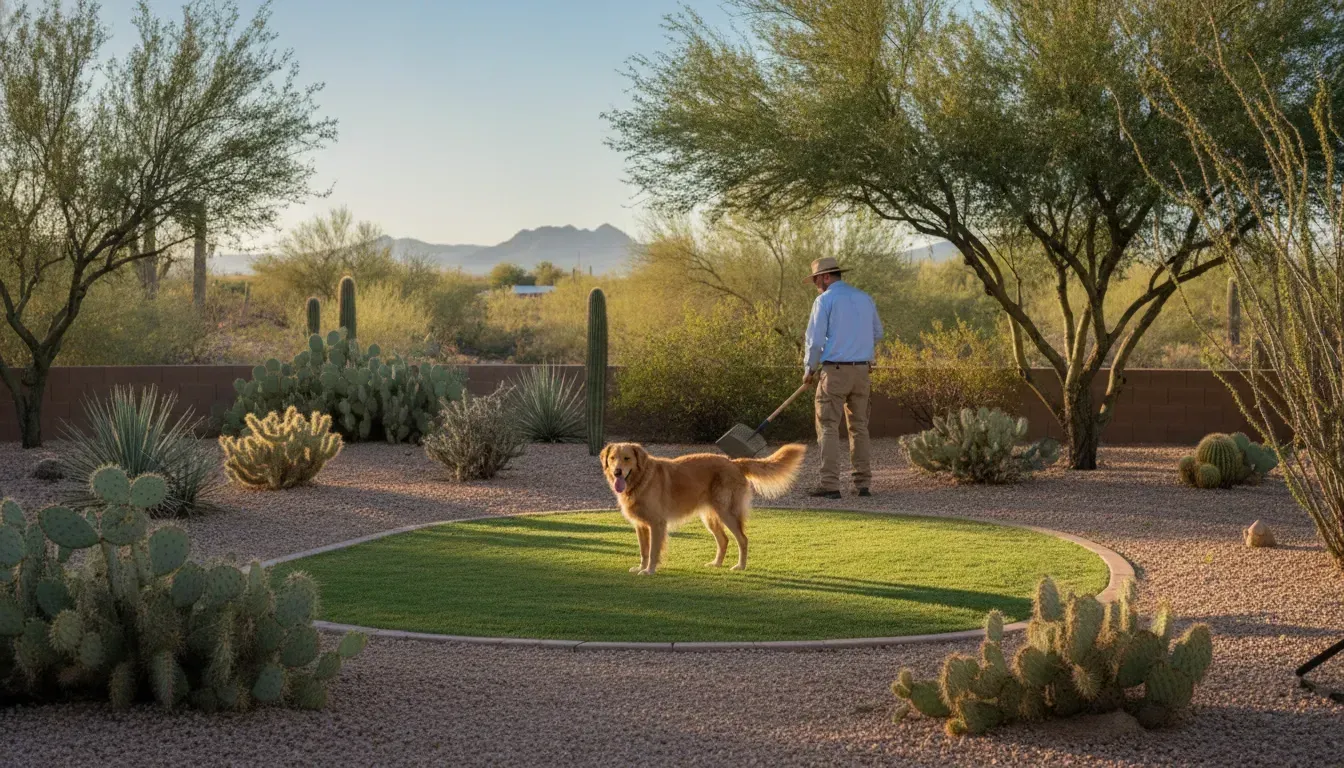
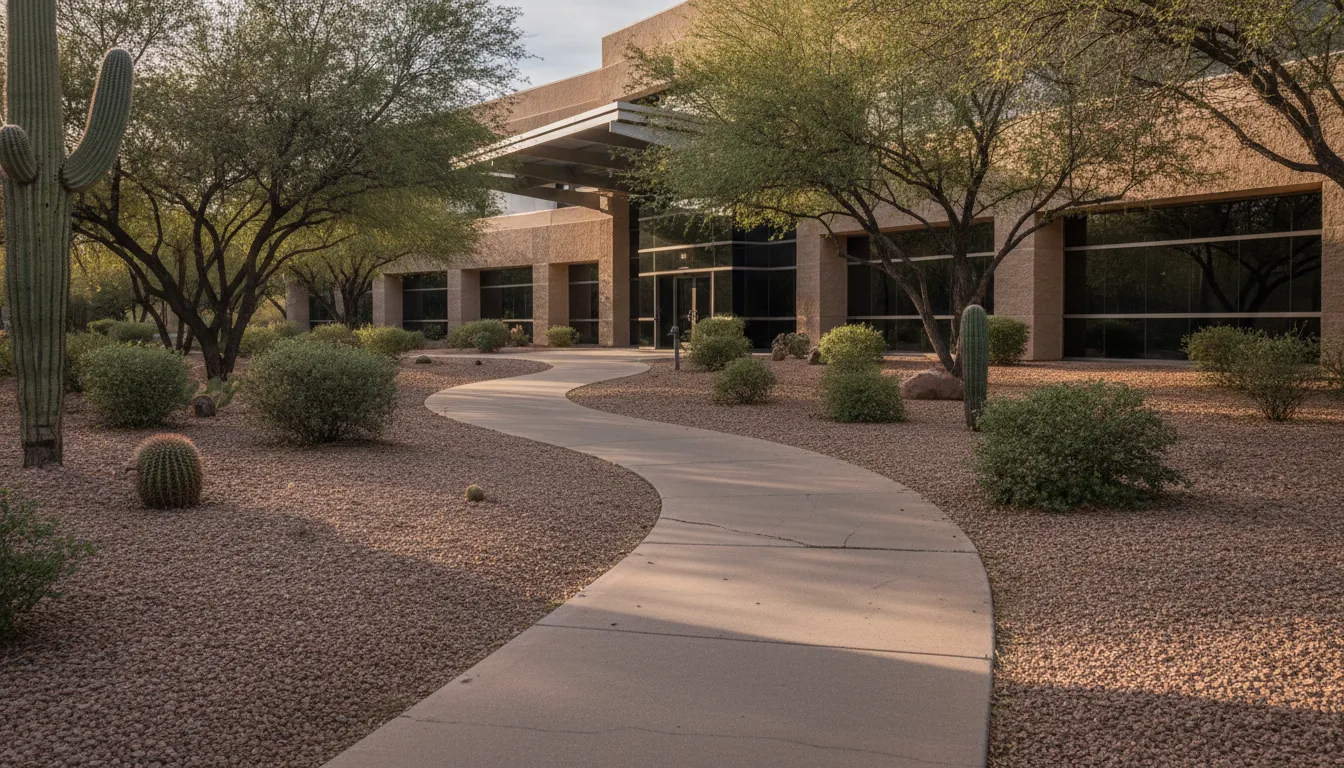 Map the paths people and dogs actually use between parking and entries.
How Does a Business Park Differ From an Apartment Route?
Apartment and HOA service follows residents who live on site and use the same lawns every evening. A business park follows tenants, visitors, and the occasional dog that comes to work. Traffic peaks on weekdays. Nights and weekends are often quiet. That changes both the route and the complaint pattern.
Missed waste at an office campus shows up as a lobby complaint or a leasing tour problem, not as a resident ticket after dinner. The fix is still pickup and disposal. The schedule should match office hours and landscaping days, not a neighborhood trash night.
Access is different too. An apartment porter may already walk the courtyard every shift. A business-park crew often arrives from off site, needs a gate code, and must finish before the main parking rows fill. Say whether the vendor may drive a service cart on the loop, or must walk from a visitor stall. That one detail changes how much ground a visit can cover.
Tenant mix matters more than a unit count. A design firm that allows dogs and a call center that does not create different patterns. Ask which suites allow dogs on site and which only allow them in a car. You are not writing a housing pet policy. You are learning where weekday relief actually happens.
| Decision | Business park or office campus | Apartment or HOA grounds |
|---|---|---|
| Who uses the lawns | Employees, visitors, and tenant dogs on workdays. | Residents and their pets every day. |
| Best time to inspect | Late morning or after the main arrival window. | After evening walks and weekend use. |
| Typical hot spots | Parking-to-entry paths, courtyards, and fence lines. | Dog walks, stations, and shared turf. |
| How you buy service | Custom proposal for the campus map. | Community plan sized to units and pet density. |
If your property is a shop-lined center rather than an office campus, use the Tucson retail-center pet waste plan instead. Retail doors, cart corrals, and evening shopper traffic are not the same map as a business park.
How Often Should a Tucson Office Campus Schedule Pickup?
Match the visit to how often dogs actually use the grounds. A small park with one relief lawn and light pet traffic may stay presentable on a weekly check. A campus with several pet-friendly tenants may need a tighter rhythm on the busiest paths only. Do not invent a twice-a-day route unless the walk shows that much use.
A practical sequence looks like this:
- Walk the campus once on a busy weekday and mark every spot with waste or a clear dog path.
- Split the first cleanup from the repeating route if the backlog is heavy.
- Pick a weekly or custom visit that lands before leasing tours or landscaping, not after complaints.
- Recheck the map after 30 days and drop zones that stay clean.
- Add a same-week extra check only when a tenant event puts dogs on a lawn the normal route skips.
A1's residential service is offered weekly or twice a week. Commercial schedules are set in the proposal. Say what the campus needs. Do not copy a home yard calendar onto a five-building park. Heat in Tucson dries waste, but it does not remove it. The City of Tucson stormwater flyer tells residents that pet waste does not just go away and does not turn into fertilizer.
Monsoon weeks are the exception to a flat calendar. A hard rain can wash waste toward drains and washes, and it can expose piles that gravel had hidden. Plan a check after a major storm even if the standing visit is weekly. That extra pass is a weather response, not a promise of summer-only or winter-only service.
Keep landscaping and pickup from stepping on each other. If blowers run on Tuesday morning, a waste visit on Monday afternoon leaves less debris for the crew to spread. If the landscape crew comes only twice a month, do not assume they are also your waste plan. Bagged waste should leave the grounds. It should not sit in a landscape trailer.
Where Should Stations and Disposal Sit on Shared Grounds?
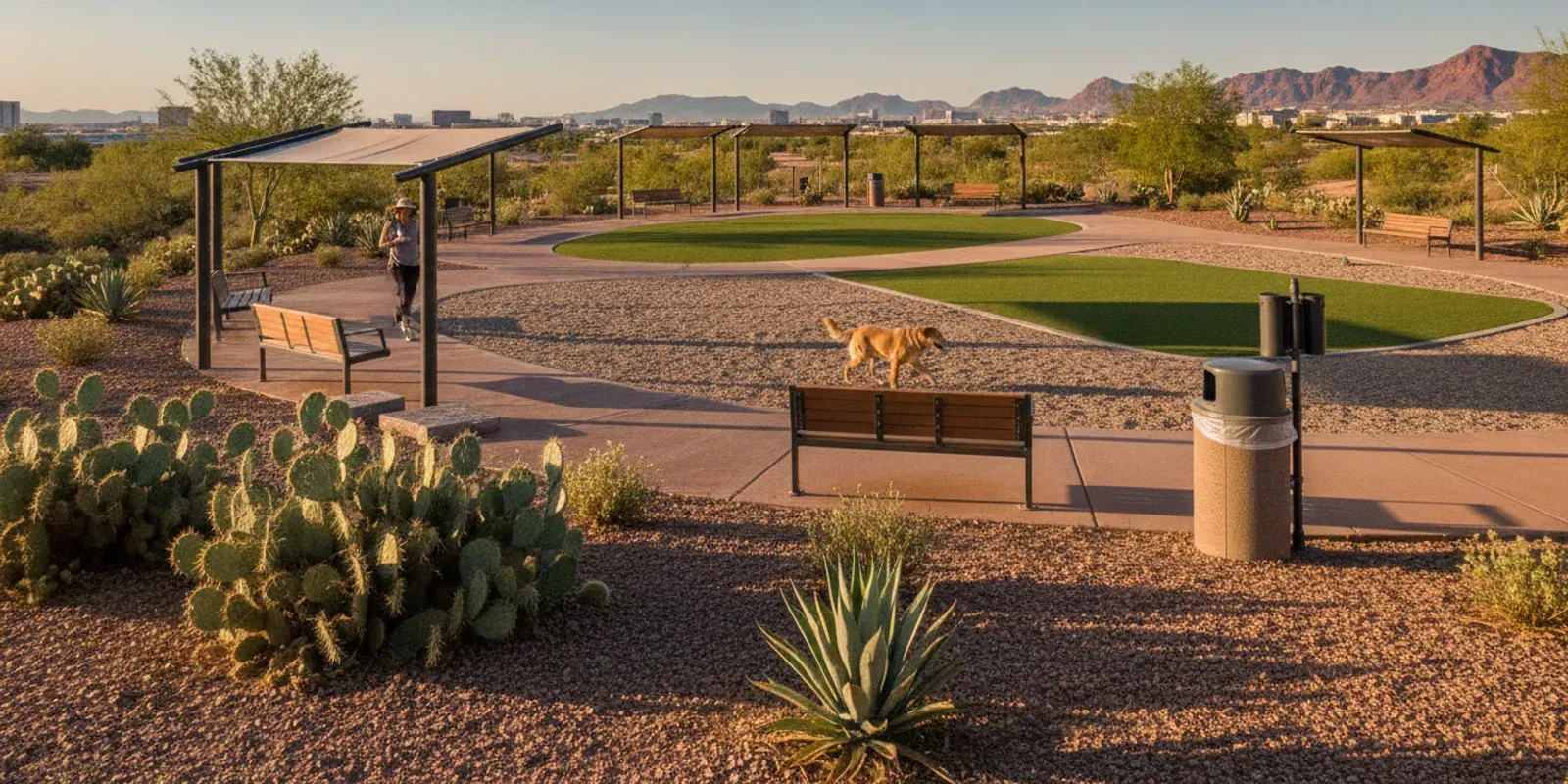
A station only works if it sits on the path dogs already use. Place bag dispensers where handlers pause, near the relief lawn or the turn from the sidewalk to the door. A dispenser hidden behind a monument sign will stay full while waste collects fifty feet away.
Disposal should end in the trash, not in a wash or a gravel desert bed. Tucson's stormwater guidance says animal waste carries bacteria that can reach desert washes, and it tells people to bag waste and put it in the garbage. That is the rule to hand tenants, and it is the standard a vendor should follow on your grounds.
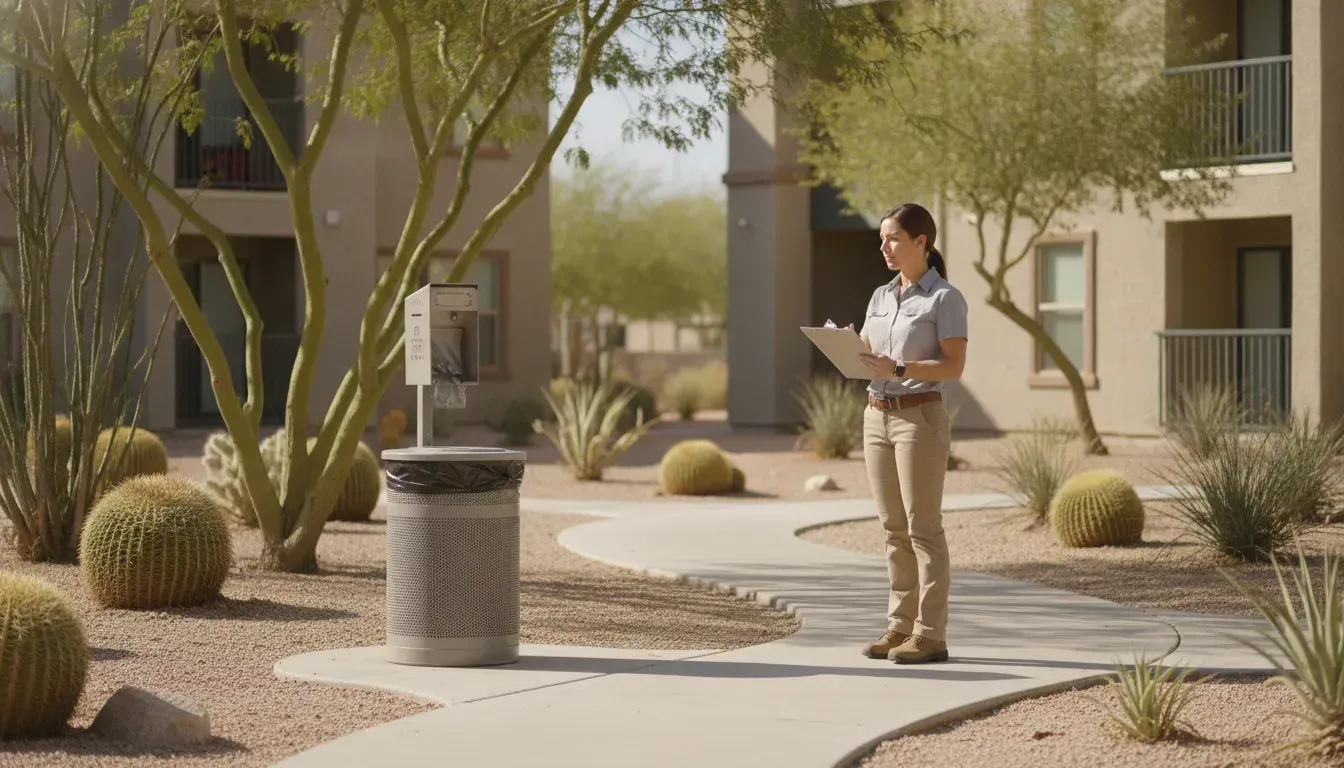
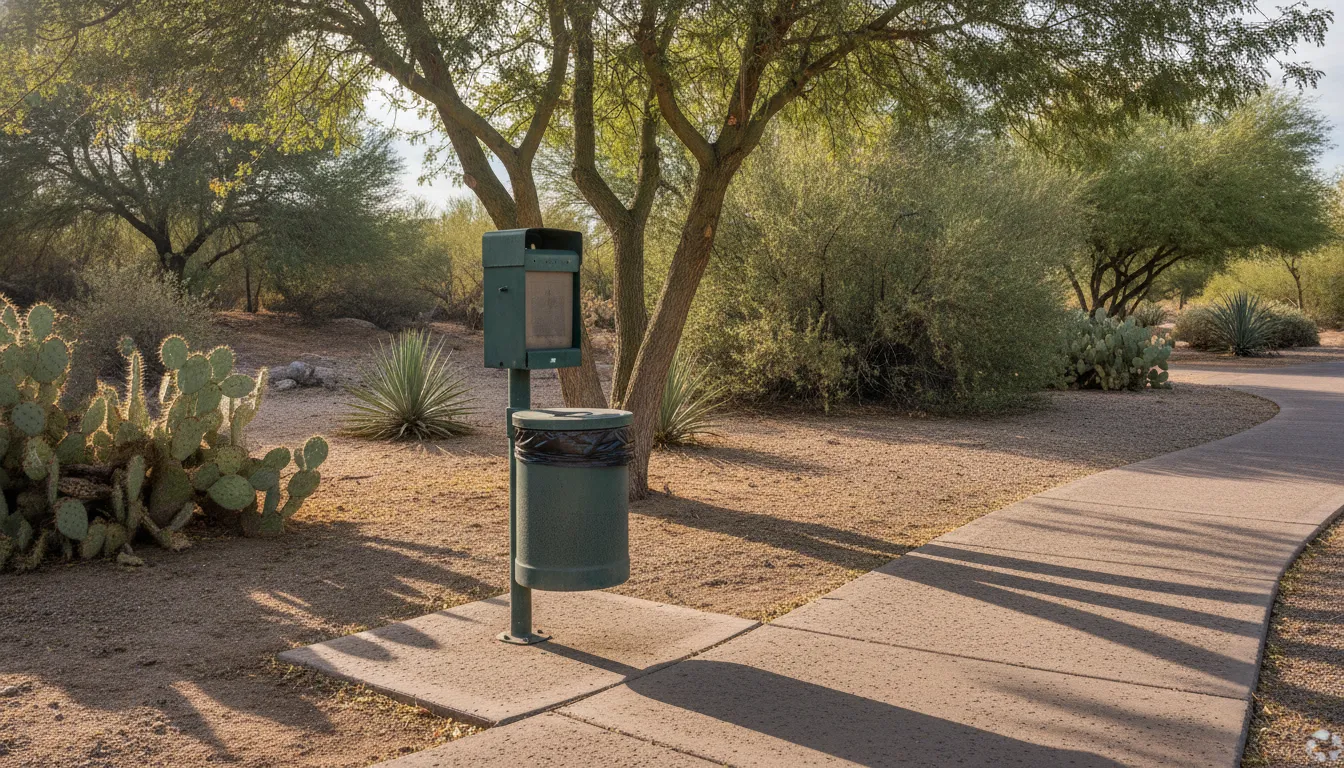 Put the station on the path, then empty it on the same route as the pickup.
Ask the service to report a station that is empty, jammed, or overflowing. Refilling bags is part of keeping the grounds usable. It is not a separate product pitch. If you want a public-park model for comparison, read commercial dog waste removal for parks, then keep your own scope on private office grounds.
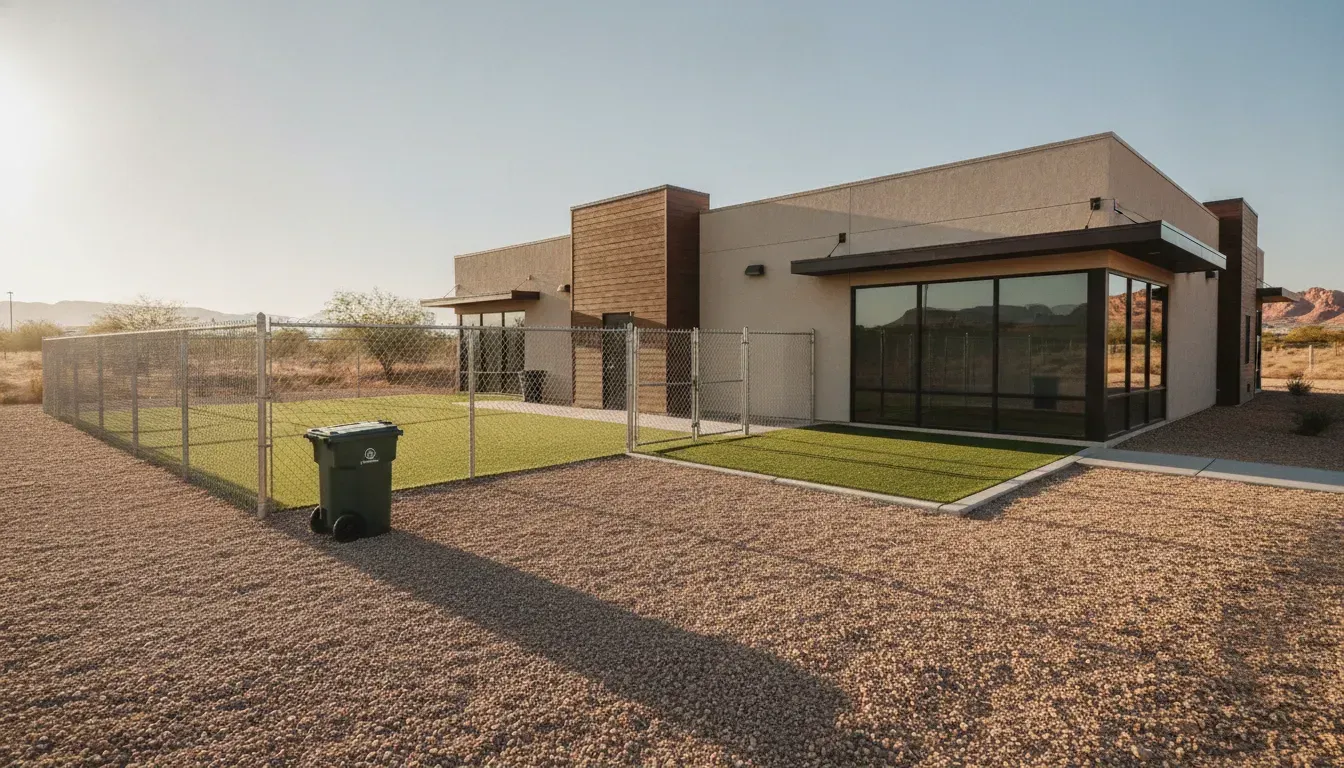
Trash capacity is part of the same decision. A small pedestal can that fills by Wednesday will overflow onto the gravel by Friday. Tell the crew which dumpster or building trash room is the end point, and who unlocks it. A1 bags waste and removes it for city sanitation collection. Your park still has to name the container they may use.
Shade changes behavior in Tucson. Dogs and handlers linger where trees or a building overhang cut the sun. Those pause points collect more waste than the open lawn on the site plan. Put at least one station in the shade people already choose, and check it on the same route as the pickup.
What Should Facilities Managers Tell Tenants?
Write a short pet rule before you hire anyone. Name the lawns and paths where dogs are allowed. Name the beds, playground edges, and food-court patios where they are not. Tell handlers to bag waste immediately and use the station or a building trash can.
Keep the rule in the tenant handbook and on a sign at the relief area. A service crew cannot enforce a policy that was never written. The crew can remove what is on the ground and tell you which zones keep failing.
Give the rule to leasing and to the front desk, not only to facilities. Visitors ask the first person they see. If that person says dogs may go anywhere outside, the map you wrote will not hold. A two-sentence script is enough. Dogs stay on the named lawn and path, and handlers bag waste before they enter the building.
Review the rule when a new tenant moves in with a different pet policy. A campus can allow dogs in one building and ban them in the next. The service map should follow the buildings that opt in. Do not expand pickup onto a no-dog lawn just because it is nearby, and do not ignore a new patio that tenants start using at lunch.
City of Tucson Code Chapter 4, Section 4-28 is the local prompt-removal rule the city cites in its pet-waste flyer. You do not need to recite the code in a tenant email. You do need a routine that keeps shared paths clear. For a broader local service overview, see the Tucson pet waste planning guide.
Health context matters on lawns where people sit. The CDC's toxocariasis overview explains that the infection spreads when people contact feces from dogs or cats that carry roundworm, often through contaminated dirt. Most infected people never feel sick. The practical point for a campus is still simple: do not leave waste where employees eat lunch or walk to the door.
What Should You Ask Before Requesting a Tucson Proposal?
Commercial pet waste service from A1 is quoted per property. Do not turn a home monthly chart or the $50 to $150 one-time range into a business-park bid. Bring facts that change the route.
- A simple site map with building names, gates, and the zones in scope.
- Gate codes, parking rules, and the hours a crew may be on site.
- How many tenants allow dogs, and whether visitors bring dogs too.
- Whether you need a one-time reset, a repeating visit, or both.
- Who on your team should get a missed-zone note.
A1 has provided pet waste maintenance since 1998 and serves Tucson as well as Southern Nevada. Waste is bagged and hauled for city sanitation collection. The company does not publish a business-park price, a customer portal, or an automatic photo report. Ask for the proposal by phone.
Broader property-manager service planning covers vendor questions that also fit an office campus. Keep the scope on your map. A public dog park, a construction site, and a mobile-home community each need their own plan.
Insurance and access notes belong in the same email as the map. Tell the vendor about locked gates, guard shacks, and any rule that a crew must check in at a lobby. You do not need to invent a license number or a report format. You need the visit to happen without a truck sitting at a closed arm gate.
After the first month, judge the work by the zones, not by a vague sense that the park looks better. Walk the same path list. If one fence line is still dirty, add it or move the visit time. If a courtyard stays clean, you can leave it on a lighter check. That review is how a custom proposal stays tied to the grounds you actually have.
Request a Tucson business-park proposal at (702) 521-2624
Frequently Asked Questions
Does A1 publish a price for pet waste removal at a Tucson business park?
No. Business-park and other commercial work is a custom proposal based on the map, access, and visit rhythm. The $50 to $150 range on the one-time cleanup page is not a campus rate. Home monthly prices are not commercial prices either.
Is pet waste removal for business parks Tucson the same as apartment service?
No. Apartment and HOA service follows residents on shared housing grounds. A business park follows weekday paths between parking and offices. Use the Tucson commercial guide for apartments and HOAs, and use this plan for an office campus.
How should a Tucson office campus dispose of dog waste?
Bag it and put it in the trash. The City of Tucson says not to leave pet waste in yards or to dump it in washes or the desert, because the waste can carry bacteria into stormwater. A station on the walking path makes that step easier for tenants.
Can a business park book a one-time cleanup before weekly service?
Yes. Ask for a reset when the grounds already have a backlog, then start the repeating visit once the map is clean. Tell the scheduler which zones are in the first visit and which ones stay on the route.
Does a business park need a customer portal to get service notes?
No. A1 does not offer a customer portal or an automatic photo report. Share gate notes and schedule changes by phone at (702) 521-2624, and name the person who should hear about a missed zone.