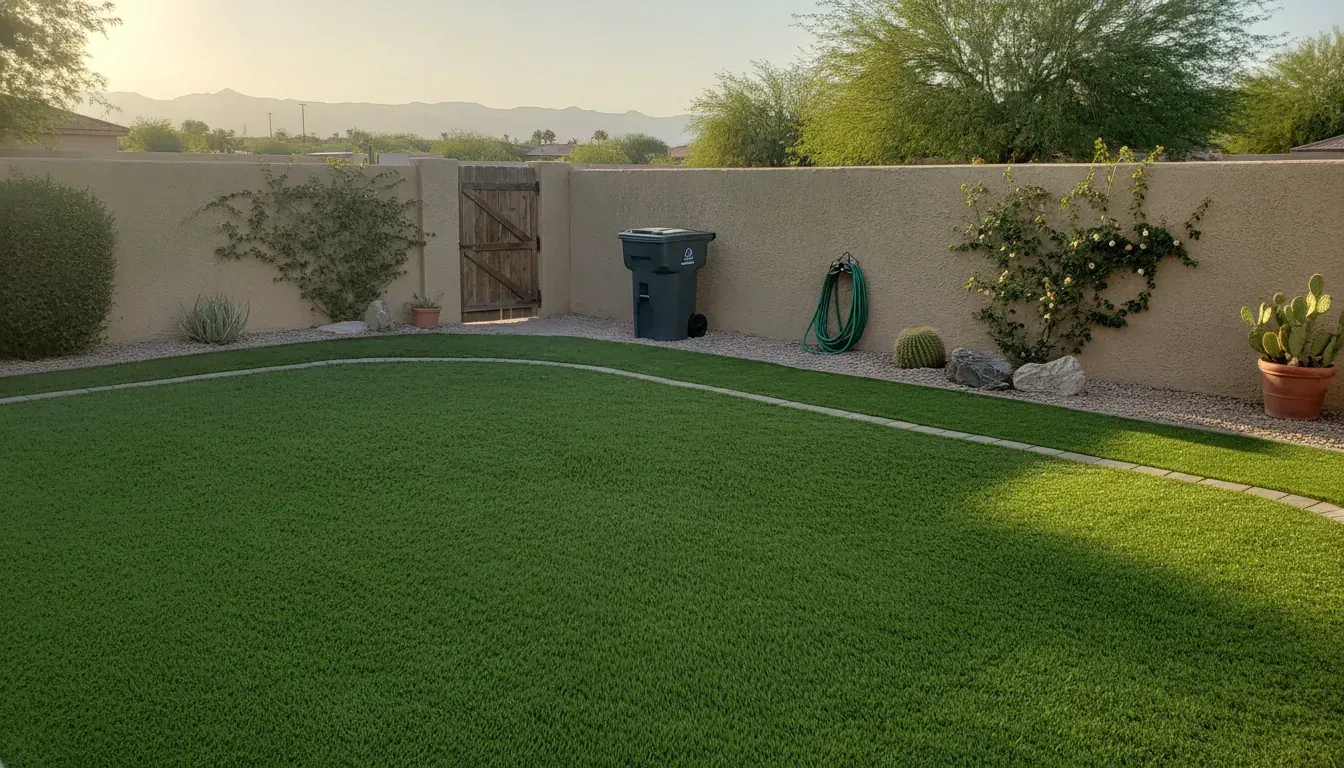
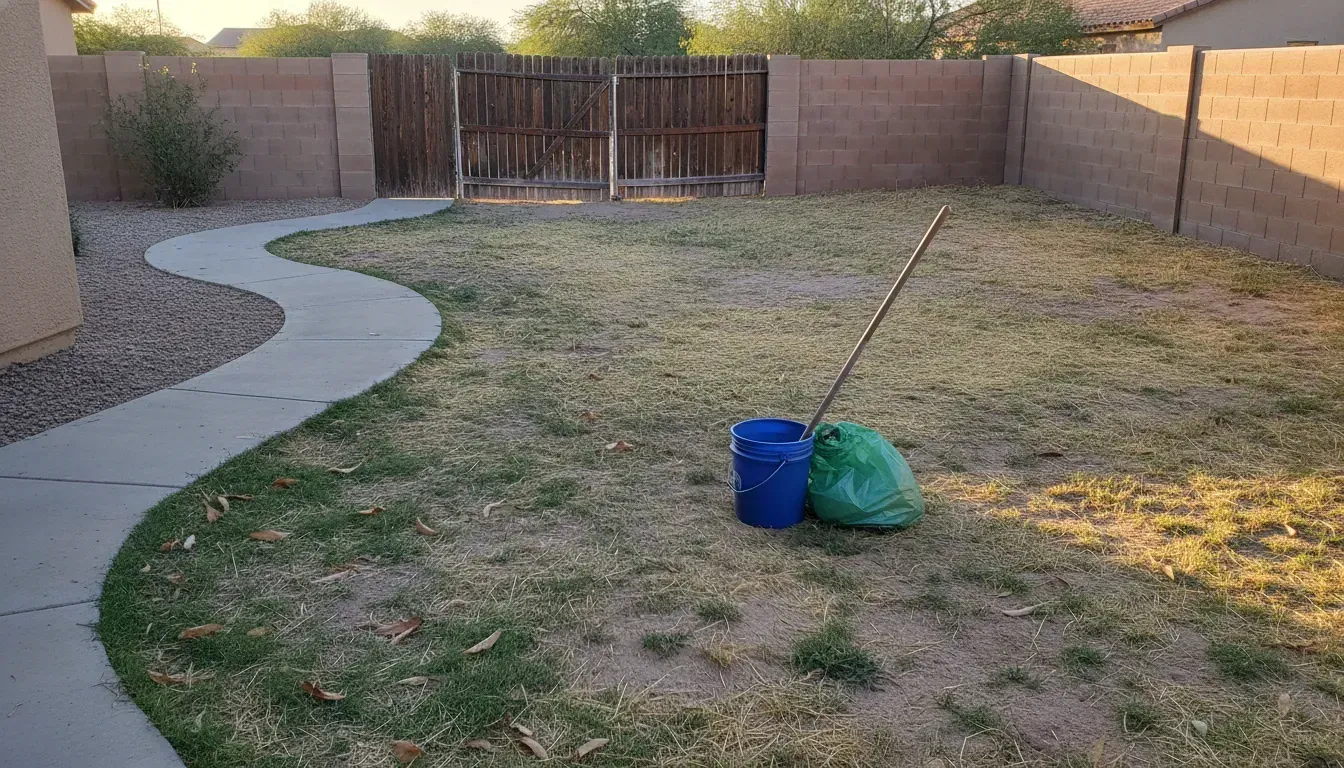
Artificial Turf Cleaning for Dog Smell: A Step-by-Step Guide
That stubborn dog pee smell on your artificial turf isn't just on the surface; it's a chemical reaction happening deep within the fibers and infill. Dog urine contains uric acid crystals that don't dissolve in water, clinging to your turf and releasing a strong ammonia odor. To truly solve the problem, you need to understand the science behind it. This guide explains why the odor gets trapped and details the most effective methods for artificial turf cleaning for dog smell, focusing on enzyme-based solutions that neutralize the problem at a molecular level for a permanent fix.
Key Takeaways
- Choose enzymes over fragrances: That persistent ammonia smell is caused by uric acid crystals that bond to your turf. Scented sprays just cover the odor, but enzyme cleaners contain beneficial bacteria that actually break down and eliminate the crystals for a permanent solution.
- Create a consistent cleaning schedule: To prevent odors from building up, stick to a simple routine. This includes removing solid waste daily, rinsing the entire lawn with water weekly, and using a pet-safe cleaner for a deeper clean about once a month.
- Know when to call for backup: If you've tried DIY methods and the smell still lingers, the problem is likely deep in the turf's infill or base. A professional cleaning is a worthwhile investment to fix underlying issues and restore your lawn's freshness completely.
Why Your Artificial Turf Smells Like Dog Pee
You chose artificial turf for its lush, green appearance and low-maintenance appeal. But when you have dogs, that fresh-looking lawn can start to smell anything but fresh. If you’re noticing a persistent ammonia odor, you’re not alone. It’s a common issue, but it’s not one you have to live with. Understanding why the smell happens is the first step to getting rid of it for good. The problem isn't just on the surface; it’s a chemical reaction happening deep within your turf’s layers.
How urine crystals get trapped in your turf
It all comes down to the science of dog pee. Dog urine contains a compound called urea. When your dog relieves themself on the turf, bacteria begin to break down that urea, which in turn creates ammonia. That sharp, unpleasant smell you’re noticing? That’s the ammonia. While the liquid part of the urine might drain away, the urea and uric acid crystals get left behind, clinging to the turf blades, the backing, and the infill material below. Even if your turf has excellent drainage, repeated urination in the same areas causes these crystals to accumulate over time, creating a lingering odor that a quick rinse with the hose just can’t touch.
Why heat makes dog odors worse
If you live in a hot climate like Las Vegas or Tucson, you’ve probably noticed the smell is much stronger on sunny days. Heat acts as a catalyst, accelerating the breakdown of urea into ammonia gas and making the odor more potent and widespread. Think of the sun baking your lawn and releasing all those trapped smells into the air. Once the urine dries, it forms these stubborn crystals that are resistant to simple cleaning. To effectively clean them, you first need to rehydrate the area. This allows the cleaning solution to penetrate the crystals and break them down, which is why just spraying a deodorizer on dry turf often fails to solve the problem.
The impact of drainage and infill on odor
Not all artificial turf is created equal, and its construction plays a huge role in odor control. If the turf was installed with poor drainage, urine can pool instead of passing through, creating a concentrated swamp of smells. The type of infill used is also critical. Some materials, like raw sand, can absorb and trap urine, essentially turning your lawn into a giant litter box. On the other hand, many modern, pet-friendly infills are designed with antimicrobial properties to help fight odor buildup. If you’re dealing with a persistent smell, your turf’s underlying structure could be a major contributor. A professional turf cleaning can address odors trapped deep within the infill.
How Often Should You Clean Your Turf?
So, how often do you really need to clean your turf? There’s no single answer, because your cleaning schedule depends on a few key things: how many dogs you have, how hot it gets where you live, and how often your pets use the lawn as their personal restroom. Think of it as a sliding scale. A yard with one small dog has different needs than a yard with three large dogs in the middle of a Las Vegas summer. To make it simple, let's break down the ideal cleaning frequency for your specific situation.
For single-dog households
If you have one furry friend, your maintenance routine is pretty straightforward. The most important thing is to remove solid waste daily. From there, a quick rinse with a hose once a week will wash away most of the surface residue. To really keep things fresh, plan on doing a deeper clean about once a month. This involves using a good pet-friendly cleaner to tackle any lingering bacteria and prevent odors from setting in. This simple routine is your best defense against smells, especially during warmer months when odors can become more noticeable.
For multiple dogs or in warmer climates
When you have multiple dogs, or you live in a hot climate like Southern Nevada or Arizona, you’ll need to be more proactive. With more dogs comes more urine, which means a faster buildup of those smelly urea crystals. In this case, you should rinse your turf more frequently, at least once a week. When dogs use the same spot repeatedly, the urine concentration can become intense. To truly eliminate the odor, you'll need an enzyme-based cleaner that breaks down the ammonia. If you find that the smell persists despite your best efforts, it might be time for a professional deep clean. Our artificial grass cleaning service uses specialized equipment and solutions to restore your turf completely.
A Step-by-Step Guide to Cleaning Dog Pee from Turf
Tackling dog urine odor on your artificial grass can feel like a losing battle, but with the right tools and a consistent method, you can restore freshness to your yard. This guide breaks down the process into simple, manageable steps to effectively eliminate those stubborn smells at their source.
What you'll need
Before you start, gather a few key items to make the job easier and more effective. You’ll want a high-quality, non-toxic enzyme cleaner, which is essential for the job. These cleaners use beneficial bacteria to break down the uric acid crystals in dog urine, which are the root cause of the lingering smell. You will also need a garden hose with a spray nozzle, a stiff-bristled brush (avoid metal bristles, which can damage turf fibers), and a watering can or pump sprayer for even application of your cleaning solution. And of course, have your usual poop scooper or bags ready for any solid waste.
Step 1: Remove solid waste
First things first, clear the turf of any solid pet waste. It’s best to do this as soon as you spot it to prevent residue from getting pressed into the turf blades and backing. Use a poop scooper or bag to pick up the waste. If you notice any small, lingering pieces, you can use a stiff brush or a plastic rake to gently flick them away. A quick daily check makes this step much faster and helps keep your artificial grass clean in the long run, preventing odors from building up over time.
Step 2: Rehydrate dried urine
This is a crucial step that many people miss. When dog urine dries, it forms potent uric acid crystals that cling to the turf fibers and infill, locking in that strong ammonia smell. To clean it effectively, you first need to rehydrate these crystals. Use your garden hose to thoroughly rinse the affected areas. You want to give the spots a good soaking, not just a light spritz. This process dissolves the crystals, allowing your cleaning solution to penetrate and neutralize the odor-causing compounds in the next step.
Step 3: Apply your cleaning solution
Now it’s time to treat the area. Following the instructions on your enzyme cleaner, dilute the solution if necessary and apply it generously to the urine spots. Using a pump sprayer or a watering can helps ensure even coverage. Don’t be shy with the product; you want to fully saturate the turf so the solution can reach the base and infill where odors are trapped. Let the cleaner sit for the recommended amount of time, typically at least 10 to 15 minutes, without letting it dry. This gives the enzymes time to work their magic and break down the ammonia.
Step 4: Rinse and let it dry
Once the cleaning solution has had time to work, give the entire area another thorough rinse with your garden hose. This washes away the broken-down urine components and any remaining cleaning product, leaving your turf fresh. Make sure you rinse well to prevent any residue from building up. After rinsing, simply let the turf air dry completely. For particularly strong or old odors, you may need to repeat the process. A consistent cleaning routine is the best way to keep your lawn smelling fresh and inviting for both you and your pets.
The Science Behind Enzyme Cleaners
If you've ever felt like you're fighting a losing battle against pet odors on your turf, you're not alone. Sometimes, no matter how much you scrub, that lingering smell of dog urine seems to stick around, especially on a hot day. This is where science comes to the rescue. The secret to truly getting rid of that smell isn't a stronger fragrance or more soap; it's using an enzyme cleaner. Think of these cleaners as a specialized team of microscopic helpers designed for one job: destroying the source of the odor for good.
Unlike regular cleaners that might just push the mess around or temporarily cover it with a floral scent, enzyme cleaners work on a molecular level. They contain beneficial bacteria and specific enzymes that biologically break down the compounds in pet urine that cause those notoriously stubborn smells. Understanding how they work is the key to choosing the right product and finally winning the war on turf odors. It’s the same science we rely on for our professional artificial grass cleaning & maintenance services, because we know it’s the only way to achieve a deep clean that truly lasts. When you get to the root of the problem, you don't have to keep cleaning the same spot over and over again.
How enzymes break down odor-causing compounds
So, how does this microscopic magic actually happen? Dog urine contains uric acid crystals, which don't dissolve in water and are the main culprits behind that persistent ammonia smell. When you apply an enzyme cleaner, you're unleashing live bacteria that get to work breaking down these tough crystals. To effectively remove urine smells, you need a product with “enzymes and live bacteria that break down the source of those tough ammonia odors.” These enzymes act like tiny keys, unlocking and decomposing the uric acid into simple, odorless substances like carbon dioxide and water, which then simply evaporate away. The odor isn't just covered up; it's completely dismantled.
Neutralize vs. mask: Why enzymes are more effective
This brings us to a crucial difference: neutralizing versus masking. Many standard cleaning products and air fresheners simply mask odors. They cover the unpleasant smell with a stronger, more pleasant fragrance. The problem is that the source of the smell, the uric acid crystals, is still there. Once the fragrance wears off, the bad odor returns. Enzyme-based cleaners, on the other hand, don't just cover anything up. These cleaners have “special ingredients that break down the ammonia causing the smell.” By breaking down the ammonia and uric acid, they neutralize the odor at its source. This is the only way to achieve a permanent solution and restore freshness to your yard.
Top Products for Cleaning Dog Pee on Turf
Choosing the right cleaning product is the most important step in getting rid of dog urine smells for good. While a simple rinse can help, a dedicated cleaner will break down the uric acid crystals that cause the lingering odor. With so many options on the market, it can be tough to know which ones actually work. We’ve rounded up some of the most effective and highly-recommended products, from professional-grade solutions to popular DIY choices, to help you find the perfect match for your turf.
What to look for in a turf cleaner
When you’re shopping for a turf cleaner, the most important thing to look for is the word “enzyme.” Enzyme-based cleaners are specifically designed to break down the organic compounds in dog urine that cause nasty smells. Instead of just covering up the odor with a fragrance, these powerful formulas eat away at the source. It’s also crucial to choose a product that is non-toxic and pet-safe. Your dog will be rolling around and playing on the turf, so you want to be sure you’re using a solution that won’t irritate their skin or paws. A good guide to cleaning artificial grass will always recommend starting with a gentle, enzyme-based product.
Our professional-grade solution
For a truly deep clean that eliminates the toughest ammonia odors, we use a professional-grade solution with both enzymes and live bacteria. This powerful combination is the key to completely breaking down urine crystals at a microscopic level. The enzymes tackle the initial waste, while the beneficial bacteria consume any remaining odor-causing particles, leaving your turf smelling fresh and clean. While some store-bought products are great for maintenance, a professional treatment ensures every inch of your turf, infill, and backing is treated. If you’re struggling with persistent smells, our artificial grass cleaning and maintenance service uses this exact approach to restore your lawn.
Odormute
Odormute is a popular and versatile odor eliminator that comes in a convenient powder form. You simply mix it with water according to the package directions to activate the enzymes before applying it to your turf. Many pet owners like it because it’s effective on a wide variety of surfaces, not just artificial grass. You can use it on smelly spots on your carpet, concrete, or outdoor furniture, making it a handy multi-purpose cleaner to have in your arsenal. Because it’s a concentrate, a single container can last a long time, offering a cost-effective way to manage pet odors around your home and yard.
Uricide
If you’re looking for a product that’s incredibly easy to apply, Uricide is a fantastic choice. This specialized cleaner is designed specifically for artificial turf and comes in a bottle that attaches directly to your garden hose. There’s no mixing or measuring required; just spray it on and let it work its magic. For the best results, you should thoroughly soak the affected areas. When you’re first tackling a serious odor problem, you may need to apply it several times a week. Once the smell is under control, using it weekly during warm weather can help keep your turf fresh and prevent future odors from building up.
Thornell KOE
Thornell Kennel Odor Eliminator, or KOE, is a concentrate that consistently gets high praise from pet owners dealing with stubborn turf smells. It’s especially popular among owners of multiple or large-breed dogs, where urine odors can quickly become overwhelming. Users have reported that it was the only product that successfully eliminated strong urine smells from their turf, even when other cleaners failed. You dilute it with water before use, so a little goes a long way. If you feel like you’ve tried everything and nothing has worked, Thornell KOE is definitely worth considering for its heavy-duty odor-fighting power.
SCOE 10X Odor Eliminator
SCOE 10X is another highly recommended product that is known for its super-concentrated formula. It’s a powerful, all-natural solution that effectively neutralizes smells from both dog urine and feces on artificial turf. Users love that it doesn’t just mask odors but completely destroys them, leaving behind a neutral scent. Like other concentrates, you mix it with water, which makes it an economical option for treating large areas or for regular maintenance. If you’re looking for a reliable, high-performance cleaner that can handle even the most persistent pet smells, SCOE 10X is a top contender that has earned a loyal following among turf owners.
DIY Solutions for Cleaning Your Turf
If you're just starting to notice a faint odor or want to get ahead of the problem, a few at-home solutions can make a big difference. These DIY methods use common household items to tackle mild smells and keep your turf fresh between professional cleanings. They are great for regular maintenance and can be surprisingly effective when you catch odors early. Think of these as your first line of defense against pet smells. Let's walk through a few simple, budget-friendly options you can try this weekend.
The baking soda method
Baking soda is a classic odor absorber for a reason. This simple trick is best for dry, sunny days. Start by sprinkling a generous amount of baking soda over the smelliest spots on your turf, or even across the entire area if needed. Let it sit for at least a few hours; leaving it overnight is even better. The baking soda will work to absorb and neutralize the acidic compounds in urine that cause odors. Once it has worked its magic, you can use an outdoor vacuum or a stiff broom to clean up the powder. This method is a gentle, non-toxic way to freshen up your lawn without any harsh chemicals.
A white vinegar and water solution
For a liquid cleaning solution, look no further than your pantry. A simple mixture of equal parts white vinegar and water can be a powerful tool against dog pee smells. The acetic acid in vinegar helps break down the ammonia in urine, neutralizing the odor instead of just covering it up. Pour the solution into a spray bottle and saturate the affected areas of your turf. Let it sit for about 15-20 minutes before rinsing the area thoroughly with a hose. While this is a great natural option, it’s a step below the power of enzyme-based cleaners, which are specifically designed to digest the organic proteins in urine.
The simple rinse method
Sometimes the simplest solution is the most effective, especially for prevention. The key is to act fast. After you pick up any solid waste, immediately spray down the spot with your garden hose. This quick rinse prevents residue from setting into the turf fibers and backing. Beyond spot treatments, getting into the habit of rinsing your entire lawn once a week is a game-changer. This weekly washdown helps clear away dried urine, dust, and other debris that can contribute to odors over time. It’s a low-effort routine that can significantly extend the freshness of your artificial grass, especially in hot climates like ours here in Las Vegas and Tucson.
DIY ingredients to avoid
While it can be tempting to reach for heavy-duty cleaners, some chemicals can do more harm than good. You should never use bleach or cleaners containing ammonia on your artificial turf. Not only can these harsh substances discolor and damage the synthetic grass blades and backing, but they are also incredibly dangerous for your pets. Ammonia is a component of urine itself, so using it can actually encourage your dog to mark the spot again. For the safety of your furry family members and the longevity of your turf, stick to pet-safe solutions. If DIY methods aren't cutting it, it's time to call in a professional turf cleaning service that uses products guaranteed to be safe and effective.
Common Turf Cleaning Mistakes to Avoid
When you’re dealing with a smelly turf, it’s tempting to grab the strongest cleaner you can find and hope for the best. But this can often do more harm than good. Getting your artificial grass fresh and clean is about using the right techniques, not just brute force. Avoiding a few common missteps will save you time, protect your investment, and ensure your yard is a safe, pleasant space for you and your pets.
Using harsh chemicals
Reaching for bleach or ammonia-based cleaners is one of the biggest mistakes you can make. While they might seem like powerful disinfectants, these harsh chemicals can cause serious problems. Bleach can discolor and weaken the synthetic fibers of your turf, leading to premature wear and tear. More importantly, these substances are toxic to your pets. They can cause skin irritation, paw burns, and respiratory issues if inhaled. Instead of solving the odor problem, you could be creating a health hazard for your dog. Always opt for cleaners specifically designed for artificial turf that are certified pet-safe.
Not cleaning often enough
Procrastinating on turf cleaning is a recipe for a permanently smelly yard. When dog urine dries, it forms uric acid crystals that embed themselves in the turf backing and infill. If you only rinse your lawn occasionally, these crystals build up layer by layer, creating a concentrated source of odor that becomes incredibly difficult to remove. Think of it like doing dishes; it’s much easier to wash a plate right after you eat than to scrub off food that has been caked on for days. A consistent schedule keeps the problem manageable and your turf fresh.
Ignoring poor drainage
You can scrub and spray all day, but if your turf has poor drainage, the odor will always come back. Artificial grass is designed to be permeable, allowing liquids like urine and water to pass through the backing and drain away into the sub-base below. If the turf was installed incorrectly or the base is too compacted, urine will pool underneath, creating a stagnant, smelly swamp you can’t even see. This is a foundational issue that no surface cleaner can fix. If you notice water pooling after a rinse, it’s a sign you may need a professional to assess your artificial grass cleaning & maintenance needs.
Masking odors instead of eliminating them
Spraying a floral-scented deodorizer on your turf might provide temporary relief, but it doesn’t solve the underlying problem. These products simply mask the smell, while the odor-causing bacteria from the urine continue to thrive within the turf fibers. To truly get rid of the smell, you need to eliminate its source. This requires an enzymatic cleaner, which contains beneficial bacteria that break down and consume the uric acid crystals. Unlike masking agents, enzyme cleaners neutralize the odor at a molecular level for a permanent fix, leaving your turf genuinely clean instead of just perfumed.
How to Prevent Dog Odors on Your Turf
While a deep clean is great for tackling existing smells, prevention is your best strategy for keeping your yard fresh long-term. An ounce of prevention is truly worth a pound of cure when it comes to turf odors. By incorporating a few simple habits into your routine, you can stop smells before they start and spend more time enjoying your beautiful, odor-free lawn with your furry friend. These proactive steps focus on managing where your dog goes, what your turf is made of, and how well it drains.
Create a designated potty spot
One of the easiest ways to manage pet odors is to contain the source. By training your dog to use one specific area of the turf as their bathroom, you make your cleaning routine much more efficient. Instead of having to treat your entire lawn, you can focus your efforts on a smaller, manageable spot. You can encourage this behavior with positive reinforcement, like offering a treat and praise whenever they use the designated area. Consistency is key, so always take them to the same spot during potty breaks. This simple training concentrates urine in one place, making it easier to neutralize odors and keep the rest of your yard pristine.
Establish a regular rinsing routine
In hot, dry climates like Las Vegas and Tucson, urine can evaporate quickly, leaving behind concentrated odor-causing crystals. To prevent this buildup, you need to establish a regular rinsing routine. A quick spray-down with a garden hose at least once a week can work wonders. If you have multiple dogs or a small yard, you may need to rinse the area more frequently. This simple step rehydrates and washes away fresh urine before it has a chance to become a bigger problem. For an extra layer of prevention, you can use a diluted enzyme cleaner during your weekly rinse to continuously break down odor-causing compounds. If you need help staying on top of it, our artificial grass cleaning and maintenance services can provide consistent, professional care.
Choose a pet-friendly infill
When installing or replacing artificial turf, the type of infill you choose plays a huge role in odor prevention. Infill is the granular material brushed between the turf blades that helps them stand up and provides cushioning. Some common infills, like sand, can absorb and trap moisture and bacteria, creating a breeding ground for bad smells. Instead, opt for a pet-friendly infill specifically designed to be non-absorbent and antimicrobial. These advanced infills help facilitate drainage and create an environment where odor-causing bacteria can’t thrive, ensuring your lawn stays green and fresh no matter how many bathroom breaks your dog takes.
Inspect and maintain your drainage
Proper drainage is critical for washing away urine and preventing odors. If your turf’s drainage system is clogged, urine and bacteria will remain trapped no matter how much you clean. Regularly inspect your lawn for signs of poor drainage, such as water pooling after it rains or the turf feeling unusually matted. Pet hair, leaves, and other debris are often the culprits, so a regular sweep with a stiff broom can help keep the turf blades upright and the drainage paths clear. If you notice persistent drainage issues, it could point to a deeper problem with the sub-base that may require professional attention from a service like our artificial grass cleaning team.
When to Call a Professional Turf Cleaner
Even with a consistent cleaning routine, there are times when DIY methods just don’t cut it. If you find yourself battling persistent odors or feel like you’re losing the fight against pet smells, it might be time to call in the experts. A professional service can do more than just clean your turf; they can restore it, extend its life, and give you back the fresh, clean yard you invested in. Think of it as a deep reset for your lawn, tackling problems at their source so you can get back to enjoying your outdoor space with your furry friends, worry-free.
Signs your turf needs an expert
The most obvious sign is an odor that lingers long after you’ve cleaned. If you walk outside and the smell of dog pee hits you before your foot even touches the grass, that’s a clear signal. This is especially true in warm climates like ours in Las Vegas and Tucson, where heat can intensify smells that are trapped deep within the turf. When a dog uses the same spot repeatedly, urine crystals can build up in the turf’s backing and infill. At this point, a simple rinse isn’t enough to wash them away. If you’ve tried everything and the smell persists, an expert has the tools and products to solve the problem.
What a professional cleaning includes
When you hire a professional, you’re getting more than just a powerful hose. A true turf cleaning service starts with a deep cleaning of the turf fibers to remove embedded debris. The key step is applying a commercial-grade, enzyme-based solution. To effectively get rid of urine smells, you need a product with live bacteria that can break down the ammonia and uric acid crystals causing the odor. Professionals also inspect your drainage system to ensure it’s working correctly, preventing future buildup. This comprehensive approach eliminates existing odors and helps keep your turf fresh for longer.
How A1 Pet Waste Maintenance can restore your turf
We know you invested in artificial turf for a beautiful, low-maintenance lawn. Our goal is to help you keep it that way. Our artificial grass cleaning and maintenance service is designed to tackle the toughest pet odors at their source. We use professional-grade, non-toxic enzyme solutions that are safe for your pets and family while being tough on odor-causing bacteria. Regular professional cleaning is the best way to protect your turf from long-term damage and prevent stubborn smells from returning. Let us handle the dirty work so you can have a yard that always looks and smells fresh.
Related Articles
Frequently Asked Questions
Why does my turf smell so much worse on hot days?
Heat acts like an accelerator for the chemical reaction happening in your turf. The sun's warmth speeds up the breakdown of urea from dog pee into ammonia gas, which is what you smell. Essentially, the heat is releasing all those trapped odors from deep within the turf fibers and infill, making the smell much more noticeable than it is on a cool day.
Are enzyme cleaners really that much better than just using vinegar or soap?
Yes, they are fundamentally different. A vinegar solution can help neutralize surface odors for a short time, but it doesn't eliminate the source. Soap can leave behind a sticky residue that attracts more dirt. Enzyme cleaners are the only solution that uses beneficial bacteria to find and break down the uric acid crystals in urine, completely destroying the odor molecule instead of just covering it up.
I rinse my turf all the time, but it still smells. What am I doing wrong?
You're likely not doing anything wrong, but a simple rinse with water often isn't enough to solve a built-up odor problem. Water alone cannot dissolve the stubborn uric acid crystals that have bonded to your turf's backing and infill. If a smell persists despite regular rinsing, it means you have a deep accumulation that requires a powerful enzyme cleaner to break it down.
Is it safe to use these cleaning products on the turf where my dog plays?
This is a great question, and the answer is absolutely, as long as you choose the right product. All the recommended enzyme cleaners are specifically formulated to be non-toxic and safe for pets and children once they have dried. The real danger comes from using harsh household chemicals like bleach, which can damage your turf and be very harmful to your pets.
My turf has smelled for years. Is it a lost cause?
It's almost never a lost cause. Even if odors have been building up for years, your turf can likely be saved. This is the perfect time to call a professional. A long-term smell indicates a very deep buildup in the turf and infill that DIY methods can't reach. A professional service has the equipment and commercial-grade solutions to penetrate every layer of your turf and eliminate even the most stubborn, long-standing odors.