Pro Guide to Cleaning Artificial Turf for Dogs
This is a subtitle for your new post

You have artificial turf, you have a dog, and now you’re looking for a real solution to the odor. You’ve come to the right place. Hosing it down doesn’t seem to work, and you’re tired of sprays that just mask the smell for a day or two. The frustration is understandable, and the solution is more scientific than you might think. To truly eliminate pet odors, you have to neutralize the uric acid crystals trapped deep in the turf. This guide provides a no-nonsense, step-by-step plan for cleaning artificial turf for dogs, using the right products and techniques that actually work to destroy odors at their source.
Key Takeaways
- A consistent routine is key: Prevent odors and bacteria from taking over by creating a simple schedule. This includes scooping waste immediately, rinsing urine spots weekly, and performing a deep clean once a month.
- Use the right products and tools: Protect your investment by using cleaners made for artificial turf. An enzymatic cleaner eliminates odors at the source, while a stiff, synthetic-bristle brush keeps fibers upright without causing damage.
- Recognize when to call a professional: If a stubborn urine smell remains after cleaning, the problem is likely too deep for DIY methods. A professional service has the equipment and commercial-grade products to eliminate odors from the turf's infill and backing.
Why Cleaning Pet Turf Is So Important
Choosing artificial turf for your yard is a smart move, especially when you have dogs. It looks great year-round and saves you from the endless cycle of mowing and watering. But while it’s low-maintenance, it isn’t no-maintenance. To keep your turf looking and smelling fresh, and to ensure it’s a safe place for your family and pets to play, regular cleaning is a must. Think of it as protecting your investment and the health of your loved ones.
The Impact of Dog Waste on Turf
Let's be direct: when your dog does their business on artificial turf, it doesn't just wash away like it might on a natural lawn. While artificial turf offers the convenience of a low-maintenance lawn, pet waste, debris, and rainwater can introduce odors and unsightly stains. Urine contains ammonia, which can build up in the turf and its infill, creating a smell that’s impossible to ignore. Solid waste can leave behind stains and become a source of bacteria if not removed promptly. A consistent cleaning routine is the key to preventing these issues and keeping your yard a pleasant place to be. Our professional artificial grass cleaning can tackle even the toughest odors and stains.
Health Risks of a Dirty Lawn
A dirty turf isn't just an eyesore; it can pose real health risks. Pet waste is a known carrier of harmful bacteria like E. coli and Salmonella, as well as parasites like roundworms and hookworms. When waste is left to sit on your turf, it creates a breeding ground for these pathogens. Your pets can become sick from repeated exposure, and so can your family, especially young children who love to play on the lawn. According to the CDC, properly cleaning up after your pet is a key step in preventing the spread of germs between pets and people. Regular cleaning sanitizes the surface, creating a safer environment for everyone.
Artificial vs. Natural Grass Care
One of the best things about artificial turf is that you can say goodbye to mowing, watering, and fertilizing. It's also safer for pets since you don't need to use harsh pesticides or chemicals to keep it green. However, the maintenance trade-off is a new routine: scooping, rinsing, and brushing. Unlike a natural lawn where organic matter breaks down, your turf needs your help to stay clean. Neglecting this can lead to matted fibers, poor drainage, and lingering odors, which defeats the purpose of having a beautiful, convenient lawn in the first place. By staying on top of a simple cleaning schedule, you ensure your turf provides all the benefits you invested in for years to come. We offer a range of services to help you maintain your property.
Gather Your Cleaning Supplies
Before you roll up your sleeves, let's get everything you need in one place. Having the right supplies on hand makes the whole process smoother and much more effective. Think of it like prepping your ingredients before you start cooking; it saves you from running around later and ensures you get the best results. A little preparation goes a long way in turning a dreaded chore into a quick and satisfying task. We'll cover the best products to use, the essential tools you'll need, and one crucial check to make before you even start spraying. If gathering these items feels like a chore in itself, remember that professional artificial grass cleaning is always an option to save you time and effort.
Find Pet-Safe Cleaning Products
This is the most important step. The cleaners you use must be safe for your furry friends. I always recommend using an enzymatic cleaner. These products use beneficial bacteria to produce enzymes that break down the ammonia and proteins in pet waste, completely eliminating odors instead of just masking them. They are the best artificial grass cleaners for tackling tough dog urine stains and smells. Avoid harsh chemicals like bleach, which can damage your turf and be harmful to your pets. Look for formulas specifically designed for artificial turf to ensure they won't leave a sticky residue or discolor the grass fibers.
Essential Tools and Equipment
You don't need a garage full of fancy gadgets to keep your turf clean. Here’s a simple list of what you'll need to get the job done right. Grab a pooper scooper or a few plastic bags for solid waste, a standard garden hose with a spray nozzle, and a stiff brush with synthetic bristles (never use a metal one, as it can damage the turf fibers). You’ll also want your pet-safe enzymatic cleaner on hand. Having these basic cleaning tools ready makes your weekly cleanup routine quick and easy, preventing bigger issues from building up over time.
Check Your Drainage System First
Here’s a pro tip that can save you a lot of frustration: check your turf’s drainage before you start cleaning. If water can't flow through and away from the turf properly, all your cleaning efforts will be for nothing. Poor drainage traps moisture, urine, and bacteria, creating a persistent odor problem that no amount of cleaner can fix. Before you apply any products, do a quick test by spraying a small area with your hose. The water should drain away relatively quickly. If it pools on the surface, you may have an underlying issue with your turf's installation that needs to be addressed first.
Your Weekly Turf Cleaning Routine
Keeping your artificial turf fresh and clean doesn't require hours of work. A simple weekly routine is your best defense against lingering odors and bacteria buildup. By dedicating a little time each week to maintenance, you can keep your lawn looking great and ensure it remains a safe, pleasant space for your pets and family. This consistent care helps prevent the kind of deep-set grime that often requires a more intensive cleaning. If you find yourself short on time, a professional artificial grass cleaning can get your turf back in top shape.
Remove Solid Waste Immediately
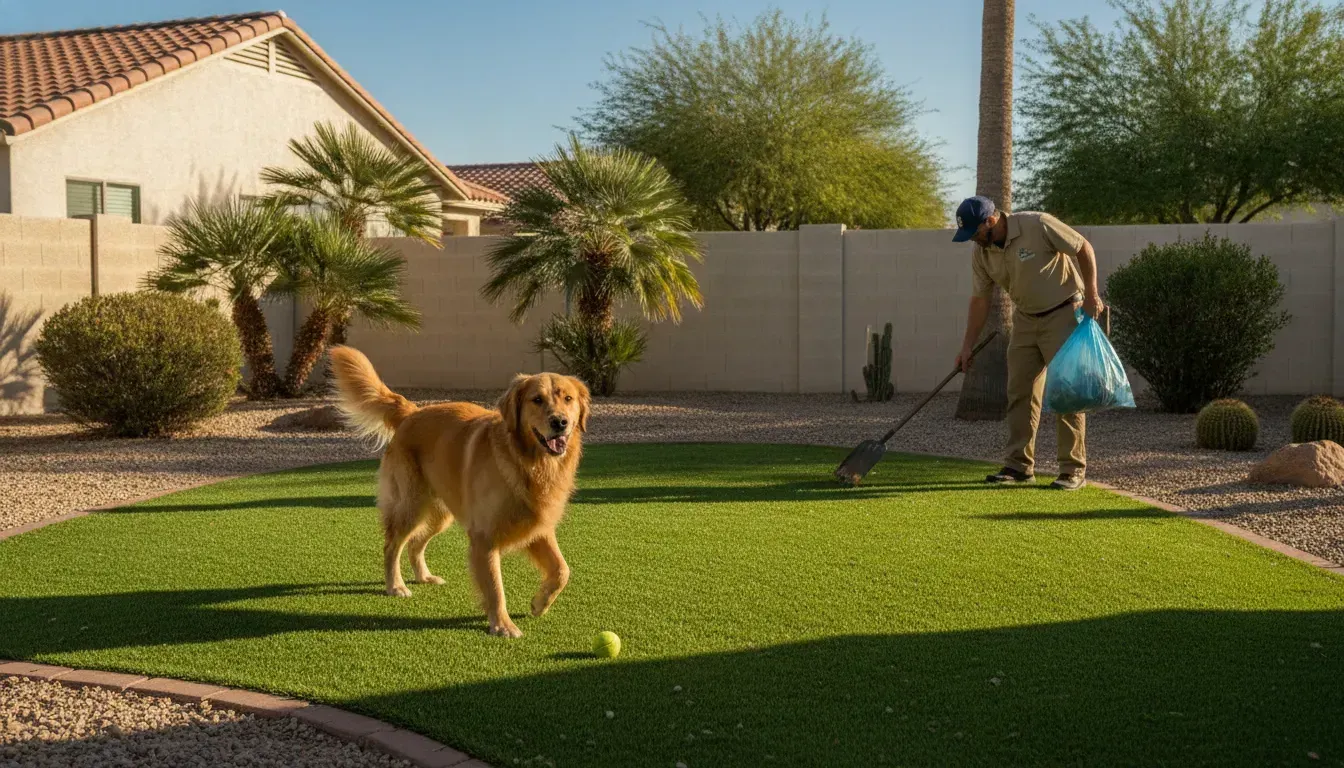
This first step is less of a weekly task and more of an ongoing habit. It’s best to scoop up solid pet waste as soon as you spot it. Leaving it to sit not only creates an unpleasant environment but can also clog your turf’s drainage system over time. Prompt removal prevents bacteria from settling into the fibers and makes your weekly rinse much more effective. For property managers or busy homeowners, scheduling a regular pet waste removal service can take this daily chore completely off your plate, ensuring your property stays clean and sanitary.
Rinse Urine Spots
Once a week, give your turf a good rinse with a garden hose. Pay special attention to the areas your dog uses most frequently as their personal restroom. Urine contains ammonia, which is the primary source of those stubborn pet odors. A quick but thorough spray-down helps dilute and wash away urine residue and surface bacteria before they have a chance to build up and cause a stink. You don’t need high pressure, just enough water to flush the area. Rinsing regularly is one of the easiest ways to keep your lawn smelling fresh.
Brush Turf Fibers to Keep Them Upright
After you’ve cleaned and rinsed your turf, the final step is to give it a quick brush. Use a broom with stiff, synthetic bristles (avoid metal rakes, which can damage the turf) and brush against the natural grain of the fibers. This process, often called "blooming," helps the grass blades stand up straight again, preventing them from looking flat or matted from foot traffic. Brushing also helps redistribute the infill material evenly, which is essential for proper drainage and maintaining a soft, cushioned feel underfoot. It’s the perfect finishing touch to make your lawn look lush and new again.
How to Deep Clean Your Artificial Turf
While your weekly spot-cleaning routine is essential, a deep clean is what truly restores your turf’s freshness and hygiene. Think of it as a seasonal reset for your lawn. Over time, bacteria and odor-causing particles can build up in the turf fibers and infill, especially in high-traffic pet areas. A thorough deep clean tackles this buildup at the source, ensuring your yard remains a safe and pleasant space for your family and furry friends. Following these steps will help you get rid of stubborn smells and stains, leaving your artificial grass looking and smelling its best. If the job feels too big, remember that a professional artificial grass cleaning service can handle it for you.
Step 1: Clear Debris and Solid Waste
Before you get into washing and scrubbing, you need a clean slate. Start by removing all solid pet waste, leaves, twigs, and any other debris from the surface of your turf. A quick pass with a leaf blower or a stiff-bristled broom (never use one with metal bristles) works wonders. This initial sweep is crucial because it prevents debris from getting pushed deeper into the turf or clogging the drainage system when you start rinsing. A clear surface allows your cleaning solution to penetrate the turf fibers and infill where odors and bacteria hide.
Step 2: Apply an Enzymatic Cleaner
This is where the magic happens. The most effective way to eliminate pet odors is with an enzymatic cleaner designed specifically for artificial turf. Unlike standard soaps that just mask smells, enzymatic cleaners contain beneficial bacteria that break down and consume the ammonia and proteins in pet urine. This process eliminates the odor at its source. For even coverage, mix the cleaner according to the product’s instructions and apply it using a garden pump sprayer. Be sure to saturate the areas your dog uses most frequently as a bathroom.
Step 3: Scrub and Rinse Thoroughly
Once you’ve applied the cleaner, let it sit for a few minutes to work its magic. Then, grab a turf brush or a stiff nylon broom and gently scrub the area. This helps work the cleaner deep into the turf fibers and agitates any lingering dirt or grime. After a light scrub, it’s time to rinse. Use a garden hose to thoroughly spray down the entire turf area, ensuring you wash away all the cleaning solution and the broken-down waste particles. A good rinse is key to a residue-free finish and washes away liquid waste effectively.
Step 4: Deodorize and Let It Dry
For an extra layer of freshness, finish the job with a pet-safe turf deodorizer. While the enzymatic cleaner neutralizes existing odors, a deodorizing spray can help keep your lawn smelling clean for longer. These products often have antimicrobial properties that inhibit the growth of new odor-causing bacteria. Lightly mist the deodorizer across the turf, then allow the lawn to air dry completely before letting your pets and family back on it. This final step ensures your turf is not only clean but also leaves a pleasant, neutral scent behind.
What Are Enzymatic Cleaners (and Why Do They Work So Well)?
If you’ve ever felt like you’re just masking pet odors instead of eliminating them, you’re not alone. The secret to a truly clean and fresh-smelling turf lies in using the right kind of cleaner. Enter enzymatic cleaners. These aren't your average soaps or detergents; they are specialized formulas that use beneficial bacteria and enzymes to break down organic messes, like pet urine and feces, at a molecular level.
Think of enzymes as tiny helpers that "eat" the smelly bacteria causing the odor. Instead of covering the scent with a floral fragrance, they digest the source of the smell until it's gone for good. This is why they are so effective on porous surfaces like artificial turf, where odors can get trapped deep within the backing and infill. Using an enzymatic cleaner is the difference between a surface-level spritz and a deep, lasting clean.
Why Enzymes Beat Standard Cleaners
You might be tempted to grab a standard household cleaner, but these often do more harm than good on pet turf. Many general-purpose cleaners simply mask odors with strong scents or use harsh chemicals that can damage your turf and be unsafe for your pets. They don’t address the root cause of the smell: uric acid crystals in dog urine. These crystals are not water-soluble and will linger long after you’ve scrubbed, releasing that familiar ammonia smell, especially on hot days.
Enzymatic cleaners, on the other hand, are specifically formulated to target and neutralize these stubborn compounds. The enzymes break down the uric acid and proteins in pet waste, effectively eliminating the source of the odor. They work deep within the turf’s infill and backing, ensuring a thorough clean that standard products just can’t match.
How to Use Enzymatic Cleaners
Using an enzymatic cleaner is straightforward, but for the best results, you need to let the enzymes do their job. Don’t rush the process!
First, remove any solid waste and clear away loose debris like leaves or dirt. Next, give the affected area a quick but thorough rinse with your hose to wash away any remaining surface residue. Now, it’s time for the cleaner. Apply it generously over the soiled spots, making sure to follow the product’s instructions for dilution and application. The most important step is to let it sit for the recommended time, which can be anywhere from 10 minutes to several hours. This allows the enzymes to work their magic. Finally, rinse the turf thoroughly with water and let it air dry.
Recommended Pet-Safe Enzymatic Cleaners
When you're shopping for a cleaner, the options can feel overwhelming. The key is to look for products specifically labeled as "enzymatic" and "pet-safe." Some popular and effective choices you might find include Simple Green Outdoor Pet Odor Eliminator, OdorBan, and Wysiwash. Another reliable option designed specifically for synthetic grass is Turf Renu, which is known for its long-lasting freshness.
Always read the label to ensure the product is safe for your specific type of turf and follow the directions carefully. If the DIY route feels like too much work, or if you're dealing with stubborn, set-in odors, our professional artificial grass cleaning service uses high-quality, pet-safe enzymatic treatments to restore your lawn’s freshness.
How to Get Rid of Dog Urine Smell in Artificial Grass
That lingering urine smell is one of the biggest frustrations for pet owners with artificial grass. You chose turf for its low-maintenance appeal, but that ammonia odor can make your yard feel anything but fresh. The good news is that you can get rid of the smell for good. The secret isn't just cleaning the surface; it's about targeting the odor at its source, deep within the turf system. With the right approach and products, you can restore your lawn to the clean, odor-free space you and your pets deserve.
Why Odors Get Trapped in Turf
If you’ve noticed a persistent smell, it’s not your imagination. Artificial turf has multiple layers, and urine doesn’t just sit on top. It seeps through the grass blades, into the infill (the sand or rubber pellets that help blades stand up), and down to the turf backing. Ammonia crystals from the urine get trapped in these lower layers. When the sun heats the turf, especially in hot climates like ours, it intensifies the smell. Simple rinsing isn't enough because it doesn't break down the uric acid crystals causing the odor. To truly eliminate the smell, you need to clean what you can't see.
Effective Odor Removal Methods
First, always remove any solid waste and give the area a quick rinse with a hose to wash away fresh urine. For the deep-set smell, you need a specialized cleaner. The most effective products are enzymatic cleaners, which use beneficial bacteria to break down the ammonia crystals causing the odor. Simply spraying a cleaner on the surface won't cut it. You need to apply it generously enough to soak through the turf and reach the infill and backing. For those of us in hot, dry climates, an oxygenated cleaner can be even more reliable, as its performance isn't affected by heat that can sometimes hinder enzymes.
When to Replace Your Infill
Many people assume that if the smell won't go away, they need to replace their expensive infill or even the entire turf. Thankfully, this is rarely the case. If your turf still smells after a deep clean, the problem is almost always the cleaner you used, not the infill itself. Standard household cleaners or even some so-called "turf cleaners" only mask the odor or clean the surface bacteria. You need a high-quality product that specifically neutralizes odor compounds in the infill and backing. If you’ve tried everything and the smell persists, it might be time to call for professional cleaning and maintenance to get a true deep clean without the guesswork.
How Often Should You Clean Your Pet Turf?
Keeping your artificial turf clean doesn't have to be a huge chore. The key is consistency. How often you need to clean depends on a few things, like how many dogs you have, the size of your yard, and how much time your pets spend on the turf. A good rule of thumb is to do a little bit each week and a more thorough clean every month. This schedule helps you stay on top of messes before they become bigger problems, keeping your lawn fresh, clean, and ready for playtime. Sticking to a routine prevents the buildup of bacteria and odors, ensuring your turf remains a healthy space for both your family and your pets.
Your Weekly Checklist
Think of your weekly routine as a quick refresh for your lawn. It’s a light-effort task that pays off big time in preventing grime and smells. First, give the turf a quick rinse with a garden hose. You don’t need to completely soak it, just a light spray will do. Pay extra attention to the spots your dog uses as their personal restroom. This simple rinse helps wash away surface-level urine and any lingering residue. After rinsing, a quick brushing with a stiff, non-metal brush helps keep the turf blades standing tall and looking natural. This also prevents the fibers from getting matted down, which can trap dirt and bacteria. This whole process should only take a few minutes but is one of the best ways to maintain your turf's appearance and hygiene.
Your Monthly Deep Clean Routine
Once a month, it’s time to give your turf a little more love. This is your chance to tackle any spots, stains, or developing odors that a simple rinse can’t handle. Start by clearing away any leaves or debris, then apply a pet-safe enzymatic cleaner across the entire surface. Let the cleaner sit for the recommended amount of time to allow the enzymes to break down organic waste and bacteria. For any stubborn spots, you can use your brush to gently scrub the area before giving the entire lawn a thorough rinse. This monthly deep clean is essential for sanitizing the turf and getting rid of the underlying causes of bad smells, ensuring your yard stays a pleasant place for everyone.
Red Flags That Your Turf Needs Cleaning
Sometimes your turf needs attention outside of your regular schedule. If you notice any of these red flags, it’s time for an immediate cleaning. The most obvious sign is a persistent odor. If your yard still smells like a doggy bathroom even after you’ve cleaned it, your cleaning product might not be strong enough to eliminate the bacteria. Another clear sign is visible staining from pet waste that doesn’t wash away with a simple rinse. Finally, if your turf looks flat or matted, it’s a sign that dirt and bacteria are getting trapped in the fibers. When these issues pop up and your DIY efforts aren't cutting it, it might be time to call for a professional artificial grass cleaning and maintenance service to restore your lawn.
Artificial Turf Cleaning Mistakes to Avoid
Keeping your artificial turf looking and smelling fresh is totally achievable, but a few common missteps can make the job much harder. Knowing what not to do is just as important as knowing the right steps to take. Let's walk through some of the most frequent cleaning mistakes homeowners make, so you can keep your turf in top shape for years to come. Avoiding these pitfalls will save you time, money, and a lot of frustration, ensuring your lawn stays a beautiful and safe place for your pets and family to enjoy.
Using Bleach or Harsh Chemicals
It might be tempting to reach for a heavy-duty cleaner like bleach to tackle tough stains or odors, but please don't. These harsh chemicals can cause serious, irreversible damage to your turf. They can discolor the vibrant green blades, leaving you with patchy, faded spots. Even worse, they can break down the turf’s backing material, shortening its lifespan. Beyond damaging your investment, these chemicals are not safe for your pets or children who play on the lawn. Always stick to pet-safe, pH-neutral, or enzymatic cleaners specifically designed for artificial grass to protect both your turf and your loved ones.
Neglecting Regular Brushing
Your turf looked so lush and upright when it was first installed, and regular brushing is the key to keeping it that way. When you skip this simple step, foot traffic and pet activity will cause the fibers to lie flat, making your lawn look matted and worn. Brushing, or "blooming," the turf with a stiff, non-metal bristle broom helps the blades stand tall again. This not only improves its appearance but also helps redistribute the infill, which is essential for proper drainage and a soft feel underfoot. Making this a part of your weekly routine prevents the fibers from becoming permanently compacted and keeps your lawn looking its best.
Letting Waste and Stains Sit
We all have busy days, but letting pet waste or other spills sit on your turf is a recipe for a much bigger problem. In the hot sun, stains can bake into the turf fibers, becoming incredibly difficult to remove. Pet urine and solid waste that isn't cleaned up promptly will lead to stubborn, foul odors that permeate the entire area. The key is to act fast. By removing solid waste and rinsing urine spots as soon as you see them, you prevent stains and smells from setting in. A little bit of immediate effort saves you from a major deep-cleaning headache later on.
Over-Saturating the Turf
Just hosing down your turf might seem like an easy fix, but it often does more harm than good when it comes to pet odors. Simply spraying water on a urine spot can spread the uric acid crystals around without actually neutralizing them. This is why the smell often returns, sometimes even stronger, once the area dries. Many DIY solutions like vinegar or baking soda only mask odors temporarily. For true odor elimination, you need a cleaner that breaks down the bacteria at its source. If you find that rinsing alone isn't cutting it, it’s time to call in professionals for an artificial grass cleaning and maintenance service.
When to Call a Professional
You’ve scrubbed, you’ve rinsed, and you’ve tried every DIY trick you can find, but that stubborn pet odor still hangs in the air. We’ve all been there. Sometimes, despite your best efforts, the problem is just too deep-seated for household solutions to handle. If you've tried everything and still can't get rid of the smell, it’s a clear sign that a professional turf cleaning company can help. This is especially true in the hot, dry climates of Las Vegas and Tucson, where urine evaporates quickly. This rapid evaporation leaves behind concentrated uric acid crystals that are not water-soluble and are incredibly difficult to remove with standard cleaning methods.
Other signs that it’s time to call for backup include visible stains that won’t lift, turf fibers that look matted and flat even after brushing, or a general "doggy" smell that returns almost immediately after you’ve cleaned. You might also notice an increase in flies or other pests, which are attracted to lingering organic matter. When you reach this point, you’re no longer just cleaning the surface; you’re fighting a battle with bacteria and odor compounds that have settled deep into your turf’s infill and backing. A professional service has the right tools and expertise to win that battle for you, restoring your lawn’s freshness and your peace of mind. It saves you time, frustration, and the expense of trying product after product with no success.
Professional vs. DIY Cleaning
The difference between a DIY clean and a professional one comes down to what’s happening below the surface. While you can scrub the turf blades, the real source of persistent odor is buried in the infill and backing. The best turf cleaner for dog urine is one that neutralizes odor compounds deep down, not just the bacteria on the surface. Most store-bought cleaners and home remedies simply can’t penetrate that far or are not strong enough to break down the uric acid crystals that cause the smell. Professionals use specialized equipment and commercial-grade, oxygenated cleaners that deliver consistent results, especially in hot climates where some enzyme products can dry out too quickly and lose their potency.
How We Can Help
Regular hosing, vinegar solutions, and dish soap don't fully get rid of pet odors; they often just spread the urine crystals around or cover up the smell for a short time. Your lawn might look clean, but the underlying problem remains. That’s where we come in. Our artificial grass cleaning and maintenance service is designed to tackle the toughest pet-related turf issues head-on. We use professional-grade, pet-safe products and specialized equipment to deep clean, sanitize, and deodorize your entire turf system. Our process removes harmful bacteria and eliminates odors at their source, leaving your artificial grass truly clean and fresh. We also re-bloom the turf fibers, making your lawn look lush and new again.
Related Articles
- Artificial Grass Cleaning & Maintenance | Las Vegas, NV
- Commercial Property Pet Waste Cleanup | Las Vegas, NV
- Pet Waste Maintenance | A1 Pet Waste Maintenance | NV
- Pooper Scooper FAQs | A1 Pet Waste Maintenance | NV
Frequently Asked Questions
Why does my turf still smell even after I've cleaned it? This is a common frustration, and it usually means the odor source is deeper than the surface you're cleaning. Dog urine contains uric acid crystals that seep past the grass blades and get trapped in the infill and backing below. When you just rinse with water or use a basic soap, you're not breaking down these crystals, so the ammonia smell returns, especially in the heat. A true deep clean requires a product that can neutralize the odor at its source.
Can I just use regular dish soap or vinegar instead of a special cleaner? While it might seem like an easy fix, I'd advise against it. Dish soap can leave behind a sticky residue that actually attracts more dirt and grime, making your problem worse over time. Vinegar is a popular home remedy, but it mostly just masks the smell for a short while instead of eliminating the bacteria causing it. To truly get your turf clean, you need a product, like an enzymatic cleaner, that is designed to break down the specific organic compounds in pet waste.
How often should I clean the turf if I only have one small dog? The cleaning frequency really depends on your specific situation. Even with one small dog, a quick weekly rinse of their favorite potty spots is a great habit to get into. This prevents any buildup before it starts. You might find you can stretch the time between deep cleans, perhaps doing one every other month instead of monthly. The best approach is to watch for the early signs, like a faint smell or a slightly matted look, and adjust your routine from there.
Will brushing my turf really make a difference? Yes, it makes a huge difference, and it's about more than just looks. Brushing the turf fibers with a stiff, non-metal broom helps them stand upright, which prevents matting. Matted fibers can trap moisture, dirt, and bacteria, creating a perfect environment for odors to develop. Regular brushing also helps redistribute the infill, which is crucial for maintaining good drainage and keeping your lawn feeling soft and natural.
Is it worth calling a professional, or can I handle it myself? You can definitely handle the regular maintenance yourself with a good weekly routine. However, calling a professional is a great idea when you're dealing with stubborn, set-in odors that your own efforts can't seem to fix. Professionals have access to commercial-grade equipment and specialized cleaners that can penetrate deep into the turf system to eliminate odors at the source. Think of it this way: your weekly cleaning is for maintenance, while a professional service is for restoration.