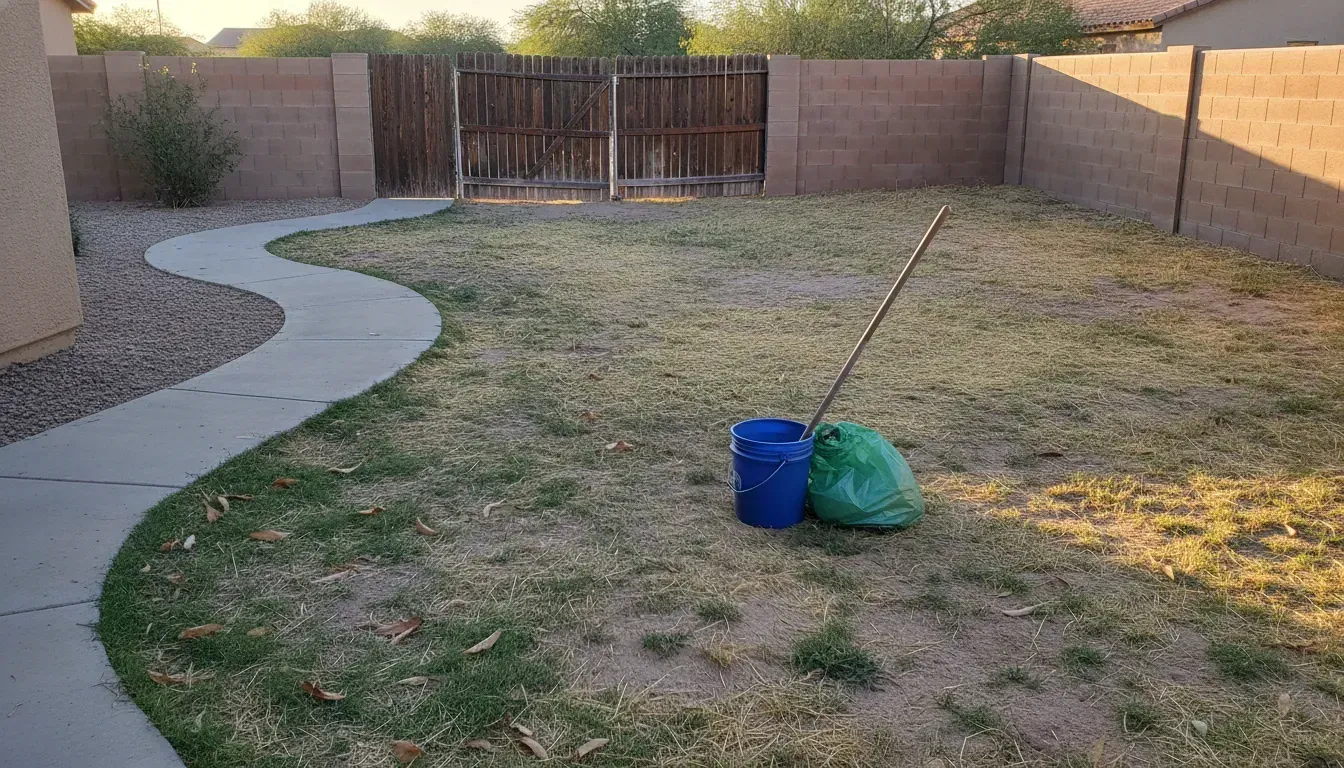
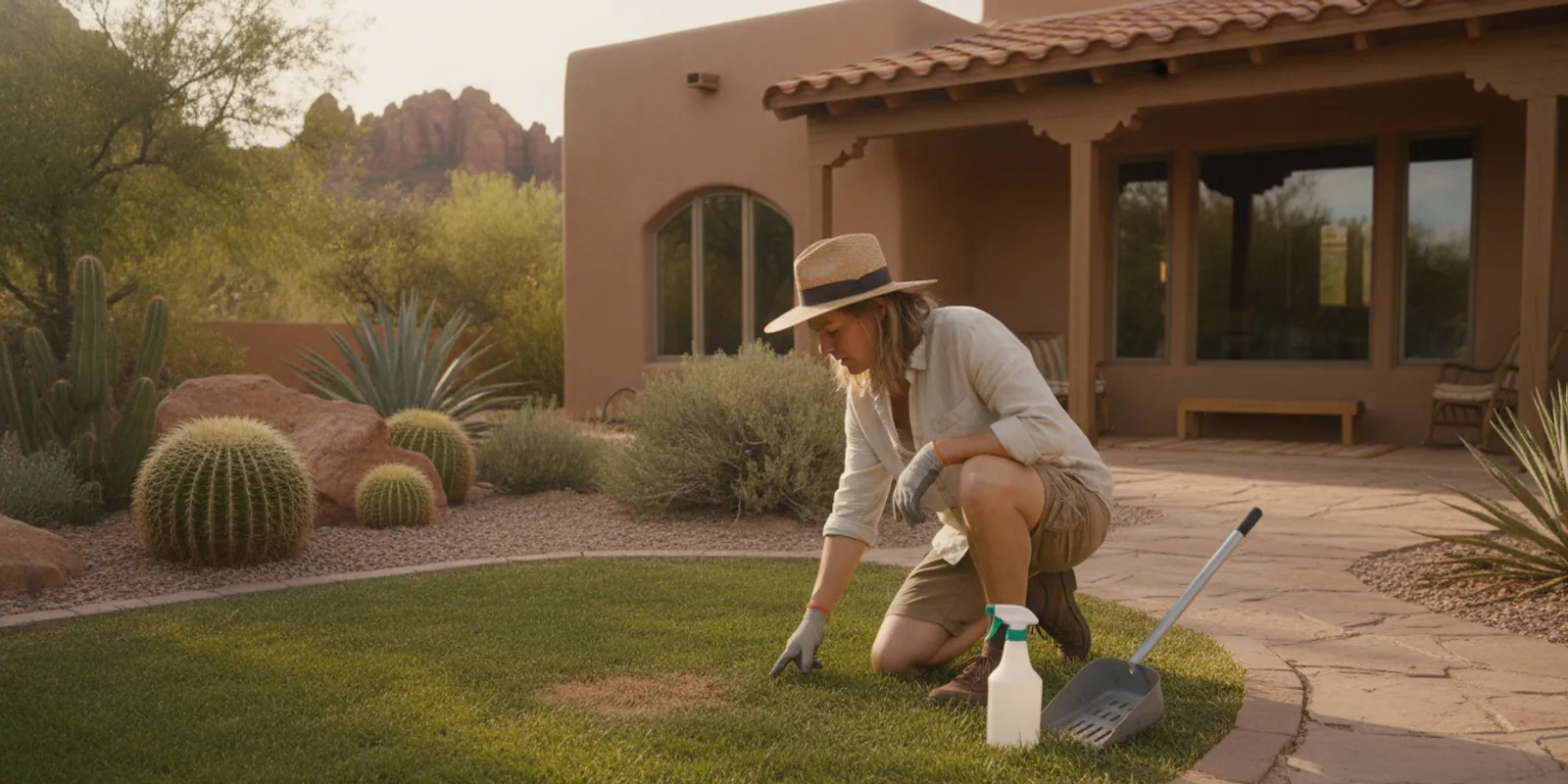
Pet Waste Removal for Veterinary Clinics Las Vegas
Plan pet waste removal for veterinary clinics Las Vegas managers can use: map the relief yard, set visits, and request a custom A1 proposal.
Pet waste removal for veterinary clinics Las Vegas is a grounds plan for the relief yard, the parking edge, and the walk clients use with a dog. It is not a homeowner weekly route and it is not a bag station on an apartment path. A clinic sees many animals in one day. Waste shows up between appointments, after boarding drop-off, and on the strip of gravel clients use before they come inside. A1 Pet Maintenance already cleans shared commercial grounds across Las Vegas, Henderson, and North Las Vegas, and a clinic is scoped as a custom proposal rather than a published package price.
Call A1 at 702-521-2624 to plan pet waste removal for a Las Vegas veterinary clinic.
This guide is for clinic managers, practice owners, and the person who already handles the lot and the side yard. It covers what to map, how a clinic visit differs from a home yard, and what to tell a vendor before you ask for a number. Homeowner cadence and Tucson rates stay on other pages. Station placement and bag refills stay on the station guides. If you want the broader commercial picture first, start with the Las Vegas commercial manager guide.
What pet waste removal for veterinary clinics Las Vegas should cover
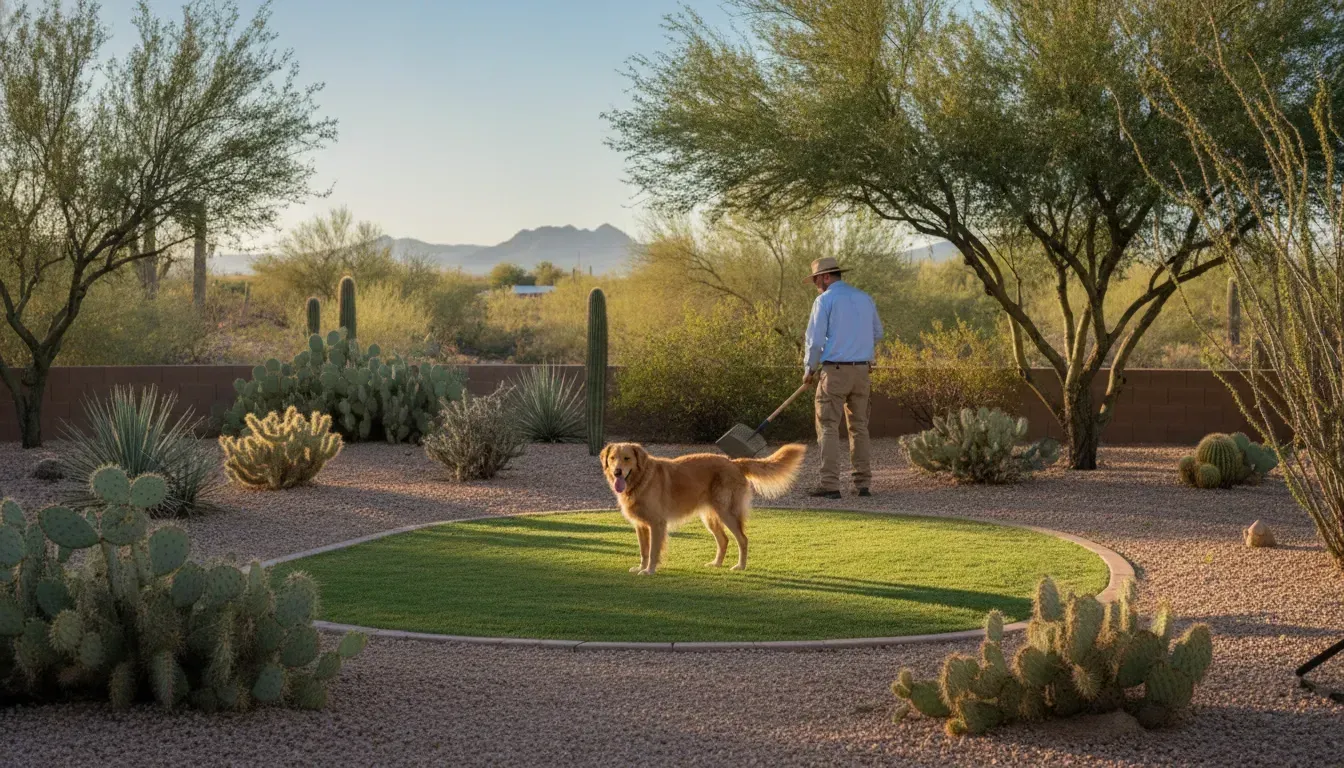
A veterinary relief yard is a small outdoor room with a hard job. Dogs stop there before an exam, between daycare hours, or on the way back to a car. Cats are less often outside, but carriers, leashes, and the walk from the lot still leave waste where clients see it. The mess is concentrated. A home yard spreads waste across a lawn. A clinic yard packs it into a few square yards of turf, gravel, or decomposed granite.
Map three zones before you call anyone. The fenced relief area is zone one. The walk from parking to the front door is zone two. The staff door, dumpster pad, and any hose bib used to rinse runs are zone three. Waste in zone one is expected. Waste in zone two is what clients photograph. Waste in zone three is what staff step in at the end of a shift.
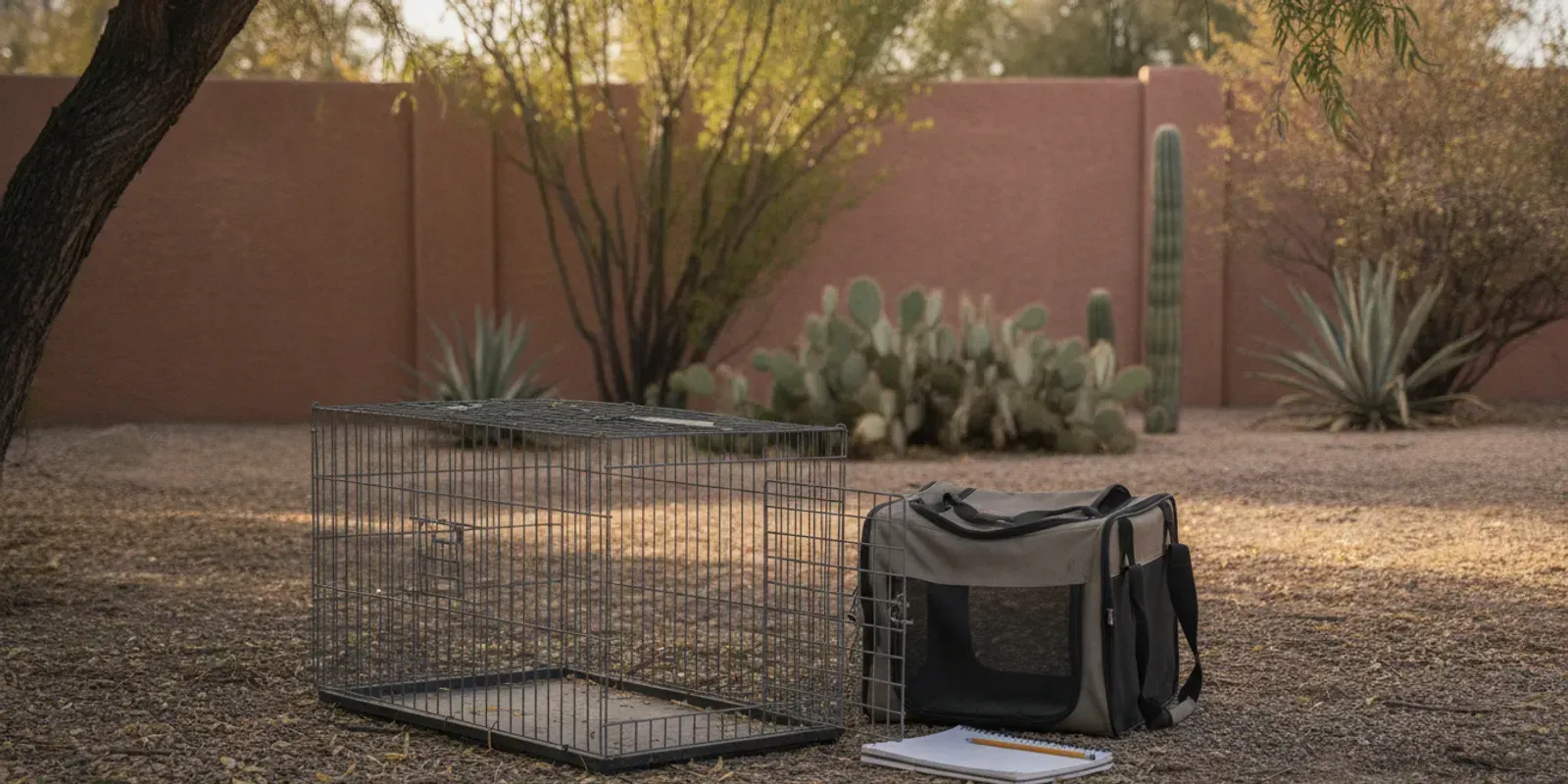
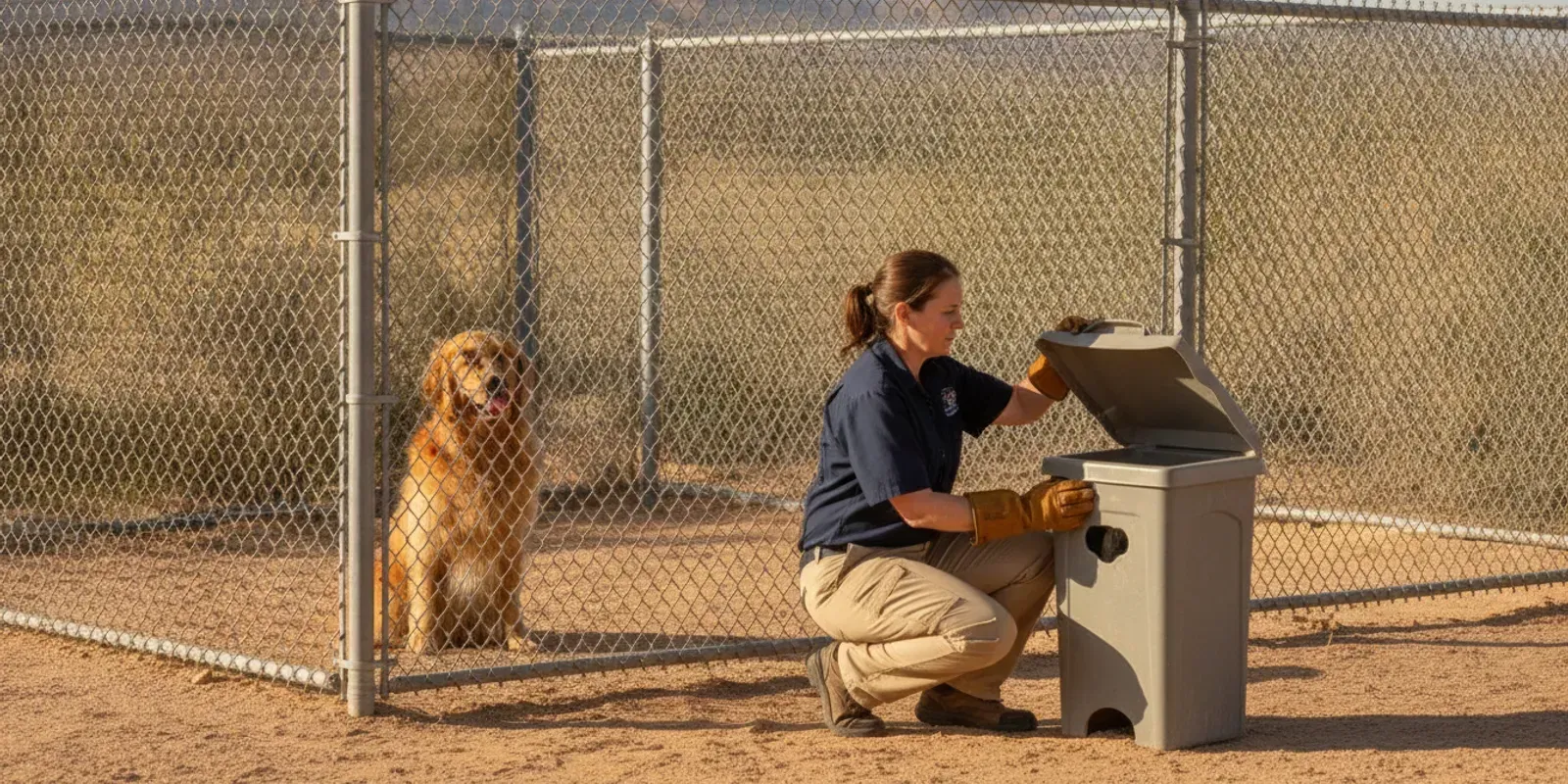
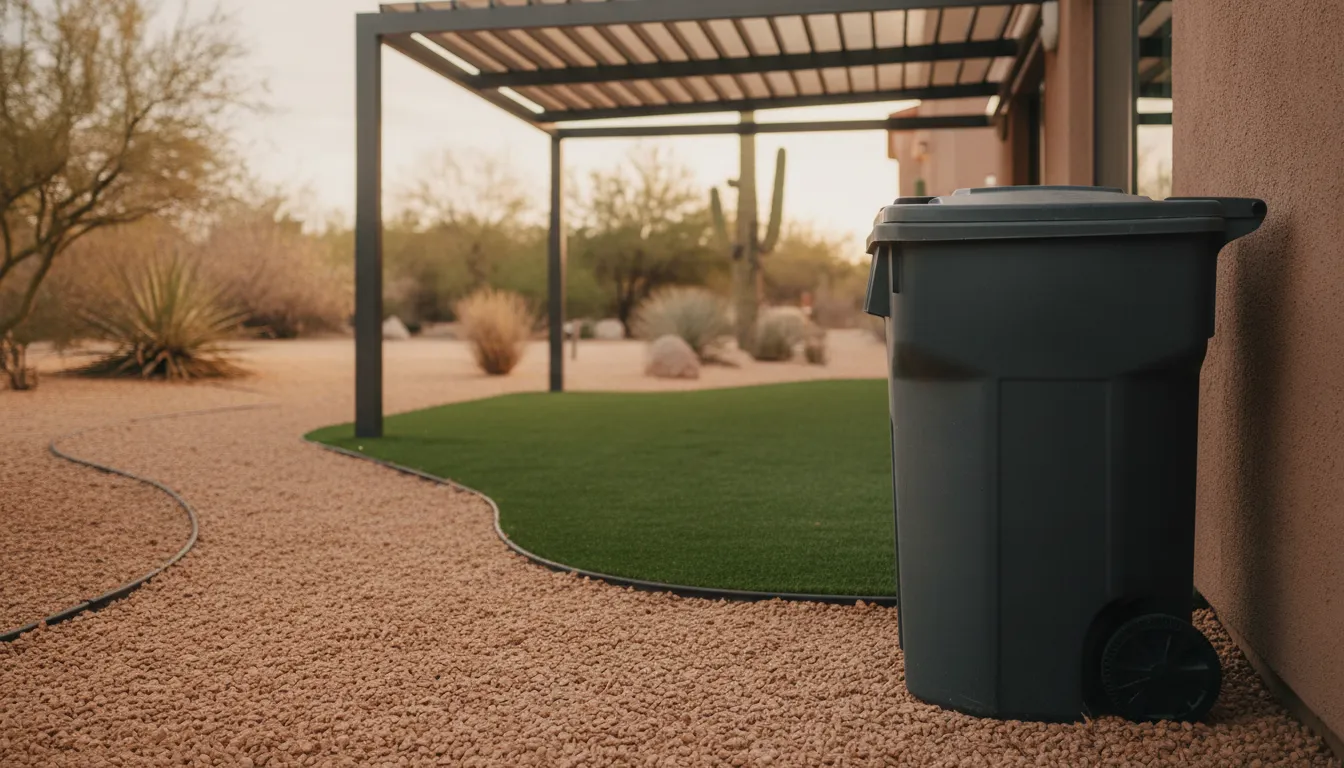 A clinic side yard needs a defined relief surface and a closed can, not a pile behind the fence.
Why the surface changes the visit
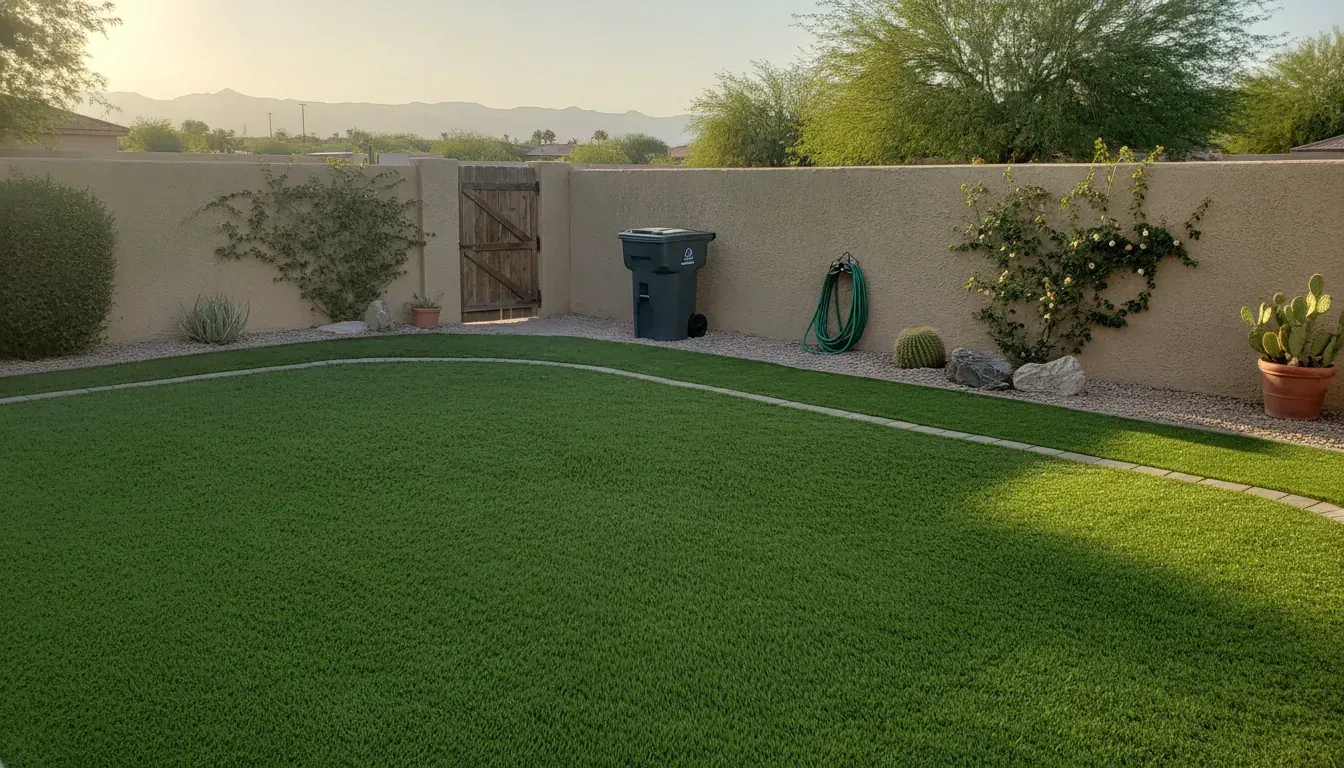
Grass hides waste until it is dry and pale. Gravel shows it, and it also traps it between stones. Artificial turf holds odor after the solid waste is gone, especially on a Las Vegas afternoon when the surface stays hot. A pickup visit removes solids. It does not replace a turf cleaning visit when the smell remains after the yard looks empty. Say which surface you have when you request a proposal so the scope is not written for the wrong ground.
The EPA notes that pet waste left on hard surfaces can wash into storm drains and add nutrients and bacteria to local water. A clinic lot and sidewalk are hard surfaces. Leaving waste until the next rain, or until a hose pushes it toward the gutter, is the failure mode that page describes. Read the home and yard guidance on the EPA nutrient pollution page.
How clinic grounds differ from a home route
A home route has one customer, a gate code, and a set number of dogs. A clinic has a rotating cast. Clients you do not know use the yard for two minutes. Boarding dogs use it on a schedule the front desk controls. The person who signed the vendor agreement may not be the person who unlocks the side gate at 7 a.m.
That is why a copied homeowner plan fails. Weekly service for one or two dogs assumes the same animals and the same yard. A clinic can be quiet on Monday and crowded on Saturday vaccine hours. Tell the vendor the busy days, the hours the yard is open to clients, and whether staff already scoop between appointments. If staff scoop, the vendor visit is the reset. If nobody scoops, the vendor visit is the whole program.
QuestionHome yard routeVeterinary clinic groundsWho uses the space?One household and its dogs.Clients, boarding dogs, and staff use it through the day.Where does waste show up?It shows up on the lawn, side yard, and turf.It shows up in the relief yard, on the entry walk, and at the parking edge.What sets the rhythm?Weekly, twice a week, or one reset.Appointment volume sets it, not dog count.How does access work?One yard gate code.A staff door, lot rules, and clinic hours.How is price set?Published residential rates by dog count.A custom proposal after the grounds are described.
Use the home route only as a contrast. If a client asks how their own yard would be handled, point them to the home and property plans page. Do not paste that rate chart into a clinic agreement. A1 publishes one-time cleanup rates of $50 to $150 on the one-time cleanups page for a single cleanup. A clinic that needs a repeating grounds visit should ask for a proposal instead of assuming that range is the clinic price.
What to tell A1 before you ask for a proposal
A useful call is a site description, not a request to "handle the poop." Walk the three zones and write what you see. Note the relief surface, whether it is fenced, and whether clients can reach it without crossing the parking drive. Note where a crew can park for ten minutes without blocking the clinic entrance. Note dogs that are outside during the visit window, because a tech on site is different from an empty yard.
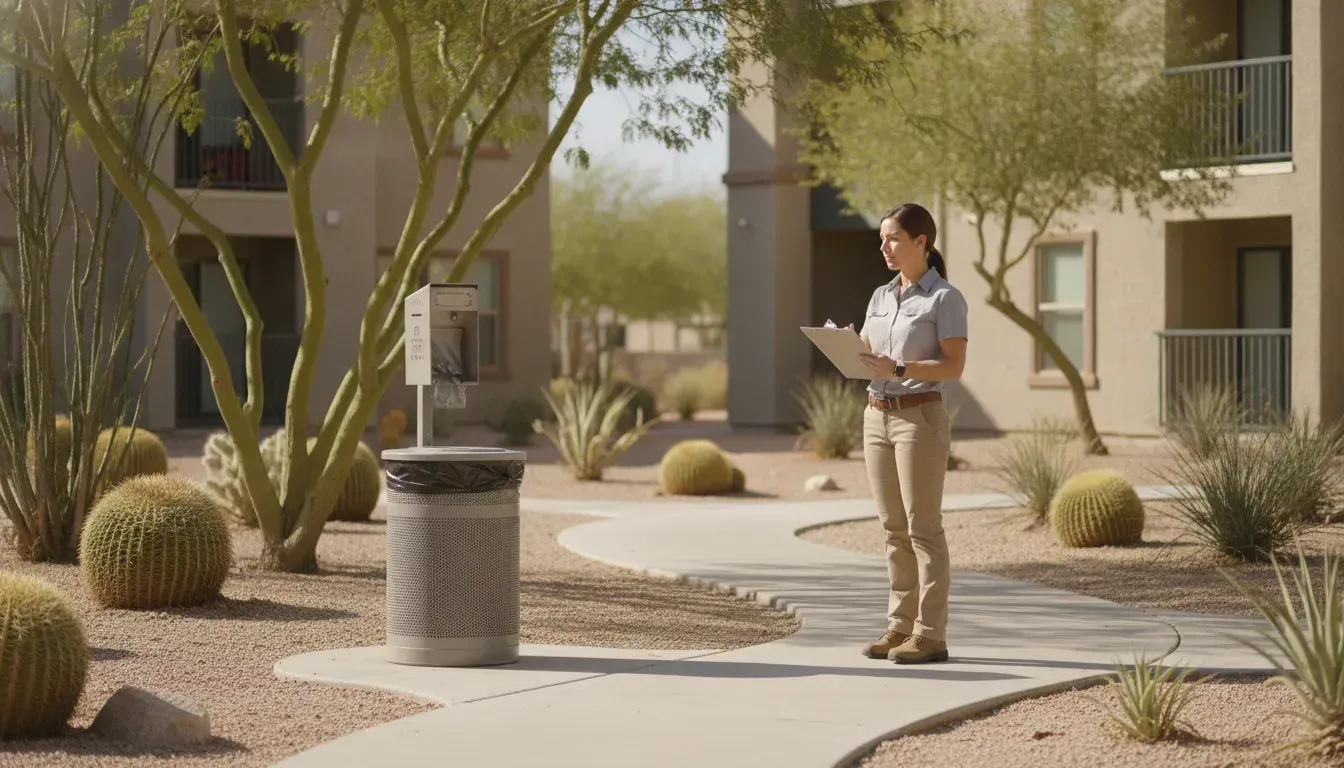
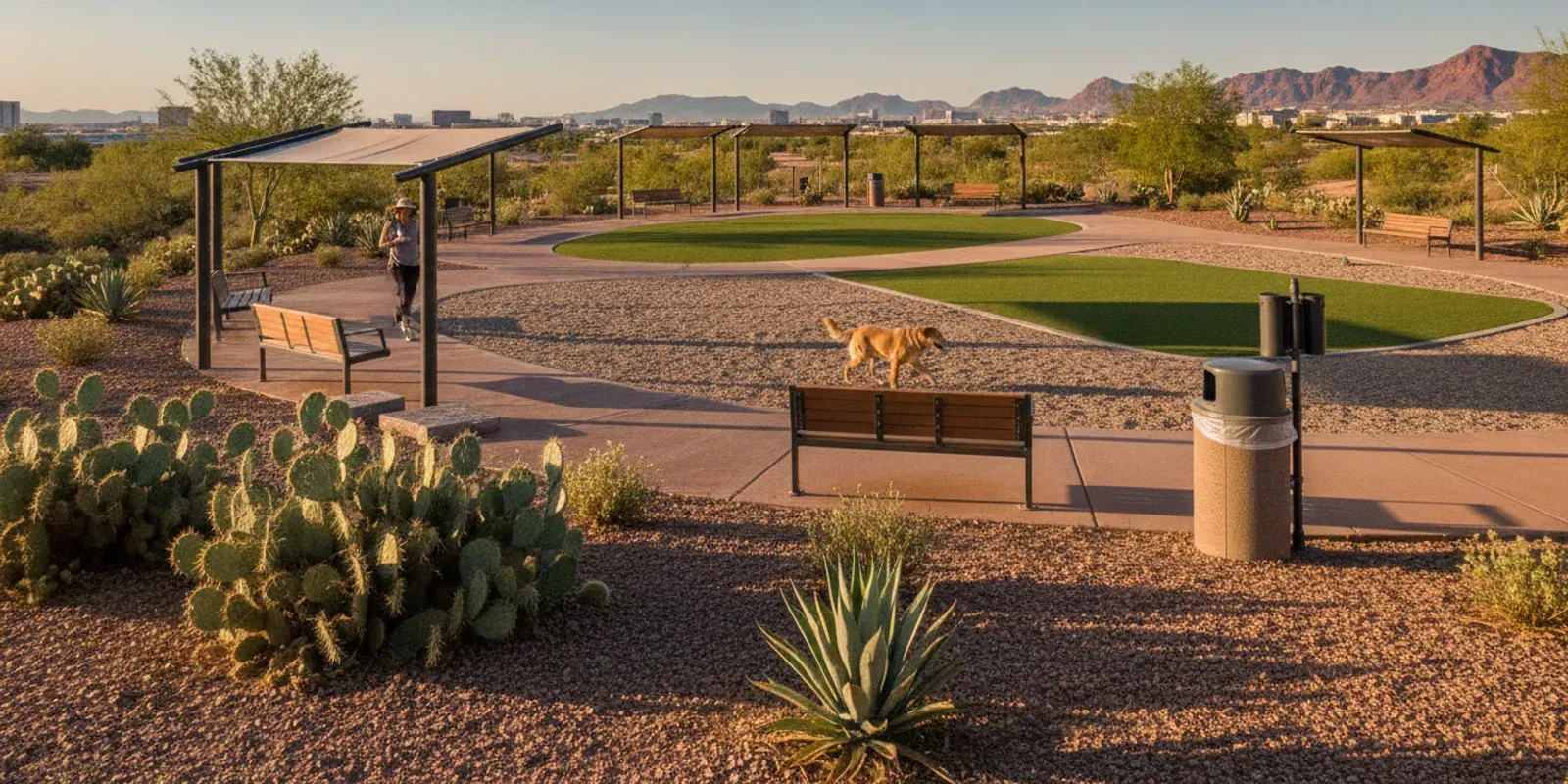
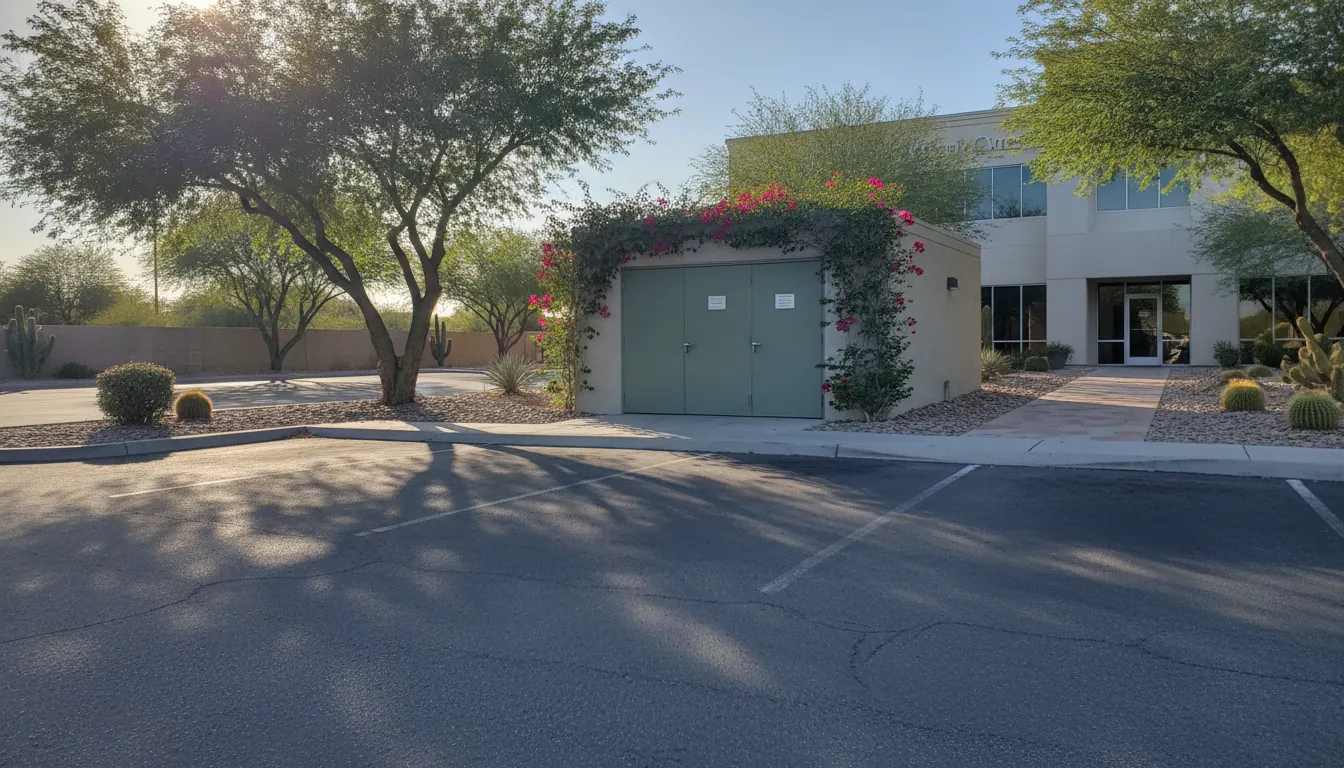 The parking edge is part of the scope when clients relieve dogs before they reach the door.
Access and timing
Say the earliest hour a crew may enter and the latest hour that still leaves the yard clean before the first appointments. Morning visits suit most clinics because the previous day's boarding turnout is done and the lot is not full. If the practice offers Saturday hours, say so. A plan that looks fine Tuesday morning can fail on the day the yard is busiest.
Name a contact who can answer the gate question that week. A voicemail at the front desk is a slow way to fix a locked latch. A1's commercial work is arranged by phone, not through a portal. Service notes, skipped weeks, and billing questions go to the same number. There is no clinic dashboard and no automatic photo report.
What stays out of the scope
Outdoor pet waste removal does not include medical waste, sharps, laundry, or indoor kennel disinfection. Those belong to the clinic's own sanitation program. It also does not include installing turf, replacing infill, or mounting bag stations. If the yard already has a dispenser, keeping it filled can be discussed, but this article is about removing waste from the grounds, not about a station program.
Southern Nevada coverage for this kind of commercial visit is Las Vegas, Henderson, and North Las Vegas. Confirm the address against the service area guide before you promise a start date to a landlord or a partner clinic in another city.
A short note you can hand the crew
- Name the relief surface: grass, gravel, or turf, and say whether it is fenced.
- List the walks and the parking edge if clients use them with a dog.
- Give the earliest arrival time and the days the yard is busiest.
- Name the person who can open a locked gate that morning.
- Say whether staff already scoop between appointments.
That note is enough to price a visit. You do not need a measured square footage on the first call. If the yard is odd, a photo of the gate and the can is more useful than a guess. Keep medical areas out of the photos. The crew needs the outdoors only.
How often a clinic yard should be serviced
Frequency follows traffic, not a slogan. A relief yard used by a few dogs a day may stay acceptable with a weekly visit plus a staff scoop on busy afternoons. A yard used for daycare turnout or a high boarding census usually needs more than one visit a week, because odor and client complaints show up before the next weekly slot. A one-time cleanup fits a move-in, a remodel, or a yard that was ignored. It does not hold a working clinic.
Watch three signals for two weeks before you lock a rhythm. Count complaints from clients about the walk or the yard. Note whether staff are scooping, and how often they say they cannot keep up. Look at the parking edge after lunch, which is when short visits stack up. If those three signals are quiet on a weekly visit, stay there. If any of them is loud, ask for a second visit on the heavy day instead of buying a daily route you have not measured.
Heat changes the clock. In summer, waste dries fast and odor concentrates on turf. A visit that lands after the yard has baked all afternoon is harder to make presentable before evening pickup. Ask for a morning window in June through September, and say if irrigation or a rinse happens before the crew arrives so they are not scooping standing water.
Do not copy a seasonal slogan from a homeowner page. A clinic does not need a monsoon article or a winter article. It needs the same three zones checked on the days the appointment book is full. If boarding fills up over a holiday week, add a visit for that week and then go back to the normal rhythm. A permanent daily plan is a different purchase. Buy it only after a two-week count says the weekly visit cannot keep up.
Write the result of each visit in one line the office manager can read. "Relief yard clear, two piles on the south walk, lot edge clear" is a record. "Done" is not. After a month, those lines show whether Saturday needs its own visit. They also give you something concrete if a partner asks why the grounds line is on the bill. A1 does not publish an automatic photo report, so the written line is the record you keep unless you ask for something else on the proposal.
Share the line with the people who actually see the yard. The technician who turns dogs out in the morning will notice a missed corner before the practice owner does. Ask that person once a week whether the walk was clean at opening. If the answer is no on the same corner, the zone list is wrong, not the crew. Fix the note and send it with the next schedule change. A vague complaint of "the yard is gross" does not tell a vendor where to stand.
How to compare a clinic proposal
Compare proposals on the grounds you described, not on a per-dog homeowner price. A low monthly number that skips the parking edge will look cheap until clients keep using that strip. A high number that includes indoor kennels is the wrong job. The right page for the paperwork is the Las Vegas commercial bid checklist. Use it to see whether access, frequency, and the areas to be cleaned are written down.
Ask four questions and stop. Which zones are included. What day and time the crew arrives. What happens if a gate is locked. Who you call to change a week. You do not need a license boast, a discount, or a promise that the first month is free. A1's commercial page offers a proposal for shared properties. It does not publish a veterinary rate, and this guide does not invent one.
If you are still choosing a company, read how to choose a commercial pet waste company in Las Vegas for the general buying questions. Then bring the answers back to the clinic map. The company question and the yard question are related, but they are not the same page.
Ready to scope the yard? Call 702-521-2624 and describe the relief area, the walk, and the days the clinic is busiest.
Frequently asked questions
Does A1 publish a price for veterinary clinic pet waste removal?
No. Clinic grounds are quoted as a custom proposal after you describe the relief yard, the walk, the lot edge, and how often animals use them. Published homeowner rates and the $50 to $150 one-time cleanup range are for those jobs, not a standing clinic contract.
Can the same visit clean indoor kennels?
No. This service removes outdoor pet waste from grounds the clinic designates. Indoor runs, medical waste, and disinfecting stay with the practice.
What if the clinic is in Henderson or North Las Vegas?
A1 services commercial properties across Las Vegas, Henderson, and North Las Vegas. Confirm the address when you call so the route matches the service area.
How is this different from a weekly home pickup?
A home pickup is built around one yard and a known number of dogs. A clinic plan is built around shared outdoor space and appointment traffic. The visit rhythm should follow that traffic.
Do we need a waste station for this to work?
No. A station can help clients who already carry waste to a bin, but the clinic problem in this guide is waste left on the yard and the walk. Removal of that waste is the scope. Station installation and bag service are separate.